


Is Glaucoma Permanent? What Treatment Can and Can’t Reverse
Being diagnosed with glaucoma often raises an immediate and frightening question. You may wonder whether the condition is permanent and if treatment can restore what has already been lost. This uncertainty is completely understandable.
Glaucoma is a chronic eye condition that affects the optic nerve. While treatments are highly effective at slowing or stopping progression, they work in specific ways that are not always clearly explained. Understanding these limits helps set realistic expectations.
In this article, we explain what aspects of glaucoma are permanent, what treatment can and cannot reverse, and what the true goals of treatment are. This clarity helps you move forward with confidence rather than fear.
What Glaucoma Actually Damages
Glaucoma damages your optic nerve, which carries visual information from your eye to your brain. This nerve is made up of millions of tiny fibres that work together to create your vision. When these fibres are damaged, they cannot regenerate.
The damage usually develops slowly over time. Many nerve fibres can be lost before you notice any change in your vision. This gradual progression makes glaucoma difficult to detect early without testing.
Because the optic nerve cannot repair itself, any vision loss caused by fibre damage is permanent. You won’t be able to regain areas of vision that have already been lost. This is what makes early diagnosis so important.
Treatment focuses on protecting the vision you still have. By slowing further damage, it helps preserve your remaining sight. Acting early gives you the best chance of maintaining long-term visual function.
Why Glaucoma Is Considered a Permanent Condition
Glaucoma is considered a permanent condition because the underlying vulnerability of your optic nerve doesn’t go away. Even when eye pressure is well controlled, some level of risk remains. This is why glaucoma requires lifelong monitoring rather than short-term treatment.
That doesn’t mean your vision will continue to worsen. With appropriate treatment and regular follow-up, many people maintain stable vision for the rest of their lives. Permanence refers to the diagnosis itself, not an inevitable loss of sight.
Understanding this distinction can reduce a lot of anxiety. Glaucoma is manageable when it’s detected early and monitored properly. You can continue living your life without constant worry about going blind.
Long-term care is the key to protecting your vision. Regular eye checks and adherence to treatment help keep the condition under control. Being proactive allows you to stay ahead of changes and preserve your sight.
What Vision Loss From Glaucoma Cannot Be Reversed
Vision loss from glaucoma happens because the nerve fibres in your optic nerve are damaged and die. Once those fibres are lost, they do not grow back, which means any areas of missing vision remain missing.
- Lost nerve fibres cannot be restored: Glaucoma-related vision loss affects the optic nerve itself. Glasses, eye drops, laser treatment, or surgery cannot bring back nerve fibres that have already been damaged.
- Both peripheral and central vision can be affected: In the earlier stages, vision loss usually starts in the periphery. In advanced glaucoma, central vision can also be affected, and this loss is permanent.
- Treatment protects what you still have: Current treatments are designed to slow or stop further damage, not reverse existing loss. The goal is to preserve as much of your remaining vision as possible.
Coming to terms with this can be difficult. However, understanding it helps explain why early diagnosis and regular monitoring are so important. The sooner glaucoma is detected, the more vision you can protect.
Why Treatment Still Matters Even If Damage Is Permanent
Even though vision already lost to glaucoma cannot be restored, treatment is still extremely valuable. Without treatment, glaucoma usually continues to progress, causing further and preventable vision loss. Slowing or stopping that progression helps protect the sight you still have.
- Treatment preserves your remaining vision: Glaucoma management focuses on reducing pressure inside the eye to limit further nerve damage. By doing this, treatment helps safeguard the vision that remains.
- Early diagnosis changes long-term outcomes: Most people who are diagnosed early and treated appropriately keep useful vision for the rest of their lives. Modern treatment has transformed glaucoma from a blinding disease into a manageable condition.
- What can be protected matters most: Focusing only on what cannot be reversed can overlook the importance of preserving what you still have. Every area of vision that remains is valuable.
Treatment is about protecting your future sight. With regular monitoring and the right care, glaucoma can often be controlled successfully over the long term.
The Main Goal of Glaucoma Treatment
The main goal of glaucoma treatment is to lower your eye pressure. Reducing pressure helps protect your optic nerve from further damage. This approach is important even in normal-pressure glaucoma.
Lowering eye pressure slows the loss of nerve fibres. It reduces stress on tissue that is already vulnerable. This is how glaucoma progression is controlled over time.
Glaucoma treatment isn’t designed to improve lost vision. Areas of sight that have already been damaged can’t be restored. The focus is on preserving the vision you still have.
Understanding this goal helps set realistic expectations. When you know treatment is preventative, not curative, it can prevent frustration or disappointment. Protecting what remains is the key to long-term vision stability.
How Eye Pressure Relates to Permanent Damage
High eye pressure increases the risk of damage to your optic nerve. Over time, this pressure can lead to irreversible vision loss. Controlling pressure helps reduce that risk.
Some people develop optic nerve damage even when their eye pressure is within the normal range. In these cases, lowering the pressure further can still be protective. Reducing stress on the nerve makes it safer over the long term.
Lowering eye pressure doesn’t repair damage that has already occurred. Lost nerve fibres and vision cannot be restored. The benefit lies in preventing further harm.
This preventive role is essential in glaucoma management. By keeping pressure under control, you protect the vision you still have. Consistent treatment and monitoring make a real difference.
What Treatments Are Available for Glaucoma
Glaucoma treatment usually starts with eye drops. These work by reducing the amount of fluid your eye produces or by improving how fluid drains away. For many people, drops are effective in controlling pressure over the long term.
If drops aren’t enough, laser treatments may be recommended. These procedures help improve fluid outflow from the eye, lowering pressure further. They’re often used alongside drops or as an alternative in some cases.
Surgery is considered when eye drops and laser treatments don’t provide sufficient control. The aim is to create a new pathway for fluid to drain. Like other treatments, surgery focuses on reducing pressure rather than restoring vision.
None of these treatments can reverse existing damage. Their purpose is to slow or stop further progression of the disease. Choosing the right approach depends on how advanced your glaucoma is and how your eyes respond to treatment.
Can Surgery Restore Vision in Glaucoma?
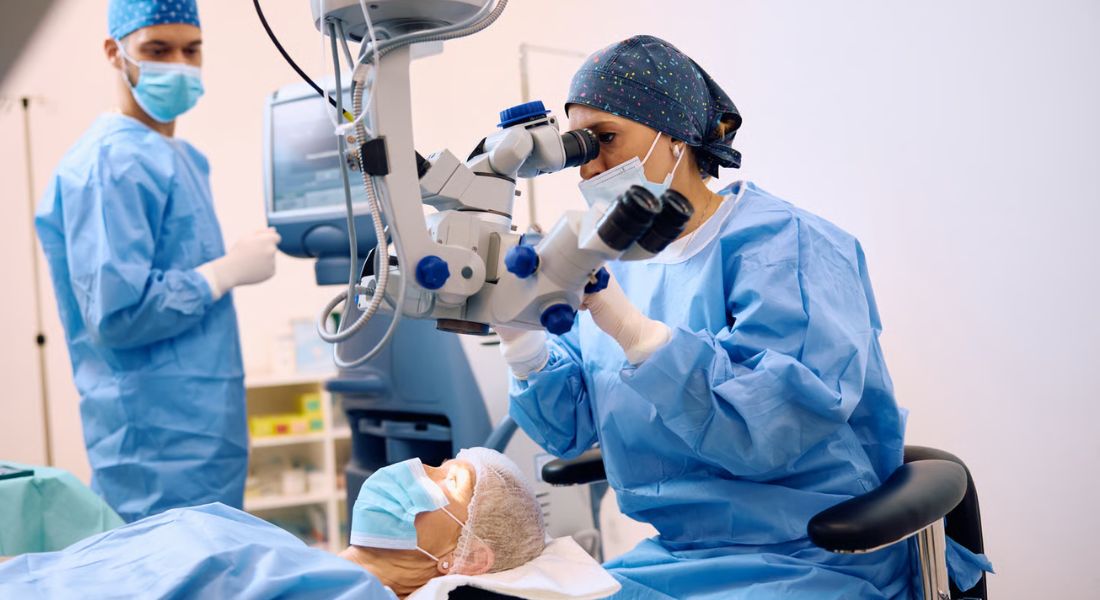
You might hope that glaucoma surgery will restore vision that has already been lost, but unfortunately, it cannot. The purpose of glaucoma surgery is to lower eye pressure more effectively when drops or laser are no longer enough. It is designed to protect your remaining vision, not bring lost sight back.
- Surgery does not reverse nerve damage: Vision loss in glaucoma is caused by permanent damage to the optic nerve. Surgery cannot repair this damage, so it will not improve areas of vision that are already missing.
- Its role is to slow or stop further loss: By reducing eye pressure more aggressively, surgery helps prevent ongoing damage. This can be especially important if glaucoma is progressing despite other treatments.
- Preserving vision protects independence: In advanced cases, preventing further loss can make a major difference to your daily life. Maintaining the vision you still have helps support independence, safety, and quality of life.
Understanding what surgery can and cannot do helps set realistic expectations. While it does not restore vision, it plays a vital role in protecting your future sight.
Why Glaucoma Differs From Cataracts
It’s easy to assume that all eye conditions affect vision in the same way, but glaucoma and cataracts behave very differently. Cataracts cause blurred or cloudy vision that can usually be reversed with surgery. Glaucoma, on the other hand, causes areas of missing vision that cannot be restored.
- Cataracts blur vision, glaucoma removes it: With cataracts, everything looks hazy, as though you’re looking through a fogged window. With glaucoma, your vision often stays clear, but parts of it gradually disappear.
- Treatment goals are completely different: Cataract surgery is designed to improve vision by replacing the cloudy lens. Glaucoma treatment focuses on preserving the vision you still have by preventing further nerve damage.
- Both conditions can exist together: You can have cataracts and glaucoma at the same time, but treating one does not treat the other. Each condition needs its own approach and management plan.
Understanding this difference helps set realistic expectations. Treating glaucoma is about prevention, not recovery. Recognising this mindset shift is key to protecting your long-term vision.
Why Early Treatment Makes Such a Big Difference
In the early stages of glaucoma, the damage is often mild. Most of your vision is still intact at this point. Starting treatment early helps protect a large reserve of healthy nerve fibres.
When glaucoma is diagnosed late, there’s less vision left to preserve. Even if treatment successfully slows progression, the impact on daily life can be much greater. Timing plays a crucial role in long-term outcomes.
Early treatment doesn’t reverse damage that has already occurred. What it does is preserve a higher level of vision for the future. This can make a significant difference to your independence and quality of life.
This is why regular screening is so important. Detecting glaucoma early allows prevention to begin sooner. Acting early gives you the best chance of maintaining stable vision over time.
Why Some Vision Changes May Feel Better After Treatment
After starting treatment, you might feel that your vision is more comfortable or stable. This often happens because lowering eye pressure reduces strain within the eye. It doesn’t mean that any existing damage has been reversed.
Reducing pressure can also improve blood flow to the optic nerve. This may help the remaining healthy nerve fibres function more efficiently. As a result, your vision can feel steadier or less strained.
These improvements are usually subtle and vary from person to person. You may notice better comfort rather than clearer or wider vision. The underlying nerve structure doesn’t change.
It’s important not to mistake this improvement for recovery of lost vision. Glaucoma-related damage remains permanent. Treatment focuses on comfort and protection, not repair.
What Patients Often Misunderstand About Reversal
Many people assume that starting treatment will restore lost vision. It’s natural to hope for a “fix,” but this isn’t how glaucoma works. Treatment serves a different purpose altogether.
The idea of reversing damage doesn’t apply to glaucoma. The main goal is to prevent your vision from worsening. Understanding this helps prevent frustration or disappointment with your care.
When you know what to expect, it’s easier to engage with your treatment plan. Clear explanation makes it more likely that you’ll use medications correctly and attend regular check-ups.
Education is an important part of managing glaucoma. Knowing that treatment protects your remaining vision empowers you to take an active role. Being informed helps you stay on top of your eye health.
How Progression Is Monitored Over Time
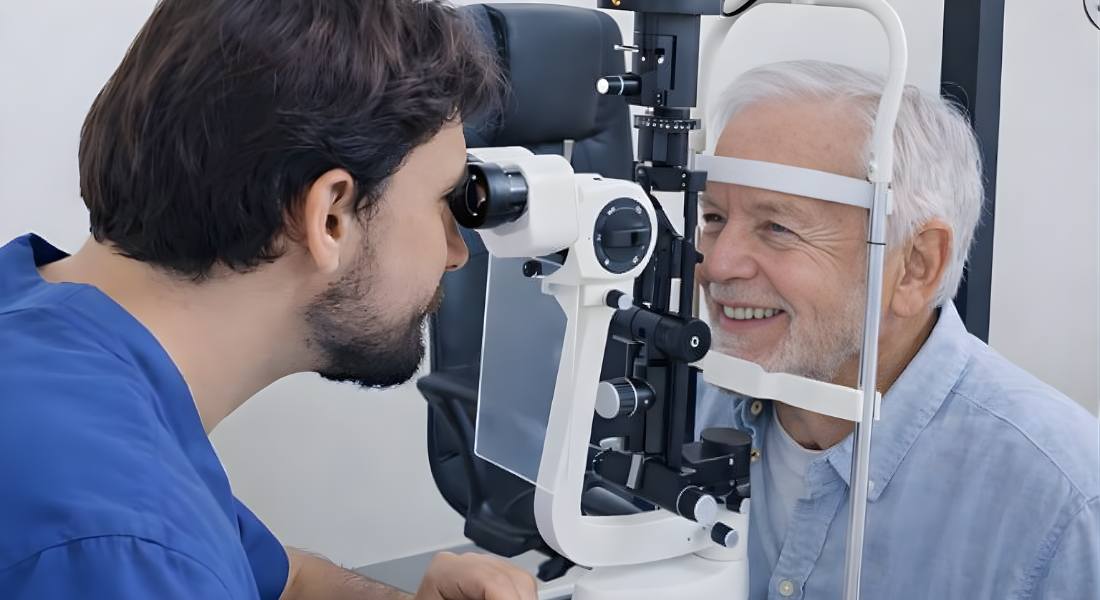
If you have glaucoma, your eye care team will monitor how the disease progresses using visual field tests and imaging. These checks can detect changes before you notice any symptoms, allowing treatment to be adjusted in time to protect your vision.
- Visual field tests track your functional vision: These tests map your peripheral vision and can reveal subtle blind spots that you might not notice in daily life.
- Imaging detects structural changes: Advanced scans of the optic nerve and retinal layers show if nerve fibres are thinning, even before vision loss becomes obvious.
- Monitoring guides treatment decisions: If your tests remain stable, it usually means your current treatment is working. Small changes, however, may prompt adjustments to your eye drops, laser, or surgery plan to keep your vision safe.
Progression does not mean your treatment has failed it means your care plan needs fine-tuning. Ongoing monitoring and proactive management are essential to protect the vision you still have.
Can Vision Loss Ever Stop Completely?
For many people with glaucoma, progression can slow dramatically or even stop. Achieving stable disease is a realistic and meaningful goal. This stability allows you to maintain long-term visual function.
Whether progression stops completely depends on individual factors. Your age, how advanced the disease is, and how you respond to treatment all play a role. Being diagnosed early improves your chances of keeping the disease under control.
Even when your glaucoma appears stable, ongoing monitoring is essential. Stability needs to be confirmed over time through regular eye checks. You can’t assume that once it’s stable, it won’t change.
Long-term care remains a key part of managing glaucoma. By staying vigilant with check-ups and treatment, you protect your vision for the future. Consistency is just as important as the treatment itself.
Why Lifelong Treatment Is Usually Needed
Glaucoma risk doesn’t go away, even when your eye pressure is well controlled. Stopping treatment can allow pressure to rise again, putting your optic nerve at risk. This means damage can resume if care isn’t maintained.
For this reason, glaucoma treatment is usually lifelong. Whether you use drops, laser, or surgery, ongoing review is necessary to keep your eyes safe. Regular monitoring ensures that your vision remains protected.
Thinking of treatment as maintenance can make it easier to accept. It’s similar to managing blood pressure or other chronic conditions. The goal is continuous control, not a one-time fix.
Maintaining this mindset helps you stay consistent with treatment. Consistency is the key to preventing further vision loss. By adhering to care, you give yourself the best chance of preserving sight over the long term.
Emotional Impact of Learning Damage Is Permanent
Learning that vision loss from glaucoma is permanent can be emotionally challenging. It’s common to feel grief, anxiety, or frustration when you first hear this. These reactions are a normal part of processing the diagnosis.
Support and education play a big role in helping you adjust. Focusing on the vision you can preserve is empowering and gives you a sense of control. Over time, most people learn to adapt to the changes.
Talking openly with your eye specialist can help address fears and uncertainties. Understanding your prognosis clearly reduces anxiety about the future. Emotional support is an important part of comprehensive glaucoma care.
Being informed and supported allows you to take an active role in managing your condition. Accepting permanence doesn’t mean giving up—it means protecting your remaining vision. Early action and ongoing care help you maintain independence and quality of life.
What Research Says About Nerve Regeneration
Research into optic nerve regeneration is ongoing, but at present, there’s no proven way to restore lost nerve fibres. Scientists continue to explore experimental therapies, yet nothing has been reliably shown to reverse damage. For now, prevention remains the cornerstone of care.
While it’s natural to hope for future treatments, relying on potential reversal is not safe. Your best strategy is to focus on protecting the vision you still have today. Early action and consistent care are what make the biggest difference.
It’s important to balance hope with realism. Current glaucoma treatments are highly effective at preserving remaining vision. Understanding this helps you prioritise prevention over waiting for a cure.
By focusing on what can be done now, you actively protect your sight. Regular check-ups and adherence to treatment remain the most reliable ways to maintain your vision. Prevention is your most powerful tool at this stage.
How Lifestyle Supports Treatment Effectiveness
Healthy lifestyle choices can support the health of your optic nerve. Managing blood pressure, staying active, and avoiding smoking all help reduce the risk of glaucoma progression. These habits complement your medical treatment.
It’s important to remember that lifestyle changes won’t reverse existing damage. Their role is to enhance the effectiveness of your prescribed treatment. Even small adjustments can make a meaningful difference over time.
Thinking about care holistically can improve your outcomes. Combining medical treatment with healthy habits gives your eyes the best chance of staying protected.
Comprehensive care is key to long-term vision preservation. By looking after both your health and your eyes, you maximise the benefits of treatment. Prevention and maintenance go hand in hand.
When Expectations Need to Be Revisited
If glaucoma progresses despite treatment, it may be necessary to revisit your expectations. Treatment goals can evolve as your condition changes. In some cases, more aggressive pressure control or additional therapy may be required.
This doesn’t mean that treatment has failed. Glaucoma can be unpredictable, and progression sometimes happens even under careful management. Responsive care adapts to these changes to protect your remaining vision.
Keeping an ongoing dialogue with your eye specialist is essential. Understanding the next steps and why adjustments are needed can reduce anxiety. Open communication helps you feel more in control of your care.
Adapting expectations is a normal part of long-term glaucoma management. By staying informed and flexible, you can continue to protect your vision effectively. Consistent monitoring ensures you respond promptly to any changes.
What Glaucoma Treatment Can and Can’t Do
It’s important to understand what glaucoma treatment can and cannot do. While treatment is very effective at lowering eye pressure and protecting the vision you still have, it cannot restore nerve fibres or recover lost sight. Knowing these limits helps set realistic expectations and focus on preserving your remaining vision.
| Aspect | Can Treatment Do This? |
| Restore lost vision | No |
| Stop further damage | Often |
| Lower eye pressure | Yes |
| Reverse nerve damage | No |
| Preserve remaining sight | Yes |
Who Benefits Most From Early Intervention
Early intervention in glaucoma offers the greatest benefits for certain groups. If you’re diagnosed at an early stage, there’s more vision to protect over time. Younger patients, those with a family history, high-risk individuals, or people who attend regular check-ups can all gain the most from timely treatment and preventive care.
| Patient Group | Why Benefit Is Greater |
| Early-stage glaucoma | More vision to protect |
| Younger patients | Longer preservation |
| Regular attendees | Faster adjustment |
| Family history cases | Early detection |
| High-risk individuals | Preventive control |
FAQs:
- Is glaucoma always a permanent condition once you are diagnosed?
Yes, glaucoma is considered permanent because the underlying vulnerability of your optic nerve does not go away. Even when eye pressure is well controlled, the condition itself remains and needs lifelong monitoring. However, this does not mean your vision will inevitably worsen, as many people maintain stable vision with proper treatment. - Can glaucoma treatment reverse vision loss that has already happened?
No, glaucoma treatment cannot reverse vision loss that has already occurred. The damage comes from optic nerve fibres dying, and these fibres do not regenerate. Treatment works by protecting the vision you still have, not by restoring what is lost. - Why can’t the optic nerve heal itself after glaucoma damage?
The optic nerve is part of the central nervous system, and nerve cells in this system do not regenerate once damaged. When glaucoma causes nerve fibre loss, the visual information those fibres carried is permanently lost. This biological limitation is why prevention is themain focus of treatment. - If damage is permanent, why is treatment still so important?
Treatment matters because glaucoma usually continues to progress without it. By lowering eye pressure, treatment slows or stops further nerve damage, allowing you to preserve your remaining vision. Most people diagnosed early keep useful vision for life because of effective treatment. - Does lowering eye pressureactually protectyour vision?
Yes, lowering eye pressure reduces stress on the optic nerve and significantly lowers the risk of further damage. Even if your pressure is already within a normal range, reducing it further can still protect vulnerable nerve fibres. This is the core principle behind all glaucoma treatments. - Can glaucoma surgery improve your eyesight?
Glaucoma surgery does not improve eyesight or restore missing vision. Its role is to lower eye pressure more effectively when drops or laser are not enough. The benefit of surgery is preventing future vision loss rather than improving what you currently see. - Why does glaucoma feel different from cataracts if both affect vision?
Cataracts cause blurred or cloudy vision that can be reversed with surgery, while glaucoma causes missing areas of vision that cannot be restored. With glaucoma, your central vision may stay clear for a long time, which can make the condition harder to notice. The two conditions affect the eye in very different ways. - Can glaucoma progression ever stop completely?
In many people, glaucoma progression can slow dramatically or remain stable for years with the right treatment. While this does not mean the condition is cured, it does mean your vision can remain functionally unchanged. Stability is a realistic and common treatment goal. - Why do you still need lifelong treatment if your glaucoma is stable?
Glaucoma risk never fully disappears, and stopping treatment can allow eye pressure to rise again. Even after years of stability, damage can resume if treatment is discontinued. Lifelong care ensures ongoing protection of your optic nerve. - Should you rely on future research to reverse glaucoma damage?
While research into nerve regeneration is ongoing, there is currently no proven way to restore lost optic nerve fibres. Waiting for future treatments instead of controlling glaucoma now puts your remaining vision at risk. Acting early with available treatments offers the best protection today.
Final Thought: What Glaucoma Treatment Can Achieve
Glaucoma may be permanent, but losing your sight does not have to be inevitable. While treatment cannot reverse damage that has already occurred, it plays a crucial role in protecting the vision you still have. Understanding this distinction helps you set realistic expectations and focus on what truly matters: early diagnosis, consistent treatment, and long-term monitoring to preserve your quality of life.
If you’d like to find out whether glaucoma treatment in London is suitable for you, feel free to contact us at Eye Clinic London to arrange a consultation. Taking action early gives you the best chance of maintaining stable vision and staying confident about your eye health going forward.
References:
- Kosior-Jarecka, E., 2024. Retinal Ganglion Cell Replacement in Glaucoma Therapy. Journal of Clinical Medicine, 13(23), 7204. https://www.mdpi.com/2077-0383/13/23/7204
- Pei, K., 2024. Review: Neuroprotective Nanocarriers in Glaucoma. Pharmaceuticals, 17(9), 1190. https://www.mdpi.com/1424-8247/17/9/1190
- Kosior-Jarecka, E. et al., 2024. Retinal Ganglion Cell Replacement in Glaucoma Therapy. Journal of Clinical Medicine, 13(23). https://pubmed.ncbi.nlm.nih.gov/39685661/
- Cui, N., 2025. Glaucomatous retinal ganglion cells: death and protection. https://pmc.ncbi.nlm.nih.gov/articles/PMC11672089/
- Pang, I. & Clark, A.F., 2023. Therapeutic strategies for glaucoma and optic neuropathies. Molecular Aspects of Medicine, 94, 101219. https://www.sciencedirect.com/science/article/abs/pii/S0098299723000596