


Is Glaucoma Hereditary? What Your Family Should Know

When someone in your family is diagnosed with glaucoma, concern often arises quickly and understandably. You may start questioning whether the condition can be inherited and what this could mean for your own eyesight. These thoughts are common and shared by many people in similar situations. We recognise how uncertainty can create anxiety when answers are not clear. Acknowledging these concerns is the first step towards informed care.
We know that glaucoma frequently appears within families, but risk is rarely simple or absolute. Having a relative with glaucoma does not mean you will inevitably develop the condition. It does, however, increase your likelihood compared with people without a family history. This difference between risk and certainty is important to understand. Awareness helps keep expectations realistic and balanced.
Understanding hereditary risk supports better decision-making rather than fear. Early awareness allows testing to begin sooner and monitoring to be more focused. We see clear benefits when potential changes are identified before symptoms appear. Timely intervention becomes possible when risk is recognised early. In this way, knowledge acts as protection rather than alarm.
We believe that clarity around family risk empowers both you and your relatives. Accurate information replaces guesswork and reduces unnecessary worry. When risk is explained clearly, confidence grows naturally. We focus on guidance that supports prevention and long-term eye health. Shared understanding helps everyone feel more secure and prepared.
What Hereditary Risk Actually Means
Hereditary risk means genetics influence how likely you are to develop glaucoma by shaping optic nerve structure, pressure regulation, and blood flow. We understand that these inherited traits can increase vulnerability without causing disease on their own. Risk reflects susceptibility rather than certainty.
You may inherit a predisposition rather than glaucoma itself, meaning the condition becomes more likely under certain circumstances. We know that environment, general health, and lifestyle interact with genetics to influence outcomes. This balance explains why glaucoma is possible but not inevitable.
We often see glaucoma emerge earlier when close relatives are affected, and progression can be faster without regular monitoring. This is why family history is treated as an important factor in eye care planning. Hereditary risk calls for vigilance and awareness, helping you and we act early rather than react late.
Which Types of Glaucoma Are Most Hereditary
Genetics plays a significant role in how glaucoma develops and behaves over time. Some forms show a stronger inherited pattern than others, which influences how risk is assessed and managed. Understanding these genetic links helps explain why screening and monitoring are tailored differently between individuals. Family history often provides valuable clues long before symptoms appear.
- Primary open-angle glaucoma has a strong genetic link
This is the most common form of glaucoma seen in clinical practice. Risk increases when close family members are affected, making family history particularly important. - Normal-tension glaucoma can also cluster within families
Inherited optic nerve structure and vascular traits may increase vulnerability. Damage can occur even when pressure readings appear normal, so risk is not pressure-dependent alone. - Other genetic glaucomas are less common but still relevant
Some inherited types present earlier in life but are seen far less frequently. We focus screening on open-angle glaucoma due to its prevalence and long-term impact.
Recognising genetic influence allows glaucoma care to begin earlier and proceed more thoughtfully. By factoring in family history, we can adjust monitoring and prevention strategies before damage occurs. This proactive approach helps protect vision by addressing risk rather than waiting for symptoms to develop.
How Much Does Family History Increase Risk
Having a first-degree relative with glaucoma significantly increases your level of risk compared with the wider population. We recognise that parents, siblings, and children of affected individuals carry a higher likelihood, even when vision feels normal. This increased risk highlights the importance of awareness rather than assumption.
You may wonder whether more distant relatives are relevant. We know that risk is strongest among close family members, but patterns across generations can still matter, especially when more than one relative is affected. Family history provides valuable context that helps clarify how closely monitoring should begin.
We use this information as a key factor when planning assessments and long-term follow-up. It guides how early testing starts and how frequently reviews take place. Risk does not mean a diagnosis is inevitable, but it signals the need for proactive, informed care that you and we can manage together.
Why Genetics Alone Do Not Tell the Full Story
Although genetics are important, they do not act alone. Many people with a family history never develop glaucoma. Others develop the condition without any known affected relatives.
You may share genes with relatives but not develop disease because other protective factors are present. Eye pressure levels, blood flow, and optic nerve resilience all matter. Lifestyle and health also influence outcomes.
We view genetics as one piece of a larger puzzle. Risk emerges when multiple factors align. This is why comprehensive assessment is essential. Family history informs risk but does not define destiny. Monitoring bridges the gap.
Who in the Family Should Be Tested
First-degree relatives should give priority to regular eye examinations, including parents, siblings, and adult children of someone with glaucoma. We use early testing to establish baseline measurements that make future changes easier to detect. This early reference point supports clearer, more confident monitoring over time.
You may question the need for testing when there are no symptoms, but glaucoma often develops silently in its early stages. We know that waiting for noticeable vision problems can lead to delayed diagnosis. Structural and pressure-related changes usually appear long before vision is affected.
We therefore encourage routine checks even when eyesight feels completely normal. Early identification allows more vision to be protected through timely care. When you encourage family members to attend eye examinations, you and we focus on prevention rather than reacting after damage has occurred.
When Family Members Should Start Eye Checks
Timing of screening depends on both age and family history. We usually recommend that adults with an affected parent or sibling begin regular eye checks earlier than average, often well before middle age. This earlier start allows you and we to identify risk sooner rather than waiting for symptoms.
Younger family members may not need frequent testing at first, but establishing a baseline is still valuable. We use this reference point to recognise meaningful change more easily in the future. Early measurements create context that supports accurate comparison over time.
We adjust follow-up frequency based on findings and overall risk rather than applying fixed rules. Some people benefit from closer monitoring, while others remain stable with routine review. Early checks offer reassurance when results are normal and provide a safety net that supports long-term eye health.
What Tests Are Used for Family Screening
Screening for glaucoma involves far more than a simple pressure reading. We assess optic nerve appearance, measure eye pressure, and evaluate retinal nerve fibre thickness to understand structural health. Visual field testing may also be included when it adds useful insight into how vision is functioning.
You may expect screening to be quick, but a comprehensive approach provides far greater clarity. Each test offers different information, and no single result stands alone. When these findings are reviewed together, they create a more accurate picture of risk and stability.
Imaging allows us to detect early structural changes, while functional tests reveal subtle vision loss that may not yet be noticeable. We use this combination to confirm stability or identify early disease, particularly when hereditary risk is present. Screening is therefore detailed and deliberate, ensuring you and we rely on evidence rather than assumptions.
Why Normal Pressure Does Not Remove Genetic Risk
Normal eye pressure readings can feel reassuring, but they do not always reflect the full level of glaucoma risk. Genetics plays an important role, particularly in normal-tension glaucoma. When family history is present, pressure values must be interpreted with greater caution. Understanding this context helps explain why monitoring may continue despite normal readings.
- Normal pressure does not exclude inherited risk
Normal-tension glaucoma often runs in families. Family history can change how reassuring pressure measurements truly are. - Inherited optic nerve vulnerability increases sensitivity
Structural and blood flow characteristics can allow damage at lower pressures. Pressure readings alone cannot fully account for this individual susceptibility. - Monitoring continues when genetic risk is present
We maintain follow-up even when pressure remains within the normal range. Results are interpreted alongside family history rather than viewed in isolation.
Genetics helps define what “normal” really means for each person. By considering inherited risk alongside pressure measurements, we gain a more accurate picture of vulnerability. This personalised approach ensures monitoring and care are aligned with your true risk profile rather than relying on numbers alone.
How Family History Affects Monitoring Frequency
Family history often leads to closer and more regular follow-up, even when early findings appear reassuring. We may monitor you more frequently than someone without inherited risk, allowing subtle changes to be detected sooner. This approach prioritises early recognition rather than waiting for clear damage to appear.
We focus on trends over time instead of isolated results. Small shifts can carry greater meaning when genetic risk is present, especially when they appear consistently. By recognising these patterns early, you and we can act before meaningful vision loss occurs.
Monitoring plans may evolve as you age, because risk naturally increases over time even if early tests remain normal. We adapt follow-up to reflect this changing risk rather than relying on past reassurance alone. In this way, family history helps shape long-term care and ensures important changes are not overlooked.
What Parents Should Know About Children and Glaucoma
Most common forms of glaucoma tend to develop later in life, and children of affected parents rarely develop the same condition at a young age. We understand why family history can raise concern, but early childhood risk is generally low. Awareness is still valuable, without assuming early disease.
You may worry about your children’s eyesight more than necessary. We know that routine eye checks during childhood are usually enough unless symptoms appear or rare inherited conditions are suspected. Regular care offers reassurance rather than cause for alarm.
We focus screening more closely as adulthood approaches, unless specific warning signs emerge earlier. This balanced approach maintains safety while avoiding unnecessary anxiety. When you share family history, you and we help ensure future care is informed and appropriately timed.
Lifestyle and Environmental Factors Still Matter
Genetic risk does not act in isolation, and other influences play an important role in how glaucoma develops. We recognise that lifestyle, general health, and vascular factors interact with inherited traits rather than being overridden by them. Risk is shaped by how these elements work together over time.
You can support eye health through regular care and attention to overall wellbeing. We see benefits from good blood pressure control, consistent sleep patterns, and keeping eye appointments. Genetics may set the starting point, but daily habits and health choices influence how the condition behaves.
We encourage a balanced understanding of risk that avoids both complacency and fear. Genetics increase awareness, while proactive care supports protection. When you and we focus on what can be managed, risk becomes shaped rather than sealed.
Why Early Detection Matters More in Families
Glaucoma identified at an early stage responds more effectively to treatment, with vision loss often slowed in a meaningful way. We know that family history increases the value of early diagnosis, as risk can be addressed before significant damage develops. Timing plays a critical role in preserving long-term sight.
You may feel uneasy about testing, yet normal results often bring reassurance and clarity. If changes are found, early intervention offers stronger protection for vision than treatment started later. Acting sooner gives you and we more options and greater control.
We place strong emphasis on early detection as a protective approach rather than a reaction to damage. This shift improves outcomes by keeping time on your side. When families share awareness, knowledge becomes a safeguard that helps protect vision for the future.
How Treatment Decisions Are Influenced by Genetics
Treatment does not change dramatically based on genetics alone, but risk level does influence how care is planned. We may set lower targets when overall risk is higher, using genetics as one of several guiding factors. This approach reflects careful management rather than an assumption of severity.
You may be monitored more closely or begin treatment earlier, even when findings appear mild. We do this as a precaution to reduce future risk, not because damage is inevitable. Genetics guide attentiveness and timing, not alarm.
We tailor care around your individual risk profile, using family history to add context rather than dictate outcomes. Decisions remain grounded in evidence and adjusted as circumstances evolve. In this way, genetics shape strategy, helping you and we focus on protection rather than fear.
Talking to Family Members About Glaucoma
Talking to relatives about glaucoma can feel uncomfortable, particularly if you worry about causing unnecessary concern. These conversations are often more effective when they are calm, factual, and focused on prevention. We find that framing the discussion around awareness rather than risk helps keep it constructive. A balanced approach makes the topic easier to share and receive.
- Keep the focus on awareness rather than fear
Clear, measured information helps prevent conversations from feeling alarming. When awareness is the goal, discussion tends to feel supportive rather than worrying. - Emphasise routine eye checks as a preventive step
Regular eye examinations can be presented as part of general health care. This reframes testing as sensible and proactive, not as a sign of illness. - Offer simple and practical guidance
Sharing when and where eye checks can be arranged reduces uncertainty. Clear direction makes it easier for relatives to take timely action.
Open and informed conversations can turn concern into empowerment. By focusing on prevention and practical steps, you help relatives understand the importance of eye health without creating anxiety. We see family awareness as a positive step towards long-term protection for everyone involved.
What This Means for Long-Term Eye Care
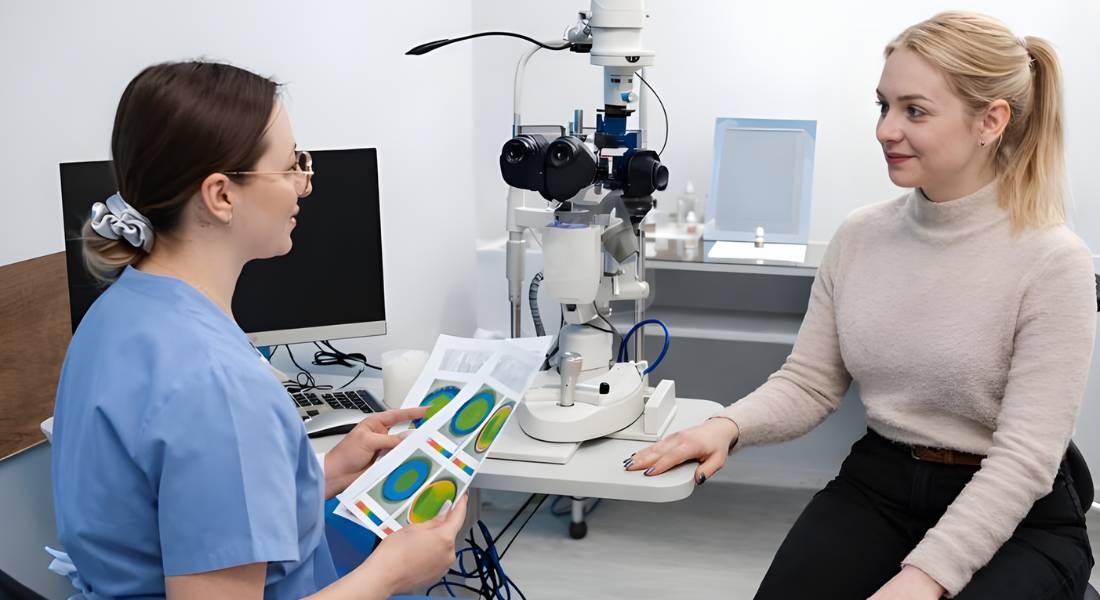
Having a family history of glaucoma means long-term awareness matters, but it does not require constant concern. We replace uncertainty with structured monitoring so risk is managed calmly and clearly. This approach allows you to stay informed without feeling overwhelmed.
You benefit from regular reviews that offer reassurance as well as early detection. We identify changes before symptoms appear, which shifts care from reacting to problems to preventing them. Monitoring becomes a protective tool rather than a source of anxiety.
We build long-term plans around your individual risk, clinical findings, and age, and we adapt them as circumstances change. This flexibility keeps care relevant over time. Family history then becomes part of informed protection, helping you and we focus on preservation rather than worry.
FAQs:
- Can you inherit glaucoma if someone in your family has it?
Yes, having a close relative with glaucoma increases your risk compared with the general population. This does not mean you will definitely develop the condition. Genetics influence susceptibility rather than certainty. We use family history as a reason for earlier and more careful monitoring. - Does family history mean you will eventually get glaucoma?
Family history increases likelihood but does not guarantee disease. Many people with affected relatives never develop glaucoma. Risk depends on how genetics interact with eye structure, blood flow, and ageing. We focus on awareness rather than inevitability. - Which family members should you be most concerned about?
Risk is highest when parents, siblings, or children are affected. These first-degree relatives benefit most from earlier eye checks. More distant relatives carry lower risk unless multiple family members are affected. We prioritise screening based on closeness of relation. - At what age should you start eye tests if glaucoma runs in your family?
Screening usually starts earlier than average when family history is present. We often recommend baseline testing well before symptoms are expected. Early measurements make future changes easier to detect. Timing is guided by risk rather than age alone. - Can you still develop glaucoma even if your eye pressure is normal?
Yes, inherited optic nerve vulnerability can allow damage at normal pressure levels. Some genetic forms are not pressure-dependent. Normal readings do not remove inherited risk. We interpret pressure alongside structure and function. - Why do some families seem to have more glaucoma than others?
Genetic traits affecting optic nerve structure and circulation can cluster within families. These traits increase vulnerability rather than directly causing disease. Environmental and health factors then influence whether glaucoma develops. We see family patterns reflect shared biology, not certainty. - What tests should you expect when screening for inherited risk?
Screening involves more than a pressure check. We examine the optic nerve, perform imaging, and assess visual function when appropriate. These tests establish a baseline for future comparison. Comprehensive assessment provides clearer reassurance than single measurements. - Should you be worried about your children if you have glaucoma?
Most common forms develop later in life, so childhood risk is usually low. Routine eye care is generally sufficient unless rare inherited conditions are suspected. Awareness becomes more important as adulthood approaches. We balance reassurance with informed planning. - Does genetics change how often you need monitoring?
Yes, inherited risk usually leads to closer follow-up even when results are normal. We track trends carefully rather than relying on one-off reassurance. Monitoring frequency may increase with age or subtle change. This approach aims to detect issues early rather than react late. - How should you talk to relatives about glaucoma risk?
Conversations work best when focused on awareness and prevention rather than fear. Encouraging routine eye checks keeps the message practical and calm. Clear guidance helps relatives take action confidently. We see shared knowledge as a protective step for the whole family.
Final Thoughts on Hereditary Glaucoma Risk
Glaucoma can run in families, and having an affected relative increases risk without guaranteeing disease. Genetics influence optic nerve vulnerability, but early testing and regular monitoring make a meaningful difference. Understanding hereditary risk allows families to act early and protect vision.
We believe informed awareness is the strongest defence. If you or your relatives have concerns or would like guidance for glaucoma treatment in London, you can contact us at Eye Clinic London for expert assessment and ongoing care tailored to your family’s needs.
References:
- Wiggs, J.L. and Pasquale, L.R. (2017) Genetics of glaucoma. Human Molecular Genetics, 26(R1), pp. R21–Rhttps://academic.oup.com/hmg/article/26/R1/R21/2909473
- Fan, N., Zhang, H., Tian, T., Chen, H. and Chen, X. (2015) Ocular blood flow and its role in normal-tension glaucoma. BioMed Research International, 2015, Article ID 308505. Available at: https://www.ncbi.nlm.nih.gov/pmc/articles/PMC4628977/
- Tielsch, J.M., Katz, J., Sommer, A., Quigley, H.A. and Javitt, J.C. (1994) Family history and risk of primary open-angle glaucoma. Archives of Ophthalmology, 112(1), pp. 69–73. Available at: https://pubmed.ncbi.nlm.nih.gov/8285897/
- Yamamoto, T. (1998) Vascular pathogenesis of normal-tension glaucoma. Progress in Retinal and Eye Research, 17(5), pp. 715–737. Available at: https://www.sciencedirect.com/science/article/pii/S1350946297000098
- Mallick, J., Devi, L., Malik, P.K. and Mallick, J. (2016) Update on normal tension glaucoma: risk factors, diagnosis and management. Journal of Ophthalmic & Vision Research, 11(2), pp. 204–212. Available at: https://www.ncbi.nlm.nih.gov/pmc/articles/PMC4926570/