


Can Immunotherapy Cause Eye Problems?

If you are having immunotherapy and notice blurred vision, redness, eye pain or double vision, it is understandable to wonder whether your cancer treatment could be responsible. Most people do not develop serious eye complications, but some forms of immunotherapy, particularly immune checkpoint inhibitors, can occasionally trigger inflammation in the eyes or in the nerves and muscles involved in vision.
Some of these problems can begin during treatment, while others may appear later. Because symptoms such as redness or blurred vision can also have more common causes, such as dry eye or infection, it is important to report new or worsening changes rather than trying to work out the cause yourself. Your oncology and eye teams can assess what is happening and whether treatment is needed.
How Can Immunotherapy Affect Your Eyes?
Immune checkpoint inhibitors can sometimes cause your immune system to react against healthy tissues in or around your eyes. You may develop symptoms affecting the eye surface, retina, optic nerve, eye muscles or surrounding tissues.
- Eye surface inflammation: You may develop dry, gritty, burning or irritated eyes, sometimes with fluctuating blurred vision. These symptoms can also have other causes, such as blepharitis or allergy.
- Uveitis: Inflammation inside the eye can cause redness, pain, light sensitivity, blurred vision or new floaters. Prompt assessment is important because symptoms do not always show how severe the inflammation is.
- Optic nerve or retinal problems: Rare inflammation affecting the optic nerve or retina can cause dim or blurred vision, colour changes, flashes or missing areas of vision. New or worsening visual changes should be assessed promptly.
- Eye movement and orbital problems: Immunotherapy can rarely affect the muscles, nerves or tissues around your eyes, causing double vision, drooping eyelids, swelling or difficulty moving your eyes.
Most immunotherapy-related eye problems are uncommon, but some can affect your vision or indicate a wider immune-related reaction. You should report new eye or vision changes to your oncology team so the cause can be assessed and treated appropriately.
Are Eye Problems From Immunotherapy Common?
You are unlikely to develop a serious eye complication from immunotherapy, as ocular immune-related side effects are relatively uncommon. Your risk can vary depending on the type of immune checkpoint inhibitor you receive, whether you are having combination treatment and your medical history.
You should not ignore new eye or vision symptoms simply because these problems are rare. If you notice a change, tell your treatment team so they can assess you and decide whether you need further eye tests or treatment.
Evidence Note
Ocular immune-related adverse events from immune checkpoint inhibitors are uncommon, but they are clinically important because some can threaten vision if they are not recognised promptly.
The American Society of Clinical Oncology (ASCO) estimates that uveitis occurs in approximately 1% of people receiving immune checkpoint inhibitors, although the risk may be higher with combination checkpoint inhibitor treatment. Episcleritis has been reported in fewer than 1% of treated patients.
Importantly, the severity of eye symptoms does not always reflect the severity of inflammation. This is why new visual symptoms during immune checkpoint inhibitor treatment should be reported promptly and assessed appropriately rather than being judged on symptoms alone.
What Is Uveitis During Immunotherapy?
You may develop uveitis when immunotherapy triggers inflammation inside your eye, particularly after treatment with an immune checkpoint inhibitor. You may notice redness, blurred vision, eye pain, sensitivity to light or new floaters, and the inflammation can affect one or both eyes.
You should tell your healthcare team promptly if you develop these symptoms during immunotherapy. Your ophthalmologist can examine your eye, including with a slit-lamp, to determine how severe the inflammation is and whether you need treatment.
Immunotherapy-Related Eye Problems
| Possible Problem | Symptoms You May Notice | How Urgent Is It? | Important Point |
| Dry eye or ocular-surface irritation | Grittiness, burning, watering, irritation or fluctuating blurred vision | Usually non-emergency, but persistent or worsening symptoms should be assessed | Other conditions such as blepharitis, allergy and infection can cause similar symptoms |
| Uveitis | Redness, blurred vision, pain, light sensitivity or new floaters | Prompt ophthalmic assessment is important | Symptoms do not always reflect the severity of inflammation |
| Retinal inflammation or other retinal complications | Distorted or blurred vision, flashes, floaters, changes in colour or missing areas of vision | New significant visual changes require prompt assessment; sudden flashes, many floaters or a curtain/shadow need urgent same-day assessment | Retinal problems are rare but can potentially affect sight |
| Optic nerve inflammation or optic neuropathy | Dim or blurred vision, altered colour vision, visual-field loss or sometimes pain on eye movement | Urgent assessment is appropriate, particularly when vision is deteriorating | Several eye and neurological conditions can produce similar symptoms |
| Myasthenia gravis or immune-related muscle disease | Double vision, drooping eyelids, difficulty moving the eyes, muscle weakness or difficulty swallowing | Urgent assessment; breathing or swallowing difficulty requires emergency care | Myasthenia may overlap with myositis or myocarditis |
| Orbital inflammation | Eyelid or orbital swelling, pain, prominent eye or restricted eye movement | Prompt assessment is appropriate | Infection and thyroid eye disease are alternative possible causes |
| Hypophysitis | Headache, visual-field changes, blurred vision, marked tiredness or other hormonal symptoms | Prompt oncology assessment is required | This affects the pituitary gland rather than the eye itself but can produce visual symptoms |
Can Immunotherapy Cause Dry or Irritated Eyes?

You may develop dry or irritated eyes during immunotherapy, with symptoms such as burning, stinging, grittiness or watering. Your eyes may also feel uncomfortable during reading or screen use, and lubricating eye drops may help in mild cases.
You should not assume that every irritated eye is caused by immunotherapy, as allergies, blepharitis, infection or contact lenses can cause similar symptoms. If you develop significant redness, pain, light sensitivity or reduced vision, you should have your eyes assessed promptly.
Can Immunotherapy Cause Red Eyes?
You may develop red eyes during immunotherapy, but there are several possible causes. Uveitis and episcleritis can occur with immune checkpoint inhibitors, while dry eye, conjunctivitis and eyelid inflammation can also make your eyes look red.
You should have persistent redness assessed, particularly if you also have pain, reduced vision or sensitivity to light. You should not use leftover steroid or antibiotic eye drops without medical advice, as the wrong treatment can worsen some eye conditions.
Can Immunotherapy Affect the Retina?
You may rarely develop retinal problems during immunotherapy, including inflammation, fluid build-up or immune-related retinopathy. You may notice blurred or distorted vision, reduced contrast, changes in colour perception or missing areas in your vision, depending on which part of your retina is affected.
You should seek an eye assessment if you develop new visual changes, flashes or a sudden increase in floaters. Your ophthalmologist may dilate your pupils and use tests such as optical coherence tomography (OCT) to examine your retina and identify the cause.
Can Immunotherapy Affect the Optic Nerve?
You may rarely develop optic nerve inflammation or another form of optic neuropathy during immunotherapy. You may notice blurred or dim vision, less vivid colours, pain when moving your eyes or missing areas in your visual field.
You should have new or worsening visual symptoms assessed promptly, as optic nerve problems can have several causes. Your eye specialist may check your visual acuity, colour vision, pupil responses and visual fields, with further eye or neurological tests if needed.
Can Immunotherapy Cause Double Vision?
You may develop double vision during immunotherapy if the nerves, muscles or connections controlling your eye movements are affected. Immune checkpoint inhibitors have occasionally been linked with conditions such as myasthenia gravis, which can also cause drooping eyelids.
You should tell your oncology team promptly if you develop new double vision, particularly if you also have muscle weakness, difficulty speaking, swallowing or breathing. You should avoid driving while your vision is affected and seek urgent medical attention if you have trouble breathing or swallowing.
UK Guidance Note
In 2026, the MHRA updated UK product information for several immune checkpoint inhibitors to highlight myocarditis–myositis–myasthenia gravis overlap syndrome. This means that myasthenia gravis, muscle inflammation and heart inflammation can sometimes occur together.
If new double vision or drooping eyelids occur alongside marked muscle weakness, chest pain, shortness of breath, a rapid or irregular heartbeat, or difficulty swallowing or breathing, contact your cancer team urgently. Difficulty breathing or swallowing requires emergency medical assessment.
Can Your Eyelids or Eye Sockets Become Inflamed?
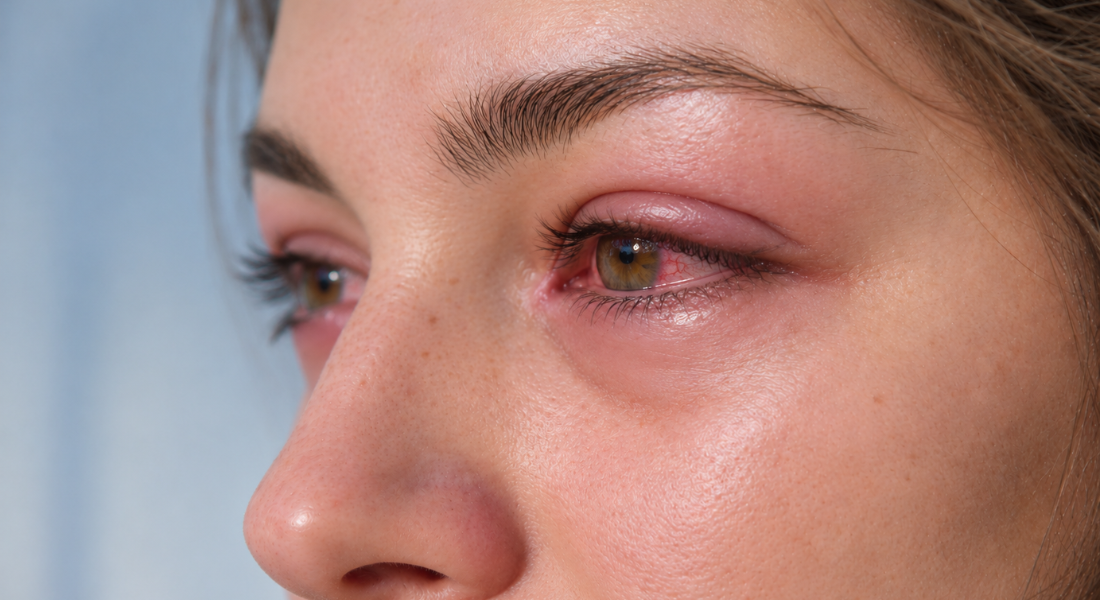
You may develop inflammation around your eyelids or eye sockets during immunotherapy, although this is uncommon. You may notice eyelid swelling, crusting, irritation, pain, changes in eye movement or, rarely, an eye appearing more prominent than usual.
You should tell your treatment team if you develop new swelling, double vision or difficulty moving your eyes. These symptoms can have other causes, including infection or thyroid eye disease, so your clinician should assess you before deciding on treatment.
When Can Immunotherapy-Related Eye Problems Develop?
You may develop eye problems early during immunotherapy, after several treatment cycles or even after treatment has ended. Even if your first few doses cause no eye symptoms, problems can still develop later.
If you have previously received immunotherapy, tell your eye specialist which medicine you had and roughly when you received it. New symptoms after treatment are not always caused by immunotherapy, so your specialist may also need to consider other possible causes.
Which Eye Symptoms Should You Report?
You should report any new or noticeable change in your eyes or vision while receiving immunotherapy. This may include blurred or distorted vision, changes in colour vision, sensitivity to light, missing areas in your visual field or new double vision.
You should also tell your oncology team if you develop eye pain, pain when moving your eyes, redness, significant dryness, eyelid swelling or an eye that appears more prominent. You should note when your symptoms started and whether they affect one or both eyes, as this can help your clinician assess the cause.
Which Symptoms Need Urgent Assessment?
You should seek urgent medical attention if you develop sudden or significant vision loss, severe eye pain, a very painful red eye or rapidly worsening sight. You should also have sudden double vision, difficulty controlling your eye movements, new flashes, many new floaters or a curtain-like shadow across your vision assessed promptly.
You should also seek urgent help if your eye symptoms occur with severe muscle weakness, difficulty swallowing or breathing. You should keep your cancer team’s contact details available so you know who to contact if you develop a potentially serious side effect.
How Are Immunotherapy-Related Eye Problems Diagnosed?
Your eye specialist will ask about your symptoms, when they started and whether they affect one or both eyes. It is also helpful to tell them which immunotherapy and other cancer treatments you are receiving.
Your assessment may include checks of your vision, colour vision, pupils, eye movements, eye pressure and visual fields, along with a slit-lamp and retinal examination. Depending on your symptoms, you may also need OCT, retinal imaging, MRI or neurological tests.
Should You Stop Immunotherapy If You Develop an Eye Problem?
You should not stop your immunotherapy yourself if you develop an eye problem. Your oncology team and ophthalmologist can assess your symptoms and decide whether your cancer treatment can safely continue.
If your eye problem is mild, you may be able to continue immunotherapy while it is treated. More serious problems may require treatment to be paused or stopped, but this decision should always be made with your healthcare team.
How Are Eye Problems From Immunotherapy Treated?
You may need different treatment depending on which part of your eye is affected and how severe the inflammation is. Mild dry eye may improve with lubricating drops and eyelid care, while conditions such as uveitis may require corticosteroid eye drops or other anti-inflammatory treatment.
You should not start steroid eye drops yourself, as infections can cause similar symptoms and steroids may make some infections worse. For more serious inflammation affecting your retina, optic nerve or orbit, your ophthalmologist may recommend systemic corticosteroids or other immunosuppressive treatment alongside your cancer care.
Why Is Specialist Eye Assessment Important During Immunotherapy?
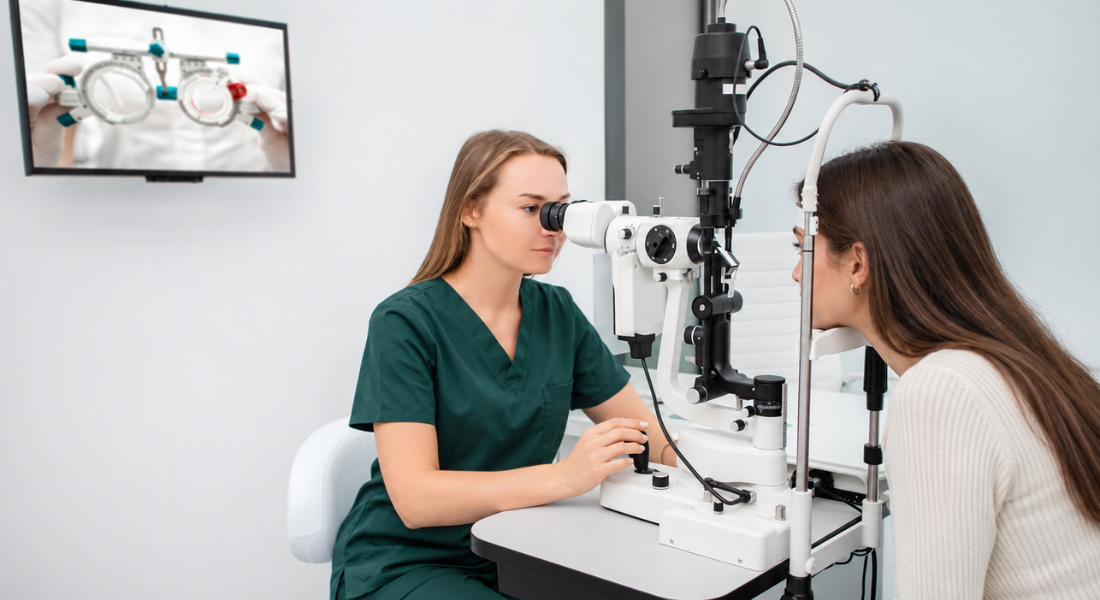
If you develop eye symptoms during immunotherapy, there can be several possible causes, including dryness, infection or inflammation. An ophthalmologist can examine your eyes and check whether your vision may be at risk.
Take an up-to-date list of your medicines, including your immunotherapy and any eye drops, to your appointment. Good communication between your eye specialist and oncology team can help your eye problem and cancer treatment be managed safely.
Myth vs Fact
| Myth | Fact |
| All cancer immunotherapy carries the same risk of eye problems. | Different types of immunotherapy have different side-effect profiles. The eye complications discussed in this article are particularly associated with immune checkpoint inhibitors. |
| Eye problems from checkpoint inhibitors are common. | Ocular immune-related complications are uncommon. However, problems such as uveitis, optic nerve inflammation and neurological conditions affecting eye movement can be important because some may threaten sight or indicate a wider immune-related reaction. |
| Mild eye symptoms mean the inflammation must be mild. | Not necessarily. With immune-related uveitis, the severity of symptoms does not always reflect the severity of inflammation, which is why ophthalmic assessment may be needed. |
| Double vision during immunotherapy is always an eye problem. | Double vision may sometimes result from neurological or muscular complications such as myasthenia gravis or immune-related myositis. Associated muscle weakness, swallowing problems or breathing difficulty require urgent assessment. |
| You should stop immunotherapy immediately if your eyes become red or blurred. | Do not stop cancer immunotherapy yourself. Your oncology and ophthalmology teams should assess the cause and severity and decide whether treatment can continue, should be temporarily paused or needs to be stopped. |
| Eye symptoms cannot occur once immunotherapy has finished. | Immune-related adverse effects can sometimes begin after treatment has ended, so tell your doctor about previous checkpoint inhibitor treatment when new symptoms are being assessed. |
Key Takeaways
- This article mainly concerns immune checkpoint inhibitors, rather than every type of cancer immunotherapy.
- Eye-related immune adverse effects are uncommon, but some can affect vision and require prompt specialist assessment.
- Uveitis can cause redness, pain, light sensitivity, floaters and blurred vision, and symptom severity does not always reflect the amount of inflammation present.
- Immune checkpoint inhibitors can rarely affect the retina, optic nerve, eye muscles or tissues within the orbit.
- New double vision or drooping eyelids can sometimes indicate myasthenia gravis or immune-related muscle disease, particularly when accompanied by weakness, swallowing difficulty or breathing problems.
- Headache with visual changes can occasionally result from immune-related inflammation of the pituitary gland rather than a problem arising directly from the eye.
- Sudden or significant vision loss, severe eye pain, rapidly worsening sight, a curtain-like shadow or major new neurological symptoms require urgent assessment.
- Do not stop, pause or restart immunotherapy yourself because of an eye symptom. Decisions about cancer treatment should be made by your oncology team with appropriate specialist input.
Frequently Asked Questions
- Can you develop eye problems from immunotherapy?
Yes, you can develop eye problems during or after immunotherapy, although serious complications are uncommon. You may experience dry eyes, redness, uveitis, retinal problems or optic nerve inflammation. - What eye symptoms can you experience during immunotherapy?
You may experience blurred or distorted vision, eye redness, pain, light sensitivity, dryness, new floaters, changes in colour vision or double vision. You should report new or persistent symptoms to your oncology team. - Can immunotherapy cause uveitis?
Yes, you can develop uveitis when immunotherapy triggers inflammation inside your eye. You may notice redness, blurred vision, eye pain, sensitivity to light or new floaters and should have these symptoms assessed promptly. - Can immunotherapy affect your optic nerve or retina?
Yes, you can rarely develop inflammation or other problems affecting your optic nerve or retina. You may notice reduced or dim vision, changes in colour perception or missing areas of vision. - Can immunotherapy cause you to see double?
Yes, you can develop double vision if immunotherapy affects the nerves or muscles controlling your eye movements. You should seek prompt medical advice, particularly if you also develop muscle weakness or difficulty swallowing or breathing. - Can immunotherapy cause your eyelids or eye sockets to swell?
Yes, you can rarely develop inflammation around your eyelids or eye sockets. You may notice swelling, pain, changes in eye movement or an eye appearing more prominent. - When can you develop eye problems from immunotherapy?
You can develop eye problems early during treatment, after several cycles or even after immunotherapy has ended. You should report new symptoms even if your treatment finished some time ago. - Which eye symptoms should you report during immunotherapy?
You should report new blurred or distorted vision, colour changes, light sensitivity, eye pain, redness, significant dryness, new floaters, eyelid swelling or double vision to your healthcare team. - Should you stop immunotherapy if you develop an eye problem?
You should not stop your cancer immunotherapy yourself. Your oncology team and ophthalmologist can assess the problem and decide whether your treatment can continue, needs to be paused or requires another approach. - How can you protect your eyes during immunotherapy?
You should report new eye or vision changes promptly and attend any recommended eye assessments. Taking your medicine list and details of your immunotherapy to your ophthalmology appointment can help your specialists assess and manage your symptoms safely.
Final Thoughts: Immunotherapy and Your Eye Health
Immunotherapy can occasionally cause inflammation or other problems affecting your eyes, although serious complications are uncommon. If you notice new symptoms such as blurred vision, eye pain, redness, light sensitivity, colour changes or double vision, you should report them promptly rather than waiting for them to settle.
If you develop new or unexplained eye or vision symptoms during or after cancer immunotherapy, the team at Eye Clinic London can provide a comprehensive eye assessment and work alongside your oncology team where appropriate.
References:
- Schneider, B.J. et al. (2021) ‘Management of Immune-Related Adverse Events in Patients Treated With Immune Checkpoint Inhibitor Therapy: ASCO Guideline Update’, Journal of Clinical Oncology, 39(36), pp. 4073–4126. Available at: https://pubmed.ncbi.nlm.nih.gov/34724392/
- Zhang, H., Houadj, L., Wu, K.Y. and Tran, S.D. (2024) ‘Diagnosing and Managing Uveitis Associated with Immune Checkpoint Inhibitors: A Review’, Diagnostics, 14(3), article 336. Available at: https://www.mdpi.com/2075-4418/14/3/336
- Wu, K.Y., Yakobi, Y., Gueorguieva, D.D. and Mazerolle, É. (2024) ‘Emerging Ocular Side Effects of Immune Checkpoint Inhibitors: A Comprehensive Review’, Biomedicines, 12(11), article 2547. Available at: https://pmc.ncbi.nlm.nih.gov/articles/PMC11592388/
- Haliyur, R., Elner, S.G., Sassalos, T., Kodati, S. and Johnson, M.W. (2025) ‘Pathogenic Mechanisms of Immune Checkpoint Inhibitor (ICI)-Associated Retinal and Choroidal Adverse Reactions’, American Journal of Ophthalmology, 272, pp. 8–18. Available at: https://www.sciencedirect.com/science/article/pii/S0002939425000066
- Pathak, R. et al. (2021) ‘Immune Checkpoint Inhibitor–Induced Myocarditis with Myositis/Myasthenia Gravis Overlap Syndrome: A Systematic Review of Cases’, The Oncologist, 26(12), pp. 1052–1061. Available at: https://academic.oup.com/oncolo/article/26/12/1052/6511619