


Can You Have ICL Surgery If You Have Glaucoma or High Eye Pressure?

If you’ve been diagnosed with glaucoma or high eye pressure, it’s completely natural to question whether ICL surgery is still a suitable option for you. These conditions affect how fluid drains within your eye, which directly influences intraocular pressure. Because pressure control is so important, it becomes a key factor when planning any eye procedure. Understanding how this relates to surgery can help you make a confident and well-informed decision.
ICL (Implantable Contact Lens) surgery works by placing a small lens inside your eye to correct refractive errors such as short-sightedness. Unlike some other procedures, it does not remove your natural lens, which can be an advantage in certain situations. However, because the lens sits inside the eye, it can affect fluid circulation and pressure balance. This is why careful assessment is essential before moving forward.
The good news is that having glaucoma or high eye pressure does not automatically rule out ICL surgery. Many patients can still be suitable candidates if their condition is well-controlled. The most important factors are accurate diagnosis, stable pressure levels, and thorough pre-surgical evaluation. With the right planning and expert guidance, safe and effective treatment may still be possible.
Understanding Glaucoma
Glaucoma is a condition in which damage occurs to the optic nerve, often linked to increased pressure inside the eye. This nerve plays a vital role in transmitting visual information to your brain. If the pressure remains elevated over time, it can gradually harm the nerve fibres. Without proper management, this damage may lead to permanent vision loss.
One of the challenges with glaucoma is that it can develop slowly and without obvious symptoms in the early stages. You might not notice any changes in your vision until the condition has already progressed. This is why regular eye examinations are so important, even if your vision feels normal. Early detection allows for timely treatment and better protection of your eyesight.
When considering ICL surgery, the health of your optic nerve becomes a key factor. Your surgeon will carefully assess whether your nerve is stable and whether your eye pressure is well controlled. This evaluation helps determine whether the procedure is safe for you. A thorough assessment ensures that your long-term vision is protected while exploring surgical options.
What Is Ocular Hypertension?
Ocular Hypertension refers to a situation where the pressure inside your eye is higher than normal, but there are no signs of damage to the optic nerve. This means it isn’t the same as glaucoma, although it can increase your risk of developing it over time. Many people live with ocular hypertension for years without any noticeable changes in vision, especially with proper monitoring.
- Higher-than-normal eye pressure: The fluid inside your eye creates pressure, known as intraocular pressure. When this pressure rises above the normal range, it is classified as ocular hypertension.
- No immediate optic nerve damage: Unlike Glaucoma, ocular hypertension does not involve damage to the optic nerve at the time of diagnosis. However, regular checks are important to ensure it stays that way.
- Increased long-term risk: Although it may not cause symptoms, having higher eye pressure can increase your risk of developing glaucoma in the future. That’s why careful monitoring is essential.
- Importance of pressure control: Many people manage this condition successfully with regular eye exams or treatment such as pressure-lowering eye drops. Keeping the pressure stable helps protect your vision.
Because ICL surgery involves placing a lens inside the eye, your surgeon will carry out a thorough assessment beforehand. Ensuring your eye pressure is well controlled is key to maintaining safety and achieving a good outcome.
How Eye Pressure Is Measured
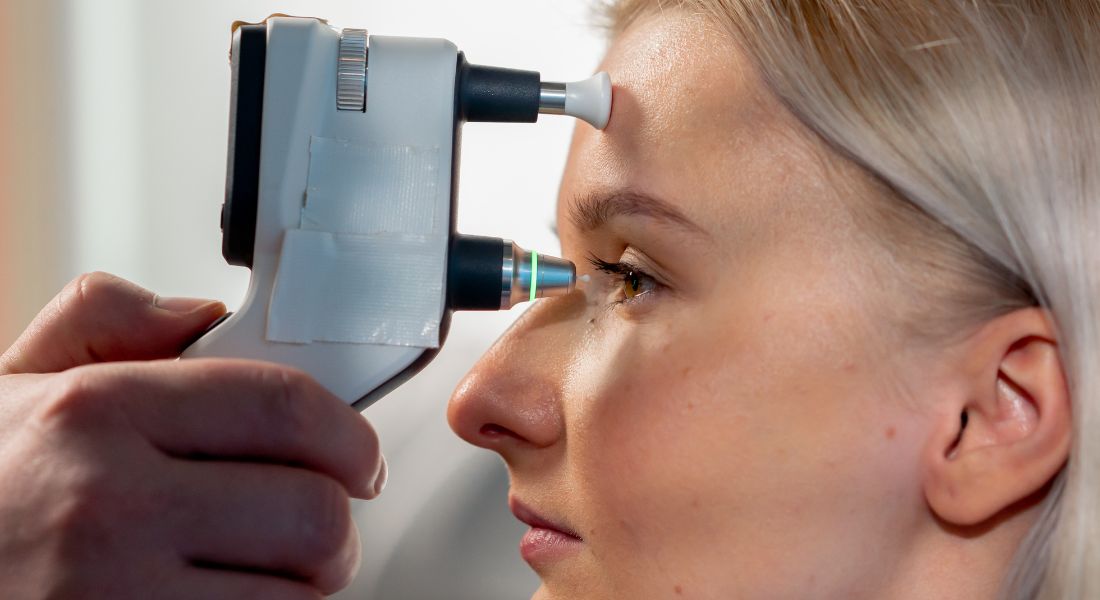
Eye pressure is measured using a test called tonometry. This quick and painless assessment helps determine whether the pressure inside your eye is within a safe range. It is a routine part of most eye examinations, especially if there is a concern about glaucoma. Regular measurements allow your clinician to track any changes over time.
In addition to tonometry, further tests may be carried out to gain a more complete understanding of your eye health. These can include measuring the thickness of your cornea and imaging the optic nerve. Together, these assessments provide valuable information about how your eye is functioning. They also help identify any early signs of damage or risk.
Accurate measurement is essential before planning any surgical procedure. Your surgeon relies on these results to decide whether ICL surgery is appropriate for you. Careful evaluation helps minimise risks and ensures that your eyes are in a stable condition. This thorough approach supports both safety and long-term visual outcomes.
What Is ICL Surgery?
ICL surgery involves inserting a thin, flexible lens inside your eye, positioned just behind the iris and in front of your natural lens. This implant works alongside your eye’s natural structures to correct refractive errors and improve clarity of vision. The procedure is precise and typically completed within a short time. Because the lens is placed internally, it provides a stable and high-quality optical correction.
One of the key advantages of ICL surgery is that it is reversible and does not involve reshaping the cornea. This can make it a suitable option if you are not an ideal candidate for laser vision correction. The natural lens remains in place, which helps preserve the eye’s original structure. This flexibility allows for adjustments in the future if needed.
However, because the lens sits inside the eye, it can influence how fluid circulates within it. This internal fluid flow plays an important role in maintaining normal eye pressure. For patients with glaucoma or high eye pressure, this aspect requires careful consideration. Your surgeon will assess whether the lens can be safely accommodated without affecting pressure balance.
Why Eye Pressure Matters in ICL
Your eye maintains its internal pressure through a delicate balance between the production and drainage of fluid, called aqueous humour. This fluid is continuously made and drained through specialised channels, keeping eye pressure within a healthy range. When this balance is disrupted, pressure can rise, potentially harming your optic nerve and affecting overall eye health.
An implanted lens, like the one used in ICL surgery, sits in the anterior segment of the eye and can subtly influence fluid circulation. Even minor changes in the flow pathways may impact pressure, which is particularly important for patients who already have glaucoma or elevated eye pressure. Careful assessment ensures that the lens will not interfere with your eye’s natural drainage.
Maintaining stable eye pressure is critical for protecting your optic nerve and preserving vision. Increased pressure over time can lead to further nerve damage and irreversible vision loss. That’s why your surgeon will thoroughly evaluate your pressure control before recommending ICL surgery, helping to minimise risks and support long-term eye health.
Is Glaucoma a Contraindication?
Glaucoma is not always an absolute contraindication for ICL surgery, but it does require very careful consideration. The key factor is how well your condition is controlled and whether your optic nerve is stable. Your surgeon will always prioritise protecting the vision you currently have.
- Well-controlled glaucoma: If your eye pressure is stable and there is minimal or no progression of optic nerve damage, you may still be considered for surgery. Close monitoring is essential in these cases.
- Advanced or unstable glaucoma: If the condition is severe or not well controlled, surgery may carry higher risks. In such situations, your surgeon may advise against ICL to avoid further damage to your vision.
- Assessment of optic nerve health: Detailed tests will be carried out to evaluate the condition of your optic nerve and visual field. This helps determine whether surgery is safe for you.
- Balancing risks and benefits: Your surgeon will weigh the potential benefits of improved vision against the risk of worsening glaucoma. The goal is always to make the safest decision for your long-term eye health.
Every case is different, so a personalised assessment is essential. By carefully evaluating your glaucoma, your surgeon can recommend the most appropriate and safest path forward for your vision.
Importance of Pressure Control
Well-controlled eye pressure is one of the most important requirements before considering ICL surgery. When your intraocular pressure remains stable, the risk of complications during and after the procedure is significantly reduced. Consistent readings indicate that your eye is managing fluid balance effectively. This creates a safer foundation for any surgical intervention.
If your eye pressure tends to fluctuate, it may affect whether you are a suitable candidate for the procedure. Sudden changes in pressure can place additional strain on the optic nerve and make surgical outcomes less predictable. In such situations, your clinician may recommend treatment to stabilise the pressure first. This could include medications or other interventions tailored to your condition.
Achieving stable pressure helps ensure safer and more reliable results. It allows your surgeon to proceed with greater confidence, knowing that your eye is in a controlled and healthy state. Proper pressure management also supports smoother recovery and long-term success. Taking the time to stabilise your condition can make a meaningful difference to your overall outcome.
Angle Anatomy Assessment
The drainage angle of your eye is the area where fluid exits to help maintain normal pressure. It sits between the cornea and the iris and plays a crucial role in regulating intraocular pressure. For your eye to function properly, this angle needs to be open and healthy. If it becomes narrow or blocked, fluid can build up and increase pressure.
ICL lenses are positioned close to this region, which makes adequate space especially important. If the angle is too narrow, placing a lens could further restrict fluid drainage. This is particularly relevant if you already have glaucoma or borderline pressure levels. Ensuring there is enough room helps maintain safe fluid circulation after surgery.
Your surgeon will carefully assess the angle using specialised imaging techniques. These tests provide detailed views of the eye’s internal structure and help measure the available space. This evaluation is essential for determining whether ICL surgery is safe for you. A thorough assessment helps reduce risks and supports better long-term outcomes.
Anterior Chamber Depth
The anterior chamber is the space at the front of your eye, located between the cornea and the iris. This area needs to have sufficient depth to safely accommodate an ICL lens. Adequate space allows the lens to sit comfortably without interfering with surrounding structures. It also helps maintain normal fluid movement within the eye.
If the anterior chamber is too shallow, placing a lens may increase the risk of raised eye pressure. A tight space can restrict fluid circulation, which is particularly concerning if you already have glaucoma or elevated pressure. This can make the eye more vulnerable to complications after surgery. For this reason, careful measurement is essential before proceeding.
Your surgeon will use advanced imaging to assess the depth of this space accurately. These measurements help determine whether the lens can be safely implanted without affecting fluid drainage. A well-sized and properly positioned lens supports both safety and long-term stability. This detailed evaluation ensures the best possible outcome for your vision.
Risk of Increased Eye Pressure
One potential risk of ICL surgery is a rise in eye pressure. This can occur if the normal flow of fluid inside the eye becomes partially obstructed after the lens is implanted. When fluid cannot circulate freely, it may accumulate and cause pressure to increase. For patients with glaucoma or borderline eye pressure, this possibility requires careful evaluation and planning.
Modern ICL designs have greatly reduced this risk compared to earlier models. Advances in lens technology allow fluid to move more naturally around the implant, helping to maintain a healthy balance inside the eye. These improvements mean that pressure-related complications are now much less common than they were in the past.
Careful pre-surgical planning and precise lens sizing are crucial to minimising complications. Your surgeon will take detailed measurements to select a lens that fits your eye perfectly, ensuring proper positioning. By keeping fluid pathways open and functional, this approach helps maintain stable eye pressure and supports a safe, successful surgical outcome.
Role of Modern ICL Design
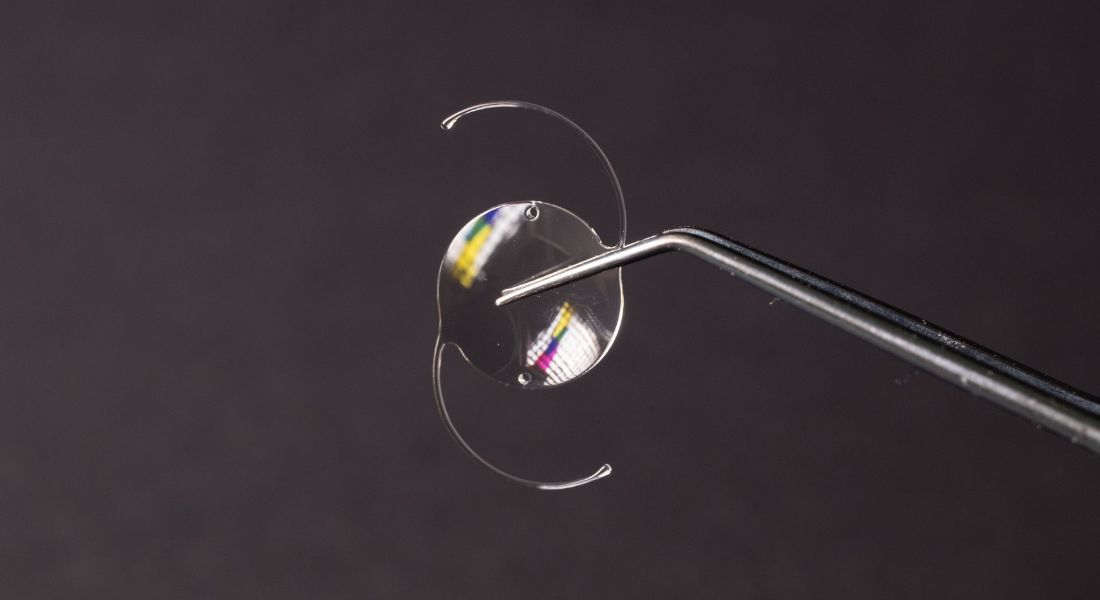
Modern ICL technology has evolved significantly, making the procedure safer and more suitable for a wider range of patients. Newer lens designs are specifically created to work more naturally with your eye’s internal fluid system. This helps reduce the risk of pressure-related complications and supports long-term eye health.
- Improved fluid circulation: Newer ICL lenses include a small central opening that allows fluid to move freely within the eye. This helps maintain a more natural balance of intraocular pressure.
- Reduced risk of pressure build-up: By supporting proper fluid flow, these lenses lower the chances of pressure increasing after surgery. This is especially important if you are at risk of conditions like Glaucoma.
- More natural eye function: The design allows the eye’s natural processes to continue with minimal disruption. This can lead to better comfort and a smoother adaptation after the procedure.
- Enhanced safety profile: These advancements have improved overall safety, making ICL surgery a more reliable option for many patients who may not have been suitable candidates in the past.
Thanks to these modern improvements, ICL surgery is now more refined and predictable. With the right assessment and planning, you can benefit from a procedure that works in harmony with your eye’s natural function.
Pre-Surgical Testing
A detailed pre-operative assessment is an essential step before considering ICL surgery. This evaluation includes measuring your eye pressure, capturing high-resolution images, and analysing the structure of your eye. These tests give your surgeon a complete understanding of how your eyes function. They also help identify any factors that could affect the safety of the procedure.
For patients with glaucoma or high eye pressure, additional tests may be required. These might include more detailed optic nerve analysis or assessments of your visual field. Such tests help determine how stable your condition is and whether your eyes can tolerate surgery. This extra level of evaluation ensures that nothing important is overlooked.
All of this information allows your surgeon to tailor the procedure specifically to your needs. A personalised plan helps reduce risks and improves the likelihood of a successful outcome. Careful preparation also supports smoother recovery and better long-term results. By taking a thorough approach, your surgical team can prioritise both safety and effectiveness.
Medication Review
If you are using glaucoma medications, your surgeon will review them carefully as part of your pre-operative assessment. These medicines help control your eye pressure, but they can also influence how your eyes respond during and after surgery. Understanding your current treatment allows your surgeon to plan the procedure more precisely. It also helps ensure that your eye pressure remains stable throughout the process.
Some medications may affect surgical planning or post-operative care. For example, certain eye drops can influence inflammation levels or healing patterns. Your clinician will take these factors into account when deciding on the best approach for your surgery. In most cases, no major changes are needed, but individual adjustments may sometimes be considered.
You will usually be advised to continue your prescribed treatment unless told otherwise. Maintaining stable eye pressure is essential before and after surgery. Clear communication with your clinician is important, so always inform them about all medications you are using. This ensures a safe, well-coordinated plan and supports the best possible outcome.
Post-Surgery Monitoring
After ICL surgery, your eye pressure will be monitored closely to ensure it remains within a safe range. This is especially important if you have glaucoma or a history of elevated pressure. Early detection of any increase allows your clinician to respond quickly and prevent complications. Careful observation during this period supports a smoother and safer recovery.
Follow-up appointments give your surgeon the opportunity to track how your eye is healing. During these visits, they will check pressure levels, assess the position of the lens, and evaluate overall eye health. If any changes are detected, treatment can be adjusted promptly. This ongoing assessment helps keep your recovery on the right track.
Regular monitoring also plays a key role in long-term safety. Even after the initial healing phase, periodic check-ups help ensure that your eye pressure remains stable. Consistent follow-up provides reassurance and supports lasting visual outcomes. By staying committed to your appointments, you help protect both your vision and overall eye health.
Managing Pressure Spikes
It’s normal for eye pressure to rise temporarily after ICL surgery, but in most cases, these increases are mild and easily managed. Your surgeon monitors this closely to ensure your eyes remain safe and comfortable throughout recovery.
- Monitoring after surgery: Your eye pressure will be checked regularly in the days and weeks following the procedure. This helps catch any spikes early before they become a concern.
- Medication if needed: If pressure rises above a safe level, your surgeon may prescribe eye drops or other medication to bring it down quickly. These treatments are very effective at keeping your eyes safe.
- Preventing optic nerve damage: Prompt management is essential to protect the optic nerve. Controlling pressure spikes ensures that your vision is preserved and reduces the risk of long-term complications.
- Patient guidance: You may receive instructions on signs to watch for, such as blurred vision or eye pain, so that any issues can be addressed without delay.
With careful monitoring and timely treatment, most patients experience smooth recovery, and temporary pressure changes rarely cause problems. This proactive approach keeps your eyes safe while helping you achieve the best possible visual outcome.
Long-Term Pressure Stability
Maintaining stable eye pressure over the long term is essential for protecting your vision and overall eye health. Even after successful ICL surgery, any increase in pressure could pose a risk to the optic nerve, particularly if you have glaucoma. Ensuring that the procedure does not compromise this balance is a critical part of surgical planning.
Regular eye examinations remain important, even years after your surgery. These check-ups allow your clinician to track pressure levels, monitor the health of your optic nerve, and detect any changes early. Consistent monitoring helps prevent complications before they become serious.
Ongoing care supports the preservation of your vision and the long-term success of your ICL implant. By following a structured monitoring routine and maintaining communication with your eye specialist, you help ensure that your eyes remain healthy and that your vision stays stable for years to come.
Benefits of ICL for Suitable Patients
For patients who are suitable candidates, ICL surgery offers excellent visual quality and clarity. The procedure provides sharp, high-definition vision while leaving your natural lens intact, which helps preserve the eye’s natural structure. Many people notice a significant improvement in day-to-day vision immediately after surgery.
ICL can be particularly beneficial for those who are not good candidates for laser procedures, such as patients with thin corneas or very high prescriptions. Since the cornea is not reshaped, the procedure avoids some of the limitations and risks associated with laser correction. This makes ICL a versatile option for a wider range of vision needs.
Many patients achieve long-lasting and stable results with ICL surgery. The implant is designed to remain securely in place, providing consistent vision over time. Combined with careful monitoring and regular eye care, this approach supports excellent long-term outcomes.
Limitations in Glaucoma Patients
Not all glaucoma patients are suitable candidates for ICL surgery. Those with advanced optic nerve damage, severe pressure fluctuations, or narrow drainage angles may face higher risks, making the procedure less appropriate. Careful evaluation is essential to determine whether the benefits outweigh potential complications.
Protecting your existing vision is always the top priority. Any surgical intervention must be carefully balanced against the risk of further optic nerve damage or increased eye pressure. Your clinician will focus on strategies that maintain your current vision while considering corrective options.
Understanding these limitations helps set realistic expectations about what ICL surgery can achieve. By recognising potential constraints early, you can make informed decisions and work with your surgeon to choose the safest, most effective approach for your eyes. This clarity reduces uncertainty and supports better outcomes.
Alternative Options
If ICL surgery is not suitable for your eyes, there are still other options available to help correct your vision. Glasses and contact lenses remain effective, non-invasive ways to manage refractive errors while keeping your eyes healthy. These options are simple, safe, and adjustable as your prescription changes over time.
In some cases, alternative surgical procedures may be considered. For example, laser vision correction or lens-based procedures could be explored, depending on your eye anatomy and overall health. Each option comes with its own benefits and considerations, which your surgeon will carefully evaluate.
Your eye specialist will guide you towards the safest and most appropriate choice for your individual situation. By discussing all available options, you can make an informed decision that balances visual improvement with long-term eye health. This personalised approach ensures that your vision is corrected safely and effectively.
Importance of Regular Eye Exams

If you have Glaucoma or elevated eye pressure, keeping up with routine eye exams is absolutely crucial. These appointments allow your specialist to spot any changes early, often before you notice symptoms, which can make a big difference in preserving your vision.
- Early detection of changes: Regular monitoring helps identify subtle shifts in eye pressure or optic nerve health. Catching these early allows for prompt treatment and reduces the risk of long-term damage.
- Supporting surgery planning: If you are considering procedures like ICL surgery, consistent exams provide your surgeon with up-to-date information, ensuring that your eyes are in the best condition for a safe operation.
- Post-surgical monitoring: After surgery, follow-up checks are essential to ensure pressure remains stable and the eyes are healing well. Early intervention can prevent complications and maintain optimal vision.
- Maintaining long-term eye health: Regular eye exams aren’t just about surgery they’re about protecting your vision for the years ahead. By staying proactive, you give your eyes the best chance to remain healthy and strong.
Keeping these appointments is one of the simplest yet most effective ways to safeguard your vision, whether you’re preparing for surgery or simply managing a chronic eye condition.
Lifestyle Factors and Eye Pressure
Your daily habits can have a surprisingly big impact on your eye pressure. Things like stress levels, sleep quality, diet, and general health all play a role in how your eyes function. Paying attention to these factors can support not only your vision but also your overall wellbeing.
- Managing stress: High stress can temporarily raise eye pressure. Activities like meditation, gentle exercise, or even short relaxation breaks can help keep your eyes and your body calm.
- Getting enough sleep: Poor sleep can affect fluid balance in the eyes, which may influence pressure. A consistent sleep routine helps maintain stable eye pressure and supports healing after surgery.
- Healthy diet and hydration: Staying well-hydrated and eating a balanced diet rich in fruits, vegetables, and omega-3 fatty acids can promote overall eye health and support normal eye pressure.
- Regular exercise: Moderate physical activity improves circulation and can help maintain stable intraocular pressure. Simple habits like walking, swimming, or yoga can make a noticeable difference over time.
Even small changes to your daily routine like taking short breaks from screens, practising relaxation techniques, or keeping hydrated can have a positive impact on your eyes. By taking care of your lifestyle, you’re helping create the best environment for healthy vision and safer surgical outcomes.
Personalised Treatment Planning
Every patient’s eyes and health situation are unique, which is why a personalised treatment plan is essential. Your surgeon will consider your glaucoma status, eye anatomy, pressure levels, and overall health before recommending ICL surgery. This tailored approach ensures that your procedure is as safe and effective as possible.
By creating a plan specific to you, your surgeon can anticipate potential challenges and address them proactively. Factors such as lens size, placement, and post-operative care are all customised to suit your individual needs. This reduces risks and enhances the likelihood of a successful outcome.
Personalised planning also provides an opportunity to discuss any concerns or questions you may have. Understanding the reasoning behind each step helps you feel confident and informed about your surgery. This collaborative approach supports both safety and peace of mind throughout the process.
Choosing an Experienced Surgeon
Experience is particularly important when considering ICL surgery for patients with glaucoma or high eye pressure. A skilled surgeon can recognise subtle risk factors, anticipate potential complications, and plan the procedure accordingly. Their expertise allows them to make precise decisions that protect your vision throughout the process.
Selecting a reputable clinic also adds an extra layer of confidence. Established centres often have specialised equipment, standardised protocols, and teams trained to manage complex cases. This environment helps ensure that every aspect of your care, from pre-operative assessment to post-operative monitoring, is handled safely.
Expert care directly contributes to better surgical outcomes. Surgeons with extensive experience in both ICL procedures and glaucoma management are more likely to achieve smooth recoveries, stable pressure, and long-term visual improvement. Choosing the right surgeon is one of the most important steps in achieving a safe and successful result.
When Surgery Should Be Avoided
In certain situations, ICL surgery may not be recommended, particularly if your glaucoma is uncontrolled or if there is significant damage to your optic nerve. Attempting surgery under these conditions could increase the risk of further vision loss. Your surgeon carefully evaluates these factors to decide whether it’s safe to proceed.
Avoiding surgery when risks are high is a precaution that protects your remaining vision. Sometimes waiting until pressure is controlled or exploring alternative treatments is the safer option. Prioritising eye health over immediate vision correction is essential for long-term outcomes.
Your surgeon will always place your safety first. By following a cautious approach and tailoring recommendations to your individual condition, they help ensure that your eyes remain healthy while still exploring the best possible options for improving vision when it’s safe to do so.
FAQs:
- Can you have ICL surgery if you have glaucoma?
Yes, you may still be able to have ICL surgery if your glaucoma is well-controlled. The key factor is whether your eye pressure is stable and your optic nerve is healthy. Your surgeon will assess the severity of your condition carefully. If the risks are low, the procedure may still be suitable. - Is high eye pressure a problem for ICL surgery?
High eye pressure needs to be carefully managed before considering ICL surgery. If your pressure is stable and within a safe range, you may still be eligible. Uncontrolled pressure can increase the risk of complications. Your specialist will guide you on whether it is safe to proceed. - Can ICL surgery increase eye pressure?
There is a small risk that ICL surgery can temporarily increase eye pressure. This may happen if fluid flow inside the eye is affected. However, modern lens designs have significantly reduced this risk. Your surgeon will monitor your pressure closely after the procedure. - How do doctors check if you are suitable for ICL with glaucoma?
Your suitability is determined through detailed eye examinations. These include pressure measurements, optic nerve evaluation, and imaging of the drainage angle. Your surgeon will also assess the structure of your eye. This thorough approach ensures that surgery is safe for you. - What happens if your eye pressure rises after surgery?
If your eye pressure rises after surgery, it is usually temporary and manageable. Your doctor may prescribe medication to bring it back to normal levels. Regular follow-up appointments help detect any changes early. Prompt treatment prevents long-term damage. - Are modern ICL lenses safer for glaucoma patients?
Yes, modern ICL lenses are designed to improve fluid circulation inside the eye. This reduces the risk of pressure build-up after surgery. These advanced designs have made the procedure safer for more patients. However, careful assessment is still essential. - Can you continue glaucoma medication after ICL surgery?
In most cases, you will continue your glaucoma medication after surgery. Your surgeon will advise you if any changes are needed. It is important to follow your prescribed treatment plan closely. This helps maintain stable eye pressure during recovery. - Is recovery different if you have glaucoma?
Recovery is usually similar, but you may need closer monitoring if you have glaucoma. Your surgeon will check your eye pressure more frequently during follow-up visits. This ensures any changes are managed quickly. With proper care, most patients recover well. - When is ICL surgery not recommended for glaucoma patients?
ICL surgery may not be recommended if your glaucoma is advanced or poorly controlled. Significant optic nerve damage can increase the risk of further vision loss. In these cases, protecting your remaining vision is the priority. Your surgeon will advise you on safer alternatives. - What are the alternatives if ICL surgery is not suitable?
If ICL surgery is not suitable, you still have other options for vision correction. Glasses and contact lenses remain reliable and effective choices. In some cases, alternative procedures may be considered. Your surgeon will help you choose the safest option for your needs.
Final Thoughts: Making the Right Decision with Glaucoma and ICL Surgery
ICL surgery can still be a suitable option if you have glaucoma or high eye pressure, but careful assessment is essential. The most important factors are how well your eye pressure is controlled and the overall health of your optic nerve. With modern lens designs and thorough pre-surgical testing, many patients with stable conditions can achieve excellent visual outcomes. The key is ensuring that your eye can safely maintain normal fluid balance after the procedure.
Every case is unique, which is why a personalised approach is so important. Your surgeon will evaluate your eye structure, pressure levels, and medical history in detail before making a recommendation. Close monitoring before and after surgery helps reduce risks and ensures that any changes in eye pressure are managed promptly. This level of care plays a vital role in protecting your long-term vision. If you’d like to find out whether ICL surgery in London is suitable for you, feel free to contact us at Eye Clinic London to arrange a consultation.
References:
- Gimbel, H.V., LeClair, B.M., Jabo, B. and Marzouk, H., 2018. Incidence of implantable Collamer lens–induced cataract. Canadian Journal of Ophthalmology, 53(5), pp.518-522. https://www.sciencedirect.com/science/article/abs/pii/S0008418217305768
- Del Risco, N.E., Talbot, C.L., Moin, K.A., Manion, G.N., Brown, A.H., Walker, S.M., Zhong, P.-S., Zhang, H., Hoopes, P.C. and Moshirfar, M., 2024. Visual outcomes of cataract surgery in patients with previous history of implantable Collamer lens. Journal of Clinical Medicine, 13(15), p.4292. https://www.mdpi.com/2077-0383/13/15/4292
- Naujokaitis, T., Auffarth, G.U., Łabuz, G., Kessler, L.J. and Khoramnia, R., 2023. Diagnostic techniques to increase the safety of phakic intraocular lenses: Addressing cataract development and other complications. Diagnostics, 13(15), p.2503. https://www.mdpi.com/2075-4418/13/15/2503
- Long-term follow‑up of posterior‑chamber phakic lens ICL and cataract formation. https://pubmed.ncbi.nlm.nih.gov/29394074/
- Gimbel, H.V., LeClair, B.M., Jabo, B. and Marzouk, H., 2018. Incidence of implantable Collamer lens-induced cataract: Retrospective study of 1653 eyes. https://pubmed.ncbi.nlm.nih.gov/30340721/