


Can ICL Surgery Cause Cataracts? Understanding the Risk

Implantable Contact Lens (ICL) surgery is a popular vision correction procedure that allows many people to achieve clear eyesight without altering the cornea. During the procedure, a specialised lens is placed inside the eye, positioned behind the iris and in front of your natural crystalline lens. Because of this close proximity, some patients understandably wonder whether the implant could affect the natural lens over time.
One concern that occasionally comes up is the risk of cataracts. Cataracts occur when the natural lens becomes cloudy, reducing visual clarity. While cataracts often develop naturally with age, surgeons take care to assess whether any procedure, including ICL implantation, might influence this process.
Modern research shows that cataract formation after ICL surgery is uncommon, particularly with newer lens designs and careful surgical planning. Surgeons use precise measurements, including vault assessment, to ensure the lens sits safely inside the eye. In this article, we explain why the risk exists, the steps taken to minimise it, and how patients are monitored to protect long-term eye health.
What Is ICL Surgery?
ICL surgery is a type of refractive procedure used to correct vision problems such as myopia, hyperopia, and astigmatism. Rather than reshaping the cornea with a laser, the surgeon implants a small lens inside your eye. This lens works alongside your natural lens to help focus light correctly onto the retina, improving visual clarity.
The implanted lens is made from biocompatible materials that are designed to remain safely inside the eye for many years. It is placed in the posterior chamber, which is the space behind the iris. This position allows the lens to enhance vision without altering the corneal structure.
Because the procedure preserves the natural lens, ICL surgery is often preferred for patients with high prescriptions or thinner corneas. Careful planning ensures the lens fits your eye’s anatomy precisely. This level of precision contributes to long-term safety and successful visual outcomes.
Understanding Cataracts
A cataract develops when your natural crystalline lens becomes cloudy or opaque. Normally, the lens focuses light sharply onto the retina, allowing clear vision. When a cataract forms, vision may appear blurred, dim, or distorted, making everyday tasks like reading or driving more difficult.
Cataracts commonly occur with age, as proteins in the lens gradually change structure. This is a normal part of ageing for many people. Other factors, such as eye injuries, certain medical conditions, or prolonged use of some medications, can also contribute to cataract formation.
When considering the risk of cataracts after ICL surgery, it’s important to remember that they can develop naturally, independent of any procedure. Eye specialists carefully assess whether the surgery could influence this process. Understanding this distinction helps put the overall risk into perspective.
Why Cataract Risk Is Discussed with ICL Surgery
When you undergo ICL surgery, the implanted lens sits very close to your natural crystalline lens. Because of this proximity, early studies investigated whether the implant could affect the natural lens over time. While serious complications are uncommon, understanding and monitoring this risk is an important part of patient care.
One way the implant could theoretically influence the natural lens is through physical contact. If the ICL sits too close, it might touch or press against the surface of your lens. This is why surgeons carefully monitor the spacing between the two lenses during and after surgery.
- Vault: the key measurement: The distance between the implanted lens and your natural lens is called the vault. Maintaining the correct vault ensures that the lenses do not come into contact, which helps protect the natural lens from potential damage.
- Correct vault reduces cataract risk: When the vault is within the ideal range, fluid can circulate normally, and the natural lens is shielded from contact with the ICL. This careful positioning greatly lowers the likelihood of cataract formation over time.
- Monitoring during follow-up visits: Surgeons measure vault using imaging technology during routine follow-ups. This allows them to track the lens position and address any concerns early. Regular monitoring is a key part of minimising long-term risks.
By understanding the importance of vault and maintaining proper lens spacing, surgeons can significantly reduce the chance of cataract development, making ICL surgery both safe and effective.
The Role of Vault in Preventing Cataracts
Vault refers to the small gap between the implanted lens and your natural crystalline lens. Maintaining adequate spacing is a key factor in ensuring long-term safety after ICL surgery. Surgeons carefully measure this distance during follow-up appointments to confirm that the implant is correctly positioned.
If the vault is too low, the implanted lens may sit closer to the natural lens than intended. In theory, this could increase the risk of cataract formation over time. However, careful preoperative planning and precise lens sizing usually prevent this from occurring.
Modern diagnostic imaging allows surgeons to measure the vault accurately after surgery. When the spacing falls within the ideal range, the implanted lens remains safely suspended in the eye. Regular monitoring of vault helps protect your eye health and supports long-term visual outcomes.
Advances in Modern ICL Lens Design
ICL technology has advanced considerably over the years. Earlier lens designs sometimes required additional surgical steps to ensure proper fluid circulation within the eye. Modern lenses, however, now include a central port that allows aqueous fluid to flow naturally.
This central port helps the fluid circulate freely around the implanted lens, supporting healthy eye function and maintaining stable intraocular pressure. Proper circulation reduces the risk of pressure-related complications and contributes to the overall safety of the procedure.
These technological improvements have also reduced the likelihood of issues seen with earlier designs. Modern lenses provide more predictable vault measurements and stable positioning inside the eye. As a result, the risk of cataract formation after ICL surgery has decreased significantly.
Importance of Accurate Lens Sizing
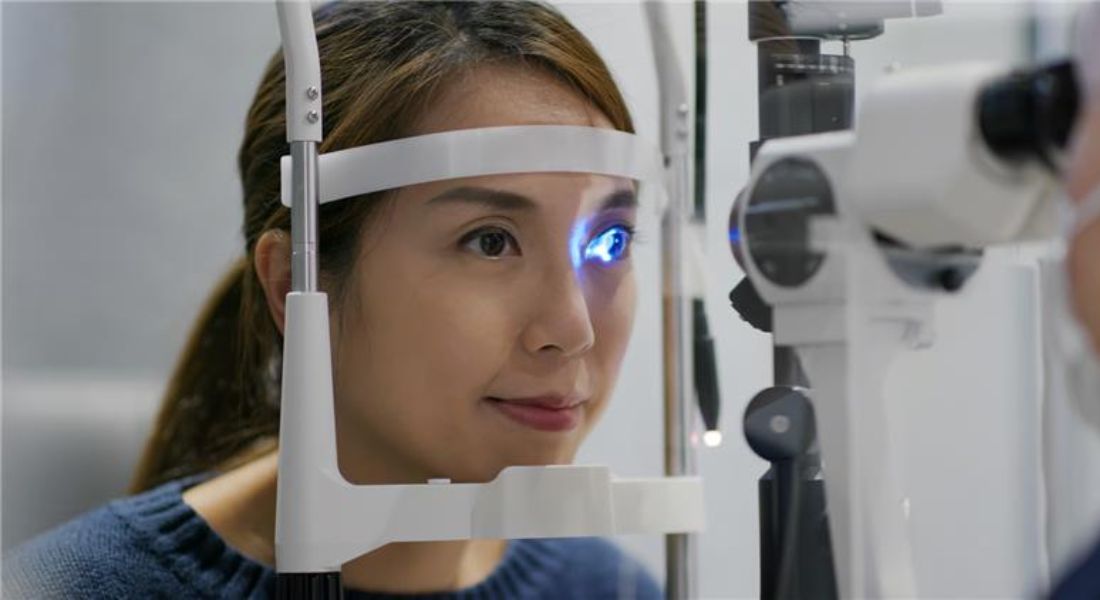
Selecting the correct lens size is one of the most important steps in ICL surgery. The size of the implant directly affects the vault, which is the space between the implanted lens and your natural lens. A properly sized lens sits comfortably in the eye and supports healthy fluid circulation, protecting your vision in the long term. Before surgery, your surgeon takes detailed measurements of your eye to guide lens selection.
- Measuring key anatomical features: Surgeons assess the width of the anterior chamber, the curvature of the cornea, and other internal eye structures. These measurements help determine which lens size will provide the most appropriate fit.
- Using advanced imaging technology: Modern imaging tools, such as anterior segment OCT, offer precise views of the eye’s internal anatomy. This allows the surgeon to plan the procedure accurately and choose a lens that fits your unique eye structure.
- Maintaining proper vault and lens positioning: Accurate sizing ensures the ICL sits in the ideal position behind the iris. Proper placement keeps the correct spacing between the implant and your natural lens, allowing fluid to circulate freely and maintaining stable intraocular pressure.
- Reducing cataract risk: By achieving the correct vault with precise lens sizing, surgeons minimise the chance of the implant contacting the natural lens. This careful planning helps reduce the risk of cataract formation and supports safe, long-term visual outcomes.
Choosing the right lens size is a crucial part of the process. With careful measurement and modern imaging technology, your surgeon can provide a lens that fits your eye perfectly, improving both safety and visual results.
Pre-Surgical Eye Assessment
Before ICL surgery, you will undergo a comprehensive eye examination. These tests evaluate your overall eye health and determine whether the procedure is suitable for you. Assessments typically include measurements of corneal thickness, eye pressure, and detailed imaging of the eye. These results help your surgeon plan the procedure with precision.
Your doctor will also examine the natural crystalline lens carefully to ensure that no cataract is already developing. If an existing cataract is detected, a different type of vision correction procedure may be recommended. This evaluation ensures that the most appropriate treatment is chosen for your specific condition.
By thoroughly assessing your eyes before surgery, surgeons can minimise potential risks. Careful measurements also help select the correct ICL size and positioning. This detailed preparation plays an important role in the safety and success of the procedure. Proper patient selection is therefore a key part of the treatment process.
Monitoring After Surgery
Follow-up appointments are an essential part of care after ICL surgery. During these visits, your surgeon will assess your vision, check eye pressure, and examine the position of the implanted lens. Vault measurements are also carefully evaluated to ensure the lens remains safely positioned.
Regular monitoring allows your doctor to detect any changes early. When vault measurements remain stable, the risk of complications stays very low. Most patients experience consistent measurements once the eye has healed, providing reassurance that the implant is functioning correctly.
These follow-up visits help confirm that your eye continues to work normally. They also give you confidence that the implanted lens remains in the correct position. Ongoing care is a key factor in maintaining long-term safety and successful visual outcomes after ICL surgery.
Long-Term Research on ICL Safety
ICL surgery has been studied extensively over many years, giving surgeons and patients confidence in its long-term safety. Clinical studies tracking patients with implanted lenses provide valuable insights into both visual outcomes and potential complications. Overall, the research shows high levels of safety, stable vision, and patient satisfaction.
Modern lens designs and careful surgical planning have greatly reduced the risks associated with ICL implantation.
- Low risk of cataract formation: Research shows that the likelihood of developing a cataract after modern ICL surgery is low. Advanced lens designs, proper sizing, and accurate placement help maintain the correct vault, keeping the natural lens safe from contact.
- Stable vision over the long term: Most patients maintain clear and stable vision for many years following surgery. Regular follow-up appointments help monitor eye health, but serious complications are rare when proper procedures are followed.
- Ongoing research and refinements: Long-term studies continue to track outcomes and refine surgical techniques. This ongoing research helps improve understanding of how implants interact with the eye over time and supports innovations that enhance safety and effectiveness.
- Improving patient care: Insights from these studies allow surgeons to optimise preoperative measurements, lens selection, and follow-up protocols. This ensures that patients receive the best possible care and achieve reliable long-term results.
Long-term research demonstrates that ICL surgery is not only effective for vision correction but also safe when performed by experienced surgeons using modern lens technology. These findings continue to guide improvements in both technique and patient outcomes.
Natural Age-Related Cataract Development
It’s important to remember that cataracts are a common part of ageing. Many people develop clouding of the natural lens later in life, regardless of whether they have had vision correction surgery. This natural process is unrelated to any procedure in most cases.
If cataracts appear years after ICL surgery, they may not be connected to the implant at all. Eye specialists assess each situation individually to determine the underlying cause. Age-related changes in the lens are often the primary factor.
Understanding this distinction helps put the discussion around cataract risk into perspective. Having an ICL implant does not automatically mean any cataract that develops was caused by surgery. Careful evaluation ensures patients receive accurate information about their eye health.
Recognising Cataract Symptoms
Cataract symptoms usually develop gradually over time. You may notice blurred vision, glare from bright lights, or difficulty seeing clearly at night. Colours can also appear faded or less vivid than before.
These changes happen because the natural lens becomes cloudy, preventing light from passing through as clearly as it once did. As a result, your vision gradually becomes less sharp.
If you notice any of these symptoms after ICL surgery, it’s important to inform your eye specialist promptly. A thorough examination can determine whether a cataract is present. Early diagnosis allows for timely management and helps protect your long-term vision.
Cataract Treatment Options
If a cataract develops, the standard treatment is cataract surgery. This involves removing the cloudy natural lens and replacing it with a clear artificial intraocular lens. Cataract surgery is one of the most common and successful procedures in ophthalmology, with high rates of patient satisfaction.
For patients who have previously undergone ICL surgery, the process may include removing the implanted lens first. Once the ICL is removed, a new intraocular lens is implanted to replace the natural lens completely. This ensures that vision is fully restored while maintaining proper eye anatomy.
Modern cataract surgery techniques are highly advanced and safe. Most patients recover quickly, often noticing significant improvement in vision within days. With careful planning and experienced surgeons, outcomes are generally excellent, allowing patients to enjoy clear, sharp vision once again.
The Importance of Surgeon Expertise
Having an experienced surgeon is crucial in minimising the risk of cataracts after ICL surgery. Careful measurements, accurate lens selection, and precise surgical technique all contribute to a safe outcome. Specialist expertise ensures that the implant is positioned correctly from the start.
During the procedure, the lens is carefully placed behind the iris and in front of the natural crystalline lens. Surgeons check that it sits comfortably and maintains the correct vault. Proper positioning is key to protecting surrounding structures and supporting long-term eye health.
Experienced clinicians also provide thorough follow-up care. They can detect any potential issues early and intervene if necessary. This proactive monitoring helps maintain the implant’s stability and contributes to excellent long-term visual outcomes.
Patient Factors That Influence Risk
Not every patient faces the same level of risk after ICL surgery. Certain individual factors can influence the likelihood of complications, including cataract formation. Age, pre-existing eye conditions, and the clarity of your natural lens are all taken into account during the preoperative assessment. Evaluating these factors helps your surgeon decide whether ICL surgery is the best option for you. Surgeons take a personalised approach to each patient’s care, ensuring that decisions are tailored to your specific eye health.
- Age and lens clarity: Older patients or those with early changes in the natural lens may have a higher risk of cataract formation. Assessing lens clarity helps the surgeon determine if ICL surgery is suitable or whether another vision correction method may be safer.
- Pre-existing eye conditions: Conditions such as glaucoma, corneal abnormalities, or retinal issues can influence surgical planning. Surgeons review your eye health in detail to make sure the procedure is appropriate and safe for your eyes.
- Individualised surgical planning: Understanding each patient’s unique risk factors allows surgeons to customise lens selection, sizing, and placement. This careful planning helps maintain a healthy vault and minimise potential complications.
- Prioritising patient safety: By taking the time to evaluate individual risk factors, your surgical team can provide personalised guidance and optimise long-term outcomes. Patient safety is always the highest priority during preoperative assessment and surgical planning.
Careful consideration of these factors helps ensure that ICL surgery is both safe and effective, giving you the best chance of excellent vision and long-term eye health.
Technological Advances in Eye Imaging
Modern imaging technology has greatly enhanced the safety of ICL surgery. High-resolution scans enable surgeons to examine your eye’s anatomy in remarkable detail. This precision helps guide critical surgical decisions and ensures the lens is positioned correctly.
Tools such as anterior segment OCT provide accurate measurements of internal eye structures. These measurements allow surgeons to predict the vault more reliably and select the optimal lens size. Improved precision during planning contributes to safer surgery and better long-term outcomes.
As technology continues to advance, imaging becomes even more precise. This allows surgeons to refine surgical plans and reduce potential risks further. These innovations have played a key role in lowering the likelihood of complications, including cataract formation.
Patient Follow-Up and Long-Term Monitoring
After ICL surgery, regular follow-up appointments are an essential part of your care. These visits allow your surgeon to monitor your vision and overall eye health, ensuring any changes are detected early. Keeping up with these appointments helps maintain long-term safety and optimal outcomes. During follow-up visits, your surgeon performs a series of important checks.
- Examining the implanted lens: The surgeon checks the position of the ICL to make sure it remains stable behind the iris. Imaging tests may be used to visualise the lens and confirm it is sitting at the correct vault.
- Measuring vault and eye pressure: Accurate vault measurements help ensure there is enough space between the implant and your natural lens. Surgeons also monitor intraocular pressure to ensure fluid circulates normally and the eye remains healthy.
- Checking lens clarity and eye health: The clarity of your natural lens and the condition of other eye structures are assessed to detect any early changes, including signs of cataract development. This comprehensive evaluation supports ongoing eye health.
- Providing reassurance and guidance: Regular monitoring gives patients confidence that the implant is functioning correctly. Your surgeon can address any concerns promptly and guide you on maintaining eye health over the long term.
Long-term follow-up is key to the success of ICL surgery. By attending all recommended appointments, you help ensure your vision remains clear and your eyes stay healthy for many years.
Advantages of ICL Surgery
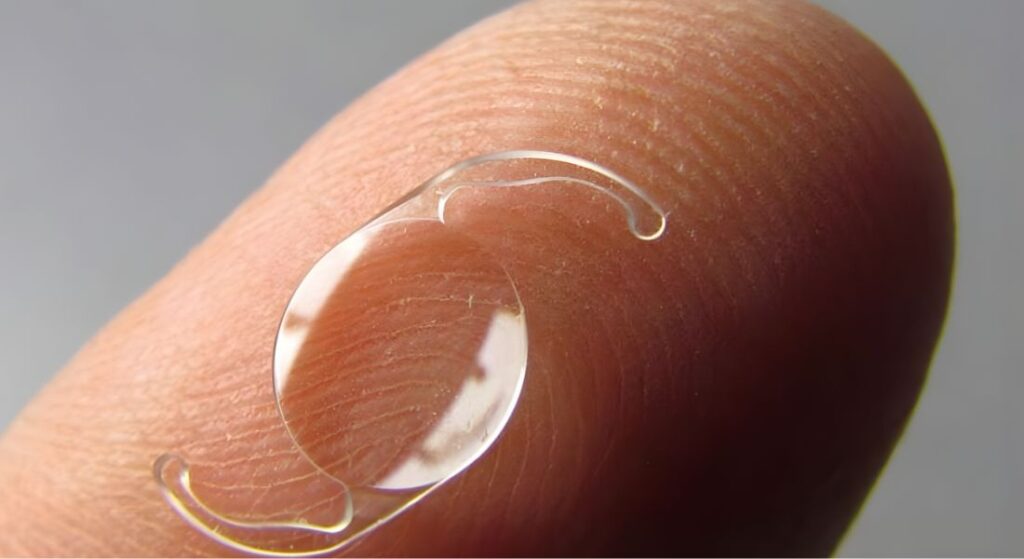
ICL surgery offers a range of benefits for patients who are suitable candidates. Because the procedure does not reshape the cornea, all corneal tissue remains intact. This is particularly helpful for individuals with thinner corneas or higher prescriptions.
Another key advantage is that the procedure is reversible. If needed, the implanted lens can be removed or replaced safely. This flexibility adds an extra layer of safety and reassurance for patients considering the surgery.
Many patients achieve excellent visual clarity after ICL surgery. The implant can correct high prescriptions effectively, often reducing or eliminating the need for glasses or contact lenses. These factors make ICL surgery an appealing option for those seeking long-term vision correction.
Comparing ICL with Other Vision Correction Methods
There are several ways to correct vision, and it helps to understand how ICL surgery differs from other options. Laser vision correction procedures, such as LASIK or PRK, reshape the cornea to improve focus. ICL surgery, on the other hand, works by adding a lens inside the eye rather than altering the cornea. Each approach has its own advantages, depending on your eyes and vision needs. ICL surgery is often considered for patients who may not be ideal candidates for laser procedures.
- Suitable for high myopia: If you have a very high level of nearsightedness, laser surgery may not provide the desired results. ICL implants can correct higher prescriptions safely and effectively, offering an alternative when other methods are limited.
- Alternative for corneal limitations: Patients with thin or irregular corneas may not be suitable for laser reshaping procedures. In these cases, ICL surgery allows vision correction without changing the corneal structure, maintaining eye integrity.
- Individualised assessment: Surgeons evaluate each patient’s eye health, vision prescription, and lifestyle needs before recommending a procedure. This personalised approach ensures you receive the safest and most effective treatment for your eyes.
- Informed decision-making: Understanding the differences between ICL and laser procedures helps you make an informed choice. Your eye specialist will guide you through the options, explaining the benefits and limitations of each method.
By comparing these approaches, you can choose the vision correction method that best meets your needs while maintaining long-term eye health.
Why Patient Education Is Important
Learning about potential risks helps you make informed decisions about ICL surgery. Understanding how cataract risk is managed can provide reassurance and reduce anxiety. Being aware of these details allows you to feel more confident about the procedure.
Your doctor will explain both the benefits and risks during consultation. This ensures you have a full understanding of what to expect before, during, and after surgery. Clear communication also helps build trust between you and your surgical team.
Patients who are well-informed tend to feel more comfortable during treatment and recovery. They also recognise the importance of attending follow-up appointments and monitoring their eye health. Education empowers you to take an active role in achieving the best possible outcomes.
The Overall Safety Profile of ICL Surgery

Modern ICL surgery is widely regarded as a safe and effective option for correcting vision in suitable candidates. Advances in lens design, imaging technology, and surgical planning have greatly improved outcomes. Complications, including cataract formation, are uncommon when the procedure is performed correctly.
Careful patient selection and ongoing monitoring are key to maintaining this strong safety record. Surgeons assess each patient individually to ensure the procedure is appropriate. Regular follow-up appointments help confirm that the implant remains well positioned and that your eyes remain healthy.
Most patients enjoy stable, long-lasting improvements in vision after ICL surgery. Many are able to reduce or even eliminate their reliance on glasses or contact lenses. With proper care and monitoring, the procedure offers safe and effective long-term results.
FAQs:
- Can ICL surgery cause cataracts?
ICL surgery itself rarely causes cataracts, especially with modern lens designs. Earlier research suggested a theoretical risk due to the proximity of the implanted lens to the natural crystalline lens, but advances in surgical techniques and careful lens sizing have minimised this concern. - What factors increase the risk of cataracts after ICL surgery?
The main factors include a low vault, where the implanted lens sits too close to the natural lens, or pre-existing changes in the crystalline lens. Age and certain eye conditions can also contribute, which is why thorough pre-surgical assessment is essential. - How do surgeons prevent cataract formation during ICL surgery?
Surgeons prevent cataract risk by carefully measuring the eye to select the correct lens size, ensuring the ideal vault. They also use precise surgical techniques to position the lens safely behind the iris and monitor fluid circulation within the eye to maintain healthy internal conditions. - How is cataract risk monitored after ICL surgery?
Following ICL surgery, patients attend routine follow-up visits where the surgeon checks the implant position, measures the vault, and examines the natural lens. Any changes or potential issues are identified early, which helps maintain long-term eye health. - Are certain patients more likely to develop cataracts after ICL surgery?
Patients who already have early lens changes, are older, or have other eye conditions may have a slightly higher risk. Surgeons evaluate each patient individually to determine whether ICL surgery is suitable and may recommend alternative vision correction if necessary. - Can cataracts develop naturally after ICL surgery?
Yes, age-related cataracts can still develop independently of ICL surgery. The presence of an implant does not accelerate natural lens clouding, and most cases of cataracts in older patients are due to normal ageing rather than the procedure. - What are the signs of a cataract after ICL surgery?
Cataracts usually develop gradually. Patients may notice blurred or dim vision, glare from lights, difficulty seeing at night, or colours appearing less vivid. If these symptoms appear, an eye specialist will assess whether a cataract is present. - How are cataracts treated in patients who have had ICL surgery?
Treatment generally involves cataract surgery to remove the cloudy natural lens and replace it with an artificial intraocular lens. If the patient previously had an ICL, the implanted lens may be removed or repositioned during the procedure to restore clear vision. - Does modern ICL technology reduce the risk of cataracts?
Yes, modern ICL designs include a central port that allows fluid to circulate freely, reducing pressure changes in the eye. Advances in lens sizing, imaging, and surgical planning have significantly lowered the likelihood of complications, including cataract formation. - Why is patient education important regarding cataract risk?
Understanding the potential risks, even if they are rare, helps patients make informed decisions about ICL surgery. Being aware of vault measurement, follow-up appointments, and long-term monitoring ensures that patients feel confident and reassured throughout the process.
Final Thought: ICL Surgery and Cataract Risk
If you’re considering ICL surgery in London and want to understand how it might affect your long-term eye health, it’s important to be informed about potential risks like cataracts. Modern implantable lenses, careful pre-surgical assessment, precise lens sizing, and regular follow-ups make the procedure very safe for most patients. Age-related cataracts can still occur independently, but advances in lens design and surgical technique significantly reduce the likelihood of complications. If you’re considering ICL surgery in London and want to know if it’s the right option, you’re welcome to reach out to us at Eye Clinic London to book a consultation.
References:
- Del Risco, N.E., Talbot, C.L., Moin, K.A., Manion, G.N., Brown, A.H., Walker, S.M., Zhong, P.-S., Zhang, H., Hoopes, P.C. and Moshirfar, M., 2024. Visual outcomes of cataract surgery in patients with previous history of implantable Collamer lens. Journal of Clinical Medicine, 13(15), p.4292. Available at: https://www.mdpi.com/2077-0383/13/15/4292
- Naujokaitis, T., Auffarth, G.U., Łabuz, G., Kessler, L.J. and Khoramnia, R., 2023. Diagnostic techniques to increase the safety of phakic intraocular lenses: Addressing cataract development and other complications. Diagnostics, 13(15), p.2503. Available at: https://www.mdpi.com/2075-4418/13/15/2503
- Gimbel, H.V., LeClair, B.M., Jabo, B. and Marzouk, H., 2018. Incidence of implantable Collamer lens–induced cataract. Canadian Journal of Ophthalmology, 53(5), pp.518–522. Available at: https://www.sciencedirect.com/science/article/abs/pii/S0008418217305768
- Gimbel, H.V., LeClair, B.M., Jabo, B. and Marzouk, H., 2018. Incidence of implantable Collamer lens-induced cataract: Retrospective study of 1653 eyes. Available at: https://pubmed.ncbi.nlm.nih.gov/30340721/
- Long-term follow‑up of posterior‑chamber phakic lens ICL and cataract formation. Available at: https://pubmed.ncbi.nlm.nih.gov/29394074/