


How Often Should Glaucoma Be Monitored? Tests, Scans, and Check-Ups Explained
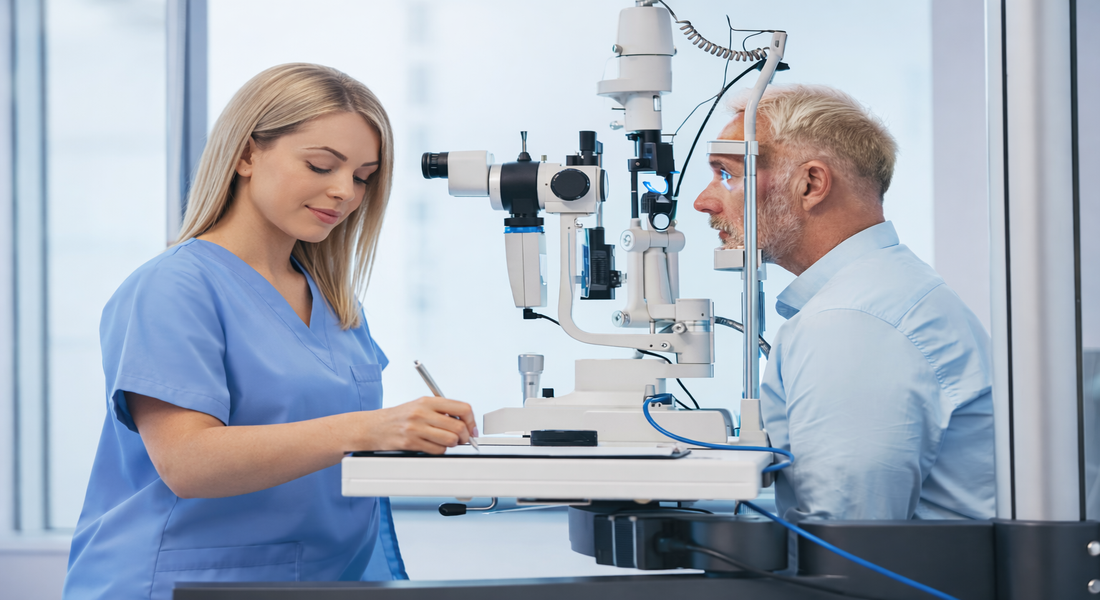
Glaucoma is a long-term condition that often changes slowly and without clear symptoms. You may feel that once treatment has begun, the condition is fully under control. We understand why this assumption feels reassuring. In reality, ongoing observation is needed to keep vision protected.
We rely on monitoring because glaucoma progression is not always predictable. Damage can continue quietly even when eye pressure appears stable. Regular review allows subtle changes to be identified early. This prevents unseen loss from accumulating over time.
Monitoring is not about responding once symptoms appear. We use it to prevent vision loss before it becomes noticeable. This proactive approach is central to effective glaucoma care. Protection works best when action comes early.
Understanding why monitoring matters helps you engage more confidently with follow-up plans. We want care to feel purposeful rather than routine. Regular checks are protective, not merely precautionary. They support long-term stability and reassurance.
Why Glaucoma Needs Lifelong Follow-Up
Glaucoma does not behave like a short-term condition, and once it is diagnosed, lifelong attention is essential. You may experience long periods of stability followed by subtle change. We recognise that this pattern can feel unpredictable. Ongoing care accounts for this natural variability.
We monitor glaucoma closely because optic nerve damage cannot be reversed. Preserving remaining vision depends on identifying change before symptoms appear. We know that waiting for noticeable problems risks late intervention. Early detection remains the strongest protection.
Even when glaucoma appears well controlled, it can evolve over time. Age, general health, and response to treatment all influence progression. We adapt monitoring and care as circumstances change. Lifelong follow-up acts as a safeguard, ensuring treatment remains effective over the years.
How Monitoring Frequency Is Decided

Glaucoma monitoring is tailored to individual needs rather than following a fixed timetable. Follow-up intervals can vary from person to person, which often reflects differences in risk rather than inconsistency in care. Understanding this flexibility helps explain why schedules are adjusted over time. The aim is to match monitoring intensity to how the disease behaves.
- Follow-up schedules reflect individual risk: Disease stage, pressure stability, optic nerve appearance, and rate of change are all considered. Higher-risk cases are monitored more closely to detect progression early.
- Stable disease allows for less frequent review: When findings remain consistent, visit intervals may be extended safely. This avoids unnecessary appointments while maintaining effective oversight.
- Monitoring frequency evolves as the condition changes: Early diagnosis often involves closer observation. Long-term stability may allow follow-up to become less frequent over time.
This flexible approach balances safety with practicality. By adjusting monitoring to individual needs, we ensure care remains both effective and proportionate. Personalised scheduling supports reliable protection of vision while respecting daily life.
Early Glaucoma and Monitoring Needs
In early glaucoma, monitoring focuses on establishing reliable baselines. You may have repeated tests over a shorter period to understand how your eyes behave. We use this phase to separate normal variation from true change. Early patterns guide future decisions.
Small changes matter most at this stage because reserve is still high. We aim to detect progression before meaningful damage develops. Early adjustment allows protection to begin sooner. Long-term vision benefits from timely action.
We often repeat scans and visual field tests to confirm consistency. Single results can be misleading without context. Repetition builds confidence in what we are seeing. Early monitoring lays the foundation for long-term care and future comparison.
Moderate Glaucoma and Follow-Up Planning
In moderate glaucoma, damage is present but useful optic nerve reserve remains. We focus monitoring on keeping progression slow and controlled over time. You may attend reviews at regular, planned intervals. This stage benefits most from steady oversight rather than urgency.
We concentrate on trends instead of isolated test values. Subtle, consistent change guides treatment decisions more reliably than single results. Stability across visits is reassuring and helps confirm control. Pattern recognition becomes central to care.
Testing frequency is balanced to capture meaningful change without unnecessary repetition. Each visit adds context to previous data, improving clarity over time. Moderate disease calls for vigilance without alarm. Monitoring supports steady, long-term control.
Advanced Glaucoma and Closer Observation
Advanced glaucoma requires closer and more careful monitoring because optic nerve reserve is reduced. We recognise that even small changes can have a significant functional impact at this stage. You may therefore be reviewed more frequently. This intensity reflects protection rather than severity.
We place greater emphasis on functional testing and direct clinical assessment in advanced disease. Structural scans may reach measurement limits and become less informative. Visual field testing provides clearer insight into meaningful change. Function guides decision-making.
Monitoring focuses on preserving remaining vision rather than preventing initial damage. We often set stricter treatment targets to reduce further risk. Regular follow-up allows timely adjustment when needed. Advanced disease shifts care towards preservation with more intensive oversight.
Eye Pressure Checks and Their Role
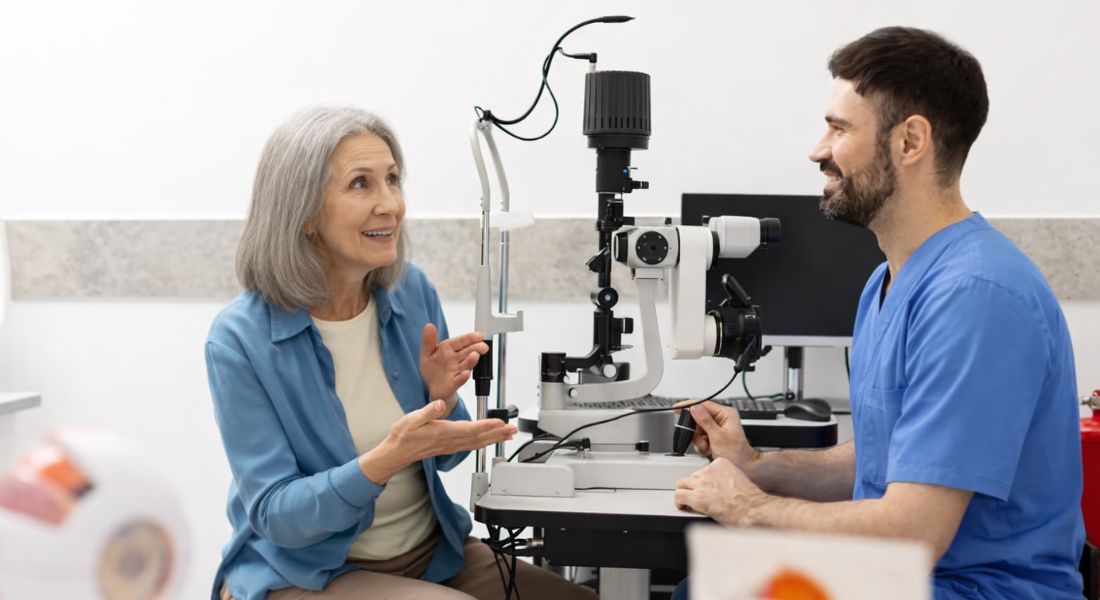
Eye pressure measurement remains a core part of glaucoma monitoring. We use it to understand how well treatment is working over time. Pressure provides useful information, but it never tells the full story on its own. It must always be interpreted carefully.
You may notice that pressure readings vary from one visit to another. We recognise that this fluctuation is normal and expected. What matters more is the overall pattern rather than a single number. Trends over time give pressure readings their true meaning.
We interpret eye pressure alongside optic nerve appearance and test results. A pressure that is acceptable for one person may not be protective for another. Pressure checks guide decisions but do not define outcomes. They remain one important piece of a larger picture.
Optic Nerve Examination During Follow-Up
Direct examination of the optic nerve remains a vital part of glaucoma monitoring. We gain information from visual inspection that scans alone cannot fully provide. Changes in shape, colour, or contour can signal progression. Clinical observation adds depth to assessment.
You may not be aware of this part of the examination, but it carries significant importance. We integrate what we see directly with imaging and test results. This combination strengthens interpretation and avoids over-reliance on any single method. Clinical judgement remains central.
We compare optic nerve appearance over time to identify meaningful change. Stability is reassuring, while subtle differences prompt closer review. Experience plays a key role in recognising these shifts. Optic nerve examination anchors monitoring in clinical reality and complements technology.
Optical Coherence Tomography Scans
Optical coherence tomography is widely used in glaucoma monitoring because it reveals structural change within the optic nerve. We rely on it to measure retinal nerve fibre thickness with high precision. This allows early progression to be detected before symptoms develop. Structural insight strengthens preventive care.
You may undergo OCT scans regularly, particularly in early or moderate disease. These scans are quick, non-invasive, and highly informative. We value repeat testing because consistency improves accuracy. Comparing results over time gives meaning to each scan.
We focus on trends rather than isolated measurements. Gradual thinning across repeated scans is more significant than single fluctuations. Context allows us to distinguish true change from normal variation. OCT supports early detection and reinforces long-term monitoring strategies.
Visual Field Testing and Functional Monitoring
Visual field testing shows how glaucoma affects vision in everyday life. We use it to measure functional change rather than structural damage. This becomes increasingly important as disease advances. It helps connect test findings to real-world experience.
You may find visual field tests tiring or demanding. We know that concentration, fatigue, and familiarity can influence results. Learning effects are common, especially early on. Performance often improves with repeated testing.
We interpret visual field results using reliability markers and long-term trends rather than single tests. Multiple results are compared to confirm true progression. Patience improves accuracy and confidence. Functional testing completes the monitoring picture by showing how damage translates into lived vision.
Why Test Results Sometimes Seem Inconsistent
Seeing different test results that do not appear to match can feel unsettling. In glaucoma, this situation is common and reflects how the disease affects the eye in multiple ways. Structural and functional tests look at different aspects of the same underlying process. Understanding this helps place individual results into context.
- Different tests detect change at different stages: Structural changes may appear before functional loss, or functional change may come first. This variation is a recognised part of glaucoma progression rather than an inconsistency.
- Apparent mismatch does not usually indicate error: Each test measures a separate dimension of eye health. Results that do not align often reflect disease behaviour rather than inaccurate testing.
- Trends over time are more important than single results: We interpret findings together and across repeated assessments. Patterns help clarify true change, while isolated results rarely guide decisions alone.
Understanding how these tests complement each other can reduce unnecessary worry. By focusing on long-term patterns rather than individual snapshots, we keep attention on what truly matters. This approach supports clearer decisions and more confident ongoing care.
How Monitoring Prevents Vision Loss
Monitoring allows early detection of progression, giving us the chance to act before vision is affected. We know that timely identification of change makes treatment adjustments more effective. This ability to intervene early is the core benefit of regular follow-up. Protection begins before damage becomes noticeable.
You may not feel any immediate difference when treatment is adjusted. We recognise that prevention often feels invisible. Its value lies in what is avoided rather than what is experienced. Stability is the quiet success.
We use monitoring to stay ahead of damage instead of reacting after loss has occurred. This proactive approach helps preserve independence and quality of life. Regular follow-up works as a protective strategy. It safeguards future vision.
What Happens If Appointments Are Missed
Missing appointments increases the risk of progression going unnoticed. We know that glaucoma does not pause between visits, even when everything feels stable. Changes can develop quietly without warning. Regular review is essential to maintain protection over time.
You may feel well and see clearly, but tests can reveal changes that are not obvious day to day. We recognise that delayed reviews limit timely intervention. Gaps in monitoring reduce safety margins. Early action depends on consistent follow-up.
We encourage you to attend appointments even when symptoms are absent. Monitoring relies on continuity, with each visit building on the last. We use this sequence to track trends accurately. Keeping appointments protects long-term outcomes, because consistency truly matters.
How Monitoring Changes After Treatment Adjustments
Monitoring often becomes more frequent after a change in treatment. We do this to ensure the new approach is working as intended and is well tolerated. Early review helps confirm stability and identify any issues promptly. This stage is about reassurance as much as assessment.
You may notice closer follow-up after medication adjustments or procedures. We recognise this can feel intensive, but it is standard and purposeful. Safety and effectiveness need to be confirmed before settling into a longer routine. Care is intentionally cautious at this point.
Once stability is established, follow-up intervals may lengthen again. We adapt monitoring dynamically based on how you respond. Care evolves rather than staying fixed. Post-treatment monitoring supports confidence by confirming real benefits.
Why Monitoring Is Individual, Not Standardised
There is no single monitoring schedule that suits everyone with glaucoma. We take into account individual risk, disease type, and response to treatment when planning follow-up. Personalisation allows care to remain effective and appropriate. Uniform schedules would limit precision.
You may compare your review plan with others and feel unsure about differences. We understand this concern, but variation reflects different needs rather than inconsistency. Each plan is designed around specific risk factors. Uniformity would reduce effectiveness.
We tailor follow-up to protect vision as efficiently as possible. Monitoring intensity is matched to risk to avoid both over- and under-monitoring. Individualised care supports better outcomes. One approach cannot suit everyone.
What Patients Can Do Between Appointments
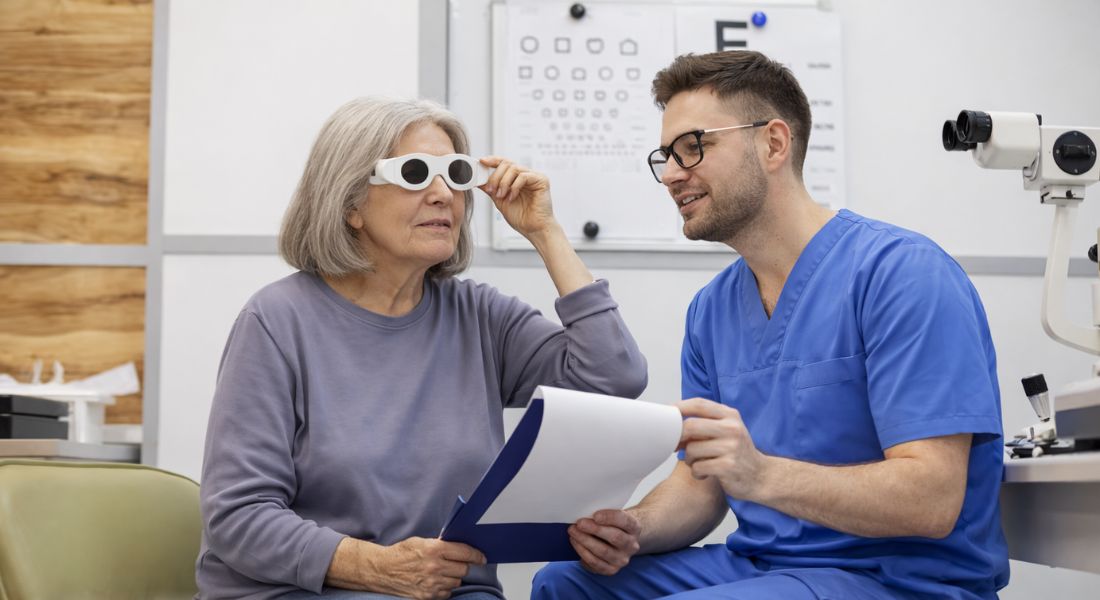
Between clinic visits, day-to-day care plays a vital role in protecting vision. Glaucoma management does not pause outside appointments, and steady habits help maintain stability. Small, consistent actions often have the greatest long-term impact. We view care as a shared process rather than something confined to reviews.
- Consistent use of treatment supports stability: Using prescribed drops as advised helps keep eye pressure controlled. Consistency matters more than occasional missed doses or aiming for perfection.
- Promptly reporting changes improves safety: Although symptoms are uncommon, sudden visual changes should be reported without delay. Early communication allows timely assessment and reassurance when needed.
- Awareness should be balanced, not anxiety-driven: Staying engaged with care does not mean constant worry. We encourage living normally while remaining attentive to treatment and follow-up.
Glaucoma care works best as a partnership. When you and we share responsibility through adherence, communication, and balance, monitoring becomes stronger. This collaborative approach helps protect vision steadily and sustainably over time.
How Monitoring Supports Long-Term Planning
Monitoring shapes long-term strategy rather than short-term reaction. We look at patterns that emerge over years, not isolated results. This wider view guides decisions with greater confidence. Stability over time reinforces trust in the care plan.
You may notice that management plans evolve gradually rather than changing suddenly. We see this as a reflection of learning from repeated assessments. Monitoring supplies the evidence needed to make thoughtful, informed adjustments. Change is deliberate rather than reactive.
We use long-term data to refine targets and align expectations as circumstances shift. Care stays responsive without becoming rigid. Flexibility supports sustained success. Monitoring remains the backbone of long-term glaucoma care, linking every stage together.
FAQs:
- How often should you expect glaucoma check-ups once you are diagnosed?
The frequency of monitoring depends on how stable your glaucoma is and how much risk is present. You may be seen more often early on or if changes are suspected. When results remain consistent, follow-up intervals can be extended safely. Monitoring adapts as your condition evolves rather than following a fixed schedule. - Why do you need regular monitoring even when glaucoma feels controlled?
Glaucoma can continue to change without causing noticeable symptoms. You may feel well while subtle damage progresses quietly. Monitoring allows these changes to be detected early. Protection relies on prevention rather than waiting for vision loss to appear. - What tests are usually included when your glaucoma is monitored?
Monitoring usually combines pressure checks, optic nerve assessment, scans, and visual field testing. Each test looks at a different aspect of eye health. You benefit when these results are interpreted together rather than individually. This combination provides a clearer picture of stability or progression. - How does your glaucoma stage affect how often you are monitored?
Earlier stages often require closer follow-up to establish reliable baselines. Moderate disease focuses on tracking trends over time at planned intervals. Advanced glaucoma usually needs more frequent review because reserve is lower. Monitoring intensity reflects protection needs rather than severity alone. - Why can eye pressure appear stable while glaucoma still changes?
Eye pressure is only one part of glaucoma behaviour. You may have optic nerve vulnerability that allows damage even at acceptable readings. Monitoring looks beyond pressure to detect structural and functional change. Stability is judged by trends, not single numbers. - What happens if you miss glaucoma monitoring appointments?
Missed reviews increase the risk of progression going unnoticed. Glaucoma does not pause between visits, even when vision feels unchanged. Gaps in follow-up reduce opportunities for timely adjustment. Consistent attendance supports long-term vision protection. - Why do your test results sometimes seem inconsistent?
Different tests measure different aspects of glaucoma. Structural change may appear before functional loss, or the opposite may occur. This does not usually indicate error. Monitoring focuses on patterns over time rather than isolated results. - How does monitoring change after treatment is adjusted?
Follow-up often becomes closer after treatment changes to confirm effectiveness and tolerance. You may be reviewed sooner to ensure stability. Once control is confirmed, intervals may lengthen again. Monitoring remains flexible and responsive to how your eyes behave. - Can regular monitoring really prevent vision loss for you?
Monitoring allows progression to be identified before it affects daily vision. Early detection gives time to adjust treatment and reduce further risk. Prevention often feels invisible but is highly effective. Stable vision is the result of consistent follow-up. - What role do you play in glaucoma monitoring between visits?
Using treatment consistently and attending scheduled reviews supports monitoring accuracy. You should report sudden changes rather than waiting for routine appointments. Awareness does not mean constant worry. Shared responsibility strengthens long-term protection.
Final Thoughts on How Often Glaucoma Should Be Monitored:
Glaucoma monitoring is essential because the condition changes slowly and silently, often without symptoms. Regular tests, scans, and check-ups allow progression to be detected early and managed before vision is affected. Monitoring frequency depends on individual risk, disease stage, and response to treatment rather than fixed schedules.
We believe consistent follow-up is one of the most effective forms of prevention. If you’d like to find out whether glaucoma treatment in London is suitable for you, feel free to contact us at Eye Clinic London to arrange a consultation.
References:
- Geevarghese, A. et al., 2021. Optical coherence tomography in glaucoma monitoring: structural assessment and progression detection. British Journal of Ophthalmology, 105(8), pp.1031–1042. Available at: https://www.ncbi.nlm.nih.gov/pmc/articles/PMC9184968/
- Melchior, B. et al., 2022. Frequency of optical coherence tomography testing to detect progression in glaucoma: implications for monitoring intervals. Journal of Glaucoma, 31(11), pp.1025–1033. Available at: https://www.ncbi.nlm.nih.gov/pmc/articles/PMC9633358/
- Wu, Z. et al., 2017. Frequency of testing to detect visual field progression in glaucoma: implications for monitoring intervals. Ophthalmology, 125(12), pp.1862–1870. Available at: https://www.sciencedirect.com/science/article/abs/pii/S016164201631836X
- Sarossy, M.G. et al., 2025. Enhanced detection of glaucoma progression using widefield swept-source OCT. Ophthalmology, 132(9), pp.???–??? (in press). Available at: https://www.sciencedirect.com/science/article/abs/pii/S2589419625001930
- Sabouri, S., 2023. Frequency of visual fields needed to detect glaucoma progression: simulation of follow-up schemes. Clinical Ophthalmology, 17, pp.2501–2509. Available at: https://pubmed.ncbi.nlm.nih.gov/37054400/