

How Long Do LASEK Surgery Results Really Last?
If you’re thinking about having LASEK surgery, or you’ve already had it, one of the biggest questions you probably have is how long the results will last. You might be wondering whether the clarity you gain from the procedure is permanent, whether your prescription will return over time, or whether ageing will affect your eyes later on. These are incredibly common concerns, and you’re not alone in asking them.
People often assume that laser eye surgery is a lifetime guarantee a one-time fix that lasts forever. Others have heard stories about vision “regressing” or needing an enhancement years later, which can make the long-term outlook feel uncertain. The truth sits somewhere in between. LASEK is designed to be long-lasting, and for many people, the results are essentially permanent. But your eyes are living tissues, and they continue to change as you age, no matter how successful the surgery is.
In this detailed guide, I’ll walk you through everything you need to know about the longevity of LASEK results. I’ll explain what determines how long your clarity lasts, how ageing affects your visual stability, when enhancements might be needed, and what you can realistically expect 5, 10, or 20 years after your procedure. My goal is to give you a complete, honest, and reassuring understanding of long-term outcomes, so you can make confident decisions about your vision.
Let’s start by looking at the core question: does LASEK truly offer permanent results?
Are LASEK Results Permanent?
LASEK surgery is designed to create long-lasting changes to your cornea, and in most cases, the results are stable for many years—often even decades. The procedure uses a laser to carefully reshape the curvature of your cornea so that light focuses correctly on your retina, improving vision and reducing dependence on glasses or contact lenses. Once the corneal reshaping is complete and your eyes have fully healed, the corrected shape generally remains stable.
However, it’s important to understand that while the surgery itself is permanent, your eyes can still change naturally over time. Several factors influence how long your clear vision lasts:
- Age at the time of surgery: Younger patients may experience changes over the years as their eyes continue to grow and develop, while older patients often have more stable outcomes.
- Size of your prescription: Higher levels of nearsightedness, farsightedness, or astigmatism may carry a slightly higher risk of minor regression over time.
- Corneal thickness: Thinner corneas may limit the amount of correction possible and could influence long-term stability.
- Natural ageing processes: Presbyopia (age-related difficulty focusing on close objects) and other age-related changes in the eye can affect vision after LASEK, even if the cornea itself remains stable.
- Hormonal changes: Pregnancy, menopause, or other hormonal fluctuations can temporarily alter vision, which may affect your perception of the results.
- Lifestyle factors: Prolonged eye strain, exposure to UV light, smoking, and other lifestyle elements can influence long-term eye health.
- Individual biology: Every eye is unique, and some patients may experience subtle changes in vision over time due to genetic or biological factors.
In summary, the structural changes to your cornea from LASEK are permanent, but your eyes as a whole continue to evolve naturally. Understanding the difference between the stability of the surgical correction and the natural changes that can occur with age, health, or lifestyle is key to having realistic expectations for long-term vision.
Why LASEK Results Last So Long
LASEK is known for providing long-term, stable vision, making it a reliable choice for many patients. Its lasting results are due to the way the procedure reshapes the cornea while preserving its natural strength. Unlike LASIK, LASEK does not create a flap, helping maintain corneal stability. The excimer laser removes only the necessary tissue, creating a permanent correction that the eye cannot “grow back.” These factors together mean patients often enjoy clear vision for many years with minimal risk of regression.
The Cornea Reshapes Permanently: LASEK uses an excimer laser to remove microscopic layers of corneal tissue in a highly precise pattern. Once the cornea heals, it does not “grow back” to its old shape, which means the new curvature is permanent. This is the main reason why LASEK can provide lasting correction for nearsightedness, farsightedness, and astigmatism.
No Flap Means Stronger Long-Term Stability: Unlike LASIK, LASEK does not involve creating a corneal flap, which means more of your natural corneal structure is preserved. Keeping the cornea intact helps maintain its biomechanical strength, reducing the risk of future weakening or complications. This structural stability also lowers the chance of vision regression over time, particularly for patients with higher prescriptions. For these reasons, LASEK is often recommended for individuals with thinner corneas or stronger prescriptions who may not be ideal candidates for LASIK, offering a safer and more long-lasting vision correction option.
Lower Risk of Ectasia Compared to LASIK: Because LASEK preserves more of the cornea’s structural tissue, the risk of long-term corneal weakening, known as keratectasia, is significantly lower. This contributes to the longevity of your vision correction and provides extra reassurance for long-term eye health.
Minimal Nerve Damage Supports Tear Film Stability: The surface-based approach of LASEK impacts fewer corneal nerves compared with flap-based procedures. Maintaining more nerve function helps support a stable tear film, which protects the corneal surface over time. This reduces dryness and discomfort and helps maintain the clarity and health of your cornea for years after surgery.
Preserving Long-Term Vision Health: In short, the combination of permanent corneal reshaping, preserved corneal structure, lower risk of weakening, and stable tear film all work together to make LASEK a procedure that often provides excellent long-term results. With proper care and regular check-ups, your vision can remain clear and stable for many years.
What Causes Vision to Change After LASEK?
Even though the cornea’s reshaping from LASEK is permanent, your vision can still change over time due to factors unrelated to the surgery. Changes in vision are a normal part of life, and they can occur gradually or sometimes more noticeably over the years. Understanding these factors can help you set realistic expectations and know when to seek a check-up.
Natural Ageing of the Eye: Your eyes naturally change as you age, regardless of having had laser eye surgery. One common change is presbyopia, an age-related decline in near vision that typically begins in your 40s and makes focusing on close objects more difficult. Cataracts can also develop as the lens inside the eye gradually becomes cloudy. Additionally, the lens can stiffen over time, affecting its ability to focus, which can make reading harder. These changes are a normal part of ageing and are not caused by LASEK.
Prescription Drift (Regression): A small percentage of people experience mild prescription regression years after surgery. This can result from genetic factors, the natural biomechanics of the cornea, the strength of your pre-surgery prescription, hormonal changes such as pregnancy or menopause, or environmental influences. Experiencing regression does not mean the surgery has failed; it simply reflects the natural evolution of your eyes over time.
Your Starting Prescription: The original strength of your prescription can influence long-term stability. Mild myopia, between -1.00 and -3.00, tends to remain extremely stable, while moderate myopia, from -3.00 to -6.00, is usually stable as well. High myopia, ranging from -6.00 to -10.00, carries a slightly higher chance of long-term drift. Even in these cases, however, vision results from LASEK are often excellent for many years.
Hormonal Changes: Hormonal fluctuations can temporarily affect vision. Pregnancy, breastfeeding, thyroid changes, and menopause can all cause subtle shifts in how clearly you see, but these changes are usually temporary and unrelated to the surgery itself.
Eye Strain and Lifestyle: Modern visual demands can influence how sharp your vision feels. Spending long hours on screens, working in dry environments, or focusing at a single distance for extended periods can lead to temporary eye strain. While this may make your vision seem less clear, it does not indicate regression of your LASEK results.
How Long Most Patients Enjoy Clear Vision After LASEK
Many people considering LASEK want to know not just how quickly they will see clearly, but how long that clarity will last. While individual results vary, long-term studies and clinical experience provide a reassuring picture. Most patients enjoy stable, high-quality vision for many years, with only minor changes typically related to natural ageing or very high prescriptions. Understanding the timeline of vision stability can help you set realistic expectations and plan for future eye care.
- First-Year Stability: Within 3–6 months after LASEK, your vision usually stabilises. Most patients achieve 20/20 vision or something extremely close to it. After the first year, these results remain stable for the majority of people, allowing them to confidently perform everyday tasks without glasses.
- Five-Year Outlook: Long-term studies show that around five years after LASEK, approximately 95% of patients maintain excellent distance vision. Only a small percentage experience mild prescription drift, and overall clarity remains reliable for work, driving, and other daily activities. This highlights LASEK as a very stable long-term solution.
- Ten-Year Outlook: Even a decade after LASEK, a high percentage of patients continue to enjoy strong visual clarity. Some mild regressions may appear, especially in those with high myopia, and age-related changes such as presbyopia or lens stiffening become more noticeable. These changes are part of natural ageing and are not caused by LASEK.
- Twenty Years After LASEK: Patients who undergo LASEK in their 20s or 30s will likely continue to enjoy its benefits into their 40s and 50s. Near vision decline (presbyopia) typically begins in the 40s, and cataracts may form later in life. The results of LASEK do not fade; rather, your eyes follow the normal ageing process.
Can You Have LASEK More Than Once?
In some cases, it is possible to undergo LASEK more than once. This is usually considered when a patient experiences a change in their vision after the initial procedure, but only if the cornea is thick enough and stable enough to safely allow another treatment. Enhancements are generally minor adjustments rather than full repeat surgeries.
Enhancements are recommended only under certain conditions. First, your prescription should have stabilised, meaning your eyes are no longer changing rapidly. Second, your cornea must have sufficient thickness to safely allow additional laser reshaping. Third, the overall shape of your cornea should be healthy and free from irregularities that could affect the outcome. Finally, the reason for any vision change should be related to the cornea itself, rather than lens changes or natural ageing of the eye, such as presbyopia or cataract formation.
It’s important to note that many patients never need an enhancement at all. For those who do, the adjustment is typically small, targeting only the minor residual refractive error. Your surgeon will carefully evaluate your eyes and discuss the potential benefits and risks before recommending a second procedure, ensuring the best possible long-term results.
How Age Affects Long-Term Vision After LASEK
Your visual needs naturally change as you age, and these changes can affect how you see even after LASEK. While LASEK permanently reshapes the cornea, it cannot prevent age-related changes in other parts of the eye, such as the lens. Understanding how vision evolves over the decades can help you set realistic expectations and plan for eye care in the future.
In Your 20s and 30s: This is considered an ideal time for LASEK. During these years, results are highly stable because your cornea is strong and resilient, and your eyes are less affected by age-related changes. Most patients enjoy long-term clarity for both distance and near vision, making it a great period to correct refractive errors.
In Your 40s: Presbyopia, or age-related near vision decline, typically begins in your 40s for everyone, including those who have never worn glasses. You may notice difficulty focusing up close, needing reading glasses, or strain when reading small print. These changes are caused by stiffening of the natural lens inside the eye, not by the cornea, so LASEK cannot prevent them.
In Your 50s and 60s: During this period, cataracts may begin developing. Cataracts can affect clarity, contrast, colour perception, and night vision, making activities like night driving more challenging. If cataracts become significant, lens surgery can safely replace the cloudy lens with a clear artificial one, restoring vision while your LASEK-corrected cornea continues to provide stable refractive correction.
In Your 70s and Beyond: Most age-related vision changes in this stage involve the lens and retina rather than the cornea. Your LASEK results remain intact as part of your corneal structure throughout your life, continuing to provide the benefits of the original procedure even as other aspects of your vision evolve naturally.
Signs Your LASEK Results Are Changing
Even after LASEK, it’s normal for your vision to experience subtle changes over time. You may notice distance blur returning, increased glare, difficulty seeing at night, new astigmatism, or challenges focusing on certain objects.
These changes do not always indicate that you need another procedure. Sometimes, they are related to other factors such as dryness, the early development of cataracts, lifestyle habits, or temporary eye strain from prolonged screen use or close work. A comprehensive eye examination can help identify the exact cause and determine whether any treatment or adjustment is needed to maintain your best vision.
When Enhancements May Be Needed
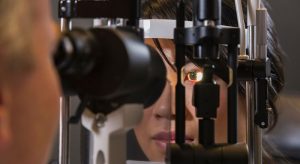
Enhancements after LASEK are relatively uncommon, but they are an option for patients who experience minor changes in their vision over time. You may be a candidate for an enhancement if your vision has drifted slightly, your cornea maintains adequate thickness, your prescription has stabilised, and there are no medical contraindications that would make additional treatment unsafe.
Several enhancement options are available, including LASEK, PRK, and occasionally LASIK, though LASIK is rarely used for enhancements. Your surgeon will carefully evaluate your eyes and discuss the best approach, ensuring any additional treatment is tailored to your individual needs. Honest guidance from your surgeon helps you understand what to expect and maintain the long-term stability of your vision.
What You Can Do to Protect Long-Term Results
There are several steps you can take to help maintain the long-term clarity achieved with LASEK. Wearing sunglasses outdoors protects your eyes from harmful UV rays, while reducing dry eye triggers and supporting tear film health can keep your eyes comfortable and clear. Taking regular breaks from screens, staying well-hydrated, and avoiding smoking also contribute to better overall eye health. Additionally, attending routine eye exams allows your eye care professional to monitor your vision and catch any changes early. Your daily habits and lifestyle choices play an important role in how your vision feels and functions over time.
FAQs:
- How long do LASEK results typically last?
LASEK results generally last for many years, and for most people, the improvements remain stable for decades. The reshaping of the cornea is permanent, so the vision correction itself does not fade. However, your overall eyesight can still change over time due to natural ageing processes such as presbyopia or cataract development. These changes happen to everyone, whether or not they have had laser eye surgery, which means the longevity of LASEK is more about how your eyes age rather than the surgery wearing off. - Can my vision regress after LASEK?
A small number of people experience mild regression, which means their prescription shifts slightly over the years. This is not because the cornea goes back to its old shape but because the eye continues to evolve naturally. Factors such as genetics, hormonal fluctuations, higher pre-surgery prescriptions, and biomechanical properties of the cornea can contribute to this. Regression tends to be minor and gradual, and many people still enjoy excellent functional vision for daily activities. - Is presbyopia caused by LASEK?
Presbyopia is not caused by LASEK and is a normal age-related change that eventually affects everyone, even people who have never worn glasses. It occurs because the natural lens of the eye becomes stiffer with age, making near focusing more difficult. While LASEK improves distance vision, it doesn’t prevent this lens-based change. People in their 40s and beyond often notice the need for reading glasses regardless of having had laser eye surgery. - Will I still need glasses at some point after LASEK?
Most people enjoy many years of clear vision without glasses after LASEK, especially for distance tasks. Over time, however, age-related changes like presbyopia or cataracts may require reading glasses or other optical support. This does not mean the LASEK results have faded; it simply reflects the natural progression of the eye. Even with these changes, many people find they need glasses far less often than before surgery. - Can I have LASEK a second time if my vision changes?
Enhancement procedures may be an option if your vision shifts and your cornea remains healthy and thick enough for additional laser treatment. Surgeons evaluate whether the change is due to the cornea or the lens before recommending an enhancement. If the change is related to ageing, such as presbyopia or cataracts, another LASEK treatment will not help, and a different solution may be advised. Only a small percentage of people ever need a second procedure. - Does LASEK prevent future eye conditions?
LASEK does not prevent conditions related to ageing such as cataracts, presbyopia, or macular changes. These conditions occur in the internal structures of the eye, which LASEK does not alter. What LASEK does offer is long-term correction of refractive errors like short-sightedness, long-sightedness, and astigmatism. So while it improves the front surface shape of the eye, it does not stop age-related changes deeper inside the eye. - How does age at the time of surgery affect long-term results?
People in their 20s and 30s usually enjoy the longest period of stable vision because their eyes have typically stopped changing and are not yet affected by presbyopia. Someone who has LASEK in their 40s may still enjoy clear distance vision, but near-vision changes will begin at some point due to the natural stiffening of the lens. Older adults may experience cataracts later on, and once cataracts develop, they become the primary driver of reduced clarity, not the LASEK procedure performed years earlier. - Are LASEK results different from LASIK results in the long run?
Both procedures offer excellent long-term outcomes, but LASEK tends to preserve more corneal tissue because it does not involve creating a flap. This can make it slightly more stable over time in people with thinner corneas or higher prescriptions. LASIK generally provides quicker recovery, but both are comparable in safety and effectiveness. In terms of longevity, the differences are subtle and mostly related to individual corneal thickness and biomechanics. - How will I know if my LASEK results are changing?
Changes in vision may appear as slight blurring, difficulty seeing clearly at night, increased glare, or noticing that distant objects are not as sharp as before. These symptoms do not automatically mean the corneal correction has regressed, as they can also occur due to dryness, long screen use, early cataract development, or natural ageing. A routine eye examination will determine whether the change is corneal, lens-related, or temporary. - What can I do to keep my LASEK results stable over the years?
Protecting your long-term clarity involves maintaining good eye health overall. Wearing UV-blocking sunglasses outdoors helps protect the cornea and the lens as you age. Staying hydrated, reducing screen strain, treating dryness promptly, and not smoking all support the tear film and the ocular surface. Regular eye check-ups ensure that any changes whether related to ageing or lifestyle are detected early and managed appropriately so that your vision stays comfortable and stable.
Final Thought: Long-Term LASEK Results
LASEK remains one of the most reliable and long-lasting vision correction procedures available today. For the vast majority of people, the clarity achieved after treatment stays stable for many years, and in many cases, for decades. The key thing to remember is that while the reshaping of your cornea is permanent, your eyes will still age naturally over time. Changes such as presbyopia or cataracts are part of the normal ageing process and are not caused by the procedure itself. Understanding this distinction helps set realistic expectations and gives you confidence in the long-term value of your treatment.
If you ever notice shifts in your vision years after your procedure, it doesn’t necessarily mean your LASEK results are fading. Often, the reasons relate to dryness, eye strain, or natural lens ageing rather than the surgery itself. Regular eye examinations, healthy lifestyle habits, and good ocular surface care can all help you maintain clear and comfortable vision as you get older. Enhancements are available for a small percentage of people, but most patients never need further treatment. If you’d like to find out whether Lasek surgery in London is suitable for you, feel free to contact us at Eye Clinic London to arrange a consultation.
References:
- Castro-Luna, G., Jiménez-Rodríguez, D., Pérez-Rueda, A. & Alaskar-Alani, H. (2020) “Long Term Follow-Up Safety and Effectiveness of Myopia Refractive Surgery.” International Journal of Environmental Research and Public Health, 17, 8729. https://www.mdpi.com/1660-4601/17/23/8729
- Yahalomi, T., et al. (2023) “Dry Eye Disease following LASIK, PRK, and LASEK.” Journal of Clinical Medicine, 12(11), 3761. https://www.mdpi.com/2077-0383/12/11/3761
- Hashemian, S.J., et al. (2022) “Long-Term Visual and Refractive Stability and Ocular Surface after LASIK and LASEK.” Medical Journal (PMC Article). PMC full-text available: https://pmc.ncbi.nlm.nih.gov/articles/PMC8772487/
- Dirani, M., et al. (2010) “Long-term refractive outcomes and stability after excimer laser surgery for myopia.” https://pubmed.ncbi.nlm.nih.gov/20870117/
- Yuksel, N., Coban, S., Cayli, S. & Erdurman, F. (2014) “Long term results of Epi-LASIK and LASEK for myopia.” https://www.sciencedirect.com/science/article/abs/pii/S1367048413002750