


The History of LASIK Surgery: From Early Lasers to Modern Techniques
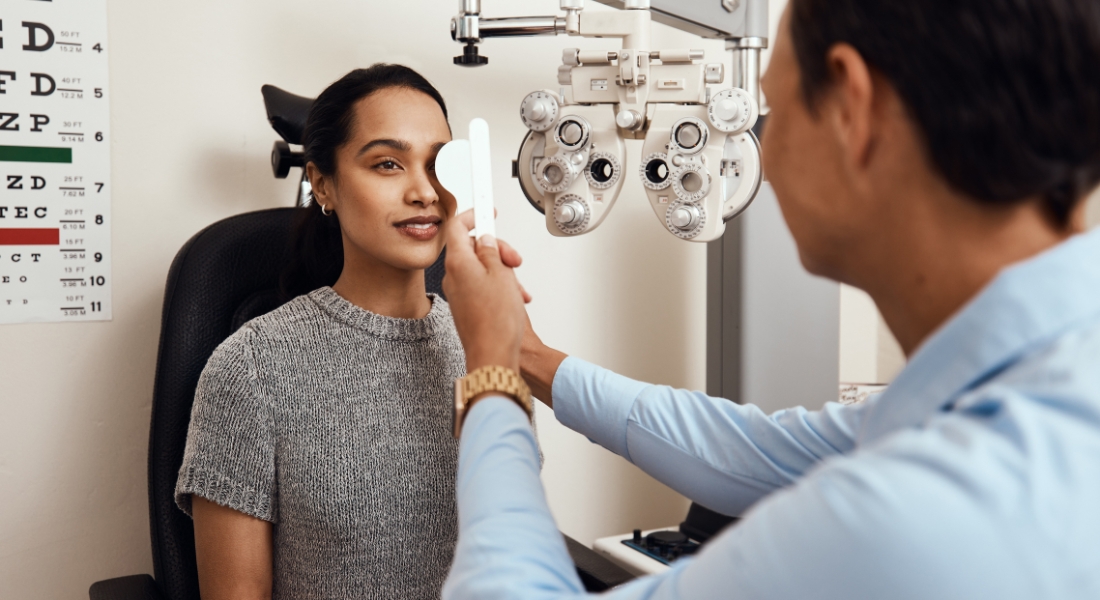
LASIK surgery is often seen as a modern medical achievement, but its development spans several decades. If you are considering laser vision correction, understanding how the procedure evolved can provide reassurance. Today’s safety and accuracy are the result of continuous refinement rather than sudden invention.
Early refractive surgery was experimental and limited by technology. Surgeons and scientists worked through trial, error, and research to understand how lasers interact with the eye. Each advancement built on lessons from earlier techniques.
In this article, we trace the history of LASIK surgery from its earliest origins to modern systems. We explore how PRK, flap-based surgery, femtosecond lasers, and eye tracking transformed outcomes. This journey explains why modern LASIK is far safer and more predictable.
Early Attempts at Refractive Surgery
Long before lasers, surgeons attempted to correct vision by altering the cornea mechanically. Early procedures involved incisions or freezing techniques to change corneal shape. These methods were imprecise and carried significant risk.
Results were unpredictable, and complications were common. Despite this, these early attempts proved that altering corneal shape could change vision. This insight laid the foundation for future laser-based approaches.
As technology advanced, attention turned to lasers as a more precise tool. Researchers recognised that controlled tissue removal could improve accuracy. This marked the beginning of modern refractive surgery development.
The Introduction of Laser Technology in Eye Surgery
The introduction of lasers into medicine opened new possibilities for eye surgery. Researchers discovered that certain laser wavelengths could remove tissue precisely. This discovery was critical for refractive correction.
The excimer laser emerged as a breakthrough. It could remove microscopic layers of tissue without heat damage. This property made it ideal for corneal reshaping.
Early experiments focused on understanding safety and tissue response. These studies provided the scientific basis for laser vision correction. Progress accelerated rapidly from this point.
The Development of PRK
Photorefractive keratectomy, commonly known as PRK, was the first laser vision correction procedure to be widely adopted. It laid the foundation for modern refractive surgery by showing that vision could be improved through precise reshaping of the cornea.
- Direct treatment of the corneal surface: In PRK, the outer surface layer of the cornea is removed before the underlying tissue is reshaped with an excimer laser. By changing the cornea’s curvature, light can be focused more accurately on the retina.
- Proof of effective laser correction: PRK demonstrated that excimer lasers could reliably correct refractive errors such as short-sightedness and long-sightedness. This was a critical step in the development of laser eye surgery.
- Slower recovery but valuable insights: Healing after PRK relies on regeneration of the corneal surface, which leads to a longer recovery period and more post-operative discomfort compared with later techniques. Despite this, the procedure provided essential data on healing, safety, and outcomes.
PRK represented a major milestone in eye care. Many of the principles and technologies used in modern laser vision correction were built on the research and experience gained from PRK.
Limitations That Drove Further Innovation
Although PRK was effective, it revealed several limitations that encouraged further advancement. The patient experience, particularly during recovery, highlighted areas where improvement was needed despite good visual outcomes.
- Surface healing led to discomfort and slower recovery: Because PRK relies on regeneration of the corneal surface, patients often experienced pain and blurred vision during the early healing phase. Visual recovery was slower compared with later techniques.
- Risk of corneal haze during healing: Some patients developed temporary corneal haze as the surface healed, which could affect clarity during recovery. Managing this response became an important focus for surgeons.
- Need for less disruptive access to the cornea: Surgeons began exploring ways to reach the deeper corneal layers without removing the surface entirely. This shift in thinking led to the development of flap-based procedures.
Innovation was driven not only by surgical success but by patient comfort and predictability. Reducing discomfort and speeding visual recovery became key priorities. These goals directly shaped the evolution of LASIK.
The Birth of Flap-Based LASIK
LASIK marked a major step forward by combining excimer laser reshaping with the creation of a corneal flap. This flap allowed surgeons to treat deeper layers of your cornea while keeping the surface largely protected. As a result, your eye healed more quickly compared to earlier laser procedures. This improvement made the treatment far more appealing to patients.
In the early years, LASIK flaps were created using mechanical microkeratomes. These devices required a high level of skill and careful handling from the surgeon. While they were effective, they could introduce some variation from one procedure to another. Outcomes depended heavily on experience and technique.
Despite these early challenges, flap-based LASIK transformed refractive surgery. You benefited from faster visual recovery and noticeably less discomfort after treatment. Many people were able to return to normal activities within days. This combination helped LASIK gain rapid popularity around the world.
Early Challenges With Mechanical Microkeratomes
Mechanical microkeratomes represented an important advance, but they came with clear limitations. Flap thickness and shape could vary from one patient to another, even when the procedure was performed correctly. This variability sometimes reduced safety margins for you as a patient. As a result, outcomes were not always as predictable as surgeons would have liked.
Surgeons worked hard to minimise these risks through experience and careful patient selection. Over time, improved techniques helped make results more reliable. However, the technology itself still imposed limits on consistency. Even skilled hands could not fully eliminate variation.
These challenges highlighted the need for better precision and control. Improving flap accuracy became a major focus in refractive surgery. Researchers and clinicians looked for ways to reduce dependence on mechanical devices. This push for greater consistency directly led to the development of femtosecond laser technology.
The Introduction of Femtosecond Lasers
Femtosecond lasers revolutionised LASIK flap creation. They used ultrafast pulses to create precise, customisable flaps. This improved consistency and safety.
Flap thickness and diameter could now be controlled accurately. This reduced complications and expanded suitability. Precision increased significantly.
The femtosecond laser marked a turning point. LASIK became more predictable and reproducible. This advancement significantly improved outcomes.
Advances in Diagnostic Technology
As surgical tools improved, diagnostic technology advanced alongside them. Corneal topography allowed surgeons to map the shape of your cornea in far greater detail. This made screening and treatment planning much more precise. Potential issues could be identified before surgery even began.
Wavefront analysis added another layer of understanding by revealing subtle optical imperfections in your eye. Surgeons could now customise treatment based on your individual visual profile rather than relying on standard corrections. This refinement improved overall accuracy and visual quality. Outcomes became more predictable and tailored to you.
With better diagnostics, the risks of LASIK were reduced even further. Unsuitable candidates could be identified early and advised against surgery. Screening became more sophisticated and reliable. These advances led directly to improved safety and confidence in the procedure.
The Rise of Customised LASIK Treatments
Customised LASIK marked a major shift in how treatment was planned. Instead of applying a standard correction, the laser was tailored specifically to your eyes. This approach improved visual quality and helped deliver more precise results. Your treatment became truly individual.
Wavefront-guided and topography-guided LASIK allowed surgeons to address subtle irregularities in your vision. Many patients experienced fewer side effects such as glare, halos, or night vision problems. This led to higher satisfaction rates after surgery. Visual outcomes felt more natural and refined.
This move towards customisation reflected a deeper understanding of visual optics. Advances in technology made personalised care both practical and reliable. Surgeons could fine-tune treatments with greater confidence. Today, this customised approach remains central to modern LASIK.
Eye Tracking and Motion Compensation
Early LASIK systems assumed your eye would remain perfectly still during treatment. In reality, small and involuntary movements are completely normal. Eye tracking technology was developed to solve this issue and make treatment safer. It allowed the laser to respond to real-time movement.
Modern LASIK systems track your eye position thousands of times per second. If your eye moves, the laser adjusts instantly to stay precisely on target. This ensures accuracy is maintained throughout the entire procedure. You can feel more confident knowing the treatment adapts to you.
This innovation significantly improved both safety and precision. It reduced the risk of decentration, where treatment could be slightly off-centre. Outcomes became more predictable and reliable. Today, eye tracking is a standard feature in advanced LASIK systems.
Improvements in Laser Speed and Control
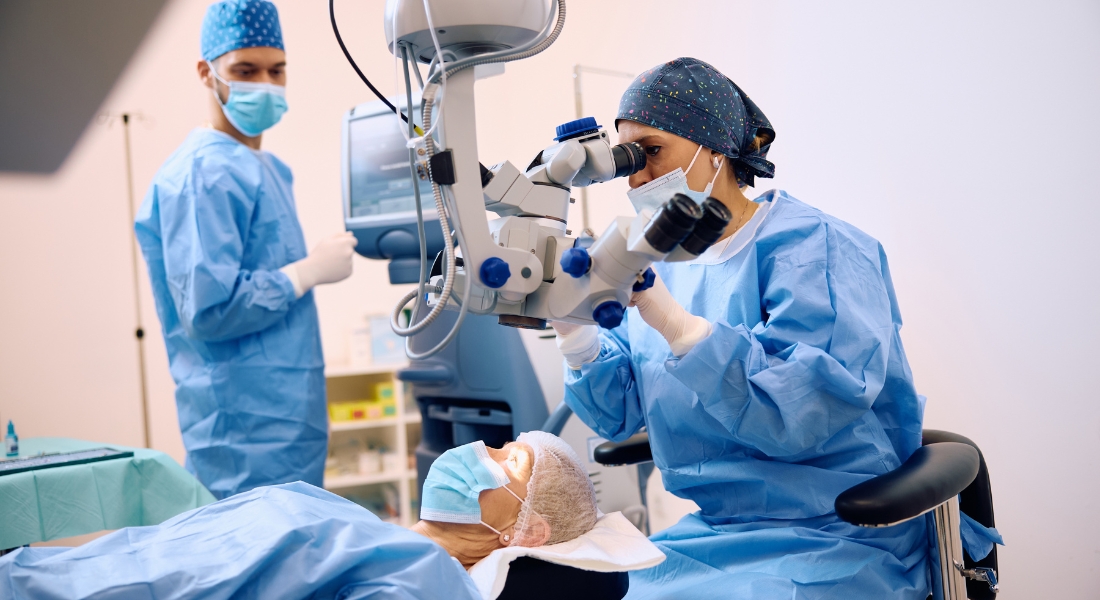
Advances in laser technology have significantly improved both the speed and control of modern vision correction procedures. These developments have made treatment quicker, more comfortable, and more consistent.
- Faster laser delivery: Modern lasers can deliver thousands of pulses in a very short time, reducing overall treatment duration. Shorter procedures help improve patient comfort and reduce the chance of eye movement affecting accuracy.
- Enhanced control through advanced algorithms: Improved software precisely regulates the energy and timing of each laser pulse. This ensures predictable tissue interaction and consistent reshaping across the treated area.
- Greater consistency and reliability: Refined control reduces variability between treatments and between patients. As a result, outcomes have become more reliable and easier to reproduce.
Technological refinement has played a crucial role in improving laser vision correction. Increased speed and precise control continue to support safer procedures and more predictable visual outcomes.
Expanding Safety Through Better Screening
The safety of LASIK today begins with thorough screening. Conditions like keratoconus can now be spotted much earlier, helping to prevent treatments that wouldn’t be suitable for you. This means your surgeon can make more informed decisions about what’s right for your eyes.
Advances in imaging have taken risk assessment to the next level. Your cornea’s shape and strength can now be evaluated in much greater detail. This gives you better protection for your long-term eye health and helps avoid complications down the line.
Thanks to these improvements, LASIK is safer than ever. Complications are much less common, and prevention is now just as important as the treatment itself. It’s reassuring to know that your safety is at the heart of every decision
Comparing Modern LASIK With Early Techniques
Modern LASIK is a far cry from the early laser procedures. Precision, safety, and predictability have all improved, thanks to advances in technology that overcame the limitations of the past. This means you can expect a treatment that is far more reliable than earlier methods.
Complication rates are now much lower, and recovery is quicker, so you can get back to your daily life sooner. Patient satisfaction is higher than ever, and long-term data backs up these improvements.
Understanding how LASIK has evolved helps you see why there’s so much confidence in the procedure today. Decades of refinement have shaped the modern technique, showing how lessons from history inform safer, more effective treatments for your eyes.
Why Modern LASIK Is Considered Safer Than Ever
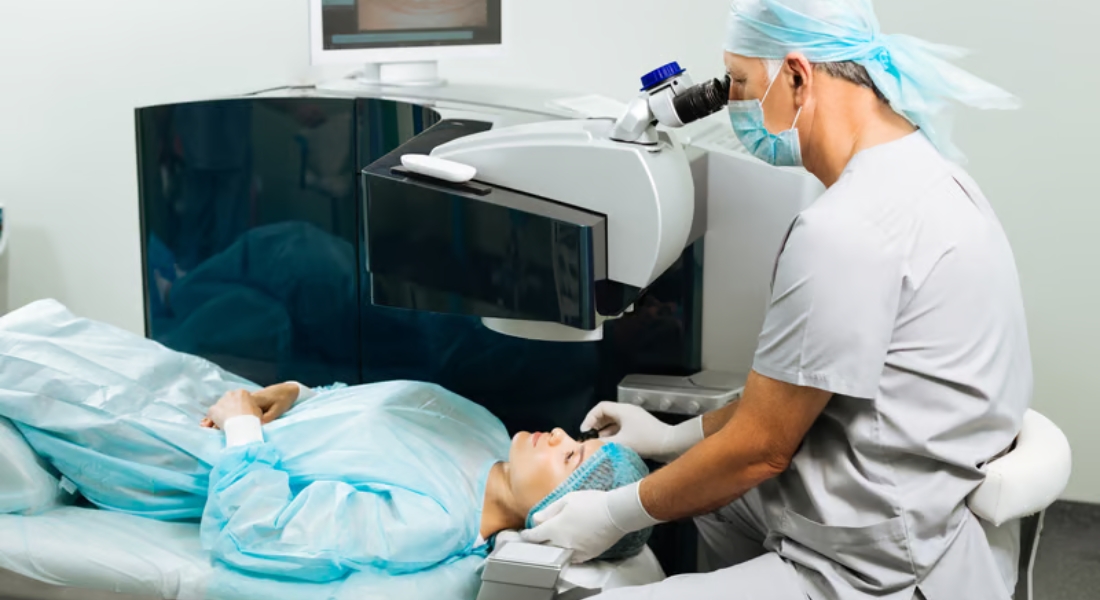
Modern LASIK is safer than ever because it relies on multiple layers of protection. Advanced diagnostics, precise lasers, and real-time eye tracking all work together to reduce risk. This means you benefit from a treatment designed with safety built in at every step.
Surgeon experience has also grown significantly over the years. Training standards and protocols have improved, so you’re in the hands of experts who follow the best practices. The safety of LASIK isn’t due to a single breakthrough it’s the result of continuous innovation and combined progress. Every advancement, from technology to technique, contributes to the reliable outcomes you can expect today.
What the History of LASIK Means for Patients Today
Understanding the history of LASIK can be reassuring if you’re considering the procedure. Modern treatments are built on decades of research and learning, with each step improving on what came before. This means you’re benefiting from a method that has been carefully refined over time.
The long development process also shows that LASIK is no longer experimental. It’s a mature, evidence-based procedure that delivers reliable outcomes. When you choose LASIK today, you’re putting your trust in years of experience and proven results.
Choosing LASIK With Historical Perspective
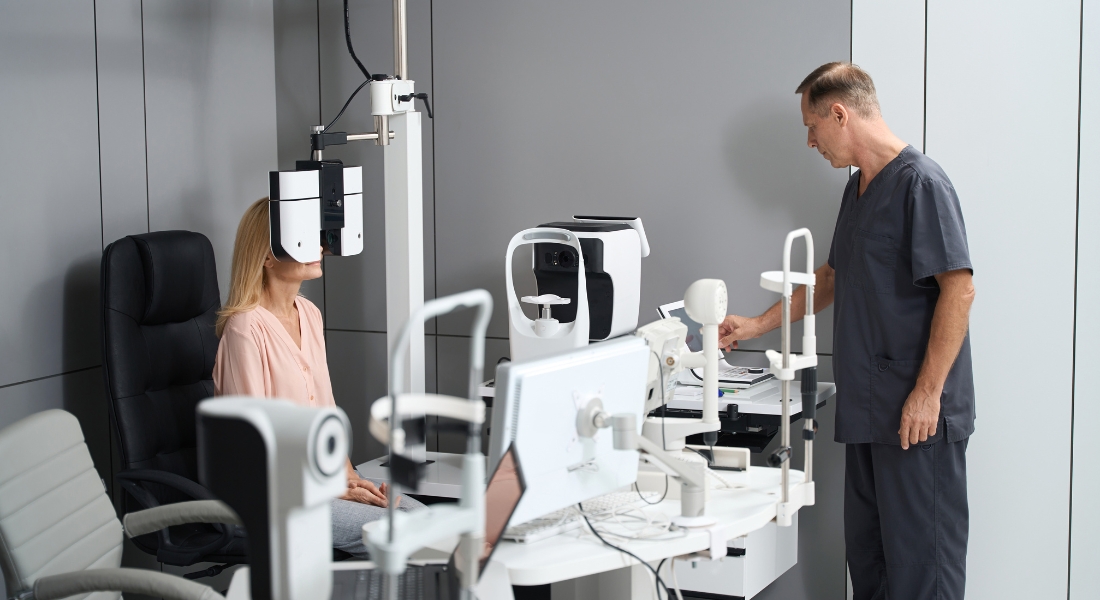
When you choose LASIK, you’re benefiting from decades of innovation. The technology you rely on today reflects years of accumulated expertise, helping you make a more informed decision about your eyes.
Understanding how LASIK has evolved also helps you set realistic expectations. While progress has reduced risks, it hasn’t changed the natural effects of ageing on your vision. Being aware of this context helps you feel more confident and prepared when deciding if LASIK is right for you.
FAQs:
- How long has LASIK surgery been around?
LASIK, as it is recognised today, has been performed since the 1990s. However, the science behind it goes back much further. Research into corneal reshaping and laser-tissue interaction began decades earlier, meaning modern LASIK is built on many years of study rather than being a recent invention. - Was early LASIK considered safe?
Early LASIK was effective but carried higher risks than today’s procedures. Technology limitations meant less precise flap creation and reduced screening tools. While many patients achieved good vision, outcomes were more variable, which is why continued innovation focused so heavily on improving safety and predictability. - How did femtosecond lasers change LASIK outcomes?
Femtosecond lasers dramatically improved flap accuracy and consistency. By replacing mechanical blades with laser precision, surgeons gained greater control over flap thickness and shape. For you as a patient, this translated into improved safety margins and more predictable healing. - Why was PRK important in the development of LASIK?
PRK proved that excimer lasers could safely reshape the cornea to correct vision. Although recovery was slower, PRK established many of the principles still used in modern laser vision correction. Without PRK, the development of LASIK would not have been possible. - How does modern LASIK differ from early laser eye surgery?
Modern LASIK uses advanced diagnostics, faster lasers, real-time eye tracking, and personalised treatment planning. Early laser procedures relied on far less data and assumed a static eye. Today, your treatment is customised and continuously adjusted during surgery, making outcomes far more reliable. - Is LASIK still evolving today?
Yes, LASIK continues to evolve. Improvements now focus on screening accuracy, biomechanical assessment, and refining visual quality rather than basic safety. This ongoing development ensures that techniques adapt as scientific understanding improves. - Does the long history of LASIK make it more trustworthy?
The long history of LASIK adds reassurance rather than uncertainty. Each generation of technology addressed previous limitations, guided by clinical evidence and outcomes data. When you choose LASIK today, you benefit from decades of accumulated knowledge and experience. - Why does understanding LASIK’s history matter before treatment?
Understanding the history helps you recognise that modern LASIK is not experimental. It allows you to appreciate why screening is thorough and why surgeons are selective. This perspective supports realistic expectations and informed decision-making. - Has patient satisfaction improved over time?
Patient satisfaction has increased significantly as technology improved. Faster recovery, reduced discomfort, and better visual quality have all contributed. Long-term studies now show consistently high satisfaction rates, reflecting how far the procedure has progressed. - Does modern LASIK eliminate all risks?
No medical procedure is entirely risk-free, but modern LASIK minimises risk through multiple safety layers. Improved diagnostics, precise lasers, and surgeon experience work together to protect outcomes. Understanding this evolution helps you approach treatment with confidence rather than fear.
Final Thought: How Decades of Innovation Shape Modern LASIK
The history of LASIK shows that today’s procedure is not the result of sudden innovation, but decades of careful research, refinement, and clinical experience. From early mechanical techniques to highly advanced laser systems, each stage of development addressed the limitations of what came before. This gradual evolution explains why modern LASIK is now considered precise, predictable, and supported by robust safety data.
Looking at LASIK through a historical lens also helps you understand the importance of thorough screening and personalised planning. Advances in diagnostics, laser control, and eye tracking have all contributed to safer outcomes, but equally important is the knowledge gained from years of clinical practice. Modern standards exist because earlier challenges were studied, understood, and improved upon. If you’re considering lasik surgery in London and want to know if it’s the right option, you’re welcome to reach out to us at Eye Clinic London to book a consultation.
References:
- Moshirfar, M., Ronquillo, Y.C., Santiago-Caban, L., et al. (2025) ‘Laser In Situ Keratomileusis (LASIK)’ https://pubmed.ncbi.nlm.nih.gov/32310430/
- ‘Photorefractive Keratectomy: Technical Evolution, Refractive Outcomes…’, Journal of Refractive Surgery https://pubmed.ncbi.nlm.nih.gov/39387384/
- Aristeidou, A., Taniguchi, E.V., Tsatsos, M., et al. (2015) ‘The evolution of corneal and refractive surgery with the femtosecond laser’, Eye and Vision, 2:12. https://pmc.ncbi.nlm.nih.gov/articles/PMC4655461/
- ‘A Two-Decade Bibliometric Analysis of Laser in Ophthalmology: From Past to Present’, https://pmc.ncbi.nlm.nih.gov/articles/PMC11100493/
- Curcă, P.F., Tătaru, C.I., Sima, G., Burcea, M. and Tătaru, C.P. (2024) ‘Advances in Transepithelial Photorefractive Keratectomy versus Laser-Assisted In Situ Keratomileusis’, Diagnostics, https://www.mdpi.com/2075-4418/14/5/481