


The History of LASEK Surgery: Why It Was Developed and Where It Fits Today
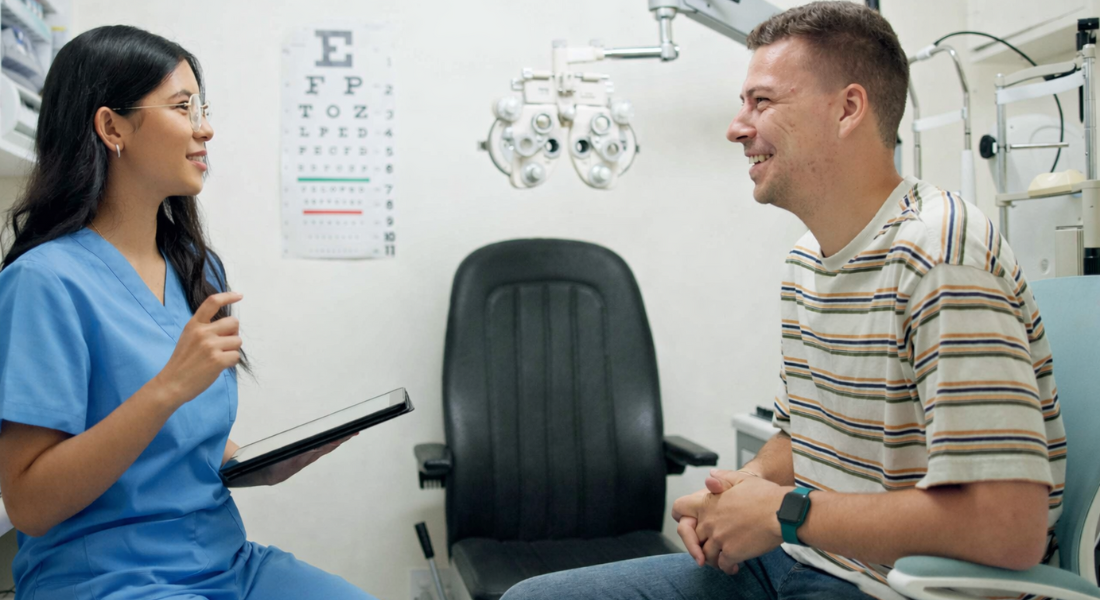
If you are considering laser eye surgery, you have probably heard of LASIK, PRK, and LASEK. While LASIK tends to dominate conversations today, LASEK has an interesting history and continues to offer valuable options for certain patients.
Understanding why LASEK was developed, how it differs from other procedures, and where it fits in modern practice can help you make a more informed decision about your eye care. Laser vision correction has evolved over several decades, with each new technique aimed at improving safety, precision, and recovery time.
LASEK was developed as a thoughtful alternative, bridging the gap between older surface ablation procedures like PRK and flap-based surgeries such as LASIK. It was designed to offer the advantages of surface treatments preserving corneal strength and reducing flap-related complications while aiming to improve patient comfort and visual recovery compared with traditional PRK.
Today, LASEK remains particularly relevant for patients with thinner corneas, mild-to-moderate prescriptions, or other factors that make LASIK less suitable. By understanding its history and purpose, you can appreciate why LASEK still has a role in the spectrum of laser eye surgery options.
Early Laser Eye Surgery: The Beginning of a Revolution
The journey to modern laser eye surgery began in the late 20th century. Before the advent of lasers, refractive errors such as myopia, hyperopia, and astigmatism were corrected primarily with glasses or contact lenses. While these tools were effective, many patients sought a more permanent solution that would reduce dependence on visual aids.
In the 1980s, the first surface ablation procedures were developed, marking a significant milestone in ophthalmology. Photorefractive keratectomy (PRK) was introduced as a way to reshape the cornea using an excimer laser, allowing precise correction of refractive errors. PRK demonstrated that laser technology could permanently alter the corneal shape and improve vision without the need for glasses or contacts.
However, PRK had its limitations. Recovery was often slow and could be uncomfortable, with patients experiencing moderate to significant pain during the initial healing phase. Temporary corneal haze could form, affecting vision quality for several weeks. Additionally, patients were required to limit physical activity and exposure to potential eye irritants while the cornea healed, which could be inconvenient and restrictive.
These challenges created demand for an improved procedure one that maintained the effectiveness of PRK but offered a faster, more comfortable recovery. The desire to overcome these limitations set the stage for the development of alternative laser techniques, ultimately leading to procedures like LASIK and LASEK that combined precision with patient comfort.
The Advent of LASIK and Its Impact

LASIK, or laser-assisted in situ keratomileusis, emerged as a game-changing procedure in the 1990s. Unlike earlier surface ablation techniques, LASIK does not remove the corneal epithelium entirely. Instead, it creates a thin flap in the cornea, allowing the excimer laser to reshape the underlying tissue. Once the cornea is reshaped, the flap is carefully repositioned, acting as a natural bandage.
This approach offered several major advantages. Recovery time and discomfort were significantly reduced compared with procedures like PRK. Many patients could return to normal activities within a day or two, and vision often stabilised rapidly, sometimes almost immediately. These benefits contributed to LASIK quickly becoming the most widely performed laser eye surgery procedure.
Despite its success, LASIK was not suitable for everyone. Patients with thinner corneas, irregular corneal shapes, or higher risk of trauma faced greater challenges, as the creation of a corneal flap could increase the likelihood of complications. Concerns about flap-related issues, though relatively rare, highlighted the need for alternative approaches.
This gap in treatment options encouraged surgeons and researchers to revisit surface ablation techniques. Their goal was to combine the safety advantages of preserving corneal integrity with the visual and comfort benefits that LASIK offered ultimately paving the way for procedures like LASEK, which sought to bridge this gap and expand options for a wider range of patients.
Why LASEK Was Developed
LASEK, which stands for Laser-Assisted Sub-Epithelial Keratectomy, was introduced in the 1990s by Dr Dimitri Azar. The procedure was designed to bridge the gap between traditional surface ablation techniques, like PRK, and flap-based procedures such as LASIK. The goal was to combine the precision and effectiveness of surface ablation with a method that better protects the corneal epithelium during healing.
Unlike PRK, which removes the corneal epithelium entirely, LASEK uses a diluted alcohol solution to gently loosen the epithelial layer. The surgeon then carefully moves this thin sheet of epithelium aside rather than discarding it. Once the epithelium is set aside, an excimer laser reshapes the underlying corneal tissue to correct the patient’s refractive error. After the laser treatment, the epithelium is repositioned over the treated area.
This technique offers several advantages over traditional PRK. By preserving the epithelial layer, LASEK reduces postoperative discomfort and slightly speeds up visual recovery. It also lowers the risk of corneal haze, as the epithelium acts as a natural protective barrier during healing. In essence, LASEK can be thought of as a “gentler” form of surface ablation, designed to maintain the safety of PRK while improving patient comfort and outcomes.
How LASEK Differs from LASIK and PRK
Understanding the differences between PRK, LASIK, and LASEK helps clarify where LASEK fits in modern laser eye surgery. Each procedure has its own advantages and limitations, making certain approaches more suitable for specific patients.
- PRK (Photorefractive Keratectomy): In this surface ablation procedure, the corneal epithelium is completely removed and discarded. Recovery tends to be slower, with several days of discomfort and sensitivity. There is also a risk of corneal haze, particularly in patients with higher prescriptions, and visual recovery may take longer than with flap-based procedures.
- LASIK (Laser-Assisted In Situ Keratomileusis): LASIK involves creating a thin flap in the cornea, reshaping the tissue underneath with an excimer laser, and then replacing the flap. Recovery is rapid and relatively painless, often allowing patients to return to normal activities within a day or two. However, flap-related complications can occur, and some patients such as those with thin corneas or certain corneal irregularities are not suitable candidates.
- LASEK (Laser-Assisted Sub-Epithelial Keratectomy): LASEK sits between PRK and LASIK in terms of technique and recovery. The corneal epithelium is gently loosened with a diluted alcohol solution and preserved, rather than removed entirely. After the laser reshapes the underlying corneal tissue, the epithelium is replaced. Recovery is intermediate faster than PRK but slower than LASIK.
In essence, LASEK fills a niche in laser eye surgery: it offers the safety benefits of surface ablation while improving comfort and healing compared with traditional PRK. At the same time, it provides an alternative for patients who may not be ideal candidates for LASIK.
Evolution of LASEK Techniques
Since its introduction, LASEK techniques have evolved significantly. Early versions of the procedure relied on a relatively simple diluted alcohol solution to loosen the corneal epithelium. While effective, these early methods were refined over time to minimise epithelial toxicity and improve cell survival during healing.
As experience grew, surgeons developed more precise tools and protocols for handling the epithelial layer. Greater care in lifting, preserving, and repositioning the epithelium helped improve healing outcomes and reduce postoperative discomfort. These refinements made the procedure more consistent and predictable.
Postoperative care has also advanced considerably. The routine use of bandage contact lenses, alongside modern lubricating eye drops, antibiotics, and anti-inflammatory medications, has made recovery smoother and more comfortable. As a result, patients now experience less pain, faster stabilisation of vision, and fewer complications than in the early days of LASEK.
In addition, customised LASEK treatments have enhanced precision. Wavefront-guided and topography-guided laser technologies allow surgeons to address higher-order aberrations, not just basic refractive errors. This improves overall visual quality, particularly in low-light conditions.
The Role of LASEK in Modern Laser Eye Surgery
Although LASIK continues to dominate the laser eye surgery market, LASEK has retained an important and clearly defined role in modern refractive practice. Rather than being replaced, it remains a valuable option for patients who may not be ideal candidates for flap-based procedures.
LASEK is often recommended for people with thinner or irregular corneas, as well as those who face a higher risk of eye trauma that could compromise a LASIK flap. It is also suitable for patients with mild to moderate refractive prescriptions and for those who prefer surface ablation due to personal preference or specific medical considerations.
Because LASEK avoids the creation of a corneal flap, there is no risk of flap displacement following trauma. This makes it particularly appealing for athletes, military personnel, and individuals with physically demanding or highly active lifestyles, where eye injuries are more likely to occur.
LASEK is also a sensible option for patients with mild corneal surface irregularities, where flap-based surgery may be less predictable or carry additional risk. By preserving corneal integrity, it offers an extra margin of structural safety in these situations.
The Patient Experience: What to Expect
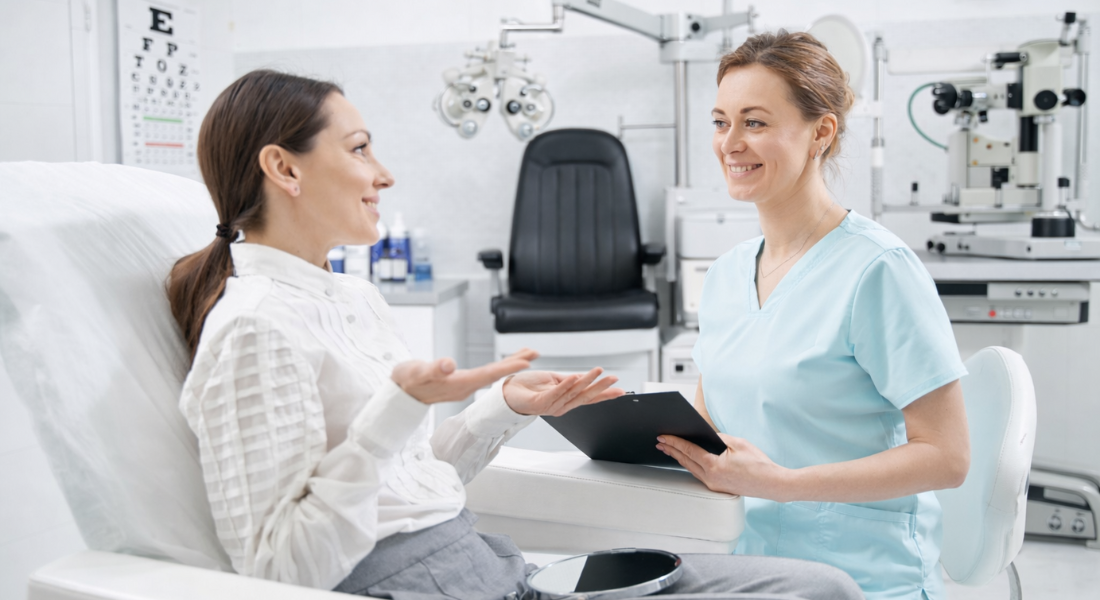
If you are considering LASEK surgery in London, it helps to understand what the process involves. Knowing what to expect at each stage can make the experience feel more comfortable and manageable.
- Preoperative Assessment: Your surgeon carefully examines your eyes to confirm that LASEK is suitable for you. Corneal thickness, shape, and overall eye health are assessed using detailed scans and topography. These measurements allow the laser treatment to be planned accurately and safely.
- During the Procedure: On the day of surgery, numbing eye drops are used to keep you comfortable. The surface epithelium is gently loosened and moved aside. The laser then reshapes the cornea to correct your vision. Once the laser treatment is complete, the epithelium is repositioned and a bandage contact lens may be placed to protect the eye.
- Recovery Phase: Mild discomfort or a gritty sensation is common for the first few days. Vision is usually blurry at first but improves gradually over one to two weeks. Prescribed eye drops help reduce inflammation, prevent infection, and support healing.
- Long-Term Outcome: Most patients achieve clear, stable vision after healing. Vision continues to settle over several weeks, and follow-up visits ensure recovery is progressing as expected. With proper care, LASEK provides reliable and long-lasting results.
Comparing Outcomes: LASIK vs LASEK
Research consistently shows that, when patients are selected carefully, both LASIK and LASEK deliver very similar long-term visual results. In terms of final clarity and accuracy of vision correction, neither procedure is inherently superior. The key differences lie in how the eye heals and how quickly you return to normal activities.
LASIK is known for its rapid recovery and minimal discomfort, largely because the corneal flap allows vision to stabilise quickly. However, the presence of a flap does introduce a small risk, particularly for people with thinner corneas or those involved in contact sports or physically demanding work.
LASEK, on the other hand, involves a slightly longer recovery period and some temporary discomfort in the early healing phase. The advantage is that no corneal flap is created, making it a safer option for patients with thin corneas or specific corneal surface considerations.
Ultimately, the choice between LASIK and LASEK depends on your individual eye anatomy, lifestyle, and comfort with risk. A detailed consultation and thorough eye assessment are essential, as they help your surgeon recommend the procedure that best suits your eyes and long-term visual goals.
Advances in Technology Enhancing LASEK
Advances in laser technology have significantly improved the safety, precision, and comfort of LASEK surgery. Modern wavefront-guided lasers can map the eye’s unique optical imperfections in great detail, allowing treatment to be tailored to how your eye actually focuses light. This personalised approach helps reduce visual disturbances such as glare, halos, and night vision difficulties.
Topography-guided laser systems further refine results by accounting for subtle variations in corneal shape. Instead of applying a standard correction, the laser adapts to irregularities on the corneal surface, improving overall visual quality. This is particularly beneficial for patients with mild corneal asymmetry or higher-order aberrations.
Postoperative care has also evolved. Modern bandage contact lenses are designed to protect the epithelium while promoting smoother healing and greater comfort. At the same time, improved anti-inflammatory medications help reduce the risk of scarring and speed up recovery. Together, these technological and medical advances have transformed LASEK into a more predictable, comfortable, and effective option than ever before.
Common Myths About LASEK
LASEK is often misunderstood, mainly because LASIK receives more attention. As a result, some patients approach LASEK with unnecessary concern or incorrect assumptions. Understanding the facts behind these common myths can help you make a clearer, more confident decision about whether this procedure is right for you.
- LASEK is outdated: LASEK is not an obsolete procedure. While LASIK is more widely performed, LASEK continues to be an important option for patients with thin corneas, surface irregularities, or higher risk of eye trauma. It remains a carefully selected and clinically relevant treatment.
- Recovery is unbearable: Recovery after LASEK can involve some temporary discomfort, but it is far from intolerable. Advances in surgical technique, along with modern bandage contact lenses and effective eye drops, have made healing much more comfortable than in the past.
- Results are inferior to LASIK: This belief is inaccurate. When patients are properly assessed and selected, LASEK delivers long-term visual results comparable to LASIK. Final vision clarity and stability can be equally excellent.
By addressing these misconceptions, you can better understand where LASEK fits in modern laser eye surgery and avoid decisions based on unnecessary fear.
Why Some Patients Prefer LASEK Today
LASEK continues to be a preferred option for certain patients, even with the popularity of LASIK. This choice is usually based on individual eye anatomy, lifestyle factors, and long-term safety considerations rather than convenience alone.
Some patients prefer LASEK because it preserves more corneal tissue. This can be particularly important if your corneas are naturally thin or close to the minimum thickness required for flap-based surgery. By avoiding a corneal flap, LASEK helps maintain structural stability over time.
Lifestyle also plays a significant role. If you have a job or hobbies where eye trauma is a risk, a LASIK flap may be a concern. Athletes involved in boxing, martial arts, or contact sports often favour LASEK because there is no flap that could potentially shift after impact.
In addition, patients with mild corneal surface irregularities or borderline measurements are often better suited to LASEK. The procedure allows effective vision correction while reducing surgical risk. For these individuals, LASEK offers a balance between safety, predictability, and long-term corneal health.
How LASEK Fits Into a Comprehensive Eye Care Plan
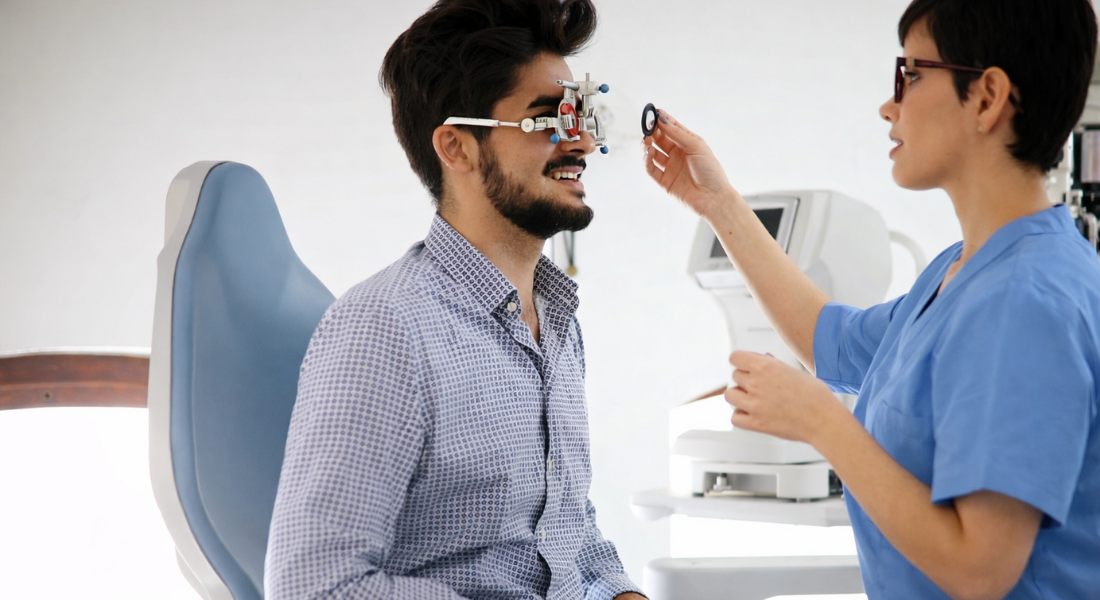
LASEK should be viewed as part of a wider, personalised approach to laser vision correction rather than a one-size-fits-all solution. Modern eye care focuses on matching the right procedure to the right patient, prioritising long-term eye health, safety, and visual quality rather than speed alone.
Your surgeon will carefully assess several key factors before recommending LASEK or an alternative procedure:
- Prescription and refractive error: The degree of short-sightedness, long-sightedness, or astigmatism helps determine which laser technique will deliver the most stable and accurate correction.
- Corneal thickness and shape: Detailed scans measure corneal depth and contour. LASEK is often favoured when corneas are thin or have subtle surface irregularities that make flap creation less suitable.
- Lifestyle and occupational risks: Activities involving physical contact or impact are considered carefully. For patients with higher risk of eye trauma, LASEK offers added reassurance by avoiding a corneal flap.
- Eye health and history of ocular disease: Existing eye conditions, dryness, or previous eye issues influence treatment choice and postoperative healing.
By weighing all these factors together, your surgeon can recommend whether LASEK, LASIK, or PRK is the safest and most effective option for you. This tailored approach maximises visual outcomes while protecting long-term eye health.
Looking to the Future: LASEK’s Continued Relevance
Even as LASIK and SMILE become increasingly popular, LASEK continues to hold an important place in modern laser eye surgery. It offers a reliable option for patients who may not be suitable candidates for flap-based procedures, providing effective vision correction without compromising corneal integrity.
Ongoing improvements in laser technology and surgical technique have enhanced both safety and patient comfort, making the procedure more precise and predictable than ever before. In addition, research into LASEK has expanded understanding of corneal healing and immune responses, knowledge that benefits not only refractive surgery but also the treatment of corneal diseases and injuries.
For many patients, LASEK represents a considered balance between safety, long-term corneal stability, and excellent visual outcomes. Its continued use ensures that a wider range of patients can access tailored, high-quality laser vision correction suited to their individual needs.
FAQs
- What is LASEK surgery?
LASEK (Laser-Assisted Sub-Epithelial Keratectomy) is a type of laser eye surgery that reshapes the cornea to correct vision while preserving the epithelial layer, offering a gentler alternative to traditional PRK. - Why was LASEK developed?
LASEK was introduced to bridge the gap between PRK and LASIK. It aims to combine the safety of surface ablation with improved comfort and faster recovery than PRK. - How does LASEK differ from LASIK and PRK?
LASEK preserves the corneal epithelium, moving it aside during treatment and replacing it afterward. LASIK creates a corneal flap, while PRK removes the epithelium entirely. LASEK offers a middle ground, combining safety and comfort with a slightly faster recovery than PRK. - Who is a good candidate for LASEK?
Patients with thinner or irregular corneas, mild-to-moderate prescriptions, or those at higher risk of eye trauma often benefit from LASEK. - What can I expect during LASEK surgery?
Numbing drops are used, the epithelium is loosened and moved aside, the cornea is reshaped with a laser, and the epithelium is repositioned, often protected by a bandage contact lens. - How long is recovery after LASEK?
Initial discomfort and blurry vision usually last a few days. Vision gradually improves over one to two weeks, and full stabilisation can take several weeks. - Are the results of LASEK as good as LASIK?
Yes. Long-term visual outcomes are comparable when patients are carefully selected. The main difference is recovery speed and the presence or absence of a corneal flap. - Does LASEK involve less risk than LASIK?
For certain patients, yes. LASEK avoids creating a corneal flap, reducing the risk of flap-related complications and making it safer for individuals at higher risk of trauma. - Are there modern advancements in LASEK?
Yes. Wavefront-guided and topography-guided lasers improve precision, while better epithelial handling, bandage lenses, and anti-inflammatory drops make recovery smoother and more comfortable. - Is LASEK still relevant today?
Absolutely. Even with LASIK and SMILE being popular, LASEK remains an important option for patients who need a safer surface ablation approach while maintaining excellent long-term visual results.
Final Thoughts: Understanding LASEK and Your Options
LASEK remains a valuable option in modern laser eye surgery, particularly for patients with thinner corneas, mild-to-moderate prescriptions, or those at higher risk of eye trauma. By preserving the corneal epithelium and avoiding a flap, it offers a balance of safety, comfort, and reliable vision correction. While LASIK is more commonly discussed, LASEK provides a tailored solution for specific eye care needs, helping ensure long-term corneal stability.
If you’re considering Lasek surgery in London and want to know if it’s the right option, you’re welcome to reach out to us at Eye Clinic London to book a consultation. Understanding your individual eye anatomy, lifestyle, and visual goals is key to choosing the most suitable procedure.
References
- Shortt, A.J., Allan, B.D.S. & Evans, J.R. (2016) LASEK versus LASIK for correcting myopia (systematic review). Cochrane Eyes and Vision / PMC. https://pmc.ncbi.nlm.nih.gov/articles/PMC5408355/
- Alio, J.L., et al., 2004. Evolution, techniques, clinical outcomes, and pathophysiology of LASEK: a literature review. Survey of Ophthalmology. https://pubmed.ncbi.nlm.nih.gov/15530945/
- Pallikaris, I.G., et al. (2003) Laser‑assisted subepithelial keratectomy for myopia: clinical outcomes. Journal of Cataract & Refractive Surgery. https://journals.lww.com/jcrs/abstract/2003/04000/laser_assisted_subepithelial_keratectomy_for.20.aspx
- LASIK vs LASEK vs PRK: advantages and indications. Discusses the history and rationale for introducing LASEK as a modification of PRK (female epithelium flap creation) and how it was proposed to reduce early post‑op discomfort and speed recovery versus PRK. https://pubmed.ncbi.nlm.nih.gov/12759854/
- Laser‑assisted subepithelial keratectomy versus photorefractive keratectomy (PRK). Provides context on how excimer laser technology evolved from PRK to LASIK and then to LASEK in 1999, highlighting the historical progression of surface ablation techniques. https://pmc.ncbi.nlm.nih.gov/articles/PMC5032141/