


Glaucoma Surgery vs Laser Treatment: How Doctors Decide What’s Best
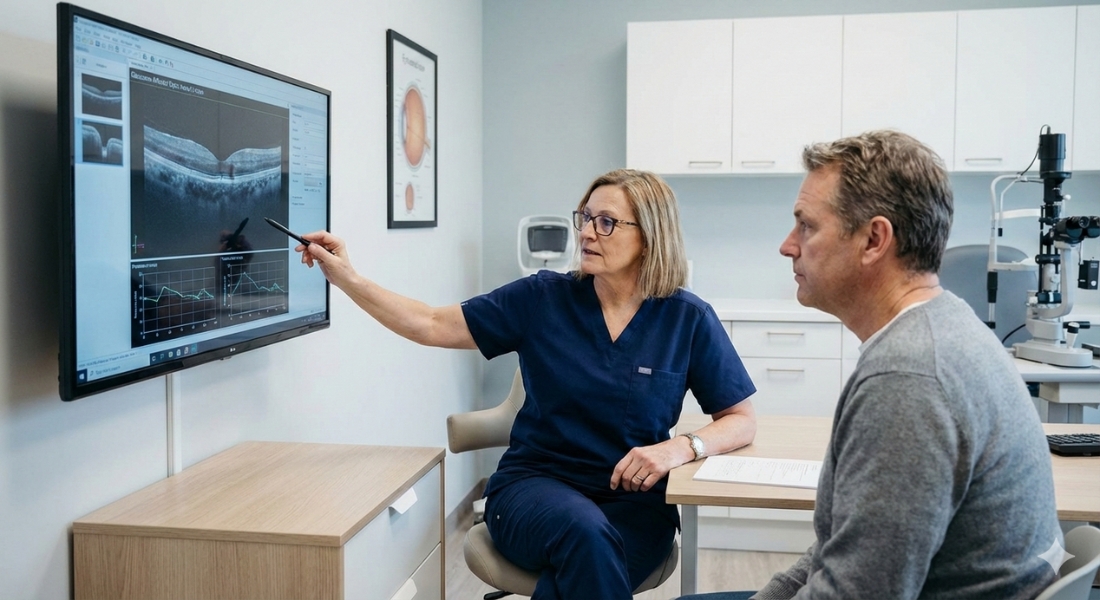
If you or someone close to you has been diagnosed with glaucoma, it is natural to feel overwhelmed by treatment choices. Many patients are told that glaucoma can be managed with laser treatment or surgery, but the difference between the two is not always clearly explained. At Eye Clinic London, we believe understanding why a treatment is chosen is just as important as knowing what the treatment is.Glaucoma is a lifelong condition, and protecting vision requires careful, long-term planning. There is no single treatment that suits every patient.
In this article, we explain how specialists decide between laser treatment and surgery based on glaucoma type, eye pressure control, and disease progression.
Understanding Glaucoma as a Progressive Eye Disease
Glaucoma is a long-term condition that affects the optic nerve, most often due to raised eye pressure. The damage develops gradually and usually without early warning signs. This silent progression is why many people are unaware of changes until vision is affected.
Once vision loss occurs, it cannot be reversed. This makes early detection and careful monitoring essential. Our focus is always on preserving the vision that remains rather than attempting to recover what has already been lost.
All glaucoma management is centred on controlling eye pressure over time. By keeping pressure within a safe range, we aim to slow or halt further optic nerve damage. Long-term stability is the central goal.
Why Treatment Choice Matters in Glaucoma

Glaucoma care is not defined by a single procedure or short-term result. It involves maintaining safe eye pressure consistently over many years to protect vision. Because of this long-term nature, choosing the right treatment from the outset is especially important.
Treatment choice matters in glaucoma because:
- Pressure control must be sustained over time – Glaucoma management focuses on long-term stability rather than one-off pressure reduction.
- Different treatments work in different ways – Options lower eye pressure through varying mechanisms and with different durability profiles.
- Disease stage influences suitability – Some treatments are better suited to early glaucoma, while others are reserved for more advanced stages.
- Balanced decisions reduce future risk – By weighing effectiveness, safety, and longevity together, we aim to protect the optic nerve over the long term.
By focusing on sustained pressure control rather than short-term change, we support safer, more reliable glaucoma management.
The Difference Between Laser Treatment and Glaucoma Surgery
Laser treatments use targeted energy to improve fluid drainage or reduce fluid production inside the eye. These procedures are less invasive and are usually performed on an outpatient basis. Recovery is typically quick.
Glaucoma surgery involves creating new drainage pathways or placing devices to lower eye pressure. These procedures are more invasive but can achieve stronger pressure reduction. Surgery is designed for cases where greater control is needed.
The choice between laser and surgery depends on disease severity and response to prior treatments. Each option has a specific role. Understanding the difference helps set realistic expectations.
How Doctors Assess Glaucoma Type Before Choosing Treatment
Glaucoma is not a single condition, and this distinction is central to safe and effective care. Different glaucoma types behave in different ways, progress at different speeds, and respond differently to treatment. Identifying the exact type is therefore a critical first step before any treatment decision is made.
Here’s how glaucoma type guides treatment choice:
- Glaucoma Type Must Be Clearly Identified – We begin by determining which form of glaucoma is present. This includes assessing drainage angle anatomy, pressure behaviour, optic nerve changes, and visual field patterns.
- Open-Angle Glaucoma Often Responds Well to Laser Early On – Primary open-angle glaucoma commonly responds well to laser treatment in earlier stages. Laser can reduce pressure safely without immediate need for surgery in many cases.
- Angle-Closure Glaucoma Requires a Different Approach – Angle-closure glaucoma behaves very differently and often needs specific laser techniques to open the drainage angle. In some cases, surgical intervention is required to protect vision.
- Secondary Glaucomas Often Need More Aggressive Management – Glaucoma caused by other eye conditions or medications may progress faster. These cases often require closer monitoring and more intensive treatment strategies.
By understanding how glaucoma behaves in each eye, we can tailor treatment appropriately. Personalised assessment allows safer, more effective decision-making. Glaucoma care is never one-size-fits-all, and this careful evaluation is what protects long-term vision.
The Role of Eye Pressure Control in Decision-Making
Eye pressure trends guide nearly every glaucoma decision. We look at how pressure behaves over time, not just on a single visit. Patterns matter more than isolated readings. If pressure is mildly raised and stable, laser treatment may be sufficient. When pressure remains high or fluctuates despite treatment, stronger options are considered. The optic nerve’s tolerance is always central.
Our goal is to reach a pressure level that protects the nerve long term. This target varies between individuals. Careful monitoring ensures decisions are timely and appropriate.
Why Disease Progression Changes the Treatment Approach
Glaucoma progression means ongoing optic nerve damage or visual field loss. This can occur even when pressure appears acceptable. Progression signals the need to reassess strategy.
Laser treatment can be effective in slowing progression during early stages. However, if damage continues, stronger intervention becomes necessary. Preserving remaining vision takes priority.
When progression is documented, treatment must escalate. Surgery is often considered in these situations. The focus shifts firmly to preventing further loss.
When Laser Treatment Is Often the First Choice
In early to moderate glaucoma, laser treatment is frequently considered as an initial option. It can lower eye pressure effectively without the higher risks linked to surgical intervention. Many patients tolerate laser procedures well, making them a practical and reliable choice.
Laser treatment is often chosen because:
- It provides effective pressure reduction – Laser lowers eye pressure in a controlled way that suits early and moderate disease.
- The risk profile is favourable – Compared with surgery, laser carries fewer risks and requires less recovery time.
- Dependence on eye drops may reduce – For many patients, laser lessens the need for daily drops, improving convenience and adherence.
- Long-term control is possible in selected cases – Some individuals achieve sustained pressure control with laser alone.
By assessing individual suitability carefully, we often use laser treatment early to support safe, effective, and manageable glaucoma care.
Limitations of Laser Treatment in Glaucoma
Laser treatment does not work equally well for everyone. Its pressure-lowering effect can reduce over time. This variability is an important consideration.
Repeat laser treatments are sometimes possible, but results are not guaranteed. In advanced glaucoma, laser alone may not achieve sufficient pressure reduction. Expectations must remain realistic.
When laser effectiveness is limited, other options are explored. Understanding these limitations helps avoid delay in escalating care. Timely change protects vision.
When Surgery Becomes the Preferred Option
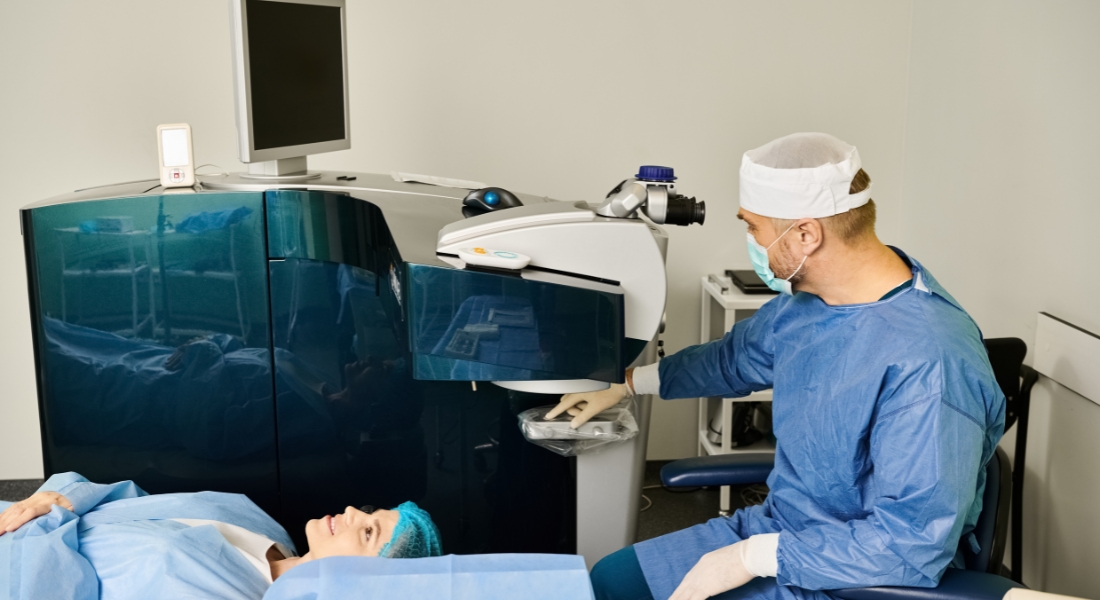
Surgery is usually considered when laser and medications no longer control pressure adequately. At this stage, the risk of vision loss becomes significant. Stronger pressure reduction is required.
Surgical procedures are designed to achieve sustained lowering of eye pressure. They are often necessary in advanced glaucoma. The aim is to preserve remaining sight.
Although surgery carries higher risks, the long-term benefit often outweighs them. Decisions are made carefully and individually. Vision preservation guides every recommendation.
How Surgical Risk Is Balanced Against Disease Severity
All surgery carries risk, including infection, inflammation, and pressure fluctuations. These risks are always weighed carefully. Surgery is never recommended lightly.
Uncontrolled glaucoma, however, poses a greater long-term threat to vision. When disease severity increases, inaction becomes riskier than intervention. This balance is assessed for each person.
Our approach is cautious but proactive. When vision is threatened, timely surgery can be sight-saving. Careful planning helps minimise risk while maximising benefit.
The Importance of Visual Field Testing in Treatment Decisions
Visual field testing shows how much functional vision remains and where loss has occurred. These results help us understand how glaucoma is affecting day-to-day visual function. Tracking change over time is more important than a single test.
When visual fields remain stable, it may support continuing with laser-based management. Stability suggests current pressure control is adequate. This allows us to avoid unnecessary escalation.
If visual fields worsen, it signals progression despite treatment. In these cases, stronger intervention may be needed. Visual field testing therefore guides long-term strategy and timing.
How Optic Nerve Health Influences Treatment Choice
The optic nerve sits at the centre of all glaucoma decision-making. Every treatment choice is guided by how healthy the nerve is and how it is changing over time. Protecting this structure is always the primary objective.
Here’s how optic nerve health shapes treatment decisions:
- The Optic Nerve Is Monitored Closely – We assess the optic nerve regularly using clinical examination and imaging. Structural damage often appears before noticeable vision loss, making early detection essential.
- Imaging Detects Subtle Early Changes – Advanced imaging allows us to identify thinning or structural change before symptoms develop. These findings help guide timely treatment adjustments.
- Advanced or Progressive Damage Requires Stronger Control – When optic nerve damage is advanced or worsening, more aggressive pressure reduction is often needed. In these situations, surgery may be considered to prevent further injury.
- Milder Changes May Respond Well to Laser Treatment – When damage is limited and stable, laser treatment can be an effective way to control pressure. This approach aims to protect nerve health while avoiding unnecessary intervention.
Every decision is made with optic nerve preservation as the priority. By tailoring treatment to the nerve’s condition, we aim to slow progression and safeguard long-term vision. This careful balance allows us to choose the safest and most effective path for each eye.
Patient Age and Lifestyle Considerations
Age plays an important role in long-term planning. Younger patients often need pressure control that can last for decades. Durability becomes a key factor.
Lifestyle also influences treatment choice. Some people find daily eye drops difficult to maintain consistently. Missed treatment can increase risk.
In such cases, laser or surgical options may improve long-term adherence. We consider how treatment fits into daily life. Practicality supports better outcomes.
Why One-Size-Fits-All Does Not Work in Glaucoma Care
Glaucoma behaves differently in every patient. Eye anatomy, disease pattern, and rate of progression all vary. Fixed treatment pathways are rarely appropriate. Personalised care allows us to adjust treatment as the disease evolves. Decisions are made step by step rather than all at once. This reduces unnecessary risk. Flexibility is essential in glaucoma management. Our approach adapts to change over time. Individualised planning leads to better control.
Recovery Differences Between Laser and Surgery
Laser treatment usually involves minimal recovery. Most patients return to normal activities quickly. Side effects are typically mild and short-lived. Surgical treatment requires closer follow-up. Recovery is longer and pressure can fluctuate initially. Monitoring is therefore more intensive. Despite these differences, both approaches are safe when managed correctly. Careful aftercare supports healing. Recovery planning is part of treatment selection.
Long-Term Pressure Control and Follow-Up Needs
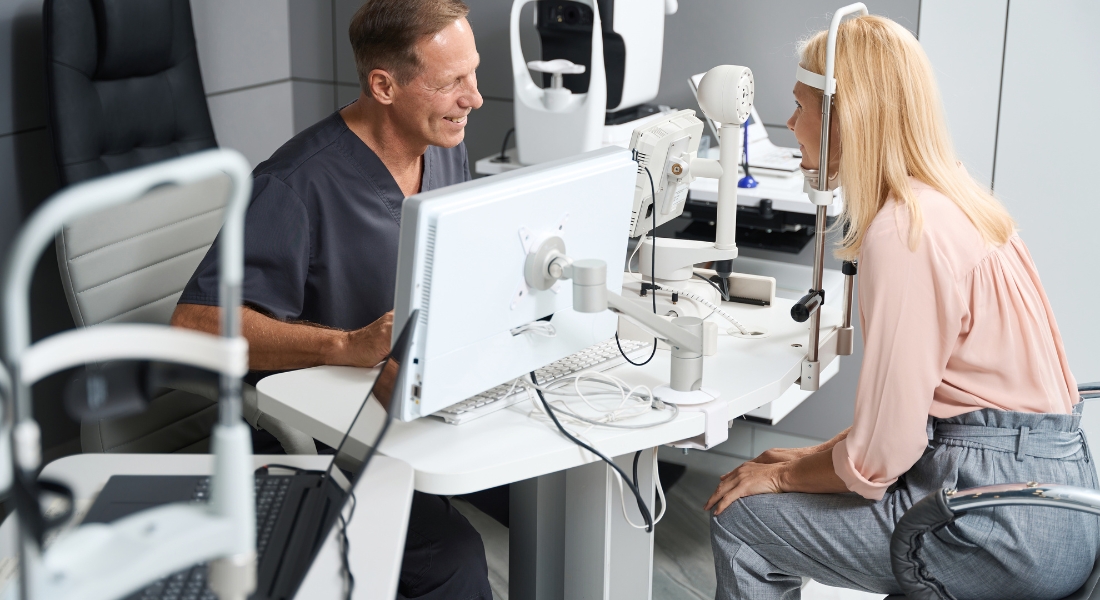
Laser treatment may need to be repeated over time. Its effect can reduce gradually. Regular follow-up helps identify when further treatment is needed.
Surgery often provides more sustained pressure control. However, it does not remove the need for monitoring. Glaucoma always requires ongoing care. Even with successful treatment, regular reviews remain essential. Long-term follow-up protects vision. Consistency matters.
How Specialists Explain Treatment Choices to Patients
Clear explanation is central to good glaucoma care. We explain why one option may suit the condition better than another. This builds understanding and trust. When reasoning is clear, confidence improves. Anxiety is reduced when decisions feel logical rather than rushed. Shared understanding matters.
This partnership supports better outcomes. Patients who understand their care remain more engaged. Communication is part of treatment.
Choosing the Right Centre for Glaucoma Care
Glaucoma management depends heavily on experience, judgement, and long-term planning. Because the condition requires ongoing pressure control, where you receive care matters just as much as which treatment is chosen. The right centre supports safer decisions from the very beginning.
Choosing the right centre matters because:
- Experience shapes treatment strategy – Centres familiar with both laser and surgical options can tailor care effectively, especially in complex or progressing cases.
- Assessment must come before intervention – Careful evaluation reduces uncertainty and helps avoid unnecessary or premature procedures.
- Rushed decisions increase long-term risk – Glaucoma care benefits from thoughtful planning rather than speed-driven choices.
- Care is guided by evidence and individual needs – At Eye Clinic London, decisions focus on long-term safety, sustained pressure control, and preserving vision over time.
By choosing a centre that prioritises experience, evidence, and personalised care, we support more reliable outcomes and better long-term vision protection.
FAQs:
- Is laser treatment always recommended before glaucoma surgery?
Laser treatment is often considered first in early or moderate glaucoma, but it is not automatically the starting point for every patient. Doctors decide based on glaucoma type, eye pressure behaviour, optic nerve health, and how quickly the disease is progressing. In some situations, surgery may be recommended earlier if stronger or more reliable pressure control is required. - How do doctors decide whether laser treatment will be enough to control glaucoma?
Doctors assess how eye pressure behaves over time rather than relying on a single reading. If pressure stays within a safe target range and the optic nerve remains stable on scans and visual field tests, laser treatment may be considered sufficient. Regular monitoring is essential to confirm that pressure control is lasting. - When does glaucoma surgery become the better option than laser treatment?
Glaucoma surgery is usually considered when laser treatment and eye drops no longer keep eye pressure low enough to protect the optic nerve. It may also be recommended if glaucoma continues to progress despite apparently acceptable pressure levels. The decision focuses on preventing further, irreversible vision loss. - Is glaucoma surgery more effective than laser treatment?
Surgery can achieve a greater and more sustained reduction in eye pressure compared to laser treatment, especially in advanced disease. However, it also carries higher risks and requires a longer recovery period. Effectiveness is judged in relation to disease severity rather than as a direct comparison between treatments. - Can laser treatment permanently stop glaucoma from getting worse?
Laser treatment can slow or stabilise glaucoma for many patients, particularly in earlier stages, but it does not cure the condition. Its effect may reduce over time, and glaucoma can still progress years later. Ongoing follow-up is therefore essential even after successful laser treatment. - How does the type of glaucoma affect the choice between laser and surgery?
Different types of glaucoma behave differently and respond to treatment in unique ways. Open-angle glaucoma often responds well to laser treatment early on, while angle-closure and secondary glaucomas may require specific laser techniques or earlier surgery. Correctly identifying the glaucoma type is essential before deciding on treatment. - Does age influence whether laser or surgery is recommended?
Age affects long-term planning rather than immediate eligibility. Younger patients may need pressure control that remains effective for decades, while older patients may prioritise treatments with lower immediate risk. The decision is individual and balances durability, safety, and lifestyle considerations. - Will eye drops still be needed after laser treatment or surgery?
Some patients can reduce or stop eye drops after laser treatment or surgery, but this is not guaranteed. Many people still need medication to maintain safe eye pressure. Treatment success is measured by pressure control and optic nerve stability, not by eliminating drops entirely. - How does recovery differ between laser treatment and glaucoma surgery?
Laser treatment usually involves minimal recovery, and most patients return to normal activities quickly. Glaucoma surgery requires a longer recovery period with closer monitoring, especially in the early weeks when pressure can fluctuate. These recovery differences are carefully considered when choosing treatment. - Why is long-term follow-up necessary even after successful glaucoma treatment?
Glaucoma is a lifelong condition, and no treatment completely removes the risk of progression. Eye pressure, optic nerve health, and visual fields must be monitored regularly over time. At Eye Clinic London, long-term follow-up is considered essential to preserving vision, regardless of whether laser treatment or surgery is used.
Final Thoughts: Choosing the Right Glaucoma Treatment With Confidence
Deciding between laser treatment and surgery for glaucoma is never about which option is “better” in general, but about which is most appropriate for your eyes at a specific point in time. Specialists look at glaucoma type, eye pressure trends, optic nerve health, and signs of progression to determine the safest and most effective approach. When treatment decisions are guided by careful monitoring and long-term planning, the focus remains firmly on preserving vision rather than reacting to short-term changes.
If you’d like to find out whether glaucoma treatment in London is suitable for you, feel free to contact us at Eye Clinic London to arrange a consultation. We take time to explain your options clearly, assess your condition thoroughly, and recommend a treatment plan that prioritises long-term eye health and visual stability.
References:
- Ang, B.C.H. et al., 2023. Recent advancements in glaucoma surgery a review of trabeculectomy, drainage devices and minimally invasive approaches. Journal of Clinical Medicine (MDPI). https://www.mdpi.com/2306-5354/10/9/1096 Top of Form
- Koziorowska, A.M., Opala, A. & Grabska‑Liberek, I., 2025. Non‑contact laser therapy for glaucoma: A review of direct selective laser trabeculoplasty (DSLT). Journal of Clinical Medicine. https://www.mdpi.com/2077-0383/14/19/6884
- American Academy of Ophthalmology, 2011. Laser trabeculoplasty for open‑angle glaucoma: systematic evidence and outcomes. Survey of Ophthalmology. https://www.sciencedirect.com/science/article/pii/S0161642011004611
- Gedde, S.J., 2025. Glaucoma surgery: from traditional trabeculectomy to novel minimally invasive glaucoma surgery (MIGS). Ophthalmology Clinics. https://www.sciencedirect.com/science/article/abs/pii/S2589419625001218
- Systematic review of micropulse laser trabeculoplasty (MLT) in primary open‑angle glaucoma management. Journal of Glaucoma. https://pubmed.ncbi.nlm.nih.gov/39857796/Bottom of Form