


Glaucoma in Younger Adults: Can It Happen Under 50?
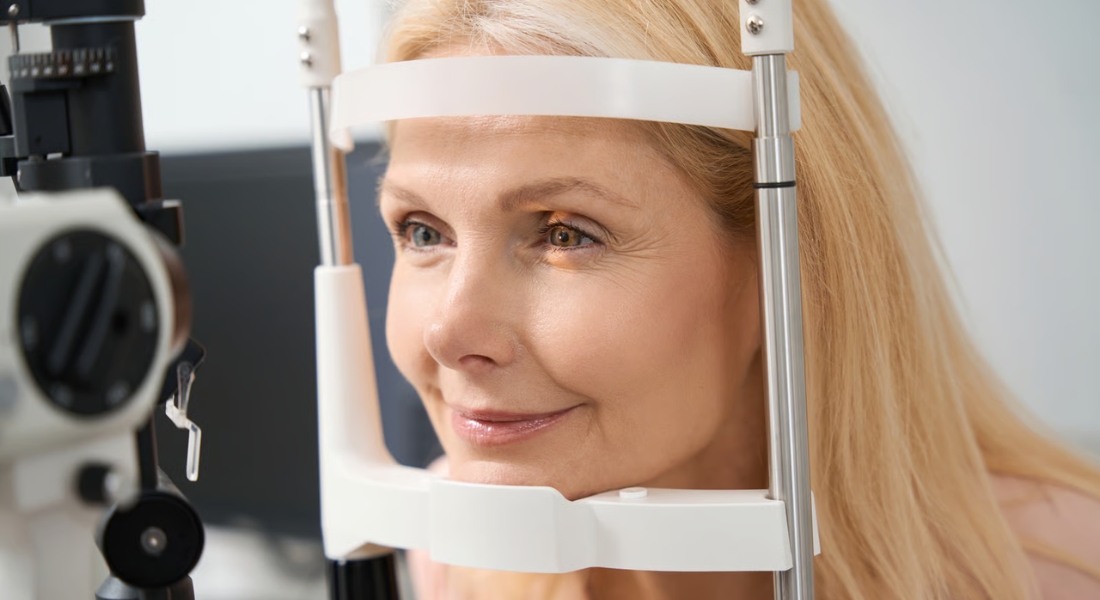
When you hear the term glaucoma, you may immediately associate it with ageing. You are often told that it primarily affects people in their sixties or seventies. We recognise that this perception can create a false sense of reassurance in younger adults.
Glaucoma can, however, develop well before the age of 50. You may be less likely to encounter it at a younger age, but it is not uncommon. We see that many individuals under 50 simply do not consider themselves at risk.
This assumption can delay important testing. You might feel completely well while early optic nerve damage develops silently. We emphasise that absence of symptoms does not equal absence of disease.
In this guide, you will learn how glaucoma can affect younger adults and which risk factors increase your likelihood. We explain how family history alters your risk profile and why early screening remains essential. Clear understanding supports proactive and informed eye care decisions.
Can Glaucoma Really Develop Under 50?
Glaucoma is often associated with older age, but it can develop much earlier. You may be surprised to learn that individuals under 50 are not immune. Clear awareness helps you take early monitoring seriously rather than assuming risk is age-dependent.
- Glaucoma Before 50: The condition can occur in younger adults. Forms may include primary open-angle glaucoma, normal-tension glaucoma, or secondary types.
- Subtle Early Progression: In younger individuals, damage often progresses slowly and quietly. Vision can feel completely normal in the early stages.
- Importance of Structured Examination: Early glaucoma rarely causes pain or obvious blurring. Routine assessment, rather than symptoms, provides the most reliable detection.
When you understand that glaucoma can begin silently at a younger age, screening becomes a proactive choice rather than a reaction to symptoms. We encourage regular examinations to protect long-term vision. Early identification offers the best opportunity for sustained control and preservation.
Why Glaucoma Is Often Linked to Age

Glaucoma is more frequently diagnosed as you grow older. You experience age-related changes in the eye’s drainage system that can increase intraocular pressure. We recognise that public awareness campaigns therefore tend to focus on older age groups.
Although this pattern is statistically accurate, it does not tell the whole story. You are not immune to glaucoma simply because you are younger. We see cases developing in people in their thirties and forties, sometimes without obvious warning signs.
When glaucoma is described as an older person’s condition, you may assume testing is unnecessary. That delay can allow silent optic nerve damage to progress without detection. We encourage timely examination regardless of age to protect long-term vision.
How Glaucoma Damages Vision
Glaucoma damages the optic nerve, which carries visual information from your eye to your brain. You may associate it mainly with raised pressure, yet damage can also occur at normal pressure levels. We understand that nerve fibres gradually deteriorate if the condition is not controlled.
Early injury usually affects peripheral vision first. You often retain clear central vision until the later stages, which makes subtle changes difficult to notice. We therefore rely on testing rather than symptoms alone to detect progression.
Once optic nerve fibres are lost, they do not regenerate. You cannot recover vision that has already been damaged. We emphasise early detection because timely treatment offers the best chance of long-term preservation.
Risk Factors in Younger Adults
Certain factors can increase your likelihood of developing glaucoma before the age of 50. You should recognise that family history is one of the strongest predictors. We know that if a parent or sibling has glaucoma, your personal risk rises significantly.
High myopia, or strong short-sightedness, also heightens vulnerability. You may have structural differences in the eye that influence fluid drainage or optic nerve resilience. We assess these anatomical features carefully during examination.
Other contributors include previous eye injury, prolonged steroid use and certain medical conditions. You benefit when these risks are identified early and discussed openly. We use this information to guide proactive and structured monitoring.
The Role of Family History
If glaucoma is present in your family, you should not delay screening until later life. You may carry a genetic predisposition, particularly for open-angle glaucoma. We recognise that the condition can sometimes appear earlier in successive generations.
You might assume that feeling well means you are not at risk. However, a positive family history changes that expectation significantly. We encourage regular eye examinations even if you have no noticeable symptoms.
When you inform your optometrist about your family history, assessment becomes more targeted. You benefit from prioritised pressure measurement and careful optic nerve evaluation. We rely on this proactive approach to support early detection and long-term protection.
High Myopia and Increased Risk
High myopia is increasingly common among younger adults. You may not realise that significant short-sightedness alters the structure of your eye. Understanding this link helps you appreciate why closer monitoring can be important.
- Structural Changes in High Myopia: Strong short-sightedness affects the length and shape of the eye. These changes can increase vulnerability of the optic nerve.
- Challenges in Detecting Early Damage: Myopic eyes often have thinner optic nerve rims. Subtle changes may only be identified through detailed imaging and structured testing.
- Importance of Regular Screening: A high prescription requires consistent and planned assessment. Ongoing monitoring tracks gradual changes before symptoms appear.
Waiting for noticeable visual symptoms may delay early detection. We encourage proactive review if you have significant myopia. Careful surveillance over time supports earlier intervention and long-term protection of your vision.
Steroid Use and Secondary Glaucoma
Long-term steroid use can raise your intraocular pressure. You may encounter this risk with steroid eye drops, inhalers, skin creams or oral medication. We recognise that some individuals are particularly sensitive to these effects.
If you are a younger adult receiving steroids for asthma or autoimmune conditions, you may carry increased risk. Pressure elevation can develop gradually without obvious symptoms. We therefore encourage awareness when treatment continues over extended periods.
Regular monitoring during prolonged steroid use is essential. You benefit from early detection of pressure changes before optic nerve damage occurs. We can then adjust medication appropriately to protect your long-term visual health.
Normal-Tension Glaucoma in Younger Adults
Not all glaucoma is associated with elevated eye pressure. You may develop normal-tension glaucoma, where optic nerve damage occurs despite readings within the standard range. We recognise that this form can affect younger individuals as well.
Factors such as blood flow regulation and optic nerve vulnerability may contribute to its development. You might experience delayed diagnosis because pressure measurements appear normal. We therefore avoid relying on pressure alone when assessing risk.
Comprehensive testing is essential in these situations. You benefit from optic nerve imaging and visual field assessment to detect subtle early changes. We use a broader evaluation to ensure that damage is identified promptly and managed appropriately.
Symptoms You Should Not Ignore
In the early stages, glaucoma is often asymptomatic and easy to overlook. You may not notice any change in vision at first. However, persistent blurring, unusual shadows or difficulty adapting to low light should prompt assessment. We encourage timely evaluation if these features arise.
Acute angle-closure glaucoma is less common in younger adults but can still occur. You may experience sudden pain, redness and rapid visual change if this develops. We treat this as a medical emergency requiring urgent attention to protect vision.
Routine screening remains the most dependable way to detect glaucoma early. You reduce the risk of irreversible damage by not waiting for obvious symptoms. We emphasise proactive monitoring rather than reactive treatment.
Why Screening Before 50 Matters
Because early glaucoma does not cause pain, routine eye examinations are essential. You may only attend an optician for spectacle updates, particularly if you are under 50. We emphasise that pressure testing and optic nerve assessment should not be overlooked.
A comprehensive examination includes intraocular pressure measurement and careful evaluation of the optic nerve. You may also require visual field testing if risk factors are present. We sometimes use imaging to provide additional reassurance and baseline documentation.
Early detection enables timely intervention before significant damage occurs. You benefit when treatment begins at the earliest appropriate stage. We know that proactive diagnosis significantly improves long-term visual outlook.
How Often Should You Be Checked?

Eye examination frequency should reflect your personal level of risk rather than a fixed timetable. You may not need annual review if no significant risk factors are present. Clear guidance ensures that monitoring remains appropriate and proportionate.
- General Testing Intervals: Eye tests every two years may be suitable if your risk is low. Annual examinations are often advised if you have a family history of glaucoma or high myopia.
- Individualised Recommendations: Your optometrist bases advice on personal vulnerability and clinical findings. Follow-up intervals are tailored to your specific risk profile rather than age alone.
- Value of Ongoing Monitoring: Regular assessments establish a reliable baseline for comparison. Documented results make it easier to detect subtle progression early.
Consistent review supports early identification of change before vision is affected. We rely on continuity of care to safeguard long-term eye health. Personalised scheduling ensures that monitoring remains both effective and sensible for you.
What Happens If Glaucoma Is Found Early?
When glaucoma is identified at an early stage, you can often achieve effective control. Eye drops are usually the first treatment introduced to lower pressure. We may also consider laser therapy if additional support is needed.
Your primary goal is to reduce intraocular pressure to a level that protects the optic nerve. You benefit when treatment begins promptly, as early intervention can slow progression significantly. We set pressure targets according to your individual risk profile.
Specialist assessment ensures that management is appropriate and timely. You receive a comprehensive plan tailored specifically to your disease stage and lifestyle. We adjust treatment as needed to maintain long-term stability and visual protection.
Emotional Impact of a Younger Diagnosis
Being diagnosed with glaucoma under the age of 50 can feel unsettling. You may worry about lifelong treatment or the possibility of future vision loss. We understand that anxiety is a natural and valid response in this situation.
You can find reassurance in knowing that many patients maintain stable vision for decades. We see that with consistent monitoring and appropriate treatment, progression is often slow. Early diagnosis gives you the advantage of timely protection.
Clear and accurate information helps reduce unnecessary fear. You benefit when long-term management becomes part of your regular healthcare routine. We focus on stability and prevention rather than crisis-driven intervention.
Lifestyle and Preventive Considerations
Maintaining good cardiovascular health can support healthy circulation to your optic nerve. You benefit from regular exercise and careful blood pressure control. We also advise avoiding unnecessary steroid use, as this can contribute to elevated eye pressure in some individuals.
Lifestyle measures alone will not prevent glaucoma. You should understand, however, that overall health plays a supportive role in protecting your eyes. We encourage combining healthy habits with appropriate screening and medical care.
Proactive management is always more effective than waiting for symptoms to worsen. You gain greater long-term stability when risks are addressed early. We focus on prevention and structured monitoring rather than reactive intervention.
Accessing Specialist Care

If glaucoma is suspected or confirmed, referral to a specialist provides structured and consistent follow-up. You benefit from individualised pressure targets based on optic nerve appearance and visual field findings. We tailor management to reflect the specific risk to your vision.
When you explore comprehensive glaucoma treatment options, expert guidance becomes essential. You gain clarity about the range of medical, laser and surgical pathways available. We adjust treatment over time as your condition evolves and response is assessed.
Early involvement with specialist services strengthens confidence in decision-making. You are supported with clear explanations and ongoing review. We focus on stability, reassurance and long-term preservation of vision.
FAQs:
- Can you really develop glaucoma before the age of 50?
You can develop glaucoma well before 50, even though it is more common later in life. We see cases in people in their thirties and forties, sometimes without obvious warning signs. Age alone does not protect you from optic nerve damage. - Why might you not notice symptoms in the early stages?
You may feel that your vision is completely normal at first. We know that early damage often affects peripheral sight rather than central clarity. Because these changes are subtle, routine testing is more reliable than waiting for symptoms. - Does having a family history mean you are at higher risk?
You are at greater risk if a parent or sibling has glaucoma. We recognise that genetic factors can influence how early the condition appears. Informing your optometrist about family history allows closer and more targeted monitoring. - How does high myopia affect your glaucoma risk?
You may have increased vulnerability if you are strongly short-sighted. We understand that structural differences in myopic eyes can make the optic nerve more susceptible. Regular imaging and pressure checks help detect early change. - Can normal eye pressure still mean you have glaucoma?
You can develop optic nerve damage even when pressure readings fall within the usual range. We refer to this as normal-tension glaucoma. Careful nerve assessment and visual field testing are essential in these situations. - Should you wait for blurred vision before getting tested?
You should not wait for noticeable blurring before arranging an examination. We know that by the time vision changes become obvious, damage may already be advanced. Proactive screening offers stronger protection than reactive care. - How often should you have your eyes checked under 50?
You may need testing every two years if your risk is low. We usually recommend annual review if you have risk factors such as family history or high myopia. Personalised scheduling helps detect subtle progression early. - What happens if glaucoma is detected at an early stage?
You can often achieve stable control when treatment begins promptly. We typically start with pressure-lowering drops and adjust according to your response. Early intervention greatly improves the outlook for long-term vision preservation. - Can lifestyle choices prevent glaucoma entirely?
You cannot rely on lifestyle measures alone to prevent glaucoma. We encourage healthy circulation and careful steroid use, but medical assessment remains essential. Structured monitoring provides the strongest safeguard against silent progression. - How can you reduce anxiety if you are diagnosed young?
You may feel unsettled at first, especially if you are under 50. We find that understanding the condition and committing to regular follow-up brings reassurance. With consistent care, many younger patients maintain stable vision for decades.
Final Thought: Glaucoma in Younger Adults
Glaucoma is not limited to older age and can develop before 50, particularly when risk factors such as family history, high myopia, or steroid use are present. Because early stages often cause no symptoms, damage can progress silently without routine testing. Screening and risk awareness are therefore essential even in younger adulthood. Early detection significantly improves the likelihood of long-term visual stability.
The situation is addressed through structured eye examinations, timely referral, and personalised glaucoma treatment planning when required. If you are concerned whether glaucoma treatment could benefit you, feel free to get in touch with us at Eye Clinic London.
References:
- Hashemi, H., Khabazkhoob, M., Emamian, M.H. and Fotouhi, A. (2019) ‘Prevalence and risk factors of glaucoma in an adult population: importance of axial length and corneal metrics’, International Journal of Ophthalmic Epidemiology, 8(2), pp. 101–108. Available at: https://www.sciencedirect.com/science/article/pii/S2452232518300465
- Tham, Y.C., Li, X., Wong, T.Y., Quigley, H.A., Aung, T. and Cheng, C.Y. (2014) ‘Global prevalence of glaucoma and projections of glaucoma burden through 2040: a systematic review and meta-analysis’, Ophthalmology, 121(11), pp. 2081–2090. Available at: https://pubmed.ncbi.nlm.nih.gov/24974815/
- Weinreb, R.N., Aung, T. and Medeiros, F.A. (2014) ‘The pathophysiology and treatment of glaucoma: a review’, JAMA, 311(18), pp. 1901–1911. Available at: https://pubmed.ncbi.nlm.nih.gov/24825645/
- Wang, Z. and Xu, D. (2025) ‘Global glaucoma prevalence and projections to 2060: the impact of rising myopia on early-onset open-angle glaucoma’, American Journal of Ophthalmology, 246, pp. 59–72. Available at: https://www.sciencedirect.com/science/article/pii/S0002939425006658
- Heijl, A. and Bengtsson, B. (2013) ‘Primary Open-Angle Glaucoma — a detailed clinical review’, Primary Open-Angle Glaucoma, NIH. Available at: https://pmc.ncbi.nlm.nih.gov/articles/PMC3700399/