


Can Glaucoma Affect Your Balance or Increase Fall Risk? (Explained)
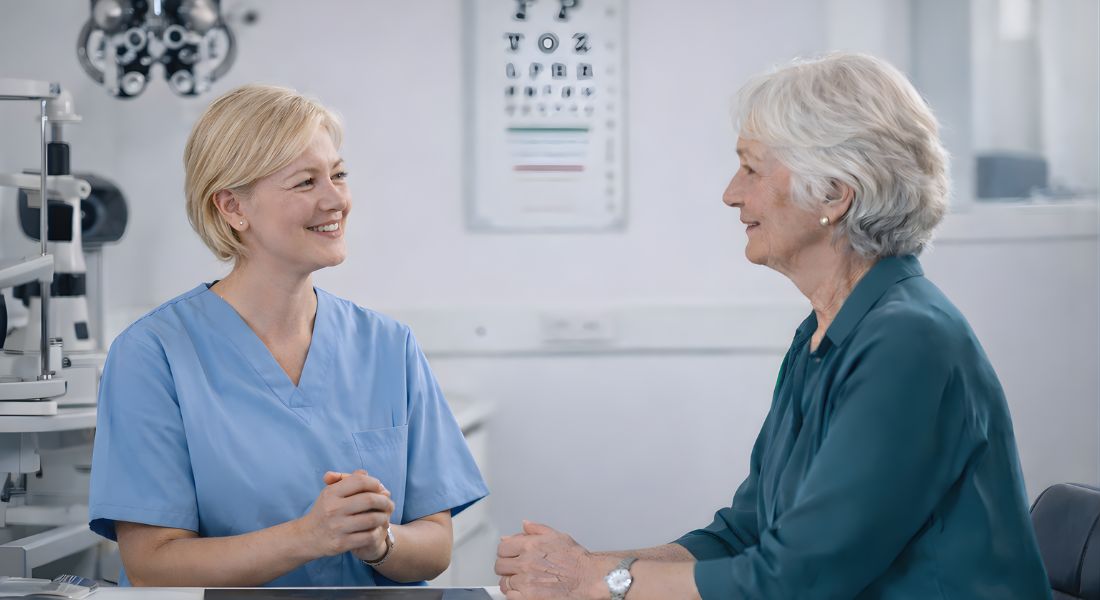
Glaucoma is often thought of as a condition that only affects your vision, but it can have wider effects on your daily life. As it progresses, it may quietly influence your balance and how safe you feel when moving around. These changes are not always obvious at first.
Your eyes play an important role in helping you stay balanced and aware of your surroundings. When glaucoma affects your vision, especially at the edges, it can make judging distances and spotting hazards more difficult. This can increase your risk of stumbling or losing confidence while walking.
You may notice these difficulties more in low light or unfamiliar environments. Walking on uneven surfaces or navigating busy spaces can become challenging when peripheral vision is reduced. Over time, this can raise the risk of falls without you realising why.
In this guide, you will learn how glaucoma can affect your balance and what you can do to reduce fall risk. You will also discover why early detection and proper treatment matter for protecting both your vision and independence. Taking the right steps can help you stay active and safe.
Understanding Glaucoma and Its Effects on Vision
Glaucoma is a group of eye conditions that damage your optic nerve, most often due to increased pressure inside the eye. This damage usually develops slowly, which means you may not notice changes straight away. Over time, it can lead to permanent vision loss if it is not treated.
In the early stages, your central vision often stays clear, but glaucoma usually affects your peripheral vision first. This reduces what you can see at the sides and can happen without obvious symptoms. As a result, changes may progress before you realise anything is wrong.
Peripheral vision helps you stay aware of your surroundings and detect movement around you. When it is reduced, everyday tasks like walking through crowded spaces or using stairs can feel more difficult. Even small changes in your visual field can quietly affect your balance and confidence.
How Vision Influences Balance
Your balance depends on three main systems working together: your inner ear, your sense of body position, and your vision. Each of these sends information to your brain to help you stay steady and upright. If one system is affected, the others have to work harder to keep you balanced.
With glaucoma, your vision is the system most likely to be affected, especially your peripheral vision. This side vision helps you notice obstacles, judge distances, and anticipate movement around you. When this information is reduced, your brain receives fewer visual cues to guide your movement.
As a result, you may feel less stable, particularly in unfamiliar or poorly lit environments. Simple actions like walking on uneven ground or avoiding obstacles can become more difficult. This increases the risk of tripping, stumbling, or falling without obvious warning.
Peripheral Vision Loss and Depth Perception
Your peripheral vision works like a radar, constantly scanning for hazards outside your direct line of sight. When glaucoma reduces this field of vision, your awareness of what is around you becomes limited. This can lead to bumping into furniture or missing obstacles while walking.
You rely on depth perception to judge how far away objects are from you. It helps you step safely, reach accurately, and move with confidence. When glaucoma affects peripheral vision, this visual input is reduced, which can quietly disrupt your sense of distance.
As a result, everyday movements can feel less secure than before. Tasks such as using stairs, stepping off kerbs, or navigating uneven ground may become riskier. These changes often happen gradually, making them easy to overlook at first.
Everyday Situations Where Glaucoma Can Increase Fall Risk
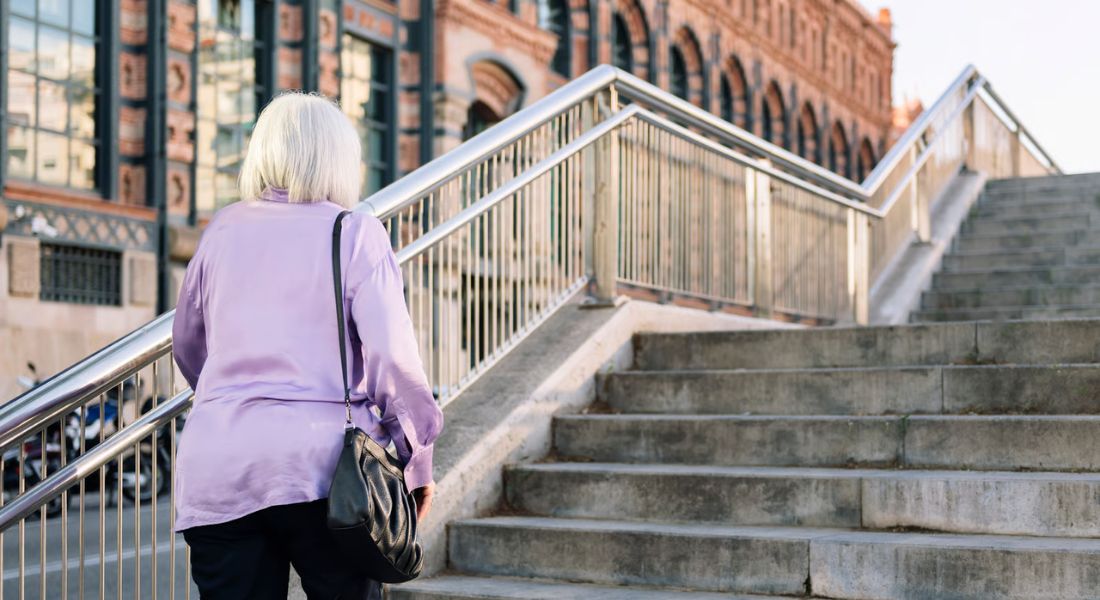
The effects of glaucoma on balance and safety are not limited to unusual or extreme situations. Changes in peripheral vision and depth perception can make many routine activities more hazardous, often without people realising why. Recognising these scenarios is the first step toward prevention.
- Navigating Stairs:Even short staircases can become dangerous when visual cues are reduced. Difficulty judging step edges or depth increases the risk of missing a step, a common cause of falls, particularly in older adults.
- Walking on Uneven Surfaces:Pavements, rugs, loose tiles, or uneven flooring may be harder to detect with reduced peripheral vision. This makes trips and stumbles more likely during everyday walking.
- Crossing Streets:Safe roadcrossing relies on accurately judging distance, speed, and movement from multiple directions. Glaucoma can delay reaction time and make it harder to notice approaching traffic from the sides.
- Moving in Low Light:Poor lighting worsens the visual limitations caused by glaucoma. Dim environments reduce contrast and depth cues, increasing the likelihood of trips or missteps.
- Cluttered Environments:Objects such as furniture, bags, cables, or toys can become unexpected obstacles.Reduced peripheral awareness means these hazards may not be noticed until it is too late.
In conclusion, glaucoma can quietly increase fall risk during ordinary daily activities. By being aware of these situations, individuals can take practical steps to improve safety and reduce the risk of injury.
Evidence Linking Glaucoma and Falls
Research shows a clear link between vision loss from glaucoma and an increased risk of falling. Studies have found that when your visual field becomes reduced, your chances of losing balance or tripping can rise. This risk increases as glaucoma becomes more advanced.
Evidence suggests that people with glaucoma affecting both eyes are at a much higher risk of falls. Some studies have shown that this risk can be around twice as high compared to people of the same age with healthy vision. This highlights how important full visual awareness is for safe movement.
Other research has shown that narrowed visual fields and reduced contrast sensitivity strongly predict fall-related injuries. These visual changes can make obstacles harder to see, especially in low light. Monitoring your vision regularly and taking safety precautions can help reduce these risks.
Who Is Most at Risk?
While glaucoma can affect anyone, some people are more likely to experience balance problems and falls. If your glaucoma is more advanced, the loss of peripheral vision can be greater, which increases your risk. These changes can make everyday movement feel less secure.
Your age also plays an important role in balance and stability. As you get older, your balance may naturally decline, and vision loss can add to this challenge. Poor lighting can make these issues more noticeable by reducing the visual cues you rely on to stay steady.
Other health conditions can further increase your risk of falling. Problems with your inner ear, nerves, or muscles can combine with vision loss to affect balance. If you recognise these risk factors in your daily life, it is important to discuss them with your ophthalmologist or optometrist.
Safety Strategies for People with Glaucoma
Although glaucoma cannot be reversed, you can take practical steps to reduce your risk of falling. Improving lighting in your home helps reduce shadows and makes obstacles easier to see. Using night lights or motion-sensor lighting can be especially helpful in hallways, bedrooms, and bathrooms.
Keeping your living space clear is also important for safety. Removing clutter, loose rugs, and trailing cords can reduce unexpected hazards in your path. Supportive features such as handrails, grab bars, or mobility aids can provide extra stability if your balance feels affected.
What you wear and how you move also matter. Supportive footwear with good grip can improve your stability, while regular exercise helps strengthen muscles and coordination. Alongside these steps, attending regular eye checks and following your glaucoma treatment plan can help preserve vision and reduce fall risk over time.
How Early Detection Helps Protect Mobility
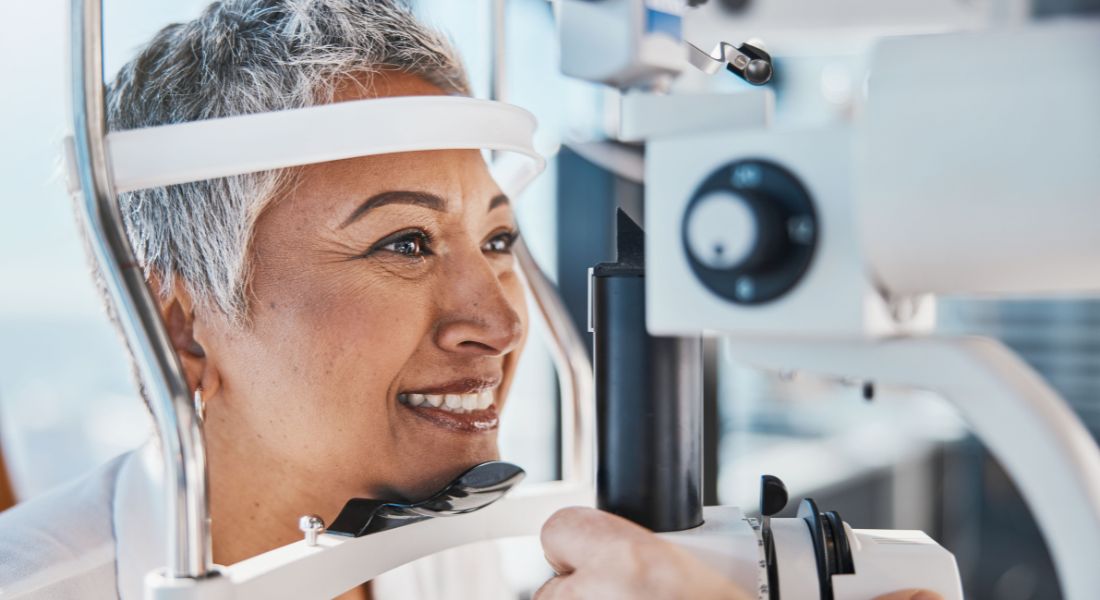
Early detection of glaucoma plays an important role in protecting not just your vision, but your mobility and safety as well. Finding the condition before significant peripheral vision loss occurs allows treatment to start sooner. This can help you stay confident and independent in your daily activities.
Regular eye checks are essential for spotting glaucoma at an early stage. Tests such as eye pressure measurements and visual field assessments can detect changes before symptoms become obvious. These routine checks give you a clearer picture of your eye health.
Even small changes in your vision can be an early warning sign. Recognising these changes allows you to adjust your surroundings or habits to reduce fall risk. Taking action early can help you move more safely and comfortably over time.
Psychological Impact of Glaucoma-Related Balance Issues
Balance problems linked to glaucoma can affect more than just your physical safety. Worrying about falling may make you less confident when moving around. Over time, this fear can lead you to reduce activities you once enjoyed.
When you feel anxious about your balance, you may move more cautiously or tense your body. This tension can actually make it harder to stay steady and increase the risk of falling. As a result, anxiety and balance problems can start to reinforce each other.
Talking openly with healthcare professionals can help address both physical and emotional concerns. They can suggest practical strategies to improve safety while rebuilding confidence. Support groups or guided physical therapy may also help you feel more secure and independent.
Technology and Innovations to Support Safe Mobility
Advances in technology are creating new ways to support mobility and independence for people with glaucoma. These tools can help compensate for visual limitations and reduce everyday safety risks.
- Wearable Sensors:Some wearable devices detect nearby obstacles and provide real-time alerts. This added layer of awareness can help prevent collisions and unexpected trips.
- Home Automation:Smart lighting, automated blinds, and voice-controlled systems improve visibility and reduce the need to rely on vision alone, especially in low-light conditions.
- Mobility Apps:GPS-based navigation apps can assist with route planning and orientation in unfamiliar environments, helping users move more confidently and safely.
In conclusion, combining modern technology with standard safety measures can significantly reduce fall risk. These innovations support safer mobility while enhancing independence and overall quality of life.
Working with Healthcare Providers
Working closely with your healthcare providers is an important step in managing glaucoma safely. Your ophthalmologist, optometrist, and GP can assess how your vision may affect your balance. They can also suggest ways to optimise your vision and reduce fall risk.
Sharing your concerns about mobility and balance helps your healthcare team understand your daily challenges. Open communication allows them to identify potential risks early. This ensures your care is tailored to your specific needs.
By working together, your healthcare providers can create a personalised plan for you. This plan can combine effective glaucoma treatment with practical safety measures. The goal is to help you stay mobile, confident, and independent.
Lifestyle Adjustments to Reduce Risk
Outside your home, simple lifestyle changes can make a big difference in reducing your risk of falls. Taking your time, especially on stairs or in crowded areas, helps you stay steady and avoid accidents. Rushing increases the chance of missteps, so moving at a careful pace is important.
Using available support, such as handrails, can provide extra stability when you need it. Staying hydrated and eating well also plays a role, as low energy or dehydration can affect your coordination. Even small steps like these help you stay balanced during daily activities.
It’s also important to manage any other health conditions you may have. Conditions like diabetes, neuropathy, or inner ear problems can make balance issues worse. Regular check-ups and proactive care allow you to address these risks and maintain your confidence when moving around.
Supporting Independence While Managing Glaucoma
Maintaining your independence is an important goal when living with glaucoma. While the condition can create challenges, early treatment and practical safety measures can help you continue your daily activities with confidence. Taking steps to protect your vision and balance makes a real difference in everyday life.
Planning your environment carefully can make moving around much safer. Using assistive devices, such as handrails or mobility aids, and keeping spaces clear of obstacles helps reduce the risk of falls. Staying active through exercise also supports strength and coordination, making it easier to stay steady.
Combining these lifestyle adjustments with effective glaucoma treatment preserves more than just your eyesight. It allows you to keep living independently while protecting your safety. With the right strategies, you can continue to enjoy daily routines with confidence and control.
Community and Social Considerations
Falls and mobility challenges from glaucoma affect not only the individual but also family, caregivers, and social interactions. Open communication and community engagement can provide support, safety, and confidence.
- CommunicateWithThose Around You: Talking openly about your vision and balance helps family and caregivers understand your needs and offer practical assistance, making daily activities safer and less stressful.
- Join Support Programs:Community programs, exercise classes, and vision support networks provide guidance, teach safe mobility strategies, and offer resources for managing glaucoma effectively.
- LearnFromOthers: Interacting with peers facing similar challenges allows sharing of tips, coping strategies, and encouragement, fostering both skill-building and emotional support.
- MaintainSocial Connections: Staying engaged socially helps protect mental well-being, reduces anxiety, and increases confidence in daily activities, while preventing isolation.
In conclusion, combining communication, community involvement, and peer support helps individuals with glaucoma maintain safety, independence, and a sense of belonging. Social connections play a key role in managing mobility challenges and overall quality of life.
Future Directions in Glaucoma Management and Fall Prevention
Research into glaucoma continues to focus on improving both your vision and your ability to move safely. New methods for early detection, minimally invasive treatments, and advanced assistive technologies are being developed. These innovations aim to make daily life easier and safer for people with glaucoma.
Staying informed about these advances allows you to make the most of available options. Early intervention and modern treatments can help slow vision loss and maintain your confidence while moving around. Using new tools and strategies can reduce the risk of falls and support your independence.
Being proactive in your care is key to preserving both safety and quality of life. Regular check-ups, following your treatment plan, and adapting your environment all contribute to better outcomes. By taking these steps, you can remain active and independent while managing glaucoma effectively.
When to Seek Professional Advice
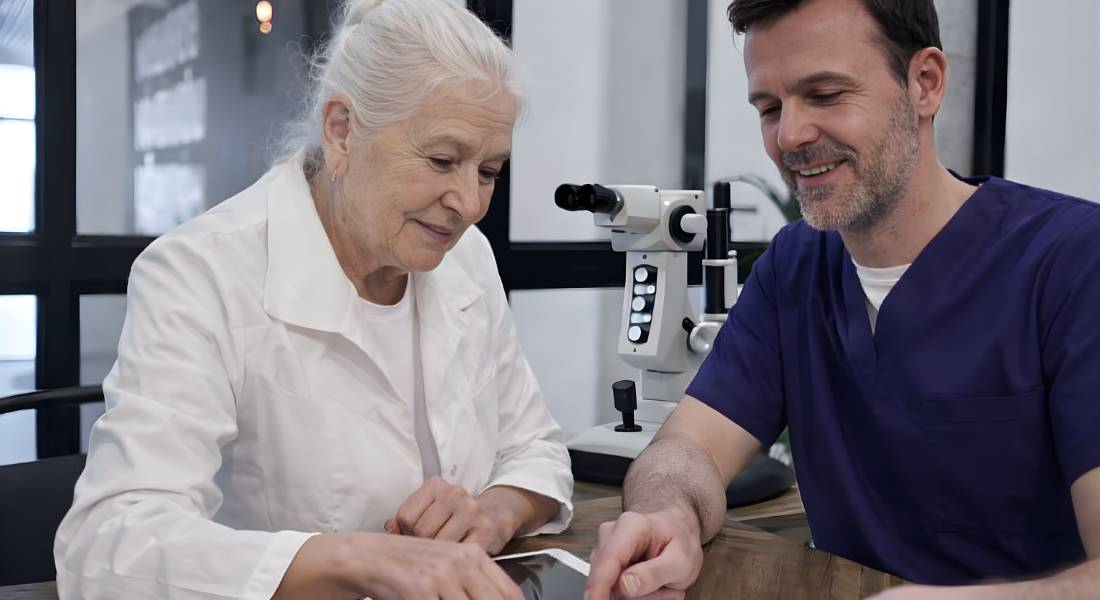
If you notice that it is becoming harder to move around familiar spaces, it may be a sign that your vision or balance is being affected. Frequent trips or near-misses are also warning signals that you should not ignore. Even a growing fear of falling that limits your daily activities is worth discussing with a professional.
Seeking advice early can make a real difference in preventing accidents and maintaining your independence. Your ophthalmologist can review your glaucoma treatment and make adjustments if needed. They can also suggest practical strategies to help you stay safe while moving around.
Professional guidance allows you to create a personalised plan that fits your needs. This plan can combine medical treatment with lifestyle adjustments and safety measures. Acting promptly helps protect both your vision and your confidence in daily life.
FAQs:
- Can glaucoma affect my balance?
Yes. Glaucoma can reduce peripheral vision, which limits the visual cues your brain uses to stay steady, increasing the risk of imbalance and falls. - How does glaucoma increase fall risk?
Loss of side vision and depth perception makes it harder to judge distances, navigate stairs, avoid obstacles, and move safely in low-light or cluttered environments. - Which daily activities are most affected by glaucoma?
Activities like climbing stairs, walking on uneven surfaces, crossing streets, moving in dim lighting, and navigating cluttered areas can become more challenging. - Who is most at risk of falls from glaucoma?
Older adults, people with advanced glaucoma, or those with other health conditions affecting balance (like inner ear or nerve issues) are at higher risk. - Can early detection of glaucoma help prevent falls?
Yes. Early diagnosis allows treatment before significant peripheral vision loss occurs, helpingmaintain mobility, confidence, and safety. - What home adjustments can reduce fall risk?
Improving lighting, clearing clutter, using handrails or grab bars, removing loose rugs, and wearing supportive footwear can all enhance safety. - Can technologyassistpeople with glaucoma in staying safe?
Yes. Wearable sensors, smart home lighting, and GPS-based navigation apps can compensate for vision limitations and reduce fall risk. - How does glaucoma affect depthperception?
Peripheral vision loss reduces visual information about surrounding objects, making it harder to judge distances and step safely, especially on stairs or uneven ground. - Can glaucoma-related balance problems affect mental health?
Yes. Fear of falling can lead to anxiety, reduced confidence, and avoidance of activities. Support from healthcare professionals or peer groups can help. - When should I seek professional advice about glaucoma and balance?
If you notice trips, stumbles, difficulty moving safely, or growing fear of falling, consult your ophthalmologist, optometrist, or GP for a personalized plan.
Final Thought: Protecting Your Vision and Mobility
Glaucoma can quietly affect both your vision and your balance, increasing the risk of falls in everyday life. Awareness of these risks, early detection, and practical safety strategies are key to maintaining confidence, independence, and overall quality of life. By improving lighting, keeping your environment clear of obstacles, and using supportive tools, you can significantly reduce the chance of accidents while staying active.
If you’d like to find out whether glaucoma treatment in London, is suitable for you feel free to contact us at Eye Clinic London to arrange a consultation. Taking prompt action not only helps preserve your eyesight but also supports safe mobility and long-term wellbeing.
References
- L.N. & Ramulu, P.Y. (2025) Gait Metrics in Elderly Fallers and NonFallers with Varying Levels of Glaucoma https://www.mdpi.com/1424-8220/25/12/3712
- Ramulu, P.Y., West, S.K., Munoz, B., Jampel, H.D. & Friedman, D.S. (2012) Fear of falling and visual field loss from glaucoma, https://pmc.ncbi.nlm.nih.gov/articles/PMC3389306/
- Bhorade, A.M., Ramulu, P.Y., et al. (2021) Rate of falls, fear of falling, and avoidance of activities atrisk for falls in older adults with glaucoma, https://pmc.ncbi.nlm.nih.gov/articles/PMC9429826/
- Schrack, J.A., Friedman, D.S., et al. (2020) Gait and balance as modifiable targets for fall prevention in older visually impaired individuals https://academic.oup.com/innovateage/article/4/Supplement_1/770/6038097
- Ramulu, P.Y., et al. (2021) Rate of falls, fear of falling, and avoidance of activities atrisk for falls in older adults with glaucoma, https://www.sciencedirect.com/science/article/abs/pii/S0002939421000829