


Glaucoma and Pregnancy: Are Eye Drops Safe?
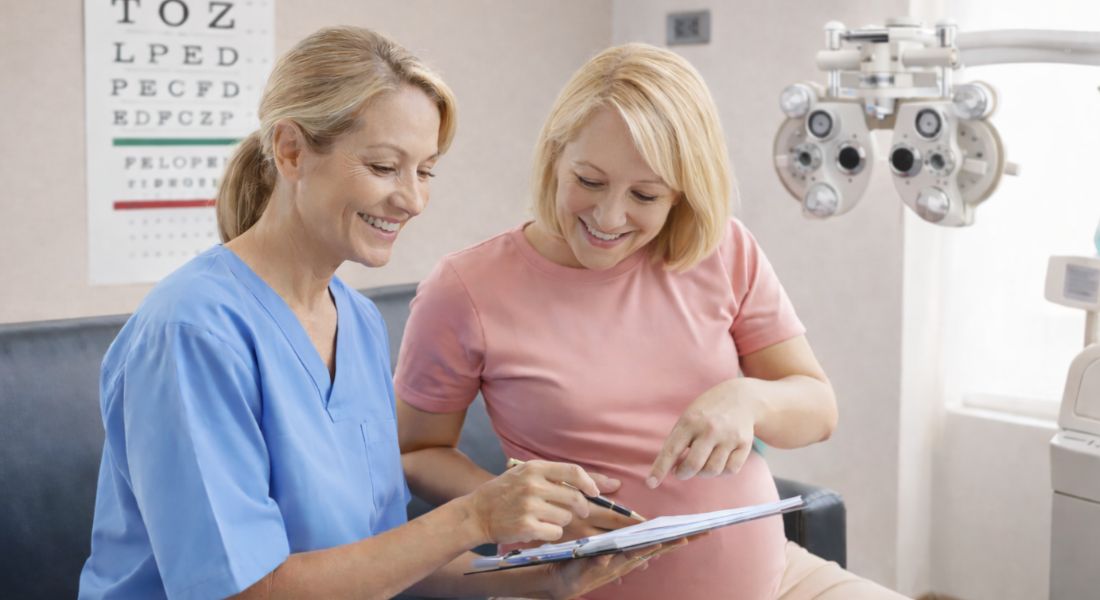
Pregnancy brings many physical changes, and if you have glaucoma, it is natural to feel uncertain about how your treatment should continue. You may worry about protecting your vision while also keeping your baby safe. These concerns are completely valid and deserve clear, reassuring medical guidance.
Managing glaucoma during pregnancy does not usually mean stopping treatment altogether. Instead, your care focuses on carefully balancing potential risks and benefits. With close monitoring and informed decisions, both your eye health and your baby’s wellbeing can be protected.
In this guide, you will learn how glaucoma eye drops are assessed for safety during pregnancy. We also explain monitoring strategies, alternative treatment options, and what to expect during breastfeeding and delivery. Understanding your options can ease anxiety and help you make confident, informed choices.
How Pregnancy Naturally Affects Eye Pressure
Hormonal changes during pregnancy can affect how fluid moves through your body, including inside your eyes. For many women, intraocular pressure falls slightly during the second and third trimesters. This is thought to happen because fluid drains more easily from the eye during pregnancy. The change is usually mild and varies from person to person.
However, this natural reduction in eye pressure does not occur in everyone. You may find your readings remain stable, or they may fluctuate at different stages of pregnancy. These variations are unpredictable and cannot be relied upon as a form of treatment. This is why ongoing monitoring remains important.
You should not assume that pregnancy alone will protect you from glaucoma progression. Your risk needs to be assessed on an individual basis, taking your history into account. Regular eye pressure checks provide reassurance and allow timely adjustments if needed.
Why Glaucoma Care Requires Adjustment in Pregnancy
Hormonal changes during pregnancy can affect how fluid moves through your body, including inside your eyes. For many women, intraocular pressure falls slightly during the second and third trimesters. This is thought to happen because fluid drains more easily from the eye during pregnancy. The change is usually mild and varies from person to person.
However, this natural reduction in eye pressure does not occur in everyone. You may find your readings remain stable throughout pregnancy. In some cases, pressure levels may rise or fluctuate at different stages.
These variations are unpredictable and cannot be relied upon as a form of treatment. Even if your pressure appears lower at one appointment, it may change later. This uncertainty means careful follow-up remains essential.
You should not assume that pregnancy alone will protect you from glaucoma progression. Your individual risk needs to be assessed based on your eye history and type of glaucoma. Regular eye pressure checks provide reassurance and allow timely adjustments to your care if needed.
Understanding Systemic Absorption of Eye Drops
When you apply eye drops, it’s easy to assume they only affect your eyes. In reality, a small amount can drain through the tear duct into your nose and then enter your bloodstream. This explains why even topical eye treatments can sometimes have effects beyond the eye itself.
- Some medication can enter your bloodstream: After you instil drops, excess fluid can pass through the tear duct into the nasal cavity. From there, the medication may be absorbed into your circulation, which is why systemic effects are possible.
- Absorbed amounts are usually very small: For most people, the quantity absorbed is minimal and unlikely to cause problems. However, during pregnancy, even small exposures are considered more carefully, particularly in the early stages of development.
- Punctal occlusion greatly improves safety: You can significantly reduce absorption by gently pressing at the inner corner of your eye for about one minute after using drops. This simple technique limits drainage into the tear duct and keeps more medication where it is needed.
Understanding how eye drops are absorbed helps you use them more safely. Small technique changes can make a meaningful difference to overall exposure. During pregnancy, these precautions are especially valuable for peace of mind. By using drops correctly and following medical advice, you can protect both your eye health and your wider wellbeing.
Beta-Blocker Drops During Pregnancy
Beta-blocker eye drops work by reducing the production of aqueous humour, which lowers eye pressure. They are commonly prescribed and among the most well-studied glaucoma medications. However, small amounts can enter the bloodstream and may affect the foetal heart rate.
In many cases, topical beta-blockers can be continued during pregnancy with caution. Your ophthalmologist may work closely with your obstetrician to ensure appropriate monitoring. In some situations, newborn observation after delivery is advised as an added precaution.
Overall, the risk associated with beta-blocker eye drops is considered low but not zero. Decisions depend on how severe and stable your glaucoma is. If your condition is well controlled, treatment may continue safely under careful medical supervision.
Prostaglandin Analogues and Pregnancy
Prostaglandin analogue eye drops lower eye pressure by increasing fluid outflow and are highly effective treatments for glaucoma. However, prostaglandins are biologically active compounds, which raises theoretical concerns about uterine stimulation during pregnancy. This is the reason they are approached with caution.
Although there is limited evidence showing harm from topical use, many clinicians prefer to avoid these drops during pregnancy where possible. They are often reserved for situations where other treatments are unsuitable or ineffective. In some cases, alternative options may be considered safer.
Every situation is assessed on an individual basis. If your glaucoma is advanced or progressing, continuing prostaglandin analogues may be justified. Clinical judgement, guided by careful risk–benefit assessment, determines the most appropriate approach for you.
Carbonic Anhydrase Inhibitors
Carbonic anhydrase inhibitors are a group of medications used to lower eye pressure by reducing fluid production inside the eye. If you’re pregnant, their use needs more careful consideration because the available safety data are limited. This means decisions are usually made on a case-by-case basis rather than as a routine choice.
- Topical forms reduce aqueous production: Eye drop versions work by decreasing the amount of fluid your eye produces, which helps lower pressure. However, because pregnancy-specific data are limited, these drops are generally used with caution.
- Oral forms are usually avoided in pregnancy: Tablet versions are not typically recommended during pregnancy, as animal studies have suggested potential risks. For this reason, they are avoided unless there is a compelling clinical reason.
- Severity guides treatment decisions: In selected cases, topical carbonic anhydrase inhibitors may be considered if the risk to your vision is significant. Your ophthalmologist will weigh the potential benefits against any theoretical risks.
Protecting your vision is always the priority. In some situations, the benefit of controlling eye pressure may outweigh possible risks. This is why shared decision-making is so important during pregnancy. Open discussion ensures your treatment plan reflects both medical safety and your individual needs.
Alpha-Agonists and Late Pregnancy
Alpha-agonist eye drops help lower eye pressure but can affect the central nervous system. Because of potential neonatal side effects, some of these medications are avoided in late pregnancy. This makes the timing of treatment particularly important.
In many cases, alpha-agonists are discontinued before delivery. Your eye specialist will continue to monitor your pressure closely during this transition. Any adjustments are made carefully to maintain control of your glaucoma.
Safety considerations vary by trimester. Your medication plan may change as your pregnancy progresses and your needs evolve. This flexibility is an important part of providing safe, effective care for both you and your baby.
Monitoring Frequency During Pregnancy
During pregnancy, how often you need eye reviews depends on your individual level of risk. If your condition is stable, you may only need to be seen every few months. If there are signs of progression or higher risk, closer monitoring is essential to protect your vision.
- Review intervals are tailored to your risk: Your ophthalmologist will adjust the frequency of appointments based on your eye pressure, optic nerve health, and disease stability. This personalised approach ensures safety without unnecessary visits.
- Key tests remain central to monitoring: Pressure measurements and optic nerve imaging form the backbone of follow-up care. Visual field tests may also be performed if changes are suspected or symptoms arise.
- Regular reviews reduce uncertainty: Ongoing monitoring provides reassurance that your condition remains under control. It also allows early action if any changes occur.
Skipping appointments increases your risk of avoidable damage. Pregnancy does not pause glaucoma progression. Staying consistent with follow-up protects both your current vision and your long-term sight. Regular care ensures you and your medical team remain one step ahead.
When Medication Can Be Reduced
If your glaucoma is mild and your eye pressure falls naturally during pregnancy, reducing medication may be an option. This decision is guided by optic nerve imaging and stable visual field results. Close follow-up is essential to ensure your condition remains controlled.
A temporary reduction in treatment does not mean your care is being neglected. It is a carefully supervised approach designed to minimise risk while maintaining safety. Regular reviews allow any changes to be reversed promptly if needed.
Not everyone is suitable for medication reduction. If your glaucoma is advanced or considered high risk, continuing treatment may be necessary. Long-term stability is what ultimately determines the safest strategy for you.
When Medication Must Continue
If your glaucoma is advanced or showing signs of progression, stopping treatment is usually not an option. Once vision is lost, it cannot be restored, so preventing further damage becomes the priority. In these situations, ongoing medication plays a critical role in protecting your sight.
- Advanced or progressing disease requires continued treatment: When tests show ongoing optic nerve damage or rising risk, continuing medication helps slow or halt further vision loss. The goal is to preserve as much of your remaining vision as possible.
- The lowest effective dose is used: Your ophthalmologist will aim to control your eye pressure using the smallest amount of medication necessary. This reduces potential side effects while maintaining effective protection.
- Extra steps are taken to improve safety: Techniques such as punctal occlusion are reinforced to limit systemic absorption. You’re also likely to be monitored more closely to ensure both safety and effectiveness.
Stopping glaucoma medication without medical advice can be dangerous. Careful judgement is needed to balance risks and benefits. Regular reviews ensure treatment remains appropriate for your situation. By continuing treatment under supervision, you give your vision the best possible protection over the long
Laser Treatment as a Safe Alternative
Laser trabeculoplasty can help lower eye pressure and may reduce your reliance on glaucoma eye drops. It works by improving fluid drainage from the eye without exposing your body to systemic medication. This makes it a useful option during pregnancy for some patients.
Laser treatment is generally considered safe and avoids many drug-related concerns. It does not involve ongoing medication use, which can be reassuring. However, its effectiveness varies from person to person.
For some people, laser treatment provides a temporary benefit, while for others it offers longer-lasting pressure control. Suitability depends on your eye anatomy and type of glaucoma. A detailed assessment is needed to decide whether this option is right for you.
Surgical Considerations During Pregnancy
Glaucoma surgery is rarely needed during pregnancy but may be necessary in severe cases. If your condition progresses rapidly despite medication, surgical intervention may be required. In these situations, timing and the choice of anaesthesia are planned with great care.
A multidisciplinary approach is essential to ensure safety. Your ophthalmologist will work closely with your obstetric team to balance risks and benefits. Every decision is made with both your vision and your pregnancy in mind.
Fortunately, most people do not reach this stage. Early planning and close monitoring help prevent emergency decisions. Regular follow-up plays a key role in maintaining long-term stability.
Delivery and Immediate Postpartum Considerations
Around the time of delivery, it’s natural to have questions about how labour and the early postpartum period might affect your eyes. Temporary changes in eye pressure can occur during labour, but these are usually brief and rarely cause lasting problems. Knowing what to expect helps reduce anxiety during an already busy time.
- Short-term pressure changes can happen during labour: Physical strain during labour may cause temporary fluctuations in eye pressure. In most cases, these changes settle quickly and do not lead to long-term damage.
- Medication timing may be adjusted: Your ophthalmologist may advise small changes to when you use your drops around the time of delivery. If certain medications were used during pregnancy, neonatal monitoring may be recommended as a precaution.
- Clear communication supports safe care: Keeping your obstetric team informed about your eye condition and medications helps ensure coordinated care. This shared approach reduces risk for both you and your baby.
After delivery, your treatment plan is usually reviewed. Hormonal shifts can affect eye pressure again in the early postpartum period. An early follow-up appointment helps ensure your pressure remains controlled. Ongoing care at this stage supports both recovery and long-term vision protection.
Breastfeeding and Medication Safety

Some glaucoma eye drops can pass into breast milk in very small amounts. With correct use, overall systemic exposure remains minimal. Techniques such as punctal occlusion continue to be helpful in reducing absorption.
Many glaucoma medications can be used cautiously while breastfeeding. Decisions are made on an individual basis, taking your specific treatment needs into account. Ongoing monitoring remains important during this period.
Open discussion with your clinician helps address concerns and provides reassurance. Safety decisions are made collaboratively, with your circumstances in mind. The goal is always to protect both you and your baby.
Planning Pregnancy With Glaucoma
If you are planning a pregnancy, arranging an early consultation is a sensible first step. Optimising your glaucoma treatment before conception helps reduce uncertainty later. In some cases, laser treatment may be considered in advance to limit medication needs.
Baseline imaging allows your clinician to confirm stability before pregnancy begins. This makes it easier to identify changes if they occur later. Early risk assessment helps guide a safer, more personalised plan.
Proactive planning strengthens overall safety for both you and your future baby. Entering pregnancy with a clear strategy can ease anxiety. Having the right information empowers you to move forward with confidence.
Emotional Wellbeing During Pregnancy
Living with glaucoma can add emotional weight to pregnancy. Worries about your vision and your baby’s safety may increase stress. Clear, honest communication with your care team can significantly reduce this anxiety.
Understanding your individual risk helps you feel more in control. Most women with glaucoma go on to have healthy pregnancies without vision loss. Regular monitoring offers reassurance and helps prevent unexpected concerns.
Support plays an important role throughout this journey. You do not have to manage these decisions alone. Collaborative care builds confidence and helps you feel supported at every stage.
When to Seek Urgent Review
If you notice sudden changes in your vision, you should seek urgent assessment. Symptoms such as severe headache, eye pain, or blurred vision should never be ignored. While these may not be related to glaucoma, they still require prompt evaluation.
Do not delay seeking help if new symptoms appear. Certain pregnancy-related conditions can also affect vision and need urgent attention. Early review helps identify the cause quickly and safely.
Timely intervention can prevent complications. Acting early protects both your eyesight and your baby’s wellbeing. When in doubt, it is always better to be cautious.
Balancing Risk and Benefit
Every treatment decision during pregnancy involves weighing potential risks against clear benefits. Untreated glaucoma carries a known risk of permanent vision loss. In contrast, the risk from most glaucoma medications is generally small when used appropriately.
Finding the right balance requires clinical experience and careful judgement. Decisions are guided by available evidence and your individual circumstances. No two patients have the same risk profile, which is why care must be personalised.
There is rarely a single universal answer that suits everyone. Your treatment strategy depends on disease severity, stability, and overall health. Shared decision-making helps build trust and ensures you feel confident in the plan moving forward.
The Importance of Specialist Care
Managing glaucoma during pregnancy requires careful judgement and experience. When you’re under the care of specialists, decisions are based on the best available evidence rather than guesswork. Working closely with obstetric teams adds an extra layer of safety for you and your baby.
- Experienced clinicians guide treatment choices: Specialists understand how to balance pressure control with pregnancy-related safety concerns. This helps ensure you receive appropriate treatment without unnecessary risk.
- Multidisciplinary care strengthens outcomes: Complex cases benefit from collaboration between ophthalmologists, obstetricians, and other healthcare professionals. Clear communication and shared planning reduce the chance of conflicting advice.
- Structured monitoring supports continuity of care: Detailed documentation and regular follow-up help keep everyone aligned. This ensures changes are identified early and managed appropriately.
Expert guidance helps avoid both unnecessary discontinuation of treatment and overtreatment. Precision in decision-making protects your vision. Specialist experience allows care to be tailored to your specific needs. Ultimately, the right expertise gives you confidence throughout pregnancy and beyond.
Long-Term Outlook
Most women with glaucoma go through pregnancy without disease progression. With structured monitoring and timely adjustments, long-term vision can be preserved. When care is proactive, confidence often replaces fear.
After pregnancy, your glaucoma management can usually return to a more standard treatment plan. Temporary changes made during pregnancy may no longer be needed. A full reassessment helps confirm ongoing stability.
Both your vision and your baby’s safety can be protected with the right approach. Careful planning and follow-up make this achievable. Modern glaucoma care supports healthy, confident motherhood.
FAQs:
- Can pregnancy make your glaucoma worse?
Pregnancy does not automatically make glaucoma worse, and you may even experience slightly lower eye pressure during the later stages. However, this response is unpredictable and does not occur in everyone. Because progression can still happen, you need ongoing monitoring throughout pregnancy. - Are glaucoma eye drops safe for you to use during pregnancy?
Some glaucoma eye drops can be used during pregnancy when the benefit of protecting your vision outweighs the potential risk. Safety depends on the type of drop, the trimester, and how advanced your glaucoma is. Your treatment plan is always tailored to your individual situation. - Can eye drops affect your baby even though you only use them in your eyes?
Yes, a small amount of eye drop medication can enter your bloodstream through the tear ducts. Although the absorbed amount is usually minimal, pregnancy requires extra caution. Using punctal occlusion after each drop helps reduce this exposure significantly. - Should you stop using glaucoma medication once you find out you are pregnant?
You should not stop glaucoma medication without medical advice. Stopping treatment suddenly can allow eye pressure to rise and cause permanent vision damage. Any changes should be made carefully and under specialist supervision. - Are beta-blocker eye drops risky for your baby?
Topical beta-blockers are commonly used in pregnancy when necessary and are among the most studied glaucoma drops. There is a small risk of foetal or neonatal effects, which is why dosing and monitoring are important. In many cases, you can continue them safely with appropriate precautions. - Can laser treatment reduce your need for eye drops during pregnancy?
Laser trabeculoplasty may help lower eye pressure and reduce reliance on drops during pregnancy. It avoids systemic medication exposure and is generally considered safe. However, its effectiveness varies, and it may not be sufficient on its own for everyone. - Will glaucoma affect your labour or delivery?
Glaucoma rarely causes problems during labour or delivery. Temporary pressure changes can occur but are usually short-lived and not harmful. Your care team may adjust medications or recommend monitoring if certain drops were used late in pregnancy. - Is it safe for you to breastfeed while using glaucoma eye drops?
Many glaucoma eye drops can be used cautiously while breastfeeding, as only small amounts may pass into breast milk. Using punctal occlusion further reduces exposure. Each medication should still be reviewed individually to ensure safety for your baby. - How often should your eyes be checked while you are pregnant?
How often you are reviewed depends on how stable your glaucoma is. If your condition is mild and stable, fewer visits may be needed, while advanced disease requires closer monitoring. Pregnancy does not remove the need for regular eye care. - Can you plan a safe pregnancy if you already have glaucoma?
Yes, you can plan a safe pregnancy with glaucoma. Early consultation allows your treatment to beoptimised before conception and reduces uncertainty. With structured monitoring and specialist care, most women protect both their vision and their baby’s health.
Final Thought: Managing Glaucoma Safely During Pregnancy
Managing glaucoma during pregnancy requires a careful balance between protecting your long-term vision and ensuring your baby’s safety. You should understand that pregnancy does not automatically mean stopping treatment, but it does require closer monitoring, thoughtful medication choices, and ongoing specialist input. With the right approach, most women with glaucoma complete pregnancy without disease progression.
Clear communication, regular reviews, and individualised decision-making allow you to move through pregnancy with confidence rather than fear. When lifestyle changes or natural pressure reductions are not enough, evidence-based treatment remains essential to prevent irreversible vision loss. Planning ahead and staying engaged with your care team gives you the best possible outcome for both you and your baby. If you’d like to find out whether glaucoma treatment in London is suitable for you, feel free to contact us at Eye Clinic London to arrange a consultation.
References:
- Salim, S. (2014) Glaucoma in pregnancy. Current Opinion in Ophthalmology, 25(2), pp.93–97. https://pubmed.ncbi.nlm.nih.gov/24469077/
- Razeghinejad, M.R. (2018) Glaucoma medications in pregnancy. Oman Journal of Ophthalmology, 11(3), pp.195–199. https://pubmed.ncbi.nlm.nih.gov/30505107/
- Razeghinejad, M.R., Tai, T.Y.T., Fudemberg, S.J. and Katz, L.J. (2011) Pregnancy and Glaucoma. Survey of Ophthalmology, 56(4), pp.324–335. https://www.sciencedirect.com/science/article/abs/pii/S0039625710002201
- Myers, J.S. and Gross, R. (2001) Management of Glaucoma in Pregnancy and Lactation. Survey of Ophthalmology, 45(5), pp.449–454. https://www.sciencedirect.com/science/article/abs/pii/S0039625700002095
- Rossi, T., Tartaglione, R., Zambianchi, F., Iuliano, A., Stirpe, M., Ciancaglini, M. and Vingolo, E.M. (2024) Advancing glaucoma treatment during pregnancy and breastfeeding: contemporary management strategies and prospective therapeutic developments. Biomedicines, 12(12), Article 2685. https://www.mdpi.com/2227-9059/12/12/2685