


Genetic Testing for Children With Inherited Eye Diseases
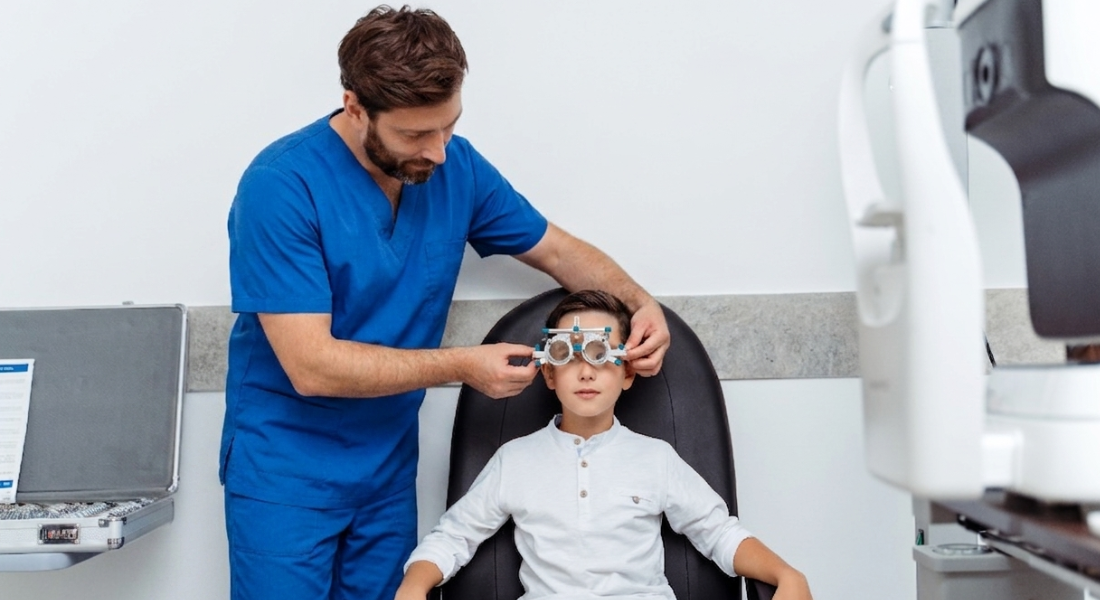
When your child is diagnosed with an eye condition, you may have many questions about the cause and what it means for the future. You may want clear answers and reassurance about what to expect next. In some cases, these conditions are inherited and linked to changes in specific genes.
Genetic testing can help identify whether your child’s eye condition has a genetic basis. This may provide a more accurate diagnosis and help your specialist understand the factors that could influence your child’s care.
The results can help guide discussions about your child’s ongoing needs and possible family considerations. They may also provide information about whether other family members could be affected or require further assessment.
What Are Inherited Eye Diseases?
Inherited eye diseases are conditions that are passed down through genes from one or both parents. This means you may notice signs in your child due to genetic changes within your family. Knowing the possible genetic factors behind the condition can help explain why it has occurred.
These conditions can affect different parts of your child’s eye, including the retina, optic nerve, or cornea. You may notice symptoms at birth, or they may develop later during childhood. This variation can sometimes make it difficult for you to recognise the condition early.
Recognising possible signs early allows you to seek appropriate medical advice. Timely assessment can help ensure your child receives suitable monitoring and care.
Why Genetic Testing May Be Recommended
Genetic testing may be recommended when your child shows signs of an eye condition that could be inherited. Testing may be considered if there is a family history or if the cause of the condition is unclear. This can help you move forward with greater clarity.
Testing can help confirm a diagnosis, especially when symptoms overlap with other conditions. It provides additional information about what is affecting your child’s vision and helps guide a more suitable approach to their care. With clearer information, you can better understand the available care options and what may be recommended as your child grows.
How Genetic Testing Works
Genetic testing usually involves analysing a small sample of your child’s blood or saliva. Your specialist will guide you through the process and explain what to expect. The procedure is generally safe and minimally invasive for your child.
The sample is then examined in a specialised laboratory to identify specific genetic changes. These changes are compared with known markers linked to inherited eye conditions, helping your care team understand the possible cause of your child’s condition.
After testing is complete, your healthcare team will review the findings and explain how they relate to your child’s condition. You can use this information to discuss suitable follow-up options with your child’s healthcare team and understand what may be recommended moving forward.
| Aspect | Genetic Testing | Standard Eye Examination |
| Purpose | Identify genetic cause | Assess current eye health |
| Detects | DNA changes | Structural/functional issues |
| Timing | One-time or occasional | Regular monitoring |
| Outcome | Diagnostic clarity | Vision assessment |
| Role | Supports long-term planning | Tracks disease progression |
Common Genetic Eye Conditions in Children
Several eye conditions in children may have a genetic cause, and you may be advised to explore this if your child shows certain symptoms. Understanding the possible conditions can help you feel more prepared and informed. It also allows you to discuss concerns more confidently with your specialist.
These conditions can include inherited retinal diseases, congenital cataracts, certain types of glaucoma, and optic nerve disorders. Each of these can affect your child’s vision in different ways and may develop at different stages. Knowing the exact condition helps you better understand what your child is experiencing.
Identifying the specific condition is important for understanding your child’s needs. It allows your specialist to develop a more targeted approach and provide appropriate guidance as the condition changes over time.
Inherited Retinal Diseases
Inherited retinal diseases affect the light-sensitive tissue at the back of your child’s eye, known as the retina. These conditions are often genetic and can influence how your child’s vision develops over time. Understanding this can help you recognise the importance of early assessment.
Conditions such as retinitis pigmentosa or Leber congenital amaurosis can affect vision from an early age. You may notice difficulties with night vision, peripheral vision, or overall clarity. These changes can vary depending on the specific condition.
Genetic testing can help identify the specific retinal condition affecting your child. The results may provide useful information about possible patterns of the disease and support discussions about appropriate follow-up care.
Congenital Cataracts and Genetics
Some children are born with cataracts or develop them early in life, which can affect how light passes through your child’s eye. You may notice signs such as cloudy vision or unusual eye movements. Understanding the cause is important for deciding the next steps.
In some cases, cataracts can be linked to genetic changes and may be part of a broader inherited condition. Genetic testing can help identify whether specific gene changes are contributing to the condition. This can provide additional insight into your child’s overall eye condition.
With this information, you and your specialist can plan the most appropriate treatment and monitoring. It can also help you understand whether other health or developmental factors need attention. This approach helps ensure your child’s needs are considered when planning their care.
Childhood Glaucoma and Genetic Links
Glaucoma in children can sometimes have a genetic basis, which means you may need to consider whether there is a family link. This condition affects the pressure inside your child’s eye and can damage the optic nerve over time. Understanding the cause can help you take the right steps early.
Early diagnosis is essential, as untreated glaucoma can lead to permanent vision loss. You may notice symptoms such as sensitivity to light, excessive tearing, or changes in eye appearance. Recognising these signs early can help you seek prompt medical advice.
Genetic testing may help identify the gene changes linked to your child’s condition. This information can support more accurate diagnosis and guide your child’s care plan. It also helps you and your specialist monitor the condition more effectively over time.
When Should a Child Be Tested?
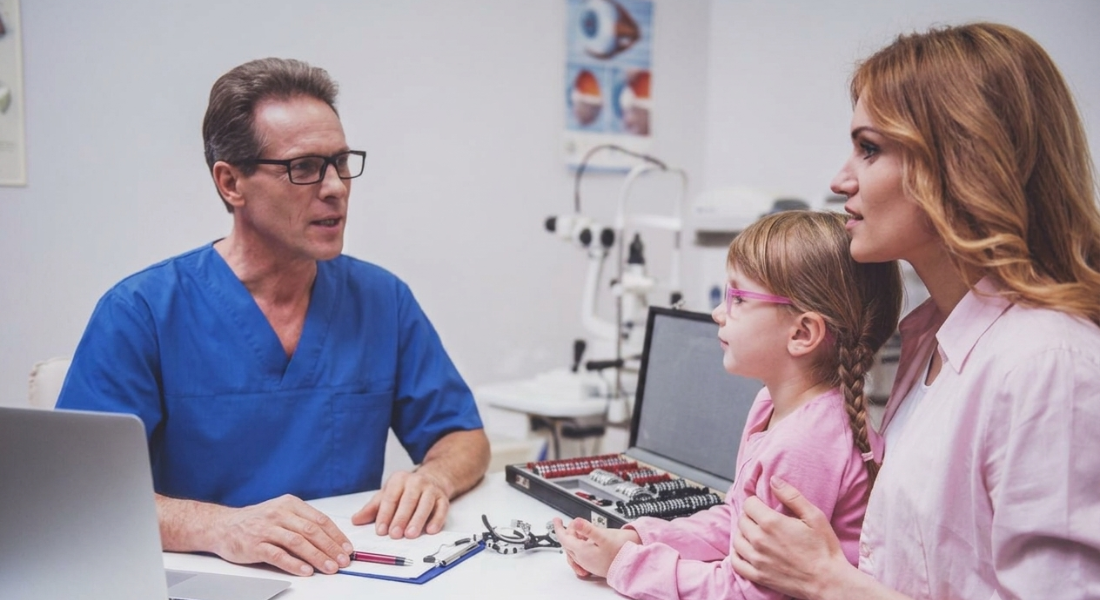
Genetic testing may be recommended if you have a strong family history of eye disease or if your child shows early or unusual symptoms. You may be advised to consider testing when the cause of the condition is unclear. This can help you gain a better understanding of what may be affecting your child’s vision.
Your specialist will carefully assess your child’s clinical findings before suggesting testing. This may include eye examinations, medical history, and any relevant family history. These steps help ensure that testing is appropriate and useful.
By considering genetic testing at the right time, you can support earlier diagnosis and more targeted care. This helps you stay involved in your child’s ongoing eye care and planning. It also helps you make informed decisions about monitoring and treatment.
UK Guidance Note:
In the UK, genetic testing for inherited eye conditions is usually arranged through a specialist ophthalmologist or a clinical genetics service. Your child may be referred to a regional genetics centre where testing and counselling are coordinated as part of NHS care where appropriate. In some cases, testing may be funded through the NHS where there is clear clinical indication. Waiting times and access may vary depending on your region. Private testing options may also be available through specialist clinics if appropriate.
Clinical Tip:
If your child has an unclear diagnosis or symptoms that do not fully match a known condition, genetic testing may be particularly helpful in clarifying the cause and avoiding unnecessary investigations.
The Role of Family History
Family history plays an important role in identifying inherited eye conditions in your child. You may be asked about relatives who have experienced similar vision problems or diagnoses. This information can provide valuable clues about a possible genetic link.
If similar eye conditions have occurred within your family, testing may help identify whether there is a common genetic factor. This information can also help assess whether other relatives may benefit from specialist advice.
By considering your family history, you and your specialist can better understand whether further assessment or follow-up may be helpful. This information can help your specialist plan appropriate follow-up and management strategies. It also helps you plan for your child’s long-term eye health with greater confidence.
Benefits of Early Genetic Diagnosis
Identifying the genetic cause of your child’s condition can help explain why it has developed and provide useful information for future care planning. It may provide some indication of how the condition could progress, although this is not always certain. This information can help your specialist understand potential risks and decide whether additional follow-up may be appropriate.
Timely intervention may help support better long-term visual outcomes in some cases. Early support and appropriate management can make a meaningful difference. This approach helps you take a proactive role in protecting your child’s eye health.
Evidence Note:
Research suggests that genetic testing can improve diagnostic accuracy in inherited eye diseases and help identify appropriate management strategies at an earlier stage. For families, this can reduce uncertainty and allow more structured long-term monitoring under specialist care.
Key Facts:
- Not all tests give definitive answers
- Results may take several weeks
- Some findings may be uncertain
- Testing may guide monitoring plans
- Family implications are common
How Results Can Guide Treatment
Genetic test results can influence how your child’s eye condition is managed. By identifying the underlying genetic cause, you and your specialist can better understand the condition and choose the most appropriate care approach. This helps ensure that decisions are based on clearer, more precise information.
In some cases, Genetic results may help determine whether your child could be suitable for specialist treatments or emerging gene-based therapies, which are currently available only for specific conditions and through specialist centres.
With this guidance, you can plan a more personalised approach to your child’s care. This may include tailored monitoring, timely interventions, or referrals to specialists. It allows you to support your child’s vision more effectively as their needs evolve.
Understanding the Limitations of Genetic Testing
Genetic testing can provide important information, but it may not always identify the exact cause or predict how the condition will develop. Understanding these limitations can help you approach the results with realistic expectations.
Not all genetic changes are fully understood, and some results may be inconclusive. This means you may not always receive a definitive diagnosis or clear prediction of how the condition will progress. Your specialist will help you interpret what the results do and do not mean.
Ongoing research continues to improve knowledge in this area, which may lead to clearer answers in the future. You may be offered updates or further testing as new discoveries emerge. This evolving field continues to enhance how you understand and manage your child’s eye health.
What to Expect During the Testing Process
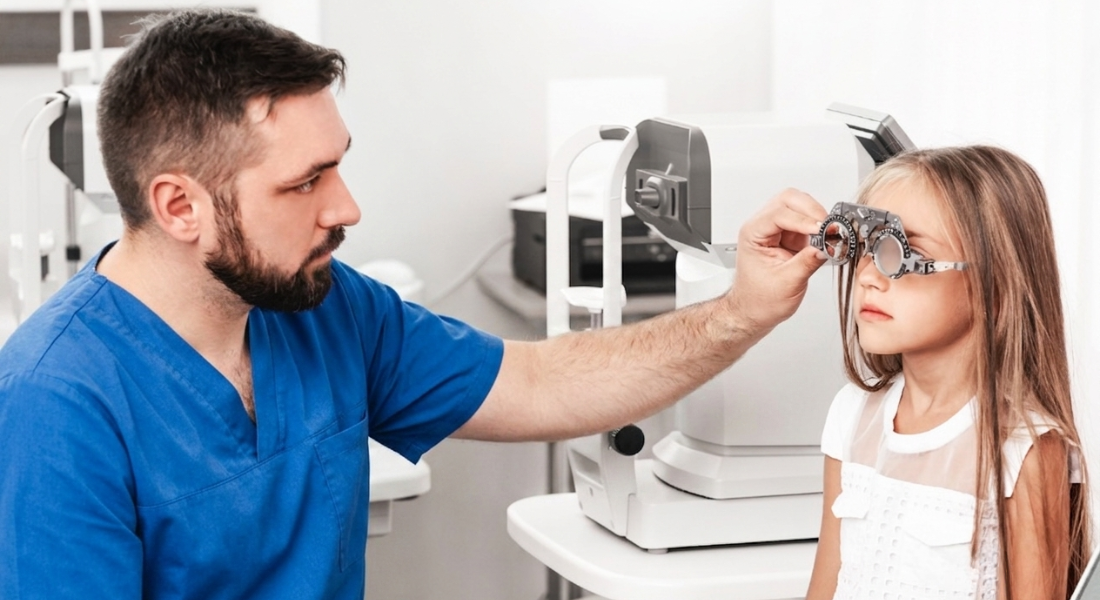
Genetic testing is generally a simple process involving sample collection and laboratory analysis. Your healthcare team will explain each stage so you understand what is involved.
After a sample is collected, it is sent to a specialised laboratory for analysis. The results may take several weeks, depending on the type of testing being performed. During this time, you can discuss any questions or concerns with your care team.
Once the results are ready, your specialist will explain what they mean for your child’s condition. You will receive clear guidance on the next steps, including any monitoring or treatment needed. This helps you make informed decisions about your child’s care.
Interpreting Genetic Test Results
Genetic test results can show whether a known genetic mutation is present in your child. This can help you understand whether the condition has a clear genetic cause. In some cases, the results may also indicate how the condition could behave over time.
Your healthcare team will explain the findings and help you understand how they relate to your child’s condition. They will explain whether the findings confirm a diagnosis or suggest a possible risk. This helps you make sense of the information without feeling overwhelmed.
In some situations, the results may require further investigation or additional testing. You may be advised to monitor your child’s eye health more closely or consider follow-up assessments. This step-by-step approach helps you make informed decisions about your child’s ongoing care.
Emotional Considerations for Families
Learning that your child may have a genetic eye condition can feel emotionally challenging. You may experience a range of feelings, including worry, uncertainty, or concern about what the future holds. Recognising these emotions is an important part of the process.
You may also feel concerned about how the condition could affect your child’s development or other family members. Questions about long-term outcomes and family risk are common. Having clear and honest conversations with your specialist can help you feel more supported.
Accessing the right support can make a meaningful difference for you and your family. This may include guidance from healthcare professionals or counselling services. With clear communication and support, you can feel more confident in managing your child’s care.
Genetic Counselling and Support
Genetic counselling is often recommended alongside genetic testing to help you understand the results more clearly. You will be guided through what the findings mean for your child’s eye condition and overall health. This support can make complex information easier for you to process.
Through counselling, you can learn about inheritance patterns and how the condition may be passed within your family. This can help you understand whether other family members may be affected or at risk. It also gives you the opportunity to ask questions and discuss any concerns.
Genetic counselling can also support you in thinking about future family planning decisions. You can explore your options with professional guidance and make informed choices. This process helps you feel more prepared and supported moving forward.
Implications for Other Family Members
Genetic conditions can affect more than one person in your family, which means the results may have wider implications beyond your child. You may begin to consider how this information relates to siblings or other relatives. Understanding this can help you take a more informed approach to family health.
Testing may highlight whether siblings or future children are at risk of developing similar eye conditions. This can give you the opportunity to consider early assessments or monitoring where appropriate. It also allows you to discuss potential risks with your specialist.
With this knowledge, you can make more informed decisions about your family’s care and future planning. Early awareness can support timely intervention and better outcomes. This approach helps you feel more prepared and proactive in managing your family’s eye health.
Advances in Genetic Eye Research
Ongoing research in genetic eye diseases is improving how these conditions are diagnosed and managed. Scientists are identifying new gene variants and developing more targeted testing methods. This means you may benefit from more accurate diagnoses now than in the past.
There is also increasing research into gene-based therapies for certain inherited retinal conditions. While some treatments are still being studied or are only available in specialist centres, they represent an important step forward in eye care.
As research continues to evolve, you may be offered updated testing or new treatment options in the future. Your specialist will guide you on what is currently available and appropriate for your child.
Can Genetic Testing Prevent Vision Loss?
Genetic testing itself does not treat your child’s eye condition or prevent it from developing. It is a diagnostic tool that helps you understand the underlying cause rather than directly changing the condition. This distinction is important when setting your expectations.
However, the results may allow your healthcare team to recognise potential changes sooner and adjust care when needed. This allows you and your specialist to take timely steps to manage your child’s eye health more effectively. Early awareness can make a meaningful difference in how the condition is handled.
With appropriate care and regular follow-up, you may be able to reduce the risk of severe vision loss in some cases. While outcomes can vary, a proactive approach can support better long-term results. This helps you play an active role in protecting your child’s vision.
Taking a Personalised Approach to Eye Care
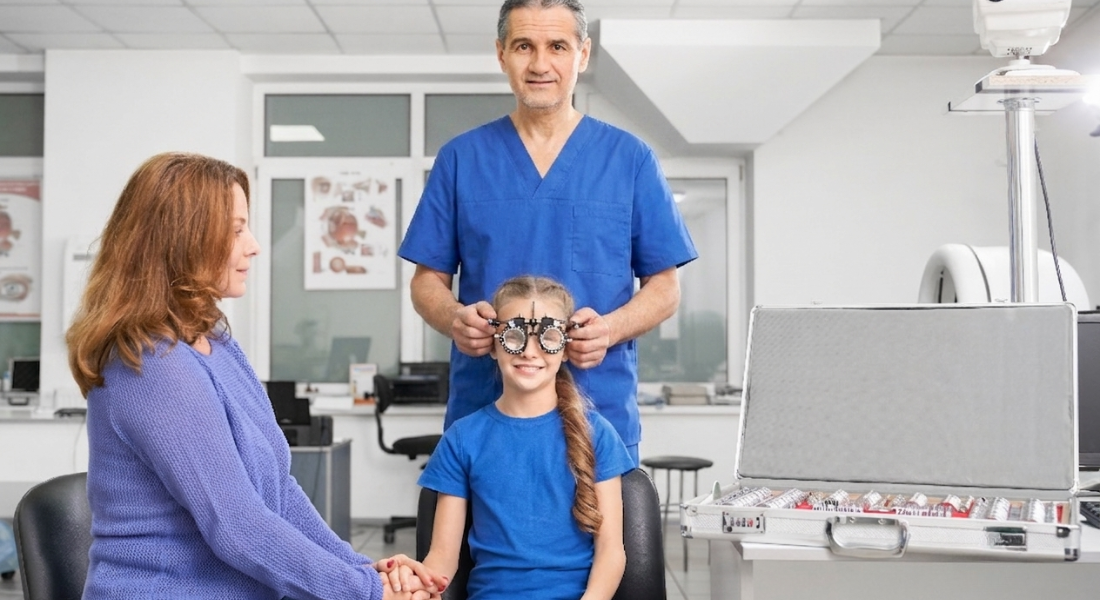
Genetic information can help your specialist understand your child’s condition in greater detail and adjust their care plan accordingly. By understanding the underlying cause of the condition, you can make more informed decisions about their health. This helps you feel more confident in managing their care.
When you know your child’s specific condition, you and your specialist can plan monitoring more effectively. This may include tailored check-ups, early interventions, or targeted treatments. Such an approach ensures your child receives care suited to their individual needs.
With a personalised care plan, you can also plan more effectively for the future. This includes anticipating changes and adjusting care as needed over time. It helps you support your child’s vision and overall wellbeing in a more structured and proactive way.
FAQs
- What is genetic testing for eye diseases in children?
Genetic testing looks at your child’s DNA to identify changes linked to their eye condition. It helps you understand whether the condition is inherited or caused by genetic factors. This can provide a clearer diagnosis and help you understand the available options for managing your child’s condition. - When should I consider genetic testing for my child?
Testing may be considered if your child has unusual eye symptoms or an unclear diagnosis. It may also be recommended if there is a family history of eye conditions. Your specialist will assess your child’s situation carefully before suggesting testing. This ensures the decision is appropriate and beneficial for your child. - Is genetic testing safe for children?
Yes, genetic testing is generally safe and straightforward for children. It usually involves a small blood sample or a saliva sample. The procedure is minimally invasive and well tolerated. Your specialist will guide you through the process to make it as comfortable as possible. - What kind of eye conditions can genetic testing help identify?
Genetic testing can help identify several inherited eye conditions in children. These may include retinal diseases, congenital cataracts, and certain types of glaucoma. It can also detect optic nerve-related disorders. Knowing the exact condition helps guide more effective care. - How can genetic testing help with treatment decisions?
The results of genetic testing can guide your child’s treatment plan. By providing more detailed information about the condition, your specialist can recommend care that is better suited to your child’s needs. In some cases, it may indicate eligibility for newer or gene-based treatments. This helps ensure decisions are based on clearer and more precise information. - Will genetic testing tell me how my child’s condition will progress?
Genetic testing can provide helpful insights into how a condition may develop. However, it may not give exact predictions for every child. Some conditions vary widely from person to person. Your specialist will explain what the results mean in your child’s specific case. - Can genetic testing prevent vision loss?
Genetic testing does not directly treat an eye condition. However, identifying the genetic cause may help guide follow-up care and allow your specialist to monitor your child more effectively. - What if the test results are unclear?
Sometimes genetic test results may not provide a clear answer. This can happen because not all genetic changes are fully understood yet. In such cases, your specialist will explain what the findings mean. You may also be advised to consider further testing or monitoring. - Will the results affect other family members?
Genetic testing results can have implications for other family members. They may show whether siblings or relatives are at risk. This can help you consider early assessments or monitoring for others. It allows your family to take a more informed approach to eye health. - Do we need genetic counselling alongside testing?
Genetic counselling is often recommended alongside testing. It helps you understand what the results mean for your child and your family. You will be guided through inheritance patterns and possible risks. This support allows you to make informed decisions with greater confidence.
Final Thoughts: Understanding Genetic Testing and Supporting Your Child’s Eye Health
Understanding your child’s eye condition can feel overwhelming, especially when there is uncertainty around the cause and what the future may hold. Genetic testing can provide valuable information about the condition, helping you understand possible causes and available management options. Although it may not answer every question, it can help you plan your child’s care with greater understanding.
By working closely with your specialist, you can help ensure your child receives appropriate assessment and follow-up as their needs change over time. Ongoing guidance can help you feel more prepared when making decisions about their eye health. If you have concerns or would like tailored advice, reaching out for expert guidance can help you feel more reassured and in control of the next steps.
If you have concerns about your child’s eye health or are considering genetic testing, seeking specialist assessment can help clarify the most appropriate next steps. At Eye Clinic London, you can discuss your child’s eye condition, possible investigations, and appropriate next steps as part of a personalised approach to care.
References:
- Li, J., Zhang, Y., Wang, Q. and Chen, X. (2023) ‘Advances in genetic eye disease diagnostics and management’, Frontiers in Medicine, 10, p. 37007438. Available at:
https://pubmed.ncbi.nlm.nih.gov/37007438/ - Jin, X., et al. (2014) ‘Detecting genetic variations in hereditary retinal dystrophies with next-generation sequencing technology’, Molecular Vision. Available at: https://pubmed.ncbi.nlm.nih.gov/24791140/
- Cohen, S.A., Ross, A., et al. (2021) ‘Genetic testing and diagnosis of inherited retinal diseases’, Cold Spring Harbor Perspectives in Medicine, 11(12), a041139. Available at: https://pmc.ncbi.nlm.nih.gov/articles/PMC8670140/
- Hull, S., Arno, G., Robson, A.G., Broadgate, S., Plagnol, V., Holder, G.E. and Michaelides, M. (2020) ‘Practical guide to genetic screening for inherited eye diseases’, Eye, 34, pp. 161–174. Available at: https://pmc.ncbi.nlm.nih.gov/articles/PMC7513416/
- Chen, X., Liu, Y., Zhang, L. and Wang, J. (2024) ‘Recent developments in genomic medicine for eye diseases’, Human Genomics, 18(1), p. PMC13301482. Available at:
https://pmc.ncbi.nlm.nih.gov/articles/PMC13301482/