


How Does the Eye Focus Differently After RLE Surgery?
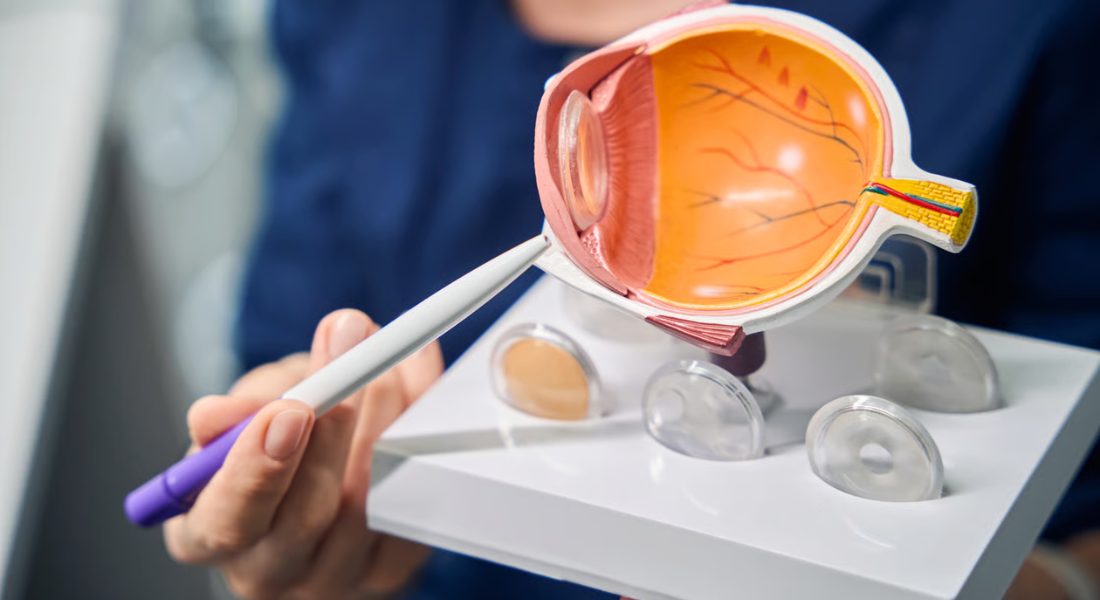
If you’re considering RLE surgery in London, it’s useful to understand how your eye will focus after the procedure. During RLE, your natural lens which can change shape to focus at different distances is replaced with an artificial intraocular lens (IOL). Because the IOL cannot alter its shape like your natural lens, your eye’s ability to accommodate, or shift focus between near and far objects, changes significantly. Knowing this helps you prepare for the way your vision may feel in the first days and weeks after surgery.
The way you see distances after surgery depends largely on the type of lens implanted. Monofocal lenses are set for a specific distance, so you may need reading glasses or other aids for near tasks. Multifocal or extended depth-of-focus lenses split light in different ways to provide multiple focal points, allowing you to see at various distances without extra lenses. This adjustment means your brain and visual system have to learn a new way of interpreting incoming visual information.
Understanding these changes can help you set realistic expectations and make the transition smoother. Certain visual tasks like reading small print, using digital screens, or judging distances may feel slightly different at first. By knowing what to expect, you can adapt your habits and appreciate that these temporary adjustments are part of the process toward achieving clear, comfortable vision.
The Role of the Natural Lens
Before RLE surgery, your natural lens is constantly at work, changing shape to focus light accurately on your retina. This process, known as accommodation, allows you to see clearly at near, intermediate, and far distances without consciously thinking about it. It’s a seamless system that your eyes and brain have relied on since childhood, letting you switch from reading a book to looking across a room effortlessly.
The lens achieves this remarkable flexibility by adjusting its thickness and curvature depending on what you’re focusing on. Your ciliary muscles control these changes, contracting or relaxing to help the lens bend light appropriately. This dynamic system is what gives your natural vision its smooth range and clarity across different distances.
Once your natural lens is replaced with an artificial intraocular lens, this dynamic focusing ability is lost. Artificial lenses maintain focus at set distances rather than flexing like the original lens, which changes how your eye and brain process images. Understanding this shift helps you set realistic expectations and appreciate why adaptation may take some time after surgery.
How Artificial Lenses Work
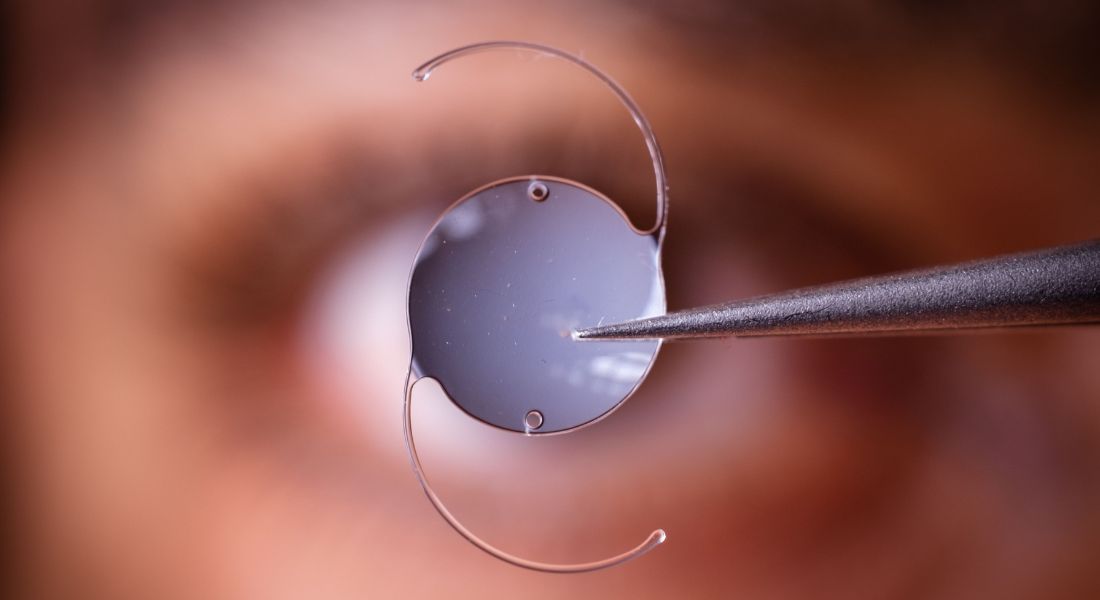
After RLE, your natural lens is replaced with an artificial one that provides clear vision without needing to change shape. Unlike your natural lens, which flexes to focus at different distances, these lenses rely on their design and your brain to create clear images.
- Monofocal lenses: These lenses focus at a single distance, usually set for clear distance vision. This means you may still need glasses for near tasks like reading or using a phone.
- Multifocal lenses: Multifocal lenses create multiple focal points, allowing you to see clearly at near, intermediate, and far distances. Your brain learns to select the most relevant image, which gradually improves clarity over time.
- Extended depth-of-focus (EDOF) lenses: EDOF lenses provide a stretched focus range, offering smoother vision across distances. They reduce the jumps between near and far focus, making intermediate tasks like computer work easier.
The key difference with artificial lenses is that focusing relies on lens design and neural adaptation, rather than the lens physically changing shape. Your eye still captures light in the usual way, but your brain learns to interpret these new visual signals, giving you clear and functional vision at multiple distances.
The Shift in Accommodation
After RLE surgery, your eyes no longer accommodate naturally, meaning they can’t change focus like they used to. Instead, your brain gradually learns to prioritise the most relevant focal point provided by the intraocular lens (IOL). This shift is a major change for your visual system, and it’s normal for the first few days or weeks to feel a little unusual as your brain adapts.
For example, with a multifocal lens, your brain has to choose which image to focus on for near or far tasks. Because the lens splits light into multiple focal points, your visual system is processing more than one image at the same time. At first, this can feel confusing or slightly unnatural, especially during tasks that require quick focus changes.
With time and neuroadaptation, your brain learns to interpret the signals efficiently, making focusing feel effortless. The length of this adjustment period varies from person to person, depending on factors like age, visual habits, and overall eye health. Most patients notice that after several weeks, the transition becomes seamless, and their vision feels comfortable at multiple distances.
Near Vision Challenges
One of the most noticeable changes after RLE surgery is how your near vision feels. If a monofocal lens is implanted, it’s usually set for distance vision, which means tasks like reading, sewing, or looking at a phone may require glasses. This adjustment can feel frustrating at first, especially if you were used to seeing clearly at all distances without any aid.
Multifocal lenses are designed to reduce the need for additional reading glasses, but they require your brain to adapt to choosing the correct focal point. Some patients notice initial blur, ghosting, or slight difficulty focusing on close objects. These effects are normal and part of the brain’s process of learning how to interpret the multiple images produced by the lens.
With consistent use of your new lenses and a little patience, your brain gradually interprets images more accurately. Over time, near vision becomes clearer and more comfortable, often without the need for supplementary glasses. Most patients find that within weeks, tasks up close feel natural again as adaptation completes.
Intermediate Vision Adjustment
After RLE surgery, intermediate vision tasks like working on a computer, cooking, or looking across a room can feel different from before. Depending on the type of lens implanted, you may have partial focus at these distances, which means your eyes and brain need time to adapt. This adjustment can make simple daily tasks feel slightly awkward at first, especially if you’re used to seamless focus across all distances.
Your brain gradually learns to select the correct focal point automatically for intermediate tasks. Initially, you might notice that adjusting your posture, screen height, or distance from objects helps achieve optimal clarity. These small tweaks support your visual system as it adapts to the way your new lens processes light and images.
With consistent daily use, intermediate vision becomes more natural and comfortable. Over time, your brain becomes efficient at interpreting signals from the lens, making tasks like reading a recipe, working on a computer, or watching TV effortless. Most patients find that after a few weeks, intermediate focus feels smooth and reliable.
Distance Vision Stabilisation
Distance vision is usually the easiest aspect of vision to adjust to after RLE surgery. Most artificial lenses are optimised for clear far vision, allowing your brain to quickly adapt to the images it receives. This makes activities like driving, watching TV, or enjoying outdoor scenes more straightforward compared with near or intermediate tasks.
In the early stages, you may notice minor glare, halos around lights, or subtle fluctuations in clarity. These effects are a normal part of the brain and eyes learning to work together with the new lens. They typically diminish over days to weeks as your visual system adapts and the brain becomes more efficient at processing distance images.
Ultimately, distance vision becomes sharp, stable, and reliable for everyday life. Most patients find that long-range clarity feels natural and comfortable once adaptation is complete. With time, your new lens provides a consistent and dependable visual experience across a variety of environments.
Light-Splitting in Multifocal Lenses
Multifocal lenses work by splitting incoming light across multiple focal points, enabling you to see clearly at near, intermediate, and far distances. Unlike a natural lens that changes shape to focus, these lenses rely on your brain to decide which image is most important at any given moment.
- Multiple focal points create overlapping images: Because light is divided, your retina receives several images simultaneously. At first, this can feel unusual, and your brain needs time to learn which image to prioritise.
- Halos and ghosting may occur: In the early stages, lights such as headlights or street lamps may produce halos, glare, or faint “ghost” images. These effects are common and usually temporary as your visual system adapts.
- Your brain learns to filter effectively: With consistent use, your brain becomes adept at selecting the correct focal point for each task. This neural adaptation reduces distractions and makes vision feel sharper and more comfortable.
- Clear vision develops over time: As adaptation progresses, everyday activities like reading, driving, or using digital devices become smoother. Most patients notice that halos and ghosting fade significantly within a few weeks.
By allowing your brain time to adjust, multifocal lenses provide functional, clear vision at multiple distances without the need for physical lens accommodation.
Brain Adaptation After RLE
Neuroadaptation is a crucial part of recovery after RLE surgery. Your brain has to adjust to the new visual inputs from the artificial lens and learn which image to focus on at any given time. This process allows your eyes and brain to work together efficiently, interpreting signals from the lens in a way that feels natural.
The duration of adaptation varies from person to person, taking anywhere from a few weeks to several months. Daily activities like reading, using a computer or phone, and moving around help your brain practice selecting the correct focal point. These routine tasks play an important role in training your visual system to respond accurately to the new lens.
Successful neuroadaptation is what enables multifocal and extended depth-of-focus lenses to provide functional vision without relying on natural accommodation. Once your brain fully adapts, you can enjoy clear vision across multiple distances. Most patients find that with patience and consistent use, this adaptation becomes seamless, making everyday life comfortable and visually effortless.
Depth Perception Changes
After RLE surgery, your sense of depth perception may feel slightly different at first. Your brain needs time to integrate visual cues from the new lens and learn how to interpret distances accurately. This adjustment is a normal part of the recovery process and is expected as your eyes and brain adapt to the changes.
Initially, estimating distances can feel unusual, especially during everyday tasks like pouring liquids, reaching for objects, or stepping down stairs. You may notice that objects seem closer or further away than before, or that hand-eye coordination feels slightly off. These sensations are temporary and improve as your visual system becomes accustomed to the new lens.
With practice and ongoing adaptation, depth perception gradually returns to normal. Your brain learns to interpret spatial cues efficiently, making daily activities feel more natural and comfortable. Most patients find that within a few weeks, their ability to judge distances is as reliable as it was before surgery.
Effects of Lighting Conditions
Lighting can have a noticeable impact on your vision after RLE surgery. Dim or very bright environments may make halos, glare, or slight blurriness more apparent, especially in the early stages of recovery. These effects are a normal part of how your brain and eyes are learning to process the new visual information from your lens.
Your brain gradually adjusts to different lighting conditions, improving focus and visual comfort over time. As your visual system adapts, the intensity of glare or halo effects usually diminishes. This process is part of neuroadaptation, helping your eyes interpret images more efficiently under varying light levels.
Using your eyes in a variety of lighting situations indoors, outdoors, during the day, and in the evening can help speed up adaptation. Simple steps, like wearing sunglasses in bright sunlight or using adequate indoor lighting, support comfort while your brain fine-tunes visual processing. With consistent exposure, most patients find that their vision stabilises and becomes reliable across all lighting conditions.
Contrast Sensitivity
After RLE, some patients notice that contrast sensitivity the ability to distinguish objects from their background feels different. Objects may appear slightly less sharp or defined at first, especially in low-light situations. This is a normal part of the adaptation process and usually improves with time.
- Your brain is learning a new visual signal: Artificial lenses deliver light in a way that differs from your natural lens. Your brain needs time to interpret these new signals correctly, which can temporarily affect how clearly you see edges, shapes, and details.
- Low-light conditions are more noticeable: Tasks such as driving at night, reading in dim light, or spotting objects in shadows can feel more challenging initially because contrast cues are less obvious.
- Gradual improvement occurs with adaptation: As your brain becomes more efficient at processing the lens’s light distribution, contrast sensitivity improves. Visual details become crisper, and daily tasks become easier to perform.
- Patience and repeated use help: Engaging in regular visual activities and giving your brain consistent exposure to new visual information accelerates adaptation, allowing contrast perception to stabilise over a few weeks.
With time, most patients find that their ability to detect contrast returns to a comfortable and natural level, making everyday vision feel sharp and reliable.
Dry Eye and Focus
It’s common to experience temporary dry eye symptoms after RLE, and these can affect how clearly you see, particularly for near and intermediate tasks. A fluctuating tear film can make objects appear blurry or cause your vision to feel inconsistent, which may be noticeable when reading or using a computer.
- Dry eye can temporarily blur vision: When your tear film isn’t stable, light doesn’t focus evenly on the retina. This can make tasks that require precision, like reading or screen work, more challenging in the early stages of recovery.
- Artificial tears help manage symptoms: Using the drops prescribed by your clinician can restore moisture, reduce irritation, and improve visual clarity. Following aftercare instructions carefully also supports faster recovery.
- Focus improves as eyes and brain adapt: As your tear film stabilises and your brain adjusts to the new lenses, near and intermediate vision usually becomes clearer. Most patients notice steady improvement over the first few weeks.
- Patience and consistent care matter: Combining proper eye care with time for neural adaptation ensures that dry eye effects diminish and your visual tasks feel comfortable and natural again.
With consistent care and a little patience, temporary focus issues caused by dry eye generally resolve, leaving you with stable and clear vision at all distances.
Monovision vs Multifocal Focusing
Some RLE patients choose a monovision approach, where one eye is set to focus on distance and the other on near tasks. This strategy can reduce the need for glasses, but it changes how your brain combines the images from each eye. Initially, this new visual arrangement may feel unusual or slightly unbalanced, as your eyes are sending different information simultaneously.
Multifocal lenses, on the other hand, split light to provide multiple focal points in each eye, allowing both eyes to see clearly at various distances. With either approach, your brain has to learn how to interpret and integrate the incoming images effectively. This adaptation is a key part of post-surgery recovery and is completely normal.
Over time, your brain integrates these signals seamlessly, giving you functional vision across distances without conscious effort. Most patients find that, after a few weeks of adaptation, tasks like reading, using a computer, or driving feel natural and comfortable. Understanding the differences between monovision and multifocal lenses helps set realistic expectations for how your vision may feel in the early stages.
Glasses Dependence Post-RLE
After RLE surgery, how much you rely on glasses largely depends on the type of lens you receive. Monofocal lenses are typically set for distance vision, which means you’ll usually still need reading glasses or magnification for near tasks. This is completely normal and doesn’t indicate a problem with the surgery it’s just how these lenses are designed.
Multifocal or extended depth-of-focus lenses can reduce the need for glasses, allowing you to see clearly at multiple distances without additional correction. However, some tasks, like reading fine print in low light, may still require occasional use of glasses. Your brain also needs time to adjust to the multiple focal points, which can influence how often you notice the need for correction early on.
Understanding these limitations helps you set realistic expectations for your new visual system. Knowing that occasional glasses use might still be necessary prevents disappointment and helps you appreciate the significant improvements in everyday vision. Most patients find that, over time, they become comfortable with their level of independence from glasses.
Visual Fatigue During Adaptation
It’s common to experience some visual fatigue in the early stages after RLE surgery. Your brain is working harder than usual to process multiple focal points and adjust focus for near, intermediate, and distance tasks. This extra effort can make your eyes feel tired, especially after long periods of reading, computer use, or other detailed work.
Taking regular breaks from intensive visual tasks can help reduce discomfort and support adaptation. Simple measures like looking away from screens, stretching your eyes, or stepping outside for a few minutes give your visual system a chance to rest. These habits are particularly helpful during the first few weeks when your brain is still learning to manage the new lens.
Over time, as your brain and eyes become more efficient at interpreting the visual signals, visual fatigue naturally decreases. Most patients find that tasks which initially felt tiring become comfortable and effortless within a few weeks. Consistent practice and patience are key to ensuring a smooth adaptation process and long-term visual comfort.
Reading and Screen Work
After RLE surgery, near tasks such as reading a book or working on a computer can feel challenging at first. With multifocal lenses, your brain needs to learn how to select the correct focal point for each task, which can take some time. This learning phase is completely normal and part of the adaptation process.
You might notice that adjusting your screen distance, posture, or lighting helps improve clarity in the early days. Simple strategies, like holding reading materials slightly further away or increasing screen brightness, can make a noticeable difference while your visual system adjusts. These small tweaks give your brain practice in interpreting the new lens’ multiple focal points.
With regular use and consistent practice, reading and screen tasks gradually become comfortable and clear. Most patients find that within a few weeks, they can work, read, or browse effortlessly without special adjustments. Patience during this period ensures smooth adaptation and long-term visual comfort.
Night Vision Considerations

Night vision can take longer to feel completely natural after RLE surgery. In low-light conditions, your brain has to work harder to prioritise and interpret visual information from the new lens. This can make subtle issues like halos, glare around lights, or slight blurring more noticeable during the first few weeks of recovery.
Reduced lighting challenges your visual system in ways that daylight does not, which is why night driving or dimly lit tasks may feel unusual initially. These effects are normal and part of the neuroadaptation process as your brain learns to process the lens’ multiple focal points efficiently. Most of these visual disturbances gradually lessen as your eyes and brain adjust.
Gradual exposure to dim environments in safe settings can help your brain adapt more quickly. Simple steps, like using street lighting when walking at night or avoiding sudden glare from headlights, support this process. Over time, most patients notice that night vision improves significantly, becoming comfortable and reliable for daily activities.
Outdoor and Distance Activities
When it comes to activities like driving, walking, or simply enjoying the outdoors, clear distance vision is essential. Most RLE lenses are designed to optimise distance vision, which makes adapting to outdoor tasks generally easier than adjusting to near vision.
- Distance vision is usually strong from the start: Many patients find that their ability to see faraway objects is quite good immediately after surgery, especially with monofocal or multifocal lenses designed for distance clarity.
- Halos and glare may appear initially: In the first few weeks, lights such as street lamps or headlights may create halos, glare, or slight streaking. This is a normal part of your brain learning to filter and prioritise images from the new lens.
- Your brain adapts to light distribution: Over time, neural adaptation helps reduce these visual disturbances. Your brain becomes more efficient at interpreting the multiple focal points and managing light entering the eye.
- Confidence improves with practice: As you spend more time outdoors, your visual system adjusts. Everyday tasks like driving, walking in bright sunlight, or enjoying scenery become more comfortable and natural.
With patience and regular exposure to outdoor activities, your distance vision will stabilise, and outdoor experiences will feel clear, comfortable, and reliable.
Depth of Field and Focus Range
Extended depth-of-focus (EDOF) lenses are designed to provide a continuous range of clear vision, bridging the gap between near, intermediate, and distance tasks. This allows you to perform many activities without needing glasses for different distances. However, your brain must learn to interpret this extended focal range, which takes some time during the early adaptation phase.
Initially, switching quickly between near and far tasks may feel unusual or slightly disorienting. Your eyes might seem to lag behind, or you may notice subtle blurring when moving focus from a screen to a distant object. These sensations are normal and part of how your brain gradually adapts to processing multiple focal points from the new lens.
Consistent use of your eyes in everyday activities helps your visual system learn to select the correct focus automatically. Over time, your brain becomes efficient at managing the continuous depth-of-field, making transitions between distances feel natural and effortless. Most patients notice that within a few weeks, vision across all ranges stabilises and becomes comfortable.
Post-Surgery Expectations
After RLE surgery, it’s completely normal to notice temporary blur, ghosting, or subtle fluctuations in your vision. Your brain is learning to adapt to the new focusing mechanism provided by the artificial lens, which is different from your natural lens. These early visual changes are a normal part of the adaptation process and usually improve over time.
Understanding that adaptation is gradual can help you stay patient and avoid unnecessary worry. Some days your vision may feel sharper than others, especially when switching between tasks at different distances. Recognising this as part of the brain’s learning process makes it easier to cope with these temporary adjustments.
Most patients experience clear, comfortable, and stable vision within a few weeks to months. By consistently using your eyes in everyday activities and following your clinician’s guidance, your visual system gradually adapts. Ultimately, these small early fluctuations give way to reliable vision across near, intermediate, and distance tasks.
Individual Differences
Every patient experiences adaptation after RLE surgery in a slightly different way. Factors such as age, lifestyle, visual habits, and how quickly the brain processes visual information all influence the adjustment period. This means that even with the same type of lens, two people may notice different timelines for when their vision feels fully natural.
Some patients notice rapid improvement within a few days or weeks, while others may take several months to feel completely comfortable. Tasks like reading, working on a computer, or driving may become easier at different rates depending on these individual factors. It’s important to remember that slower adaptation doesn’t indicate a problem it’s simply the brain taking its time to learn the new visual signals.
This variability is completely normal and shouldn’t cause concern. Being patient and following your clinician’s guidance allows your visual system to adapt at its own pace. Over time, most patients achieve stable, clear vision, even if the timeline looks different from someone else’s experience.
Supporting Your Vision
You can actively support your visual adaptation after RLE by taking simple steps to encourage your brain and eyes to work together. Using your eyes regularly for everyday tasks and following your clinician’s aftercare instructions plays a big role in helping your vision settle.
- Use your eyes naturally: Reading, using screens, looking at objects at different distances, and performing routine activities help your brain learn to process the new visual information efficiently.
- Take breaks and reduce strain: Giving your eyes short rests during prolonged tasks, like working on a computer or reading, helps prevent fatigue and supports smoother adaptation.
- Maintain good lighting: Proper lighting, whether indoors or outdoors, improves clarity and reduces glare, making it easier for your brain to interpret images correctly.
- Follow aftercare instructions: Using prescribed eye drops, attending follow-up appointments, and protecting your eyes from irritants all help your eyes heal more comfortably and prevent setbacks.
By combining consistent use, rest, and proper care, you encourage your brain to adapt faster, improving visual comfort and helping you get the most out of your new lenses.
Follow-Up and Monitoring
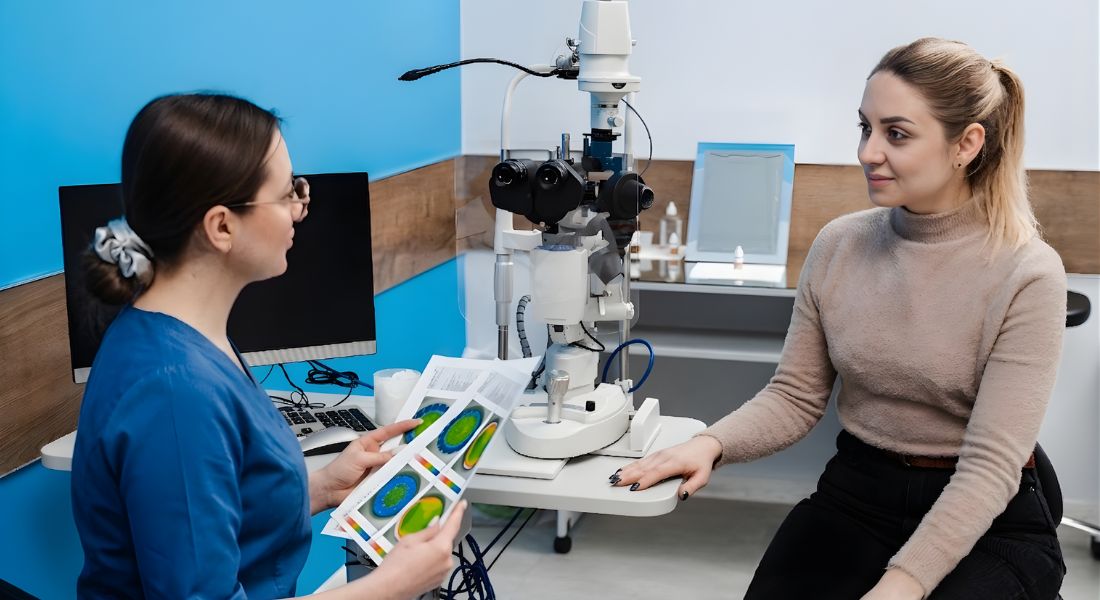
Regular post-operative appointments are an important part of your recovery after RLE surgery. These visits allow your clinician to monitor how your eyes and brain are adapting to the new lens and to track your overall visual progress. They also give you the chance to ask questions and discuss any concerns you may have about your vision.
Early detection and intervention for minor issues like small fluctuations in focus, glare, or dryness help ensure long-term success. Addressing these concerns promptly can prevent complications and make your adaptation period smoother. Your eye specialist may also check the positioning of the lens and the health of surrounding eye structures during these visits.
Following the guidance and recommendations of your eye care team supports a safe and efficient recovery. Most patients find that attending scheduled follow-ups gives peace of mind and helps their brain adapt more confidently to the new visual system. Consistent monitoring ensures that your vision remains clear, comfortable, and reliable over time.
Long-Term Focus Outcomes
Once your brain fully adapts after RLE surgery, focusing across multiple distances feels completely natural. You no longer need to consciously think about which image to prioritise your visual system handles it automatically. This seamless integration allows you to perform everyday tasks comfortably, from reading and computer work to driving and enjoying outdoor activities.
Vision becomes stable, clear, and reliable, giving you confidence in your ability to see well throughout the day. Most patients report that after the adaptation period, tasks that initially felt challenging become effortless. The combination of the artificial lens and neuroadaptation ensures that your eyes and brain work together efficiently.
This long-term clarity is one of the main benefits of RLE surgery with modern lenses. By replacing the natural lens with a carefully customised intraocular lens, you gain functional vision that can remain effective for many years. Understanding this outcome helps patients feel confident in their decision to undergo the procedure and in the long-term stability of their new vision.
FAQs:
- How does focusing change after RLE surgery?
After RLE, your natural lens is replaced with an artificial lens, which cannot change shape like the original lens. This means accommodation your eye’s ability to focus at different distances no longer occurs naturally. Instead, your brain learns to prioritise images from the lens, particularly with multifocal or extended depth-of-focus lenses. Over time, neuroadaptation helps focus feel effortless across distances. - Do I need glasses after RLE surgery?
Glasses dependence depends on the lens type you choose. Monofocal lenses usually require glasses for near tasks, while multifocal or extended depth-of-focus lenses reduce the need for correction. Some patients may still need occasional glasses for specific activities. Understanding your lens choice helps set realistic expectations. - Why is near vision challenging initially?
Near vision can feel blurred at first because your brain is learning to select the correct focal point from the artificial lens. Multifocal lenses help, but adaptation takes time and consistent use. Monofocal lenses generally require reading glasses for close-up tasks. Gradually, the brain adjusts, and near vision becomes clearer. - How long does neuroadaptation take after RLE?
Neuroadaptation varies between individuals. Most patients notice improvements within a few weeks, while complete adjustment may take several months. Factors such as age, lifestyle, and previous visual habits affect the timeline. Patience and regular visual activity support faster adaptation. - Are halos and glare normal after RLE?
Yes, halos, glare, and ghosting are common, especially with multifocal lenses. They occur because light is split across multiple focal points and the brain is still learning to prioritise images. These effects are usually temporary and reduce with regular use. - How does lighting affect focus after surgery?
Bright or dim lighting can temporarily make halos, glare, or blur more noticeable. Your brain gradually adapts to different lighting conditions, improving visual comfort. Using your eyes in varied lighting helps the adaptation process. - Can dry eyes affect focusing after RLE?
Yes, dry eyes can cause temporary fluctuations in vision, especially for near or intermediate tasks. Prescribed artificial tears and following aftercare instructions help manage this. Most patients see improvement as their eyes and brain adapt. - What is the role of intermediate vision after RLE?
Intermediate vision, used for tasks like computer work or cooking, may initially feel unclear depending on your lens type. Your brain learns to select the correct focal point over time. Adjusting screen distance or posture temporarily can help. Eventually, intermediate vision becomes natural and comfortable. - Will my depth perception change after RLE?
Depth perception can feel slightly altered at first because your brain needs to integrate images from the new lens. This may affect tasks like pouring liquids or reaching for objects. With consistent practice, depth perception improves and becomes reliable. - How can I support my visual adaptation?
Engaging in daily visual tasks, using your eyes normally, and following aftercare instructions all help adaptation. Taking breaks and maintaining proper lighting reduces eye strain. Regular follow-ups with your clinician ensure any concerns are addressed early, supporting smooth recovery.
Final Thoughts: Adjusting to Your New Vision
Adjusting to focus after RLE surgery is a unique journey for every patient, as your eyes and brain learn to work with an artificial lens instead of your natural one. Unlike the original lens, which flexes to accommodate near and far objects, artificial lenses provide fixed or multiple focal points. This shift means your brain gradually learns to prioritise the correct image depending on the task, whether it’s reading a book, working at a computer, or seeing distant objects clearly. Understanding this process helps set realistic expectations and reduces frustration during the early adaptation period.
Near, intermediate, and distance vision each require a short adjustment phase, particularly if you choose multifocal or extended depth-of-focus lenses. Initial blur, halos, or ghosting are common but temporary, as neuroadaptation allows your brain to filter and interpret the new visual signals effectively. Supporting your vision through normal daily activities, maintaining proper lighting, and following your clinician’s aftercare advice can accelerate this adaptation, making your visual experience more comfortable and natural over time.
Ultimately, most patients enjoy stable and clear vision across all distances once adaptation is complete. Whether your goal is reduced dependence on glasses, sharper distance vision, or comfortable intermediate focus, the key is patience and consistent use of your lenses. If you’d like to find out whether RLE surgery in London is suitable for you, feel free to contact us at Eye Clinic London to arrange a consultation.
References:
- Iribarren, R., Morgan, I.G., Nangia, V. & Jonas, J.B. (2012) ‘Crystalline lens power and refractive error’, Investigative Ophthalmology & Visual Science, 53(2), pp.543–550. https://pubmed.ncbi.nlm.nih.gov/22199240/
- Nagyova, D., Tappeiner, C., Blaha, A., Goldblum, D. & Kyroudis, D. (2025). Visual outcomes and patient satisfaction with extended monovision an innovative strategy to achieve spectacle independence in refractive lens exchange. Journal of Clinical Medicine, 14(16), p.5684. https://www.mdpi.com/2077-0383/14/16/5684
- Wang, B., Yang, R., Wen, P., Guan, Z., Tong, Y., Qiao, Z. & Jiang, H. (2026) ‘Additive manufacturing based polymer compounded refractive lenses for X‑ray focusing at synchrotron light sources’, Photonics, 13(4), p.341. https://www.mdpi.com/2304-6732/13/4/341
- Pérez‑Cambrodí, R.J., Piñero, D.P., Ferrer‑Blasco, T., Cerviño, A. & Brautaset, R. (2013) ‘The posterior chamber phakic refractive lens (PRL): a review’, Eye (London), 27(1), pp. 14–21. https://pubmed.ncbi.nlm.nih.gov/23222559/
- Hannan, S.J., Schallhorn, S.C., Venter, J.A., Teenan, D. & Schallhorn, J.M. (2023) ‘Immediate sequential bilateral surgery in refractive lens exchange patients: clinical outcomes and adverse events’, Ophthalmology, 130(9), pp. 924–936. https://www.sciencedirect.com/science/article/pii/S0161642023002798