


Floaters After LASIK Surgery: Causes, Risks, and When to Worry

Noticing new floaters after LASIK surgery can be unsettling. You may suddenly see small dots, threads, or cobweb-like shapes drifting across your vision and worry that something has gone wrong. Because LASIK involves the eyes, it’s natural to question whether the procedure is responsible.
In most cases, floaters appearing after LASIK are coincidental rather than caused by the surgery itself. However, the timing can make them feel alarming, especially if you weren’t aware of floaters before treatment.
In this article, I’ll explain why floaters can become noticeable after LASIK, whether the surgery actually causes them, what changes are considered normal, and when further retinal assessment is important. Understanding the difference can help reduce anxiety and ensure your eyes are properly checked when needed.
What Are Eye Floaters?
Floaters are tiny clumps of collagen or cellular material that form within the vitreous, the gel-like substance inside the eye. When light enters the eye, these clumps cast shadows on the retina, which you perceive as moving shapes in your vision.
They can appear as dots, strands, squiggles, or translucent blobs. Floaters move with your eye movements and often drift out of focus when you try to look directly at them. Most floaters are harmless and extremely common, particularly as people age. They rarely indicate a serious problem but can be noticeable and sometimes bothersome.
For most people, floaters do not require treatment. Awareness and monitoring are usually sufficient unless changes occur.
Why Floaters Seem More Noticeable After LASIK
Floaters may appear more obvious after LASIK because vision becomes sharper and clearer. Pre-existing floaters that were previously unnoticed can suddenly stand out in a clearer visual field.
Before surgery, blurriness from refractive errors can mask these small visual disturbances. After LASIK, improved clarity makes floaters easier to detect. This can give the impression that new floaters have appeared.
In reality, most floaters were always present but less noticeable. LASIK simply changes how clearly you see them, highlighting what was previously subtle.
Awareness of this effect can help patients understand that sharper vision can make floaters more visible without indicating a new problem.
Does LASIK Surgery Actually Cause Floaters?
Many patients worry that LASIK surgery might lead to the development of floaters, but research and clinical experience show that this is not the case. LASIK works by reshaping the cornea at the front of the eye and does not affect the vitreous gel or retina at the back. Understanding how floaters arise helps separate common misconceptions from actual surgical risks.
Key points include:
- LASIK affects the cornea, not the vitreous: The procedure reshapes the front surface of the eye to correct refractive errors. It does not interact with the vitreous gel or the retina, where floaters originate.
- How floaters actually occur: Floaters result from natural changes within the vitreous gel, such as collagen clumping or gradual vitreous detachment. LASIK has no role in triggering these changes.
- Timing can create confusion: LASIK is often performed in adulthood, which coincides with the age when floaters naturally begin to appear. Patients may notice new floaters around the same time as surgery, leading to the mistaken belief that LASIK caused them.
By understanding the underlying causes of floaters, patients can approach LASIK with confidence, knowing that the procedure itself does not create or increase them.
The Role of Age and Natural Eye Changes

Floaters often develop as part of the natural ageing process. Over time, the vitreous gel in the eye slowly liquefies and shrinks, causing collagen fibres to clump together and form floaters.
This process can begin in early adulthood and becomes more common with age. Many LASIK patients fall within the age range when floaters naturally start appearing.
LASIK improves visual clarity, which can make these naturally occurring floaters more noticeable. Patients may perceive them for the first time after surgery, even though they existed beforehand.
Understanding that floaters are a normal age-related change helps set realistic expectations. Awareness, rather than intervention, is usually sufficient for managing them.
Stress and Heightened Visual Awareness After Surgery
After LASIK, patients often monitor their vision closely during the recovery period. This heightened attention can make minor visual changes, such as floaters, feel more prominent than before.
Anxiety or concern about healing may amplify this perception. Small floaters that were previously ignored can suddenly become noticeable and draw more focus.
This increased awareness does not mean that the floaters are worsening or new. It simply reflects the brain’s attention to visual details during a period of adjustment.
Understanding this effect can help patients remain calm and patient during recovery. Most floaters continue to behave as they did before surgery, even if they seem more obvious.
When Floaters Are Considered Normal
Floaters are small, shadowy shapes that drift across your vision and are common as we age. Most floaters are benign, particularly if they are stable and not accompanied by other symptoms. Understanding what constitutes “normal” floaters can help reduce unnecessary worry and ensure appropriate monitoring.
Key signs of normal floaters include:
- Smooth movement with eye motion: Typical floaters shift gradually as you move your eyes and do not appear suddenly or erratically. This smooth motion is a sign that they are simply small particles in the vitreous gel.
- More visible against bright backgrounds: Floaters are often noticed when looking at clear skies, white walls, or bright screens. Their visibility in such conditions is normal and does not indicate eye disease.
- Stable in number and appearance: Normal floaters do not increase rapidly, change shape dramatically, or multiply quickly over a short period. Any sudden increase should be assessed promptly.
- Minimal effect on central vision: Most floaters do not interfere with the area of vision used for detailed tasks like reading or driving. They tend to drift out of the central line of sight and become less noticeable over time.
In these cases, reassurance, regular eye check-ups, and monitoring are usually sufficient, as the brain often adapts and floaters become less intrusive with time.
Sudden Increase in Floaters: When to Pay Attention
A sudden surge in the number of floaters should never be ignored. While often harmless, it can sometimes indicate changes in the vitreous or retina that require attention.
A rapid increase in floaters may signal a vitreous detachment, which is common but still warrants evaluation. In rarer cases, it could be associated with retinal tears or other serious retinal issues. Prompt assessment by an eye care professional helps identify any problems early. Early detection is key to preventing potential complications and protecting vision.
Being vigilant about sudden changes ensures that patients receive timely care. Even though most floaters are benign, sudden increases should always be checked promptly.
Flashes of Light and Floaters

If floaters appear alongside flashes of light, it requires urgent medical attention. Flashes can indicate traction on the retina, which may lead to more serious complications if left untreated.
This does not mean LASIK caused the issue, but the timing can coincide with natural changes in the vitreous gel. Flashes often appear as brief flickers or lightning-like streaks in peripheral vision.
Any combination of new floaters and flashes should be evaluated promptly by an eye specialist. Early assessment helps detect retinal tears or detachments before they cause permanent vision problems. Timely intervention is critical for protecting long-term eye health.
Retinal Detachment: Rare but Serious
Retinal detachment is uncommon but requires urgent medical attention when it occurs. LASIK does not cause retinal detachment, though patients who were highly myopic before surgery may have a slightly higher baseline risk.
Symptoms can include a curtain-like shadow over part of the vision, sudden loss of vision, or a dramatic increase in floaters and flashes. Recognising these warning signs promptly is essential for timely treatment.
This is why thorough retinal screening before and after refractive surgery is so important. Early detection allows intervention that can prevent permanent vision loss.
Being aware of the signs and seeking immediate care ensures that even rare complications are managed effectively. Proactive monitoring protects long-term visual health.
Why Myopic Patients May Notice Floaters More
People who were short-sighted (myopic) before LASIK often have longer eyes, which makes them more prone to vitreous changes as they age. These natural changes can lead to the appearance of floaters over time.
This does not mean that LASIK increases the risk of floaters, but it explains why some patients become more aware of them around the time of surgery. Understanding this distinction helps prevent unnecessary fear or misplaced blame on the procedure.
Being informed about the natural tendencies of myopic eyes allows patients to interpret visual changes more calmly. Awareness ensures that floaters are seen in context rather than as a surgical complication.
Ultimately, recognising the link between myopia and floaters supports realistic expectations and peace of mind after LASIK.
How Floaters Are Assessed After LASIK
If you notice new floaters following LASIK, your eye clinic will take them seriously and perform a thorough assessment to ensure your retina remains healthy. Although LASIK does not cause floaters, evaluating changes in your vision helps rule out other eye conditions. Early assessment provides peace of mind and ensures any potential issues are addressed promptly.
Key steps in floater assessment include:
- Dilated retinal examination: The ophthalmologist will use dilating drops to widen your pupils, allowing a clear view of the retina and vitreous. This enables careful inspection for any tears, detachments, or abnormalities that might require treatment.
- Retinal imaging if needed: In some cases, imaging techniques such as OCT (optical coherence tomography) or fundus photography may be used. These provide detailed images of the retina and vitreous, helping to identify weak areas or changes that aren’t visible during a standard exam.
- Precautionary reassurance: Most assessments after LASIK confirm that floaters are harmless and part of normal ageing or natural vitreous changes. Patients typically leave reassured, knowing their eyes have been carefully evaluated.
By following this assessment process, clinics ensure that any new visual changes are investigated safely, helping patients feel informed and secure about their eye health.
Can Floaters Be Treated?
In most cases, floaters do not require any treatment. Over time, the brain naturally adapts and learns to ignore them, making them far less noticeable in daily life.
Treatment is only considered if floaters are severe and significantly interfere with vision or quality of life, which is uncommon. Even in these cases, options such as laser vitreolysis or vitrectomy are approached cautiously due to potential risks.
For the vast majority of patients, reassurance and patience are sufficient. Monitoring for sudden changes or new symptoms ensures safety while allowing natural adaptation to occur.
Understanding that floaters are generally harmless helps reduce anxiety. Most people find that they become a minor, often unnoticeable part of vision over time.
Why LASIK Is Often Blamed Unfairly
LASIK is a highly noticeable event in a patient’s eye health journey. Any visual changes that occur afterward can naturally be attributed to the surgery.
However, correlation does not imply causation. Most floaters that appear after LASIK are actually part of the normal ageing process of the vitreous gel, not a complication from the procedure.
Understanding this distinction helps reduce unnecessary anxiety and regret. Patients can appreciate that changes in vision are often unrelated to surgery.
Being informed allows for a calmer, more realistic perspective on post-LASIK visual experiences. Awareness supports peace of mind and confidence in the procedure.
How to Protect Your Retinal Health After LASIK
Routine eye examinations remain important even after LASIK, particularly for patients who were previously myopic. Regular check-ups help monitor retinal health and detect any changes early, before they become serious.
Reporting new symptoms, such as sudden floaters or flashes, promptly allows for timely assessment and intervention. Staying informed about your eyes helps you respond appropriately without unnecessary worry.
While LASIK can significantly improve vision, maintaining long-term eye health still requires ongoing care and vigilance. Proactive monitoring supports both safety and sustained visual quality.
Ultimately, combining clear vision with attentive retinal care ensures the best outcomes. Regular follow-ups and awareness of changes are key to preserving lifelong eye health.
When to Contact Your Clinic Immediately
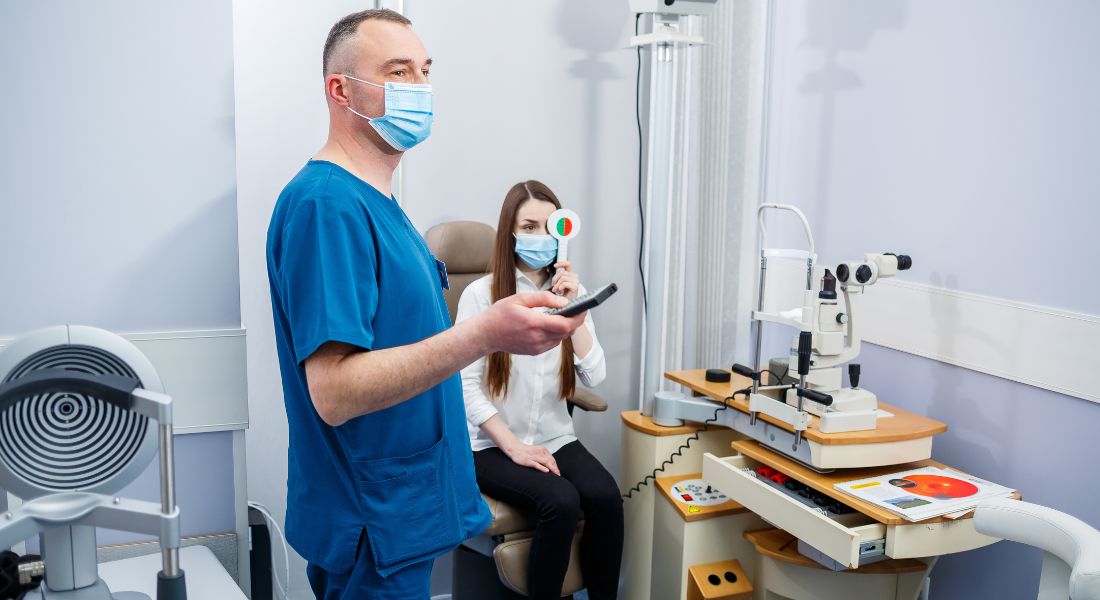
While most floaters after LASIK are harmless, certain sudden changes in vision can signal a serious problem that requires prompt attention. Recognising warning signs and contacting your eye clinic immediately can prevent complications and protect your vision. Early evaluation is key to ensuring that any issues are addressed quickly and safely.
Key symptoms that warrant urgent attention include:
- A sudden shower of new floaters: Experiencing a rapid increase in the number of floaters can indicate changes in the vitreous or retina. Prompt assessment is necessary to rule out retinal tears or detachment.
- Flashes of light: Flashes, especially when new or persistent, may signal traction on the retina. Immediate examination helps ensure any potential retinal issues are treated before they worsen.
- A shadow or curtain in your vision: Seeing a dark curtain or shadow over part of your visual field can be a warning sign of retinal detachment. This is an emergency, and timely intervention can prevent permanent vision loss.
- Sudden reduction in vision: Any abrupt decrease in vision, whether partial or complete, should be reported immediately. Rapid evaluation allows your ophthalmologist to identify the cause and act quickly if necessary.
Although these symptoms are uncommon, contacting your clinic without delay ensures that your retinal health is protected and gives you reassurance that appropriate care is being provided.
FAQs:
- Can LASIK surgery cause floaters to appear?
LASIK surgery itself does not cause floaters because the procedure only reshapes the cornea at the front of the eye and does not interact with the vitreous gel or retina, where floaters originate. Many patients notice floaters around the time of LASIK simply because the procedure improves visual clarity, making pre-existing floaters more noticeable. - Why do floaters seem more noticeable after LASIK?
After LASIK, vision becomes sharper and clearer, which can highlight floaters that were always present but previously unnoticed due to refractive blurriness. This increase in awareness is normal and does not indicate that new floaters have developed or that the surgery caused them. - What are eye floaters and how do they form?
Floaters are small clumps of collagen or cellular material that form within the vitreous, the gel-like substance inside the eye. When light passes through the eye, these clumps cast shadows on the retina, which appear as drifting dots, threads, or cobweb-like shapes in vision. Most floaters are harmless and develop naturally with age. - How does age influence the development of floaters?
As people age, the vitreous gel gradually liquefies and shrinks, causing collagen fibres to clump together and form floaters. This process can start in early adulthood and becomes more common with advancing age, which explains why many LASIK patients first notice floaters around the time of surgery. - When should new floaters after LASIK be evaluated?
While most floaters are harmless, a sudden increase in their number, the appearance of flashes of light, or any shadow or curtain in vision should be assessed promptly. These changes can indicate vitreous detachment, retinal tears, or detachment, and early evaluation by an eye specialist is essential to protect vision. - What is the significance of flashes of light with floaters?
Flashes of light, particularly when accompanied by new floaters, can signal traction on the retina and may precede serious complications like retinal tears. Even though LASIK does not cause these changes, their sudden onset requires immediate medical attention to prevent potential vision loss. - Are myopic patients more likely to notice floaters after LASIK?
Patients who were highly myopic before LASIK often have longer eyes, making them more prone to age-related vitreous changes and floaters. LASIK does not increase the risk of floaters, but these patients may simply become more aware of them around the time of surgery due to improved visual clarity. - How are floaters assessed after LASIK surgery?
Assessment typically involves a dilated retinal examination to allow a clear view of the vitreous and retina. In some cases, retinal imaging such as OCT or fundus photography may be used to detect subtle changes or weaknesses in the retina. Most evaluations confirm that floaters are harmless, providing reassurance and ensuring any potential issues are addressed early. - Can floaters be treated if they are bothersome?
Most floaters do not require treatment because the brain gradually adapts and learns to ignore them. Treatment options such as laser vitreolysis or vitrectomy exist but are rarely necessary and carry their own risks. Patience, monitoring, and awareness are usually sufficient for managing floaters effectively. - How can patients protect their retinal health after LASIK?
Even after LASIK, routine eye examinations remain important, especially for patients who were myopic. Reporting new floaters, flashes, or visual shadows promptly allows early assessment and intervention if needed. Combining clear vision from LASIK with ongoing retinal care helps maintain long-term eye health and ensures that any changes are detected and treated in a timely manner.
Final Thoughts: Understanding Floaters After LASIK
Noticing floaters after LASIK can be unsettling, but they are usually unrelated to the surgery. Most floaters are natural age-related changes, made more visible by the clearer vision LASIK provides. Sudden increases, flashes, or shadows should still be checked promptly by an eye specialist. If you’d like to find out whether lasik surgery in London is suitable for you, feel free to contact us at Eye Clinic London to arrange a consultation.
References:
- Alio, J.L., et al. (2020) ‘Laser-Assisted In Situ Keratomileusis Enhancement: Causes, Management, and Visual Outcomes’, Journal of Clinical Medicine, 11(16), p. 4832. https://www.mdpi.com/2077-0383/11/16/4832
- Moshirfar, M., et al. (2025) Refractive Surgery: Current Practice and Future Trends, Journal of Clinical Medicine. https://www.mdpi.com/journal/jcm/special_issues/refractive_surgery
- Moshirfar, M., Bennett, P., & Ronquillo, Y. (2025) ‘Laser In Situ Keratomileusis (LASIK)’, StatPearls, PubMed. https://pubmed.ncbi.nlm.nih.gov/32310430/
- Almutairi, M.N., et al. (2025) ‘Meta-analysis: Clinical Outcomes of LASIK vs PRK in Hyperopia’, BMC Ophthalmology. https://pubmed.ncbi.nlm.nih.gov/40102791/
- Modern LASIK Outcomes Group (2016) ‘Modern laser in situ keratomileusis outcomes’, Journal of Cataract & Refractive Surgery. https://www.sciencedirect.com/science/article/abs/pii/S0886335016302346