


When Is an Eyelid Lump Something More Serious?
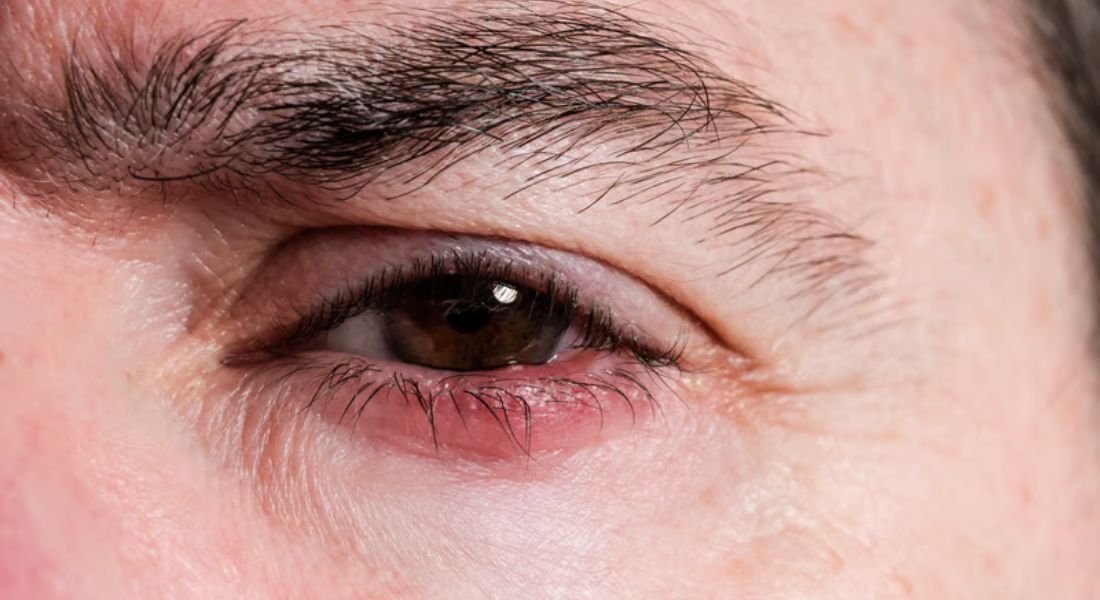
Finding a lump on your eyelid can be worrying, particularly if it appears suddenly, grows quickly, or doesn’t go away over time. Most eyelid lumps are harmless, often caused by blocked glands or mild infections, and usually improve with simple care such as warm compresses or gentle massage.
That said, persistent or unusual lumps should never be ignored. Lumps that are firm, bleed, cause significant redness, or are painful may indicate something more serious and need specialist assessment. Early recognition of these warning signs is key to protecting your eye health.
Many common eyelid lumps develop gradually and may change in size over days or weeks. Even if initially painless, any lump that fails to settle or recurs warrants professional evaluation to rule out more serious conditions.
Being vigilant about changes in your eyelid gives you peace of mind and ensures timely care. Prompt assessment allows any underlying issues to be identified quickly, treatment started when necessary, and long-term vision and comfort preserved.
Common Causes of Eyelid Lumps
Finding a lump on your eyelid can be worrying, especially if it appears suddenly, grows quickly, or doesn’t go away. Most lumps are harmless, often caused by blocked glands or minor infections, and usually improve with simple care like warm compresses or gentle massage.
Persistent or unusual lumps should not be ignored. Firmness, bleeding, significant redness, or pain can indicate something more serious and require specialist assessment. Early recognition of these signs is important for protecting your eye health.
Even lumps that develop gradually and are initially painless should be monitored. Any that fail to settle or keep recurring warrants professional evaluation to rule out more serious conditions and ensure long-term vision and comfort.
Benign Eyelid Conditions
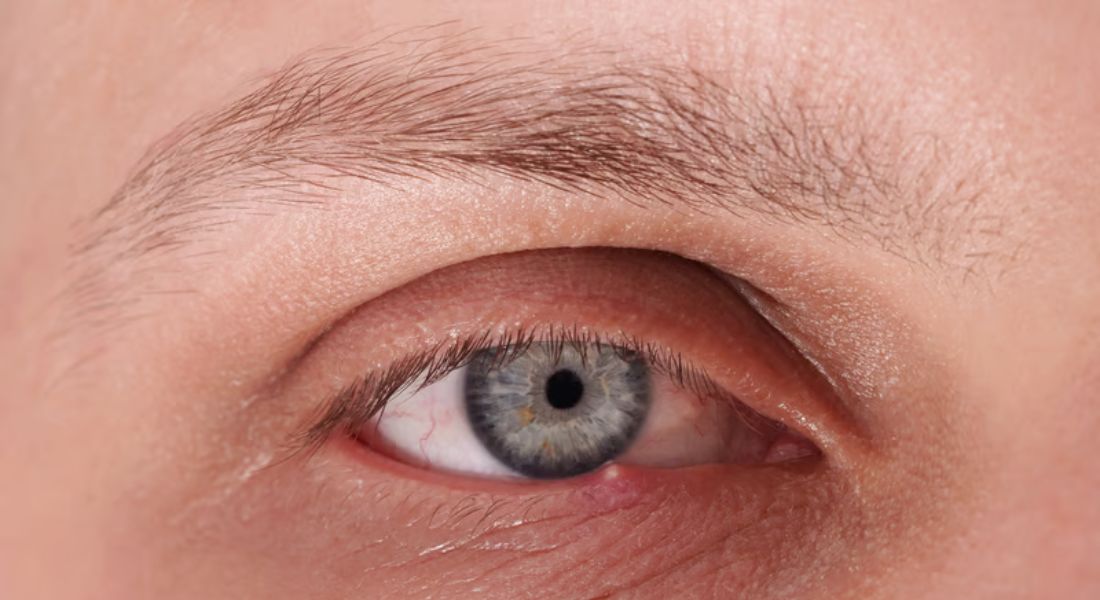
Finding a lump on your eyelid can feel alarming, especially if it appears suddenly, grows quickly, or doesn’t go away over time. Most eyelid lumps are harmless, often caused by blocked glands or minor infections, and typically improve with simple care such as warm compresses, gentle massage, or careful eyelid hygiene. Knowing what’s normal can help reduce worry, but paying attention to changes is important.
Persistent or unusual lumps should never be ignored. Signs like firmness, bleeding, significant redness, or pain may indicate a more serious issue and require prompt specialist assessment. Early recognition of these warning signs is crucial, as timely evaluation helps protect your eye health and prevents potential complications.
Even lumps that develop slowly and are initially painless should be monitored closely. Any that fail to settle, change in size, or recur over time warrants professional evaluation. This ensures that more serious conditions are ruled out quickly, treatment is started when necessary, and long-term vision and eyelid comfort are maintained.
Why Some Lumps Need Investigation
Occasionally, an eyelid lump may signal a more serious condition, including certain types of skin cancer that can develop on the delicate eyelid tissue. Early detection is crucial, as it greatly improves treatment outcomes and can prevent more extensive procedures later on. Even lumps that seem minor at first may hide underlying issues, making vigilance important.
Serious eyelid conditions often develop slowly and without causing pain, which is why they can easily be overlooked. Unlike typical blocked-gland lumps, these may persist, grow steadily, or change in texture over time. Any lump that fails to resolve, recurs frequently, or behaves unusually warrants careful evaluation by a specialist.
A specialist assessment allows clinicians to distinguish harmless lumps from those requiring further attention. This often involves a detailed examination of the eyelid, and in some cases, imaging, biopsy, or other diagnostic tests may be used. Accurate diagnosis ensures you receive the right treatment promptly and reduces the risk of complications, supporting both eye health and overall peace of mind.
Lumps That Do Not Go Away
While most eyelid lumps are harmless, occasionally they may signal a more serious condition, including certain types of skin cancer that develop on the delicate eyelid tissue. Early detection is vital, as it significantly improves treatment outcomes and can prevent the need for more extensive procedures later on. Even lumps that appear minor at first may hide underlying issues, making careful observation and prompt evaluation essential for long-term eye health and overall peace of mind.
- Slow-growing or persistent lumps: Serious eyelid conditions often progress slowly and without causing any pain, which is why they can easily be overlooked. Any lump that remains present for several weeks or months without improvement should be assessed by a specialist to rule out more concerning causes. Early review increases the chance of timely intervention and better outcomes.
- Changes in texture or appearance: Unlike typical blocked-gland lumps, concerning lumps may alter in firmness, colour, or surface texture over time. Steady growth, irregular contours, or areas that feel unusually firm are warning signs that require professional evaluation. Noticing subtle changes early can make a significant difference in management and recovery.
- Frequent recurrence: Lumps that return repeatedly despite treatment may indicate an underlying condition beyond a simple chalazion. Persistent or recurrent lesions require careful assessment to ensure they are not masking a more serious issue, allowing the clinician to tailor the appropriate next steps.
- Specialist assessment and diagnostics: A specialist can conduct a thorough eyelid examination, and if necessary, use imaging or a biopsy to determine the exact nature of the lump. Accurate diagnosis ensures the right treatment plan is implemented promptly, reducing the risk of complications and improving long-term outcomes.
- Peace of mind and safety: Early evaluation provides reassurance that your eye health is being carefully monitored. Knowing that a specialist has examined the lump and taken appropriate measures can significantly reduce anxiety, while ensuring any concerning findings are addressed quickly and effectively.
Careful observation and timely specialist review are key to distinguishing harmless lumps from those requiring intervention. Acting promptly ensures you receive the correct treatment, minimises complications, and preserves both the health and appearance of your eyelid. Regular follow-up and awareness of changes help maintain confidence and safety over time.
Changes in Size or Appearance
Changes in the size or appearance of an eyelid lump are key signals that it may need further evaluation. Rapid growth is particularly concerning, and any sudden enlargement should prompt prompt assessment by a specialist to ensure nothing serious is overlooked. Even small but noticeable changes over time can be important.
Colour changes are another warning sign to watch for. Darkening, uneven pigmentation, or unusual tones can indicate more serious underlying issues. In such cases, a biopsy or other diagnostic tests may be recommended to determine the exact nature of the lump.
Shape and border changes also matter. Lumps that develop irregular edges, uneven surfaces, or asymmetry should be evaluated promptly. While a stable lump that remains unchanged is usually reassuring, any change in appearance whether in size, colour, or contour warrants professional assessment to protect both eye health and long-term vision.
Bleeding or Crusting
Bleeding from an eyelid lump should never be ignored. While minor irritation can occasionally cause temporary bleeding, repeated or persistent episodes are unusual and always warrant specialist evaluation.
Crusting or ulceration is another red flag. These changes may indicate abnormal tissue growth, and in some cases can be associated with skin cancers of the eyelid. Early assessment is crucial to identify and treat any serious conditions promptly.
Lumps that repeatedly break down or fail to heal predictably are also concerning. Normal lesions usually follow a steady healing pattern, so delayed or inconsistent healing should prompt professional review to ensure proper diagnosis and management.
Loss of Eyelashes
follicles remain intact, so when lashes are missing, it may suggest that the lump is affecting deeper tissue or the underlying structures of the eyelid.
This sign can be subtle and easy to miss, which is why a careful examination by a specialist is important. Eye care professionals often look specifically for eyelash involvement when assessing eyelid lumps, as it can provide valuable clues about the nature of the lesion.
Although eyelash loss alone does not confirm a serious condition, it does raise concern. When this feature is present, further evaluation is usually recommended to ensure an accurate diagnosis and to guide timely and appropriate treatment.
Distortion of the Eyelid
An eyelid lump that distorts the natural shape of the eyelid should never be overlooked. The eyelid’s structure is essential for protecting the eye, and even subtle changes can affect its ability to blink properly and shield the eye from debris and injury.
Larger or more prominent lesions can physically prevent the eyelid from closing fully, leading to dryness, irritation, or increased risk of corneal problems. When eyelid function is affected, timely treatment is important to prevent further complications and maintain eye comfort.
Structural distortion may also indicate that the lump involves deeper tissues or underlying layers of the eyelid. A specialist assessment helps clarify the cause, ensures accurate diagnosis, and guides treatment to restore both normal anatomy and proper eyelid function.
Pain That Does Not Improve
Persistent pain in an eyelid lump can be a warning sign that something more than a simple blockage or minor inflammation is occurring. Most painful lumps are related to infection or inflammation and improve with standard treatment, but when discomfort continues beyond the expected timeframe, it warrants careful reassessment. Paying attention to ongoing pain ensures that any underlying issues are addressed promptly, preventing complications and supporting proper healing.
- Infection or inflammation: Painful lumps are often caused by local infection or inflammation, which usually respond well to treatment such as warm compresses, antibiotic ointments, or minor surgical intervention. Persistent pain after these measures may indicate that the problem is deeper or more complex than initially thought.
- Deeper tissue involvement: Ongoing discomfort can sometimes suggest involvement of deeper eyelid tissues or surrounding structures. This is less common for typical chalazia, so persistent pain should prompt further evaluation to rule out atypical infections, cysts, or other conditions.
- Pain alone is not always serious: While pain does not automatically mean a serious condition, failure to improve is a red flag. Monitoring the pattern, intensity, and duration of discomfort is important to distinguish between routine post-procedure soreness and more concerning issues.
- Follow-up ensures appropriate care: Scheduling a timely follow-up allows a specialist to assess healing, review any additional symptoms, and decide if further intervention is needed. Prompt evaluation ensures that treatment is tailored correctly and recovery continues without delay.
- Patient awareness and proactive care: Being alert to changes in pain or discomfort helps you take control of your recovery. Reporting persistent pain early gives your clinician the best chance to identify problems before they worsen, keeping both the eyelid and your overall eye health safe.
Persistent eyelid pain should never be ignored. While most cases are minor and respond well to standard care, ongoing discomfort requires careful evaluation to ensure correct treatment, prevent complications, and support a smooth recovery.
Recurrent Eyelid Lumps
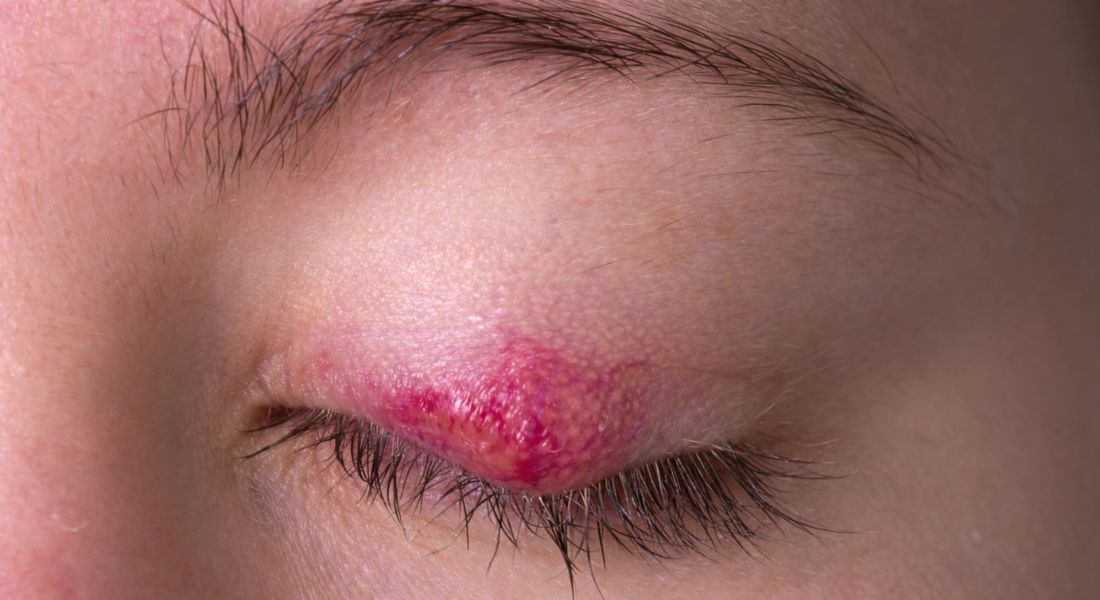
Some people develop repeated eyelid lumps in the same area, often due to underlying gland dysfunction. While this is usually benign, recurrence in a single spot still requires careful assessment to ensure nothing more serious is present.
Repeated inflammation can sometimes mask other conditions, so persistent or frequent lumps should be investigated. Specialist review helps rule out unusual causes and provides clarity on what is happening beneath the surface.
A thorough evaluation also allows for long-term management and preventive strategies. By addressing the underlying factors and following expert guidance, future recurrences can often be minimised, protecting both eyelid health and comfort.
Eyelid Lumps in Older Adults
Age can influence the likelihood that an eyelid lump is something more serious. Older adults have a higher risk of developing skin cancers on the eyelid, so persistent or unusual lumps always deserve careful evaluation.
Cumulative sun exposure over the years contributes to eyelid skin damage and increases the risk of malignancy. Even later in life, protecting the delicate eyelid skin from further UV damage remains important.
Early detection significantly improves treatment outcomes. Regular assessment and prompt specialist review of any persistent lumps are especially valuable in older adults, and age is an important factor in deciding how a lump should be managed.
Eyelid Lumps in Children
Most eyelid lumps in children are harmless, with blocked glands and minor infections being the most common causes. Serious conditions are rare, but it’s still important to be attentive to any changes.
Persistent lumps in children should be assessed by a specialist. Careful monitoring ensures the correct diagnosis and allows early treatment if needed, helping to prevent potential complications.
Parents should seek professional advice if a lump does not improve or shows changes in size, colour, or texture. A timely evaluation often provides reassurance and ensures the child’s eye health is maintained.
When Biopsy May Be Recommended
A biopsy involves taking a small sample of tissue from the eyelid lump for laboratory examination. This helps provide a definitive diagnosis and guides further treatment.
Biopsy is usually recommended when a lesion looks unusual, persists despite treatment, or shows suspicious features. The procedure is typically minor and can often be done under local anaesthetic.
Results from the biopsy help determine the most appropriate next steps. In most cases, the findings confirm a benign condition, offering reassurance and ensuring that any necessary treatment is accurately targeted.
Specialist Referral
A biopsy is a procedure in which a small sample of tissue is taken from an eyelid lump for detailed laboratory analysis. This allows the clinician to obtain a definitive diagnosis and plan the most appropriate treatment. While it may sound daunting, the procedure is usually minor, quick, and can often be performed under local anaesthetic, keeping discomfort minimal.
- Unusual appearance: Lumps that look different from typical chalazia such as irregular shape, colour changes, or firmness may prompt a biopsy. Examining the tissue ensures that any atypical features are accurately assessed.
- Persistence despite treatment: If a lump does not resolve after standard treatment, a biopsy helps rule out underlying conditions that might require a different approach. This ensures that persistent lesions are not left untreated.
- Suspicious features: Certain characteristics, such as rapid growth, ulceration, or recurrence, may suggest a more serious condition. Biopsy allows for early detection and intervention if needed.
- Minor procedure under local anaesthetic: Most biopsies are straightforward and performed under local anaesthetic. This keeps the procedure safe, comfortable, and convenient, with minimal recovery time.
- Definitive diagnosis and reassurance: Results from the laboratory confirm whether the lump is benign or requires further treatment. In most cases, the findings provide reassurance and ensure that any necessary care is precisely targeted.
A biopsy offers clarity and confidence, allowing both patient and clinician to proceed with the right plan. It is a safe, minor step that can prevent complications and ensure that eyelid lumps are managed appropriately and effectively.
Monitoring Versus Immediate Treatment

Some eyelid lumps can be safely monitored rather than treated immediately. Lesions that are stable and have typical, benign features often only require observation, with follow-up appointments to ensure they remain unchanged.
Immediate treatment may be advised if warning signs develop, such as rapid growth, pain, bleeding, or changes in colour or shape. Early intervention helps prevent complications and ensures the best outcome.
Your clinician will provide personalised guidance based on your specific situation. Monitoring is an active process, and regular check-ups are important to detect any changes promptly and maintain eye health.
Self-Examination and Awareness
Regular self-awareness of your eyelids can help detect changes early. By looking closely, you may notice subtle differences in size, colour, or shape, and early recognition often leads to better outcomes.
Taking photographs over time can be a useful way to track any changes. Comparing images can reveal growth or alterations that might be missed otherwise, supporting your clinician’s assessment.
However, self-examination should never replace professional care. If you’re unsure about any lump or change, consulting a specialist promptly provides reassurance and ensures the right evaluation and
Avoiding Unnecessary Worry
Most eyelid lumps are harmless and easily treatable. Understanding the common causes, such as blocked glands or minor infections, can help reduce unnecessary worry, and many resolve with simple care like warm compresses or gentle massage.
Maintaining balanced awareness is important. It’s unwise to ignore symptoms, but excessive anxiety is rarely helpful. Being informed gives perspective and helps you respond appropriately without panic.
Professional assessment provides clarity and peace of mind. An accurate diagnosis often confirms a benign condition, reduces stress, and reassures you that your eye health is being properly managed.
Conservative Treatment Options
Most eyelid lumps are harmless and usually treatable. Knowing the common causes—like blocked glands or minor infections can ease anxiety, and many lumps improve with simple care such as warm compresses or gentle massage.
Maintaining balanced awareness is important. While it’s unwise to ignore new or persistent lumps, excessive worry rarely helps. Understanding what to watch for gives perspective and helps you respond appropriately.
Seeing a specialist provides clarity and reassurance. An accurate diagnosis often confirms the lump is benign, reduces stress, and ensures your eye health is properly managed.
FAQs:
- What causes an eyelid lump?
Most eyelid lumps are benign and caused by blocked oil glands, minor infections, or cysts. Less commonly, they can signal more serious conditions such as skin cancers. - When should I worry about an eyelid lump?
Seek prompt assessment if a lump grows quickly, bleeds, changes colour or texture, recurs frequently, or causes persistent pain. - Can eyelid lumps go away on their own?
Some lumps, like small chalazia or styes, may resolve with warm compresses and gentle eyelid massage. Persistent lumps should always be evaluated. - Do eyelid lumps hurt?
Many benign lumps are painless. Pain, tenderness, or swelling can indicate infection or inflammation and may require treatment. - What is the role of a biopsy?
A biopsy involves taking a small tissue sample from the lump to confirm whether it is benign or requires further treatment. It is usually minor and performed under local anaesthetic. - Are children at risk of serious eyelid lumps?
Serious conditions are rare in children. Most lumps in children are harmless but persistent or changing lumps should still be assessed by a specialist. - Can eyelid lumps cause vision problems?
Lumps that distort the eyelid or press on the eye can cause temporary vision changes. Most benign lumps do not affect vision, but persistent swelling should be checked. - How can I monitor an eyelid lump at home?
Keep an eye on size, colour, shape, and any changes over time. Taking photos can help track subtle differences to share with your clinician. - What treatment options are available?
Treatment depends on the cause. Small or typical lumps may be monitored or treated conservatively with warm compresses, while persistent, recurrent, or suspicious lumps may require surgery or biopsy. - Can eyelid lumps recur after treatment?
Yes, particularly if there is an underlying gland dysfunction. Long-term eyelid hygiene and preventive care help reduce recurrence.
Final Thoughts on Managing Eyelid Lumps
Eyelid lumps can be worrying, but understanding what to watch for and when to seek specialist care makes all the difference. I’ve seen patients delay evaluation because a lump seemed minor, only to discover it required treatment. Staying vigilant about changes in size, colour, texture, or recurrence ensures you address potential issues before they escalate.
Monitoring at home is useful, but it never replaces professional assessment. Persistent pain, bleeding, crusting, or eyelid distortion are all reasons to book a review without delay. A specialist can provide accurate diagnosis, reassure you, and guide the most appropriate treatment pathway.
Prevention and follow-up matter just as much as treatment. Maintaining eyelid hygiene, protecting skin from UV exposure, and acting promptly at the first sign of change helps reduce recurrence and protects both comfort and long-term eye health. If you’d like to find out whether stye treatment London is suitable for you, feel free to contact us at Eye Clinic London to arrange a consultation.
References:
- Lubon, W., Lubon, M., Sarnat‑Kucharczyk, M., Dorecka, M. and Wyględowska‑Promieńska, D. (2025) Autoimmune Diseases of the Eyelid Skin: Molecular Pathways, Clinical Manifestations, and Therapeutic Insights, International Journal of Molecular Sciences https://www.mdpi.com/1422-0067/26/23/11730
- Gąsiorowski, K. (2024) Risk Factors for Orbital Invasion in Malignant Eyelid Tumors, Journal of Clinical Medicine,. https://www.mdpi.com/2077-0383/13/3/726
- Sun, M.T., Huang, S., Huilgol, S.C. and Selva, D. (2019) Eyelid lesions in general practice, Australian Journal of General Practice https://pubmed.ncbi.nlm.nih.gov/31370126/
- Stokkermans, T.J. and Prendes, M. (2025) Benign Eyelid Lesions, StatPearls [Internet]. PubMed. https://pubmed.ncbi.nlm.nih.gov/35881760/
- Mcleod, S.D. (2022) Keep an Eye on Chalazion, The Nurse Practitioner, https://www.sciencedirect.com/science/article/abs/pii/S1555415522002902