

Eye Problems in Premature Babies: When Is a Paediatric Ophthalmologist Needed?
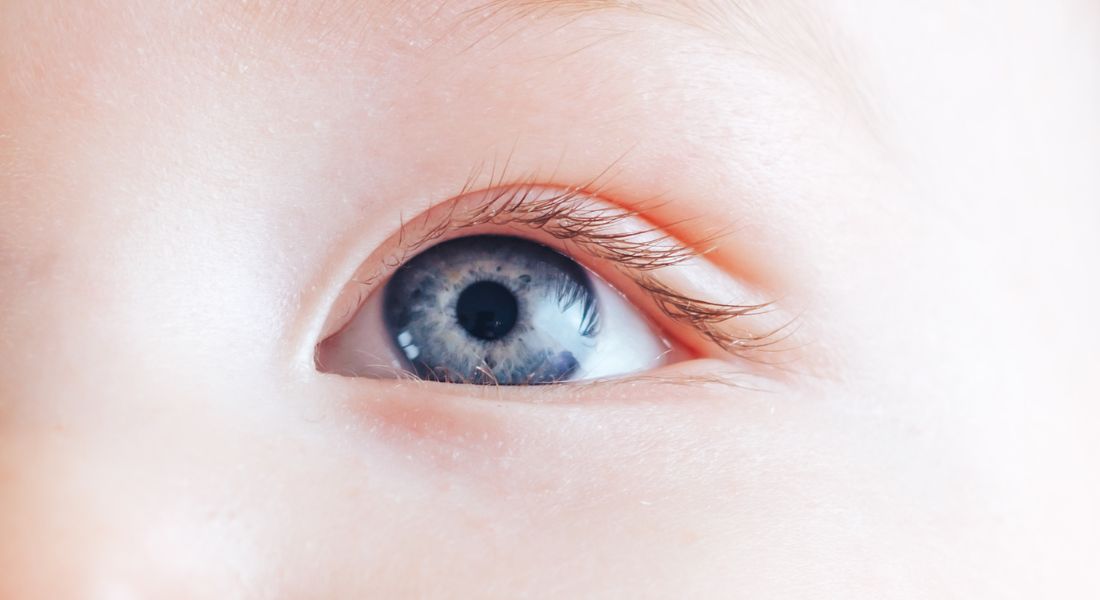
If your baby was born prematurely, you’re probably already familiar with how closely they need to be monitored during their first months of life. Premature birth affects almost every part of a baby’s development, and the eyes are no exception. While many premature babies grow up with completely healthy vision, they do face specific risks because their eyes were still developing at the time of birth. As a parent, it’s important to understand these risks, recognise signs that something may be wrong, and know when a specialist eye assessment is necessary.
You might already be attending regular health checks and developmental reviews, but vision can easily be overlooked because babies can’t tell you when something is blurry or difficult to see. That’s why early screening is so important, and why the involvement of an eye specialist can make a big difference in preventing long-term problems. If you’ve been told your premature baby needs eye examinations, or if you’re unsure whether they require specialist follow-up, this guide is here to bring you clarity and reassurance.
Why Premature Babies Face Higher Eye Health Risks
When a baby is born before 37 weeks of pregnancy, they’ve had less time for key developmental processes to take place. The eyes, in particular, undergo rapid growth during the final weeks of pregnancy. The retina, optic nerve, blood vessels, and visual pathways all continue to mature during this stage. When a baby arrives early, these structures are not yet fully formed.
This doesn’t mean that problems will definitely occur, but it does mean that premature babies are more vulnerable to certain conditions. In the early days after birth, premature babies often require oxygen support, incubator care, or other medical interventions. These are essential for survival, but they can sometimes influence how the eyes develop.
Prematurity itself does not automatically cause vision problems. Many premature babies grow up with perfectly normal eyesight. But the risk is higher, and early detection makes a significant difference.
How the Eyes Normally Develop in the Last Trimester
In the final months of pregnancy, a baby’s eyes go through some of their most critical stages of development. These changes are carefully timed to occur in the protected environment of the womb, where blood supply, oxygen levels, and growth signals remain stable. When a baby is born prematurely, this delicate process is interrupted, which can affect how the eyes and visual system mature.
- Retinal Development: The retina lines the back of the eye and captures light signals. In full-term infants, the retinal blood vessels finish developing shortly before birth. In premature infants, this development is still incomplete, leaving the retina more vulnerable.
- Optic Nerve Growth: The optic nerve carries visual information to the brain. Its maturation accelerates in the final trimester, especially between weeks 30 and 40.
- Visual Pathway Refinement: The brain’s visual processing centres form connections that allow babies to begin detecting shapes, contrast, and movement.
- Eyelid and Tear System Development: Some premature infants have difficulty producing tears or opening their eyelids fully at first, which can delay early visual function.
When a baby is born prematurely, all these processes are interrupted. This is why early screening and specialist oversight are so important.
The Most Common Eye Problems Seen in Premature Babies
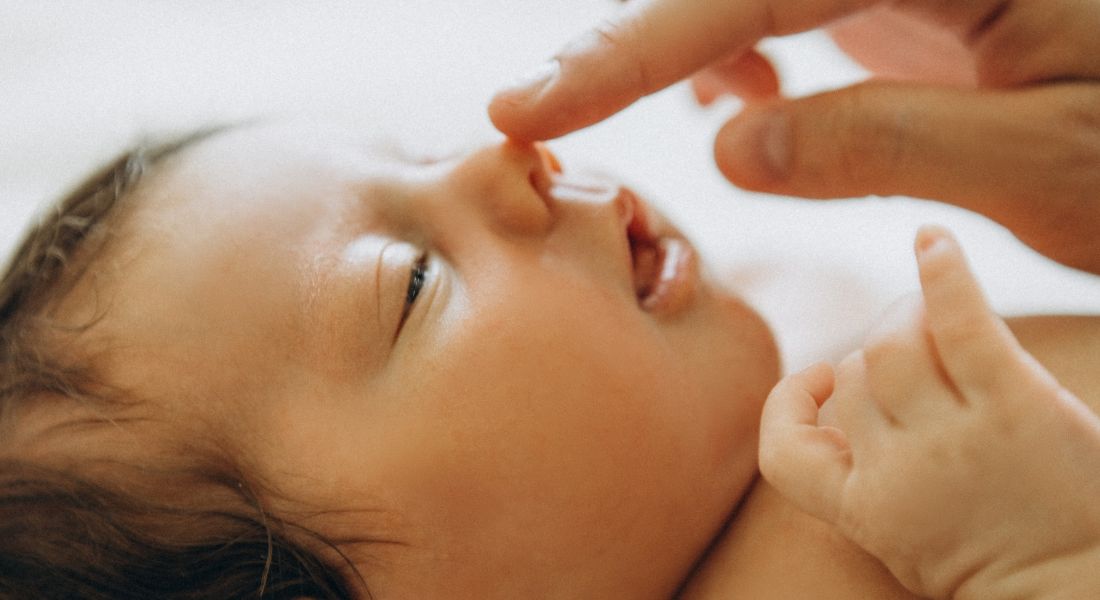
Babies born prematurely are at higher risk of certain eye conditions because their eyes and visual pathways have not had enough time to fully develop before birth. Some of these issues are temporary and improve naturally as the child grows, while others require careful monitoring or early treatment to prevent long-term vision problems.
Below are the most common eye conditions seen in premature babies.
- Retinopathy of Prematurity (ROP): Retinopathy of Prematurity is the most recognised eye condition linked to premature birth. It develops when the blood vessels in the retina grow abnormally after birth. ROP is more commonly seen in babies born before 31 weeks, those with a birth weight under 1.5 kg, babies who required oxygen therapy, or those who spent time in neonatal intensive care.
- Strabismus (Eye Misalignment): Strabismus occurs when the eyes do not align properly and point in different directions. Premature babies are at increased risk because eye muscle control and coordination develop later. Parents may notice one eye turning inwards or outwards, the eyes failing to move together, or frequent drifting of one eye.
- Amblyopia (Lazy Eye): Amblyopia develops when one eye fails to develop clear vision because the brain relies more heavily on the other eye. In premature babies, this can occur due to conditions such as ROP, strabismus, refractive errors, or unequal vision between the two eyes. Early diagnosis is essential, as amblyopia is highly treatable when managed during childhood.
- Refractive Errors (Focusing Problems): Premature babies have a higher likelihood of developing refractive errors, which affect how clearly the eye can focus. These include short-sightedness, long-sightedness, and astigmatism. Short-sightedness is particularly common in children born prematurely, especially in those who have had ROP.
- Cortical Visual Impairment (CVI): Cortical Visual Impairment occurs when the brain’s visual pathways are affected rather than the eyes themselves. This condition is more likely in premature babies who have experienced neurological complications. Children with CVI may have difficulty focusing, struggle to track moving objects, or show limited interest in visual stimuli. With appropriate support, vision may improve over time.
- Nystagmus: Nystagmus refers to involuntary, repetitive eye movements that can make vision appear unsteady. In premature babies, it may develop as a result of early retinal or neurological issues and can affect visual clarity and stability.
- Delayed Visual Maturation: Some premature babies simply take longer for their visual system to mature. These children may appear less visually responsive in the early months but often show gradual improvement as their vision continues to develop.
Which Babies Need Eye Screening After Premature Birth?
Babies born prematurely are not all affected in the same way, which is why clear screening criteria are used to identify those at higher risk of eye conditions such as retinopathy of prematurity (ROP). In the UK, NHS guidelines set out specific factors that help clinicians decide which babies need routine eye screening, ensuring problems are detected as early as possible.
Your baby will automatically be offered eye screening if they were born before 32 weeks of pregnancy or had a birth weight of less than 1,500 grams. Babies who required prolonged oxygen therapy or experienced medical complications linked to eye development are also included, as these factors increase the risk of retinal and visual problems.
Screening usually begins while your baby is still in the neonatal unit, often within the first few weeks of life. Follow-up checks continue after discharge until the retina has fully developed, or until doctors are confident there is no ongoing risk.
Even if your baby does not meet the standard screening criteria, an eye assessment may still be recommended in some situations. If you notice concerning signs, your baby had complications around birth, there is a family history of eye conditions, or your paediatrician advises further checks, it is always better to seek specialist advice sooner rather than later.
What Happens During Premature Baby Eye Screening?
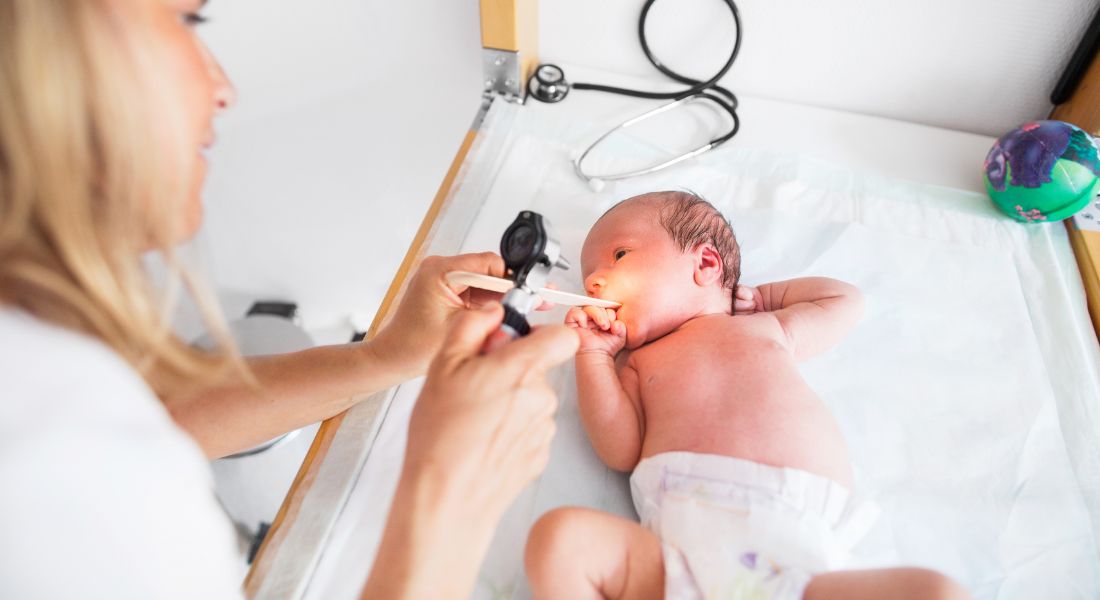
Premature babies require specialised eye screening to ensure their vision develops safely. Because the retina is still forming at birth, early checks help doctors monitor blood vessel growth and identify conditions such as retinopathy of prematurity (ROP) before they cause long-term problems.
Here’s what to expect:
- Dilating Drops: Eye drops are placed in your baby’s eyes to gently enlarge the pupils. This allows the doctor to see the retina clearly and assess blood vessel growth accurately.
- Retinal Examination: Using a small lens and a specialised instrument, the doctor carefully examines the back of the eye. The examination is brief but thorough, and babies are closely monitored throughout for comfort and safety.
- ROP Staging: If retinopathy of prematurity (ROP) is detected, it is graded from Stage 1 (mild) to Stage 5 (severe). Early stages often resolve on their own, while more advanced stages may need treatment.
- Scheduling Follow-Up: If retinal blood vessels are still developing, further examinations will be arranged usually weekly or fortnightly. Regular monitoring ensures any changes are detected early.
Screening continues until the retinal blood vessels have fully matured and the risk of ROP has passed.
When Does a Premature Baby Need a Paediatric Ophthalmologist?
Not every premature baby will need ongoing care from a paediatric ophthalmologist, but specialist input becomes essential when screening results or early development raise concerns. A paediatric ophthalmologist is a medically trained eye doctor who specialises in diagnosing and managing eye conditions in infants and children, particularly those linked to prematurity.
You should be referred if routine screening shows retinopathy of prematurity (ROP), especially if it does not resolve on its own or begins to worsen. Babies who require treatment for ROP, or whose eyes show signs of misalignment (such as one eye drifting in or out), also need specialist assessment.
Specialist care is also important when there are signs of amblyopia (lazy eye), unusual or jerky eye movements, or if your baby is not fixing on faces or following objects as expected for their age. Babies born extremely early (before 28 weeks), those who had a complex or difficult neonatal course, or those showing delayed visual responses benefit from closer monitoring.
Early Warning Signs Parents Should Watch For
Spotting eye and vision problems early can have a significant impact on a child’s long-term visual development, especially in babies born prematurely. While some signs may be subtle at first, parents are often the first to notice when something does not seem quite right.
In the first few months, warning signs include a lack of eye contact by around 6 to 8 weeks of corrected age, little or no response to light or movement, repeated squinting, or unusual eye movements. Eyes that wander, cross frequently, or one eye consistently turning inwards or outwards should also be assessed.
As babies grow into toddlers, vision-related difficulties can become more noticeable. Bumping into objects, poor depth perception, or bringing toys very close to the face may indicate reduced vision. Head tilting or turning to look at objects can be another clue that a child is trying to compensate for a vision issue. If you notice any of these signs at any age, it is important not to wait for routine check-ups.
Understanding ROP in More Detail
Retinopathy of prematurity (ROP) is one of the most closely monitored eye conditions in babies born early, which is why routine eye screening is so important for premature infants. Not every premature baby develops ROP, but when it does occur, early detection plays a critical role in protecting vision.
ROP develops because the retina, which lines the back of the eye, normally finishes forming its blood supply during the final weeks of pregnancy. When a baby is born prematurely, this process is interrupted. After birth, the retina has to continue developing outside the womb, where changes in oxygen levels and growth signals can cause the retinal blood vessels to grow in an abnormal way.
When these blood vessels develop irregularly, they may leak fluid or blood, pull on the delicate retinal tissue, or form scar tissue. In more severe cases, this traction can cause the retina to partially or completely detach, which is why untreated advanced ROP can threaten sight.
Why Follow-up Matters Even After ROP Resolves
Even when retinopathy of prematurity (ROP) improves or resolves without treatment, follow-up eye care remains essential. The developing visual system of a premature baby is still more vulnerable than that of a full-term infant, and early retinal changes can have lasting effects on how the eyes grow and work together.
Children who had ROP are at a higher risk of developing myopia (short-sightedness) as they grow, sometimes at a young age. Vision can change quickly during childhood, and without regular eye examinations, these changes may go unnoticed and affect learning and daily activities.
There is also an increased risk of strabismus and amblyopia, where the eyes do not align properly or one eye does not develop normal vision. These conditions are often treatable, but only if they are identified early, while the visual system is still developing.
Long-term follow-up is also important because some children may develop reduced visual fields or late-onset retinal problems related to their early eye development. Regular eye exams throughout childhood allow specialists to monitor vision, detect issues early, and provide timely treatment to support the best possible visual outcomes.
When Should You Seek Help Immediately?
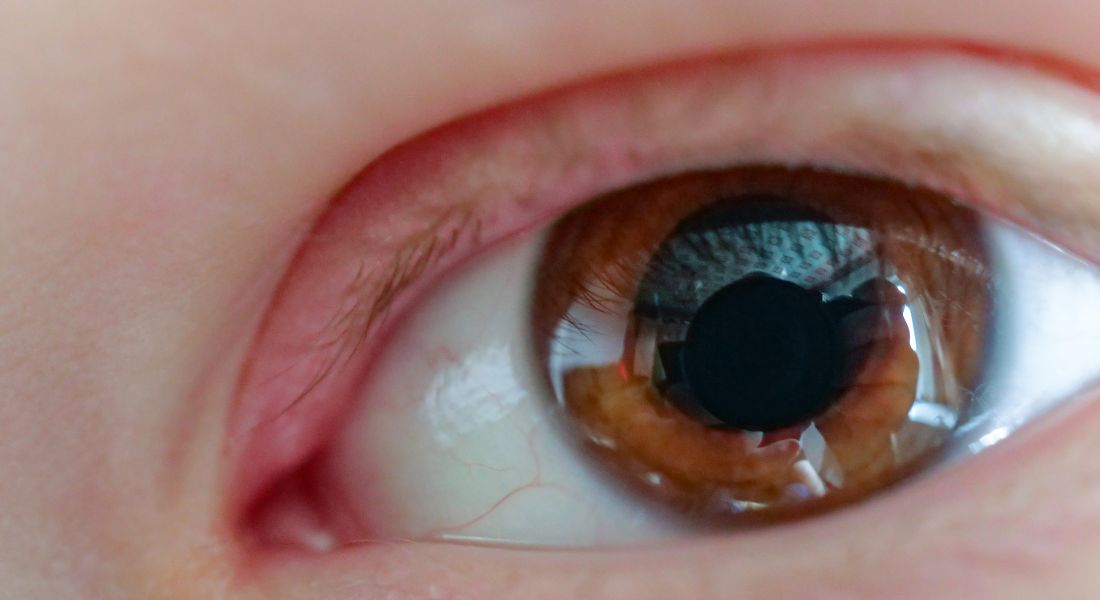
Certain eye symptoms in babies and young children should always be treated as urgent, particularly in those born prematurely. These signs may point to serious eye or neurological conditions that need prompt assessment.
A white reflection in the pupil, especially noticeable in photographs, is a key warning sign and should never be ignored. Persistent eye turning, rather than occasional drifting, and jerky or uncontrolled eye movements can also indicate underlying problems affecting vision or eye control.
A lack of visual response, such as not reacting to faces, light, or movement, is another reason to seek immediate help. Any sudden change in the appearance of the eyes, including swelling, colour changes, or asymmetry, also warrants urgent evaluation.
If you notice any of these symptoms, do not wait for a routine appointment. Early assessment allows specialists to identify the cause quickly and start treatment where necessary, which can make a critical difference to long-term visual outcomes.
FAQs:
- Why are premature babies more likely to have eye problems than full-term babies?
Premature babies are born before their eyes and visual pathways have fully developed. The final weeks of pregnancy are critical for retinal blood vessel growth, optic nerve development, and visual brain connections. When birth happens early, these processes continue outside the womb in a less stable environment, increasing the risk of developmental eye conditions that would not typically occur in full-term babies. - Does being born prematurely always lead to vision problems?
No, many premature babies go on to have completely normal vision. Prematurity increases risk, but it does not guarantee eye problems. The purpose of screening and follow-up is to identify the smaller number of babies who do develop issues, so treatment can begin early and prevent long-term visual impairment. - What is retinopathy of prematurity (ROP) and why is it taken so seriously?
Retinopathy of prematurity occurs when retinal blood vessels grow abnormally after a premature birth. In mild cases, it can resolve on its own, but in more severe forms it can lead to retinal damage or detachment if left untreated. Because ROP can progress without visible symptoms, routine screening is essential to detect it before vision is affected. - How early are eye screenings performed in premature babies?
Eye screening usually begins within the first few weeks after birth, often while the baby is still in the neonatal unit. The exact timing depends on how early the baby was born and their birth weight. Follow-up examinations continue until the retina has fully matured or until doctors are confident that there is no ongoing risk. - Can eye problems develop later even if early screenings were normal?
Yes, some vision issues may develop months or even years later, particularly in children who were born very prematurely or had ROP. Conditions such as short-sightedness, strabismus, or amblyopia can emerge as the visual system continues to develop. This is why long-term follow-up is recommended even when early eye exams appear reassuring. - What signs might suggest my premature baby has a vision problem?
In early infancy, warning signs can include poor eye contact, limited response to light or movement, persistent eye turning, or unusual eye movements. As children grow, signs may include bumping into objects, holding toys very close, head tilting, or difficulty tracking moving objects. Any concerns like these should prompt an eye assessment. - When should a paediatric ophthalmologist become involved?
A paediatric ophthalmologist is needed if screening detects conditions such as ROP, eye misalignment, abnormal eye movements, or delayed visual responses. Babies born extremely early, those with neurological complications, or those who show persistent visual concerns benefit from specialist care because these doctors can assess both medical and developmental aspects of vision. - Is follow-up still necessary if ROP resolves without treatment?
Yes, even when ROP improves on its own, children remain at higher risk of later vision problems such as myopia, amblyopia, or strabismus. Ongoing follow-up allows changes in vision to be detected early and managed appropriately, supporting healthy visual development throughout childhood. - Can vision problems in premature babies affect learning later on?
Vision plays a major role in learning, especially for reading, coordination, and concentration. Undiagnosed visual difficulties can affect school performance, confidence, and behaviour. Early diagnosis and appropriate management significantly reduce the risk of long-term academic and developmental challenges. - What should I do if I’m worried about my premature baby’s vision?
If you notice anything that concerns you, it’s best to seek assessment sooner rather than waiting. Early evaluation by an eye specialist can rule out serious issues or identify problems at a stage when treatment is most effective. Acting early gives your child the best chance for healthy vision development.
Final Thoughts: Protecting Your Premature Baby’s Vision Early
Premature babies can go on to develop healthy vision, but their eyes need closer monitoring in the early years because development was interrupted before birth. Understanding which eye conditions are more common, knowing when screening is needed, and recognising early warning signs can make a meaningful difference to long-term visual outcomes. Early assessment allows problems to be identified at a stage when treatment is most effective and least disruptive to your child’s development. If you’d like to find out whether seeing a paediatric ophthalmologist in London is suitable for you, feel free to contact us at Eye Clinic London to arrange a consultation.
References:
- Borțea, C.I., Enatescu, I., Dima, M., Pantea, M., Iacob, E.R., Dumitru, C., Popescu, A., Stoica, F., Heredea, R.E. and Iacob, D. (2023) A prospective analysis of the retinopathy of prematurity correlated with the inflammatory status of the extremely premature and very premature neonates, Diagnostics, 13(12), 2105. https://www.mdpi.com/2075-4418/13/12/2105
- Li, J., Liu, H., Wang, X., et al. (2022) Retinopathy of Prematurity: Incidence, Risk Factors, and Treatment Options A Review, Journal of Clinical Medicine, 13(22), 6926. https://www.mdpi.com/2077-0383/13/22/6926
- Ophthalmologic outcome of premature infants with or without retinopathy of prematurity at 5-6 years of age (2020) Journal of Family Medicine and Primary Care. https://pubmed.ncbi.nlm.nih.gov/33209767/
- Pavlič, M., Tomaš, M., & Others (Year) Level of prematurity as a predictor for the activity of retinopathy of prematurity and strabismus. https://pmc.ncbi.nlm.nih.gov/articles/PMC10117192/
- Rezaei, K. and Others (2020) Ophthalmologic outcome of premature infants with or without retinopathy of prematurity at 5–6 years of age. https://pmc.ncbi.nlm.nih.gov/articles/PMC7652158/