


Eye Floaters After Posterior Vitreous Detachment (PVD): What to Expect
Noticing new eye floatersors after a posterior vitreous detachment can be unsettling, especially if they appear suddenly. You may see dots, strands, or cobweb-like shapes drifting across your vision, particularly against bright backgrounds. Understanding what is happening inside your eye can make these symptoms far less alarming.
Posterior vitreous detachment is one of the most common causes of new floaters, particularly as you get older. In most cases, it is a natural age-related change rather than a disease. Knowing what to expect helps you recognise when reassurance is enough and when further checks are needed.
In this article, we explain what posterior vitreous detachment is and why it causes floaters. We also discuss how symptoms typically change over time and when follow-up or retinal examination is recommended. Our aim is to help you feel informed and confident about what comes next.
What Is Posterior Vitreous Detachment?
Inside your eye is a clear, gel-like substance called the vitreous. When you’re younger, it’s firm and firmly attached to your retina in several places. But as you get older, this gel slowly becomes more liquid.
Eventually, the vitreous can start to pull away from your retina. This is what’s known as posterior vitreous detachment (PVD). It’s very common and usually doesn’t hurt at all.
You might worry that something’s wrong, but PVD isn’t caused by eye strain or injury. It’s simply a normal part of getting older, and most people will experience it at some point. While the idea might sound alarming, in most cases, it’s completely harmless.
Why PVD Causes Eye Floaters
When the vitreous gel in your eye starts to separate, tiny fibres within it can clump together. These clumps cast shadows on your retina, which you perceive as floaters. Any sudden movement of the vitreous can make these shadows much more noticeable.
- You may see existing floaters shift: During PVD, floaters you’ve already noticed can move into your line of sight, making them feel more obvious than before.
- New floaters can appear suddenly: It’s also common for new floaters to show up at the same time. This combination is why the onset often feels abrupt, even if the process has been happening gradually.
- Floaters don’t usually mean damage: Seeing floaters does not necessarily indicate that your retina is harmed. In most cases, they are simply a normal part of vitreous changes.
Even though floaters are usually harmless, it’s still important that you have your eyes checked. An assessment ensures that nothing more serious, like a retinal tear, is causing the symptoms. Getting reassurance early helps you understand what’s normal and keeps your vision safe.
What Do PVD Floaters Look Like?
Floaters that appear after a posterior vitreous detachment (PVD) can look quite different depending on the person. You might notice small dots or specks, long strands, or even ring-shaped shadows. They often move when you move your eyes.
At first, these floaters can seem very noticeable. Bright backgrounds, like a blue sky or a white wall, tend to make them easier to see.
Over time, many people find that the floaters become less distracting, even if they’re still there. Your brain is surprisingly good at adapting. Even when the floaters remain physically present, you may become much less aware of them, which is a completely normal part of the process.
Flashes of Light and PVD
You might notice brief flashes of light when PVD first starts. These flashes usually appear in your peripheral vision and only last for a moment. They happen because your vitreous is tugging on your retina as it begins to separate.
For most people, these flashes calm down once the vitreous has fully detached. They’re most common in the early stages of PVD and often fade within a few weeks. It can feel a bit alarming at first, but this is usually part of the normal process.
Even though flashes often settle on their own, you shouldn’t ignore them if they continue or get worse. Persistent flashes could mean there’s ongoing traction on your retina. This is why it’s a good idea to have your eyes checked early when you notice any new symptoms.
Getting an assessment promptly can give you peace of mind. Your eye specialist can make sure everything is fine and help catch any rare complications before they become serious. That way, you can stay on top of your eye health without unnecessary worry.
How Long Do Floaters Last After PVD?
You might notice floaters most clearly in the first few weeks after PVD. During this time, your vitreous is still shifting and settling, so the spots and specks can feel distracting. It’s normal for them to seem more noticeable at first.
Over the next few months, you’ll often find that floaters become less obvious. They may drift lower in your eye or move out of your main line of sight. Your brain also starts to adapt, helping you notice them less.
For many people, floaters don’t completely disappear. That said, they usually become much easier to ignore over time. What felt intrusive at first often fades into the background of your vision.
This gradual improvement is completely typical after PVD. While you might still catch a glimpse of floaters now and then, they rarely interfere with your daily life in the long term.
Is PVD Dangerous?
For most people, posterior vitreous detachment (PVD) isn’t dangerous. On its own, it doesn’t cause vision loss, and many people go through it without any long-term problems. You might notice symptoms at first, but that doesn’t mean your eyesight is at risk.
The main concern happens during the moment the vitreous separates from your retina. In a small number of cases, this tugging can lead to a retinal tear. That’s why it’s important to have your eyes checked as soon as you notice any new PVD symptoms.
Once your retina has been examined and confirmed to be healthy, PVD is usually considered completely benign. You don’t need active treatment if everything looks normal.
From that point on, monitoring focuses on any changes you notice rather than ongoing procedures. Knowing what to watch for can give you peace of mind, and in many cases, reassurance is all that’s needed.
When PVD Can Lead to Retinal Tears
As your vitreous pulls away, it can sometimes tug too hard on your retina. This can create a small tear in the retinal tissue, which might become more serious if it isn’t treated. While it’s rare, it’s important to know what to watch for.
You might notice a sudden increase in floaters or flashes of light that just won’t go away. Some people also see a dark shadow creeping into their vision. If you experience any of these signs, you should seek urgent medical attention.
The good news is that early detection makes a big difference. Retinal tears can often be treated promptly with laser therapy, which helps prevent more serious complications.
That’s why it’s important not to ignore sudden changes in your vision. Acting quickly can protect your eyesight and give you peace of mind.
Retinal Detachment and PVD
Retinal detachment is a rare but serious complication that can happen after PVD. It occurs when fluid passes through a retinal tear and lifts the retina away from its supporting layer. If it’s not treated quickly, it can lead to permanent vision loss.
You might notice a curtain-like shadow or a dark area spreading across your vision. This usually starts at the edge and gradually moves inward. If it reaches your central vision, it can be even more serious.
Because of the risks, retinal detachment is considered a medical emergency. You need to get assessed immediately if you notice any of these symptoms.
Getting prompt treatment can make a huge difference in protecting your eyesight. The sooner a specialist intervenes, the better your chances of a full recovery.
Why Follow-Up Eye Checks Are Important

After an initial diagnosis of PVD, follow-up checks may be recommended. These visits ensure that no delayed retinal problems develop. Some retinal tears can appear days or weeks after symptoms begin.
Follow-up timing depends on your symptoms and risk factors. Your eye specialist will advise what is appropriate for you. Attending these appointments provides reassurance.
If your symptoms change between visits, you should seek review sooner. New floaters, flashes, or shadows should always be reported. Ongoing awareness is key to safety.
Who Is More Likely to Develop PVD?
Posterior vitreous detachment (PVD) becomes more common as you get older, particularly after the age of 50. If you are short-sighted, you may experience it earlier than others.
Previous eye surgery, such as cataract removal, can also increase your likelihood of developing PVD. Eye injuries or trauma can trigger the vitreous to separate sooner than expected. These factors are taken into account during an eye assessment.
If you’ve already had PVD in one eye, your other eye is more likely to develop it too. This can happen months or even years later.
Being aware of these risks can help you recognise symptoms early and seek assessment promptly, which is important for protecting your vision.
Living With Floaters After PVD
Adjusting to floaters can take some time. At first, they may feel distracting or even frustrating, and it’s natural to worry that you’ll always notice them.
Over time, most people adapt very well. Floaters often become less noticeable as your brain learns to ignore them, and changes in lighting or where you focus can also reduce their impact.
Knowing that this adaptation is completely normal can be reassuring. For most people, floaters rarely interfere with everyday activities in the long term. With patience, you’ll often find they bother you far less than you expected.
Can Floaters Be Treated After PVD?
For most people, floaters that appear after a posterior vitreous detachment (PVD) don’t need any treatment. Once your retina has been checked and is healthy, reassurance and regular monitoring are usually enough. Intervention is rarely necessary.
Treatment might be considered if the floaters are having a serious impact on your quality of life. This is uncommon, but it can be explored carefully with your specialist. Any decision involves weighing the potential benefits against the risks.
Talking things through with an eye specialist can help you decide what’s right for you. Everyone’s situation is different, and what works for one person may not be suitable for another.
Even when treatment is considered, conservative approaches remain the preferred first step. Monitoring your symptoms and adapting over time often provides the best outcomes while keeping your eyes safe.
When Monitoring Alone Is Appropriate

Once any serious causes have been ruled out, monitoring alone is often the recommended approach. This means keeping an eye on changes rather than undergoing active treatment. Many people find this approach reassuring and straightforward.
Your specialist will explain which symptoms to watch for. If you notice a sudden increase in floaters, new flashes of light, or any loss of vision, you should seek review promptly. Clear guidance like this helps you feel confident in managing your eye health.
Monitoring allows you to avoid unnecessary procedures while keeping your eyes safe. It strikes a balance between caution and practicality.
Being educated about what to look out for makes monitoring an effective approach. Over time, you’ll learn to recognise changes that matter while adapting to harmless floaters.
What You Can Do to Cope With Floaters
There is no proven way to make floaters disappear quickly. However, certain strategies can help reduce awareness. Adjusting lighting and avoiding bright backgrounds can make them less noticeable.
Keeping your eyes healthy supports overall comfort. Regular eye checks and good general health are important. Stress reduction can also help with perception.
Understanding that floaters are common after PVD can ease anxiety. Knowledge reduces fear. Reassurance comes with time and experience.
When to Seek Urgent Eye Assessment
You should seek urgent assessment if floaters suddenly increase. New flashes of light or shadows in your vision are also warning signs. These symptoms should never be ignored.
Prompt examination allows serious conditions to be identified early. Even if symptoms turn out to be harmless, reassurance is valuable. It is always better to check.
If you are unsure, err on the side of caution. Vision changes deserve attention. Early care protects sight.
How Eye Specialists Assess PVD

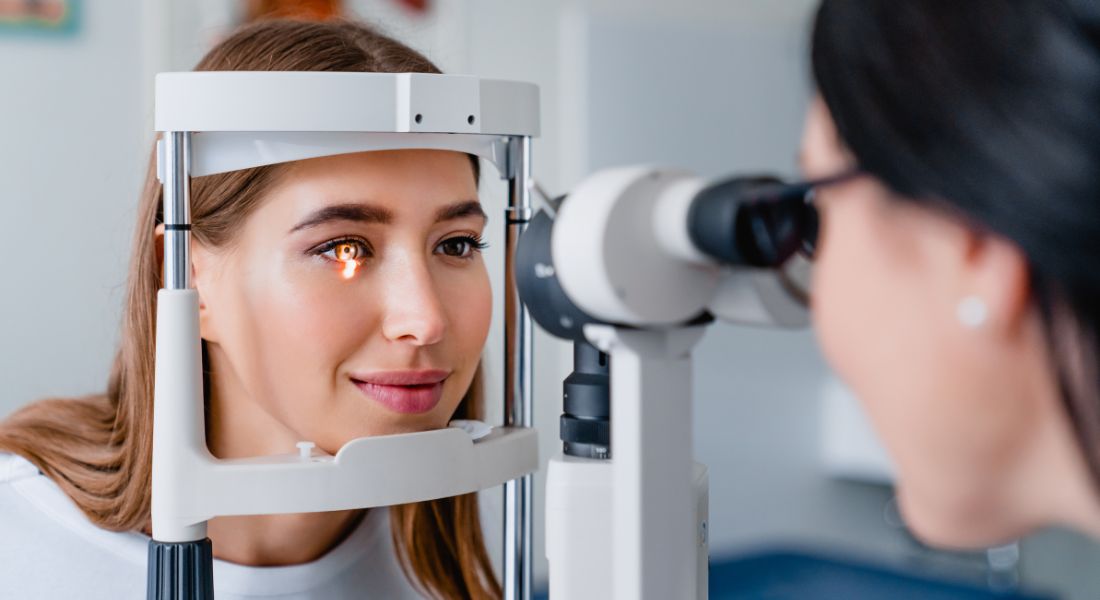
If you notice new floaters or flashes, an eye specialist will carry out a thorough assessment to ensure your eyes are healthy. This typically involves dilating your pupils so they can get a clear view of your retina. The process is painless but essential for your safety.
- Specialist equipment checks your retina: The clinician uses detailed instruments to look for any retinal tears, detachment, or other abnormalities. This ensures that any potential problems are spotted early.
- Your vitreous is carefully evaluated: The specialist will also examine the vitreous gel to see how it is changing. Understanding these changes helps explain your symptoms and predict how they might progress.
- Follow-up advice is personalised: Based on what they find, the specialist can recommend whether you need ongoing monitoring, treatment, or reassurance that your eyes are fine.
Although the examination is thorough, it is completely painless. It gives you clarity, reassurance, and the confidence that your eyes are being properly cared for. Accurate assessment ensures any necessary treatment can be started promptly to protect your vision.
Long-Term Outlook After PVD
The long-term outlook after a posterior vitreous detachment (PVD) is usually very positive. Most people adapt well and experience no lasting problems. Your vision typically remains stable.
Floaters often become less bothersome over time. Even if they’re still present, they rarely interfere with your daily life. Your brain’s ability to adapt plays a big role in this adjustment.
Knowing this can be reassuring. PVD is a normal part of ageing, and in most cases, it doesn’t signal anything serious.
With proper assessment and monitoring, there’s usually nothing to worry about. Understanding what to expect helps you manage floaters calmly and confidently.
FAQs
- What exactly is posterior vitreous detachment (PVD)?
Posterior vitreous detachment occurs when the gel-like vitreous inside your eye gradually separates from the retina. It is a normal age-related change, usually painless, and is not caused by eye strain or injury. Most people will experience it at some point as they get older, and while it can produce floaters or flashes, it is generally harmless. - Why do floaters appear after PVD?
Floaters appear because tiny fibres in the vitreous clump together and cast shadows on the retina. When the vitreous shifts or separates, these shadows can move into your line of sight, making them more noticeable. Floaters can seem to appear suddenly even though the underlying process has been occurring gradually. - Will floaters go away completely after PVD?
Floaters usually do not disappear entirely, but over time they tend to settle lower in the vitreous or move out of the central vision. Your brain also adapts, making them less noticeable. Most people find they bother them far less than initially, although they may never vanish completely. - Are flashes of light after PVD a cause for concern?
Brief flashes of light are common in the early stages of PVD because the vitreous tugs on the retina. They usually settle within weeks. However, if flashes persist, worsen, or are accompanied by new floaters or a shadow in your vision, this may indicate ongoing retinal traction and requires urgent assessment. - How long do symptoms like floaters and flashes usually last?
Floaters tend to be most noticeable in the first few weeks after PVD. Over the following months, they generally become less obvious as the vitreous settles and your brain adapts. Flashes often fade sooner, but individual experiences can vary, and some people may continue to notice minor floaters for longer. - Can PVD lead to more serious eye problems?
While PVD itself is usually harmless, there is a small risk that the vitreous pulling on the retina can cause a retinal tear. If left untreated, a retinal tear can progress to retinal detachment, which is a serious condition. Early eye assessment is essential to rule out these complications. - Who is more likely to develop PVD?
PVD becomes more common with age, particularly after 50. People who are short-sighted may experience it earlier. Previous eye surgery, eye injuries, or having had PVD in one eye can also increase the likelihood of it developing in the other eye. - Do I always need treatment for floaters after PVD?
Most people do not require treatment for floaters after PVD. Once your retina has been examined and is healthy, monitoring and reassurance are usually sufficient. Treatment is only considered if floaters significantly affect your quality of life, and any decision is made in consultation with your eye specialist. - When should I seek urgent eye assessment after PVD?
Urgent assessment is necessary if floaters suddenly increase, if new flashes of light appear, or if a shadow or curtain develops in your vision. Prompt examination ensures any serious problems, such as retinal tears or detachment, are detected early, protecting your sight. - Can I adapt to living with floaters after PVD?
Yes, most people adapt well over time. Floaters become less distracting as your brain learns to ignore them, and changes in lighting or focus can also help. Understanding that floaters are a normal consequence of PVD and knowing when to seek review provides reassurance and confidence in managing your eye health.
Final Thought: Living with Floaters and Your Options
Adjusting to floaters after a posterior vitreous detachment can take time, but for most people, they become less noticeable and rarely interfere with daily life. Regular eye check-ups and awareness of any sudden changes are key to protecting your vision. If you’re considering floaters treatment in London and want to know whether it’s the right option for you, you’re welcome to reach out to us at Eye Clinic London to book a consultation. A specialist assessment will help determine the best approach based on your eyes and lifestyle, giving you reassurance and clarity about next steps.
References:
- Symptomatic Vitreous Opacities: Clinical vs. Self‑Reported Symptoms (2023) Journal of Clinical Medicine, 13(20), p. 6052. Available at: https://www.mdpi.com/2077-0383/13/20/6052
- Symptoms related to posterior vitreous detachment and the risk of developing retinal tears: a systematic review (2019) Acta Ophthalmologica Scandinavica, published online. Available at: https://pubmed.ncbi.nlm.nih.gov/30632695/
- Vitreous Floaters (2025) StatPearls [online], StatPearls Publishing. Available at: https://pubmed.ncbi.nlm.nih.gov/29262091/
- Posterior vitreous detachment – prevalence of and risk factors for retinal tears (2017) Journal of Ophthalmology Available at: https://pmc.ncbi.nlm.nih.gov/articles/PMC5609787/
- Sebag, J. (2016) ‘Vitreous floaters: presentation and clinical characteristics’, Survey of Ophthalmology, Volume 61. Available at: https://www.sciencedirect.com/topics/medicine-and-dentistry/vitreous-floaters