


When Can You Exercise After Laser Eye Surgery?

Laser eye surgery can significantly improve your vision, but your recovery will require some temporary lifestyle adjustments. One of the most common questions you may have is when you can safely return to exercise. Understanding the right recovery timeline helps protect your eyes while they heal. It also reduces the risk of irritation or complications.
Exercise increases blood flow and can place physical strain on your body. Immediately after surgery, your eyes are still healing from the reshaping of the cornea. During this early stage, your eyes may be more sensitive to sweat, pressure and environmental exposure. Giving your eyes enough time to recover is essential for proper healing.
Most people can return to light physical activities relatively soon after the procedure. However, more intense workouts and contact sports usually require a longer break. Your surgeon will guide you on when it is safe to resume different types of exercise. Following this advice helps ensure a smooth and comfortable recovery.
Why Exercise Restrictions Are Important
After laser eye surgery, your cornea begins a delicate healing process. During this time, your eyes are more sensitive than usual. Physical exertion can increase eye pressure and lead to sweating around your eyes. These factors may irritate the healing surface of the cornea.
Sweat entering your eyes can cause discomfort and may increase the risk of infection. You might also feel tempted to rub your eyes during exercise, especially if sweat or irritation occurs. However, rubbing your eyes can disrupt the healing tissue. Protecting your eyes during this early stage is therefore very important.
Temporary restrictions on exercise help support proper healing. Giving your eyes time to stabilise reduces the risk of irritation or complications. In most cases, this break from intense workouts is only short. Allowing your eyes to recover properly helps you achieve the best possible results.
The First 24 Hours After Surgery
During the first 24 hours after laser eye surgery, it is best to prioritise rest. Your eyes may feel slightly irritated and more sensitive to light than usual. You may also notice that your vision fluctuates during this early stage of recovery. These temporary changes are part of the normal healing process.
Most surgeons recommend avoiding exercise completely during the first day. Even light physical activity can increase discomfort or place unnecessary strain on your eyes. Allowing your body to rest helps your cornea begin the healing process properly. This early recovery period is important for protecting your results.
You will usually be advised to relax and limit activities such as prolonged screen use. Keeping your eyes comfortable and well-rested supports smoother healing. Many patients find it helpful to rest with their eyes closed for short periods. Gentle rest during the first day can make recovery easier for you.
Returning to Light Activity

Many people can begin returning to light activities after the first day following laser eye surgery. Gentle walking is usually considered safe and can help you ease back into movement. However, you should still avoid strenuous exercise at this stage. Your eyes are still healing, so it is important to be cautious.
Low-intensity movement helps maintain healthy circulation without putting too much strain on your body. It also reduces the chance of heavy sweating, which could irritate your eyes. During this stage, your comfort should guide how much activity you do. If something feels uncomfortable, it is best to slow down.
If your eyes begin to feel dry or irritated while exercising, you should pause your activity. Your surgeon may recommend using artificial tears to keep your eyes lubricated. Staying aware of how your eyes feel is important during recovery. Listening to your body helps protect the healing process.
When You Can Return to the Gym
Most people can return to the gym within several days after laser eye surgery. However, you should increase your workout intensity gradually. Your eyes are still healing, so it is best to avoid heavy lifting or high-intensity training at first. Starting slowly helps protect your recovery.
Gym environments can expose your eyes to sweat, dust and bacteria. Because of this, it is important to maintain good hygiene while exercising. You should avoid touching your eyes and use clean towels during your workout. These simple precautions help reduce the risk of irritation or infection.
Your surgeon will advise you on when it is safe to resume regular gym training. Follow-up appointments allow your specialist to check that your eyes are healing properly. Based on your recovery progress, they may adjust your activity guidelines. Everyone heals slightly differently, so timelines can vary.
Avoiding Sweat and Eye Irritation
After laser eye surgery, protecting your eyes from irritation is an important part of the healing process. Physical activity can cause sweating, which may affect your eyes if it comes into direct contact with them. Sweat contains salt that can irritate sensitive tissues during recovery. Understanding how to manage sweat while exercising helps you protect your eyes and stay comfortable.
- Understanding why sweat can irritate the eyes: Sweat naturally contains salt and small impurities that may cause stinging if they enter your eyes. After surgery, your eyes can be more sensitive while the surface heals. Even a small amount of sweat may create temporary discomfort or irritation.
- Using simple ways to control sweat: Wearing a clean headband can help absorb sweat and prevent it from dripping into your eyes. This is particularly useful during light exercise or outdoor activities. You may also gently wipe sweat from your forehead with a towel to keep your face dry.
- Avoiding direct contact with your eyes: While wiping sweat is helpful, you should avoid touching or rubbing your eyes. Direct contact can disturb the healing surface of the eye and increase the risk of irritation or infection. Keeping your hands away from your eyes is an important precaution.
- Responding quickly if irritation occurs: If sweat enters your eyes and causes stinging, stop exercising straight away. Carefully rinse your face with clean water and avoid rubbing your eyes. If your surgeon has recommended lubricating eye drops, using them may help soothe the irritation.
Taking simple precautions during exercise can help you avoid unnecessary eye irritation while your eyes heal. By controlling sweat and avoiding direct contact with your eyes, you support a smoother recovery. Protecting your eyes during this period ensures that your healing process continues safely and comfortably.
Swimming After Laser Eye Surgery
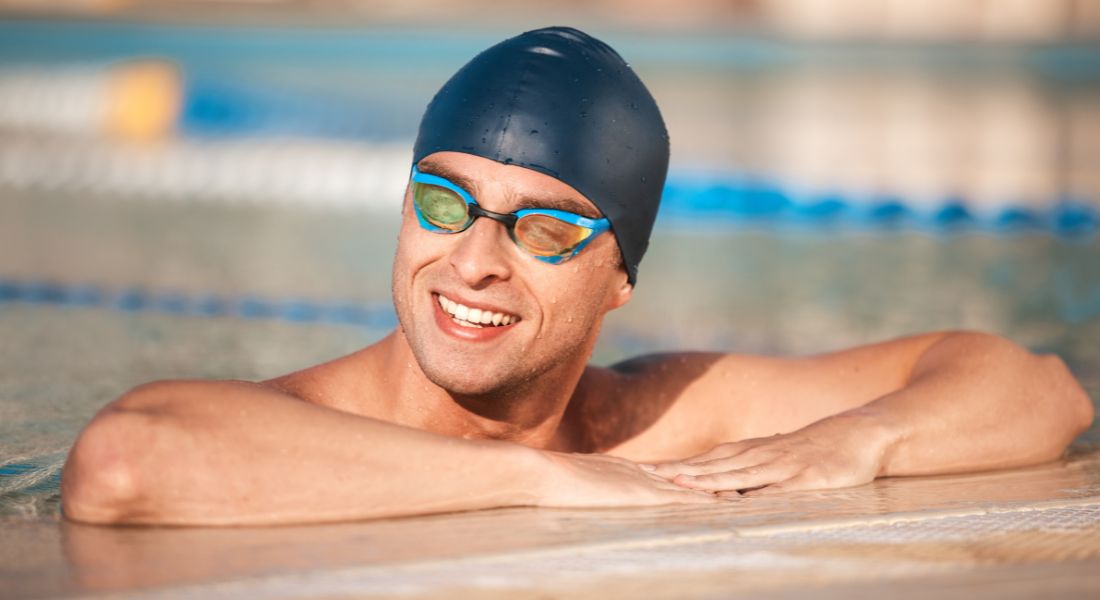
Swimming pools contain chlorine and other chemicals that can irritate your eyes while they are healing. After laser eye surgery, the surface of your eye is more sensitive than usual. Water exposure may also increase the risk of infection. For this reason, swimming is usually restricted during the early recovery period.
Most patients are advised to avoid swimming for at least one to two weeks after the procedure. Natural water sources such as lakes, rivers and oceans may require an even longer waiting period. These environments can contain bacteria that may affect the healing eye. Waiting until your eyes have recovered helps reduce potential risks.
Once your surgeon confirms that your eyes have healed properly, you can usually return to swimming. In some cases, wearing protective swimming goggles may be recommended. Goggles help prevent water from entering your eyes and causing irritation. Taking these precautions helps you return to the activity safely.
Contact Sports and Eye Protection
Contact sports require extra caution after laser eye surgery. Activities such as boxing, martial arts or rugby involve physical contact and a higher risk of impact. During the early stages of recovery, your eyes are still healing and more vulnerable to injury. Because of this, these sports usually need to be avoided for a period of time.
Direct trauma to the eye should be prevented while the cornea continues to heal. Your surgeon may recommend waiting several weeks before returning to contact sports. This waiting period allows the eye surface to stabilise properly. Giving your eyes enough time to recover helps reduce the risk of complications.
When you do return to these activities, protective eyewear may be advised. Safety goggles or sports protection can help shield your eyes from accidental impact. These precautions help reduce the chance of injury during physical activity. Careful timing and proper protection support a safe return to sport.
Differences Between LASIK and PRK Recovery
Not all laser eye procedures follow the same recovery timeline. The healing process can vary depending on the technique used to correct your vision. Two commonly performed procedures are LASIK and PRK (photorefractive keratectomy). Understanding how their recovery periods differ helps you prepare for the healing process and manage your expectations after surgery.
- Faster recovery with LASIK: LASIK is known for its relatively quick visual recovery. Many patients notice clearer vision within a day or two and can return to normal daily activities fairly quickly. Because the procedure involves creating a small corneal flap, healing tends to be faster compared with some other techniques.
- Gradual healing with PRK: PRK has a slightly longer recovery period because the outer surface layer of the cornea needs time to regenerate. Vision may take several days or weeks to stabilise fully as the eye heals. During this time, your surgeon may recommend avoiding strenuous exercise for a little longer.
- Different activity restrictions: Because of the differences in healing, the restrictions on physical activities can vary between procedures. LASIK patients may be able to return to light activities sooner, while PRK patients may need to wait longer before resuming intense exercise. Following these guidelines helps protect the healing cornea.
- Personalised recovery guidance: Your surgeon will provide specific instructions based on the procedure you undergo and how your eyes respond to treatment. These guidelines include advice on exercise, eye care and follow-up visits. Personalised recovery plans ensure your eyes heal safely and effectively.
Understanding the differences between LASIK and PRK recovery helps you approach the healing process with realistic expectations. Each procedure has its own advantages, and both can provide excellent visual outcomes when appropriate care is followed. By carefully following your surgeon’s advice, you support a smoother recovery and protect your long-term vision.
Importance of Follow-Up Appointments
Follow-up appointments play an important role in your recovery after laser eye surgery. During these visits, your surgeon will examine your eyes and check that healing is progressing as expected. These assessments help ensure that your cornea is recovering properly. They also allow your specialist to guide you on when it is safe to return to certain activities.
If your cornea appears stable and your eyes are healing well, exercise restrictions may gradually be lifted. Your surgeon can advise you on when it is safe to resume different types of physical activity. This guidance is based on how your eyes are recovering. Personalised advice helps reduce unnecessary risks.
It is important that you do not skip your follow-up appointments. These visits allow your specialist to monitor your progress and detect any potential issues early. Regular checks provide reassurance that your recovery is on track. Consistent care helps protect the results of your surgery.
Managing Dry Eyes During Exercise
Dry eyes are a common temporary side effect after laser eye surgery. Exercising in environments such as gyms can sometimes make dryness worse. Air conditioning, fans and increased airflow around your eyes may intensify these symptoms. Being aware of this can help you manage your comfort while staying active.
Using lubricating eye drops before and after exercise can help keep your eyes comfortable. These drops support the stability of your tear film and reduce irritation. Staying well-hydrated also contributes to maintaining eye moisture. Simple measures like these can make exercising more manageable during recovery.
If your eyes feel particularly dry or uncomfortable, it may be best to reduce the intensity of your activity. Taking short breaks allows your tear film to stabilise. Listening to your body and prioritising comfort will help protect your eyes as they continue to heal.
Avoiding Dust and Outdoor Irritants
After laser eye surgery, your eyes are more sensitive to environmental factors. Outdoor exercise can expose your eyes to dust, wind and other irritants that may affect the healing process. Windy conditions can also lead to dryness and discomfort. Taking precautions while exercising outside helps protect your eyes and supports a smoother recovery.
- Understanding environmental risks: Dust, pollen, and wind can irritate the delicate tissues of your healing eyes. Even brief exposure may cause stinging or discomfort. Being aware of these risks helps you avoid situations that could slow down recovery.
- Using protective eyewear: Wearing clean, well-fitting sunglasses can provide an effective barrier against debris and harmful UV rays. Sunglasses help maintain comfort and shield your eyes from irritants while you are outside.
- Stopping activity if irritation occurs: If you feel discomfort or stinging while exercising outdoors, it is best to pause your activity immediately. Allowing your eyes to rest and recover prevents further irritation and potential complications.
- Maintaining environmental awareness: Choosing calmer, cleaner environments for outdoor exercise reduces exposure to irritants. Being mindful of wind, dust, and air quality supports the healing process and keeps your eyes comfortable.
Protecting your eyes from dust and outdoor irritants is a simple but important part of recovery. By using sunglasses and monitoring your environment, you reduce the risk of irritation and support safe healing. Staying cautious ensures your eyes remain comfortable as they recover.
High-Intensity Workouts
After laser eye surgery, high-intensity workouts require extra caution. Activities such as heavy weightlifting, sprint training or vigorous cardio can temporarily increase blood pressure and eye strain. During the early stages of recovery, these changes may affect the healing cornea and slow progress. Understanding how to approach intense exercise helps you protect your eyes while staying active.
- Recognising the impact of strain on healing: High-intensity exercise can temporarily raise eye pressure and increase stress on the healing tissues. Even short periods of intense activity may cause discomfort or affect recovery. Being aware of this helps you plan your workouts safely.
- Delaying intense exercise initially: Most patients are advised to avoid heavy workouts for at least one week after surgery. Gradually resuming activity allows your eyes to heal without unnecessary stress. Following this guidance supports optimal recovery.
- Progressing gradually over time: Once your eyes have recovered sufficiently, you can slowly increase the intensity of your workouts. Light cardio or moderate resistance exercises can be reintroduced first before progressing to heavier routines.
- Following your surgeon’s advice: Listening carefully to your surgeon’s instructions ensures that you do not compromise your results. Every patient’s recovery timeline is slightly different, so personalised guidance is important. Safe progression helps protect your vision and long-term outcomes.
Being patient with high-intensity workouts after laser eye surgery is key to successful recovery. Gradual progression and careful attention to eye strain help safeguard your results. By respecting your healing process, you can return to your normal fitness routine safely and confidently.
Yoga and Inverted Positions

Some yoga poses involve inverted positions, where your head is lower than your body. These poses can increase pressure around your eyes, which may affect healing after laser eye surgery. For this reason, temporary restrictions on inverted positions are often recommended during early recovery. Protecting your eyes during this time is essential.
Gentle yoga or stretching that does not involve inversion may be safe to resume after a few days. However, more advanced poses, such as headstands or shoulder stands, should be postponed until your surgeon confirms it is safe. Prioritising eye stability helps reduce the risk of complications.
Your surgeon can provide personalised guidance about which yoga routines are suitable for you. Adjusting your practice during recovery allows you to stay active without compromising healing. Gradually returning to full yoga ensures your eyes remain protected while you regain your usual flexibility and strength.
Returning to Running
Running is generally classed as a moderate-intensity activity, and many patients can resume it within several days after laser eye surgery. However, it’s important to increase your pace and distance gradually. Starting gently helps your eyes adapt and reduces the risk of discomfort or strain.
Outdoor running can expose your eyes to wind, dust and sunlight, which may irritate them during recovery. Wearing sunglasses provides protection and helps keep your eyes comfortable. Simple precautions like this support a safer and more enjoyable experience.
If your eyes feel dry or irritated while running, it’s best to slow down or take a short break. Using lubricating eye drops and staying hydrated can also help manage dryness. Listening to your body and adjusting your activity accordingly ensures your recovery remains on track.
Gym Hygiene Considerations
After laser eye surgery, maintaining good hygiene at the gym is essential. Shared equipment and surfaces can harbour bacteria, which may increase the risk of eye infections if proper precautions aren’t taken. Simple habits like handwashing and avoiding direct contact with your eyes help protect the healing cornea. Staying vigilant about hygiene supports a safe and comfortable recovery.
- Minimising contact with germs: Gyms are high-touch environments where bacteria can easily spread. Avoid touching your eyes after handling equipment, weights or machines. Being mindful of this simple step helps reduce the risk of irritation or infection.
- Using clean towels and personal items: Always use a clean towel during your workouts and avoid communal towels or wipes near your eyes. Personal items help prevent cross-contamination and keep your eyes safe while they heal.
- Washing hands after exercise: Washing your hands thoroughly after exercising is an important step in protecting your eyes. Clean hands reduce the likelihood of transferring bacteria or sweat to your eyes, which could slow healing.
- Maintaining awareness in shared spaces: Being conscious of hygiene in the gym, such as wiping down equipment before and after use, contributes to safer recovery. Awareness and small preventive measures help prevent irritation and infection.
Practising good gym hygiene is a simple but vital part of post-surgery care. By avoiding direct eye contact with shared surfaces and maintaining cleanliness, you protect your eyes and support optimal healing. Safe habits help ensure your recovery stays smooth and your vision remains protected.
Listening to Your Body
Your recovery after laser eye surgery is unique to you. Everyone heals at a slightly different pace, and how your eyes respond to activity may not match someone else’s experience. Paying attention to your body and recognising your own limits is crucial during this period. Being mindful helps you avoid complications and supports a smoother healing process.
- Recognising early warning signs: If you experience discomfort, stinging, or blurred vision while exercising, it’s important to stop immediately. These symptoms are your body signalling that your eyes need a break. Responding promptly can prevent setbacks in your recovery.
- Allowing adequate rest: Giving your eyes time to rest and stabilise is essential. Even short periods of rest during or after activity can help the healing tissues recover more effectively. Resting prevents unnecessary strain on your eyes and supports optimal results.
- Following your surgeon’s guidance: Your surgeon knows your procedure, healing progress and eye health. Their advice should always take priority over general recommendations. Personalised instructions help ensure your recovery is safe and effective.
- Being patient with your recovery: Everyone’s timeline for returning to exercise or full activity is slightly different. Rushing the process can compromise results or cause irritation. Patience and careful listening to your body help protect your vision and promote the best possible outcome.
By paying close attention to how your eyes feel during recovery, you can make safer decisions about activity. Combining self-awareness with your surgeon’s guidance ensures a smoother, more comfortable healing process. Taking it slowly now helps protect your vision and long-term results.
Long-Term Benefits of Clear Vision During Exercise
Once your eyes have fully healed, many patients enjoy much clearer vision during exercise. Activities such as running, cycling or swimming often feel easier without the need for glasses or contact lenses. This newfound freedom can make workouts more enjoyable and less cumbersome.
Clear vision also enhances coordination and spatial awareness, which can benefit both recreational and competitive athletes. You may notice greater comfort and confidence during sports or fitness activities. Everyday workouts can become simpler and more efficient without worrying about corrective lenses.
Being able to exercise without glasses or contacts can make your routine feel more convenient and natural. Many patients really value this change in their daily life. Improved vision after laser eye surgery supports a more active and confident lifestyle.
Planning Your Exercise Routine After Surgery
Planning your exercise routine before laser eye surgery can make recovery much smoother. Knowing in advance which activities you will need to pause helps manage your expectations. Being prepared reduces frustration and makes it easier to follow your surgeon’s guidance.
Many patients schedule lighter workouts during the early recovery phase. Gentle walking, stretching or low-intensity exercises are usually safe alternatives while your eyes heal. A gradual return to your normal training routine is recommended once your surgeon confirms it is safe.
Discussing your usual fitness habits during your consultation is very helpful. Your surgeon can provide personalised advice based on your recovery timeline and eye health. Thoughtful planning supports a safe and comfortable return to exercise.
Long-Term Eye Health
Even after your eyes have fully recovered, it’s important to continue protecting them. Wearing protective eyewear during sports or high-risk activities can help prevent injury. Prioritising eye safety is always worthwhile, no matter how clear your vision becomes.
Regular eye examinations remain an important part of maintaining long-term vision health. Routine check-ups allow your eye specialist to monitor stability and detect any changes early. Preventive care helps ensure that your eyes stay healthy well after surgery.
Laser eye surgery can significantly improve your vision, but your eyes still require attention and care. Following responsible habits, such as using protection and scheduling exams, supports lasting results. Long-term eye care helps preserve the benefits of your surgery and protects your eyesight for the future.
A Balanced Recovery Approach
Returning to exercise after laser eye surgery requires a balanced and gradual approach. Allowing your eyes time to heal safely before increasing intensity helps prevent complications. Patience during recovery is key to achieving the best long-term results.
Listening to your surgeon’s professional advice is essential. They understand how the healing process progresses after different procedures and can guide you on when specific activities are safe. Following their guidance helps protect your results and supports a smoother recovery.
Once your eyes have fully healed, most patients can return to their complete fitness routine. Clear vision often makes physical activities easier and more enjoyable. A careful, balanced recovery allows you to regain freedom and confidence in your workouts.
FAQs:
- How soon can you exercise after laser eye surgery?
You can usually return to light activities such as gentle walking within a day or two after laser eye surgery. However, more strenuous exercise should be avoided for several days to allow the eyes to heal properly. Your surgeon will provide guidance based on your individual recovery progress. - Can you go to the gym after laser eye surgery?
You may be able to return to the gym within a few days, depending on how your eyes are healing. It is important to start with low-intensity workouts and gradually increase the intensity. Avoid heavy lifting or exercises that cause excessive sweating during the early stages of recovery. - Is sweating harmful after laser eye surgery?
Sweat itself is not dangerous, but it can irritate your eyes if it enters them during exercise. The salt in sweat may cause stinging or discomfort while the eyes are still healing. Wearing a headband and avoiding touching your eyes can help reduce irritation. - When can you swim after laser eye surgery?
Most patients are advised to avoid swimming for at least one to two weeks after laser eye surgery. Swimming pools contain chlorine and natural water sources may contain bacteria that could irritate the healing eye surface. Your surgeon will confirm when it is safe for you to return to swimming. - Can you run after laser eye surgery?
Running is usually considered safe within several days after surgery if your recovery is progressing normally. It is best to start with short, moderate runs rather than intense training. Wearing sunglasses outdoors can help protect your eyes from wind and sunlight. - Are contact sports safe after laser eye surgery?
Contact sports such as boxing, martial arts or rugby should be avoided for several weeks after surgery. Physical impact to the eye during the early healing stage can increase the risk of complications. Your surgeon will advise when it is safe to resume these activities. - Does the type of laser eye surgery affect exercise restrictions?
Yes, different procedures can have slightly different recovery timelines. Procedures such as LASIK often allow a quicker return to normal activities, while PRK may require a longer healing period. Your surgeon will explain the appropriate exercise restrictions based on the treatment you received. - Can exercise cause dry eyes after laser eye surgery?
Exercise environments such as gyms or outdoor conditions can sometimes worsen temporary dry eye symptoms after surgery. Air conditioning, wind and increased physical activity may contribute to dryness. Using lubricating eye drops and staying hydrated can help maintain comfort. - What signs indicate you should stop exercising after surgery?
You should stop exercising if you experience discomfort, irritation, excessive tearing or blurred vision during activity. These symptoms may indicate that your eyes need additional rest. Allowing time for recovery helps protect the healing process. - Will exercise be easier after laser eye surgery?
Many patients find that exercising becomes more convenient after recovery because they no longer need to rely on glasses or contact lenses. Clear vision can improve comfort and confidence during activities such as running, cycling or team sports. This can make maintaining an active lifestyle easier.
Final Thought: Returning to Exercise Safely After Laser Eye Surgery
Returning to exercise after laser eye surgery requires patience and careful planning. While many patients can resume light activities within a short time, it is important to allow your eyes the time they need to heal properly. Gradually increasing your activity level helps reduce the risk of irritation, infection or unnecessary strain on the healing cornea.
During recovery, listening to your body and following your surgeon’s advice is essential. Temporary adjustments to your workout routine can make a significant difference in protecting your results. Once healing progresses, most patients are able to return to their normal exercise habits and enjoy the benefits of clearer vision during physical activity. If you’re considering laser surgery in London and want to know if it’s the right option, you’re welcome to reach out to us at Eye Clinic London to book a consultation.
References:
- Reinstein, D.Z., Archer, T.J. and Randleman, J.B., 2014. Mathematical model to compare the relative tensile strength of the cornea after PRK, LASIK and SMILE. Journal of Refractive Surgery, 30(7), pp.454–460. Available at: https://pubmed.ncbi.nlm.nih.gov/24972411/
- Kobashi, H., Kamiya, K. and Shimizu, K., 2017. Postoperative efficacy, predictability, safety and visual quality of laser corneal refractive surgery: A network meta-analysis. American Journal of Ophthalmology, 178, pp.65–78. Available at: https://www.sciencedirect.com/science/article/pii/S0002939417301198
- Moshirfar, M., Ronquillo, Y.C. and Hoopes, P.C., 2022. Refractive surgery: Current practice and future trends. Journal of Clinical Medicine, 11(3), p.684. Available at: https://www.mdpi.com/2077-0383/11/3/684
- Moshirfar, M., Santos, J.M., Wang, Q., Stoakes, I.M., Porter, K.B., Theis, J.S. and Hoopes, P.C., 2023. A literature review of the incidence, management, and prognosis of corneal epithelial-related complications after LASIK, PRK and SMILE. Cureus, 15(8). Available at: https://pmc.ncbi.nlm.nih.gov/articles/PMC10443604/
- Riau, A.K., Liu, Y.C., Lwin, N.C. and Mehta, J.S., 2022. Clinical evaluation of corneal biomechanics following laser refractive surgery in myopic eyes: A review of the literature. Journal of Ophthalmology. Available at: https://pmc.ncbi.nlm.nih.gov/articles/PMC9821300/