


Does Ethnicity Affect ICL Surgery Outcomes?
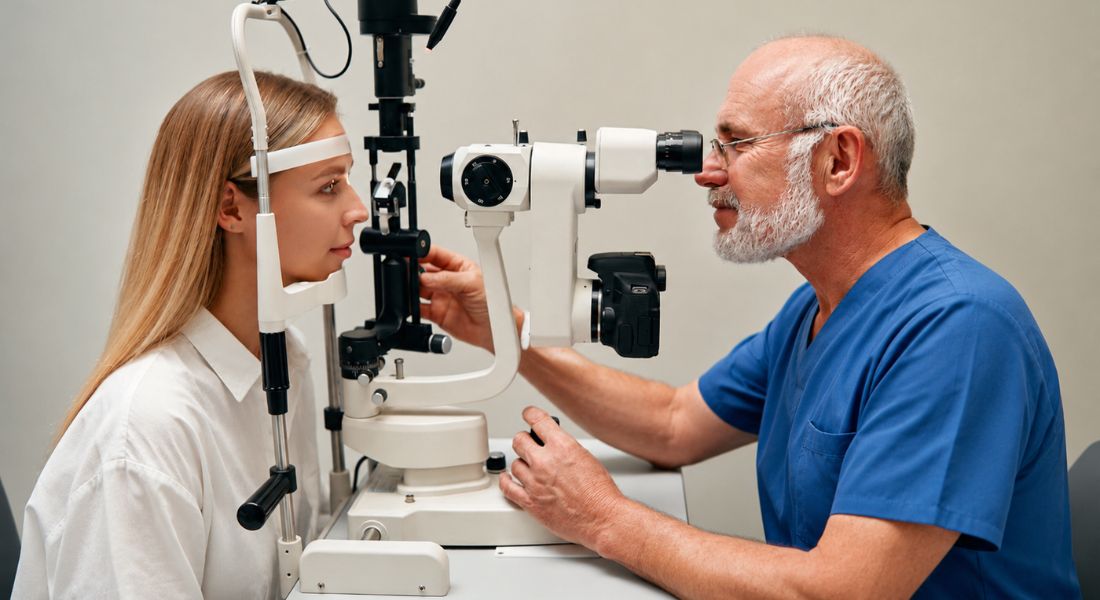
ICL surgery, also called implantable collamer lens surgery, can be suitable for patients from many different ethnic backgrounds. Your ethnicity alone does not determine whether the procedure will work well or whether you are a good candidate. Instead, the decision depends on whether your eyes meet key safety and anatomical requirements, including your prescription, corneal health, anterior chamber depth, eye pressure, endothelial cell count, retinal health, and the available internal space for the lens.
Researchers have studied ICL outcomes across different countries and patient groups, but there is still limited evidence that directly compares results based on ethnicity alone. Most ICL research focuses on clinical and anatomical factors such as prescription strength, postoperative vault, lens size, anterior chamber measurements, age, myopia level, astigmatism, and long-term safety outcomes rather than ethnic categories.
Some population-level studies suggest that anatomical patterns and refractive characteristics may vary between groups, which can indirectly influence how planning decisions are made. For example, differences in average myopia rates or corneal measurements may affect how often ICL is considered or how sizing formulas perform in certain datasets. However, these are general trends and do not determine what is true for any individual patient.
For you as a patient, the key point is that your personal measurements matter far more than ethnicity. A successful and safe ICL outcome depends on a detailed assessment of your own eyes, and your treatment plan should always be based on your individual anatomy and eye health rather than broad population assumptions.
What Is ICL Surgery?
ICL surgery involves placing a thin, custom-made prescription lens inside your eye to correct vision problems such as myopia and astigmatism. Your natural lens is left in place, which is why this procedure is known as a phakic intraocular lens surgery.
The ICL is typically positioned behind your iris and in front of your natural lens, where it works with your eye’s existing focusing system. By helping light focus more accurately on the retina, it can improve clarity of vision without altering the natural structure of your cornea.
This is what makes ICL different from laser procedures such as LASIK, PRK, and SMILE, which all involve reshaping the cornea to correct vision. Because ICL does not remove corneal tissue, it may be considered for you if corneal thickness, dryness, or prescription level makes laser surgery less suitable.
Does Ethnicity Directly Decide ICL Outcomes?
No. Ethnicity alone does not directly determine whether ICL surgery will be successful. You can achieve excellent results with ICL regardless of your ethnic background, as long as your eyes meet the required safety criteria and the procedure is carefully planned.
What matters most for you is a detailed and personalised eye assessment. This includes your refraction, corneal scans, anterior chamber depth, white-to-white measurement, lens rise, eye pressure, endothelial cell count, and a thorough retinal examination. Each of these measurements helps your surgeon decide whether ICL is safe and which lens size is most appropriate for your eyes.
Ethnicity can be useful in research to identify broader patterns and guide scientific questions, but it should never replace individual testing in clinical decision-making. Your suitability for ICL should always be based on your own eye measurements and overall eye health rather than general assumptions.
Why Ethnicity Is Discussed in ICL Research
Ethnicity is often discussed in ICL research because certain eye anatomy features and refractive patterns can vary between populations. For example, the prevalence of myopia and high myopia, rates of keratoconus, and average measurements such as anterior chamber depth or corneal dimensions may differ across groups.
These variations can influence how often ICL is considered within different populations and may affect how carefully certain pre-operative measurements are reviewed in research settings. However, these are population-level trends only, and they do not determine what is true for you as an individual patient.
For you in a clinical setting, the most important point is that suitability for ICL should never be assumed based on background alone. A proper consultation should always focus on your personal eye measurements, anatomy, and overall eye health rather than ethnicity-based generalisations.
What the Current Evidence Shows
Current evidence on ICL surgery generally shows good visual and refractive outcomes in patients who are appropriately selected. A long-term study of posterior chamber phakic ICL implantation reported favourable refractive outcomes in 216 patients and 349 eyes, supporting its effectiveness in reducing high refractive error in suitable cases.
Longer-term research also suggests that ICL can be a stable refractive option when patients are carefully assessed before surgery. An 8-year outcomes study reported good long-term safety, efficacy, predictability, and stability, with no vision-threatening complications observed during the 4- to 8-year follow-up period in the studied group. These findings reinforce the potential durability of ICL results in properly selected patients.
For you as a patient, the key message from the current evidence is that outcomes are strongly linked to careful selection, accurate measurements, and appropriate surgical planning. The evidence supports decision-making based on your individual eye anatomy and health rather than ethnicity-based assumptions.
Why Ethnicity-Specific Evidence Is Limited
There is limited published evidence that directly compares ICL outcomes across different ethnic groups using the same study design, measurements, and follow-up methods. Many existing studies are carried out within specific countries or centres, and they tend to focus on factors such as prescription strength, age, lens type, surgical technique, or postoperative vault rather than ethnicity itself.
This makes it difficult to draw clear conclusions about whether one ethnic group has better or worse outcomes after ICL surgery. In general, the strongest and most consistent evidence points towards anatomical and measurement-based factors such as anterior chamber depth, endothelial cell count, and accurate lens sizing as the key determinants of safety and success, rather than ethnicity alone.
For you as a patient, this means treatment decisions should be based on detailed individual assessment rather than broad population categories. Future research that includes more diverse populations and more consistent reporting of ethnicity alongside clinical outcomes would help improve counselling and make discussions even more precise and personalised.
Myopia Patterns and ICL Demand
ICL surgery is most commonly considered when you have moderate to high myopia, especially if your prescription is too strong for laser eye surgery or your cornea is not ideally suited for procedures like LASIK or SMILE. In some populations, higher rates of myopia mean more people naturally fall into the range where ICL becomes a relevant treatment option, which can influence how often it is discussed in those groups.
- ICL Is Linked to Higher Prescriptions: You are more likely to be considered for ICL if your myopia is moderate to high and outside the safer limits of laser correction.
- Population Trends Affect Demand, Not Treatment: Some communities may have more people with higher prescriptions, which simply means more individuals are assessed for ICL suitability.
- Ethnicity Does Not Change the Procedure: The surgery itself and how your eyes are treated remain exactly the same regardless of background.
- Individual Assessment Is Still Key: Your suitability depends on your own corneal health, eye anatomy, and prescription, not on general trends in your population group.
- Consultation Should Be Personalised: A proper assessment focuses on your eyes specifically rather than assumptions based on ethnicity or demographic data.
Overall, while myopia patterns can influence how common ICL discussions are in certain populations, your personal suitability is always determined by detailed eye measurements and clinical safety criteria. The most important factor is whether your eyes meet the requirements for a safe and effective outcome.
High Myopia and Retinal Health

If you have high myopia, you may need a more detailed retinal assessment before ICL surgery. High myopia can sometimes be associated with changes at the back of the eye, including retinal thinning, lattice degeneration, retinal tears, or other peripheral retinal abnormalities that may need monitoring or treatment.
These retinal risks are linked to the level of myopia itself rather than your ethnicity. However, if higher levels of myopia are more commonly seen in certain populations, it becomes even more important to ensure careful and routine retinal screening as part of the pre-operative assessment.
A complete ICL evaluation should always include both the front and back of your eye. This means assessing not only corneal shape, eye pressure, and internal space for lens placement, but also ensuring your retina is healthy enough for surgery and long-term visual stability.
Keratoconus Risk and Treatment Planning
Keratoconus rates can vary between different populations, which is why corneal health should always be carefully assessed before any refractive surgery. This condition causes thinning and irregular shaping of the cornea, which can affect vision quality and the overall suitability of different treatment options.
Even though ICL surgery does not involve reshaping the cornea, keratoconus can still have a significant impact on your treatment plan. If your cornea is unstable or your vision is irregular, your surgeon may prioritise stabilising the cornea first. This could involve treatments such as corneal cross-linking, specialist contact lenses, or ongoing monitoring before any refractive procedure is considered.
While ethnicity may help raise awareness of potential keratoconus risk, it is your corneal scans and clinical measurements that determine what is actually present in your eyes. A personalised assessment is essential to ensure that any treatment plan is safe, appropriate, and tailored specifically to your condition.
Anterior Chamber Depth
Anterior chamber depth is one of the most important measurements before ICL surgery. It shows your surgeon how much space there is inside your eye between the cornea and the natural lens, and whether there is enough room for the ICL to be implanted safely without affecting nearby structures.
If your anterior chamber is too shallow, ICL surgery may not be recommended because the available space may not safely accommodate the lens. If your measurement is suitable, your surgeon can continue with further planning using other key parameters such as endothelial cell count, eye pressure, and overall internal eye anatomy.
Recent research has also looked at carefully selected cases with anterior chamber depths below 3.0 mm and found that some patients may still achieve good outcomes. However, these cases require highly individualised assessment and specialist judgement, as safety must always come before suitability for surgery.
White-to-White and Internal Eye Measurements
White-to-white measurement estimates the visible horizontal diameter of your cornea. It is commonly used as part of ICL sizing because it provides a quick and simple external reference for planning. However, it does not fully reflect the internal anatomy of your eye or the exact space where the lens will actually sit.
Because of this limitation, modern ICL planning often includes more advanced imaging techniques. These may include anterior segment OCT, ultrasound biomicroscopy, sulcus-to-sulcus measurements, and lens rise assessment. Together, these tools give your surgeon a more complete understanding of your internal eye structure and help improve the accuracy of lens sizing and vault prediction.
While population averages may show differences between groups, the most important factor for you is your individual measurement. Safe and effective ICL planning is based on your own eye anatomy rather than generalised assumptions, ensuring that the lens selection is tailored specifically to your needs.
Vault and Why It Matters
Vault is the space between your implanted ICL and your natural lens. It is one of the most important safety measurements after surgery because it helps indicate whether the lens is positioned at a safe distance inside your eye. Proper vault is essential for maintaining both visual quality and long-term eye health.
If your vault is too low, the ICL may sit too close to your natural lens, which can increase the risk of contact-related changes over time. If it is too high, it may reduce the available space in the front of your eye and could contribute to drainage angle narrowing or pressure-related concerns that need careful monitoring.
CRSToday notes that improper ICL sizing can contribute to complications such as cataract formation, narrowing of the iridocorneal angle, and endothelial cell loss. This is why accurate pre-operative planning, precise lens selection, and regular post-operative follow-up are essential to ensure safe and stable outcomes for you.
Does Ethnicity Affect Vault Prediction?
Ethnicity may influence vault prediction indirectly because certain anatomical measurements can vary between different population groups. These differences can include factors such as anterior chamber depth, lens position, and overall eye dimensions, which are all important when estimating how an ICL will sit inside your eye after surgery.
A 2025 study comparing predicted and achieved postoperative vaults reported that the NK-V3 formula performed better than NK-V2 in Asian eyes, while showing comparable results in White eyes. However, this does not mean that any group automatically has better or worse outcomes. Instead, it highlights that different sizing formulas may perform differently depending on the dataset and anatomical characteristics they were tested on.
For you as a patient, this reinforces an important point: ICL planning should always be individualised. Careful measurement, appropriate formula selection, and thorough post-operative monitoring are what matter most in achieving safe and predictable results, rather than ethnicity alone.
ICL Sizing Formula Performance
ICL sizing formulas are used to help your surgeon select the lens size that is most likely to produce a safe and appropriate postoperative vault. Different formulas use different combinations of measurements, and each approach aims to predict how the lens will sit inside your eye after surgery.
Some traditional formulas rely more heavily on measurements such as white-to-white distance and anterior chamber depth, while newer methods incorporate additional anatomical data to improve accuracy. Ongoing research continues to refine these techniques because incorrect vault prediction is one of the main reasons why lens exchange or explantation may be required in some cases.
For you as a patient, the key point is that good outcomes depend on precise measurements and accurate lens sizing rather than broad demographic categories. Careful pre-operative assessment and the use of appropriate sizing methods are what help ensure the lens fits safely and performs well over the long term.
Artificial Intelligence and Population Differences
Artificial intelligence and machine learning are increasingly being explored to improve ICL vault prediction and lens sizing. These tools can analyse multiple eye measurements together and identify complex patterns that traditional formulas may not always capture, potentially improving pre-operative planning.
A 2025 study reported that AI-based models can effectively predict postoperative vault and assist in determining ICL size, with XGBoost performing better than other machine-learning algorithms tested. These findings suggest that AI may play a growing role in improving accuracy and consistency in ICL planning.
For you as a patient, it is important that these tools are developed and validated using diverse patient data. If AI systems are trained on limited or unbalanced populations, there is a risk that performance may vary between different groups. This is why ongoing validation and inclusive research are essential to ensure AI supports safe and accurate decision-making for all patients.
Endothelial Cell Health
Endothelial cell count is an important safety measurement before and after ICL surgery. These cells form a thin inner layer of the cornea and play a key role in keeping it clear by regulating fluid balance. Because endothelial cells do not regenerate well, maintaining a healthy cell count is essential for long-term corneal clarity.
Long-term studies continue to monitor endothelial cell density because the ICL sits inside the eye for many years. A 2025 long-term study notes that, although ICL surgery is generally safe in appropriately selected patients, potential complications can still include cataract formation, reduced endothelial cell density, and glaucoma. This is why regular follow-up and ongoing monitoring remain an important part of care after surgery.
For you as a patient, this is a safety consideration that applies to everyone, regardless of ethnicity. Protecting endothelial health depends on careful pre-operative assessment, correct lens sizing, and consistent long-term monitoring rather than any single demographic factor.
Eye Pressure and Angle Anatomy
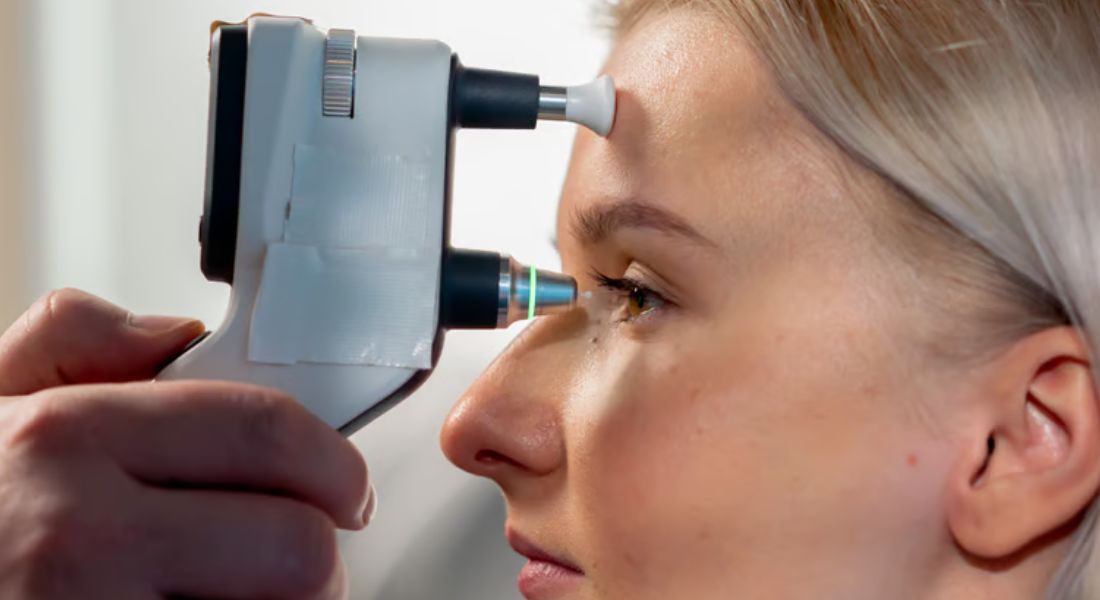
Because ICL is placed inside your eye, careful assessment of eye pressure and drainage angle anatomy is essential. Your surgeon needs to confirm that fluid can circulate normally after the lens is implanted, helping to maintain stable and healthy eye pressure over time.
If your drainage angle is narrow or your eye pressure is already raised, ICL surgery may require extra caution. In some cases, it may not be the safest option, and your surgeon may recommend an alternative treatment that better protects your long-term eye health.
While some anatomical patterns may be more commonly observed in certain populations, the safest and most accurate approach is always to measure and assess each patient individually. Eye pressure testing and angle evaluation should be a standard part of your consultation to ensure the procedure is appropriate for your specific eye anatomy.
Visual Outcomes After ICL
ICL outcomes are usually assessed using several key measures, including visual acuity, refractive accuracy, stability over time, safety, predictability, and overall patient satisfaction. These factors help surgeons and researchers understand how well the procedure performs in real-world settings. Most published studies focus on these clinical outcomes rather than comparing results based on ethnicity.
A nationwide multicentre study of hole ICL implantation for low myopia and myopic astigmatism evaluated safety, efficacy, predictability, stability, and adverse events during follow-up. The findings showed generally good outcomes when patients were carefully selected and appropriately assessed before surgery.
This highlights that ICL research is increasingly expanding beyond only high myopia cases. However, it also reinforces an important point for you as a patient: regardless of prescription level, careful selection, accurate measurements, and personalised planning remain the most important factors in achieving safe and successful visual results.
Toric ICL and Astigmatism
Toric ICL is used if you have both myopia and astigmatism, helping to correct both prescriptions at the same time with a specially designed lens. This can reduce your dependence on glasses or contact lenses while providing clearer and more stable vision in suitable eyes.
With toric ICL, accurate lens alignment is very important because the lens must sit at a precise angle inside your eye. Even small amounts of rotation can reduce the effectiveness of astigmatism correction, which is why careful planning and surgical precision are essential.
Ethnicity does not directly influence the success of toric ICL. The most important factors are your level and type of astigmatism, lens sizing, axis marking during surgery, how stable the lens remains after implantation, and regular follow-up checks. If the lens rotates significantly, your surgeon may need to assess whether a repositioning procedure is required to restore optimal visual correction.
Does Ethnicity Affect Complication Risk?
At present, there is not enough strong evidence to suggest that ethnicity alone determines the risk of complications after ICL surgery. Most complications are more closely related to your individual eye anatomy, how accurately the lens is sized, the surgical technique used, the quality of follow-up care, and your overall eye health before surgery.
Possible ICL-related issues can include abnormal vault (either too low or too high), raised eye pressure, cataract formation, endothelial cell loss, inflammation inside the eye, lens rotation in the case of toric ICLs, and retinal concerns in patients with high myopia. These risks are generally assessed and managed through careful pre-operative screening and ongoing post-operative monitoring.
For you as a patient, the safest and most reliable approach is always an individual risk assessment. This means your surgeon should base decisions on your personal measurements and eye health findings rather than assuming risk based on ethnicity or background.
Comparing ICL With LASIK Across Ethnic Groups
Some ethnic groups may have higher rates of myopia or keratoconus, and this can influence how often different vision correction options are discussed. In situations where LASIK may be less suitable due to corneal thickness, irregular shape, or higher prescription levels, ICL may be considered more frequently because it does not involve removing or reshaping corneal tissue.
However, ICL is not automatically a better option than LASIK. Both procedures can deliver excellent results when they are matched correctly to the right patient. LASIK may be entirely appropriate for you if your cornea, prescription, and overall eye health meet the required safety criteria, while ICL may be preferable in other cases where corneal-based surgery is less ideal.
If you are considering ICL surgery in London, your surgeon should clearly compare all suitable options, including LASIK, PRK, SMILE, and ICL, based on your individual measurements. The decision should always be personalised to your eyes, ensuring you understand why one option may be safer or more effective for your specific situation.
Why Personalised Assessment Matters Most

Personalised assessment is the most important part of deciding whether ICL surgery is right for you. While ethnicity may sometimes appear in research data, it does not determine your individual suitability or outcome. What really matters is the unique structure and health of your eyes.
- Individual Eye Measurements Matter: Your prescription, corneal scans, anterior chamber depth, and endothelial cell count all need careful evaluation.
- Comprehensive Safety Checks: Eye pressure, retinal health, and corneal condition are assessed to make sure the procedure is safe for you.
- Lens Planning Is Personalised: Vault prediction and lens sizing are calculated based on your specific anatomy, not general averages.
- Expectations Are Important: Your visual goals and lifestyle needs are also part of the decision-making process.
- Better Than General Statistics: A detailed individual assessment gives far more accurate guidance than broad population-based data.
Overall, ICL suitability is always decided on a case-by-case basis. Your eyes are unique, and a thorough personalised assessment ensures that any recommendation is based on your actual measurements rather than assumptions or group-level statistics.
Future Research on Ethnicity and ICL
Future research should include more diverse patient groups and clearer reporting of key factors such as ethnicity, eye anatomy, vault outcomes, and complication rates. This would help you as a patient benefit from stronger evidence on whether ICL planning methods and sizing formulas perform consistently across different populations.
It would also support surgeons in refining their decision-making tools so that they are reliable for a wide range of eye shapes and anatomical variations. At present, many studies combine different groups, so more detailed and consistent data could improve how outcomes are understood and applied in clinical practice.
AI-based planning tools will also need validation across diverse datasets to ensure they work accurately for all patients. Overall, the future of ICL should be more personalised, inclusive, and evidence-led, so your treatment decisions are based on robust data rather than limited or uneven population samples.
FAQs:
- Does ethnicity affect the success of ICL surgery?
No. Ethnicity alone does not determine ICL success. Outcomes mainly depend on eye anatomy, prescription strength, corneal health, endothelial cell count, and correct lens sizing. With proper selection and planning, patients from any ethnic background can achieve excellent visual results. - Why do researchers sometimes study ethnicity in ICL outcomes?
Ethnicity is sometimes studied because it can be loosely associated with differences in eye anatomy or disease prevalence (such as myopia or keratoconus). However, these are population trends, not individual rules. Modern ICL planning still relies on personal measurements rather than ethnic background. - Are ICL complication rates higher in any specific ethnic group?
There is no strong evidence showing higher complication rates based on ethnicity alone. Complications are more closely linked to factors like improper lens sizing, shallow anterior chamber depth, abnormal vault, or pre-existing eye conditions rather than racial background. - Does eye anatomy differ between ethnic groups in a way that affects ICL?
Some studies suggest average differences in parameters like anterior chamber depth or corneal curvature across populations. However, these variations are wide within every group, meaning individual measurements are far more important than averages. - Can people from all ethnic backgrounds get the same visual results after ICL?
Yes. When patients are properly selected and the lens is correctly sized, outcomes such as visual acuity, stability, and satisfaction are generally very similar across all ethnic groups. - Does keratoconus risk linked to ethnicity affect ICL suitability?
Keratoconus prevalence may vary between populations, but it does not automatically affect ICL suitability. If keratoconus is present or suspected, detailed corneal scans are required before any decision is made. The condition must be stable and carefully assessed. - Is LASIK or ICL more affected by ethnicity?
Both procedures are influenced more by eye health than ethnicity. However, procedures like LASIK may be more limited in patients with thin corneas or irregular corneal shape, which can vary individually rather than ethnically. ICL is often considered when corneal factors make laser surgery less suitable. - Does ethnicity affect ICL lens sizing or vault outcomes?
Not directly. Lens sizing is based on measurements like white-to-white distance, anterior chamber depth, and sometimes advanced imaging. Some formulas may perform slightly differently across datasets, but personalised measurement is still the key factor. - Are dry eye or retinal risks linked to ethnicity in ICL patients?
Dry eye and retinal risks are not directly caused by ethnicity. However, high myopia which is treated with ICL more often in some populations can increase retinal risks such as lattice degeneration or tears. These risks are related to myopia severity, not ethnicity. - What is the most important factor for ICL success regardless of ethnicity?
The most important factor is individual assessment. This includes accurate measurements of anterior chamber depth, endothelial cell count, retinal health, eye pressure, and correct lens sizing. When these are carefully evaluated, ethnicity becomes irrelevant to surgical decision-making.
Final Thoughts: Ethnicity Does Not Determine ICL Outcomes
ICL surgery outcomes are not defined by ethnicity but by the unique characteristics of each patient’s eyes. Across current research, the strongest predictors of success are factors such as anterior chamber depth, endothelial cell health, corneal shape, retinal condition, and precise lens sizing. While population studies may highlight trends in myopia or keratoconus in certain groups, these are only general patterns and do not determine individual surgical results. With proper assessment and planning, patients from any ethnic background can achieve similarly strong visual outcomes.
This is why a personalised consultation is essential before deciding on treatment. A full clinical evaluation ensures that the safest and most effective option is chosen based on your own eye measurements rather than assumptions. If you are exploring whether ICL surgery in London could benefit you, get in touch with us at Eye Clinic London to schedule your consultation.
References:
- Naripthaphan, P., et al. (2018) Efficacy and safety of hole implantable collamer lens implantation for refractive error correction, Journal of Cataract & Refractive Surgery, 44(7), pp. 850-857. Available at: https://pubmed.ncbi.nlm.nih.gov/29927184/
- Chan, A.T., et al. (2017) Outcomes after implantable collamer lens surgery: toric and non-toric ICL results in moderate to high myopia, Journal of Cataract & Refractive Surgery, 43(6), pp. 779-786. Available at: https://pubmed.ncbi.nlm.nih.gov/28457282/
- Pineda-Fernández, A., Jaramillo, J., Vargas, J. and Pineda, R. (2017) Implantable Collamer Lens: Surgical Technique and Clinical Outcomes, Cirugía y Cirujanos, 85(6), pp. 509-515. Available at: https://www.sciencedirect.com/science/article/pii/S018155121730027X
- Serra, P., et al. (2021) Posterior chamber phakic intraocular lenses for the correction of myopia: refractive predictability and visual outcomes after ICL implantation, Vision, Article 28. Available at: https://www.mdpi.com/2673-3269/2/4/28
- Wei, Q., et al. (2023) Retinal and choroidal changes following ICL V4c implantation: a 1-year observational study in high myopia patients, Article 3097. Available at: https://www.mdpi.com/2075-4418/13/19/3097