


Key LASIK Highlights from the ESCRS Congress
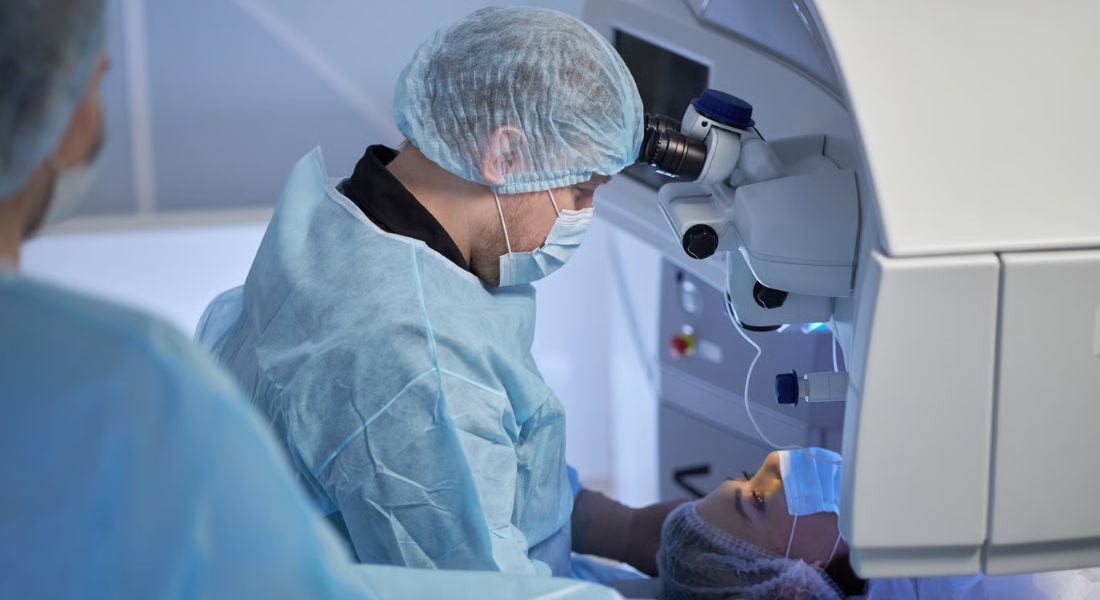
The European Society of Cataract and Refractive Surgeons (ESCRS) Congress is one of the most important international meetings for cataract and refractive surgeons. It brings together eye specialists from around the world to discuss advances in research, surgical techniques, laser technology, patient safety, visual outcomes, and the future of vision correction procedures.
If you are considering LASIK or interested in how refractive surgery is evolving, it helps to know that LASIK remains a central topic in these discussions. However, the focus has shifted quite a bit in recent years. Surgeons are no longer only asking whether LASIK can correct your prescription, but also how they can improve your outcomes through more precise planning, better patient selection, and higher-quality vision after surgery.
The 43rd ESCRS Congress took place in Copenhagen in September 2025, and its programme covered several areas of eye care, including cataract, cornea, glaucoma, ocular surface disease, and refractive surgery. The society also places strong emphasis on sharing new research and helping surgeons apply evidence-based findings in everyday clinical practice.
For you as a patient, the key takeaway is that refractive surgery is becoming increasingly personalised. Instead of a one-size-fits-all approach, the direction of modern LASIK care is focused on tailoring treatment more carefully to your eye, your prescription, and your visual expectations, with the goal of improving both safety and long-term visual quality.
Why LASIK Still Matters at ESCRS
This procedure has been performed for many years, but it continues to evolve thanks to ongoing improvements in diagnostic technology, femtosecond laser systems, eye-tracking systems, customised treatment planning, and better patient selection methods. These advances have helped improve both the safety and precision of the procedure over time.
At the European Society of Cataract and Refractive Surgeons (ESCRS) Congress, LASIK is usually discussed as part of the wider refractive surgery landscape rather than on its own. It is often compared with alternatives such as SMILE, PRK, implantable contact lenses, and lens-based refractive surgery. This helps surgeons understand the strengths and limitations of each option in different types of patients and clinical situations.
For you as a patient, this is important because the “best” procedure is not always the newest or most advanced technology. The most suitable option depends on your eye health, prescription, corneal shape, lifestyle, and what you expect from your vision after treatment.
In simple terms, careful assessment matters more than the procedure name. The goal is to make sure the treatment you are offered is safe, appropriate for your eyes, and gives you the most reliable long-term visual outcome.
Femtosecond Laser Technology
One key LASIK-related highlight from the ESCRS 2025 Congress was the continued importance of femtosecond laser systems. ESCRS reported that the Copenhagen congress marked 30 years of femtosecond laser eye surgery. It also showed how this technology has developed and become part of modern clinical practice.
In this procedure, femtosecond lasers are commonly used to create the corneal flap with a high level of precision. This has helped move LASIK away from older blade-based methods. Today, the procedure is more computer-controlled, predictable, and standardised.
For you as a patient, flap creation is not just a small technical step. It can influence the safety, accuracy, and visual outcome of LASIK. This is why advances in femtosecond laser systems have made modern LASIK surgery more reliable and consistent.
Custom LASIK Planning
Custom LASIK remains an important focus in refractive surgery because every eye has its own optical system. A standard glasses prescription only explains your refractive error. It does not fully show how light travels through your cornea and the rest of your visual system.
This is why modern LASIK planning may use wavefront-guided treatment, topography-guided treatment, or systems that combine several diagnostic measurements. These methods help create a more personalised treatment profile. The aim is to plan surgery around the individual shape, structure, and optical behaviour of each eye.
For you as a patient, this means LASIK is no longer treated as a one-size-fits-all procedure. Detailed measurements can help improve not only sharp vision, but also visual quality, contrast, clarity, and issues such as glare or halos. This makes the treatment more tailored to your eyes and your visual needs.
Topography-Guided LASIK
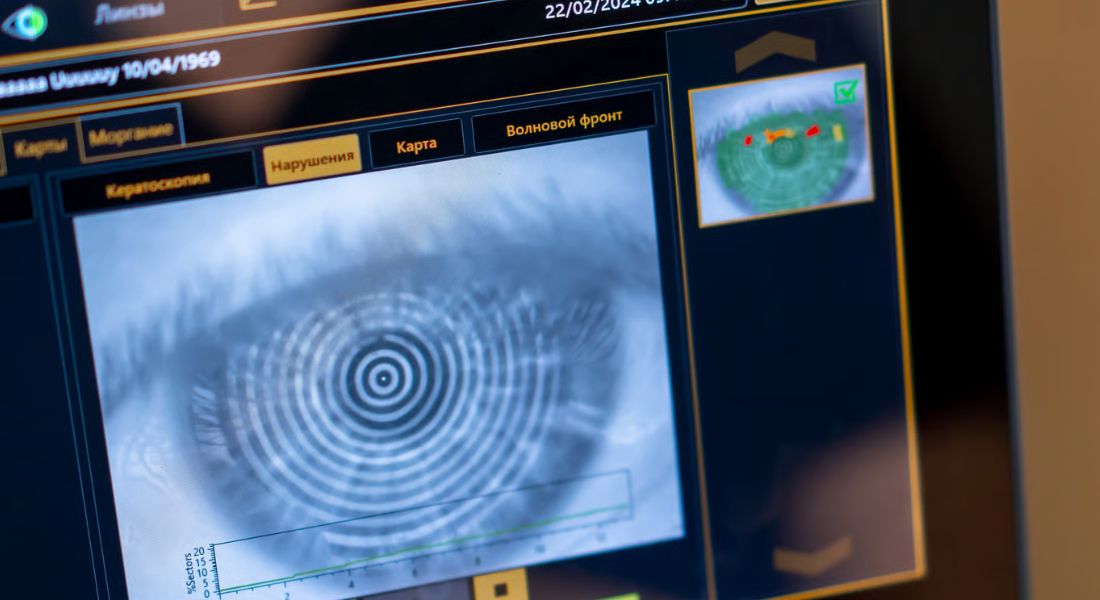
Topography-guided LASIK is a customised laser vision correction method that uses detailed measurements of your corneal surface. Unlike standard LASIK, it does not only focus on correcting your refractive error. It also considers small irregularities in the shape of your cornea.
The main aim is to create a smoother and more regular corneal surface. By improving these irregularities, the treatment may help improve visual quality in selected patients. This can include better clarity, contrast, and fewer visual disturbances such as glare or halos.
In ESCRS-style discussions, topography-guided LASIK is often compared with other customised techniques, such as wavefront-guided LASIK and SMILE. These comparisons help surgeons decide which approach may suit different corneal profiles and patient needs. This supports more personalised planning in modern refractive surgery.
Wavefront-Guided LASIK
Wavefront-guided LASIK is a customised form of laser eye surgery that studies how light travels through your whole eye. A standard glasses prescription corrects basic refractive error. Wavefront technology goes further by detecting smaller optical imperfections called higher-order aberrations.
These small imperfections can affect the quality of your vision. They may contribute to glare, halos around lights, weaker night vision, or reduced contrast. By mapping these distortions, wavefront-guided LASIK aims to create a more precise laser correction.
This is why wavefront-guided LASIK remains an important part of refractive surgery planning. It is often discussed alongside other customised LASIK approaches at ESCRS-style meetings. For you, the key point is that modern LASIK is not only about reducing glasses or contact lenses, but also about improving how clear and comfortable your vision feels in daily life.
LASIK Versus SMILE
LASIK and SMILE are often compared at major refractive surgery meetings such as ESCRS. Both are used for laser vision correction, but they work in different ways. SMILE is flap-free and uses a small incision, while LASIK creates a corneal flap before reshaping the cornea.
These discussions often look at dry eye symptoms, recovery speed, treatment precision, and patient lifestyle. SMILE may suit patients worried about flap-related issues or those involved in contact sports. LASIK may offer more customisation and wider treatment flexibility in certain cases.
For you, this means laser vision correction should not be seen as one single option. Each procedure has its own strengths and limits. Comparing LASIK and SMILE helps surgeons choose the option that best matches your eye anatomy, visual needs, and lifestyle.
LASIK Versus PRK
PRK is another established type of laser eye surgery that is often compared with LASIK at meetings such as ESCRS. Unlike LASIK, PRK does not create a corneal flap. Instead, the surface layer of the cornea is removed before the laser reshapes the tissue underneath.
At ESCRS 2025, Reuters reported on a large PRK study covering more than 65,000 procedures in older teenagers and adults. The findings suggested that results in 17- and 18-year-old patients were comparable to, or sometimes better than, adults aged 19 to 40. Although the study focused on PRK, it is still relevant because PRK and LASIK are often compared when choosing a laser vision correction method.
In practice, surgeons often assess LASIK and PRK side by side. Factors such as corneal thickness, lifestyle, trauma risk, and recovery expectations can all affect the decision. For you, this means each option has its own benefits and limits, so the safest choice depends on your eyes and daily needs.
Patient Selection
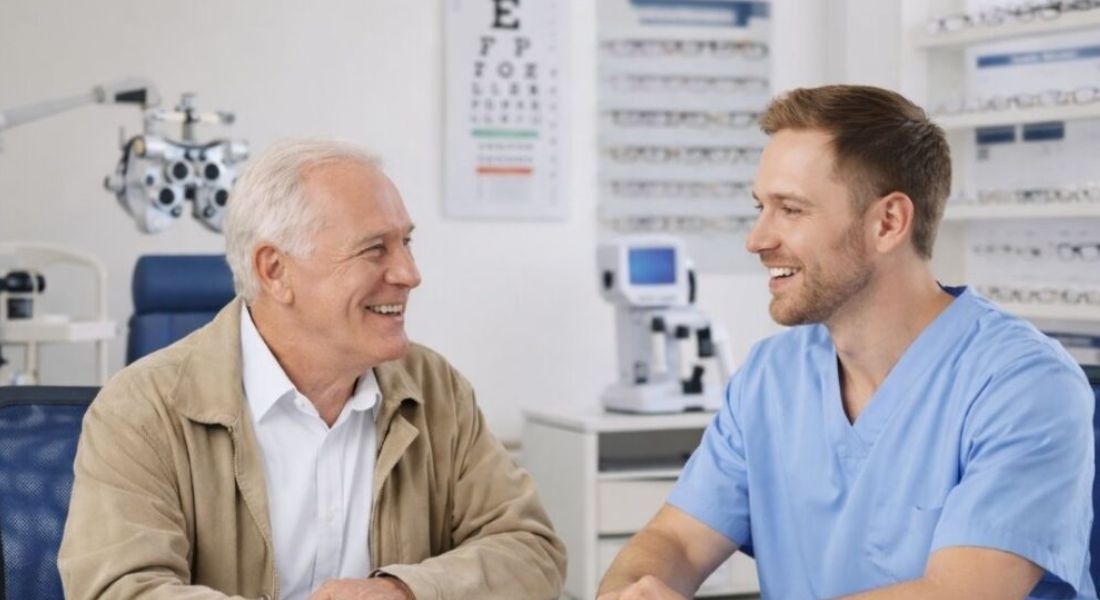
Patient selection is one of the most important themes in LASIK discussions at specialist meetings such as ESCRS. LASIK can work very well for suitable patients. However, it is not right for everyone, so careful assessment before surgery is essential.
Surgeons need to check factors such as corneal thickness, corneal shape, prescription stability, dry eye, pupil size, age, lifestyle, and visual needs. These details help show whether your cornea can safely and predictably be reshaped. They also help reduce the risk of complications or poor visual results.
In some cases, LASIK may not be the safest option if the cornea is too thin, irregular, or weak. Alternatives such as PRK or lens-based procedures may be more suitable. This is why a full consultation is so important, as it helps match the treatment to your eye health and long-term vision needs.
Corneal Imaging Before LASIK
Modern LASIK surgery depends on detailed corneal imaging to support safe and predictable results. Before treatment, scans help surgeons check your corneal thickness, curvature, and overall structural stability. These measurements are important because they show whether your eye is suitable for laser reshaping.
Corneal topography and tomography are especially useful before LASIK. They create detailed maps of the cornea’s surface and internal structure. These scans can detect early or subtle irregularities that may not be visible during a normal eye examination.
Because LASIK permanently reshapes the cornea, surgeons need to be confident that the cornea is strong enough for treatment. Careful imaging helps reduce avoidable risks and supports more accurate planning. Overall, advanced corneal imaging plays an important role in making modern LASIK safer, more precise, and more reliable.
Managing Corneal Refractive Surgery Complications
The ESCRS 2025 Congress included main symposium content on managing complications in corneal refractive surgery. This shows that safety is just as important as new technology in LASIK and other laser vision correction procedures. It also reminds you that good results depend on careful planning, not just advanced equipment.
Possible complications can include dry eye, undercorrection, overcorrection, epithelial ingrowth, flap-related problems, infection, inflammation, glare, or halos. Some patients may also feel unhappy with their vision, even when the surgery itself has gone as planned. This is why surgeons need to discuss both results and possible risks clearly.
Open discussion of complications helps surgeons improve their techniques and make better patient selection decisions. It also supports stronger prevention and management strategies. When these outcomes are reviewed honestly at meetings such as ESCRS, refractive surgery can continue becoming safer and more reliable for future patients.
Dry Eye After LASIK
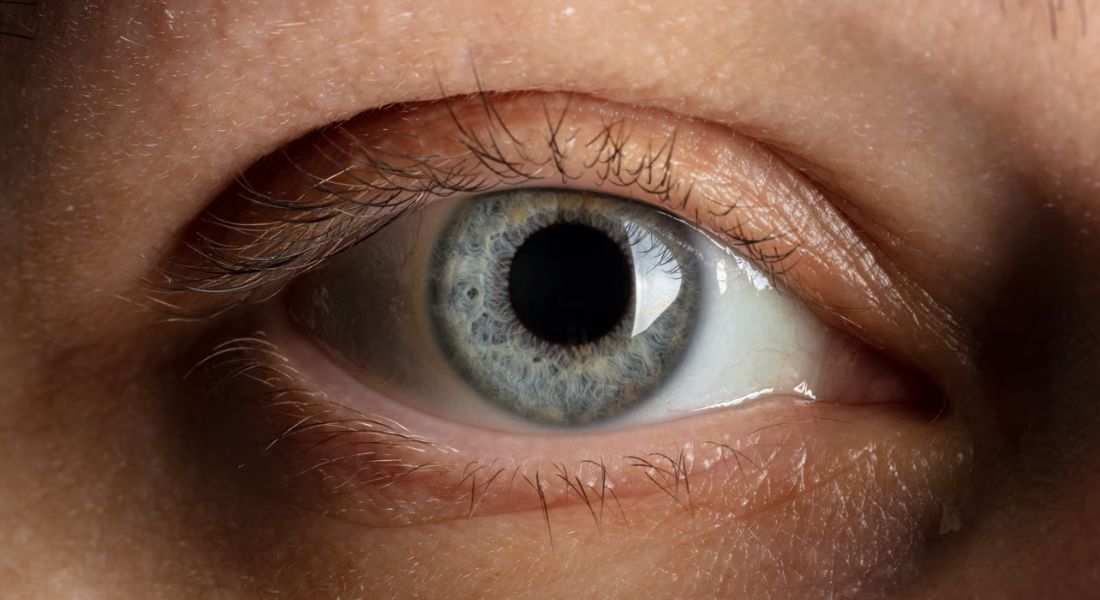
Dry eye is one of the most common considerations linked with LASIK surgery. Some patients may already have dry eye signs before treatment. Others may notice temporary dryness in the weeks or months after surgery as part of healing.
At meetings such as ESCRS, specialists often discuss how to assess the eye surface and tear film before LASIK. This helps identify patients who may have a higher risk of dryness after surgery. In some cases, dry eye may need treatment first, or another procedure may be recommended.
Managing the eye surface carefully is important because it can affect healing, comfort, and visual quality. A stable tear film can help your vision feel clearer and more consistent during recovery. For you, this means successful LASIK is not only about clear vision, but also about comfortable and stable vision in daily life.
Night Vision and Quality of Vision
LASIK outcomes are not judged only by how well you can read an eye chart. In everyday life, your vision is also affected by how your eyes perform in different lighting conditions and real-world situations. You may care more about night driving, glare, halos around lights, contrast sensitivity, screen use, and overall visual comfort. Because of this, modern refractive surgery planning focuses heavily on visual quality as well as visual sharpness.
- Beyond reading chart vision: While standard eye tests measure how clearly you can see letters on a chart, they do not always reflect your real-life visual experience. Issues such as glare, halos, and reduced contrast sensitivity can strongly affect how satisfied you feel after LASIK.
- Focus on visual quality in modern discussions: ESCRS discussions often emphasise visual quality rather than just numerical results. This reflects a shift towards understanding how you actually function in everyday environments, not just how you perform in a clinical test.
- Role of advanced treatment planning: Customised laser profiles, improved centration techniques, and better optical zone planning are used to optimise outcomes. These refinements aim to reduce unwanted visual effects, especially in low-light conditions.
- Importance of individual visual needs: Good LASIK planning takes into account how you use your vision day to day. Night driving, screen work, hobbies, and occupational demands all influence what treatment approach may suit you best.
In simple terms, modern LASIK outcomes are increasingly defined by quality of vision rather than just clarity on a chart. Conference discussions continue to highlight night vision, glare reduction, and personalised treatment planning. Advances in technology and diagnostics are helping surgeons refine results to better match real-world visual needs.
LASIK in Higher Prescriptions
Higher prescriptions need especially careful planning in laser vision correction. This is because more corneal tissue may need to be reshaped to achieve the desired result. For this reason, not every patient with higher myopia will be suitable for LASIK.
At ESCRS meetings, high myopia is often discussed in detail. Specialists compare options such as topography-guided LASIK and SMILE. These discussions focus on safety, effectiveness, corneal stability, and long-term visual quality.
For patients with higher refractive errors, the choice is not always simple. LASIK, SMILE, PRK, implantable contact lenses, or lens-based procedures may all be considered. Each option has different benefits and limits depending on your eye structure and prescription.
A careful specialist assessment is essential before choosing treatment. It helps determine which approach is safest and most effective for your eyes. The aim is to match the treatment to your prescription strength and long-term eye health.
Hypermetropia and LASIK Planning
Hypermetropia, or long-sightedness, can be more complex to treat with LASIK than mild or moderate short-sightedness. It often needs very precise laser centration. Patients also need clear counselling so they understand the likely results and recovery.
ESCRS educational content has discussed refractive surgery options for hypermetropia. These discussions cover newer techniques, long-term outcomes, and the challenges of treating higher levels of long-sightedness. They show that planning must consider both the prescription strength and how the eye focuses light.
LASIK planning is not the same for every patient. Myopia, hypermetropia, and astigmatism can each affect the surgical approach, predictability, and final results. Careful assessment helps ensure the treatment is safe, suitable, and personalised to your visual system.
LASIK and Presbyopia
Presbyopia is the age-related loss of near focusing ability that usually begins in your 40s. It is often discussed at refractive surgery meetings because many patients want help with both distance and near vision. This becomes more important when reading and close work start to feel harder.
LASIK-based options may include monovision or blended vision in carefully selected patients. In monovision, one eye is mainly corrected for distance and the other is adjusted for near vision. This needs careful assessment because your brain must adapt to using each eye differently.
These approaches are not suitable for everyone. Trial framing or contact lens simulation may be used before surgery to check whether you can tolerate the change. For you, the key point is that LASIK may help with presbyopia in selected cases, but it does not fully restore youthful near focusing ability.
Training and Surgeon Skill
While advanced technology plays an important role in LASIK, the experience and judgement of your surgeon are equally important. Even the most sophisticated laser systems still depend on careful planning, accurate assessment, and skilled execution. This is why organisations such as the European Society of Cataract and Refractive Surgeons (ESCRS) provide structured education, masterclasses, on-demand learning, and congress sessions to support ongoing professional development in cataract and refractive surgery.
- Improving patient selection and planning: Training helps surgeons refine which patients are suitable for LASIK and which may benefit more from alternative procedures. Careful selection is essential for achieving safe and predictable outcomes.
- Enhancing surgical technique and decision-making: Educational programmes allow surgeons to continuously improve both surgical planning and intraoperative decision-making. This includes adapting techniques based on your individual corneal shape and visual needs.
- Better management of complications: Ongoing training also focuses on recognising and managing potential complications. This helps surgeons respond effectively to issues such as dry eye, glare, or variations in healing after surgery.
- Keeping up with evolving techniques: Refractive surgery continues to evolve, and training helps surgeons compare newer approaches with established procedures. This ensures that the treatment you are offered is based on current evidence and best practice.
In simple terms, surgeon training and continuous education are central to safe and effective LASIK outcomes. While technology keeps advancing, it is clinical judgement, experience, and ongoing learning that guide the best decisions for each patient. For you, this means safer procedures and more carefully considered treatment planning based on current evidence and expertise.
Innovation in Refractive Surgery Devices
The European Society of Cataract and Refractive Surgeons (ESCRS) Congress exhibitions regularly showcase new developments in refractive surgery technology, including advanced imaging systems, laser platforms, and surgical planning tools. Industry coverage of ESCRS 2025 highlighted that companies such as Heidelberg Engineering, STAAR Surgical, and Ziemer Ophthalmic Systems presented innovations in cataract and refractive surgery at the Copenhagen congress.
These developments help surgeons and researchers stay informed about how refractive surgery is evolving, particularly in areas such as precision diagnostics, surgical accuracy, and workflow efficiency. Reviewing new technologies in a conference setting allows specialists to better understand how emerging tools may fit into clinical practice and whether they offer meaningful advantages for patient care.
For you as a patient, it is important to understand that new tools still require careful clinical evaluation before it becomes widely adopted. Even when a device or system appears promising, evidence of safety, effectiveness, and long-term outcomes remains essential, especially in procedures such as LASIK where visual quality and patient satisfaction are very important.
Ultimately, the most responsible approach is not to use technology simply because it is new, but to use it when there is clear benefit for appropriately selected patients. This helps ensure that innovation improves outcomes while maintaining safety, reliability, and good clinical judgement.
What ESCRS LASIK Highlights Mean for Patients
For you as a patient, the key message from discussions at the European Society of Cataract and Refractive Surgeons (ESCRS) is that LASIK is becoming increasingly personalised, more diagnostic-led, and more focused on overall quality of vision rather than simply reducing dependence on glasses or contact lenses. The laser treatment itself is only one part of a much broader clinical pathway.
A safe and successful LASIK outcome depends on comprehensive preoperative testing, careful assessment of your corneal health and visual needs, honest discussion about benefits and limitations, and realistic expectations about the final result. Choosing the most appropriate procedure for your individual eyes is just as important as the surgery itself.
If you are considering LASIK surgery, it is important to choose a clinic that prioritises suitability and safety rather than marketing claims or technology alone. The best outcomes usually come from a personalised treatment plan guided by specialist judgement and supported by modern diagnostic tools, rather than simply selecting the newest available procedure.
The Future of LASIK
The future of LASIK is expected to be shaped by continued improvements in diagnostic imaging, more advanced and precise laser systems, enhanced treatment planning algorithms, better preoperative dry eye assessment, and an increased focus on overall quality of vision outcomes rather than visual acuity alone.
At the same time, LASIK will continue to be evaluated alongside alternative refractive procedures such as SMILE, PRK, implantable contact lenses, and lens-based surgical options. This comparative approach helps surgeons choose the most appropriate procedure for each individual patient rather than relying on familiarity with a single technique.
For you as a patient, this means refractive surgery is becoming increasingly personalised. Your eye health, corneal shape, prescription strength, lifestyle, and visual expectations are all becoming more important when deciding which treatment option may suit you best.
Overall, modern refractive surgery is moving away from a one-size-fits-all approach and towards more tailored treatment planning. The goal is to match the right procedure to the right patient through detailed assessment, careful counselling, and long-term focus on visual quality and safety.
FAQs:
- What is the ESCRS Congress and why is it important for LASIK?
It is one of the leading international meetings for cataract and refractive surgeons. It brings together experts to review the latest LASIK techniques, safety updates, and technological advances that influence modern vision correction. - How is LASIK evolving according to ESCRS discussions?
LASIK is becoming more personalised, with improved diagnostics, better laser precision, and enhanced treatment planning aimed at improving visual quality, not just reducing spectacle dependence. - What role does femtosecond laser technology play in modern LASIK?
Femtosecond lasers are used to create the corneal flap with high precision, improving safety, predictability, and consistency compared with older blade-based techniques. - What is custom LASIK and why is it important?
Custom LASIK uses detailed eye measurements such as wavefront or corneal topography data to personalise treatment, improving clarity, contrast, and overall visual quality. - How does LASIK compare with SMILE and PRK?
LASIK, SMILE, and PRK are all effective laser vision correction options, but they differ in technique, recovery time, and suitability depending on corneal shape, lifestyle, and prescription strength. - What is the main focus when selecting patients for LASIK?
Patient selection focuses on corneal thickness, stability of prescription, dry eye status, corneal shape, and visual expectations to ensure safety and predictable outcomes. - Why is dry eye important in LASIK planning?
Dry eye can affect healing and visual comfort after surgery, so it must be assessed and managed before LASIK to reduce the risk of postoperative symptoms. - How does LASIK affect night vision and visual quality?
Modern LASIK planning aims to reduce glare, halos, and contrast issues by using advanced diagnostics and customised laser profiles to improve real-world visual performance. - What complications are associated with LASIK?
Possible complications include dry eye, glare, halos, under- or overcorrection, flap issues, and infection, although serious complications are rare when patients are properly selected. - What is the role of technology in future LASIK care at centres like Eye Clinic London?
Advanced imaging, AI-assisted planning, and refined laser systems are expected to further improve safety, precision, and patient-specific outcomes in LASIK treatment.
Final Thoughts on ESCRS LASIK Innovations
The ESCRS Congress highlights how LASIK surgery continues to move towards greater precision, safety, and personalisation. Advances in femtosecond laser systems, customised treatment planning, and improved diagnostic imaging all point towards a future where outcomes are increasingly tailored to individual visual needs rather than a one-size-fits-all approach.
For readers wanting to explore treatment options in more detail, you can learn more on our page about LASIK treatment options and how modern refractive surgery is performed in specialist practice.
At Eye Clinic London, LASIK is always approached through careful assessment, patient selection, and detailed counselling to ensure suitability and safety for each individual. If you’d like to find out whether lasik surgery in London is suitable for you, feel free to contact us at Eye Clinic London to arrange a consultation.
References:
- Miret, J.J., Rojas, E., Camps, V.J., García, C., Caballero, M.T., Martín, B. & Chipont, E. (2022). Understanding the real effect of the high order aberrations after myopic Fem to LASIK. Available at: https://www.mdpi.com/2673-3269/3/4/33
- Kang, E.M., Ryu, I.H., Lee, I.S., Kim, J.K., Kim, S.W. & Ji, Y.W. (2022). Comparison of corneal higher order aberrations following topography guided LASIK. Available at: https://www.mdpi.com/2077-0383/11/20/6171
- Agarwal, S. et al. (2018). Visual outcomes and higher order aberrations following LASIK on eyes with low myopia and astigmatism. Available at: https://pmc.ncbi.nlm.nih.gov/articles/PMC5997857/
- Li, Y. et al. (2017). Effects of higher order aberrations on contrast sensitivity in normal eyes of a large myopic population. Available at: https://pmc.ncbi.nlm.nih.gov/articles/PMC5596227/
- Keir, N.J. et al. (2009). Wave front guided LASIK for myopia: effect on visual acuity, contrast sensitivity. Available at: https://pubmed.ncbi.nlm.nih.gov/19603620/