


Early Signs of Glaucoma Most People Miss

Glaucoma is often called the “silent thief of sight” because it can develop without obvious symptoms. Many people assume serious eye conditions always cause pain or sudden vision loss. In reality, glaucoma often progresses quietly for years.
Because early symptoms are subtle, they are easy to dismiss or explain away. Changes may feel like normal ageing or temporary eye strain. By the time vision loss is noticed, damage may already be permanent.
In this article, we explain the early signs of glaucoma that many people miss. We explore why these changes occur and when an eye check becomes essential. Understanding these signs can help protect long-term vision.
What Glaucoma Is and Why It Develops Slowly
Glaucoma isn’t just one condition. It’s a group of eye diseases that slowly damage your optic nerve, which is responsible for sending visual information from your eye to your brain. When this nerve is damaged, your vision can be permanently affected. The key issue is that this damage usually happens very gradually.
In many types of glaucoma, pressure inside your eye plays a role in harming the optic nerve. This pressure can build up slowly over time, rather than rising suddenly. In some cases, your eye pressure may even stay within what’s considered a normal range. That’s why glaucoma can be difficult to spot early.
Because the changes happen so slowly, your brain adapts without you realising it. You may not notice any problems with your vision until significant damage has already occurred. Peripheral vision is often affected first, which makes early symptoms even easier to miss. By the time you’re aware of an issue, the disease may be advanced.
This slow progression is exactly why regular eye checks matter so much. Routine tests can detect subtle changes long before you notice symptoms yourself. Early diagnosis gives you a better chance of protecting your remaining vision. Even if your eyes feel fine, regular screening can make all the difference.
Why Early Glaucoma Often Has No Pain
Many people assume that eye disease will be painful. With glaucoma, that’s usually not the case especially in the early stages. Because you don’t feel discomfort, it’s easy to assume everything is fine.
- The most common type develops silently: Open-angle glaucoma, which accounts for most cases, usually causes no redness, irritation, or aching. Your central vision often stays sharp at first, so nothing feels obviously wrong.
- Pain is rarely an early warning sign: In most people, glaucoma does not cause pain until very late, if at all. This absence of symptoms can give you a false sense of reassurance.
- Damage continues without obvious clues: Because there is no clear warning, you may delay having your eyes checked. During this time, silent and irreversible damage to the optic nerve can continue.
This is why regular eye examinations are so important, even when your eyes feel completely normal. Glaucoma is often detected through testing, not symptoms. Early diagnosis is the key to protecting your long-term vision.
Subtle Peripheral Vision Changes
One of the earliest signs of glaucoma is a subtle loss of your peripheral vision. This change usually develops slowly and often affects both eyes at the same time. Because it happens so gradually, you’re unlikely to notice it at first.
In the early stages, this type of vision loss doesn’t interfere with everyday tasks like reading or driving. Your central vision remains clear, so everything seems normal. This can give you a false sense of reassurance.
Your brain is very good at compensating for small gaps in your vision. It fills in the missing areas without you being consciously aware of it. This natural adjustment is why glaucoma can progress unnoticed for so long.
Over time, your side vision continues to narrow. When the changes finally become obvious, significant damage may already have occurred. That’s why early detection is so important.
Bumping Into Objects More Often
You might notice that you’re bumping into door frames or pieces of furniture more often than usual. This can happen even when you don’t feel like there’s anything wrong with your vision. It’s often dismissed as simple clumsiness.
In reality, this change can be linked to a reduction in your side vision. Your eyes may no longer pick up objects at the edges of your visual field as reliably as before. Because this happens gradually, it’s easy to overlook.
Your awareness of your surroundings decreases little by little. You may still see clearly straight ahead, which makes the problem harder to recognise. This gradual shift is typical of early glaucoma-related vision changes.
These small, everyday incidents are easy to ignore or explain away. However, they can be an early warning sign worth taking seriously. Getting your eyes checked can help rule out underlying issues.
Difficulty Seeing in Low Light
You may find it harder to see clearly in low light, especially in dimly lit rooms. Spaces can start to feel darker than they used to. You might also notice that your eyes take longer to adjust when the lighting changes.
This shift is often brushed off as a normal part of ageing or simple tiredness. However, it can sometimes point to early changes in how your optic nerve is working. Your ability to detect contrast may also be reduced.
Low-light environments can make subtle vision problems more obvious. You may struggle more in the evening or when moving from bright to dark spaces. These changes tend to develop slowly, making them easy to ignore.
Difficulties seeing at night are an important warning sign. They shouldn’t be overlooked or dismissed. An eye examination can help identify the cause early.
Increased Sensitivity to Glare
You might start noticing more glare from headlights, streetlights, or bright indoor lighting. It can feel uncomfortable, even if it isn’t painful. Bright conditions may seem to reduce your overall visual clarity.
This sensitivity to glare can happen when the signals from your optic nerve aren’t being transmitted as efficiently. It affects how your brain processes incoming light. Early glaucoma can be a factor in these changes.
Because glare often increases naturally as you age, it’s easy to dismiss. You might assume it’s just a normal part of getting older. However, it can sometimes signal an underlying vision problem.
If you experience persistent glare that wasn’t there before, it’s worth getting checked. Early assessment can help identify issues before they worsen. Don’t wait until it starts affecting daily tasks.
Frequent Changes in Glasses Prescription
If you find yourself needing frequent updates to your glasses prescription, it could be a subtle warning sign. Your vision might seem to fluctuate or feel inconsistent. While this isn’t always due to glaucoma, it can be an early clue that something need s closer attention.
- Vision changes may not be about sharpness alone: Glaucoma can affect how your brain processes visual information, not just the clarity of what you see. Standard eye charts don’t always pick up these functional changes, which is why your glasses may feel “off” even if your vision seems fine on testing.
- Frequent prescription changes can signal underlying issues: If your prescription keeps changing without a clear reason, it’s worth investigating further. It may indicate early changes in your optic nerve or visual field that need monitoring.
- Comprehensive eye examinations are essential: Rather than just updating your lenses, a full assessment can help identify the real cause. Early detection allows you to protect your vision before more noticeable changes occur.
Paying attention to how your vision feels, not just what the chart shows, can help catch problems early. Regular check-ups ensure any changes are understood and managed appropriately.
Headaches Around the Eyes
You might notice mild, recurring headaches around your eyes. Often, these are blamed on stress, long hours at a screen, or tiredness. In some cases, changes in eye pressure can contribute.
This type of headache is non-specific and easy to overlook. Not everyone with glaucoma will experience it. But when it appears alongside other subtle vision changes, it can be a meaningful clue.
Headaches by themselves don’t necessarily indicate glaucoma. It’s the pattern and context that matter most. Paying attention to how often they occur and what other symptoms you notice is important.
If these headaches are persistent or come with changes in your vision, it’s worth mentioning to an eye specialist. Early evaluation can help rule out underlying issues. Catching problems early gives you the best chance of protecting your sight.
Eye Fatigue That Feels Disproportionate
You might notice your eyes feeling unusually tired, even after normal daily activities. Sometimes, rest doesn’t seem to help, and your vision feels strained for no obvious reason. While eye fatigue is common, it can sometimes point to an underlying issue.
- Strain may be out of proportion to activity: If simple tasks like reading, screen use, or driving leave your eyes feeling exhausted, it could indicate that something is affecting how efficiently your eyes are working.
- Inefficient visual processing can play a role: Glaucoma can make it harder for the optic nerve to transmit visual information smoothly. This can lead to a sense of fatigue even when your eyesight seems normal on tests.
- Persistent fatigue deserves attention: Because tired eyes are common, you might dismiss the symptoms. However, ongoing or unexplained fatigue is worth discussing with your eye care professional to rule out glaucoma or other conditions.
Paying attention to how your eyes feel during everyday tasks can help catch subtle problems early. Getting a full assessment ensures you can address any underlying issues before they affect your vision further.
Why Central Vision Often Remains Normal
One reason glaucoma can go unnoticed in the early stages is that your central vision often remains clear. Tasks like reading, using screens, or recognising faces still feel normal. This can give you a false sense of security.
Glaucoma usually affects the nerve fibres at the edges of your vision first. The central fibres that control sharp, detailed vision are often spared until later. Because of this, early changes can be very subtle.
By the time your central vision starts to be affected, significant damage has often already occurred. That’s why relying on how clearly you see straight ahead isn’t enough. Peripheral vision loss is usually the first warning sign.
Eye tests that specifically check side vision are crucial. They can detect changes long before you notice them yourself. Regular screening helps protect your remaining vision.
Family History That Is Often Forgotten

Family history is one of the biggest risk factors for glaucoma. Many people don’t realise that relatives may have had the condition. Others assume it isn’t relevant to them personally.
Glaucoma often runs in families, and your genetic makeup can increase your susceptibility. Even if you feel fine, this inherited risk matters. Being aware of it makes regular screening even more important.
If a close relative has glaucoma, you should be particularly vigilant with eye checks. Early detection can make a real difference to preserving your vision. Risk can be higher even if you don’t notice any symptoms yourself.
Keeping your family history in mind helps you and your eye specialist make informed decisions. It’s a simple step that can protect your sight over the long term.
Age-Related Risk People Underestimate
Glaucoma risk naturally increases as you get older. Many people assume that only the very elderly are affected. This misunderstanding can delay important eye checks.
In reality, the risk starts to rise from mid-life onwards. Subtle changes in your eyes can appear long before you notice any symptoms. Age alone is a strong reason to have regular screening.
Relying on how your eyes feel isn’t enough to catch glaucoma early. Symptoms often appear only after significant damage has occurred. That’s why age-based checks are so important.
By keeping up with routine eye examinations, you give yourself the best chance of protecting your vision. Early detection makes prevention and treatment far more effective.
Normal Eye Pressure Can Still Mean Glaucoma
Many people think glaucoma only develops if your eye pressure is high. In fact, that isn’t always the case. A type called normal-tension glaucoma is well recognised by eye specialists.
With this form, your optic nerve can still be damaged even when pressure readings are within the “normal” range. Certain structural vulnerabilities make some nerves more sensitive. This means eye pressure alone doesn’t give the full picture.
That’s why comprehensive testing is so important. Eye exams that assess the optic nerve and side vision provide a clearer view of your risk. Relying on pressure checks alone can miss early glaucoma.
Even if your pressure seems normal, regular screening can catch subtle changes before serious damage occurs. Early detection gives you the best chance of preserving your vision.
Why Vision Loss Is Permanent
Glaucoma damages the fibres of your optic nerve, and once these fibres are lost, they cannot grow back. This means any vision loss you experience is permanent, which is why early detection is so important.
- Lost optic nerve fibres cannot regenerate: Unlike some tissues in your body, the optic nerve cannot repair itself. Once the nerve fibres that carry visual information are gone, the vision they support is lost for good.
- Treatment focuses on protecting what remains: Glaucoma management aims to slow or stop further damage, not restore what’s already lost. This is why controlling eye pressure and monitoring your eyes regularly is essential.
- Delay reduces the effectiveness of treatment: The longer damage continues unchecked, the less there is to protect. Early diagnosis and prompt treatment give you the best chance of maintaining the vision you still have.
By understanding that vision loss from glaucoma is permanent, you can appreciate why regular eye checks and timely treatment are so important. Protecting your remaining vision should always be the priority.
How Early Glaucoma Is Detected Clinically
Early glaucoma is usually detected through a combination of eye tests. These include examining your optic nerve, measuring eye pressure, and performing visual field assessments. Advanced imaging techniques also play an important role.
Visual field tests are designed to spot subtle losses in your peripheral vision. Imaging can reveal thinning of the nerve fibres even before you notice any symptoms. Together, these tests give a clearer picture of your eye health.
Having regular eye examinations is key to catching glaucoma in its early stages. The sooner it’s detected, the better the chances of protecting your vision. You don’t need to wait until symptoms appear.
Screening isn’t just about pressure checks it’s about looking at the whole eye. By combining multiple tests, your eye specialist can identify problems early. Early detection is the most effective way to preserve your sight.
Why Routine Eye Checks Are Essential
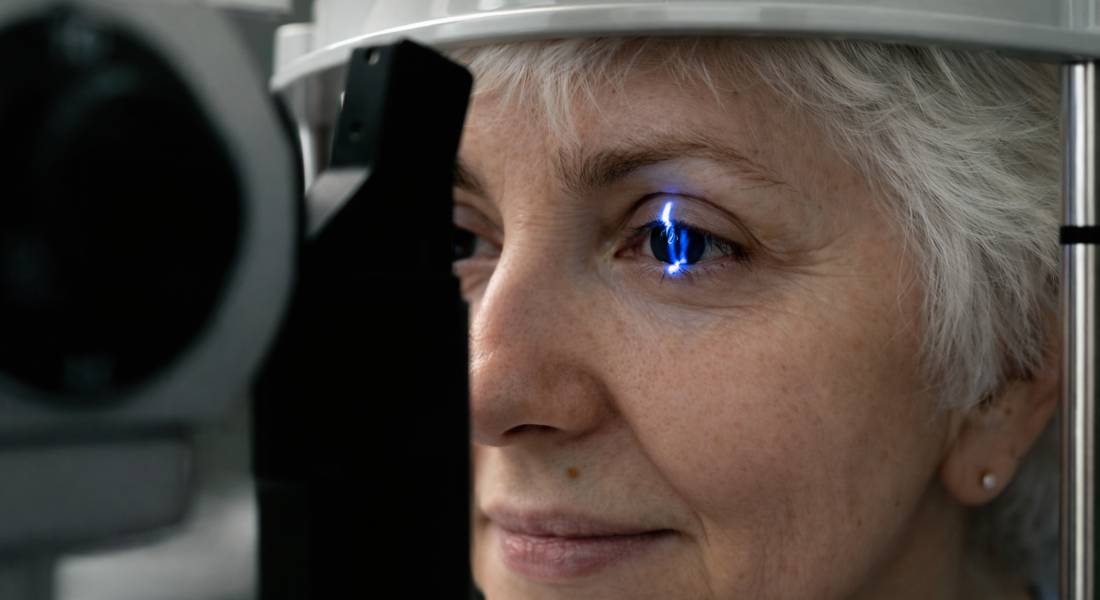
Routine eye checks are important because they can spot glaucoma before you notice any symptoms. Many people feel perfectly fine until significant damage has already occurred. Waiting for symptoms to appear is risky for your vision.
Eye examinations don’t just check how clearly you see. They also assess the health of your optic nerve and measure eye pressure. This comprehensive approach helps detect problems early.
Having regular checks gives you the best defence against silent vision loss. Glaucoma can progress without obvious signs, so consistency is key. By keeping up with exams, you take control of your eye health.
Early detection makes a real difference. The sooner issues are identified, the more options you have to protect your sight. Routine screenings are a simple yet powerful way to prevent serious vision loss.
Common Myths That Delay Diagnosis
There are quite a few myths about glaucoma that can be misleading. Some people think it only affects older adults, while others assume that if your vision seems fine, your eyes must be healthy. These misconceptions can prevent you from seeking timely checks.
Believing these myths can delay assessment and diagnosis. Glaucoma often develops silently, without obvious signs or discomfort. That’s why education about the condition is so important.
Knowing the facts about glaucoma can make a real difference for your eye health. Understanding how it develops helps you take preventive steps. Awareness encourages you to act before serious damage occurs.
Taking time to learn the truth about glaucoma ensures you don’t ignore subtle warning signs. Regular screenings and informed choices give you the best chance of protecting your vision.
Who Should Be Especially Vigilant
Certain groups of people need to be especially vigilant about glaucoma because their risk is higher. Factors like your family history, age, or underlying health conditions can make you more susceptible. Understanding these risks helps you take proactive steps, such as scheduling regular eye checks and monitoring your vision closely.
| Risk Factor | Why It Matters |
| Family history | Genetic risk |
| Increasing age | Higher prevalence |
| African or Asian ancestry | Increased susceptibility |
| Diabetes | Vascular risk |
| High myopia | Structural vulnerability |
When Subtle Signs Should Trigger an Eye Check
Any subtle or persistent change in your vision should prompt an eye check. This can include noticing gaps in your side vision, increased glare, or difficulty seeing at night. You shouldn’t wait until there’s pain or obvious loss to act.
If you have risk factors such as family history, age, or certain health conditions, getting screened becomes even more important. Just because you don’t notice symptoms doesn’t mean your eyes are completely healthy. Early checks give you the best chance of preserving your sight.
Timely assessment can make a real difference to your outcomes. Detecting glaucoma early allows for interventions that slow or prevent further damage. Delaying an eye examination only increases the risk to your vision. Regular vigilance and prompt action when you notice changes are key. By taking small steps now, you protect your sight for the future.
The Emotional Impact of Late Diagnosis
Being diagnosed with glaucoma late can be emotionally tough. Many people feel regret over missed opportunities for earlier detection. This emotional burden, however, is something you can often avoid with timely checks.
If glaucoma is caught early, it brings reassurance and a sense of control. Treatment can focus on prevention rather than trying to fix advanced damage. This proactive approach helps reduce anxiety about your vision.
Understanding the condition and your risk empowers you. When you know what to look out for, you can make informed decisions about your eye health. Knowledge gives you confidence in managing your vision.
Taking early action not only protects your sight but also your peace of mind. Routine screenings and awareness help you stay in control. Being proactive means fewer surprises and less stress down the line.
Summary: Early Signs People Often Miss

Glaucoma often develops quietly, which is why these subtle signs can easily be missed. Noticing changes like reduced peripheral vision, increased glare, or trouble seeing at night can be an early clue that your optic nerve is under strain. Being aware of your family history and everyday signs, such as bumping into objects, helps you take action before serious damage occurs.
| Subtle Change | Why It Matters |
| Peripheral vision loss | Early nerve damage |
| Glare sensitivity | Reduced signal processing |
| Night vision difficulty | Contrast loss |
| Bumping into objects | Side vision narrowing |
| Family history | Increased risk |
FAQs:
- What is glaucoma and why is it called the “silent thief of sight”?
Glaucoma is a group of eye conditions that slowly damage your optic nerve, which carries information from your eyes to your brain.It’s often called the “silent thief of sight” because you might not notice anything wrong until your vision, especially your side vision, has already been affected. That’s why regular eye checks are so important. - Can glaucoma happen even if my eye pressure is normal?
Yes, it can. Even if your eye pressure seems fine, you could still develop a type called normal-tension glaucoma. In this case, certain parts of your optic nerve are more sensitive, and damage can happen quietly.That’s why you shouldn’t rely only on pressure readings and should have a full eye assessment. - What are the earliest signs I should look out for?
Early glaucoma signs can bereally subtle. You might notice small gaps in your side vision, find it harder to see in low light, or be bothered by glare from headlights or bright lights. Even bumping into objects more often than usual could be a clue. Because your central vision stays clear at first, these changes can be easy to miss. - How does my family history affect my risk?
If someone in your family has had glaucoma, your chances of developing it are higher. Your genes can make your optic nerve more vulnerable, even if your eyes seem fine. Knowing your family history helps you and your eye specialist stay on top of regular screenings. - Will I feel pain if I have glaucoma?
Usually not, especially in theearly stages. Most people with open-angle glaucoma don’t experience pain, redness, or irritation at first. Because you don’t feel discomfort, it can be easy to assume your eyes are healthy, which is why regular check-ups are so important. - Why does glaucoma affect night vision?
You might notice your eyes struggling in dimly lit spaces or taking longer to adjust when moving from bright to dark areas. Contrast may also seem less sharp. These changes happen gradually, so you might just thinkit’s tiredness or ageing, but it can sometimes be an early warning sign. - Why is peripheral vision affected before central vision?
Glaucoma usually damages the nerve fibres at the edges of your vision first.That’s why you might not notice anything unusual while reading or looking straight ahead. By the time your central vision is affected, there may already be significant damage. Paying attention to your side vision is key. - Can frequent changes in myglassesprescription mean glaucoma?
Sometimes, yes. If your vision feels inconsistent or your prescription keeps changing, it could be a subtle clue that your optic nerve isn’t working as efficiently as it should. A thorough eye exam can help figure out whether glaucoma or another issue is causing these changes. - Who needs to be especially careful about glaucoma?
You should be extra vigilant if you have a family history of glaucoma, are over 40, have African or Asian ancestry, or have conditions like diabetes or high myopia. These factors increase your risk, so staying consistent with eye checks andmonitoring any changes in your vision is especially important. - Why is catching glaucoma early so important?
Glaucoma damages your optic nerve, and unfortunately, lost nerve fibresdon’t grow back. The sooner it’s detected, the sooner you can take steps to slow or prevent further damage. Regular eye exams give you the best chance of keeping your remaining vision safe.
Final Thought: Protect Your Vision with Early Action
Glaucoma can develop quietly, and the subtle signs are easy to miss. By paying attention to changes in your side vision, glare sensitivity, night vision, or even small everyday clues like bumping into objects, you give yourself the best chance of detecting the condition early. Family history, age, and other risk factors make regular eye checks even more important.
If you’d like to find out whether glaucoma treatment in London is suitable for you, feel free to contact us at Eye Clinic London to arrange a consultation. Taking early action helps protect your vision and gives you peace of mind about your eye health.
References:
- Zeppieri, M., Gardini, L., Culiersi, C., Fontana, L., Musa, M., D’Esposito, F., Surico, P.L., Gagliano, C. and Sorrentino, F.S. (2024) Novel approaches for the early detection of glaucoma using artificial intelligence, Life, 14(11), p.1386. https://www.mdpi.com/2075-1729/14/11/1386
- Ling, X.C., Chen, H.S.-L., Yeh, P.-H., Cheng, Y.-C., Huang, C.-Y., Shen, S.-C. and Lee, Y.-S. (2025) Deep learning in glaucoma detection and progression prediction: a systematic review and metaanalysis, Biomedicines, 13(2), p.420. https://www.mdpi.com/2227-9059/13/2/420
- Lee, S.S.Y. and Mackey, D.A. (2022) Glaucoma – risk factors and current challenges in the diagnosis of a leading cause of visual impairment, Maturitas, 163, pp.1522. https://pubmed.ncbi.nlm.nih.gov/35597227/
- Early Manifest Glaucoma Trial Group (2016) Detection of glaucoma progression by perimetry and optic disc photography at different stages of the disease: results from the Early Manifest Glaucoma Trial, Acta Ophthalmologica. https://pubmed.ncbi.nlm.nih.gov/27778463/
- Lee, S.S.Y. and Mackey, D.A. (2022) Glaucoma – risk factors and current challenges in the diagnosis of a leading cause of visual impairment, Maturitas, 163, pp.1522. https://www.sciencedirect.com/science/article/abs/pii/S03785122220009503