


Why Your Dry Eyes Get Worse with the Weather — And What to Do About It

Why Your Dry Eyes Get Worse with the Weather — And What to Do About It
Do you ever notice your eyes feeling gritty, sore, or watery at certain times of the year? Maybe they sting in the winter winds, or feel unbearably dry during hot summer days with the air conditioning on full blast. If so, you’re not imagining things. The weather plays a surprisingly big role in how your eyes feel, especially if you already struggle with dry eye syndrome.
In this guide, we’ll take a deep dive into why seasonal changes affect your tear film, which weather conditions make symptoms worse, and what you can actually do to keep your eyes comfortable year-round. Think of it as your seasonal survival manual for dry eyes.
Understanding the Link Between Weather and Dry Eyes
Dry eye syndrome happens when your eyes don’t produce enough tears, or when the tears you do make evaporate too quickly. The balance of tear production and tear stability is delicate, and the outside environment can disrupt it easily.
Your tear film has three layers: a watery middle layer, an oily outer layer that prevents evaporation, and a mucous layer that helps tears stick to the eye’s surface. Cold, wind, heat, humidity, and airborne particles all interact with this system in different ways. That’s why many people notice their dry eye symptoms getting better or worse depending on the season.
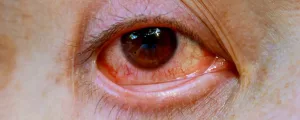
Winter: The Season of Indoor Heating and Cold Winds
Winter is one of the toughest times for dry eyes. When temperatures drop, most of us spend more time indoors with the central heating on. Heating systems strip moisture out of the air, lowering indoor humidity and speeding up tear evaporation.
At the same time, cold outdoor winds physically dry out the surface of your eyes, almost like a hairdryer aimed at your face. Combine that with the fact that winter often means spending more time in front of screens, and you’ve got a perfect recipe for worsening symptoms.
What you can do:
- Use a humidifier indoors to counteract dry heating.
- Wear wraparound glasses outdoors to shield your eyes from the wind.
- Remember to blink fully when you’re using digital devices.
Spring: Pollen Season and Allergic Triggers
Spring brings blooming flowers, longer days — and a lot of pollen. For people prone to allergies, this can mean itchy, watery, red eyes on top of their usual dry eye symptoms. Allergic reactions release histamine, which irritates the surface of the eye and disrupts tear film stability.
Pollen can also physically stick to the tear film and eyelids, making you rub your eyes more. Unfortunately, rubbing only makes things worse by damaging the fragile tear film and irritating the delicate tissues around your eyes.
What you can do:
- Keep windows closed on high-pollen days.
- Wash your face and eyelids after spending time outdoors.
- Consider using preservative-free lubricating drops to flush out allergens.
Summer: Heat, Air Conditioning, and Sun Exposure
Summer might seem like a time when your eyes should feel better, but for many people it’s actually when symptoms flare up most. Hot air accelerates tear evaporation, while air conditioning creates a double problem by blasting cold, dry air directly across your face.
Long days outdoors also mean more exposure to UV rays, which can inflame and irritate the surface of the eyes. And if you’re swimming in chlorinated pools or salty seawater, your tear film takes another hit.
What you can do:
- Wear sunglasses that block UV rays and wrap around your face.
- Limit direct exposure to air conditioning vents, both in the car and indoors.
- Rinse your eyes with preservative-free artificial tears after swimming.
Autumn: Wind, Dampness, and Changing Temperatures

Autumn might not get as much attention, but it can be surprisingly hard on dry eyes. Windy days are common, and fluctuating temperatures between warm indoor spaces and cool outdoor air make it harder for your eyes to adjust.
Some people also notice flare-ups linked to autumn allergens like mould spores and fallen leaves. If you’re sensitive, these environmental factors can increase irritation, leaving your eyes feeling gritty or burning more often.
What you can do:
- Keep lubricating drops handy in your pocket or bag.
- Wear protective eyewear when outdoors on windy days.
- Try to avoid direct contact with autumn allergens by washing your hands and face regularly.
Why Humidity Levels Matter So Much
One of the biggest factors behind seasonal dry eye flare-ups is humidity. The more moisture there is in the air, the slower your tears evaporate. When humidity drops, tear evaporation speeds up dramatically.
This is why people often notice their eyes feeling more comfortable in tropical climates, where the air is naturally humid. On the other hand, deserts, heated rooms, or air-conditioned offices create a hostile environment for the tear film.
A simple solution is to use a humidifier indoors, particularly during the colder months. Even small changes in humidity can make a big difference to how your eyes feel day to day.
Wind: The Invisible Culprit
Wind is one of the most underestimated irritants for people with dry eye. Even a gentle breeze can disrupt the tear film, drying out the surface of the eye within minutes. It’s not just about outdoor winds either — fans and open car windows can have the same effect.
If you often find your eyes streaming outdoors, that’s your body’s way of trying to produce more tears to protect them. Unfortunately, those reflex tears don’t have the same oily and mucous layers as your natural tear film, so they don’t provide lasting relief.
Protective glasses or wraparound sunglasses are the easiest way to shield your eyes from wind exposure. They act as a physical barrier and keep your natural tear film intact for longer.
The Role of Seasonal Lifestyle Changes
It’s not just weather itself that affects your eyes — it’s also the way we change our habits across the seasons. For example:
- Winter: More screen time indoors.
- Spring: Spending time outdoors during high pollen counts.
- Summer: Swimming, holidays, and long days in the sun.
- Autumn: More exposure to wind and damp conditions.
Each of these lifestyle factors compounds the effect of seasonal weather changes. Recognising them can help you plan ahead and make small adjustments that prevent your symptoms from spiralling.
When to Seek Professional Help
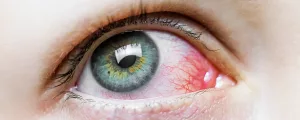
While weather changes are a normal trigger for dry eyes, you shouldn’t ignore symptoms that are persistent or worsening. If you’re finding it hard to manage your eyes even with over-the-counter remedies, it may be time to see a specialist.
Treatments such as prescription eye drops, punctal plugs, light therapy, or even in-office procedures for meibomian gland dysfunction can provide long-term relief. A specialist can also check whether another condition — like blepharitis or ocular surface disease — is contributing to your symptoms.
FAQ: Weather and Dry Eyes
- Why do my eyes water more in the wind if I have dry eye syndrome?
It may seem odd, but watery eyes can be a symptom of dry eye syndrome. When wind strips away your natural tear film, your eyes go into emergency mode and produce reflex tears. These tears are mostly water, without the oily and mucous layers that keep normal tears stable. As a result, they run off your cheeks instead of properly coating the eye, leaving you with both watering and dryness at the same time. - Can air conditioning really make dry eyes worse?
Absolutely. Air conditioning lowers the humidity in the room and often blows air directly across your face, which increases tear evaporation. Even if you don’t feel the cool air directly, spending long hours in an air-conditioned environment will often leave your eyes gritty, sore, or irritated by the end of the day. Small steps like adjusting vents, sitting further from direct airflow, or using a portable humidifier can make a noticeable difference. - Is central heating just as bad as air conditioning for dry eyes?
Yes, but in a slightly different way. Central heating pumps out warm, dry air that strips moisture from indoor spaces. This lack of humidity makes your tear film unstable, so your eyes dry out faster than usual. Many people also spend more time on screens in winter, which compounds the effect. Adding moisture back into the air with a humidifier, or simply placing bowls of water near radiators, can help restore balance. - Why do allergies make dry eyes feel worse in spring?
Seasonal allergies trigger the release of histamine in your eyes, leading to itching, redness, and excess tearing. Pollen and other allergens can also sit on your eyelids and lashes, further irritating the surface. When combined with an already fragile tear film, this inflammation magnifies dry eye symptoms. Washing your face after being outdoors, using lubricating drops to flush out pollen, and keeping windows shut on high pollen days can help. - Can swimming pools trigger dry eye symptoms?
Yes, and chlorine is the main culprit. While it keeps pools clean, chlorine strips away the protective oily layer of your tear film. This leaves your eyes vulnerable to rapid evaporation and irritation. Saltwater can have a similar effect, drawing moisture away from the eyes. Wearing well-fitted swimming goggles is the best defence, and rinsing your eyes with preservative-free drops afterwards will help restore comfort. - Do sunglasses really help with dry eyes?
They do, and not just in summer. Wraparound sunglasses act like a shield, protecting your eyes from wind, dust, pollen, and UV rays, all of which aggravate dry eye symptoms. By reducing evaporation and irritation, they give your tear film a better chance of staying stable. Even on cloudy days, UV light can affect your eyes, so making sunglasses a year-round habit is a smart move if you live with dry eye. - How does humidity affect dry eyes?
Humidity is one of the most important environmental factors for tear stability. In humid conditions, tears evaporate slowly, keeping your eyes comfortable for longer. In dry environments — like heated rooms, air-conditioned offices, or desert climates — evaporation speeds up dramatically. That’s why your eyes may feel fine on a misty autumn day but sore after a few hours in a dry indoor space. Maintaining indoor humidity levels can reduce flare-ups. - Can diet or hydration make a difference in seasonal dry eye symptoms?
Yes, lifestyle choices often influence how strongly you feel seasonal triggers. Dehydration, which is more common in summer, can make your tears less effective. Similarly, a diet lacking omega-3 fatty acids reduces the quality of the oily layer in your tear film, leaving it more vulnerable to evaporation. Drinking water regularly and eating foods like salmon, flaxseed, or walnuts can support healthier tears and improve your resilience to environmental changes. - Are there any eye drops better suited for seasonal flare-ups?
Some artificial tears are designed to tackle specific issues, such as rapid evaporation or allergy-related irritation. Preservative-free drops are always the safest choice for frequent use, as preservatives can irritate your eyes over time. During hot, windy, or dry months, drops that provide extra moisture and stabilise the tear film can be particularly effective. Your optometrist or eye specialist can recommend the best option based on your seasonal triggers. - When should I see a doctor about my dry eye symptoms?
If your symptoms are constant, worsening, or interfering with your daily activities, it’s time to see a specialist. Occasional irritation during seasonal changes is common, but persistent discomfort can point to underlying conditions such as meibomian gland dysfunction or ocular surface disease. A doctor can assess whether your symptoms are purely environmental or if medical treatment would help you achieve lasting relief.
Final Thoughts
Your eyes are more sensitive to the environment than you might realise. Weather changes — from dry indoor heating to humid summer days — can have a huge effect on how comfortable your eyes feel. The good news is that with a few adjustments and protective strategies, you can reduce your symptoms and enjoy better vision all year round.
And if your eyes continue to feel uncomfortable despite your best efforts, it’s worth getting professional support. At Eye Clinic London, we’re here to help you identify the root cause of your dry eye symptoms and find tailored treatments that actually work for you.
References
- Craig, J.P., Nichols, K.K., Akpek, E.K., et al., 2017. TFOS DEWS II Definition and Classification Report. The Ocular Surface, 15(3), pp.276–283. Available at: https://dryeye.worldcouncilofoptometry.info/wp-content/uploads/2024/11/Guideline-Summary-TFOS-DEWSII-Report-Executive-Summary.pdf [Accessed 10 September 2025].
- American Academy of Ophthalmology, 2024. What Is Dry Eye? Symptoms, Causes and Treatment. AAO Eye Health. Available at: https://www.aao.org/eye-health/diseases/what-is-dry-eye [Accessed 10 September 2025].
- Akpek, E.K., Amescua, G., Farid, M., et al., 2024. Dry Eye Syndrome Preferred Practice Pattern®. American Academy of Ophthalmology. Available at: https://www.aaojournal.org/article/S0161-6420%2824%2900012-5/pdf [Accessed 10 September 2025].
- American Optometric Association, 2025. Dry Eye. AOA Healthy Eyes. Available at: https://www.aoa.org/healthy-eyes/eye-and-vision-conditions/dry-eye [Accessed 10 September 2025].