


Why Standard Dry Eye Treatments Sometimes Don’t Work
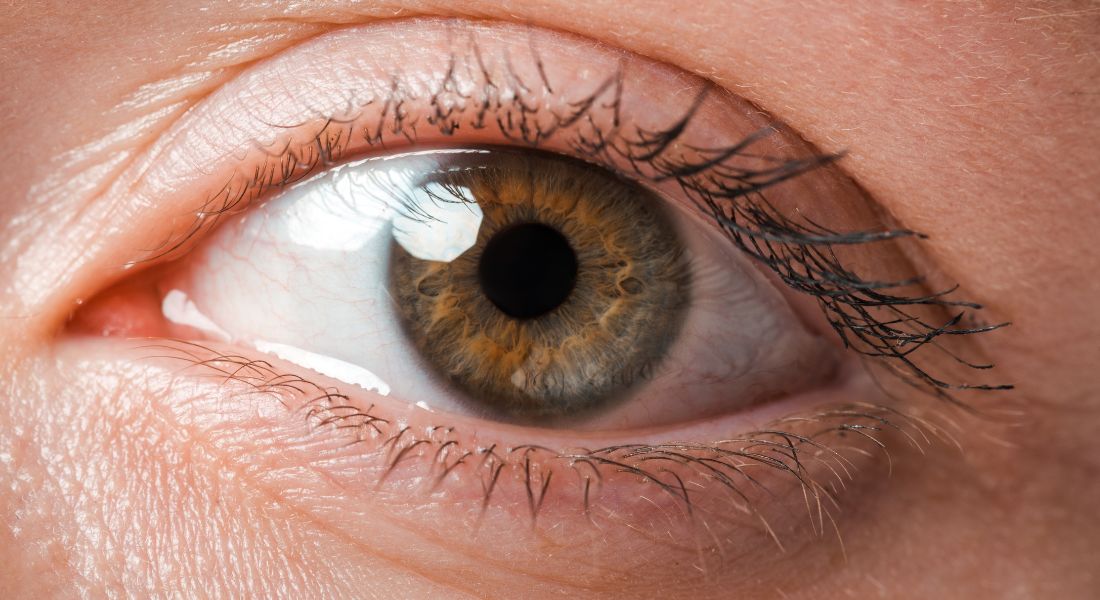
Dry eye is one of the most common causes of eye discomfort. You may experience symptoms such as burning, dryness, or irritation that affect daily comfort. In many cases, artificial tears and other dry eye treatments provide noticeable relief. These therapies help restore moisture and protect the eye surface.
However, you may sometimes continue experiencing symptoms even after trying several dry eye treatments. Lubricating drops, gels, and lifestyle adjustments might provide little or no improvement. This situation can feel frustrating and confusing, especially when you are following the recommended treatments. When symptoms persist, it may suggest that another underlying issue is present.
One possible explanation is neuropathic eye pain. In this situation, the discomfort does not come directly from the eye surface. Instead, the nerves responsible for sensing the eye become hypersensitive and continue sending pain signals. Because the problem lies within nerve function, standard dry eye treatments may not fully resolve the symptoms.
Understanding Dry Eye Disease
Dry eye disease develops when your eyes do not produce enough tears or when the tear film becomes unstable. Tears are essential for protecting and lubricating the surface of your eyes. When this balance is disrupted, irritation and discomfort can occur. You may notice symptoms such as dryness, burning, or a gritty sensation.
Your tear film contains three important layers that work together to keep your eyes comfortable. These layers include an oily layer, a watery layer, and a mucin layer that helps tears spread evenly across the surface. If any of these layers do not function properly, dryness can develop. This imbalance can make the eye surface more vulnerable to irritation.
In many cases, dry eye symptoms improve with appropriate treatment. You may find relief with artificial tears, eyelid hygiene, and simple environmental adjustments. These measures help restore moisture and improve tear stability. However, not all persistent symptoms are caused purely by tear deficiency.
Typical Dry Eye Treatments

Standard dry eye treatments aim to improve the quality and stability of your tear film. Artificial tears are one of the most common options used to lubricate the surface of your eyes. These drops help reduce friction that occurs when you blink. Regular use can make your eyes feel more comfortable.
Your doctor may also recommend warm compresses and careful eyelid hygiene. These steps help improve oil production from the meibomian glands in your eyelids. A healthy oil layer slows down tear evaporation and keeps the eye surface moist. Maintaining this balance supports overall eye comfort.
Anti-inflammatory eye drops may sometimes be prescribed as part of treatment. These medications help calm inflammation that can worsen dryness. By reducing irritation on the ocular surface, they support a healthier tear environment. With these therapies, many patients notice a clear improvement in their symptoms.
When Treatments Fail to Provide Relief
Sometimes you may continue experiencing eye discomfort even after following recommended treatments. Lubricating drops or other dry eye therapies may reduce surface dryness temporarily but fail to eliminate the burning or aching sensation. When symptoms persist despite consistent care, it may suggest that the underlying cause is more complex than simple tear instability.
- Surface treatments may provide only temporary relief: Artificial tears and lubricating gels can improve moisture on the eye surface, but they mainly address dryness. If nerve-related mechanisms are involved, these treatments may not fully resolve the discomfort.
- Persistent symptoms prompt further investigation: When burning, stinging, or aching continues despite appropriate therapy, doctors often begin exploring other possible explanations. This reassessment helps determine whether another mechanism is responsible for the pain.
- Possible involvement of nerve dysfunction: Symptoms that do not respond to surface-based treatments may indicate that the corneal nerves themselves are generating abnormal pain signals. This type of nerve hypersensitivity can create persistent discomfort.
- A different treatment approach may be required: When neuropathic mechanisms are suspected, management may focus on calming nerve signalling rather than only improving the tear film. This shift in treatment strategy can help address the true source of the pain.
Recognising when treatments fail to provide relief is an important step in diagnosis. By identifying the possibility of neuropathic eye pain, clinicians can explore more targeted approaches to managing persistent symptoms.
Understanding Neuropathic Eye Pain

Neuropathic eye pain occurs when the nerves in your cornea become hypersensitive or damaged. Instead of responding only to genuine irritation, these nerves may begin sending continuous pain signals. This abnormal signalling can create persistent discomfort. As a result, you may feel ongoing eye pain even without clear triggers.
Your cornea contains thousands of sensory nerve endings that help protect the eye. These nerves normally detect dryness, injury, or foreign particles and trigger protective reflexes such as blinking. When their function becomes disrupted, the signalling process can change. Pain may then occur even when the eye surface appears healthy.
Because the source of discomfort is neurological, your eye may look normal during examination. This difference between symptoms and visible findings can be confusing. It also explains why traditional dry eye treatments sometimes provide little relief. The underlying problem lies in abnormal nerve signalling rather than tear deficiency alone.
The Difference Between Surface Irritation and Nerve Pain
Surface irritation usually improves when you treat the underlying problem on the eye surface. Lubricating drops or anti-inflammatory treatments help restore moisture and reduce irritation. As the ocular surface heals, symptoms typically improve. In these cases, the treatment directly addresses the cause of discomfort.
Nerve-related pain behaves differently. Even when the surface of your eye appears healthy, the nerves may continue sending pain signals. This ongoing signalling can create persistent burning or aching sensations. As a result, symptoms may continue despite surface treatments.
You may therefore feel dryness or irritation even when tear production is normal. The sensation comes from hypersensitive nerves rather than actual dryness. This difference between surface irritation and nerve pain is important for diagnosis. Recognising it helps doctors choose the most appropriate treatment.
Why Artificial Tears May Not Help
Artificial tears are commonly used to improve comfort when dryness affects the eye surface. These drops help replace lost moisture, stabilise the tear film, and reduce friction during blinking. When dryness is the main cause of irritation, artificial tears can provide noticeable relief. However, they mainly support the ocular surface rather than the nerves that transmit pain signals.
- Artificial tears replace surface moisture: These drops mimic natural tears and help keep the cornea lubricated. By improving tear stability, they reduce dryness-related irritation and make blinking more comfortable.
- They mainly address surface problems: Artificial tears are designed to support the tear film and protect the eye surface. They are highly effective when dryness or tear instability is responsible for symptoms.
- Nerve dysfunction cannot be corrected with lubrication: If the discomfort originates from hypersensitive or damaged nerves, adding moisture alone will not resolve the issue. The abnormal nerve signalling that produces pain remains unchanged.
- Limited improvement may suggest nerve involvement: When you notice little or no relief despite using artificial tears regularly, it can indicate that the underlying problem is not purely surface dryness. This pattern may raise suspicion of neuropathic eye pain.
Recognising this difference helps explain why some patients continue experiencing discomfort even after using lubricating drops. When symptoms persist, clinicians may consider whether nerve-related mechanisms are contributing to the pain and adjust treatment accordingly.
Persistent Burning Sensation
A persistent burning sensation is a common symptom of neuropathic eye pain. You may describe the feeling as burning, sharp, electric, or aching. These sensations can sometimes feel intense and difficult to ignore. They may also occur without any obvious trigger.
The burning sensation often continues even when your eyes appear well lubricated. You might still experience discomfort despite using artificial tears regularly. This mismatch between symptoms and the appearance of the eye can be confusing. It may feel as though the treatments are not addressing the real problem.
The reason usually lies in nerve hypersensitivity. The nerves responsible for sensing your eye may begin interpreting normal signals as painful stimuli. As a result, harmless sensations are perceived as discomfort. This abnormal signalling can create ongoing irritation and pain.
Light Sensitivity as a Clue
Light sensitivity can be an important clue in neuropathic eye pain. You may notice that bright environments cause significant discomfort, even when your eyes appear normal. Everyday lighting, computer screens, or sunlight may feel unusually intense. This can make routine activities more difficult.
This sensitivity occurs because the nerve pathways responsible for pain and light perception are closely connected. When these nerves become hypersensitive, light may trigger pain signals. As a result, normal lighting conditions can feel uncomfortable or even painful. This response is linked to changes in nerve signalling rather than surface irritation.
If light sensitivity continues despite treatment for dry eye, nerve involvement may be considered. Persistent symptoms can suggest that the underlying issue goes beyond tear deficiency. Recognising this pattern helps guide further evaluation. Early identification often leads to more appropriate management.
Pain That Seems Disproportionate
One important clue in neuropathic eye pain is discomfort that seems disproportionate to what doctors see during examination. Your eye surface may appear relatively normal. However, you may still experience significant pain or irritation. This difference between symptoms and visible findings can be confusing.
The reason for this mismatch lies in nerve function. Nerve dysfunction cannot always be seen during a routine eye examination. The problem occurs in how the nerves transmit pain signals rather than in visible tissue damage. Microscopic nerve changes may exist even when the eye looks healthy.
Recognising this discrepancy helps clinicians identify possible neuropathic involvement. When your symptoms are acknowledged and explained clearly, it can feel reassuring. Understanding the reason behind the pain reduces uncertainty. Accurate explanation also supports more appropriate treatment planning.
Nerve Sensitisation
Nerve sensitisation occurs when your nervous system becomes overly responsive to stimulation. Repeated irritation or injury can cause nerves to amplify the signals they send. Over time, this heightened response may lead to persistent discomfort. This process is a common feature of neuropathic pain.
In the eye, sensitised nerves may react strongly to even minor stimuli. You might notice discomfort triggered by wind, bright light, or changes in temperature. These everyday factors normally cause little or no irritation. However, when nerves are hypersensitive, the response can feel exaggerated.
Once sensitisation develops, the nervous system may continue producing pain signals even after the original trigger has resolved. This is why symptoms can persist long after an eye problem appears to have healed. The pain is maintained by altered nerve signalling. Effective treatment therefore focuses on calming these nerve pathways.
The Role of Previous Eye Surgery
Previous eye surgery can sometimes play a role in nerve sensitivity. Procedures such as LASIK or other corneal surgeries temporarily affect the delicate nerve network within the cornea. In most cases, these nerves regenerate gradually during the healing process, and normal sensation returns.
- Surgery can temporarily affect corneal nerves: During procedures like LASIK, tiny corneal nerves are inevitably intersected as the surgeon reshapes the cornea. This disruption is usually part of the normal surgical process.
- Most patients experience normal nerve recovery: As healing progresses, the nerves begin to regenerate. Over time, their structure and function usually return to normal, restoring healthy sensation and tear regulation.
- Irregular regeneration may lead to sensitivity: In some individuals, the regenerating nerve fibres may become overly reactive. Instead of returning to normal sensitivity, they may send stronger pain signals.
- Persistent symptoms may require further evaluation: If discomfort continues after surgery, doctors may investigate whether nerve-related mechanisms are involved. Reviewing your surgical history can provide important clues.
Understanding the possible influence of previous eye surgery helps clinicians determine whether ongoing symptoms may be linked to nerve sensitivity. When this is suspected, more specialised assessment and targeted treatments may be considered to manage the discomfort.
Chronic Inflammation and Nerve Changes
Long-term inflammation can also affect the nerves in your cornea. When inflammatory signals remain active for extended periods, they may sensitise nearby nerve endings. Over time, these nerves can become overly reactive. This increased sensitivity may contribute to persistent eye discomfort.
If inflammation continues for a long time, nerve behaviour may begin to change. The nerves may continue sending pain signals even after the visible inflammation has improved. This can create a cycle of ongoing discomfort. In such cases, the pain is maintained by altered nerve signalling rather than active irritation.
Treating inflammation early can help reduce this risk. When ocular surface inflammation is controlled, the corneal nerves are less likely to become sensitised. Protecting nerve health is an important part of long-term eye care. Preventive management can therefore play a key role in reducing chronic symptoms.
Central Sensitisation
Central sensitisation occurs when your brain becomes more responsive to pain signals. In this situation, the nervous system begins to amplify signals coming from the eye. As a result, even minor irritation may feel intensely painful. The pain response becomes stronger than expected.
This process helps explain why symptoms may persist even when your eye surface appears healthy. The brain continues interpreting signals as pain even when there is little or no visible irritation. This mismatch between symptoms and examination findings can be confusing. It reflects changes in how the nervous system processes sensory information.
Addressing central sensitisation may sometimes require specialised treatment. Doctors may recommend therapies that help regulate how pain signals are processed. In certain cases, neurological treatments can support symptom management. A multidisciplinary approach may provide the most effective care.
How Diagnosis Is Confirmed
Doctors confirm neuropathic eye pain by carefully evaluating your symptoms alongside clinical findings. A detailed medical history is an important first step. Your doctor will ask how your symptoms began and how they respond to treatments. These details often provide valuable clues about whether nerves may be involved.
Specialised diagnostic tests may also be used to examine the corneal nerves. One example is confocal microscopy, which allows doctors to visualise microscopic nerve structures within the cornea. Changes in nerve density or shape can support the diagnosis. These findings help clinicians better understand what is happening beneath the eye surface.
An accurate diagnosis allows treatment to be more precisely targeted. When nerve involvement is identified, therapies can focus on calming nerve activity rather than only treating surface dryness. This helps avoid unnecessary or ineffective treatments. Correct evaluation ultimately improves the chances of successful symptom management.
How Treatment Approaches Differ
When neuropathic eye pain is identified, treatment strategies usually shift. Instead of focusing only on dryness or tear quality, doctors begin addressing the hypersensitive nerve pathways that generate the discomfort. This approach targets the underlying mechanism of the pain.
- Focus shifts from tears to nerve activity: Standard dry eye treatments mainly support the tear film. In neuropathic pain, however, the priority becomes calming the nerves responsible for transmitting pain signals.
- Medications may regulate nerve signalling: Doctors sometimes prescribe medications that influence how nerves communicate with the brain. These treatments are commonly used for other neuropathic pain conditions and can help reduce abnormal nerve activity.
- Ocular surface protection still matters: Even when nerve dysfunction is involved, supporting the eye surface remains important. Lubricating drops and other protective therapies can reduce additional irritation that may aggravate nerve sensitivity.
- Combination therapy is often most effective: Because neuropathic eye pain can involve several contributing factors, treatment plans frequently combine different approaches. Addressing nerve sensitivity while supporting the ocular surface often produces better results.
A personalised treatment plan is essential because symptoms vary from person to person. By tailoring therapy to your specific triggers and medical history, clinicians can improve symptom control and support long-term eye comfort.
Importance of Specialist Care

Neuropathic eye pain can be challenging to diagnose, especially because visible signs in the eye may be minimal. Specialist clinicians are trained to recognise subtle indicators that suggest nerve involvement. Their experience allows them to interpret complex symptom patterns more accurately.
- Expert evaluation improves diagnostic accuracy: Specialists are familiar with the differences between typical dry eye symptoms and nerve-related pain. They can identify patterns that might otherwise be overlooked during routine examinations.
- Advanced diagnostic tools may be used: In specialised clinics, clinicians may use imaging technologies to examine corneal nerves in detail. These tools provide valuable information about nerve structure and possible abnormalities.
- Accurate diagnosis guides appropriate treatment: When the underlying cause of discomfort is clearly identified, treatment strategies can be tailored more effectively. This reduces the likelihood of trying multiple therapies that do not address the real problem.
- Expert guidance reduces uncertainty: Many patients feel frustrated when symptoms persist without explanation. A specialist consultation can provide clarity and reassurance by identifying the mechanisms responsible for the pain.
Seeking specialist care can therefore make a significant difference in managing neuropathic eye pain. With the right evaluation and targeted treatment plan, you are more likely to achieve meaningful and lasting symptom relief.
Patience During Treatment
Treating neuropathic eye pain requires patience because nerve recovery takes time. You may not experience immediate relief after starting treatment. Instead, improvements often appear gradually as nerve activity begins to stabilise. Understanding this process can help you stay encouraged during treatment.
Your treatment plan may be adjusted over several appointments. Doctors usually monitor how your symptoms change and modify therapies when necessary. This careful approach helps identify what works best for you. The goal is steady improvement rather than rapid results.
Understanding this timeline helps you set realistic expectations. Consistency with treatment and follow-up visits is important for progress. Over time, many patients notice meaningful reductions in discomfort. Regular monitoring helps ensure that your care remains effective.
Frequently Asked Questions:
- Why does my dry eye treatment not seem to work?
If your dry eye treatment is not improving your symptoms, the discomfort may not be caused purely by tear deficiency. In some cases, the nerves in your cornea become hypersensitive and continue sending pain signals even when the eye surface appears healthy. This condition is known as neuropathic eye pain and may require a different treatment approach. - What is neuropathic eye pain?
Neuropathic eye pain occurs when the nerves responsible for sensing the eye become damaged or overly sensitive. Instead of responding only to real irritation, these nerves may send persistent pain signals. As a result, you may experience burning, aching, or discomfort even when there is no obvious problem on the surface of your eye. - How is neuropathic eye pain different from dry eye disease?
Dry eye disease usually develops when your tear film becomes unstable or when your eyes do not produce enough tears. Neuropathic eye pain, however, is caused by abnormal nerve signalling rather than tear deficiency. This means your eyes may look normal during examination even though you continue experiencing significant discomfort. - Can artificial tears treat neuropathic eye pain?
Artificial tears mainly support the surface of the eye by improving lubrication and stabilising the tear film. They are effective when dryness is the main cause of irritation. However, if the discomfort is related to nerve hypersensitivity, lubricating drops alone may not resolve the symptoms because they do not directly affect nerve signalling. - What symptoms might suggest neuropathic eye pain?
You may notice symptoms such as persistent burning, aching, stinging, or light sensitivity that do not improve with typical dry eye treatments. The discomfort may feel stronger than expected compared with what doctors observe during an eye examination. This mismatch between symptoms and visible findings is often a key clue. - Can previous eye surgery contribute to nerve-related eye pain?
Previous eye surgery can sometimes influence corneal nerve sensitivity. Procedures such as LASIK temporarily affect the nerve network within the cornea. In most cases, nerves regenerate normally during healing, but in some individuals the regenerating nerves may become more sensitive and contribute to persistent discomfort. - How do doctors diagnose neuropathic eye pain?
Doctors diagnose neuropathic eye pain by carefully reviewing your symptoms and medical history. They may also perform specialised tests to examine the structure and function of corneal nerves. Techniques such as confocal microscopy can provide detailed images that help identify nerve changes that may explain your symptoms. - What treatments are used for neuropathic eye pain?
Treatment often focuses on calming hypersensitive nerve pathways rather than only improving tear production. Doctors may recommend a combination of therapies that support the ocular surface and regulate nerve signalling. Because symptoms vary between individuals, treatment plans are usually personalised. - How long does treatment for neuropathic eye pain take?
Recovery from neuropathic eye pain can take time because nerve healing occurs gradually. You may not notice immediate improvement after starting treatment. Instead, symptoms often improve slowly as nerve activity becomes more stable, which is why regular follow-up with your doctor is important. - When should you see a specialist for persistent eye pain?
If your symptoms continue despite using artificial tears and following recommended dry eye treatments, it may be helpful to consult an eye specialist. Persistent burning, light sensitivity, or discomfort that does not match examination findings may suggest nerve involvement. A specialist evaluation can help identify the underlying cause and guide more effective treatment.
Final Thoughts: Looking Beyond Dry Eye for the Real Cause
Persistent eye discomfort can be frustrating, especially when you have already tried several dry eye treatments without meaningful improvement. While dryness is a common cause of irritation, it is not always the only explanation for ongoing symptoms. In some cases, the discomfort may be linked to hypersensitive corneal nerves rather than problems with the tear film itself.
Recognising the possibility of nerve-related pain is an important step toward effective care. When clinicians identify neuropathic mechanisms, treatment strategies can shift from focusing only on lubrication to addressing abnormal nerve signalling as well. This more targeted approach often helps explain why earlier treatments may not have worked and opens the door to more appropriate management. If you’d like to find out whether neuropathic eye pain treatment in London is suitable for you, feel free to contact us at Eye Clinic London to arrange a consultation.
References:
- Dieckmann, G., Goyal, S. and Hamrah, P., 2017. Neuropathic corneal pain: approaches for management. Ophthalmology, 124(11S), pp.S34–S47. https://pubmed.ncbi.nlm.nih.gov/29055360/
- Dieckmann, G., Ozmen, M.C., Cox, S.M. and Hamrah, P., 2020. Low-dose naltrexone is effective and well tolerated for modulating symptoms in patients with neuropathic corneal pain. The Ocular Surface. https://www.sciencedirect.com/science/article/abs/pii/S1542012420301890
- Mencucci, R., Favuzza, E. and Menchini, F., 2017. Efficacy of self-retained cryopreserved amniotic membrane for treatment of neuropathic corneal pain. The Ocular Surface. https://www.sciencedirect.com/science/article/abs/pii/S1542012417302264
- Galor, A., Levitt, R.C., Felix, E.R., Martin, E.R. and Sarantopoulos, C.D., 2015. Neuropathic ocular pain due to dry eye is associated with multiple comorbid chronic pain syndromes. Journal of Pain Research. https://pmc.ncbi.nlm.nih.gov/articles/PMC4775291/
- Dieckmann, G., Goyal, S. and Hamrah, P., 2017. Neuropathic corneal pain: approaches for management. Ophthalmology. https://pmc.ncbi.nlm.nih.gov/articles/PMC5743225/