


Can Dry Eye Be Caused by Hormonal Changes? (Research Guide)
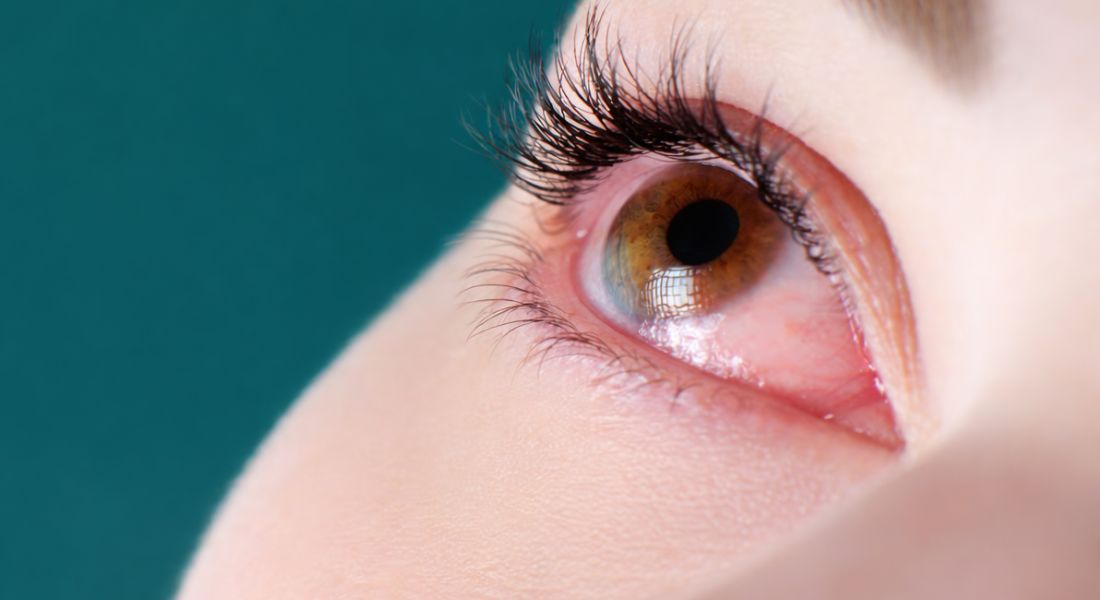
Hormones quietly regulate many systems in your body, and your eyes are no exception. They influence tear production, eyelid function, and the stability of the ocular surface. When hormone levels fluctuate, this delicate balance can be disrupted, making your eyes more prone to dryness, irritation, or the feeling of a foreign body.
Many people notice dry eye symptoms around menopause, thyroid disorders, or other hormonal changes, and these experiences are real. Research confirms that hormonal shifts can significantly affect tear film quality and eye comfort. In some cases, the impact is strong enough that standard artificial tears are insufficient, and more targeted interventions become necessary to restore lasting relief.
Recognising the role of hormones also helps explain why some treatments work better for certain individuals than others. Tailored strategies addressing tear stability, gland function, and underlying hormonal influence are often required. With a nuanced approach, it’s possible to manage symptoms effectively and maintain eye health even during periods of hormonal change.
It’s also important to monitor symptoms closely and seek professional assessment if dryness worsens or becomes persistent. Early intervention can prevent inflammation and structural changes that make long-term management more difficult. By understanding the hormonal connection, you can combine supportive care with targeted therapies to achieve more consistent comfort and protect your eyes over time.
How hormones influence tear production
Your tear film is made up of three layers: oil, aqueous, and mucin, and each is influenced, at least in part, by hormones. Androgens commonly thought of as male hormones play a key role in stimulating the meibomian glands, which produce the oily layer that slows tear evaporation. Without sufficient androgen activity, this oil layer thins, making tears less stable and the eyes more prone to dryness.
Oestrogen and progesterone also affect the tear film, though their impact is more complex and can vary between individuals. Fluctuations in these hormones influence tear protein composition, corneal sensitivity, and inflammatory activity on the ocular surface. Even when tear volume appears normal, these shifts can compromise quality and comfort.
This is why some patients experience persistent dryness or irritation despite having seemingly normal test results. Hormonal changes subtly disrupt the balance and stability of the tear film, highlighting the importance of tailored strategies that address both hormone-related factors and surface lubrication.
Menopause and dry eye
Dry eye often worsens during menopause due to hormonal shifts that affect both tear volume and stability. Declining oestrogen and progesterone can compromise the lipid layer, while androgen deficiency reduces oil secretion from meibomian glands. These changes mean women frequently experience burning, itching, or fluctuating vision that can become chronic if untreated.
- Oestrogen and progesterone decline: Lower levels impact tear production and disrupt the lipid layer, reducing overall tear stability. This makes eyes more prone to dryness and irritation even with normal blinking.
- Androgen deficiency reduces oil flow: Meibomian gland function drops, accelerating tear evaporation. Artificial tears provide temporary relief, but the underlying deficiency remains uncorrected.
- Symptoms become chronic without intervention: Burning, stinging, and fluctuating vision can persist or worsen over time if hormone-related changes aren’t addressed.
- Artificial tears offer short-term comfort: Lubricants can ease irritation temporarily but don’t restore tear composition or gland health.
- Tailored management restores balance: Combining therapies that reduce inflammation, improve gland function, and support tear quality offers sustainable relief.
For women in menopause, understanding the hormonal contribution to dry eye allows treatment to move beyond short-term lubrication to lasting comfort and protection. A targeted, multi-layered approach prevents progression and supports long-term ocular health.
Thyroid disease and ocular surface health
Thyroid imbalances, especially in conditions like Graves’ disease or hypothyroidism, can significantly increase the risk of dry eye. Changes in thyroid hormone levels may alter eyelid position, blink rate, and gland function, all of which are critical for maintaining a stable tear film. Eyelid retraction or incomplete blinking allows tears to evaporate more quickly, worsening dryness and discomfort.
Inflammation around the ocular surface often compounds these issues, intensifying symptoms such as irritation, burning, or a persistent foreign-body sensation. Even patients with mild thyroid fluctuations may notice eye fatigue or intermittent dryness, highlighting how sensitive the eyes are to hormonal balance.
Managing the underlying thyroid condition can improve ocular comfort, but it is rarely sufficient on its own. Most patients also benefit from adjunctive therapies, such as artificial tears, eyelid hygiene, or targeted treatments for gland function and inflammation, to achieve lasting relief and protect the surface of the eyes.
Androgen deficiency beyond menopause
Androgen deficiency isn’t limited to women men with low testosterone can also develop dry eye. Reduced androgen levels compromise meibomian gland activity, thinning the oil layer and destabilising the tear film.
This accelerates tear evaporation and can trigger ocular surface inflammation, worsening discomfort. Topical or systemic therapies designed to restore androgen activity are being studied. Early results are promising, but clinical use remains cautious because of potential systemic side effects.
Recognising androgen deficiency as a contributor to dry eye is important for both diagnosis and treatment planning. Addressing hormone-related factors alongside conventional therapies, such as artificial tears or anti-inflammatory treatments, can improve outcomes and provide more consistent relief.
Pregnancy and postpartum changes
Pregnancy brings complex hormonal shifts, including higher levels of oestrogen and progesterone. Many women notice dry eye or increased ocular sensitivity during this time. Changes in tear film composition and subtle alterations in corneal curvature both contribute to these symptoms.
After birth, rapid hormone fluctuations can prolong or even worsen dryness. Artificial tears often provide initial relief, but persistent symptoms usually require professional assessment. Simple lifestyle measures such as regular screen breaks, staying hydrated, and eyelid hygiene can support comfort, but they rarely correct the underlying hormonal imbalance on their own.
Understanding these changes helps set realistic expectations and guides effective management. Combining supportive care with targeted interventions when needed ensures better comfort and protects eye health throughout pregnancy and postpartum.
Hormonal contraception and ocular surface
Oral contraceptives can subtly influence tear composition and stability. Some research shows mild reductions in tear film quality, particularly with combined oestrogen-progestin pills. While not every user experiences symptoms, those already prone to dry eye may notice increased irritation or dryness.
For most, the effect is minor, reversible, and manageable with regular lubrication. Patients with pre-existing meibomian gland dysfunction or chronic dryness may need closer monitoring. Adjusting the contraceptive method or combining it with targeted ocular therapies can help prevent persistent discomfort and maintain tear film stability.
Being aware of this potential impact allows you to take proactive steps. With timely lubrication and, if necessary, professional guidance, hormone-related changes rarely become a long-term problem.
Common symptoms linked to hormonal dry eye
Hormonal changes can amplify typical dry eye symptoms, often causing fluctuations that coincide with menstrual cycles, menopause, or therapy adjustments. These variations can make symptoms feel unpredictable and frustrating, even when lubrication is used regularly.
- Persistent burning, stinging, or scratchiness: Chronic irritation signals tear film instability and ocular surface stress, intensified by hormonal shifts.
- Blurred vision during reading or screen use: Fluctuating tear quality disrupts visual clarity, especially with prolonged near work.
- Foreign-body sensation or eye fatigue: Patients often report a gritty or tired feeling that worsens as hormones fluctuate.
- Increased sensitivity to wind, smoke, or dry environments: Hormonal influences can make the ocular surface more reactive to environmental stressors.
- Cyclic or gradually worsening symptoms: Unlike other dry eye causes, hormonal symptoms may follow predictable patterns or intensify over months, reflecting underlying endocrine changes.
Recognising these patterns allows clinicians to tailor treatments beyond artificial tears, targeting hormonal contributors and improving long-term comfort.
Why artificial tears often aren’t enough
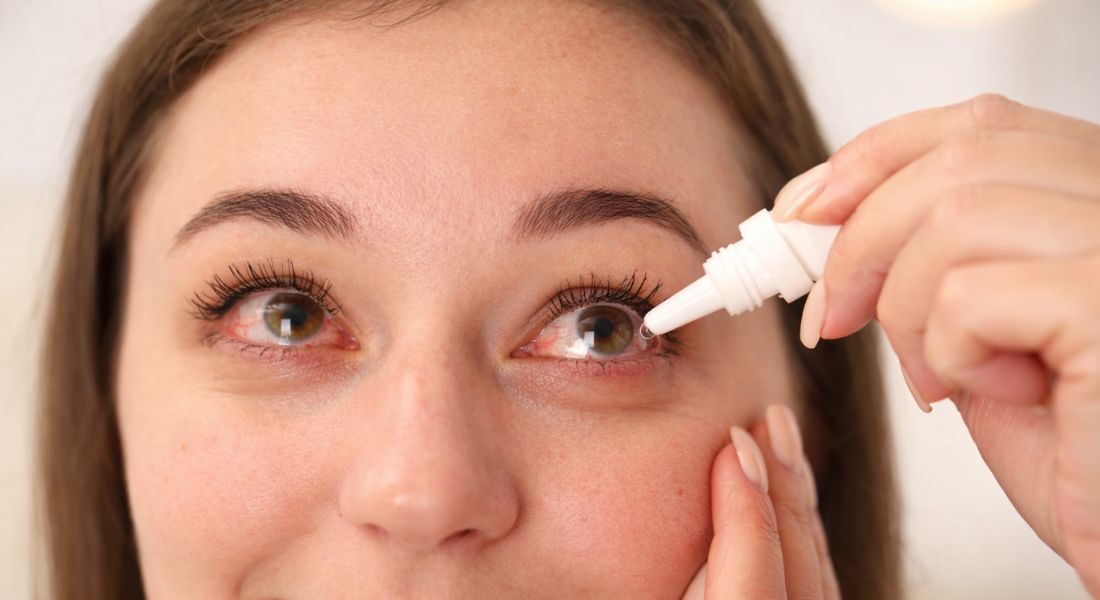
Artificial tears help by replacing moisture, but they don’t tackle the underlying hormonal or physiological causes of dry eye. When tear film instability is driven by gland dysfunction, inflammation, or hormonal shifts, any relief from drops is usually short-lived.
Relying solely on lubrication can mask worsening symptoms, giving a false sense of control while the condition progresses. Most patients benefit from a combination of approaches to achieve lasting comfort. This often includes anti-inflammatory treatments, meibomian gland expression or stimulation, and lifestyle adjustments that support tear quality and ocular surface health.
Understanding the limits of artificial tears helps set realistic expectations. Combining supportive drops with targeted therapies provides the best chance of consistent relief and protects long-term eye health.
The importance of gland function assessment
Hormonal dry eye frequently involves compromise of the meibomian glands. A specialist assessment can detect blocked or atrophied glands early, before symptoms worsen or tear film instability becomes severe.
Once these issues are identified, targeted therapies can help restore oil flow and stabilise the tear film. In this context, artificial tears serve as a supportive tool rather than the primary treatment. Regular evaluation is particularly important during periods of hormonal change, such as menopause or thyroid therapy, to prevent symptom escalation and reduce dependence on frequent drops.
Proactive gland assessment allows for tailored management. By addressing dysfunction early, you maintain comfort and protect long-term ocular surface health.
Lifestyle factors that interact with hormones
Diet, hydration, and environmental conditions can significantly influence hormone-related dry eye. Nutrients like omega-3 fatty acids support meibomian gland function and help stabilise the tear film, while factors such as prolonged screen use, low humidity, or reduced blink rates can worsen symptoms.
Even subtle hormonal fluctuations may become more pronounced under these conditions, turning mild changes into noticeable discomfort. By combining lifestyle and environmental adjustments with medical therapies, you can enhance symptom control and protect ocular surface health.
A holistic approach addressing diet, hydration, environment, and targeted treatments offers the best chance of sustained comfort. It ensures that drops complement, rather than carry, the full burden of managing hormone-influenced dry eye.
Professional management strategies
Effectively managing hormonal dry eye goes beyond simple lubrication and requires a structured, multi-layered approach. Each intervention targets a different aspect of tear film stability, ocular surface health, or symptom control. A tailored plan ensures lasting relief and prevents worsening over time.
- Hormonal evaluation and optimisation: Reviewing endocrine status allows clinicians to correct imbalances safely, reducing one of the root causes of tear film instability.
- Prescription anti-inflammatory drops: These reduce chronic ocular surface stress and calm sensitised nerves, improving both comfort and tear quality.
- Meibomian gland therapy: Expression, thermal treatment, or device-assisted care restores lipid flow, slowing tear evaporation and enhancing tear film stability.
- Tailored artificial tears: Symptomatic relief remains important, but formulations are chosen to complement other interventions rather than serve as a standalone solution.
- Lifestyle and environmental adjustments: Modifying screen time, humidity, and other triggers supports ongoing comfort and reduces flare-ups.
Structured, multi-level care ensures symptoms are effectively controlled and disease progression is minimised. Seeking specialist dry eye treatment in London can provide a measurable improvement in quality of life for those affected.
Recognising at-risk populations
Some groups are more susceptible to hormone-driven dry eye than others. Women going through perimenopause or menopause, individuals with thyroid disease or autoimmune thyroid conditions, and men or women with androgen deficiency are all at higher risk. Patients undergoing hormonal therapies such as contraceptives or certain cancer treatments also fall into this category.
Being aware of these risk factors allows for earlier recognition and timely intervention. Early action helps prevent chronic damage to the ocular surface and supports more effective long-term management.
Targeted monitoring in these populations ensures that both symptoms and underlying causes are addressed before they progress. Proactive care reduces reliance on temporary measures like artificial tears alone and protects overall eye health.
Integrating treatment into daily life
Effective dry eye management goes beyond clinic visits and prescriptions. Building daily routines that protect and support the ocular surface makes a significant difference in symptom control. Scheduled artificial tear use provides reliable symptomatic relief, while eyelid hygiene and warm compresses help maintain meibomian gland function and oil flow.
Limiting prolonged screen time or taking regular breaks reduces evaporation, and staying well-hydrated with a nutrient-rich diet supports tear production. Monitoring how symptoms fluctuate with hormonal cycles or treatment changes helps you adjust care proactively.
Consistency is key when these habits are combined with targeted therapies, artificial tears regain their usefulness as part of a broader, personalised plan. Integrating these strategies into daily life transforms drops from a temporary fix into a supportive tool within an effective, long-term management approach.
Future research and emerging therapies
Ongoing research is shedding new light on the hormonal influences behind dry eye and how they can be targeted more effectively. Topical androgen formulations are being developed to restore the oil layer, while hormone-modulating systemic therapies aim to address broader endocrine imbalances. Novel anti-inflammatory compounds and advanced meibomian gland treatments are also under investigation to tackle the root causes of tear film instability.
These emerging therapies focus on long-term solutions rather than simply masking symptoms. They represent a shift in dry eye management from temporary relief toward sustainable ocular surface health. As research progresses, combining these innovations with personalised care and supportive measures like artificial tears promises more consistent and lasting comfort for patients affected by hormone-related dry eye.
Early adoption of such targeted approaches, under professional guidance, may prevent chronic damage and reduce dependence on drops alone. This evolving landscape highlights the importance of staying informed and proactive in eye care.
When to seek specialist care
Persistent or worsening dry eye symptoms are a clear signal to seek professional evaluation. Delaying assessment can allow meibomian gland dysfunction and ocular surface inflammation to progress, making management more difficult.
Specialists can identify whether hormonal changes, gland issues, or other factors are driving your symptoms, ensuring treatment is targeted rather than generic. Early engagement improves long-term comfort, reduces reliance on frequent artificial tear use, and helps prevent chronic damage.
Accessing expert care such as structured dry eye treatment in London provides clarity and a personalised plan. Timely intervention gives you the best chance of restoring ocular surface health and achieving consistent relief.
FAQs:
- Can hormonal changes really cause dry eye?
Yes. Fluctuations in hormones like oestrogen, progesterone, and androgens affect tear production, gland function, and tear film stability. These changes can make eyes more prone to dryness, irritation, or a gritty sensation. - Who is most at risk of hormone-related dry eye?
Women during perimenopause or menopause, individuals with thyroid disorders, those with androgen deficiency, and patients on hormonal therapies such as contraceptives or cancer treatments are at higher risk. Men with low testosterone may also experience symptoms. - Why don’t artificial tears always work for hormonal dry eye?
Drops replace moisture but cannot correct hormonal imbalances, gland dysfunction, or inflammation. Relief is often temporary, and symptoms may persist or worsen without targeted treatment. - How do menopause and hormonal shifts affect the eyes?
Declining oestrogen and progesterone compromise the lipid layer, while reduced androgen activity lowers oil secretion from meibomian glands. This destabilises the tear film, increasing dryness, irritation, and fluctuating vision. - Can thyroid disease worsen dry eye?
Yes. Thyroid imbalances can alter eyelid position, blink rate, and gland function, increasing tear evaporation and ocular surface inflammation. Managing thyroid function alongside ocular therapies is usually necessary. - Are men affected by hormonal dry eye?
Men with low testosterone can develop dry eye due to reduced meibomian gland activity and faster tear evaporation. Hormone-targeted therapies, alongside conventional treatments, can help in some cases. - What symptoms indicate hormone-driven dry eye?
Common signs include burning, stinging, scratchiness, fluctuating or blurred vision, foreign-body sensation, eye fatigue, and increased sensitivity to wind or dry environments. Symptoms often vary with hormonal cycles. - Why is professional assessment important?
Specialist evaluation identifies which tear layers, glands, or hormonal factors are contributing to dryness. This ensures targeted therapies are used rather than relying on drops alone, improving long-term outcomes. - How can lifestyle support hormone-related dry eye?
Hydration, omega-3-rich diets, regular blinking, screen breaks, eyelid hygiene, and controlling humidity can support tear film stability. These measures complement, but don’t replace, targeted treatments. - What does effective management look like?
A structured approach combines hormone evaluation, anti-inflammatory drops, meibomian gland therapy, tailored artificial tears, and lifestyle adjustments. Drops act as supportive tools within a personalised treatment plan, not as a standalone solution.
Final Thoughts: Taking Control of Hormonal Dry Eye
Hormonal changes can make your eyes dry, irritated, or sensitive, and artificial tears alone often provide only temporary relief. Lasting comfort comes from targeting the root causes tear film instability, gland dysfunction, inflammation, and hormone-related factors rather than relying solely on drops.
Combining therapies such as anti-inflammatory treatments, meibomian gland support, lifestyle adjustments, and tailored lubrication restores balance and reduces flare-ups. Drops remain useful, but as part of a broader, personalised plan that addresses underlying mechanisms.
If you’re exploring whether dry eye treatment in London could benefit you, get in touch with us at Eye Clinic London to schedule your consultation. Early, targeted care improves comfort, protects ocular surface health, and ensures drops work effectively as supportive tools rather than temporary fixes.
References:
- Huang, J.F. et al. (2017) Dry eye in postmenopausal women: a hormonal disorder, Menopause https://pubmed.ncbi.nlm.nih.gov/26529614/
- Gorimanipalli, B. et al. (2023) Hormones and dry eye disease Indian Journal of Ophthalmology, https://pmc.ncbi.nlm.nih.gov/articles/PMC10276676/
- Lekhanont, K. et al. (2025) Dry eye symptoms in midlife women: prevalence, hormonal factors, tear instability, Experimental Eye Research/Elsevier https://www.sciencedirect.com/science/article/pii/S037851222500502X
- Sullivan, D.A. (2025) Sex Differences in the Lacrimal Gland: Implications for Dry Eye Disease, International Journal of Molecular Sciences, https://www.mdpi.com/1422-0067/26/8/3833
- Donshik, P. (2022) Management of Dry Eye in Sjögren’s, in Wallace, D.J. (ed.) The Sjögren’s Book, Oxford University Press. https://academic.oup.com/book/41892/chapter-abstract/354734504