


Droopy Eyelids in Children (Ptosis): Causes, Risks, and When Surgery Is Needed
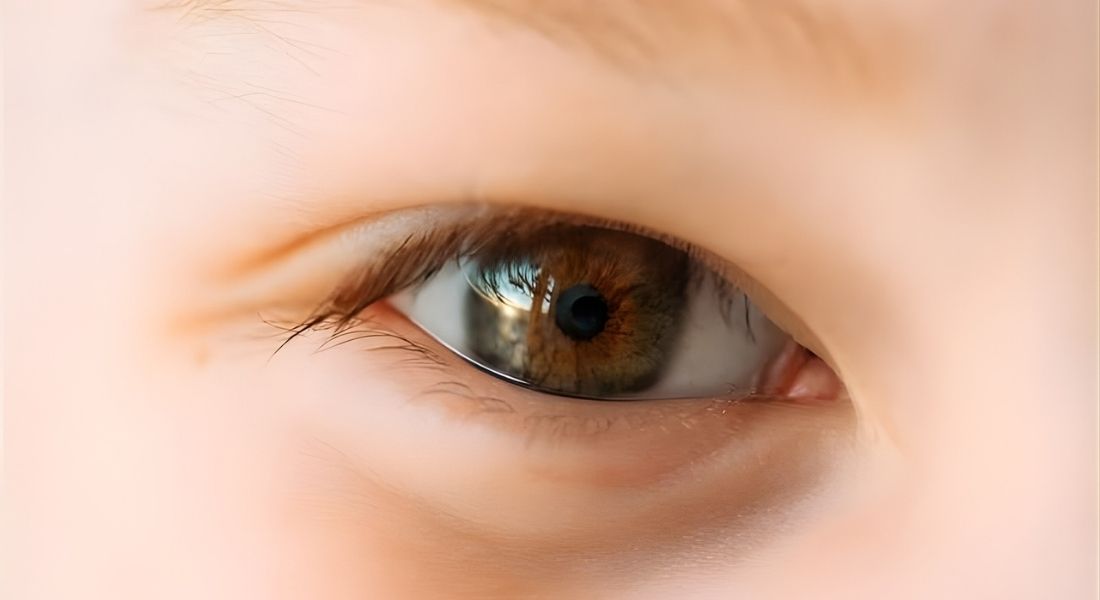
Ptosis can be present from birth or develop later in childhood. The severity varies from mild drooping to significant eyelid obstruction that partially covers the pupil. Understanding the cause is key in deciding whether observation or treatment is needed.
In this article, you’ll learn what causes ptosis in children, how it’s assessed, and when monitoring is appropriate. We’ll also cover situations where surgical correction might be recommended to protect your child’s vision. With this knowledge, you can make informed decisions about your child’s eye health.
What Is Ptosis in Children?
Ptosis is when your child’s upper eyelid sits lower than normal. It can affect one eye or both, and the severity can vary. Sometimes the eyelid is just slightly lower, while in other cases it may cover part of the pupil.
You might notice that the drooping is more apparent when your child is tired, or that they lift their chin or raise their eyebrows to compensate. These little behaviours are subtle but can be important clues for identifying ptosis.
It’s important to know that ptosis is different from temporary eyelid drooping caused by infection or swelling. Ptosis usually reflects an issue with the muscles or nerves controlling the eyelid, so proper assessment is needed to understand the cause and decide on the next steps.
Common Causes of Droopy Eyelids in Children
Droopy eyelids, or ptosis, in children can have several different causes. Understanding what might be behind it is important for ensuring the right care and treatment.
- Congenital weakness of the levator muscle: The most common cause of childhood ptosis is when the levator muscle, which lifts the upper eyelid, doesn’t develop properly. If this muscle is weak, your child’s eyelid cannot open fully, and it may affect vision if left untreated.
- Nerve-related issues: In some cases, droopy eyelids are caused by problems with the nerves that control eyelid movement. While less common, these conditions can impact how the eyelid functions and may need careful monitoring.
- Trauma, inflammation, or tumours: Rarely, ptosis can develop after an injury, infection, or due to a growth near the eyelid. These situations require urgent evaluation to rule out serious complications and ensure prompt treatment.
- Associated neurological or muscular conditions: Some children develop ptosis as part of a wider condition affecting muscles or nerves. Identifying whether the eyelid droop is isolated or linked to another disorder helps guide the right management plan and any additional investigations that may be needed.
Early assessment is key, as it allows your child’s doctor to determine the cause, monitor vision development, and recommend any necessary treatment to protect both eye health and function.
Congenital Ptosis and Early Development
Congenital ptosis is present from birth or becomes noticeable shortly afterwards. It usually happens because the levator muscle, which lifts the upper eyelid, hasn’t developed fully. As a result, your child’s eyelid may appear consistently droopy from infancy.
- Mild cases may be purely cosmetic: If the droop is slight, it might not interfere with vision. You may notice the eyelid looks lower than usual, but it doesn’t block the eye or affect daily activities.
- Severe cases can impact vision: When the eyelid partially or fully covers the visual axis, it can interfere with how your child’s vision develops. This is particularly important during the early years, when vision is forming rapidly.
- Early identification is essential: Even a subtle droop can have long-term effects on visual development if left untreated. Regular monitoring by an eye specialist ensures any potential problems are spotted early.
- Treatment depends on severity: Depending on how much the eyelid obstructs vision, intervention may be recommended. This could range from careful observation to surgical correction to protect vision and support normal visual development.
By recognising congenital ptosis early and monitoring your child’s vision, you can ensure any necessary steps are taken to promote healthy visual development and prevent long-term issues.
Acquired Ptosis in Childhood
Acquired ptosis is when your child develops droopy eyelids after infancy. This type is less common and can happen because of nerve injury, muscle disease, or trauma. In some cases, it may be linked to underlying neurological conditions.
If ptosis comes on suddenly, it’s especially important to act quickly. Sudden drooping may be accompanied by other signs, like double vision or unequal pupils, which need urgent assessment.
Gradual onset ptosis may seem less alarming, but it still requires evaluation. Paying attention to when it started and how it progresses helps your doctor identify the cause and ensures that any serious conditions aren’t missed.
How Ptosis Can Affect Vision Development
Ptosis can impact your child’s vision in several ways. If the eyelid partially or fully blocks the pupil, less visual information reaches the eye, which can lead to amblyopia, or lazy eye.
Even when the pupil isn’t completely covered, ptosis can cause blurred or distorted vision. Over time, the brain may start favouring the unaffected eye, which can affect binocular vision and depth perception.
You might also notice that your child adopts unusual head positions, like constantly tilting their chin up, to see more clearly. This can lead to neck strain and posture issues, which are important factors your doctor will consider during assessment.
Signs That Ptosis May Be Affecting Vision
There are some signs that ptosis might be impacting your child’s vision. Look out for frequent head tilting, brow lifting, or squinting these are often attempts to see more clearly. Children may also seem to struggle with everyday visual tasks.
During eye screenings, unequal vision between the eyes can be detected. In younger children, behavioural cues like rubbing their eyes or avoiding close work can also indicate a problem. Often, parents are the first to notice these subtle changes.
If you see any of these signs, it’s important to get an eye assessment promptly. Early detection allows timely intervention and helps protect your child’s long-term vision.
How Paediatric Ptosis Is Assessed
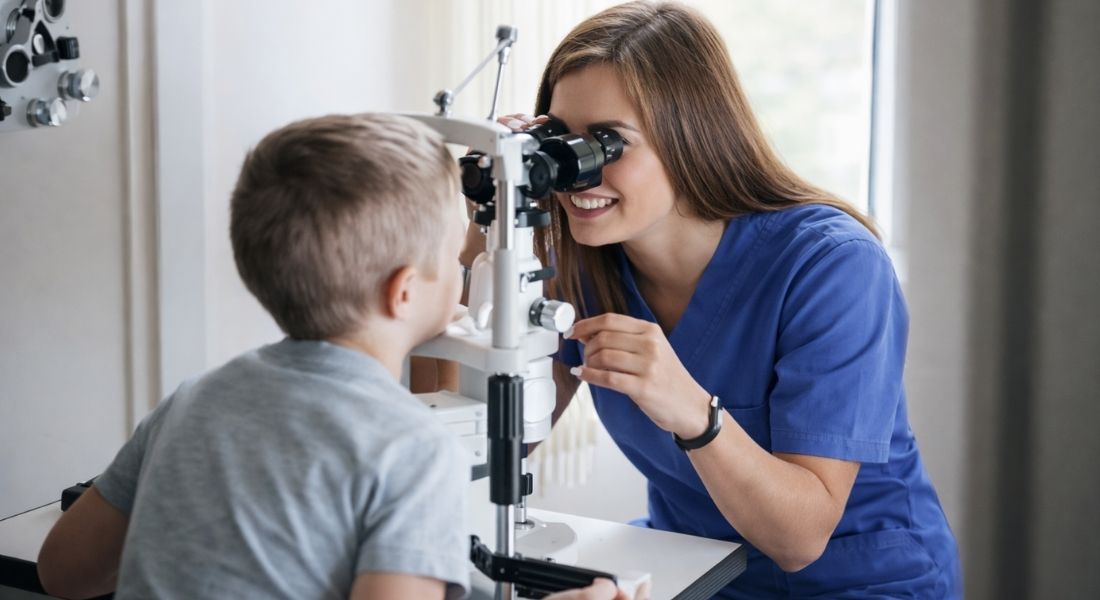
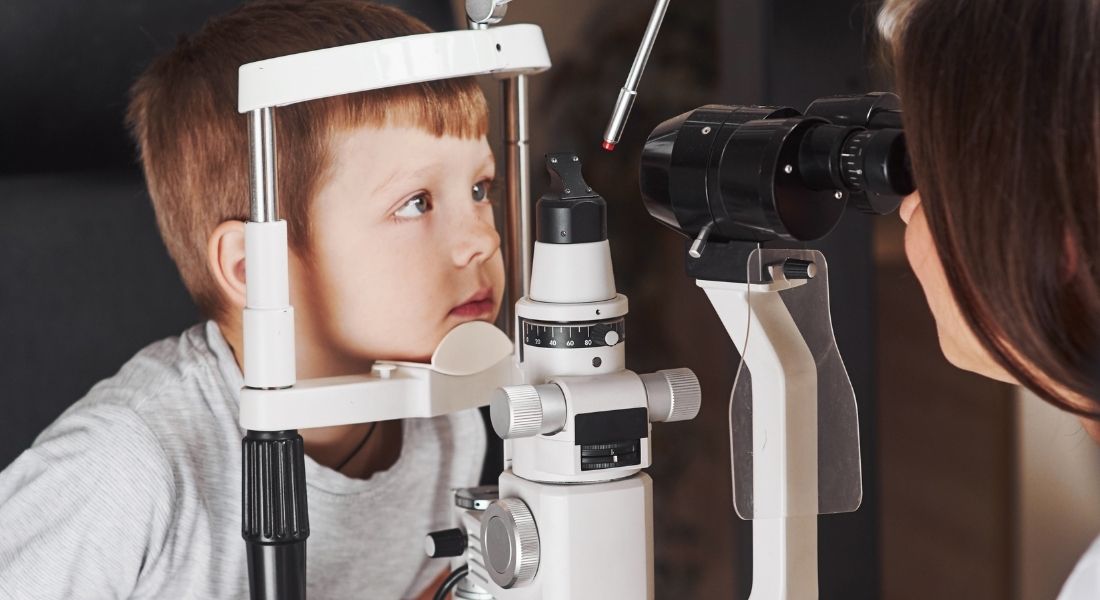
If your child has droopy eyelids, a thorough assessment is essential to understand the cause and plan the right care. The clinician will carry out a detailed eye examination to evaluate both eyelids, even if only one appears affected.
- Checking eyelid position and muscle function: The doctor assesses how well the eyelid lifts and examines the strength of the levator muscle. They also check eye movements to see if any other issues are affecting eyelid function.
- Vision testing tailored to your child’s age: Eye tests are adapted depending on your child’s age. This may include checking visual acuity and looking for amblyopia (lazy eye). Cycloplegic refraction can also be done to detect any refractive errors.
- Documenting severity: Photographs and precise measurements are often taken. These help track changes over time and provide a clear record to guide management decisions.
- Forming a management plan: The results of the assessment allow the clinician to decide whether monitoring, glasses, or surgical intervention is needed. A thorough evaluation ensures that your child receives care that protects vision and supports healthy development.
By taking a detailed and structured approach, your child’s eye specialist can ensure that any potential risks to vision are identified early and addressed appropriately.
When Monitoring Is Appropriate
Not every case of ptosis needs immediate treatment. If the drooping is mild and doesn’t affect your child’s vision, it can often be monitored with regular follow-ups to make sure their vision stays normal.
Monitoring is especially common in very young children, since their facial structures are still growing and eyelid position can change naturally. Careful observation helps avoid unnecessary intervention.
During this period, your child’s visual development is closely assessed. If any signs of vision problems appear, treatment can be reconsidered. Flexibility and ongoing monitoring are key to managing ptosis safely.
When Surgery May Be Recommended
Surgery is usually considered when ptosis threatens your child’s vision. This includes situations where the eyelid blocks the pupil or leads to amblyopia (lazy eye). Early intervention helps protect vision during critical stages of development.
Surgery might also be recommended if your child develops abnormal head posture, like persistent chin elevation. Correcting ptosis can improve both vision and comfort, supporting better posture and quality of life.
The timing of surgery depends on the severity and risk. In some cases, it’s performed early in childhood, while in others, it may be delayed until your child is older, depending on their individual needs.
Types of Ptosis Surgery in Children
If your child’s droopy eyelid requires surgery, the type of procedure depends on how well the levator muscle the muscle that lifts the eyelid functions. The surgeon will choose the approach that best restores safe and functional eyelid movement.
- Levator muscle tightening or shortening: If the levator muscle has some strength, it can be tightened or shortened to help lift the eyelid. This improves eyelid elevation while maintaining natural movement.
- Frontalis sling procedure: When the levator muscle is very weak or non-functional, a frontalis sling may be used. This connects the eyelid to the forehead muscle, allowing your child to lift the eyelid by using the forehead.
- Individualised approach: The choice of surgery is tailored to your child’s specific needs, taking into account muscle function, eyelid position, and overall facial anatomy.
- Surgeon expertise is crucial: Experienced surgeons carefully plan the procedure to achieve a safe, functional eyelid position while minimising risks. The goal is to support normal vision development and improve appearance naturally.
By selecting the right surgical technique for your child, the surgeon can help ensure both functional and cosmetic outcomes that protect vision and promote healthy eye development.
What to Expect After Ptosis Surgery
Recovery after ptosis surgery is usually straightforward. You can expect some swelling and bruising at first, but these gradually settle over a few weeks. Most children adapt quickly, and discomfort is generally mild and manageable with simple care instructions.
Your child will be monitored closely after surgery. The doctor will check vision, eyelid position, and healing to ensure the best possible outcome. You may also receive guidance on activities to avoid and tips to support smooth recovery at home.
Sometimes, adjustments may be needed over time, since eyelid position can change as your child grows. Long-term follow-up helps make sure the results last and remain effective, and your care team will provide ongoing support and advice to maintain both function and appearance.
Risks and Considerations of Surgery
Like any surgery, ptosis correction carries some risks. These can include under-correction, over-correction, or asymmetry between the eyelids. Although uncommon, infection and scarring are also possible.
Careful surgical planning helps reduce these risks. Choosing an experienced paediatric ophthalmologist or oculoplastic specialist is essential, and having a thorough discussion before surgery ensures you have realistic expectations about the outcomes.
Despite these risks, surgery is generally highly effective when it’s indicated. The main goal is to protect your child’s vision, and for most appropriately selected cases, the benefits of surgery far outweigh the potential risks.
Long-Term Outlook for Children With Ptosis
Many children with ptosis go on to achieve good visual outcomes, especially when the condition is detected early and managed appropriately. Whether through careful monitoring or timely surgery, the goal is to ensure normal visual development, protecting your child’s sight during critical growth periods.
You’ll often notice that cosmetic appearance improves as well, which can boost your child’s confidence and make everyday social interactions easier. Feeling comfortable with how they look can have a positive impact on self-esteem, helping them approach school and activities with more confidence. The functional and emotional benefits really go hand in hand, supporting both vision and quality of life.
Ongoing follow-up is important to make sure vision stays stable and eyelid position remains optimal. As your child grows, their facial structures and eyelid function may change, so their needs might evolve over time. Continued care not only ensures lasting eye health, but also allows your care team to make adjustments if necessary, supporting the best long-term outcomes for both function and appearance.
FAQs:
- How can I tell if my child’s eyelid drooping is serious?
If you notice your child’s eyelid sitting lower than normal or covering part of the pupil, it’s worth paying attention. You might see them tilt their head back or lift their eyebrows to see better. These subtle behaviours can be clues that the drooping could affect their vision, so it’s a good idea to get a professional check. - What causes droopy eyelids in children?
Droopy eyelids, or ptosis, usually happen when the muscle that lifts the eyelid doesn’t develop properly. You should also know that nerve problems, injuries, inflammation, or very rarely, tumours can cause it. In some cases, it’s part of a broader condition, so figuring out the cause is important for planning treatment. - Can ptosis develop after birth?
Yes, ptosis can appear later in childhood. If you notice it coming on suddenly, it could be due to nerve injury, muscle issues, or trauma, and that needs prompt attention. Even gradual changes should be checked to make sure nothing serious is happening with your child’s eyes. - How does ptosis affect vision in children?
When the eyelid blocks the pupil, it reduces the visual information reaching the eye, which can lead to lazy eye. Even if the obstruction is partial, your child may struggle to focus properly, and their brain might start favouring the other eye. You may also notice them adopting unusual head positions to see clearly, which can affect posture over time. - Are all droopy eyelids in children treated with surgery?
Not necessarily. If the drooping is mild and doesn’t affect vision, you might just monitor it over time. Your eye specialist will guide you on whether observation is safe and keep an eye on your child’s visual development to decide if treatment becomes necessary. - When is surgery recommended for ptosis?
Surgery is usually suggested when the eyelid is interfering with vision or causing lazy eye. You might also consider it if your child develops an awkward head posture to see properly. The timing depends on how severe the drooping is, the risk to vision, and your child’s growth. - What types of surgery are used for childhood ptosis?
The procedure depends on how strong your child’s eyelid muscle is. If there’s some function, the surgeon can tighten or shorten the muscle to lift the eyelid. If the muscle is very weak, a frontalis sling can be used so your child can lift the eyelid using their forehead muscle. The choice is personalised for your child’s needs. - What should I expect after my child has ptosis surgery?
You’ll see some swelling and bruising at first, which usually settles within a few weeks. Your child will be closely monitored to make sure the eyelid heals in the right position and their vision stays healthy. Sometimes minor adjustments are needed as they grow to keep the results lasting. - Are there risks associated with ptosis surgery?
Like any surgery, ptosis correction carries some risks, such as over- or under-correction, or eyelids not being perfectly symmetrical. Infections and scarring are rare but possible. You can reduce risks by choosing an experienced paediatric ophthalmologist and having a clear discussion about what you can realistically expect. - What is the long-term outlook for children with ptosis?
If you detect it early and follow the right plan, your child can develop normal vision. Surgery can also improve how their eyelids look, which may boost confidence and social comfort. Keeping up with follow-up appointments helps ensure that vision and eyelid function stay stable as your child grows.
Final Thoughts: Supporting Your Child with Ptosis
Understanding droopy eyelids in children can feel overwhelming, but knowing what to watch for and when to seek help makes a big difference. If you notice that your child’s vision or posture is being affected, early assessment is essential. With the right approach whether careful monitoring or surgical correction you can help protect your child’s vision and support healthy development.
Choosing an experienced paediatric ophthalmologist in London ensures your child receives personalised care tailored to their needs. They can guide you through assessment, discuss whether surgery is appropriate, and create a follow-up plan that keeps your child’s eyes healthy as they grow.
If you’d like to find out whether paediatric ophthalmologist in London is suitable for you, feel free to contact us at Eye Clinic London to arrange a consultation. We’ll walk you through the process, answer your questions, and help you feel confident about the next steps for your child’s eye health.
References:
- Griepentrog, G.J., Diehl, N. and Mohney, B.G. (2013) Amblyopia in childhood eyelid ptosis: prevalence and causes in a population‑based cohort, American Journal of Ophthalmology, 155(6), pp.1125–1128.e1. https://pubmed.ncbi.nlm.nih.gov/23265986/
- Anderson, R.L. and Baumgartner, S.A. (1990) Amblyopia in ptosis, JAMA Ophthalmology. Available at: https://jamanetwork.com/journals/jamaophthalmology/article-abstract/633424
- Griepentrog, G.J., Diehl, N. and Mohney, B.G. (2013) Amblyopia in Childhood Eyelid Ptosis, American Journal of Ophthalmology, 155(6), pp. 1125–1128.e1. Available at: https://www.sciencedirect.com/science/article/abs/pii/S0002939412008914
- Weiss, A.H. et al. (2014) Congenital Eyelid Ptosis: Onset and Prevalence of Amblyopia, Associations with Systemic Disorders, and Treatment Outcomes, Journal of Pediatric Surgery/Related Ophthalmology. Available at: https://www.sciencedirect.com/science/article/abs/pii/S0022347614005988
- Lam, M. et al. (2022) Screening, Diagnosis, and Treatment of Pediatric Ocular Conditions Including Ptosis, Children, 9(12), p. 1939. Available at: https://www.mdpi.com/2227-9067/9/12/1939