


Can Eye Floaters Get Worse With Age? What Changes Over Time

As you get older, you may notice more eye floaters in your vision. These small specks, threads, or cobweb-like shapes seem to drift across your field of vision, particularly against bright backgrounds. Many people wonder if this increase in floaters is a normal part of ageing or if it signals a more serious problem.
Floaters are common, especially as we age, but that doesn’t mean every new floater is a cause for concern. Understanding why floaters become more noticeable with age can help you distinguish between normal changes and those that require attention. In this article, we’ll explain why floaters may worsen with age, what changes occur in the vitreous, and when an eye examination is necessary.
By the end of this guide, you will have a clearer idea of what to expect as you age and when you should seek medical advice. Knowledge helps you feel more at ease when dealing with floaters.
What Are Eye Floaters and Why Do They Appear?
Eye floaters are small clumps or strands of collagen fibers that form in the vitreous gel inside your eye. The vitreous is the clear gel that fills the inside of the eyeball. Over time, this gel starts to liquefy, and tiny fibers can form, casting shadows on the retina, which you perceive as floaters.
In young individuals, the vitreous is firm and fully attached to the retina. As we age, the vitreous gradually shrinks and pulls away from the retina. This process is known as posterior vitreous detachment (PVD), and it often causes an increase in floaters.
Floaters are common and usually harmless, but they can become more noticeable as the vitreous continues to change. As the eye ages, floaters may become larger or more frequent. This change in the vitreous gel is a natural part of the aging process.
Why Do Floaters Become More Noticeable With Age?
As the vitreous shrinks and becomes more liquid, it’s more likely to create clumps of collagen fibers that move in the eye. These clumps are what cause floaters. Over time, the floaters can become more noticeable because they are no longer hidden within the gel but can now move freely within the liquid-filled eye.
As you age, your eye may also become more sensitive to changes in the vitreous. The eyes naturally become less efficient at adjusting to these changes, making floaters appear more frequently or more clearly. Although this is a normal part of ageing, it’s understandable that it can be frustrating or concerning.
Furthermore, floaters may become more noticeable in bright light or when looking at a plain, light background, such as a white wall or the sky. The contrast makes the floaters stand out more against your field of vision. In some cases, the increase in floaters can seem sudden, though the process is gradual.
What Happens During Posterior Vitreous Detachment (PVD)?
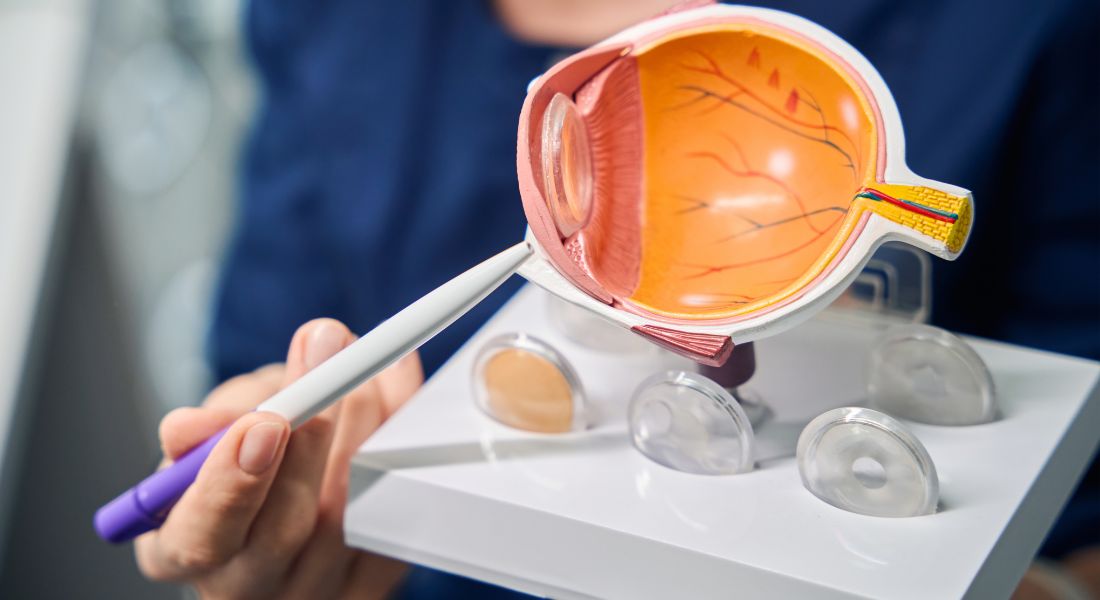
Posterior vitreous detachment (PVD) is one of the primary causes of increased floaters in older individuals. This occurs when the vitreous gel shrinks and separates from the retina, a process that is often age-related. PVD is very common, especially after the age of 50, but it doesn’t always cause serious problems.
When the vitreous separates from the retina, it may tug on the retinal surface, creating new floaters or flashes of light. This is why you may notice a sudden burst of floaters or brief flashes at the periphery of your vision. Although it can be alarming, PVD itself is usually not harmful and resolves over time.
However, it’s important to keep an eye on any changes in your floaters or flashes. A small percentage of people may experience complications such as retinal tears or detachment, which require immediate medical attention. Understanding the signs of these complications helps you seek treatment promptly if necessary.
When Should You Be Concerned About Floaters?
While most floaters are harmless, sudden or dramatic increases in floaters should always be checked by an eye specialist. In some cases, an increase in floaters, especially when accompanied by flashes of light or a shadow in the peripheral vision, can indicate a more serious issue, such as a retinal tear or detachment.
Retinal detachment is a medical emergency that can lead to permanent vision loss if not treated immediately. If you experience sudden visual disturbances like a curtain or shadow moving across your vision, it’s essential to seek urgent eye care. These symptoms, when combined with floaters, could indicate retinal issues that require immediate intervention.
Most floaters are benign, but it’s important to be aware of the symptoms that indicate something more serious. Regular eye exams can help monitor any changes and ensure that any potential problems are addressed early.
How Eye Floaters Change Over Time
After PVD, you’ll probably notice that most floaters become less obvious as time goes on. Your brain gradually learns to ignore them, and the floaters often settle in the lower part of your eye. That’s why spots that seemed so distracting at first usually start to fade into the background.
Even though floaters might not disappear completely, most people find they adapt and notice them less over time. This process can take weeks or even a few months. As your eyes settle and heal, floaters generally stop interfering with your daily activities.
Some people may continue to see floaters long after PVD, which is completely normal. It can still feel frustrating, especially if they appear more often than you’d like.
If you notice that floaters are getting bigger, more frequent, or remain a problem after several months, it’s a good idea to get your eyes checked. An examination can rule out any underlying issues and give you peace of mind.
When to Seek an Eye Examination
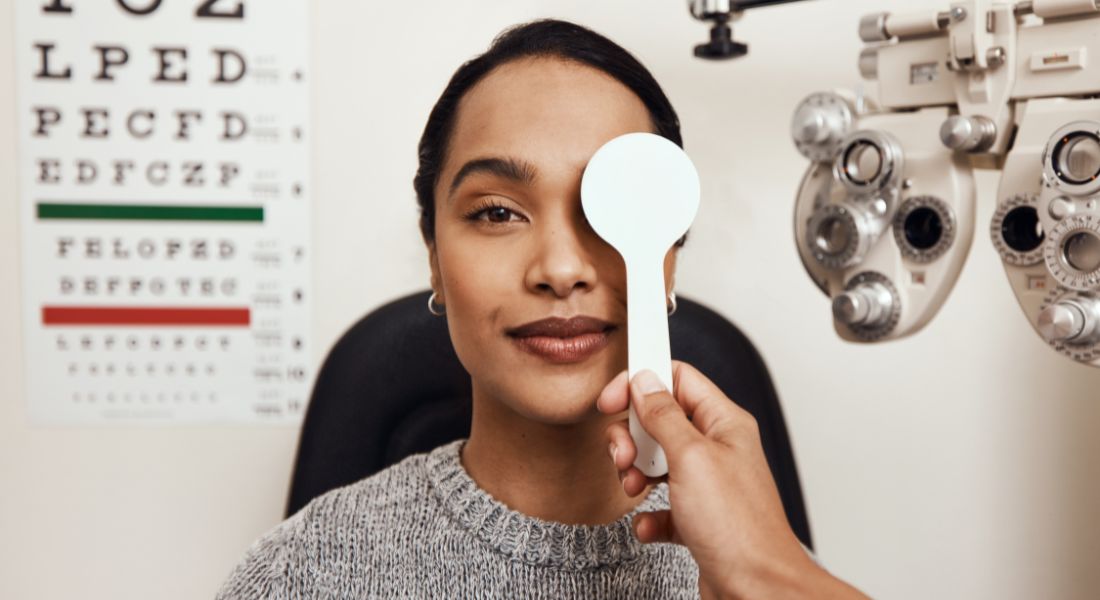
Most floaters are harmless, but it’s still very important that you pay attention to any sudden changes. If you notice new floaters, flashes of light, or dark shadows, you should seek an eye examination promptly. A specialist will carry out a thorough assessment, usually including dilating your pupils, to get a clear view of your retina and vitreous. This allows them to check for any signs of damage, retinal tears, or other issues that might require urgent attention.
- Sudden increase in floaters or flashes: You should be alert to any rapid change in the number or appearance of floaters. New flashes of light, especially in your peripheral vision, or the sudden appearance of cobweb-like shapes, can sometimes indicate a retinal tear or detachment. Acting quickly in these cases can save your vision.
- Appearance of shadows or curtains in your vision: If you notice a shadow, dark curtain, or grey area moving across your field of vision, this is a red flag. These symptoms can start at the edges of your vision and spread inward. You should seek urgent medical attention if this occurs, as it could indicate a serious retinal problem.
- Routine eye check-ups are essential: Even if your floaters remain stable, regular eye examinations are important as you age. The vitreous naturally changes over time, and keeping track of how your floaters develop allows your eye specialist to catch potential problems early, before they affect your vision.
- Monitoring for long-term changes: Keeping a record of when floaters appear, how many there are, and whether they change over time can help your specialist understand your condition better. You may notice certain patterns, such as floaters being more visible in bright light or when looking at a plain background, which is normal but still worth noting.
- Reassurance and personalised advice: An eye examination not only helps detect problems early but also provides reassurance. Your specialist can explain which changes are part of normal ageing and which require further attention. They can also advise you on lifestyle habits, protective measures, and follow-up schedules to keep your eyes healthy.
By staying vigilant and acting quickly if you notice sudden changes, you can protect your vision and reduce the risk of serious complications. Regular check-ups and early assessment ensure that you have peace of mind and the best chance of maintaining healthy eyesight long-term.
How Floaters Treatment Can Help
In most cases, treatment is not required for floaters after PVD. However, if floaters significantly impact your quality of life, options are available to reduce their visibility. Vitrectomy, a surgical procedure that removes the vitreous gel, can be used in severe cases, although it is generally only considered when floaters are particularly bothersome.
Laser treatment is another option. This involves using a laser to break down the floaters, making them less noticeable. However, both treatments come with risks, and they are only considered in very specific cases.
Before deciding on any treatment, it’s important to consult with your eye specialist to discuss the potential benefits and risks. Most people find that floaters become less of a concern over time, and treatment is unnecessary.
Preventing Future Eye Problems Related to Floaters

While you can’t stop the natural, age-related changes in your vitreous gel, there are several practical steps you can take to protect your eyes and reduce the risk of complications. Being proactive about your eye health is the best way to preserve your vision and prevent small issues from becoming serious.
- Keep up with regular eye examinations: Scheduling routine eye check-ups is crucial, particularly if you’ve had previous retinal problems or have risk factors such as high myopia (nearsightedness). Regular assessments allow your specialist to monitor changes in your retina and vitreous, detect early signs of retinal tears, and provide timely advice before any serious problems develop.
- Manage your overall health: Your eyes are closely linked to your general health. Conditions like diabetes, high blood pressure, and cardiovascular disease can increase your risk of retinal complications over time. By controlling these conditions with medication, diet, and regular medical reviews, you’re not only looking after your body but also safeguarding your vision.
- Protect your eyes from trauma: Physical injury can damage the retina or worsen floaters. Wearing protective eyewear during sports, DIY projects, or work that involves sharp or flying objects can make a real difference. Even everyday accidents can sometimes affect your eyes, so staying cautious helps prevent unnecessary risks.
- Adopt healthy lifestyle habits: Smoking is strongly linked to several eye problems, including retinal disease and macular degeneration. Avoiding tobacco and maintaining a balanced diet rich in antioxidants, vitamins, and minerals supports long-term eye health. Staying hydrated and exercising regularly can also improve circulation to your eyes and overall ocular wellbeing.
- Stay vigilant and aware of changes: Floaters are usually harmless, but sudden changes in number, size, or associated flashes of light can signal a more serious problem like a retinal tear or detachment. Paying attention to these changes and acting promptly by seeking an eye assessment can prevent complications and preserve your vision.
By keeping up with regular check-ups, looking after your general health, protecting your eyes from injury, and adopting healthy lifestyle choices, you give yourself the best chance of managing floaters safely. Being proactive today can help prevent more serious eye problems in the future and give you peace of mind about your vision.
FAQs:
- What are eye floaters and why do they appear?
Eye floaters are tiny clumps or strands of collagen fibres that form within the vitreous gel inside your eye. They cast shadows on the retina, which you perceive as specks, threads, or cobweb-like shapes drifting across your vision. Floaters appear more frequently as the vitreous gel liquefies and shrinks with age, causing fibres to clump together. - Do floaters always get worse with age?
Not all floaters worsen as you get older, but they can become more noticeable due to age-related changes in the vitreous gel. As the gel becomes more liquid, clumps move more freely, making floaters more visible. However, this progression varies between individuals and many people adapt to them over time. - What is posterior vitreous detachment (PVD) and how is it linked to floaters?
Posterior vitreous detachment occurs when the vitreous gel gradually separates from the retina, which often happens with ageing. This separation can create new floaters or make existing ones more prominent. While PVD can cause sudden flashes or floaters, it is usually a natural and harmless process, though complications are possible in rare cases. - When should I be concerned about floaters?
You should seek an eye examination if you notice a sudden increase in floaters, flashes of light, or a shadow in your peripheral vision. These changes may indicate a retinal tear or detachment, which are serious conditions requiring urgent attention. Floaters that change gradually and do not affect your vision are typically not dangerous. - Do floaters ever go away completely?
Floaters rarely disappear entirely, but they often become less noticeable with time. The brain gradually adapts to their presence, and floaters may settle in the lower part of the eye, moving out of central vision. Over weeks or months, most people find that floaters interfere less with daily activities, even if they remain physically present. - Can eye floaters cause vision loss?
Floaters themselves usually do not cause permanent vision loss. The main concern is if they are associated with complications such as retinal tears or detachment. Prompt assessment of sudden changes in floaters or flashes is crucial to prevent potential vision loss. - What can make floaters more noticeable?
Floaters tend to be more visible in bright light or when looking at a plain, light background, such as the sky or a white wall. Changes in the vitreous with age can also make floaters appear more prominent, while stress, fatigue, or focusing on them closely can make you more aware of them. - Can anything be done to treat floaters?
Treatment is usually not required for floaters unless they significantly affect quality of life. In rare cases, procedures like vitrectomy or laser treatment can be considered to reduce floaters. These options carry risks, and most people adapt well to floaters without needing treatment. - How can I monitor my floaters effectively?
Monitoring involves being aware of any sudden changes in floaters, flashes, or shadows in your vision and reporting them promptly to an eye specialist. Routine eye examinations are recommended, particularly as you age, to ensure no underlying retinal issues develop and to maintain overall eye health. - Can lifestyle or health factors influence floaters?
While you cannot prevent age-related changes in the vitreous, maintaining good overall health and managing conditions like diabetes or high blood pressure can help reduce the risk of complications. Protecting your eyes from trauma, avoiding smoking, and attending regular eye exams all contribute to long-term eye health.
Final Thoughts: Managing Floaters as You Age
Floaters are a common part of the ageing eye, and for most people, they become less noticeable over time as the brain adapts. Regular eye check-ups and awareness of any sudden changes, such as new flashes, shadows, or a rapid increase in floaters, are essential for protecting your vision. While most floaters do not require intervention, if they significantly impact your daily life, there are safe options available.
If you’re exploring whether floaters treatment in London could benefit you, get in touch with us at Eye Clinic London to schedule a consultation. A specialist assessment will help determine the most suitable approach for your eyes and lifestyle, providing reassurance and clarity about your next steps.
References:
- Sebag, J. (2016) ‘Vitreous floaters: presentation and clinical characteristics’, Survey of Ophthalmology, 61, pp. 211–227. Available at: https://www.sciencedirect.com/science/article/pii/S003962571530014X
- StatPearls (2025) Posterior Vitreous Detachment, StatPearls Publishing. https://pubmed.ncbi.nlm.nih.gov/29262091/
- Atik, A., Kayikçioglu, O., Özdek, S. and Yildirim, C. (2017) ‘Posterior vitreous detachment – prevalence of and risk factors for retinal tears’, Journal of Ophthalmology, Article. https://pmc.ncbi.nlm.nih.gov/articles/PMC5609787/
- Stewart, M.W. and Rosen, E.G. (2022) ‘Spontaneous posterior vitreous detachment: clinical features and management’, World Journal of Ophthalmology, Review. Available at: https://pmc.ncbi.nlm.nih.gov/articles/PMC8188834/
- Rosen, R.B., Rahimy, E., Bhavsar, K., and Stinnett, S.S. (2021) ‘Visualization and grading of vitreous floaters using dynamic ultra‑widefield infrared confocal scanning laser ophthalmoscopy: a pilot study’, Journal of Clinical Medicine, 11(19), p. 5502. Available at: https://www.mdpi.com/2077-0383/11/19/5502