


Corneal Nerve Regeneration After LASIK Surgery: Timeline and Evidence
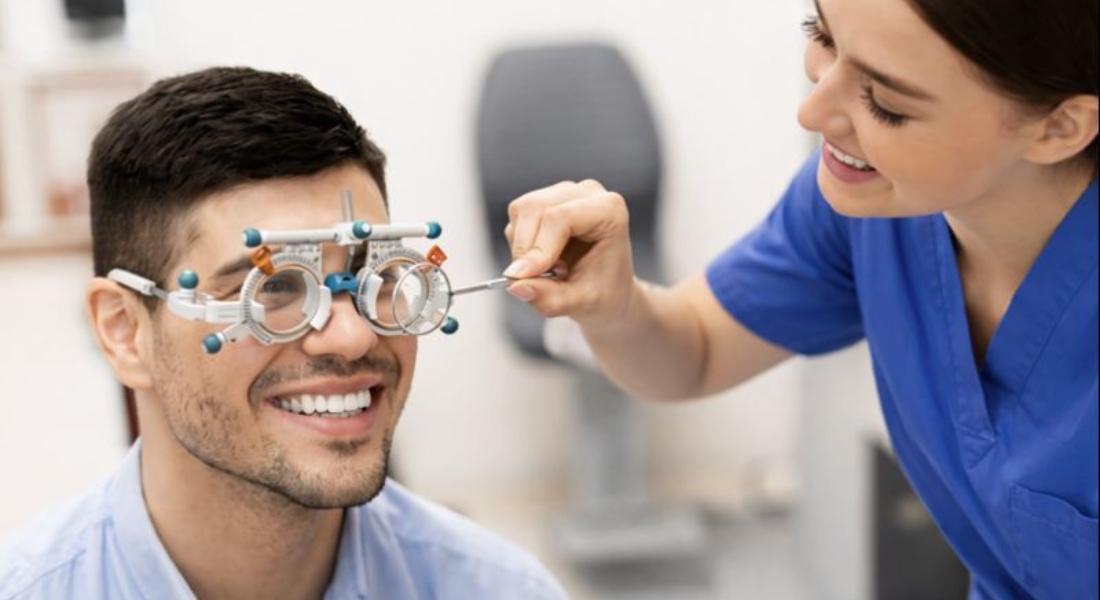
If you’re thinking about LASIK or have already had the procedure you may hear your doctor mention corneal nerves and healing. Many patients are surprised to learn that the cornea actually contains one of the highest concentrations of nerves in the body.
At Eye Clinic London, we often explain that understanding how these nerves recover can help you make sense of dry eye symptoms and overall visual comfort after surgery. Knowing what’s happening beneath the surface can put you at ease.
During LASIK, your corneal nerves are temporarily disrupted when the flap is created. This is a completely normal and expected part of the procedure, not a sign of damage or complication.
In this article, we’ll take you through how corneal nerves regenerate after LASIK, what scientific studies show about typical healing timelines, and how this recovery directly influences dry eye symptoms you may experience.
Why Corneal Nerves Matter More Than Most People Realise
You might not realise it, but your corneal nerves play a crucial role in your eye health. They’re responsible for sensation, triggering your blinking reflexes, and regulating tear production. By sending signals to your brain, these nerves help maintain a stable and comfortable ocular surface.
When these nerves are temporarily disrupted such as during LASIK tear signalling can be reduced. This is why many patients notice dry eye symptoms in the weeks following their procedure.
Understanding how corneal nerves work can help put your mind at ease. Knowing that these changes are usually temporary and part of the natural healing process removes unnecessary worry and helps you focus on your recovery.
How LASIK Affects Corneal Nerves During Surgery
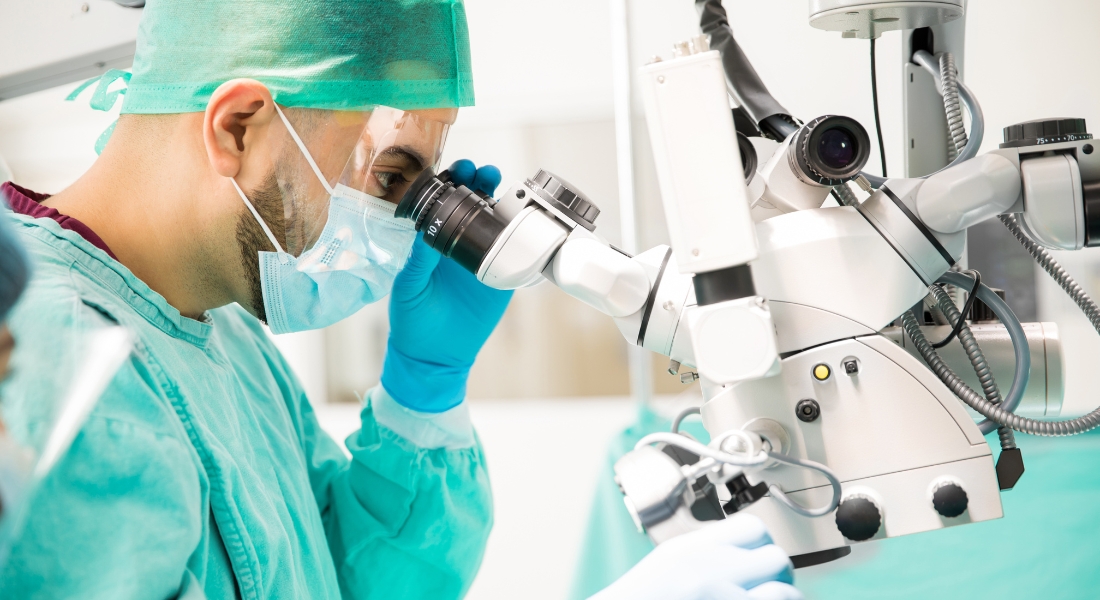
During LASIK, a thin corneal flap is created so the laser can reshape the underlying tissue. In the process, some of your corneal nerves are inevitably cut. This disruption is mechanical it’s part of the surgery not a sign of disease or permanent damage.
The nerves themselves aren’t destroyed permanently. They’re simply interrupted along their path, which temporarily affects sensation in your eye.
After surgery, nerve regeneration begins naturally. Over time, your cornea gradually restores sensation, supporting comfort and tear production as part of the normal healing process.
Immediate Changes in Corneal Sensation After LASIK
In the first few days after LASIK, you may notice that your corneal sensitivity is reduced. Clinically, this reduction can be measured with specialised tests, but for you, it might simply feel like numbness or less awareness of your eye’s surface.
This temporary loss of sensation also contributes to dryness. Because your eye isn’t sending signals for tears as effectively, you may feel that your eyes are less comfortable than usual. It’s completely normal and expected, so there’s no need to worry.
Your body is just adjusting to the temporary interruption of nerve pathways caused by the surgery. Over time, as your nerves begin to regenerate, these sensations improve. Most patients find that comfort gradually returns and dry eye symptoms decrease as healing progresses.
The Biology of Corneal Nerve Regeneration
Your corneal nerves play a vital role in how your eyes feel and function, especially after procedures like LASIK. You might not realise it, but these nerves can regenerate over time, helping your eyes recover sensitivity and comfort. Understanding this process can help you appreciate why careful post-operative care is so important for your visual experience.
- Corneal Nerves Can Regenerate Over Time – Your corneal nerves aren’t permanent they can grow back after being affected by surgery. For you, this means that sensations like dryness or mild irritation often improve naturally as your nerves heal.
- New Nerve Fibres Grow from Deeper Layers Toward the Surface – Regeneration starts in the deeper stromal layers and progresses toward the surface of your cornea. For you, this gradual growth ensures that your eyes regain sensitivity in a controlled and organised way.
- Regeneration is Influenced by Healing Signals, Inflammation, and Tear Film Stability – How well your nerves recover depends on factors like inflammation, healing signals, and tear quality. For you, maintaining a healthy tear film and following post-op instructions can significantly support better nerve recovery.
- Healthy Healing Environments Support Better Nerve Recovery – Ensuring your eyes are well cared for after surgery using lubricating drops and avoiding irritants creates an optimal environment for nerves to regenerate. For you, this leads to faster comfort and a smoother visual recovery.
- Post-Operative Care Matters – Following your clinician’s advice isn’t just about preventing infection it directly impacts how well your nerves heal. For you, attentive post-op care ensures that your eyes recover fully, giving you the best possible visual experience.
Corneal nerve regeneration is a gradual, carefully organised process that plays a key role in your visual comfort and overall eye health. By understanding this and prioritising post-operative care, you can support your eyes’ natural healing.
Early Nerve Regrowth in the First Few Weeks
Scientific studies show that nerve regrowth in your cornea begins within the first few weeks after LASIK. Tiny microscopic fibres start to reappear beneath the flap, but the overall nerve density is still lower than it was before surgery. During this period, you might notice some dryness or reduced sensation, which is entirely normal.
Even though your eyes may feel uncomfortable at times, this is simply part of the healing process. Using lubricating drops regularly can help you manage dryness and support nerve recovery. These early symptoms do not indicate any long-term problem with your vision or corneal health.
Over the first few weeks, nerve regrowth continues steadily. Your cornea is gradually restoring sensation, and improvements will keep happening over the coming months. Patience is key, as what you feel now doesn’t fully reflect the long-term outcome of your surgery.
What Happens Between One and Three Months After LASIK
Between one and three months after your LASIK procedure, nerve density in your cornea continues to increase. As this happens, your sensation gradually improves, and your eyes start sending stronger signals for tear production.
During this period, many patients notice that dryness begins to ease, and comfort levels improve. It’s a gradual process, so you might see small but consistent changes in how your eyes feel day to day.
It’s also important to remember that recovery speed varies from person to person. Some people notice improvements sooner, while others take a little longer and that’s completely normal.
Mid-Term Recovery Between Three and Six Months
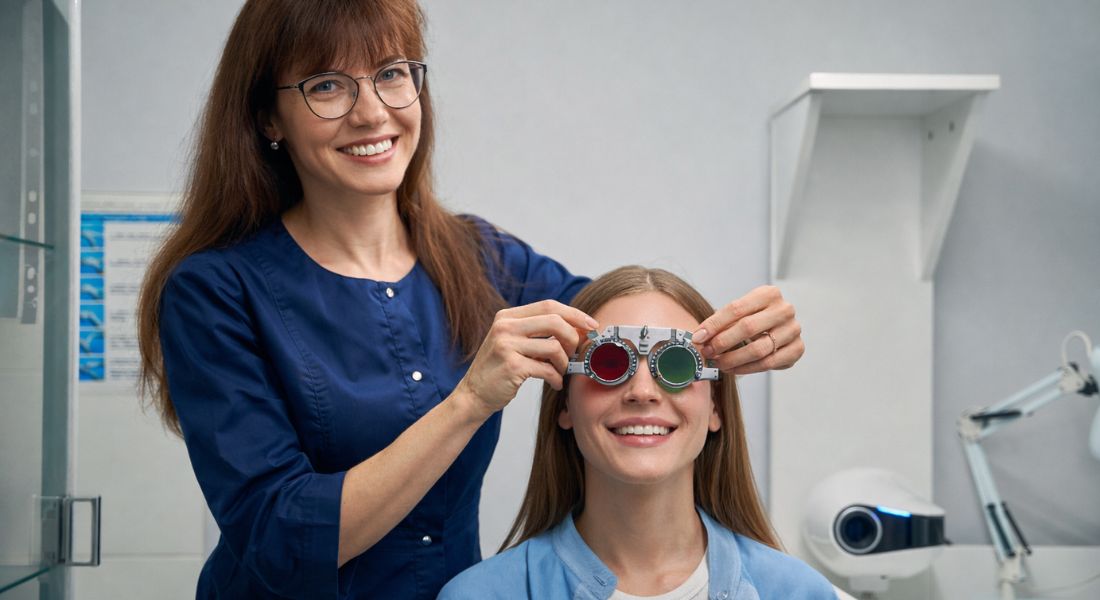
By the three to six-month mark after LASIK, your corneal nerve regeneration becomes much more established. The tiny fibres that were interrupted during surgery are now reconnecting and functioning more effectively. Clinical sensitivity measurements often show significant improvement during this phase.
For you, this usually means your eyes start feeling more normal and responsive. Dry eye symptoms also tend to decrease further. Many patients notice that their eyes feel more comfortable in daily life, even in situations that previously caused irritation.
It’s important to understand that this phase represents functional recovery rather than complete restoration. While your nerves are working much better, full density and sensitivity may still take longer to return.
Ongoing use of lubricating drops or other supportive measures may still be recommended. These help maintain comfort while your eyes continue to heal and stabilise naturally.
Long-Term Nerve Regeneration Beyond Six Months
Long-term studies show that nerve regeneration in your cornea continues well beyond six months after LASIK. Some research suggests that recovery can progress for up to one or two years, with final nerve patterns sometimes differing slightly from their original pre-surgery arrangement.
Even though the nerves are still regrowing, you’ll often find that functional comfort returns much earlier. Dryness and sensation usually improve before full nerve density is restored, meaning your day-to-day vision feels normal sooner than the measurements indicate.
For you, this means that long-term clinical outcomes remain excellent. With patience and proper care, your corneal nerves continue to heal gradually, supporting lasting comfort and visual quality over time.
Why Nerve Density Does Not Need to Fully Return
After procedures like LASIK, you might wonder if your corneal nerves need to fully regenerate for your eyes to feel normal. The good news is that your nervous system is remarkably adaptable. Even if nerve density doesn’t completely return to its original state, your eyes can still function comfortably and your vision can remain excellent.
- Complete Nerve Density Restoration Isn’t Always Necessary – Your eyes don’t need every single nerve to grow back for you to feel comfortable. For you, this means that even partial regeneration can be enough for normal eye sensation and function.
- The Nervous System Adapts to New Patterns – Your brain and nerves can adjust to the new structure in your cornea. For you, this adaptation helps your eyes function efficiently, despite microscopic differences from before the procedure.
- Functional Signalling Improves Even with Altered Structure – Even if nerve density isn’t fully restored, the nerves that do regrow can send strong, reliable signals. For you, this means your eyes regain the sensitivity and responsiveness needed for daily activities.
- Patients Feel Normal Despite Microscopic Differences – Many people notice no difference in comfort, even though their corneal nerves aren’t identical to the pre-surgery state. For you, this highlights the impressive way your body compensates for structural changes.
- Neural Adaptation Plays a Role in Stable Vision Quality – Over time, your visual system adjusts to support clear and stable vision. For you, this ensures that your eyesight remains sharp and comfortable, even if some microscopic nerve differences persist.
In short, your corneal nerves don’t have to fully regenerate for you to enjoy normal eye comfort and excellent vision. Thanks to neural adaptation, your eyes and brain work together to maintain sensation and functionality.
How Nerve Healing Relates to Dry Eye Symptoms
Dry eye after LASIK is closely connected to the temporary disruption of your corneal nerves. When sensation is reduced, your eyes don’t signal for tears as effectively, which can make the surface feel unstable and uncomfortable. You may notice dryness, irritation, or a scratchy feeling during this time.
As your nerves begin to regenerate, tear signalling gradually improves. This helps your eyes restore their natural lubrication and comfort. Over time, the dryness you experienced in the first weeks typically decreases.
For most patients, this is why dry eye symptoms improve steadily after surgery. Understanding this link can reassure you that temporary dryness is a normal part of recovery, rather than a permanent problem.
Why Some Patients Experience Longer-Lasting Dry Eye
Some patients already have dry eye or a lower natural tear reserve before LASIK. In these cases, even a temporary disruption of corneal nerves can have a bigger effect on comfort and tear production. For you, this might mean that recovery feels slower compared with someone who had a perfectly healthy ocular surface.
You may notice dryness for longer, particularly in the first few months after surgery. It’s important to understand that slower improvement doesn’t mean your nerves have failed to regenerate. The healing process is still occurring, but your eyes need extra support while this happens.
Additional measures, like lubricating drops or specialised ocular surface care, can make a real difference. Following your surgeon’s recommendations helps maintain comfort and promotes optimal healing.
With individualised care and patience, most patients see gradual improvement. Over time, your eyes can reach a stable, comfortable state, even if recovery initially feels slower than expected.
The Role of Tear Film Health in Nerve Recovery
A healthy, stable tear film plays an important role in helping your corneal nerves heal after LASIK. Tears contain growth factors that actively support nerve regeneration, so keeping your eyes well-lubricated can make a real difference. If the surface of your eye is dry, healing is slower and less efficient.
This is why using artificial tears or lubricating drops is emphasised after surgery. It’s not just about comfort for you it’s about supporting the biological healing process in your eyes.
By maintaining a stable tear film, you’re giving your corneal nerves the environment they need to recover properly. Regular lubrication helps reduce dryness and supports gradual improvement in sensation and comfort.
How Modern LASIK Techniques Protect Nerve Health
Modern LASIK procedures use thinner corneal flaps and highly precise lasers. For you, this means there’s less disruption to your corneal nerves compared with older techniques, which helps improve both comfort and visual outcomes.
Femtosecond laser technology, combined with optimised laser profiles, helps preserve the natural structure of your cornea. By maintaining this integrity, your nerves have a better environment to regenerate more quickly.
All of this shows why advances in technology really matter. With modern techniques, you’re more likely to experience faster recovery, less dryness, and overall better long-term comfort after your procedure.
Scientific Evidence Supporting Nerve Regeneration
Clinical studies using confocal microscopy have confirmed that corneal nerves do regrow after LASIK. These studies track tiny nerve fibres over time, giving a detailed picture of how regeneration progresses.
The results consistently show that nerve density improves gradually, which supports both structural and functional recovery in the cornea.
For you, this means that improvements in comfort and sensation are backed by scientific observation, not just anecdotal reports.
Dry eye symptoms tend to correlate with the patterns of nerve regrowth. This alignment between science and patient experience reassures you that your recovery follows a predictable, healthy trajectory.
Why Sensation Recovery Feels Gradual
Nerve regeneration in your cornea is naturally slow. The healing process occurs in stages, so it’s completely normal for sensation to return gradually rather than all at once. Expecting instant recovery isn’t realistic from a biological standpoint.
Understanding this can help prevent unnecessary worry. If your eyes feel numb or dry in the early weeks, it doesn’t mean something has gone wrong. These sensations are simply part of the normal healing process.
Gradual improvement is entirely expected for you. Patience is key, as your corneal nerves continue to regenerate over time, restoring comfort and normal sensation steadily.
How Surgeons Monitor Post-LASIK Nerve Recovery
After LASIK, keeping an eye on your corneal nerve recovery is an important part of ensuring comfort and good vision. You might be curious how your surgeon knows everything is healing properly. In reality, it’s a combination of clinical checks and your own feedback that guides the process.
- Routine Follow-Ups Assess Surface Comfort and Tear Stability – Your surgeon will check how your eyes feel and how well your tear film is functioning. For you, these visits ensure that any dryness or discomfort is spotted early and managed appropriately.
- Symptoms Guide Management More Than Measurements Alone – While measurements help, your experience matters most. For you, communicating even mild irritation or dryness gives your care team the insight they need to adjust treatment effectively.
- Patient Feedback Is Valuable – Your observations play a key role in recovery. For you, this means being honest about what you notice allows your surgeon to tailor care so that your eyes heal comfortably and safely.
- If Dryness Persists, Treatment Is Adjusted – Persistent dryness can be addressed with drops or other supportive care. For you, this proactive approach prevents minor issues from becoming bigger problems, keeping recovery smooth.
- Care Remains Proactive Without Causing Anxiety – Your care team monitors your eyes closely but without unnecessary interventions. For you, this means peace of mind, knowing your eyes are supported and healing optimally.
Monitoring nerve recovery after LASIK isn’t just about numbers it’s about how your eyes feel and function day to day. By attending follow-ups and sharing your feedback, you help your surgeon guide your healing, ensuring comfort, safety, and the best possible visual outcome.
What Patients Can Do to Support Nerve Healing
Following your post-operative instructions carefully is essential for nerve recovery. Using lubricating drops regularly, staying hydrated, and avoiding rubbing your eyes all make a real difference. For you, consistency matters more than doing any one thing intensely.
Lifestyle habits also play a role in supporting your eyes. Taking regular screen breaks and being mindful of environmental factors, like dry or windy conditions, can help reduce strain and promote comfort.
These small actions add up over time. By caring for your eyes thoughtfully, you’re actively supporting nerve regeneration and helping your recovery progress as smoothly as possible.
Setting Realistic Expectations About Healing Timelines
You should know that nerve recovery after LASIK doesn’t follow a strict timetable. Some patients notice improvements quickly, while others experience a slower pace, and both patterns are completely normal.
Understanding these timelines can help reduce frustration. Even when progress feels slow, your eyes are still healing and regenerating beneath the surface.
Trusting the biological process is key. With patience, you’ll see gradual improvements in comfort and sensation, and your long-term outcomes will reflect this steady, natural recovery.
Choosing the Right Clinic Matters

Having clear explanations and good follow-up support can make your recovery much smoother. When your surgeon has experience, they can help you distinguish between normal healing and issues that need attention, which gives you reassurance throughout the process.
This kind of support directly improves outcomes for you, as you’re more likely to follow advice and feel confident about your recovery. Understanding what’s normal helps reduce anxiety and makes the healing process easier to manage.
If you’re considering LASIK surgery in London, it’s important to choose a clinic that explains nerve recovery honestly and thoroughly. At Eye Clinic London, we prioritise education as much as the procedure itself. This approach helps you feel informed, reassured, and confident about your vision.
FAQs:
1. What are corneal nerves, and why are they important after LASIK?
You might not realise it, but your corneal nerves are some of the most sensitive in your body. They help you feel your eyes, trigger blinking, and regulate tear production. After LASIK, these nerves are temporarily disrupted, which can cause dryness and reduced sensation. Understanding their role helps you make sense of why your eyes feel different immediately after surgery and why recovery takes time.
2. Does LASIK permanently damage corneal nerves?
No, it doesn’t. During LASIK, your surgeon creates a flap, which temporarily interrupts the nerves. The good news for you is that these nerves aren’t destroyed they regenerate over time. This means that sensations like dryness and mild irritation are usually temporary, and your eyes gradually regain comfort.
3. How soon do corneal nerves start to heal after LASIK?
Healing starts surprisingly early. Within the first few weeks, tiny nerve fibres begin growing back beneath your corneal flap. You might still notice dryness or mild discomfort, but this is perfectly normal. Your body is just starting the regeneration process, and your eyes will continue to recover in the months ahead.
4. What is the typical timeline for nerve regeneration after LASIK?
Recovery happens in stages. In the first 1–3 months, nerve density increases gradually, improving tear production and reducing dryness. Between 3–6 months, your nerves reconnect more effectively, and comfort continues to improve. Beyond six months, nerve regeneration can progress for up to a year or more. The key for you is that functional comfort often returns well before full nerve density is restored.
5. Why do some people experience longer-lasting dry eye after LASIK?
If you already have dry eye or a lower tear reserve before surgery, temporary nerve disruption can feel more pronounced. This means your recovery might feel slower compared with someone with naturally healthy eyes. Using lubricating drops, staying hydrated, and following your surgeon’s instructions are essential steps for supporting your eyes during this period.
6. Do corneal nerves need to fully regenerate for my eyes to feel normal?
Not necessarily. Even if nerve density doesn’t fully return to pre-surgery levels, your nervous system adapts. For you, this means your eyes can still function comfortably, and your vision remains excellent. Partial regeneration is often enough for normal sensation and visual stability, thanks to your body’s remarkable ability to adjust.
7. How does tear film health affect nerve recovery?
Your tears aren’t just for comfort they actively support nerve regeneration. If your eyes are dry, healing can be slower. By keeping your eyes lubricated and maintaining a healthy tear film, you create the best environment for nerves to regenerate, which speeds up recovery and helps your eyes feel more comfortable sooner.
8. How do modern LASIK techniques protect corneal nerves?
Advances like thinner corneal flaps and precise femtosecond lasers reduce nerve disruption. For you, this means less dryness, quicker recovery, and improved long-term comfort. Modern techniques focus on preserving your cornea’s natural structure, giving your nerves a better environment to regenerate efficiently.
9. How do surgeons monitor nerve recovery after LASIK?
Recovery isn’t just about measurements it’s also about how your eyes feel. Your surgeon will assess surface comfort, tear stability, and your feedback during follow-ups. If you report persistent dryness or discomfort, treatments like lubricating drops or supportive care can be adjusted. Your observations are valuable, as they guide personalised care to ensure your eyes heal optimally.
10. What can I do to support corneal nerve healing after LASIK?
You play a big role in your recovery. Regular use of lubricating drops, staying hydrated, avoiding rubbing your eyes, taking screen breaks, and being mindful of dry or windy conditions all help. Consistency is key you don’t need to overdo anything, just follow your post-operative instructions carefully.
Final Thoughts: Why Understanding Corneal Nerve Recovery Matters for Your Comfort
Knowing how your corneal nerves heal after LASIK can make a big difference in understanding what to expect during recovery. It’s not just about seeing clearly it’s also about how comfortable and natural your eyes feel day to day. You might notice dryness or reduced sensation in the weeks following surgery, but this is completely normal, as your nerves gradually regenerate and your tear signalling improves.
Modern LASIK techniques are designed to protect nerve health as much as possible, using precise lasers and optimised procedures that reduce disruption. By following your post-operative care instructions, supporting tear film health, and attending follow-ups, you’re giving your eyes the best chance to recover comfortably and effectively.
If you’re considering lasik surgery in London and want to know if it’s the right option for you, you’re welcome to reach out to us at Eye Clinic London to book a consultation. Our team will guide you through the process, answer all your questions, and help you feel confident about your visual journey.
References:
- KahuamLópez, N., Hosseini, A., Ling, J.Y.M., Chiang, J., Iovieno, A. & Yeung, S.N. (2025). The role of nerve growth factor on the ocular surface: current experimental research. https://www.mdpi.com/2073-4409/14/21/1730
- Bandeira, F. et al. (2019). Corneal reinnervation following refractive surgery treatments. PMCID: PMC6352585. https://pmc.ncbi.nlm.nih.gov/articles/PMC6352585/
- (Animal model) Effects of nerve growth factor on corneal nerve regeneration after LASIK. PMCID: PMC4276247. https://pmc.ncbi.nlm.nih.gov/articles/PMC4276247/
- Gong, Q. et al. (2021). The effect of nerve growth factor on corneal nerve regeneration and dry eye after LASIK. Experimental Eye Research, 203, 108428. https://www.sciencedirect.com/science/article/abs/pii/S0014483520306862
- Chao, C., Golebiowski, B. & Stapleton, F. (2014). The role of corneal innervation in LASIKinduced neuropathic dry eye. https://www.sciencedirect.com/science/article/abs/pii/S1542012413001298