


The Biomechanics of the Cornea in LASIK: What Patients Should Know
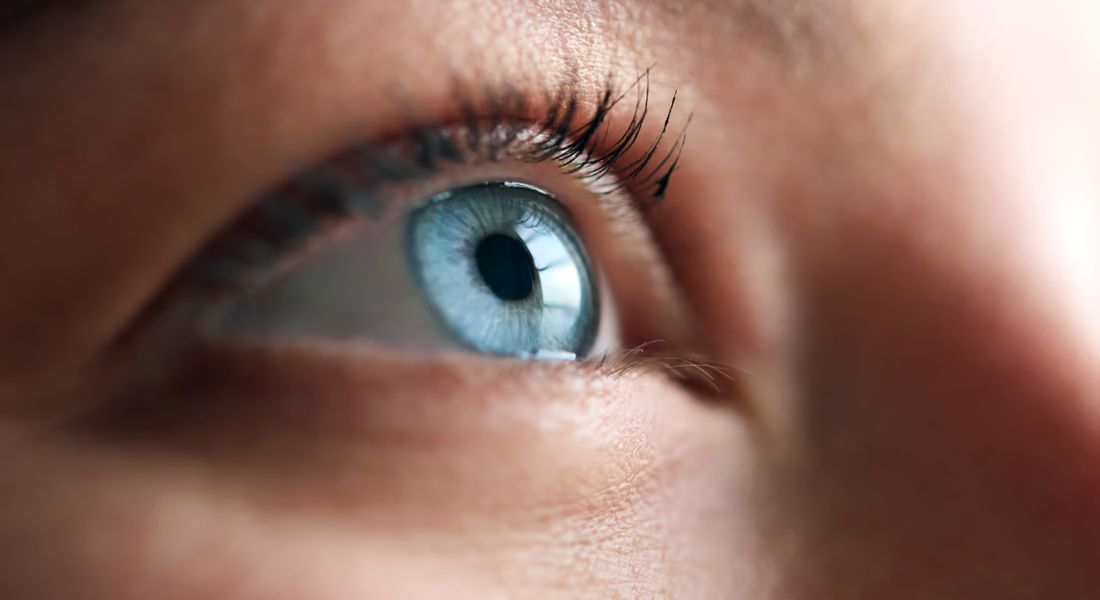
LASIK reshapes the cornea to correct vision, but the success of the procedure depends on more than laser accuracy alone. If you are considering LASIK, understanding corneal biomechanics helps you see why strength, stability, and healing matter just as much as achieving clear vision. These factors influence both safety and long-term results.
The cornea is not simply a transparent surface. It is a load-bearing structure designed to maintain shape while constantly resisting pressure from inside the eye. LASIK works within these natural limits, which is why not every eye is suitable for the procedure.
In this article, we explain what corneal biomechanics means, how LASIK affects corneal strength, and why these changes matter over time. Understanding these principles helps you make informed decisions and approach LASIK with realistic expectations.
Understanding the Structure of the Cornea
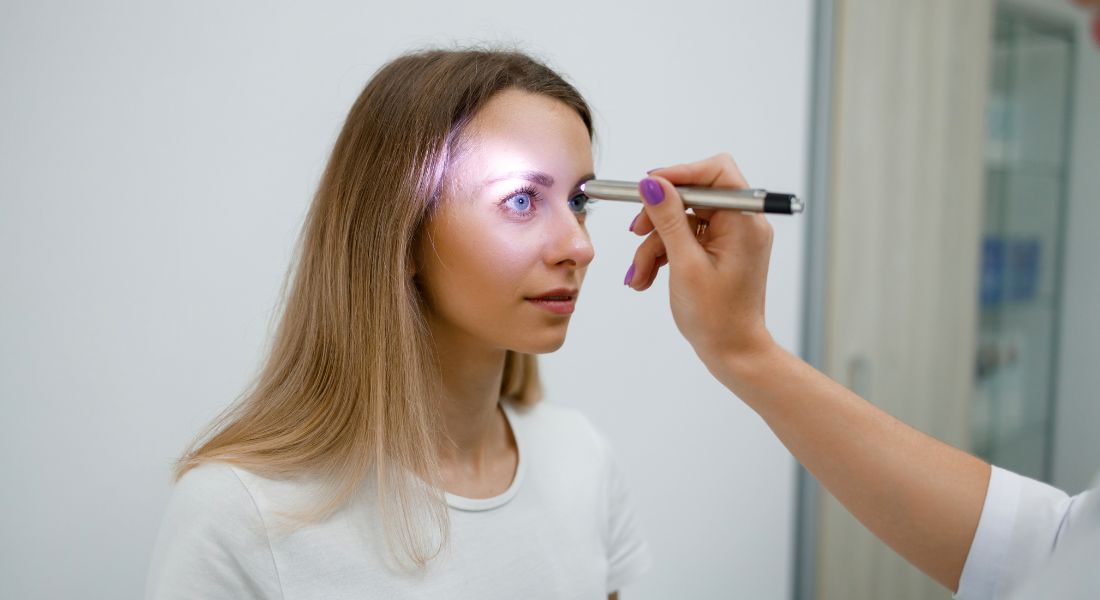
The cornea is made up of multiple layers, each with a specific role. The stromal layer forms most of the corneal thickness and provides the majority of its mechanical strength. This layer contains organised collagen fibres that give the cornea both clarity and durability.
These collagen fibres are arranged in a precise pattern that allows the cornea to remain transparent while resisting deformation. Even small disruptions to this structure can affect corneal stability. This is why refractive surgery must respect structural limits.
LASIK primarily reshapes the stromal layer. Understanding how this layer behaves under stress explains why corneal biomechanics are central to safe treatment planning.
Corneal Biomechanics Explained Simply
Corneal biomechanics refers to how strong, flexible, and stable your cornea is. It describes how the cornea responds to pressure, movement, and healing forces. These properties vary naturally between individuals.
Some corneas are thicker and more rigid, while others are thinner or more elastic. These differences influence how the cornea responds to reshaping. LASIK outcomes depend on working within these biomechanical limits.
This is why two people with the same prescription may not be equally suitable for LASIK. Safety depends on corneal behaviour, not vision correction alone.
Why Corneal Strength Matters Before LASIK
Global cataract statistics are often quoted in isolation, without explanation or clinical context. Large worldwide figures can sound alarming, especially when presented without clarification. For many readers, these numbers create anxiety rather than understanding.
It is important to remember that global data combines countries with very different healthcare systems, resources, and access to surgery. The figures do not reflect the quality of care in any single country. Without this perspective, statistics can easily be misunderstood.
- High prevalence reflects ageing: Cataracts develop naturally as part of the ageing process. A high number of cases worldwide does not mean cataract treatment is failing.
- Blindness often reflects access gaps: Vision loss usually occurs where surgery is unavailable or delayed. This reflects inequality in access rather than poor surgical outcomes.
- Numbers without context create fear: Raw statistics can exaggerate perceived risk. Understanding why the numbers are high helps reduce unnecessary concern.
- Data needs explanation: When figures are explained properly, they become informative rather than frightening. Context turns numbers into insight.
In conclusion, global cataract statistics are not a direct measure of care quality. Most reflect ageing populations and unequal access to treatment. Clear explanation provides reassurance and clarity.
Key Factors Assessed Before LASIK
Before LASIK is recommended, your eyes go through a detailed assessment to make sure the procedure is safe for you. This goes far beyond a simple eyesight test and focuses on the structure and strength of your cornea. Each factor helps predict how your eye will respond to surgery, both immediately and in the long term. The table below outlines the key elements your surgeon carefully evaluates before approving LASIK.
| Corneal Factor | Why It Matters | Impact on Suitability |
| Corneal thickness | Determines how much tissue can be safely removed | Thin corneas may not be suitable |
| Corneal shape | Identifies early weakness or irregularity | Irregular shapes increase risk |
| Biomechanical response | Shows how cornea reacts to pressure | Weak response suggests instability |
| Residual stromal bed | Remaining strength after LASIK | Critical for long-term safety |
How LASIK Reshapes the Cornea
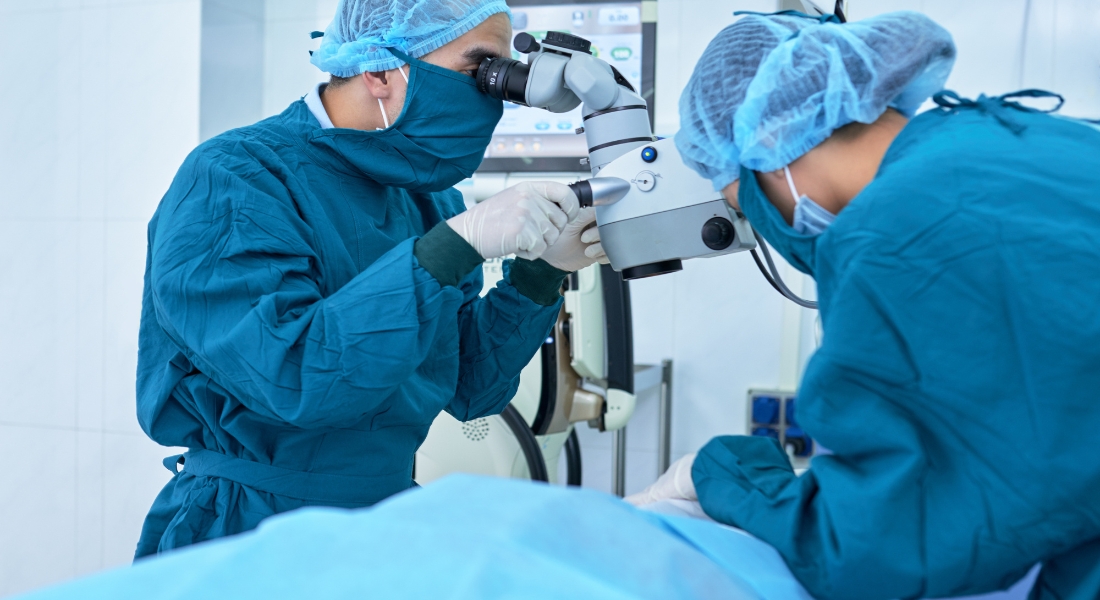
LASIK works by creating a thin flap in the cornea and reshaping the tissue underneath using a laser. This adjustment changes how light enters the eye, allowing it to focus more accurately on the retina. The procedure is extremely precise and tailored to your individual prescription.
Reshaping the cornea also changes how mechanical stress is distributed across it. For this reason, surgeons carefully calculate exactly how much tissue can be safely removed. Removing too much could weaken the cornea, which is why detailed measurements are taken beforehand.
Successful LASIK is about balance. It corrects vision while preserving the natural strength of the cornea. Long-term safety depends on maintaining enough corneal tissue to keep the eye stable after treatment.
How LASIK Affects Corneal Biomechanics
LASIK reduces corneal thickness and slightly alters how the cornea bears stress. In suitable patients, these changes stay well within safe limits, and the cornea continues to function normally. This is why most people enjoy stable vision after treatment.
Some biomechanical change is expected, but it is carefully controlled. Surgeons plan each treatment to preserve the cornea’s strength and stability. These decisions are guided by extensive research and long-term clinical data.
Problems only occur when the cornea’s biomechanical tolerance is exceeded. This is why thorough screening matters more than the laser technology itself. Choosing the right patient is the key to long-term safety.
The Role of Flap Creation in Biomechanics
During LASIK, a corneal flap is created to access the tissue underneath. After healing, this flap does not contribute much to the overall strength of the cornea. Most biomechanical support comes from the deeper stromal layers, which makes flap thickness an important consideration.
- Importance of preserving stromal tissue:The deeper corneal layers provide most of the eye’s strength. Preserving these layers helps maintain long-term stability.
- Benefits of thinner flaps:Thinner flaps leave more supportive tissue untouched. This reduces biomechanical weakening and improves safety.
- Precision with femtosecond lasers:Modern femtosecond lasers create flaps with high accuracy. Thickness and shape are tightly controlled.
- Improved long-term stability:Reduced disruption leads to more stable outcomes. These advances have lowered the risk of biomechanical complications.
In conclusion, modern flap creation techniques protect corneal strength more effectively. Precise, thinner flaps preserve structural tissue and improve long-term LASIK stability.
Healing and Corneal Stability After LASIK
After LASIK, your cornea goes through a natural healing and remodelling phase. Collagen fibres reorganise and adapt to the new shape created by the laser. This process is essential for restoring and maintaining long-term corneal stability.
Although vision often improves quickly, biomechanical adaptation continues for several months. This ongoing adjustment is a normal biological response. Over time, the cornea becomes more stable as healing progresses.
Following post-operative instructions plays an important role in this process. Avoiding eye rubbing and protecting your eyes from trauma helps preserve corneal integrity. These simple steps support safe healing and long-term results.
Short-Term vs Long-Term Biomechanical Changes
After LASIK, the cornea changes over time rather than all at once. Some changes happen in the first few weeks, while others continue quietly in the months that follow. Understanding this timeline helps you know what to expect and why follow-up care matters. The table below outlines how short-term healing differs from long-term biomechanical stability.
| Timeframe | What Happens | Patient Experience |
| Early weeks | Initial healing and collagen response | Vision stabilises |
| First months | Ongoing biomechanical remodelling | Gradual refinement |
| Long term | Stable corneal structure | Durable visual results |
Long-Term Stability After LASIK
In patients who are carefully screened, LASIK results remain stable for many years. The cornea maintains its new shape without progressive weakening. This long-term stability is possible because surgeons carefully respect corneal biomechanics during planning.
It’s important to remember that age-related vision changes can still occur. These changes come from the natural ageing of the lens inside the eye, not from the cornea becoming unstable. Understanding this helps set realistic expectations after surgery.
LASIK corrects refractive errors but does not prevent the normal ageing process. Maintaining corneal strength ensures that the visual improvements last as long as possible. With proper patient selection, long-term outcomes are highly reliable.
Why Some Patients Are Not Suitable for LASIK
Some patients are not suitable for LASIK because their corneas carry a higher biomechanical risk. Thin corneas, irregular shapes, or early signs of weakness can make the procedure unsafe. Often, these risk factors are subtle and not obvious without detailed testing.
Advanced imaging allows surgeons to detect these issues before surgery. Spotting potential problems early helps protect patients from long-term complications. When LASIK isn’t safe, alternative vision correction options can be explored.
Being unsuitable for LASIK doesn’t mean you’re receiving poor care. It reflects careful, patient-centred decision-making designed to prioritise safety. Choosing the right approach ensures better long-term outcomes for your eyes.
Alternative Procedures and Biomechanical Considerations
LASIK is not suitable for every patient. In some eyes, alternative procedures may offer better biomechanical safety. Surface laser techniques or lens-based surgery can preserve corneal structure more effectively, depending on individual factors.
- Surface laser procedures:Techniques such as PRK avoid creating a corneal flap. This can maintain more of the cornea’s natural strength. Recovery may be slightly longer, but biomechanical stability is better preserved.
- Lens-based surgery:In certain high prescriptions or thin corneas, replacing the natural lens can correct vision without weakening the cornea. This approach reduces stress on the corneal tissue.
- Tailored choice based on individual factors:Corneal thickness, shape, prescription, and lifestyle all influence the best procedure. Biomechanical safety is balanced with visual goals to optimise long-term outcomes.
- Personalised consultation:A thorough assessment ensures the safest and most effective option is chosen. Individualised planning improves results and provides reassurance.
In conclusion, when LASIK is not ideal, alternative procedures can better protect corneal biomechanics. Careful, personalised planning ensures vision goals are met while maintaining long-term eye health.
How Technology Improves Biomechanical Safety Today
Modern LASIK relies on advanced diagnostic tools to assess corneal biomechanics before surgery. These technologies measure how the cornea responds to pressure and deformation, information that wasn’t available in the early years of LASIK. This allows surgeons to plan procedures with much greater precision.
Artificial intelligence and enhanced imaging further improve the detection of potential risks. By identifying subtle biomechanical weaknesses, complications can be minimised and outcomes become more predictable. Patients benefit from added confidence that their surgery is safe.
These technological advances are a key reason why LASIK today is safer than ever. A better understanding of corneal biomechanics directly improves patient outcomes. It ensures that vision correction is achieved without compromising long-term corneal stability.
What Patients Should Ask Before LASIK
Before LASIK, it’s important to feel confident asking about your corneal strength and overall suitability. Understanding why the procedure is recommended for you helps build trust with your surgeon. Transparency and clear explanations are key parts of good care.
You should ask how your cornea was assessed and which measurements were taken into account. These discussions help clarify why the surgeon believes LASIK is safe for you. Being well-informed allows you to make decisions with confidence.
A thorough consultation should address all your questions clearly. Education throughout the process empowers you and ensures you know what to expect. Feeling informed can make the entire experience far more reassuring.
Managing Expectations About Long-Term Results

LASIK offers excellent vision correction, but it’s important to have realistic expectations. While the procedure preserves corneal stability, it cannot stop the natural ageing of your eyes. Reading vision or other age-related changes may still develop over time.
Knowing this upfront helps prevent disappointment after surgery. LASIK corrects your vision at the time of treatment, but it does not prevent future changes inside the eye. Being aware of this distinction ensures you have a clear understanding of what to expect.
Setting clear expectations also improves overall satisfaction with your results. Understanding both the benefits and the limits of LASIK is just as important as the procedure itself. Feeling informed helps you approach surgery with confidence.
FAQs:
- What does corneal biomechanics actually mean for a LASIK patient?
Corneal biomechanics describes how your cornea behaves under stress, including how strong it is, how flexible it can be, and how well it maintains its shape over time. For LASIK patients, this matters because the procedure reshapes the cornea. A cornea with healthy biomechanical properties can tolerate this change safely, while a weaker cornea may be at risk of instability. Understanding biomechanics helps explain why LASIK is about safety and structure, not just correcting vision. - Does LASIK permanently weaken the cornea?
LASIK does reduce corneal thickness and alters how forces are distributed across the cornea, but in properly selected patients, this does not result in harmful weakening. Surgeons plan treatment carefully to ensure enough strong tissue remains to maintain long-term stability. When biomechanical limits are respected, the cornea continues to function normally for many years after surgery. - Why can two people with the same prescription have different LASIK eligibility?
Even if two patients have identical vision prescriptions, their corneas may behave very differently. Factors such as thickness, collagen organisation, elasticity, and shape all influence biomechanical strength. LASIK suitability depends on how the cornea responds to reshaping, not just how much correction is needed. This is why detailed corneal testing is essential before approval. - What is corneal ectasia, and how is it related to biomechanics?
Corneal ectasia is a condition where the cornea becomes progressively weaker and changes shape over time, leading to distorted vision. It is closely linked to biomechanical instability. LASIK screening is designed to identify any early signs of weakness so that treatment does not increase this risk. Preventing ectasia is one of the primary reasons biomechanical assessment is so important. - How do surgeons measure corneal biomechanics before LASIK?
Modern clinics use advanced imaging and diagnostic tools that assess corneal thickness, shape, and response to pressure. These technologies provide insight into how the cornea deforms and recovers, which reflects its biomechanical strength. This information helps surgeons decide whether LASIK is safe and how much tissue can be removed without compromising stability. - Does flap thickness affect corneal strength after LASIK?
Yes, flap thickness plays an important role in biomechanical preservation. Thinner flaps allow more of the deeper stromal tissue to remain intact, which is where most corneal strength resides. Advances in femtosecond laser technology allow surgeons to create highly precise, thin flaps, improving both safety and predictability compared to older techniques. - How long does it take for the cornea to stabilise after LASIK?
While vision often improves within days, biomechanical healing continues for several months. During this time, collagen fibres gradually reorganise to support the new corneal shape. This slowremodelling process is normal and contributes to long-term stability. Following aftercare instructions helps protect the cornea during this adjustment period. - Can corneal biomechanics change with age after LASIK?
The cornea itself usually remains stable after successful LASIK, but other age-related eye changes can still occur. Reading vision changes and lens ageing are common and unrelated to corneal biomechanics. LASIK corrects refractive error at the time of surgery but does not prevent natural ageing of the eye. Stable biomechanics ensure the cornea itself does not deteriorate over time. - If I am not suitable for LASIK, does that mean my eyes are unhealthy?
Not being suitable for LASIK does not mean there is anything wrong with your eyes. It simply means that your corneal structure may not tolerate reshaping safely. Identifying this early reflects careful, responsible care. In many cases, alternative procedures can provide excellent vision correction while preserving biomechanical safety. - Why is understanding biomechanics important for patient expectations?
Knowing how corneal biomechanics influence LASIK outcomes helps patients form realistic expectations. It explains why screening is strict, why some treatments are declined, and why long-term stability depends on structure as much as technology. Patients who understand these principles tend to feel more confident, informed, and satisfied with their care decisions.
Final Thought: LASIK and Corneal Biomechanics
Understanding corneal biomechanics helps explain why LASIK is not just about correcting vision, but about preserving long-term eye health. Strength, stability, and healing capacity all play a critical role in determining whether the procedure is safe and whether results remain stable over time. When these biomechanical factors are carefully assessed and respected, LASIK can deliver excellent, durable outcomes with a high level of confidence.
If you’re thinking about lasik surgery in London, you can get in touch with us at the London Medical & Aesthetic Clinic to discuss your suitability, understand your options, and make an informed decision based on your individual eye health.
References:
- Pniakowska, Z., Jurowski, P. and Wierzbowska, J. (2022) ‘Clinical evaluation of corneal biomechanics following laser refractive surgery in myopic eyes: a review of the literature’, Journal of Clinical Medicine, 12(1), p. https://www.mdpi.com/2077-0383/12/1/243
- Li, F. (2023) ‘In vivo biomechanical measurements of the cornea’, Diagnostics MDPI, 10(1), p. 120. https://www.mdpi.com/2306-5354/10/1/120
- Damgaard, I.B., Reffat, M. and Hjortdal, J. (2018) ‘Review of corneal biomechanical properties following LASIK and SMILE for myopia and myopic astigmatism’, The Open Ophthalmology Journal, 12, pp. 164–174. https://pmc.ncbi.nlm.nih.gov/articles/PMC6062908/
- Guo, H., Hosseini-Moghaddam, S.M. and Hodge, W. (2019) ‘Corneal biomechanical properties after SMILE versus FLEX, LASIK, LASEK, or PRK: a systematic review and meta-analysis’, BMC Ophthalmology, 19, p. 167. https://pmc.ncbi.nlm.nih.gov/articles/PMC6676534/
- Wang, D., et al. (2018) ‘Effects of laser in situ keratomileusis (LASIK) on corneal biomechanical measurements with the Corvis ST tonometer’, Clinical Ophthalmology. https://pubmed.ncbi.nlm.nih.gov/25709393/