


Corneal Abrasion: Symptoms, Causes and Urgent Treatment
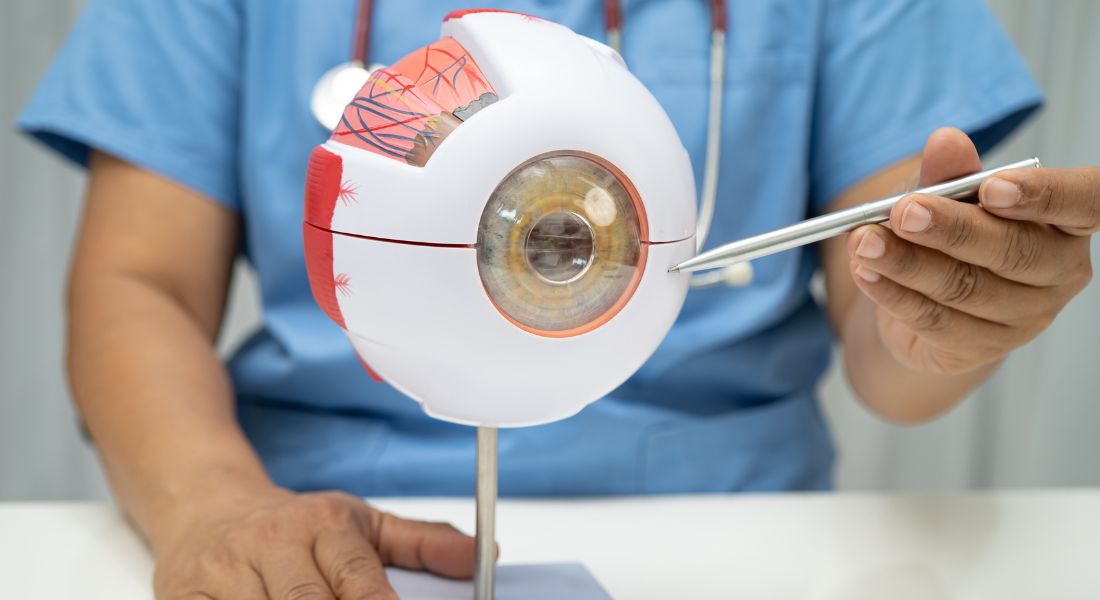
A Corneal abrasion is a scratch on the surface of your eye, specifically the cornea. Even a small abrasion can cause significant discomfort because the cornea is extremely sensitive. This type of injury often happens suddenly, sometimes from something as simple as rubbing your eye or getting a small particle trapped under your eyelid. Despite its size, it can feel quite severe.
You may experience sharp pain, excessive tearing, and difficulty keeping your eye open. Your eye might also feel gritty, as though something is still inside it. Light sensitivity and blurred vision are also common symptoms. These sensations can feel intense and worrying, even when the abrasion is relatively minor.
Understanding what causes a corneal abrasion and how to respond quickly is important for protecting your eye. Prompt treatment helps reduce the risk of infection and supports faster healing. You should seek professional advice if symptoms persist or worsen. Early care plays a key role in preserving your vision.
What Is the Cornea?
The cornea is the clear, dome-shaped front surface of your eye. It acts like a window, allowing light to enter and helping focus it onto the retina so you can see clearly. Because of this role, it is essential for sharp and accurate vision. At the same time, the cornea is one of the most sensitive parts of your eye.
- Key role in focusing light: The cornea bends (refracts) incoming light so it can be properly focused. This is a crucial step in how your eye forms clear images.
- Highly exposed and vulnerable: Since the cornea is at the front of your eye, it is directly exposed to the environment. Dust, debris, or small particles can easily come into contact with it.
- Very sensitive to injury: The cornea contains many nerve endings, which is why even minor injuries can feel painful or uncomfortable. This sensitivity helps you notice problems quickly.
- Importance of protection and care: Protecting your eyes from injury is essential for maintaining good vision. Wearing protective eyewear in risky environments can help prevent damage.
If your cornea is injured, even slightly, it’s important to take it seriously. Seeking prompt care helps ensure proper healing and reduces the risk of complications that could affect your vision.
What Is a Corneal Abrasion?
A Corneal Abrasion occurs when the outer surface of your cornea becomes scratched or damaged. This clear front layer of the eye is very delicate, so even a small injury can affect how your eye feels and functions. Abrasions can range from mild, superficial scratches to deeper injuries that require closer attention. Because the cornea is highly sensitive, symptoms are often noticeable straight away.
- Damage to the surface layer: A corneal abrasion affects the top layer of the cornea. This can happen from dust, a fingernail, contact lenses, or other foreign objects coming into contact with your eye.
- Immediate pain and discomfort: You may feel sharp pain as soon as the injury occurs. This is due to the large number of nerve endings in the cornea, which make it extremely sensitive.
- Possible variation in severity: Some abrasions are minor and heal quickly, while others may be deeper and take longer to recover. The depth and size of the scratch influence how it is treated.
- Importance of proper assessment: Not all eye injuries are the same. An eye specialist can examine your eye to determine the severity of the abrasion and recommend the right treatment.
Understanding the nature of the injury helps ensure you receive appropriate care. Even if the scratch seems minor, seeking advice can help prevent complications and support proper healing.
Common Causes of Corneal Abrasions
A Corneal abrasion can occur from a variety of everyday situations. Small foreign objects such as dust, sand, or debris can easily scratch the surface of your eye. You might also accidentally injure your eye while rubbing it or during routine activities. Even brief contact can be enough to cause discomfort.
Contact lens use is another common cause. If lenses are not handled properly or worn for too long, they can irritate and damage the cornea. Poor hygiene, such as not cleaning lenses correctly, can increase the risk. Taking care with lens use is essential for protecting your eyes.
Other causes include scratches from fingernails, makeup brushes, or other small tools used near the eye. These incidents may seem minor at the time but can still lead to a painful abrasion. Being aware of these risks helps you take simple precautions. Prevention plays an important role in maintaining eye health.
Symptoms You May Notice
Symptoms of a Corneal abrasion often appear immediately after the injury. You may feel a sharp, stinging, or burning pain in your eye that does not go away easily. This discomfort can feel quite intense, even if the scratch is small. You might also have the sensation that something is still in your eye.
Tearing is a common response as your eye tries to protect and clean itself. You may also notice redness and increased sensitivity to light, which can make bright environments uncomfortable. Keeping your eye open may feel difficult. These symptoms can make everyday activities more challenging.
Blurred vision can also occur, depending on how deep or central the abrasion is. You may find that your vision becomes slightly hazy or unclear. Any noticeable change in your vision should be taken seriously. It is important to have your eye assessed to prevent further complications.
Why the Pain Feels Severe
The cornea has a very high number of nerve endings, which makes it extremely sensitive to even minor injury. In a Corneal abrasion, these nerves are directly affected, which is why you may feel intense discomfort. Even a tiny scratch can trigger a strong pain response. This sensitivity is part of your eye’s natural protective mechanism.
You may notice that the pain feels much worse than you would expect for such a small injury. This is completely normal and does not necessarily mean the damage is severe. The sensation can feel sharp, burning, or persistent, and may make it difficult to keep your eye open. Although distressing, this response helps alert you to the problem.
Understanding why the pain feels so intense can help you take the symptoms seriously. It is important not to ignore ongoing discomfort or assume it will resolve on its own. Seeking early assessment ensures proper care and reduces the risk of complications. Prompt attention helps protect your eye and supports faster healing.
Sensitivity to Light
Light sensitivity, also known as Photophobia, is a common symptom of a Corneal abrasion. You may find it uncomfortable to be in bright environments or even normal indoor lighting. This can make everyday activities such as reading, using screens, or going outside more difficult. You might instinctively squint or keep your eye closed to reduce discomfort.
This sensitivity happens because the injured cornea becomes more reactive to light. When light enters your eye, it can intensify the irritation and pain caused by the abrasion. Even brief exposure may feel uncomfortable. This is your eye’s way of protecting itself while it heals.
Photophobia is an important sign that the cornea is involved rather than just minor surface irritation. Recognising and reporting this symptom can help your doctor assess the severity of the injury. It also helps guide the most appropriate treatment. Paying attention to these changes supports better care and recovery.
Tearing and Eye Redness
With a Corneal Abrasion, excessive tearing and redness are very common symptoms. Your eye naturally reacts to injury by trying to protect itself. This response can make your eye feel watery, irritated, and uncomfortable. These symptoms are part of your eye’s defence and healing process.
- Excessive tearing as a protective response: Your eye produces more tears to help wash away any irritants or foreign particles. This can make your eye feel constantly watery, even if the original cause is no longer present.
- Redness due to inflammation: When the cornea is injured, the surrounding tissues become inflamed. Blood vessels on the surface of your eye enlarge, making the eye appear red.
- Symptoms often occur together: Tearing and redness usually happen at the same time. This combination is a clear sign that your eye is irritated or under stress.
- Indicator of eye injury or irritation: While these symptoms can occur with minor irritation, they are also common in corneal abrasions. If they are persistent or severe, it is important to have your eye examined.
If you notice ongoing tearing and redness, especially with pain or sensitivity to light, you should seek medical advice. Early care helps ensure proper healing and prevents complications.
Feeling of Something in the Eye
You may feel as though something is still in your eye if you have a Corneal abrasion. This sensation can continue even after the original particle or object has been removed. It can feel uncomfortable and distracting, as if something is stuck on the surface of your eye. This is a very common symptom.
The feeling is caused by the scratch itself rather than an actual foreign object. The damaged surface of the cornea creates irritation that mimics the presence of something in your eye. Every time you blink, the eyelid passes over the affected area, which can increase the sensation. This is why the discomfort can feel persistent.
You should avoid rubbing your eye, even if the urge is strong. Rubbing can worsen the abrasion and delay healing. It may also increase the risk of infection. Seeking proper evaluation ensures the injury is assessed and treated correctly.
When Vision Is Affected
Some cases of Corneal abrasion can affect how clearly you see. You may notice blurriness, hazy vision, or difficulty focusing on objects. This often depends on where the scratch is located and how large it is. Abrasions near the centre of your cornea are more likely to impact vision.
Changes in your vision can sometimes indicate deeper involvement of the corneal surface. This means the injury may require closer attention and prompt treatment. You should not assume that vision will improve on its own without assessment. Early care helps prevent further complications.
It is important not to ignore any visual disturbance, even if it seems mild. Small changes can still be significant when it comes to your eye health. Seeking professional advice ensures the abrasion is properly evaluated. Protecting your vision should always be a priority.
First Aid Steps at Home
If you suspect a Corneal abrasion, the first step is to avoid rubbing your eye. Although it may feel like something is stuck, rubbing can worsen the scratch and delay healing. Keeping your eye as still as possible helps prevent further irritation. Gentle care is essential in these early moments.
You can rinse your eye with clean water or a sterile saline solution to help remove any remaining particles. This should be done carefully, allowing the fluid to flow gently across your eye. Avoid using strong pressure, as this may cause additional discomfort. Rinsing can provide some relief and help clear debris.
It is important not to use any unapproved substances or home remedies. These can irritate the eye further or increase the risk of infection. If your symptoms persist or worsen, you should seek professional advice. Safe and appropriate care helps reduce the risk of complications.
When to Seek Urgent Care
You should seek medical attention if you have symptoms of a Corneal abrasion that are severe or do not improve. Ongoing pain, strong sensitivity to light, or any changes in your vision are important warning signs. These symptoms may indicate a more significant injury. Prompt evaluation helps ensure the problem is managed correctly.
Even if the abrasion seems minor, you should have it assessed if it does not start to improve within a short time. Delaying care can increase the risk of infection or slow the healing process. What feels like a small issue can become more serious without proper treatment. Early care is always the safer option.
A professional examination allows for an accurate diagnosis and appropriate treatment plan. Your doctor can check for deeper damage and recommend the right medication if needed. Acting quickly helps protect your eye and supports faster recovery. Timely care is key to preserving your vision.
How Doctors Diagnose Corneal Abrasions
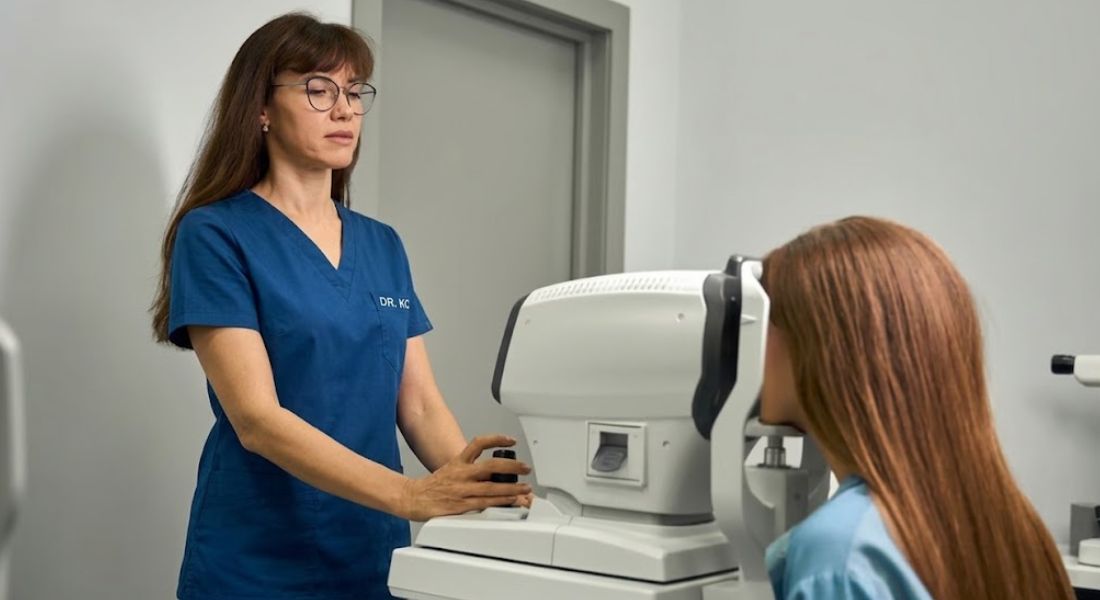
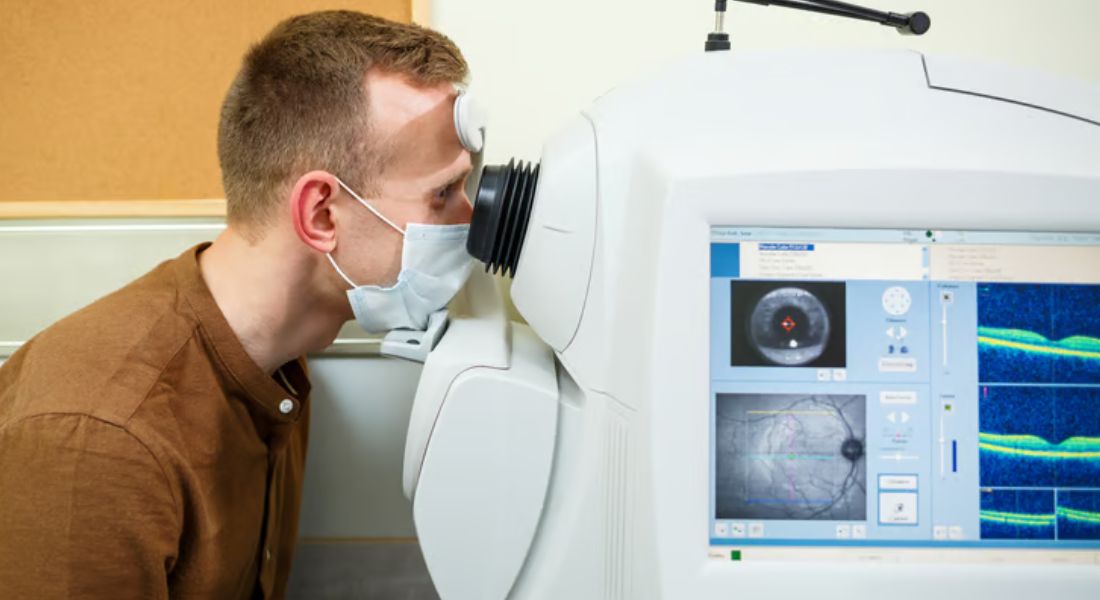
If your doctor suspects a Corneal Abrasion, they will carry out a careful examination to confirm the diagnosis and assess how serious the injury is. This process is quick, painless, and designed to give a clear view of the surface of your eye. A combination of simple techniques helps make the abrasion visible.
- Use of specialised examination tools: Your doctor will examine your eye using a slit lamp, which is a microscope with a bright light. This allows them to see the cornea in detail and identify any damage.
- Application of a fluorescent dye: A special dye is placed in your eye to highlight the scratch. Under blue light, the dye makes the abrasion stand out clearly, helping your doctor locate it precisely.
- Assessment of size and location: The doctor will evaluate how large and deep the abrasion is, as well as where it is on the cornea. These factors determine how severe the injury is and what treatment is needed.
- Checking for underlying causes: Your doctor may also look for any foreign bodies or contributing factors, such as contact lens use or debris, to prevent further irritation.
Early and accurate diagnosis is essential for proper treatment. By identifying the extent of the injury, your doctor can recommend the most effective care and reduce the risk of complications.
Treatment Options Available
Treatment for a Corneal abrasion often includes lubricating eye drops or ointments. These help keep the surface of your eye moist and protected while it heals. By reducing friction when you blink, they make the eye more comfortable. This supportive care encourages faster recovery.
Your doctor may also prescribe antibiotic eye drops or ointment to prevent infection. Because the cornea has been damaged, it is more vulnerable to bacteria. You might also receive medication to help manage pain and reduce discomfort. Each part of the treatment plan is designed to protect your eye and support healing.
Following the prescribed treatment plan carefully is essential. Skipping medication or stopping too early can delay healing or lead to complications. Consistent care helps ensure the best possible outcome. By adhering to medical advice, you give your eye the best chance to recover fully.
Healing Time and Recovery
Most cases of Corneal abrasion heal within a few days. The cornea has a strong ability to repair itself, which is why recovery is often quick. You may start to notice improvement in discomfort and vision within a short time. This rapid healing is one of the reassuring aspects of this condition.
However, larger or deeper abrasions can take longer to heal. In these situations, your doctor may want to monitor your progress more closely. Follow-up appointments help ensure the surface of your eye is healing properly. This also allows any complications to be identified early.
Taking proper care of your eye supports a smooth recovery. You should avoid activities that strain your eyes, such as excessive screen use or exposure to bright light. Giving your eye time to rest can make a noticeable difference. Patience is important while your eye heals.
Potential Complications
If a Corneal abrasion is left untreated, complications can develop. These may include infection of the cornea or the formation of scar tissue. Scarring can interfere with how light enters your eye, which may affect your vision. This is why even a small abrasion should be taken seriously.
Repeated injuries to the same area can also lead to ongoing problems. You may develop a condition known as recurrent corneal erosion, where the surface layer does not heal properly and symptoms return. This can cause repeated episodes of pain and discomfort. Preventing further injury is therefore very important.
Understanding these risks highlights the need for prompt and appropriate treatment. Early care helps reduce the chance of complications and supports proper healing. Taking simple precautions and following medical advice can protect your eye in the long term. Safeguarding your vision should always be a priority.
Contact Lens-Related Abrasions
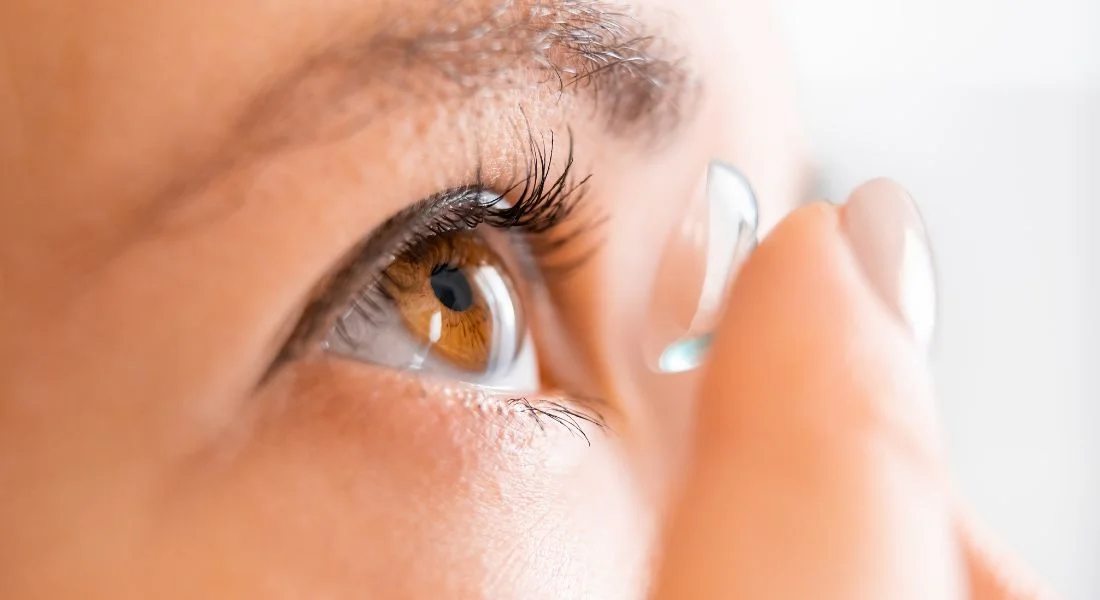
If you wear contact lenses, you may have a higher risk of developing a Corneal Abrasion. While contact lenses are generally safe, improper use or poor hygiene can irritate or damage the surface of your cornea. Even small issues can lead to discomfort and increase the likelihood of an abrasion. Taking care of your lenses and your eyes is essential to reduce this risk.
- Improper use and hygiene: Not cleaning your lenses properly or wearing them with unclean hands can introduce debris or bacteria. This can scratch the cornea or lead to irritation.
- Wearing lenses for too long: Extended wear can limit the amount of oxygen reaching your cornea. Reduced oxygen supply can weaken the surface, making it more vulnerable to injury.
- Increased sensitivity and irritation: If your eyes become dry or irritated while wearing lenses, the risk of abrasion rises. Small particles trapped under the lens can also cause damage.
- Immediate action if symptoms occur: If you notice pain, redness, tearing, or blurred vision, you should remove your lenses straight away. Continuing to wear them can worsen the injury.
- Importance of professional advice: Seeking medical care ensures that any abrasion is properly assessed and treated. Your doctor can also advise when it is safe to wear lenses again.
By following good hygiene practices and wearing your lenses as recommended, you can significantly reduce the risk of corneal abrasions and protect your eye health.
Preventing Future Injuries
Preventing a Corneal abrasion starts with protecting your eyes during everyday activities. Wearing protective eyewear can significantly reduce the risk of accidental injury. This is especially important if you are working with tools, handling debris, or taking part in activities where particles may come into contact with your eyes. A simple precaution can make a big difference.
Being careful with contact lens use is also essential. You should follow proper hygiene practices, including cleaning and storing lenses correctly. Avoid wearing them for longer than recommended, and never use them if your eyes feel irritated. Small habits like these help protect the surface of your eye.
Awareness plays a key role in prevention. By recognising potential risks, you can take steps to avoid injury before it happens. Consistent care and attention support long-term eye health. Protecting your eyes is an important part of maintaining clear and comfortable vision.
FAQs:
- What is a corneal abrasion?
A corneal abrasion is a scratch on the surface of your eye, specifically the cornea. Even a small scratch can feel very painful because the cornea is highly sensitive. The injury can occur suddenly and may affect your vision temporarily. Prompt care helps prevent complications and supports healing. - What are the main symptoms of a corneal abrasion?
You may experience sharp eye pain, tearing, redness, and sensitivity to light. It can also feel like something is stuck in your eye, even if nothing is present. Blurred vision may occur depending on the severity of the scratch. These symptoms usually appear quickly after the injury. - What causes a corneal abrasion?
Corneal abrasions are often caused by foreign particles such as dust, sand, or debris entering the eye. They can also occur from accidental scratches, contact lens misuse, or rubbing the eye. Even everyday activities can lead to minor injuries. Being aware of these causes helps reduce your risk. - Is a corneal abrasion serious?
Most corneal abrasions are minor and heal quickly with proper care. However, they can become serious if left untreated, especially if infection develops. Severe or deep abrasions may affect vision. Seeking prompt medical advice ensures safe recovery. - How long does it take for a corneal abrasion to heal?
Many corneal abrasions heal within 24 to 72 hours due to the eye’s natural healing ability. Larger or deeper scratches may take longer to recover. Following your treatment plan helps speed up healing. Regular monitoring ensures there are no complications. - What should you do if you think you have a corneal abrasion?
You should avoid rubbing your eye, as this can worsen the injury. Gently rinsing your eye with clean water or saline may help remove debris. If symptoms persist or are severe, seek medical attention promptly. Early care reduces the risk of infection and further damage. - Can you wear contact lenses with a corneal abrasion?
You should not wear contact lenses if you have a corneal abrasion. Lenses can irritate the eye further and delay healing. They may also increase the risk of infection. Only resume wearing them once your eye has fully healed and your doctor advises it is safe. - How is a corneal abrasion treated?
Treatment often includes lubricating eye drops or ointments to support healing. Antibiotic drops may be prescribed to prevent infection. Pain relief options may also be recommended. Your doctor will tailor treatment based on the severity of the abrasion. - When should you seek urgent medical help?
You should seek urgent care if you experience severe pain, vision changes, or persistent symptoms. Sensitivity to light and difficulty opening your eye are also warning signs. If symptoms do not improve within a day or two, professional evaluation is important. Prompt care helps protect your vision. - How can you prevent corneal abrasions?
You can reduce your risk by wearing protective eyewear during activities that may expose your eyes to debris. Practising good contact lens hygiene is also important. Avoid rubbing your eyes, especially if something feels irritating. Simple precautions can help keep your eyes safe and healthy.
Final Thoughts: Protecting Your Eyes with Prompt Care
A corneal abrasion may seem like a minor injury, but its symptoms can be intense and should never be ignored. Acting quickly, avoiding further irritation, and seeking professional care when needed can make a significant difference in how well and how quickly your eye heals. Early treatment not only relieves discomfort but also helps prevent complications such as infection or long-term damage.
Staying aware of common causes and practising simple preventive measures can reduce your risk in everyday life. If you experience persistent symptoms or are unsure about your condition, seeking advice from an experienced eye specialist in London can provide reassurance and appropriate care. If you’d like to find out whether eye specialist in London is suitable for you, feel free to contact us at Eye Clinic London to arrange a consultation.
Reference:
- Fusco, N., Stead, T.G., Lebowitz, D. and Ganti, L., 2019. Traumatic corneal abrasion. Cureus, 11(4), e4396. https://pmc.ncbi.nlm.nih.gov/articles/PMC6555491/
- Kalha, S., Kuony, A. and Michon, F., 2018. Corneal epithelial abrasion as a model for corneal wound healing. Journal of Visualized Experiments, (137), p.58071. https://pubmed.ncbi.nlm.nih.gov/30059040/
- Al-Saleh, G.S. and Alfawaz, A.M., 2018. Management of traumatic corneal abrasion by practising ophthalmologists. Saudi Journal of Ophthalmology, 32(2), pp.105–109. https://pubmed.ncbi.nlm.nih.gov/29942177/
- Wilson, S.A. and Last, A. (2004) ‘Management of corneal abrasions’, American Family Physician, 70(1), pp. 123–128. https://pubmed.ncbi.nlm.nih.gov/15259527/
- Singh, P., Tyagi, M., Kumar, Y., Gupta, K.K. and Sharma, P.D. (2013) ‘Ocular chemical injuries and their management’, Oman Journal of Ophthalmology, 6(2), pp. 83–86. https://pmc.ncbi.nlm.nih.gov/articles/PMC3779420/