


Can Laser Eye Surgery Affect Contrast Sensitivity?
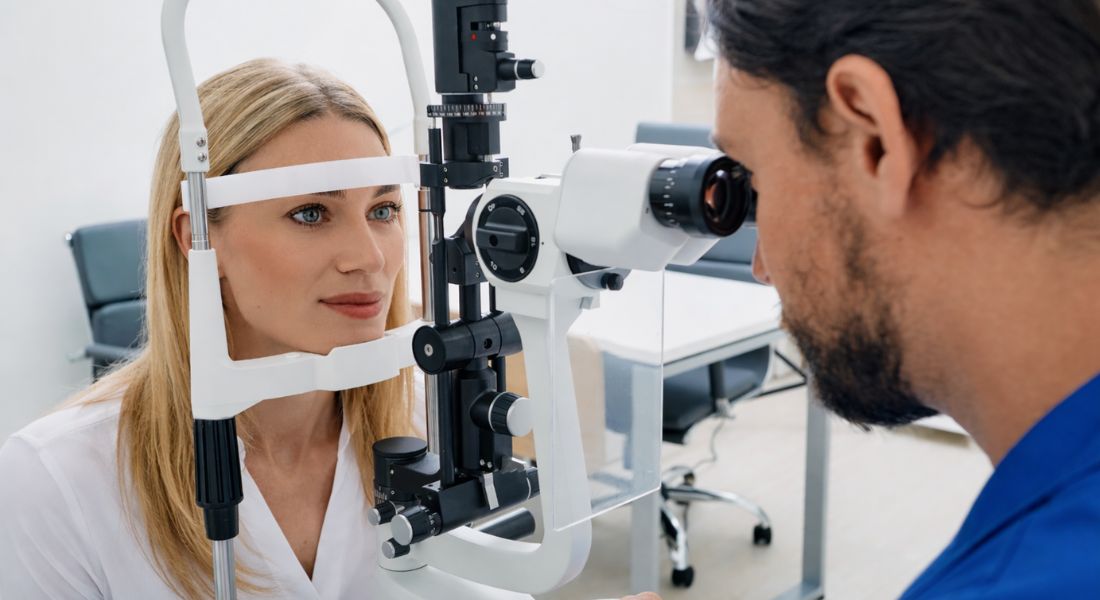
Laser eye surgery can improve how clearly you see, but it may also affect your contrast sensitivity, especially in the early stages of recovery. Contrast sensitivity refers to your ability to distinguish objects from their background, particularly in low-light or low-contrast situations such as driving at night or reading in dim lighting. While the procedure aims to sharpen your vision, your eyes may take some time to fully adjust to these subtle visual differences.
After surgery, you might notice temporary changes in how you perceive contrast. For example, objects may appear slightly less defined against their background, or you may experience mild glare or halos in certain lighting conditions. These effects are usually short-term and occur as your cornea heals and stabilises. Most people find that their contrast sensitivity gradually improves over time.
Understanding these potential changes can help you feel more prepared for the recovery process. In most cases, your vision continues to adapt over the following weeks, and contrast perception returns to normal or near-normal levels. By following your surgeon’s aftercare advice and attending follow-up appointments, you can support a smooth recovery and achieve the best possible visual outcome.
What Is Contrast Sensitivity?
Contrast sensitivity refers to your ability to detect subtle differences between light and dark areas. It helps you distinguish objects from their background, especially in low-light conditions or when colours appear similar. This visual function is important for everyday activities such as driving at night or moving around in dim environments.
Even if your visual acuity is excellent, reduced contrast sensitivity can still make your vision feel less clear. You might notice that objects appear less defined or slightly harder to recognise in certain lighting. It is a more detailed measure of visual quality than standard eye charts. Many people only become aware of it when they experience changes.
Laser eye surgery can temporarily affect your contrast sensitivity while your eyes are healing. During this period, your vision may feel slightly different as it adjusts. In most cases, this effect is short-term. As your eyes recover, contrast sensitivity usually improves and returns to normal levels.
How Laser Eye Surgery Works
Laser eye surgery works by reshaping the cornea, which is the clear front surface of your eye. This reshaping corrects refractive errors such as short-sightedness, long-sightedness, and astigmatism. By improving how light enters your eye and focuses on the retina, the procedure helps you achieve clearer vision without relying on glasses or contact lenses. Understanding how this process works can make you feel more confident about the treatment and what to expect during recovery.
- Reshaping the cornea: The laser carefully removes microscopic amounts of corneal tissue to change its shape. This adjustment allows light to focus more accurately on the retina, improving overall visual clarity.
- Advanced laser techniques: Procedures such as LASIK and PRK use highly precise laser technology to perform these changes. The treatment is customised to your prescription, ensuring accurate and personalised results.
- Controlled and precise changes: Although the procedure is very accurate, it still involves controlled alterations to the corneal surface. These changes can temporarily affect how light is processed by your eye.
- Impact on visual adaptation: After surgery, your visual system needs time to adjust to the new corneal shape. This adaptation period explains why contrast sensitivity or visual clarity may fluctuate during early recovery.
As your eyes heal and adapt, vision typically becomes more stable and consistent. With proper care and follow-up, most patients experience excellent long-term visual outcomes and improved day-to-day comfort.
Why Contrast Sensitivity Can Change
After laser eye surgery, your cornea needs time to stabilise as it heals. During this period, light entering your eye may scatter slightly rather than focusing perfectly. This can make it a bit harder for you to distinguish subtle differences between shades. As a result, your contrast sensitivity may temporarily decrease.
You might notice that objects look slightly less defined, especially in dim or low-contrast lighting. Everyday situations such as night driving or reading in soft light may feel a little different at first. This effect is usually temporary and improves as your cornea heals. At the same time, your brain gradually adapts to the new way your eyes process visual information.
These combined factors explain why changes in contrast sensitivity are quite common after surgery. The good news is that they are rarely permanent. As healing progresses and your visual system adjusts, your contrast perception typically returns to normal or near-normal levels.
Early Changes After Surgery
In the first few days or weeks after laser eye surgery, you may notice a temporary reduction in contrast sensitivity. This is often more noticeable in low-light conditions or at night. You might feel that your vision is slightly dull or less crisp than usual. These changes can vary from person to person.
This phase is a normal part of the healing process. Your cornea is adjusting to its new shape, and your visual system is learning to process the updated focus. During this time, your brain is also adapting to the new visual input. Most people experience steady improvement without needing any additional treatment.
Following your post-operative care instructions can help support a smoother recovery. Using prescribed eye drops and attending follow-up appointments are especially important. These steps help ensure that your eyes heal properly. Over time, your vision typically stabilises and becomes clearer.
Dry Eye and Its Influence
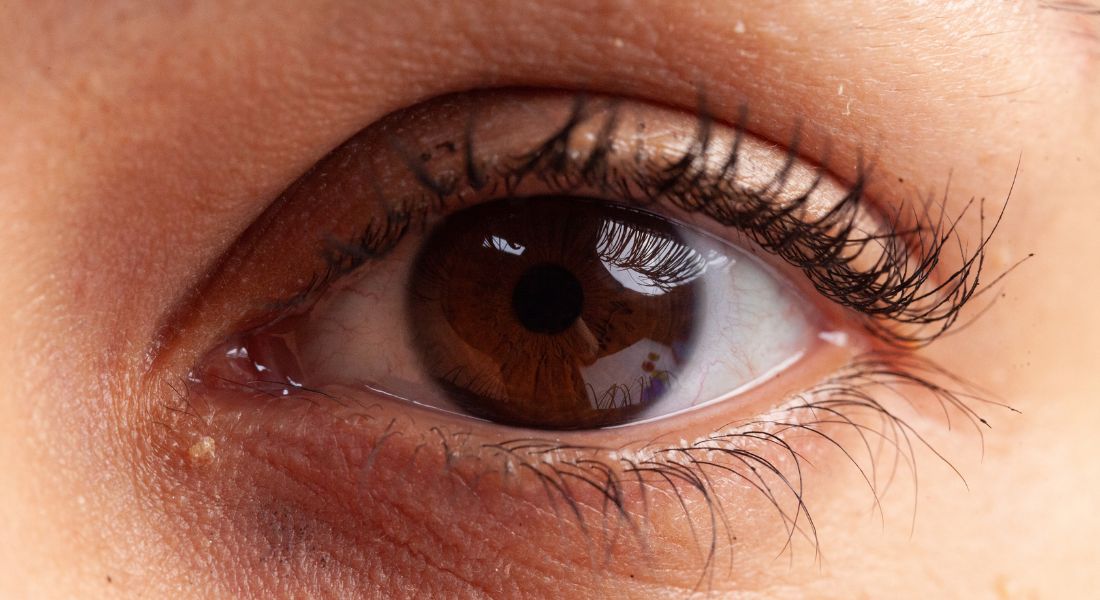
After laser eye surgery, it’s quite common for you to experience temporary dry eye. This happens because the procedure can briefly affect how your eyes produce and maintain tears. Since your tear film plays an important role in keeping the eye’s surface smooth, any instability can influence visual clarity and contrast sensitivity. Understanding how dryness affects your vision can help you manage symptoms more effectively during recovery.
- Impact on tear film quality: Your tear film acts as a smooth optical layer over the cornea. When it becomes unstable, light may not enter the eye evenly, which can slightly reduce sharpness and contrast.
- Effect on visual clarity: Dryness can cause fluctuating vision, especially during activities like reading or screen use. You may notice brief blurring that improves after blinking or using eye drops.
- Role of lubricating eye drops: Using prescribed artificial tears helps keep the eye surface moist and smooth. This not only improves comfort but also enhances visual performance as your eyes heal.
- Temporary nature of symptoms: In most cases, dry eye symptoms gradually improve within a few months. As your eyes recover, tear production and stability return to normal levels.
By managing dryness carefully and following your aftercare routine, you can support a smoother recovery and enjoy clearer, more comfortable vision over time.
The Role of Corneal Healing
Your cornea plays a vital role in focusing light and creating clear vision. After laser eye surgery, it begins a natural healing process that helps smooth and stabilise its surface. This healing phase has a direct impact on how well you perceive contrast, especially in the early days of recovery. Understanding this process can help you feel more reassured as your vision gradually improves.
- Smoothing of the corneal surface: As your cornea heals, its surface becomes more regular and even. This smoother surface allows light to pass through more accurately, improving overall visual quality.
- Reduction in light scattering: In the early stages, slight irregularities can cause light to scatter, affecting contrast sensitivity. As healing progresses, this scattering reduces, allowing your eyes to distinguish details more clearly.
- Gradual improvement in contrast sensitivity: Your ability to perceive contrast improves steadily as the cornea stabilises. Colours and edges become more defined, making everyday tasks more comfortable.
- Individual healing differences: Everyone heals at a slightly different pace, depending on factors such as eye health and the procedure performed. While some people notice rapid improvement, others may take a little longer to reach full clarity.
With time, your vision typically becomes clearer and more balanced. Staying patient and following your aftercare routine will support the healing process and help you achieve the best possible visual outcome.
Neural Adaptation and Vision
Your brain plays an important role in how you perceive contrast. After laser eye surgery, it needs time to adjust to the new way your eyes focus light. This process is known as neural adaptation. It allows your visual system to recalibrate and interpret images more accurately over time.
At first, your brain may process visual signals slightly differently, which can affect how you perceive contrast. You might notice that certain details appear less defined or that lighting differences feel unusual. As your brain adapts, these effects gradually improve. This is why many visual changes resolve on their own without additional treatment.
Neural adaptation is a natural and essential part of recovery. It helps your vision become more stable and comfortable as healing progresses. Over time, this adjustment supports better contrast perception and overall visual quality.
Night Vision and Contrast Sensitivity
Contrast sensitivity plays a key role in how well you see at night. When contrast is reduced, it becomes harder for you to distinguish objects in low-light conditions. This is why you may notice some changes in your night vision after laser eye surgery. Tasks such as driving in the dark can feel slightly more challenging at first.
You might find that headlights appear brighter or less defined than usual. Road signs, lane markings, or pedestrians may also seem harder to pick out in dim lighting. These effects are usually temporary and improve as your eyes heal and your vision stabilises. Over time, most people regain comfortable and clear night vision.
Understanding this connection can help you take sensible precautions during recovery. You may want to limit night driving in the early days or weeks after surgery. Giving your eyes time to adjust can make a noticeable difference. As your contrast sensitivity improves, your confidence in low-light situations will return.
Glare and Halos
After laser eye surgery, you may notice temporary visual effects such as glare and halos. These occur when light scatters slightly across the healing corneal surface, which can affect how clearly you perceive contrast. Although these changes can feel unusual at first, they are a normal part of the recovery process. Understanding why they happen can help you manage them more comfortably during healing.
- Why glare and halos occur: As your cornea heals, minor surface irregularities can cause light to scatter. This scattering may create bright rings around lights or make light sources appear more intense than usual.
- Common visual experiences: You might notice halos around headlights at night or increased sensitivity to bright lights. These effects are typically mild and tend to be more noticeable in low-light conditions.
- Temporary nature of symptoms: In most cases, glare and halos gradually fade as the cornea smooths and stabilises. Modern laser techniques have significantly reduced how often and how strongly these effects occur.
- Ways to manage visual comfort: Wearing sunglasses outdoors and ensuring good indoor lighting can help reduce discomfort. Avoiding overly bright or dim environments during early recovery can also make a difference.
With time, your visual system adapts and these disturbances usually diminish. As healing progresses, you’ll find that your vision becomes clearer, more stable, and more comfortable in different lighting conditions.
Impact of Pupil Size
Your pupil size can influence how your contrast sensitivity changes after laser eye surgery. Larger pupils allow more light to enter your eye, which can increase the chance of light scatter. This effect is often more noticeable in low-light conditions, such as at night. As a result, you may find contrast differences slightly harder to detect during early recovery.
Before your procedure, your surgeon will carefully measure your pupil size as part of the assessment. This information helps them tailor the treatment to your eyes and reduce the risk of visual side effects. Personalised planning ensures that the laser correction matches your eye’s unique characteristics. This approach improves both safety and visual outcomes.
Understanding the role of pupil size can help explain why experiences vary between patients. Some people may notice more temporary contrast changes than others. These differences are usually short-term and improve as the eyes heal. Over time, your vision typically becomes clearer and more stable.
Differences Between LASIK and PRK
LASIK and PRK can affect your contrast sensitivity in slightly different ways. LASIK usually offers a quicker visual recovery, so you may notice improvements in clarity and contrast sooner. With PRK, the surface of your cornea takes longer to heal, which can delay stabilisation. Despite this, both procedures are designed to achieve similar long-term visual results.
You may experience a temporary reduction in contrast sensitivity with either method. This is a normal part of the healing process as your eyes adjust. The main difference is how quickly your vision returns to normal. LASIK patients often recover faster, while PRK patients may need a bit more patience during the early stages.
Your surgeon will recommend the most suitable option based on your eye health, lifestyle, and prescription. Factors such as corneal thickness and personal preferences are also considered. Understanding these differences can help you make a more informed decision. In the long run, both procedures are effective at improving overall visual quality.
Duration of Changes
Most changes in your contrast sensitivity improve within a few weeks to a few months after laser eye surgery. During this time, your eyes gradually heal and adjust to the new corneal shape. By around three to six months, most people notice that their vision feels stable and clear again. Long-term problems with contrast sensitivity are uncommon.
Your recovery timeline can vary depending on how your eyes heal and your daily habits. Factors such as screen use, lighting conditions, and overall eye care can influence how quickly your vision improves. Attending regular follow-up appointments allows your surgeon to monitor your progress closely. This ensures that any concerns are identified and managed early.
Staying consistent with your aftercare routine plays an important role in recovery. Using prescribed eye drops and following medical advice helps support healing. Simple steps like resting your eyes and avoiding strain can also make a difference. Over time, these habits help your vision return to its best possible quality.
Importance of Post-Operative Care
Following your surgeon’s advice is essential for a smooth recovery after laser eye surgery. Using your prescribed eye drops, avoiding unnecessary eye strain, and protecting your eyes from dust or bright light all help support healing. These simple steps allow your eyes to recover properly and encourage the return of normal contrast sensitivity. Sticking to the guidance you’re given makes a real difference to how your vision improves.
If you skip or delay your aftercare routine, recovery may take longer than expected. You might also notice that temporary symptoms, such as reduced contrast or light sensitivity, persist for longer. Consistency is key during this period, as your eyes are still adjusting. Even small lapses can affect how comfortably your vision settles.
Your commitment to aftercare directly influences your final results. By following instructions carefully, you give your eyes the best chance to heal efficiently. Over time, this helps your vision become clearer and more stable. Good aftercare supports both short-term recovery and long-term visual quality.
Lifestyle Factors That Affect Recovery
Your daily habits can play an important role in how quickly your vision improves after laser eye surgery. Getting enough sleep, staying well hydrated, and eating a balanced diet all support the natural healing process. Giving your eyes regular breaks from screens can also help reduce strain during recovery. These small adjustments can make your eyes feel more comfortable as they heal.
Reducing or avoiding smoking and limiting alcohol intake can also benefit your eye health. These factors can affect how well your body heals and how stable your vision becomes over time. Making healthier choices during this period helps create the best conditions for recovery. Even simple changes can have a noticeable effect on how your eyes respond after surgery.
By taking care of your overall health, you support both short-term healing and long-term visual quality. Consistent habits help your eyes recover more smoothly and efficiently. Over time, this can contribute to clearer, more stable vision. Looking after yourself plays a key role in achieving the best possible outcome.
Long-Term Visual Quality
Once your eyes have fully healed, you can expect a significant improvement in overall visual quality. For most patients, contrast sensitivity returns to normal or near-normal levels, allowing you to see details clearly in a range of lighting conditions. Many people find that their vision feels sharper and more consistent than it did before surgery. Understanding these long-term outcomes can help you feel more confident about the procedure.
- Restoration of contrast sensitivity: As your cornea stabilises, your ability to distinguish subtle differences in light and dark improves. This makes everyday tasks such as reading, driving, and recognising faces more comfortable.
- Sharper and clearer vision: Many patients notice improved clarity compared to their pre-surgery vision, particularly if they previously relied on glasses or contact lenses. Colours and details often appear more defined.
- Advances in modern laser technology: Today’s laser systems are highly precise and designed to preserve the natural quality of your vision. These advancements have significantly reduced the risk of long-term contrast issues.
- Consistently positive outcomes: The majority of patients achieve stable, long-lasting results. With proper care and regular eye check-ups, visual performance remains reliable for years.
With time and proper aftercare, your vision typically becomes both clear and comfortable. Most patients are pleased with their results and enjoy greater visual freedom in daily life.
Who May Notice Changes More
Some people are naturally more aware of changes in contrast sensitivity after laser eye surgery. If you often drive at night or spend time in low-light environments, you may notice temporary differences more easily. These situations rely heavily on contrast, so even small changes can feel more noticeable. Your day-to-day activities can influence how your vision feels during recovery.
Your prescription can also play a role in how you experience these changes. If you had a higher prescription before surgery, your eyes may take slightly longer to adjust. This does not mean the outcome will be worse, but you might be more aware of subtle visual differences at first. These effects are usually temporary and improve over time.
Understanding your lifestyle and visual needs helps set realistic expectations. Discussing these factors with your surgeon allows for better treatment planning. Personalised care ensures that your procedure is tailored to how you use your vision every day. This approach often leads to greater comfort and satisfaction with your results.
Advances in Laser Technology
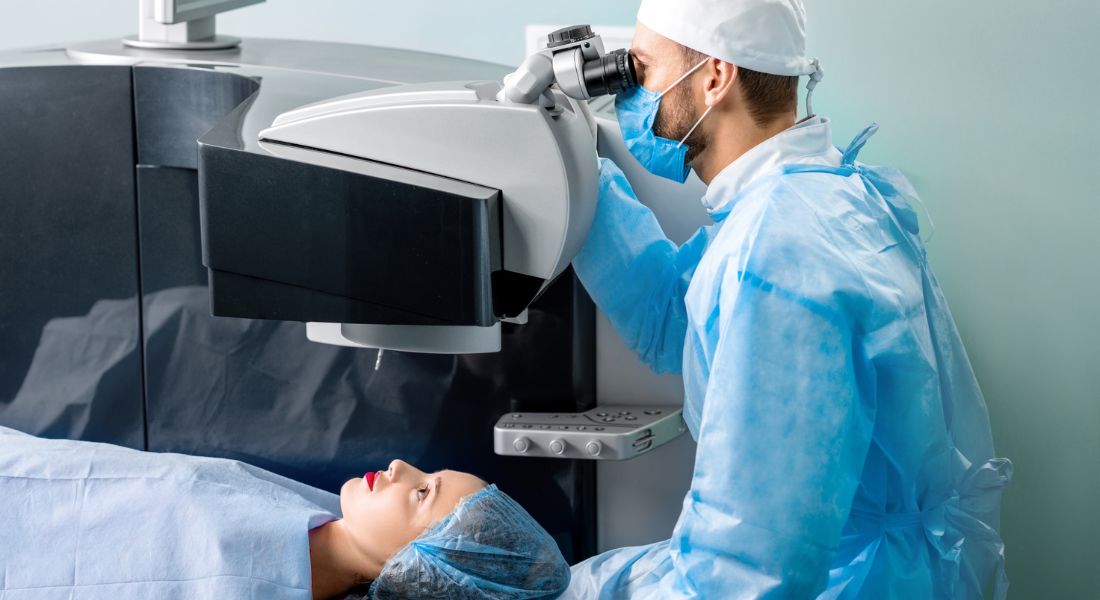
Modern laser systems are more precise and advanced than ever before. Techniques such as wavefront-guided LASIK allow your surgeon to tailor the treatment to the unique characteristics of your eyes. This personalised approach helps reduce visual distortions and better preserve your contrast sensitivity. As a result, your overall visual quality can feel more natural after surgery.
These technological improvements have made laser eye procedures safer and more predictable. Advanced imaging and tracking systems ensure the laser remains accurately aligned throughout the treatment. This level of precision helps minimise side effects and supports consistent outcomes. Many patients now experience clearer vision with fewer visual disturbances.
Technology in this field continues to evolve as research progresses. New innovations aim to further enhance visual performance and recovery speed. For you, this means better results and a more comfortable healing process. Overall, these advances have significantly improved both the safety and effectiveness of laser eye surgery.
Enhancement Procedures
In rare cases, your surgeon may recommend an enhancement procedure after laser eye surgery. This is done to fine-tune your vision if small issues remain after the initial treatment. Enhancements can also help improve contrast sensitivity if it has not fully returned to your expectations. Most people, however, achieve satisfactory results without needing any additional procedure.
Enhancement treatments are carefully planned based on your eye measurements and healing progress. Your surgeon will assess whether your vision has stabilised before considering this option. These procedures are usually straightforward and designed to build on the results of your original surgery. The goal is to optimise your visual clarity and comfort.
It’s important to remember that enhancements are not commonly required. They are only suggested when there is a clear benefit for your vision. With proper evaluation and guidance, you can feel confident about the next steps if they are needed.
Emotional and Psychological Impact
It’s completely normal for you to feel slightly unsettled if your vision changes temporarily after surgery. Even mild fluctuations can feel unfamiliar at first. However, understanding that these effects are usually short-lived can help ease anxiety and give you reassurance during recovery. Having the right mindset can make a meaningful difference to how comfortable and confident you feel throughout the healing process.
- Initial uncertainty is normal: You may feel concerned if your vision isn’t immediately perfect. This is a common reaction, especially in the early days when your eyes are still adjusting.
- Reassurance reduces anxiety: Knowing that temporary visual changes are part of normal healing can help you stay calm. Most symptoms improve steadily as your eyes recover.
- Confidence grows with progress: As your vision becomes clearer and more stable, your confidence naturally improves. Small daily improvements can be very encouraging.
- A positive mindset supports recovery: Staying patient and trusting the process helps you manage expectations. Following your aftercare routine and focusing on gradual progress can make the experience feel smoother.
By understanding what to expect and allowing your eyes time to heal, you can approach recovery with greater ease and confidence. Most patients find that reassurance and patience play a key role in a positive overall experience.
Monitoring Your Progress
Regular follow-up appointments allow your surgeon to closely track how your eyes are healing. During these visits, they assess your vision, check the stability of your cornea, and monitor any changes in contrast sensitivity. This ongoing evaluation helps ensure your recovery is progressing as expected. It also allows your surgeon to give you tailored advice at each stage.
It’s important that you report any unusual symptoms, such as persistent blur, glare, or discomfort. Even minor concerns are worth mentioning, as early attention can prevent delays in recovery. Open communication with your surgeon helps them understand your experience and respond appropriately. This teamwork plays a key role in achieving the best possible outcome.
Your involvement throughout the recovery process is just as important as the procedure itself. Following advice, attending appointments, and staying aware of changes in your vision all contribute to success. By staying engaged, you help ensure your vision continues to improve. This proactive approach supports long-term visual quality and comfort.
When to Seek Advice

If your contrast sensitivity does not improve after several months, it’s important to consult your surgeon. While most changes settle naturally during recovery, persistent issues may need further evaluation. Your eye specialist can assess the cause and recommend appropriate steps. Seeking advice early helps resolve concerns more effectively.
You should also seek prompt medical attention if you notice any sudden changes in your vision. Symptoms such as a rapid drop in clarity, increased glare, or unusual discomfort are not typical during recovery. These signs should be checked as soon as possible. Early assessment helps prevent potential complications.
Staying proactive about your eye health is essential after laser eye surgery. Attending follow-up appointments and reporting concerns ensures your recovery stays on track. Taking action at the right time supports both your safety and long-term visual quality.
Practical Tips for Daily Life
During your recovery, making a few simple adjustments can help improve your visual comfort. Using good lighting at home or work makes it easier for you to see clearly, especially when your contrast sensitivity is still stabilising. If you feel unsure about your vision, it’s best to avoid driving in low-light conditions for a short period. Taking regular breaks from screens can also reduce eye strain and help your eyes feel more relaxed.
These small changes can make everyday activities more manageable while your eyes heal. You might find that tasks such as reading, using a computer, or moving around in dim lighting become easier with better habits. Listening to your eyes and giving them time to rest is important during this phase. Gradually, your visual comfort will improve.
As your vision continues to stabilise, you will rely less on these adjustments. Most people find that their normal routine becomes easier to resume over time. This gradual adaptation is a natural part of recovery. With patience and care, your vision typically becomes clearer and more consistent.
FAQs:
- What is contrast sensitivity and why is it important?
Contrast sensitivity is your ability to distinguish objects from their background, especially when lighting is low or contrast is subtle. It plays a key role in everyday tasks such as night driving, reading in dim light, and recognising faces. Even if your eyesight is sharp, reduced contrast sensitivity can make vision feel less clear. This is why it is an important part of overall visual quality. - Can laser eye surgery reduce contrast sensitivity?
Yes, it is common for contrast sensitivity to decrease temporarily after laser eye surgery. This happens because the cornea is healing and light may scatter slightly during the early recovery phase. Most patients notice gradual improvement as the eye stabilises. In the long term, contrast sensitivity usually returns to normal or near-normal levels. - How long does it take for contrast sensitivity to return to normal?
Recovery time varies, but most people notice improvements within a few weeks. Full stabilisation typically occurs between three to six months after surgery. The healing process and neural adaptation both contribute to this timeline. Regular check-ups help ensure your recovery is progressing as expected. - Is reduced contrast sensitivity permanent?
In the vast majority of cases, reduced contrast sensitivity is not permanent. It is usually a temporary effect linked to corneal healing and visual adaptation. As your eyes and brain adjust, your ability to detect contrast improves. Long-term problems are rare with modern laser techniques. - Why does contrast sensitivity change after surgery?
Laser eye surgery reshapes the cornea, which can initially affect how light enters the eye. During healing, slight irregularities may cause light scattering, reducing contrast perception. Additionally, the brain needs time to adapt to the new visual input. These combined factors lead to temporary changes that gradually resolve. - Does contrast sensitivity affect night vision?
Yes, contrast sensitivity is closely linked to night vision performance. When it is reduced, it can be harder to see objects clearly in dim lighting or while driving at night. You may notice glare, halos, or reduced clarity around lights. These effects usually improve as your vision stabilises. - Are LASIK and PRK different in terms of contrast sensitivity?
Both LASIK and PRK can temporarily affect contrast sensitivity after surgery. LASIK typically has a faster recovery period, while PRK may take longer for vision to stabilise. However, the long-term outcomes for both procedures are very similar. Your surgeon will recommend the most suitable option based on your eyes and lifestyle. - Can dry eyes worsen contrast sensitivity?
Yes, dry eyes can affect the tear film, which is essential for clear vision. An unstable tear film can cause light scatter, reducing contrast sensitivity and overall clarity. This is a common temporary issue after surgery. Using lubricating eye drops and staying hydrated can significantly improve symptoms. - Do modern laser technologies reduce contrast sensitivity issues?
Modern advancements, such as wavefront-guided laser treatments, are designed to preserve visual quality. These technologies reduce optical imperfections and minimise side effects like glare and reduced contrast. As a result, patients experience better outcomes compared to older techniques. This has made laser eye surgery safer and more predictable. - When should I contact my surgeon about contrast sensitivity issues?
You should contact your surgeon if your contrast sensitivity does not improve after a few months. Persistent or worsening symptoms may need further evaluation. Sudden changes in vision should always be checked immediately. Early consultation ensures any issues are addressed quickly and effectively.
Final Thoughts: Understanding and Adapting to Contrast Changes After Laser Eye Surgery
Laser eye surgery is designed to improve your overall vision, but it is normal to experience temporary changes in contrast sensitivity during the healing process. These changes are usually mild and improve as your cornea stabilises and your brain adapts to the new visual input. With modern techniques and proper aftercare, most patients achieve clear, balanced vision with minimal long-term effects.
Taking care of your eyes, attending follow-up appointments, and allowing time for recovery all play an important role in achieving the best outcome. If you understand what to expect, you are more likely to feel confident and comfortable throughout the process. If you’d like to find out whether laser surgery in London is suitable for you, feel free to contact us at Eye Clinic London to arrange a consultation.
References:
- Wierzbowska, J., Pniakowska, Z. and Roszkowska, A.M. (2025) ‘Contrast sensitivity and stereopsis outcomes following LASIK presbyopia correction’, Journal of Clinical Medicine, 14(3), p. 871. https://www.mdpi.com/2077-0383/14/3/871
- Kim, T.W., Wee, W.R., Lee, J.H. and Kim, M.K. (2007) ‘Contrast sensitivity after LASIK, LASEK, and wavefront-guided LASEK’, Journal of Refractive Surgery, 23(4), pp. 355–361. https://pubmed.ncbi.nlm.nih.gov/17455830/
- Montés-Micó, R., Rodríguez-Galietero, A., Alió, J.L. and Cerviño, A. (2007) ‘Contrast sensitivity after LASIK flap creation’, Journal of Refractive Surgery, 23(2), pp. 188–192. https://pubmed.ncbi.nlm.nih.gov/17326358/
- Yue, P. et al. (2024) ‘The effect of femtosecond laser-assisted LASIK on contrast sensitivity’, Frontiers in Neuroscience, 18, p. 1326572. https://pmc.ncbi.nlm.nih.gov/articles/PMC11390402/
- Hieda, O. et al. (2020) ‘Long-term course of contrast sensitivity after LASIK for myopia’, Indian Journal of Ophthalmology, 68(12), pp. 2981–2984. https://pmc.ncbi.nlm.nih.gov/articles/PMC7857006/