


Can Contraceptive Pills Affect Your Eyes?

If you’re taking the contraceptive pill and have noticed dry, irritated eyes or changes in how comfortable your contact lenses feel, you may be wondering whether the two are connected. Hormones may influence the eye surface and tear film, but current research does not show a clear, consistent link between oral contraceptive use and dry eye disease, so other causes should also be considered.
Most people do not develop serious eye problems from the pill. Combined hormonal contraception containing oestrogen does carry a small risk of blood clots, and rare retinal vascular problems have been reported. If you develop sudden loss of vision, a new dark area in your vision or another major visual change, seek urgent medical assessment.
Why Might the Contraceptive Pill Affect Your Eyes?
Combined pills contain oestrogen and progestogen, while progestogen-only pills contain progestogen. Sex hormones may influence the ocular surface and tear film, but evidence that oral contraceptives directly cause dry eye is inconsistent.
If eye symptoms begin after you start or change contraception, note when they began and what makes them better or worse. Persistent symptoms should be assessed rather than assumed to be a side effect of the pill.
Do Different Types of Hormonal Contraception Affect Your Eyes Differently?
Different hormonal contraceptive methods use different hormones. Combined hormonal contraception contains oestrogen and progestogen, while progestogen-only methods do not contain oestrogen. Because the hormone exposure differs, any effects on your eyes may also differ, although evidence for direct ocular effects remains limited.
If you notice changes in your eye comfort after starting or changing contraception, it is important to discuss your symptoms with your healthcare professional rather than stopping contraception without advice.
Can the Contraceptive Pill Cause Dry Eyes?
The evidence is more uncertain than a simple yes-or-no answer suggests. Some studies have found changes in tear-film stability in oral contraceptive users, but a 2026 systematic review did not find a statistically significant increase in dry eye disease or reduced tear production. You may still notice dryness, burning, stinging, grittiness or fluctuating vision, but these symptoms can have many causes.
If your symptoms began after a change in contraception, mention the timing during your eye assessment. Your optometrist can then consider contraception alongside other possible causes.
Evidence Note
A 2026 systematic review of 12 observational studies found no statistically significant increase in dry eye disease among oral contraceptive users. Some differences in tear-film stability were reported, but the overall certainty of the evidence was very low.
This means contraception may be one factor worth considering if your symptoms started after beginning or changing the pill, but it should not automatically be assumed to be the cause.
Why Can Hormonal Changes Influence Your Tear Film?
Your tear film keeps your eyes comfortable and your vision clear, with oily, watery and mucus layers working together. Hormonal changes can affect the glands that produce these components, so you may notice dryness, redness, irritation or temporary blurred vision.
Dry eye is also very common and can have many other causes, including ageing, screen use, medicines and environmental factors. The contraceptive pill may contribute to symptoms for some people, but you should consider other possible causes if your symptoms persist.
Can Contraceptive Pills Affect Contact Lens Comfort?
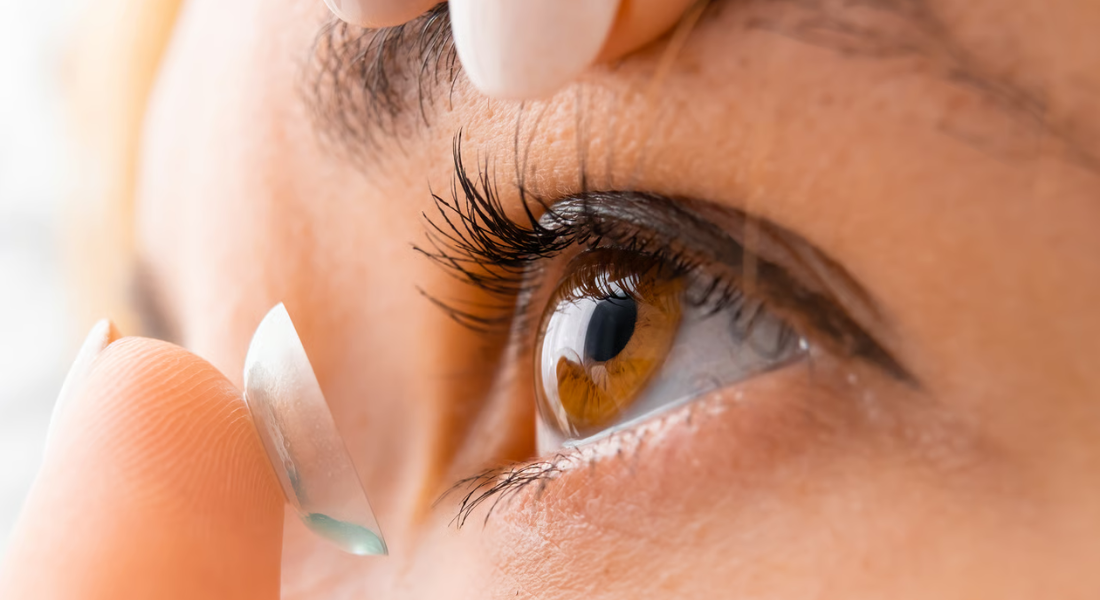
If you wear contact lenses and notice more dryness or irritation after starting or changing hormonal contraception, the timing is worth mentioning during an eye assessment. Some studies have reported more dry-eye symptoms in people who use oral contraceptives and contact lenses, but current evidence does not prove that the pill directly causes contact lens intolerance.
You do not necessarily need to stop wearing contact lenses because of contraception. However, if an eye becomes red or painful while you are wearing lenses, remove them and seek urgent advice from an optometrist, NHS 111 or an eye casualty service, because contact-lens-related infection needs prompt assessment.
Can the Pill Change Your Vision?
Most people taking contraceptive pills do not experience significant changes in their eyesight, but some people may notice blurred vision or eye discomfort. If the blur improves after blinking or using lubricating drops, it may be linked to your eye surface and tear film.
You should not assume persistent or sudden vision changes are caused by contraception. Changes in your prescription, migraine or retinal problems can also affect your sight. If you experience sudden vision loss or a significant visual disturbance, you should seek urgent medical assessment.
Can Hormonal Contraceptives Affect Your Eye Pressure?
Current evidence does not show that taking the contraceptive pill means you will develop glaucoma. A 2025 population-based study found no statistically significant difference in eye pressure between oral contraceptive users and non-users after other risk factors were taken into account.
This single study cannot answer every question about different pill formulations or long-term use. If you already have glaucoma or are at higher risk, tell your eye specialist about all the medicines and contraception you use.
Can the Pill Increase the Risk of Blood Clot-Related Eye Problems?
Combined hormonal contraceptives containing oestrogen are associated with a small increase in blood clot risk. Rarely, a retinal blood vessel blockage can affect your vision, causing sudden sight loss or a dark area in your vision.
Your individual risk depends on factors such as smoking, age, migraine with aura and previous blood clots. You should seek urgent medical advice if you develop sudden or significant vision loss while taking the pill.
Research Insight
A large 2025 study involving more than two million women found a small absolute increase in retinal vein occlusion with some combined hormonal contraceptives. The increased rate was seen mainly with combined oral contraceptives containing 30–40 micrograms of oestrogen, while no increased rate of retinal artery occlusion was found.
The absolute risk remained low, but sudden painless loss of vision or a new dark area in your vision should always be assessed urgently.
Can Migraines and Contraceptive Pills Affect Your Vision?
You may experience temporary visual symptoms with migraine, such as flashing lights, zigzag patterns or blind spots. These usually settle, but you should not assume new visual changes are simply migraine-related, particularly after starting contraception.
Combined hormonal contraception should not be used if you currently have migraine with aura. UKMEC 2025 classifies this as category 4, meaning it represents an unacceptable health risk because of the increased risk of ischaemic stroke. If you develop aura while using a combined pill, contact your contraception prescriber promptly; combined hormonal contraception should not be continued without clinical review.
UK Guidance Note
Under UKMEC 2025, current migraine with aura is category 4 for combined hormonal contraception, meaning it should not be used because the health risks are considered unacceptable. A history of migraine with aura five or more years ago is category 3, meaning the risks usually outweigh the benefits.
Progestogen-only methods are UKMEC category 2 for migraine with aura, so they do not carry the same restriction as combined hormonal contraception. Your prescriber can help you choose an appropriate option based on your medical history and preferences.
Can Contraceptive Pills Affect the Cornea?
Hormonal changes may affect your tear film and certain corneal properties, which may contribute to dryness or discomfort. You may notice this more if you wear contact lenses, as changes in your tear film can make them less comfortable.
These effects are usually about comfort rather than permanent corneal damage. If you develop persistent discomfort after starting contraception, you should have your eyes checked. You should also remove your lenses and seek advice if you experience significant pain or redness.
Can the Pill Cause Dry Eye if You Already Have Eye Problems?
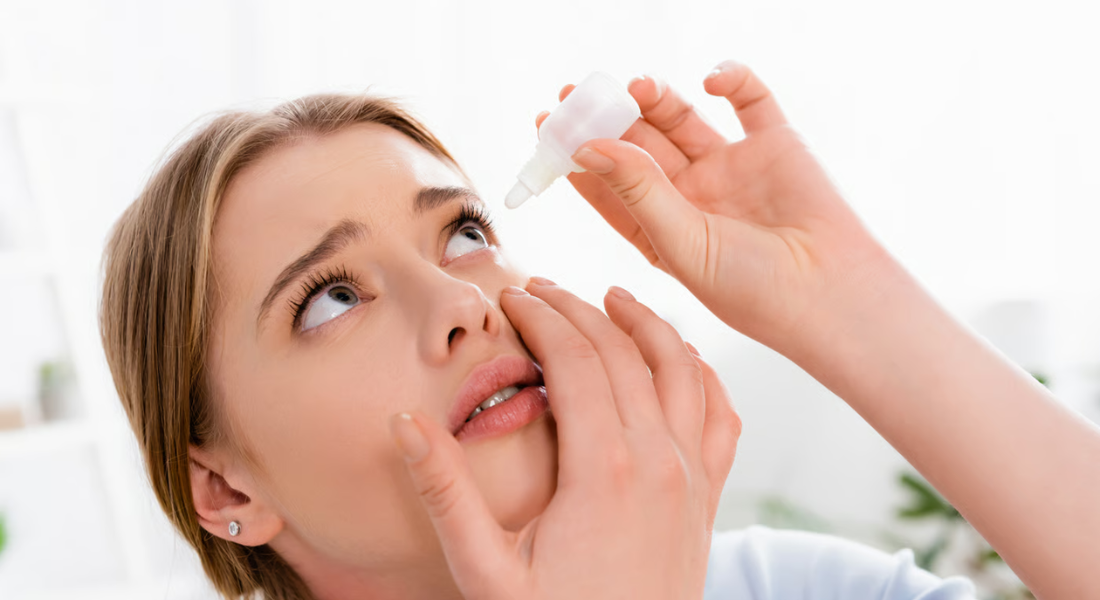
If you already have dry eye, hormonal changes may make your symptoms more noticeable. You may experience increased dryness from factors such as screen use, ageing, contact lenses or certain medicines, particularly if your tear film is already unstable.
The pill may contribute to your symptoms, but it may not be the only cause. Your optometrist or ophthalmologist can check your tear film, eyelids and eye surface, while regular screen breaks and suitable lubricating drops may help. If symptoms remain troublesome, you should seek further assessment.
Can Pregnancy Hormones and Contraceptive Hormones Affect Your Eyes in Similar Ways?
Pregnancy and hormonal contraception can both affect your eyes because of changing hormone levels. You may notice dry eyes, contact lens discomfort or focusing changes, although pregnancy causes more significant hormonal changes.
If your eyesight changes after starting or changing contraception, you should consider when the symptoms began. An eye examination can help determine whether hormones, your eye health or another cause is responsible.
How Are Contraceptive-Related Eye Symptoms Assessed?
Your assessment depends on the symptoms you experience. You may have your vision, tear film, eyelids and eye surface checked, while sudden visual changes may require an examination of your retina and optic nerve.
You should tell your eye specialist which contraceptive you use, how long you have taken it and whether you have migraines, smoke or have a history of blood clots. The aim is to identify the likely cause rather than assume your symptoms are related to contraception.
Clinical Tip
If you notice eye symptoms after starting or changing contraception, note when they began, which contraceptive you are using, whether symptoms vary across your contraceptive schedule or hormone-free interval, and whether blinking or lubricating drops improves them.
This information can help your eye specialist assess whether dry eye, contact lens wear or another factor may be contributing.
What Type of Eye Check Might You Need?
| Type of assessment | Purpose | When it may be used |
| Routine eye examination | Checks general eye health, vision and eye pressure | During regular eye care or if you have ongoing concerns |
| Tear film assessment | Looks at dryness, tear quality and ocular surface health | If you have irritation, dryness or contact lens discomfort |
| Contact lens assessment | Checks lens fit, comfort and eye surface response | If lenses feel uncomfortable after starting contraception |
| Retinal examination | Examines the back of the eye and blood vessels | If you have sudden visual changes, flashes or sight loss |
| Diagnostic eye assessment | Investigates a specific symptom or possible condition | When symptoms persist, worsen or require further investigation |
Should You Stop Taking the Contraceptive Pill if You Have Eye Symptoms?
For mild dryness or contact lens discomfort, do not make a routine change to your contraception without discussing it with your prescriber, because your symptoms may have another cause.
However, if you develop migraine with aura while using combined hormonal contraception, contact your prescriber promptly because current UK guidance classifies this as UKMEC category 4. If you develop sudden sight loss, a new visual field defect or severe eye pain, seek urgent medical care rather than waiting for a contraception review.
How Can You Protect Your Eye Comfort While Taking Contraception?
If you notice dryness or irritation while taking contraception, simple changes may help improve your eye comfort. Looking after your eyes can also help reduce discomfort when using screens or contact lenses.
- Use suitable eye drops: Lubricating drops may help relieve dryness and irritation.
- Manage screen time: Taking regular breaks can reduce eye strain and discomfort.
- Follow lens advice: Stick to your contact lens routine and avoid wearing lenses for longer than recommended.
- Maintain healthy habits: Staying hydrated and avoiding smoking can support overall eye health.
If your symptoms continue or affect your daily activities, an eye assessment can help identify the cause and guide suitable treatment.
Can Contraceptive Pills Cause Permanent Eye Damage?

For most people, contraceptive pills do not cause permanent eye damage. You may experience dryness or contact lens discomfort, while serious eye complications are rare. The main concern with oestrogen-containing contraception is the small increased risk of blood clots.
Factors such as smoking, age, migraine with aura and previous blood clots can affect your contraceptive choice. If you develop sudden vision loss, severe eye pain or new neurological symptoms, you should seek urgent medical advice rather than waiting for them to improve.
When Should You Have Your Eyes Assessed?
If you have persistent dryness, contact lens discomfort or blurred vision after starting contraception, you should arrange an eye assessment. New flashes or floaters, a curtain-like shadow or other sudden visual changes need urgent assessment through an optometrist, NHS 111 or an appropriate eye service. If you suddenly cannot see from one or both eyes, or suddenly develop severe eye pain, go to A&E or call 999.
You should also speak to your healthcare professional if you develop migraine with aura after starting combined hormonal contraception. You should not assume significant or sudden eye symptoms are simply a side effect, as early assessment can help protect your vision.
Myth vs Fact
| Myth | Fact |
| The contraceptive pill always causes eye problems | Most people taking contraceptive pills do not experience significant eye problems. |
| Dry eyes after starting the pill mean you must stop contraception | Dryness can have many causes. You should discuss symptoms with a healthcare professional before changing contraception. |
| The pill causes permanent vision loss | Serious eye complications are rare. Sudden vision changes should be assessed urgently. |
| Wearing contact lenses is unsafe while taking contraception | Many people continue wearing contact lenses. An assessment can help manage dryness or discomfort. |
| Any blurred vision is caused by the contraceptive pill | Blurred vision can have many causes, including dry eye, prescription changes, migraine or other eye conditions. |
Key Takeaways
- Current evidence does not show a clear, consistent link between oral contraceptive use and dry eye disease, although some people may notice changes in eye comfort or contact lens tolerance.
- Most reported symptoms, such as dryness or contact lens discomfort, are not sight-threatening, but persistent symptoms should be assessed.
- Combined hormonal contraception slightly increases blood clot risk, although serious eye complications are uncommon.
- Sudden vision loss, severe eye pain, new visual field changes or neurological symptoms require urgent medical advice.
- You should not stop contraception without discussing your options with a healthcare professional.
Frequently Asked Questions
- Can contraceptive pills cause dry eyes?
Possibly. Some studies have found changes in tear-film stability in oral contraceptive users, but current evidence does not show a clear, statistically significant increase in dry eye disease, and the certainty of the evidence is very low. If you develop persistent dryness, have your eyes assessed because there may be other causes. - Can the contraceptive pill affect contact lens comfort?
Possibly. Some people notice more dryness or reduced contact lens comfort after starting or changing hormonal contraception, but the evidence does not prove that the pill directly causes contact lens intolerance. If discomfort persists, have your lenses and eye surface assessed. If you develop pain or redness while wearing contact lenses, remove them and seek professional advice. - Can contraceptive pills cause blurred vision?
You may experience temporary or fluctuating blurred vision, particularly when your eyes are dry. Blinking or lubricating drops may improve this type of blur. However, sudden or persistent vision changes should be assessed urgently. - Can the contraceptive pill increase the risk of eye problems?
Combined hormonal contraception can slightly increase thrombotic risk. A large 2025 study found a small absolute increase in retinal vein occlusion with some higher-oestrogen combined pills, while no increased rate of retinal artery occlusion was found. Sudden sight loss or a new dark area in your vision needs urgent assessment. - Can contraceptive pills affect eye pressure?
Research on hormonal contraception and eye pressure has shown mixed results. Taking the pill does not mean you will develop glaucoma. If you already have glaucoma or a higher risk, tell your eye specialist about your contraception. - Can contraceptive pills affect migraine-related vision changes?
Migraine can cause flashing lights, zigzag patterns or temporary blind spots. If you currently have migraine with aura, combined hormonal contraception is UKMEC category 4 and should not be used because of the increased risk of ischaemic stroke. New or unusual visual symptoms should still be medically assessed rather than automatically assumed to be migraine. - Can contraceptive pills affect the cornea?
Hormonal changes may affect your tear film and certain corneal properties, which may contribute to dryness or discomfort. This can be more noticeable if you wear contact lenses. These effects are generally related to comfort rather than permanent corneal damage. - Should you stop taking the contraceptive pill if you develop eye symptoms?
You should not routinely stop contraception because of mild dryness or contact lens discomfort without speaking to your healthcare professional. However, if you use combined hormonal contraception and develop migraine with aura, contact your prescriber promptly because UKMEC 2025 classifies this as category 4. Sudden or significant visual symptoms need urgent eye assessment. - Can contraceptive pills cause permanent eye damage?
For most people, contraceptive pills do not cause permanent eye damage. Dryness, irritation and contact lens discomfort are more common concerns, while serious complications are rare. You should seek urgent advice if you develop sudden vision loss, severe eye pain or neurological symptoms. - When should you have your eyes assessed after starting contraception?
You should arrange an eye assessment if you develop persistent dryness, contact lens discomfort or blurred vision. New flashes or floaters, a curtain-like shadow or other sudden visual changes need urgent assessment. If you suddenly cannot see from one or both eyes, or suddenly develop severe eye pain, go to A&E or call 999.
Final Thoughts: Looking After Your Eyes While Taking Contraceptive Pills
If you’ve noticed dry or uncomfortable eyes since starting the pill, the timing is worth mentioning during an eye examination, but it does not automatically mean contraception is the cause. Most symptoms can be investigated and managed, while sudden sight loss, a new visual field defect or another major visual change needs urgent assessment.
If dryness or contact lens discomfort is continuing, a dry eye assessment at Eye Clinic London can help examine your tear film, eye surface and other possible contributors to your symptoms.
References:
- Basu, B.B., Buntain, H.B., Thompson, M.T., Dyer, B.P. and Adams, M.A. (2026) ‘The association between oral contraceptive pill use and the outcomes of dry eye disease: a systematic review and meta-analysis’, Clinical and Experimental Optometry, pp. 1–15. Available at: https://pubmed.ncbi.nlm.nih.gov/42437708/
- Moschos, M.M. and Nitoda, E. (2017) ‘The impact of combined oral contraceptives on ocular tissues: a review of ocular effects’, International Journal of Ophthalmology, 10(10), pp. 1604–1610. Available at: https://pmc.ncbi.nlm.nih.gov/articles/PMC5638984/
- Kasiri, R., Rahimi, Z., Moramezi, F., Zanganeh Yousefabadi, E., Mohammadi, A., Kasiri, A. and Kasiri, M.A. (2025) ‘Oral contraceptive use and intraocular pressure: findings from a population-based cross-sectional study’, BMC Ophthalmology, 25, article 544. Available at: https://pmc.ncbi.nlm.nih.gov/articles/PMC12498444/
- College of Sexual and Reproductive Healthcare (2026) ‘The UK Medical Eligibility Criteria for Contraceptive Use (UKMEC)’, BMJ Sexual & Reproductive Health, 52(Suppl 1), pp. 1–138. Available at: https://pubmed.ncbi.nlm.nih.gov/41927068/
- Niazi, S., Gnesin, F., Jawad, B.N., Niazi, Z., Løkkegaard, E., Mørch, L., Torp-Pedersen, C., Subhi, Y. and Meaidi, A. (2025) ‘Hormonal contraception and retinal vascular occlusion risk’, American Journal of Ophthalmology, 277, pp. 286–294. Available at: https://www.sciencedirect.com/science/article/pii/S0002939425002612/