


Circadian Intraocular Pressure Fluctuations in Glaucoma Patients
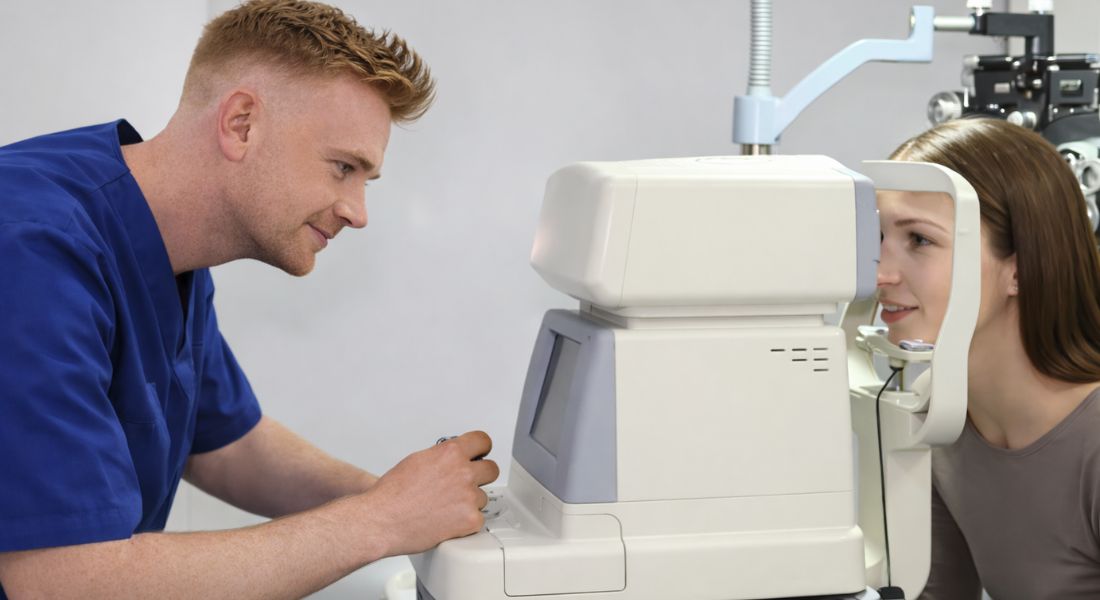
When glaucoma is discussed, eye pressure is often presented as a fixed value. You may be told that intraocular pressure is “controlled” based on a single clinic measurement. In reality, eye pressure is dynamic rather than static. We recognise that it changes continuously across the day and night.
We now understand that intraocular pressure follows a circadian rhythm. This means pressure naturally rises and falls over a 24-hour cycle. Factors such as body position, hormonal variation, and sleep patterns all play a role. A single daytime reading may therefore miss important pressure peaks.
These fluctuations help explain why glaucoma can progress even when clinic measurements appear acceptable. Pressure-related stress on the optic nerve may occur outside normal appointment hours. You may never feel these changes as symptoms. We interpret progression in the context of this hidden exposure.
Understanding circadian pressure variation allows you to view glaucoma more realistically. It highlights why timing, patterns, and trends matter as much as individual numbers. We use this perspective to guide monitoring and treatment decisions. This approach supports more accurate risk assessment and long-term protection.
What Circadian Intraocular Pressure Means
Intraocular pressure follows a natural daily rhythm that changes across a 24-hour cycle. These circadian patterns are part of normal eye physiology and often go unnoticed. Understanding how pressure behaves over time provides important context when assessing glaucoma risk. We consider these natural fluctuations rather than relying on isolated readings.
- Eye pressure normally varies across the day and night
In most people, intraocular pressure rises during the night and early morning hours. You are usually unaware of these shifts because they occur as part of normal physiology.
- Glaucoma can exaggerate normal pressure fluctuations
Wider pressure ranges and higher peaks place added strain on the optic nerve. Even brief elevations may contribute to cumulative damage over time.
- Pressure changes are silent but clinically important
These fluctuations do not cause pain or visible symptoms. We focus on patterns of pressure behaviour rather than single measurements to assess risk.
Understanding circadian pressure behaviour allows a more accurate view of glaucoma progression. By prioritising stability as well as average pressure, we aim to protect the optic nerve more effectively. This pattern-based approach supports more informed and individualised care decisions.
Why Night-Time Pressure Matters

Night-time intraocular pressure plays a particularly important role in glaucoma. When you lie down to sleep, pressure inside the eye typically rises. At the same time, blood pressure can fall, which reduces perfusion to the optic nerve. We recognise this combination as a vulnerable period for nerve tissue.
This overlap can place the optic nerve under increased strain without any noticeable warning. You may be unaware that the highest risk occurs during sleep rather than daytime activity. Daytime clinic readings cannot fully reflect this exposure. We therefore avoid relying on office measurements alone.
Research shows that many people experience their highest pressure levels outside normal clinic hours. These nocturnal peaks help explain progression in eyes that appear well controlled during the day. We now consider night-time pressure behaviour a key factor in management. This perspective has reshaped how treatment effectiveness is assessed.
Physiological Factors Influencing Pressure Fluctuations
Several biological factors influence circadian changes in eye pressure. Hormonal rhythms, particularly cortisol release, affect how aqueous humour is produced throughout the day. These hormonal cycles are closely linked to sleep and wake patterns. We consider this natural rhythm when interpreting pressure behaviour.
Body position also has a measurable impact on eye pressure. When you move from an upright position to lying down, pressure within the eye increases. This effect becomes more significant during prolonged periods of sleep. We recognise posture as an important contributor to night-time pressure rise.
Fluid dynamics within the eye are not constant over a 24-hour period. Resistance to aqueous outflow can increase at night, adding to pressure elevation. These mechanisms interact rather than acting alone. We view circadian fluctuation as a normal process that becomes problematic in glaucoma, helping explain individual differences.
Why Single Clinic Measurements Can Be Misleading
Most eye pressure readings are taken during daytime clinic visits. You may feel reassured when these measurements fall within the target range. However, they represent only a brief snapshot of a constantly changing process. We interpret these readings as part of a wider picture rather than definitive proof of stability.
Daytime measurements often fail to capture night-time or early morning pressure peaks. These unrecorded rises can contribute to optic nerve damage even when clinic values look controlled. You may find this gap confusing or frustrating. We recognise that stability cannot be judged on daytime data alone.
You may wonder why progression occurs despite apparently good pressure control. Circadian fluctuation offers a logical explanation for this pattern. Damage can occur during hours that are not routinely monitored. We therefore focus on trends and context rather than isolated clinic readings.
Evidence Linking Fluctuations to Glaucoma Progression
Research increasingly shows that pressure fluctuation itself plays a significant role in glaucoma progression. Larger swings in eye pressure are linked to faster loss of visual field function. You may see progression even when average readings appear acceptable. We now recognise variability as an important risk factor.
Studies demonstrate that wider diurnal pressure ranges are associated with greater optic nerve damage. Both peak pressure levels and overall variability contribute to this risk. You may be surprised to learn that stability matters as much as reduction. We consider consistency a key marker of effective control.
This understanding has changed how treatment success is defined. Lowering mean pressure alone is no longer the only goal. We aim to achieve smoother pressure control across the full 24-hour cycle. Treatment strategies are refined to reflect this evidence and protect long-term vision.
How Circadian Pressure Is Measured
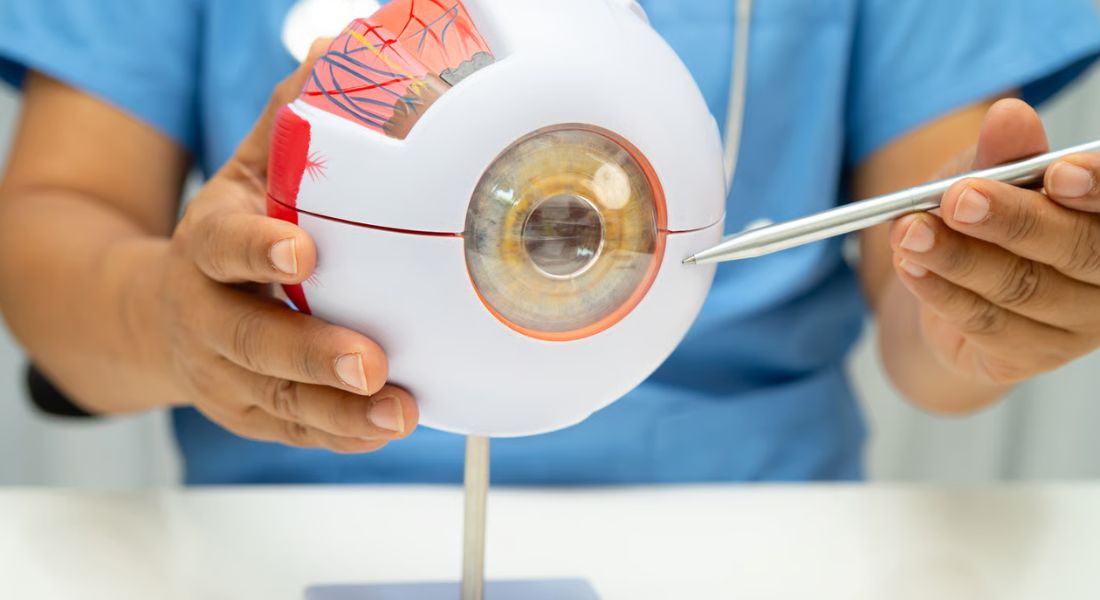
Assessing circadian intraocular pressure is more complex than taking a single reading during a clinic visit. Eye pressure fluctuates across the day and night, and capturing this pattern is not always straightforward. Practical limitations mean that monitoring must balance clinical value with patient convenience. Understanding these challenges explains why different assessment strategies are used.
- Full circadian pressure measurement is difficult in routine care
Accurate assessment traditionally requires repeated readings during both day and night. This approach can be inconvenient and is not always practical for regular monitoring.
- Daytime pressure curves provide partial insight
Multiple measurements taken during clinic hours can reveal daytime fluctuations. However, they do not capture night-time pressure peaks, which may still be clinically relevant.
- Newer technologies focus on pressure patterns rather than single values
Emerging tools help identify fluctuation trends without constant measurements. We select monitoring methods based on individual risk and progression rather than a uniform approach.
Circadian pressure assessment is about understanding behaviour rather than chasing exact numbers. By combining practical monitoring strategies with individual risk evaluation, we aim to gain meaningful insight without unnecessary burden. This tailored approach supports more effective and patient-centred glaucoma care.
Why Some Patients Are More Affected Than Others
Circadian pressure patterns differ widely from one person to another. Some people experience very little variation, while others develop pronounced pressure peaks. Factors such as genetics, eye anatomy, and overall health influence this behaviour. We take these differences seriously during assessment.
You may notice glaucoma progression even when average pressure readings appear similar to others. This often reflects greater fluctuation rather than a higher mean pressure. Sensitivity of the optic nerve also varies between individuals. We consider nerve vulnerability alongside pressure data.
People with normal-tension glaucoma can be particularly sensitive to pressure variation. Even modest rises may exceed the tolerance of a compromised optic nerve. This makes fluctuation an important risk factor in this group. We tailor treatment decisions based on individual susceptibility rather than using a uniform approach.
How Treatment Timing Influences Pressure Control
The timing of glaucoma medication can influence how eye pressure behaves over a full 24-hour cycle. Some treatments work more effectively during daytime hours, while others provide stronger control overnight. You may not see this difference during clinic visits. We consider timing as an important factor in overall pressure stability.
You may be advised to use certain drops in the evening instead of the morning. This strategy is designed to reduce pressure rises that occur during sleep. We focus on protecting the optic nerve during periods when it may be more vulnerable. Treatment timing is chosen with this risk in mind.
Not all glaucoma medications offer consistent control throughout the night. Some lose effectiveness outside daytime hours, which can leave gaps in protection. We take these differences into account when planning care. Treatment schedules are tailored to your individual pressure pattern to support protection beyond clinic hours.
Surgical and Laser Considerations
Surgical and laser treatments can alter circadian pressure behaviour in a beneficial way. These interventions often deliver more even pressure control throughout the day and night. You may benefit from reduced pressure swings rather than just lower average readings. We consider consistency an important protective factor.
You may be advised to consider procedural options when progression continues despite good medication use. This recommendation is often based on pressure variability rather than mean pressure alone. We assess how pressure behaves over time rather than relying on single clinic measurements. Fluctuation patterns can guide next steps in care.
Laser procedures may smooth pressure curves by improving aqueous outflow efficiency. Surgical options can provide greater stability in carefully selected cases. We evaluate these choices with caution, balancing benefit and risk. Stability is weighed alongside safety and long-term effectiveness when planning advanced treatment.
Why Long-Term Monitoring Is Essential
In glaucoma, eye pressure does not remain static across time. Circadian patterns can change gradually due to ageing, disease behaviour, or adjustments in treatment. These shifts are often silent and not something you can feel directly. Understanding this variability helps explain why regular review remains essential, even during apparently stable periods.
- Pressure patterns can evolve over time
Day–night pressure behaviour may shift as part of natural ageing or disease progression. We rely on ongoing monitoring to identify these changes early rather than waiting for symptoms.
- Periods of stability may be followed by renewed change
Glaucoma does not progress in a straight or predictable line. When fluctuations reappear, it reflects disease evolution rather than failure of earlier care.
- Long-term trends guide management decisions
Structural imaging, functional tests, and pressure patterns are reviewed together. You benefit when results are interpreted collectively rather than as isolated readings.
Glaucoma care is a continuous process rather than a one-time intervention. By tracking long-term trends and adapting treatment as patterns change, we aim to stay ahead of progression. This flexible approach supports more reliable protection of vision over time.
What This Means for Patients Living With Glaucoma

Understanding circadian pressure fluctuation helps clarify many uncertainties in glaucoma care. It explains why ongoing attention is needed even when clinic readings appear well controlled. You may find that this knowledge places test results into better context. We use it to support realistic and informed expectations.
You are not expected to manage these complexities on your own. Care is structured around regular assessment, thoughtful adjustment, and clear explanation. When you understand why monitoring continues, engagement often feels more confident. We see awareness as a way to strengthen partnership in care.
This perspective also reinforces the importance of following treatment schedules consistently. Timing and regular use matter just as much as the medication itself. We provide guidance tailored to your routine and risk profile. Knowledge becomes a tool for protection rather than a source of anxiety.
FAQs:
- Why does your eye pressure change throughout the day and night?
Your eye pressure follows a natural biological rhythm that rises and falls over 24 hours. Hormones, body position, and sleep all influence how fluid moves within the eye. These changes are normal but can become more pronounced in glaucoma. We focus on these patterns rather than isolated readings. - Why can your glaucoma progress even when clinic pressure readings look normal?
Clinic measurements capture only a single moment in time. Pressure peaks often occur at night or early morning when measurements are not taken. These hidden elevations can stress the optic nerve without causing symptoms. This explains why progression may occur despite acceptable daytime values. - Why is night-time eye pressure particularly important for you?
Eye pressure usually increases when you lie down to sleep. At the same time, blood flow to the optic nerve may decrease. This combination creates a vulnerable period for nerve damage. We consider night-time pressure a key factor in glaucoma risk. - Why can you not feel harmful pressure fluctuations in your eyes?
Changes in eye pressure do not cause pain or physical sensation. Even significant pressure peaks can occur silently. This lack of symptoms makes regular monitoring essential. We rely on testing rather than sensation to assess risk. - Why do pressure fluctuations matter as much as pressure reduction for you?
Large swings in eye pressure place repeated stress on the optic nerve. Research shows that variability itself contributes to disease progression. Lowering average pressure alone may not be enough. We aim for stable control across the full day and night. - Why can a single eye pressure test be misleading for your care?
A single reading reflects only a brief snapshot of a constantly changing process. It cannot show when pressure rises or how long it stays elevated. Important risk periods may be missed entirely. We interpret readings in context rather than isolation. - Why are some people more affected by pressure fluctuation than others?
Each optic nerve has a different tolerance to pressure-related stress. Genetics, anatomy, and nerve resilience all influence susceptibility. You may experience progression with modest fluctuations if vulnerability is higher. We tailor care based on individual sensitivity. - Why does the timing of your glaucoma drops matter?
Some medications work better during the day, while others provide stronger night-time control. Using drops at the wrong time may leave pressure peaks untreated. We adjust timing to protect the optic nerve during higher-risk periods. Treatment schedules are personalised to pressure behaviour. - Why might laser or surgery help stabilise your pressure pattern?
Procedural treatments often provide more even pressure control over 24 hours. They can reduce both peak pressure and fluctuation. This stability can protect the optic nerve more effectively than medication alone. We consider procedures when variability remains problematic. - Why is long-term monitoring essential for managing your pressure patterns?
Circadian pressure behaviour can change with age, disease progression, or treatment adjustments. These shifts occur gradually and without symptoms. Regular review allows early detection of renewed risk. We use long-term trends to guide timely and appropriate care.
Final Thoughts on Circadian Intraocular Pressure Fluctuations
Circadian intraocular pressure fluctuations show that glaucoma risk cannot be judged by single readings alone. Pressure patterns across the full day and night play a crucial role in optic nerve stress and long-term progression. Recognising these rhythms helps explain why stability is as important as lowering pressure.
We believe effective care involves understanding individual pressure behaviour and tailoring treatment accordingly. If you’d like to find out whether glaucoma treatment in London is suitable for you, feel free to contact us at Eye Clinic London to arrange a consultation.
References:
- Huang, S.K. et al. (2023) Circadian Fluctuation Changes in Intraocular Pressure in Glaucoma Treatment, Journal of Personalized Medicine, 13(5), p.800. Available at: https://www.mdpi.com/2075-4426/13/5/800
- Neroev, V. et al. (2021) Disruption of 24-Hour Rhythm in Intraocular Pressure Correlates with Retinal Ganglion Cell Loss in Glaucoma, International Journal of Molecular Sciences, 22(1), p.359. Available at: https://www.mdpi.com/1422-0067/22/1/359
- Konstas, A.G. et al. (2018) Diurnal and 24-h Intraocular Pressures in Glaucoma, PMC, PMCID: PMC6223998. Available at: https://pmc.ncbi.nlm.nih.gov/articles/PMC6223998/
- Asrani, S.G. et al. (2024) The relationship between intraocular pressure and glaucoma, ScienceDirect Ophthalmology Insights (online). Available at: https://www.sciencedirect.com/science/article/pii/S1350946224000685
- Liu, T. (2025) The impact of intraocular pressure fluctuations on glaucoma progression, ScienceDirect Reviews in Ophthalmology (online). Available at: https://www.sciencedirect.com/science/article/pii/S2667376225000149