


The Collaborative Initial Glaucoma Treatment Study (CIGTS): Surgery or Eye Drops First?

Glaucoma is a lifelong eye condition that requires careful treatment to help prevent irreversible vision loss. If you have glaucoma, damage to your optic nerve cannot usually be reversed, making early diagnosis, appropriate treatment, and regular monitoring essential for protecting your long-term eyesight.
One of the most influential studies to examine glaucoma treatment strategies is the Collaborative Initial Glaucoma Treatment Study (CIGTS). This landmark clinical trial compared two common approaches for people with newly diagnosed glaucoma: starting treatment with glaucoma surgery or beginning with pressure-lowering eye drops. Researchers wanted to determine which strategy provided the best long-term outcomes for preserving vision and controlling intraocular pressure.
The findings showed that both treatment approaches can be effective, but there is no single option that is right for every patient. Instead, the most appropriate treatment depends on factors such as the severity of your glaucoma, your eye pressure, your overall eye health, your lifestyle, and your individual risk of disease progression.
Today, the lessons from the CIGTS continue to influence international glaucoma guidelines and everyday clinical practice. By combining the evidence from this landmark study with modern diagnostic technologies and personalised risk assessment, your ophthalmologist can recommend the treatment strategy that is best suited to your individual needs and focused on preserving your vision over the long term.
What Was the CIGTS?
The Collaborative Initial Glaucoma Treatment Study (CIGTS) was a large, multicentre clinical trial designed to compare two initial treatment strategies for people with newly diagnosed open-angle glaucoma. If you are diagnosed with this condition, one of the first decisions you and your ophthalmologist may face is which treatment approach is most appropriate for your individual circumstances.
Researchers wanted to determine whether patients achieved better long-term outcomes by starting with glaucoma surgery or with medical therapy. To answer this question, participants were randomly assigned to one of the two treatment groups and followed for many years, allowing researchers to compare how each approach affected eye pressure, visual function, quality of life, and disease progression over time.
The findings demonstrated that both treatment strategies can be effective, with the most appropriate choice depending on your individual circumstances rather than a one-size-fits-all approach. More than two decades after its publication, the CIGTS remains highly relevant, continuing to guide your ophthalmologist in making evidence-based, personalised treatment decisions that help preserve your long-term vision.
Why Was the Study Needed?
Before the Collaborative Initial Glaucoma Treatment Study (CIGTS), ophthalmologists debated whether glaucoma surgery should be offered soon after diagnosis or reserved for patients whose condition continued to progress despite treatment with pressure-lowering eye drops. If you were newly diagnosed with primary open-angle glaucoma, there was limited high-quality evidence to guide this important treatment decision.
Although both surgery and medical therapy were widely used, there was little long-term research directly comparing their effectiveness as the initial treatment. Researchers therefore designed the CIGTS to determine whether starting with surgery or beginning with medication produced better long-term outcomes for patients like you.
The study provided clear scientific evidence that helped answer this important clinical question. Its findings showed that both treatment strategies can successfully manage glaucoma, with the most appropriate choice depending on your individual circumstances, disease severity, overall eye health, and personal preferences. These results continue to help your ophthalmologist make evidence-based treatment decisions that are tailored to your specific needs.
Study Design
The Collaborative Initial Glaucoma Treatment Study (CIGTS) was a prospective, randomised clinical trial involving patients with newly diagnosed open-angle glaucoma. If you had been diagnosed with this condition and met the study criteria, you would have been randomly assigned to one of two treatment groups so that researchers could make an objective comparison of the available treatment strategies.
Participants were assigned to receive either initial trabeculectomy surgery or pressure-lowering eye drop therapy as their first treatment. Researchers then monitored both groups over an extended period using regular eye examinations, intraocular pressure measurements, visual field testing, and optic nerve assessments to evaluate how each approach affected glaucoma progression and long-term vision.
This study design allowed a direct comparison of the long-term outcomes of surgery and medical therapy. The evidence generated by the CIGTS continues to help your ophthalmologist decide which initial treatment approach is most appropriate for you, taking into account your glaucoma severity, overall eye health, and individual treatment needs.
Who Took Part?
The Collaborative Initial Glaucoma Treatment Study (CIGTS) enrolled adults with newly diagnosed open-angle glaucoma who required treatment to lower their intraocular pressure. If you had recently been diagnosed with this type of glaucoma and met the study criteria, you could have been eligible to take part in the trial.
Before entering the study, participants underwent comprehensive eye examinations to confirm their diagnosis and establish a baseline for future comparisons. These assessments included intraocular pressure measurements, visual field testing, and detailed optic nerve examinations, allowing researchers to evaluate each participant’s eye health before treatment began.
Participants then attended regular follow-up appointments throughout the study so researchers could monitor changes in their eye pressure, optic nerve, and visual fields over time. This long-term follow-up provided valuable information about how surgery and pressure-lowering eye drops performed in preserving vision, helping your ophthalmologist make evidence-based treatment decisions for patients with newly diagnosed glaucoma.
Initial Medical Therapy
Patients assigned to the medical treatment group in the Collaborative Initial Glaucoma Treatment Study (CIGTS) received glaucoma eye drops designed to lower their intraocular pressure. If you begin treatment with medication today, your ophthalmologist will similarly prescribe pressure-lowering eye drops that are appropriate for your type and severity of glaucoma.
During the study, doctors monitored participants closely and adjusted their medications whenever additional pressure reduction became necessary. This flexible approach allowed treatment to be tailored over time, helping many patients achieve good control of their intraocular pressure using medical therapy alone.
The CIGTS demonstrated that medical therapy can provide effective pressure control for many patients. However, modern initial treatment varies according to disease severity, individual circumstances and current clinical guidance. In UK practice, suitable people with newly diagnosed non-advanced chronic open-angle glaucoma are generally offered 360° selective laser trabeculoplasty, while eye drops remain important when SLT is declined, unsuitable, delayed or does not reduce pressure sufficiently.
Importance of Individualised Care
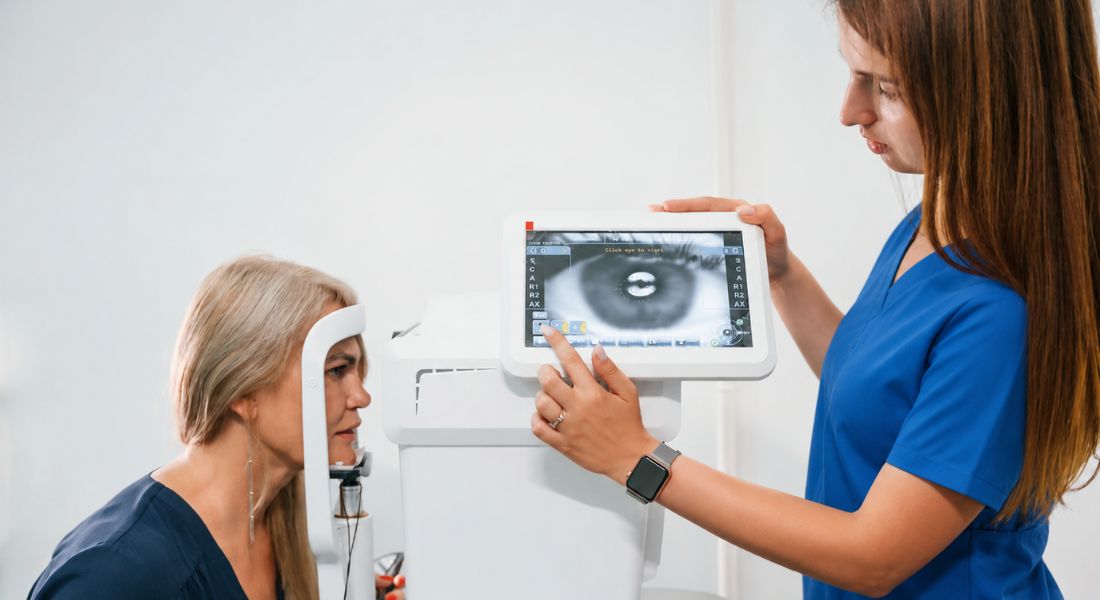
One of the most important lessons from the Collaborative Initial Glaucoma Treatment Study (CIGTS) was that glaucoma treatment should always be tailored to the individual. If you have glaucoma, there is no single treatment approach that is suitable for everyone, as each person’s condition and circumstances are different.
Your ophthalmologist will consider a range of factors when recommending the most appropriate treatment for you. These include your age, the severity of your glaucoma, your intraocular pressure, the condition of your optic nerve, your overall health, your lifestyle, and your personal preferences. By assessing these factors together, your eye specialist can develop a treatment plan that is best suited to your individual needs.
The CIGTS showed that treatment outcomes can vary according to clinical factors such as baseline disease severity and other health characteristics. These findings support the modern principle of individualised treatment planning rather than assuming that one initial approach is best for every patient.
Initial Surgical Treatment
Patients assigned to the surgical group in the Collaborative Initial Glaucoma Treatment Study (CIGTS) underwent trabeculectomy as their initial treatment rather than starting with pressure-lowering eye drops. If your glaucoma is advanced or cannot be adequately controlled with medication, your ophthalmologist may recommend this type of surgery to help achieve lower intraocular pressure.
Trabeculectomy works by creating a new drainage pathway that allows fluid to leave your eye more effectively, reducing intraocular pressure and helping to protect the optic nerve from further damage. In the CIGTS, researchers investigated whether performing surgery as the first treatment offered better long-term outcomes than beginning with medical therapy.
The study found that trabeculectomy achieved greater reductions in intraocular pressure for many patients. However, the choice between surgery and medical treatment depends on your individual circumstances, including the severity of your glaucoma, your overall eye health, your lifestyle, and your risk of disease progression. These findings continue to help your ophthalmologist recommend the treatment approach that is most appropriate for your long-term vision and eye health.
Comparing Eye Pressure Control
One of the main findings of the Collaborative Initial Glaucoma Treatment Study (CIGTS) was that patients who underwent trabeculectomy generally achieved lower intraocular pressure than those who were treated initially with glaucoma eye drops. If you require a substantial reduction in eye pressure, surgery may provide greater pressure control than medication alone.
Lower intraocular pressure is associated with a slower rate of glaucoma progression because it reduces stress on the optic nerve and helps preserve your remaining vision. However, the CIGTS also showed that pressure reduction was only one factor used to evaluate the success of treatment.
Researchers considered overall patient outcomes just as important as eye pressure control. Factors such as visual function, quality of life, treatment-related complications, and long-term disease stability were all considered. Today, your ophthalmologist will use this evidence to recommend the treatment approach that offers the best balance between effective pressure reduction, safety, and your individual needs.
How Initial Surgery and Medical Therapy Compared in CIGTS
| Area Compared | Initial Medical Therapy | Initial Trabeculectomy Surgery |
| Initial treatment approach | Pressure-lowering eye drops were used as the first treatment | Trabeculectomy was performed as the first treatment |
| Intraocular pressure control | Provided effective pressure reduction for many participants | Generally achieved greater reductions in intraocular pressure |
| Visual field outcomes | Overall visual function was broadly maintained with long-term monitoring and treatment adjustment | Overall visual function was also broadly maintained during long-term follow-up |
| Treatment considerations | Required consistent use of prescribed eye drops and ongoing review | Required an operation, postoperative recovery and monitoring for surgical complications |
| Quality-of-life considerations | Avoided immediate surgery but involved an ongoing treatment routine | Initial surgery was associated with more local eye symptoms in the study |
| Main clinical lesson | Can be an effective initial approach for appropriately selected patients | May offer advantages where greater pressure reduction is required, but treatment choice must consider the individual patient |
The CIGTS showed that treatment success cannot be judged by intraocular pressure alone. Visual function, disease severity, safety, quality of life and your ability to follow the treatment plan are also important when choosing an initial approach.
Visual Field Outcomes
Researchers in the Collaborative Initial Glaucoma Treatment Study (CIGTS) carefully monitored changes in participants’ visual fields throughout the study. If you have glaucoma, visual field testing is one of the most important ways your ophthalmologist can assess whether your condition is remaining stable or progressing over time.
During the initial follow-up period of up to five years, overall visual-field outcomes were broadly similar between the two treatment groups, despite the surgical group achieving greater IOP reduction. This showed that pressure measurements should be considered alongside visual function, safety and patient experience when assessing treatment success.
The CIGTS also reinforced the importance of regular follow-up for every patient with glaucoma. Routine visual field testing, together with intraocular pressure measurements and optic nerve examinations, allows your ophthalmologist to detect even subtle changes in your condition and modify your treatment plan promptly, helping to protect your long-term vision.
Long-Term Clinical Insight:
Longer-term analysis of CIGTS participants showed why glaucoma treatment cannot always be reduced to a simple choice between surgery and medication.
Across the overall study population, initial treatment assignment alone did not explain every difference in visual-field progression. However, patients who already had more advanced visual-field loss when they entered the study showed less subsequent visual-field loss when initially treated surgically rather than medically. In contrast, participants with diabetes showed less favourable visual-field outcomes with initial surgery in the study analysis.
These findings should be interpreted carefully because subgroup findings require confirmation in other research. For patients, however, they reinforce an important clinical principle: the most appropriate glaucoma treatment can depend on disease severity and individual health factors, not simply on which treatment lowers pressure the most.
Quality of Life Findings
The Collaborative Initial Glaucoma Treatment Study (CIGTS) also examined how treatment affected patients’ quality of life, recognising that successful glaucoma management involves more than simply lowering intraocular pressure. If you are choosing between different treatment options, understanding how they may affect your daily life is an important part of the decision-making process.
The study found relatively few major overall quality-of-life differences between the treatment strategies, although people assigned to initial surgery reported more local eye symptoms. These findings showed why treatment success should be assessed using both clinical outcomes and the patient’s experience of treatment.
These findings highlighted the importance of considering your personal experience alongside clinical outcomes. Today, your ophthalmologist will discuss not only the expected effects of treatment on your eye pressure and vision but also factors such as recovery time, potential side effects, lifestyle, and your individual preferences to help you choose the treatment approach that best suits your needs.
Safety Considerations
Every glaucoma treatment has its own potential benefits and risks, and the most appropriate option depends on your individual circumstances. If you are deciding between medical therapy and surgery, your ophthalmologist will carefully consider which approach is most likely to protect your vision while minimising potential complications.
The Collaborative Initial Glaucoma Treatment Study (CIGTS) found that trabeculectomy generally achieved greater reductions in intraocular pressure than glaucoma eye drops. However, surgery also carried a higher risk of early postoperative complications and required a recovery period. In contrast, medical therapy avoided surgery initially but depended on your long-term commitment to using eye drops consistently and attending regular follow-up appointments.
These findings reinforced the importance of balancing the potential benefits and risks of each treatment option. Today, your ophthalmologist will discuss your glaucoma severity, eye pressure, overall eye health, lifestyle, and personal preferences before recommending a treatment plan, ensuring that your care is tailored to your individual needs and focused on preserving your long-term vision.
Clinical Tip: Treatment Success Is More Than a Pressure Reading
A glaucoma treatment can lower eye pressure successfully while still creating other issues that matter to you, including medication side effects, difficulty following an eye-drop schedule, surgical recovery, local eye symptoms or the need for further procedures. CIGTS helped reinforce the importance of looking beyond IOP alone and considering visual function and patient-reported outcomes alongside pressure control.
Role of Patient Preference
The quality-of-life findings from CIGTS reinforce the importance of considering your experience of treatment alongside clinical outcomes. In modern practice, your preferences and circumstances are also important when choosing between appropriate treatment options.
Some people prefer to avoid surgery whenever possible and are comfortable using daily glaucoma eye drops, while others may wish to reduce their long-term reliance on medication by considering surgical treatment earlier. Your lifestyle, ability to use eye drops consistently, work commitments, and expectations for treatment can all influence which approach is most appropriate for you.
he CIGTS reinforced the value of shared decision
UK Clinical Practice Note:
The treatment options available today are broader than those compared directly in CIGTS.
In current UK practice, NICE recommends offering 360° selective laser trabeculoplasty to suitable people with newly diagnosed chronic open-angle glaucoma that is not advanced, except in specified circumstances such as glaucoma associated with pigment dispersion syndrome.
Eye drops remain an important option when SLT is declined, unsuitable, delayed or does not reduce pressure sufficiently. For advanced chronic open-angle glaucoma, NICE recommends glaucoma surgery with pharmacological augmentation as indicated.
For you, this means that the central lesson of CIGTS remains relevant, but modern treatment is no longer simply a choice between eye drops and immediate trabeculectomy. Your ophthalmologist may consider laser treatment, medication, traditional surgery and selected newer procedures according to the severity and characteristics of your glaucoma.
Improved Medical Treatments

Today’s glaucoma medications are generally more effective and better tolerated than many of the drug therapies available when the Collaborative Initial Glaucoma Treatment Study (CIGTS) was conducted. If you are diagnosed with glaucoma now, your ophthalmologist can choose from a wider range of medications to help lower your intraocular pressure while reducing the likelihood of unwanted side effects.
You may benefit from several different classes of glaucoma eye drops that work in different ways to reduce eye pressure. These medications can be used individually or combined to help you achieve your target intraocular pressure while tailoring treatment to your specific needs and response.
Medical treatment remains an important part of glaucoma care, either as an initial option in appropriate circumstances or as additional treatment when further pressure reduction is required. The treatment pathway depends on glaucoma severity, previous treatment, target pressure and individual clinical circumstances. By using your prescribed eye drops consistently and attending regular follow-up appointments, you can help maintain stable eye pressure, slow disease progression, and protect your long-term vision.
Advances Since the CIGTS
Glaucoma treatment has advanced considerably since the Collaborative Initial Glaucoma Treatment Study (CIGTS) was completed. Patients now have access to a wider range of medicines, laser treatments, and surgical options. These developments allow treatment to be tailored more closely to individual needs.
- Newer Glaucoma Medications: Modern medicines offer more options for controlling eye pressure over the long term.
- Advances in Laser Treatment: Laser procedures can provide an effective alternative or addition to eye drops for suitable patients.
- Minimally Invasive Glaucoma Surgery: MIGS procedures have expanded surgical choices and may offer lower risk and faster recovery in selected cases.
- More Personalised Care: Ophthalmologists can combine established evidence with newer treatments to create a plan suited to each patient.
Overall, the CIGTS remains an important part of glaucoma research, but modern treatment now includes many additional options. Advances in medicines, laser therapy, and surgery allow care to be more flexible and personalised. The aim remains to control eye pressure and protect long-term vision.
Modern Surgical Techniques
Traditional trabeculectomy remains one of the most effective surgical procedures for lowering intraocular pressure, particularly if you have moderate to advanced glaucoma that requires substantial pressure reduction. However, surgical techniques have continued to improve since the Collaborative Initial Glaucoma Treatment Study (CIGTS) was conducted.
Today, minimally invasive glaucoma surgery (MIGS) offers suitable patients less invasive alternatives that can reduce intraocular pressure while generally involving smaller incisions, lower surgical risk, and shorter recovery times than traditional glaucoma surgery. These procedures are not appropriate for every patient, but they have expanded the range of treatment options available for selected cases.
Rather than replacing trabeculectomy, MIGS complements established surgical methods. Your ophthalmologist will recommend the most appropriate procedure based on factors such as the severity of your glaucoma, your target intraocular pressure, your overall eye health, and your individual treatment goals. As surgical innovation continues, patients benefit from safer procedures, greater treatment flexibility, and more personalised glaucoma care.
Importance of Long-Term Monitoring
Regardless of whether you begin treatment with glaucoma eye drops, laser therapy, or surgery, glaucoma requires lifelong follow-up. Because the condition often progresses slowly and without noticeable symptoms, regular monitoring is essential to ensure your treatment continues to protect your vision.
Your ophthalmologist will routinely measure your intraocular pressure, assess your optic nerve using clinical examination and imaging techniques such as optical coherence tomography (OCT), and perform visual field testing to identify even subtle signs of disease progression. These assessments allow changes to be detected before significant vision loss occurs, giving your eye specialist the opportunity to adjust your treatment when necessary.
The findings of the Collaborative Initial Glaucoma Treatment Study (CIGTS) reinforced that successful glaucoma management depends not only on the initial treatment you receive but also on consistent long-term care. By attending your scheduled appointments and following your treatment plan, you can help preserve your vision and maintain your eye health throughout your lifetime.
Influence on Clinical Guidelines
The findings from the Collaborative Initial Glaucoma Treatment Study (CIGTS) have had a significant influence on glaucoma treatment recommendations worldwide. If you are receiving glaucoma care today, many of the principles used to guide your treatment are supported by the evidence generated from this landmark clinical trial.
Modern clinical guidelines increasingly emphasise individual risk assessment rather than recommending the same treatment for every patient. Your ophthalmologist will consider factors such as the severity of your glaucoma, your intraocular pressure, your optic nerve health, your age, your overall health, and your personal preferences before recommending the most appropriate management strategy.
The CIGTS helped reinforce the importance of evidence-based, personalised care. Today, treatment decisions are based on the best available scientific evidence combined with your individual clinical needs, allowing your ophthalmologist to develop a management plan that aims to preserve your vision and provide the most appropriate long-term outcome.
Continuing Research
Researchers continue to investigate the most effective ways to combine medication, laser therapy, and surgery to achieve the best possible long-term outcomes for people with glaucoma. If you are receiving treatment today, your care is likely to benefit from ongoing research that aims to improve both the safety and effectiveness of glaucoma management.
New technologies, advanced imaging techniques, and ongoing clinical trials are helping ophthalmologists refine treatment strategies even further. Researchers are exploring how different therapies can be used individually or in combination to provide better intraocular pressure control, preserve visual function, and improve quality of life while reducing treatment burden.
Although glaucoma care has evolved considerably since the Collaborative Initial Glaucoma Treatment Study (CIGTS) was completed, the principles established by this landmark trial continue to guide modern research. Its findings remain an important foundation for developing more personalised, evidence-based treatment strategies that help protect your vision over the long term.
Lasting Legacy of the CIGTS
The Collaborative Initial Glaucoma Treatment Study (CIGTS) remains one of the most important clinical trials comparing surgical and medical approaches to glaucoma management. If you are being treated for glaucoma today, many of the decisions guiding your care are influenced by the evidence produced in this landmark study.
The CIGTS demonstrated that both surgery and medical therapy can successfully preserve vision when carefully selected, appropriately applied, and closely monitored over time. It also showed that there is no single best treatment for every patient, reinforcing the importance of choosing a management strategy based on individual clinical needs rather than a universal approach.
One of the most enduring lessons from the study is the importance of tailoring treatment to each patient’s specific circumstances. Factors such as disease severity, intraocular pressure, response to treatment, and patient preferences all play a key role in decision-making. Today, these principles continue to shape glaucoma care worldwide, ensuring that your treatment is evidence-based, personalised, and focused on long-term vision preservation.
Seeking Specialist Glaucoma Care
If you have recently been diagnosed with glaucoma, choosing the most appropriate treatment requires careful assessment of your eye health, lifestyle, and long-term risk of disease progression. Your ophthalmologist will consider factors such as intraocular pressure, optic nerve status, visual field results, and your response to any initial treatment before recommending the most suitable management plan for you.
Early intervention and regular monitoring remain essential for protecting your vision. Because glaucoma often progresses without obvious symptoms, consistent follow-up appointments help detect changes early, allowing your treatment to be adjusted when necessary to maintain stable eye pressure and slow disease progression.
The evidence from major clinical trials such as the CIGTS continues to support this approach, reinforcing that personalised care and timely treatment decisions play a crucial role in preserving your vision and maintaining long-term eye health.
Myth vs Fact:
| Myth | Fact |
| Surgery was clearly better than medication for every CIGTS patient. | Surgery produced lower average eye pressure, but overall visual-field outcomes during the initial follow-up were broadly similar. |
| Eye pressure is the only factor when choosing glaucoma treatment. | Disease severity, visual-field damage, treatment burden, other health conditions and personal circumstances also matter. |
| Starting with medication means surgery will never be needed. | Glaucoma treatment may need to change over time if pressure is not controlled or the disease progresses. |
| MIGS has completely replaced trabeculectomy. | MIGS has expanded treatment options, but traditional filtration surgery remains important when substantial pressure reduction is required. |
| Eye drops are always the first treatment for glaucoma in the UK. | NICE recommends first-line 360° SLT for suitable people with newly diagnosed non-advanced COAG, while treatment differs for advanced disease. |
| Successful glaucoma treatment means follow-up is no longer necessary. | Glaucoma requires ongoing monitoring because progression can occur even after pressure-lowering treatment. |
Key Takeaways
- CIGTS enrolled 607 people with newly diagnosed open-angle glaucoma.
- Participants were assigned to either initial medical therapy or initial trabeculectomy.
- Surgery achieved lower average intraocular pressure than medication during the early follow-up period.
- Despite the difference in pressure, overall visual-field outcomes were broadly similar between treatment groups during up to five years of early follow-up.
- Longer-term analysis suggested that people with more advanced visual-field loss at diagnosis may respond differently to initial treatment than people with milder disease.
- Surgery has important risks and recovery considerations, while medication requires consistent long-term use and good adherence.
- Modern UK treatment includes SLT, medication and surgery according to glaucoma severity and individual circumstances.
- The lasting lesson from CIGTS is not that one treatment is universally best, but that treatment choice should be individualised and followed by lifelong monitoring.
FAQs:
- What was the Collaborative Initial Glaucoma Treatment Study (CIGTS)?
The Collaborative Initial Glaucoma Treatment Study (CIGTS) was a large clinical trial that compared two initial treatment options for newly diagnosed open-angle glaucoma. Researchers evaluated whether starting with surgery or pressure-lowering eye drops produced better long-term outcomes. The study has had a lasting impact on glaucoma management worldwide. - Why was the CIGTS conducted?
Before the CIGTS, there was uncertainty about whether glaucoma surgery should be offered immediately or only after medications failed. The study was designed to compare both approaches over many years. Its findings provided valuable evidence to help guide treatment decisions. - How was the CIGTS study carried out?
The CIGTS was a prospective, randomised clinical trial involving adults with newly diagnosed open-angle glaucoma. Participants were assigned to either initial trabeculectomy surgery or medical treatment with glaucoma eye drops. Researchers monitored their eye pressure, vision, and overall outcomes through regular follow-up appointments. - What did the study find about surgery versus eye drops?
The study found that surgery generally lowered intraocular pressure more effectively than eye drops. However, both treatment approaches were successful in preserving vision when patients received appropriate long-term care. This showed that there is no single treatment suitable for every patient. - Did the CIGTS show differences in quality of life?
Yes. CIGTS assessed quality of life as well as clinical outcomes. Overall differences between treatment groups were limited in many areas, but participants assigned to initial surgery reported a greater impact from local eye symptoms. This reinforced the importance of considering patient experience alongside pressure control and visual function. - Why is personalised glaucoma treatment important?
One of the key lessons from the CIGTS is that glaucoma treatment should be tailored to each individual. Factors such as age, disease severity, eye pressure, lifestyle, and personal preferences all influence the most appropriate treatment plan. Personalised care helps achieve the best long-term outcomes. - Are glaucoma eye drops still the first treatment option?
Eye drops remain an important glaucoma treatment, but they are not always the first treatment offered in current UK practice. NICE recommends 360° SLT for suitable people with newly diagnosed non-advanced chronic open-angle glaucoma, while eye drops may be used when SLT is declined, unsuitable, delayed or does not lower pressure sufficiently. Advanced glaucoma follows a different treatment pathway. - How has glaucoma treatment changed since the CIGTS?
Since the CIGTS was completed, glaucoma care has advanced considerably. New medications, improved laser therapies, and minimally invasive glaucoma surgery (MIGS) have expanded the available treatment options. These developments provide greater flexibility in creating personalised treatment plans. - Why is long-term monitoring essential for glaucoma?
Glaucoma is a lifelong condition that requires regular follow-up, regardless of the initial treatment. Routine eye pressure measurements, optic nerve imaging, and visual field tests help detect progression before significant vision loss occurs. Consistent monitoring allows treatment to be adjusted when necessary. - What is the lasting impact of the CIGTS?
The CIGTS remains one of the most influential glaucoma studies ever conducted. It demonstrated that both surgery and medical therapy can successfully preserve vision when carefully managed over time. Its findings continue to guide clinical guidelines and support evidence-based, personalised glaucoma care.
Final Thoughts: How the CIGTS Continues to Shape Modern Glaucoma Treatment
The Collaborative Initial Glaucoma Treatment Study (CIGTS) remains a landmark piece of research because it demonstrated that both glaucoma surgery and pressure-lowering eye drops can successfully preserve vision when treatment is carefully planned and monitored. Rather than identifying a single “best” option, the study reinforced the importance of tailoring treatment to each patient’s individual needs, disease severity, lifestyle, and long-term goals.
Although glaucoma management has evolved with newer medications, laser therapies, and minimally invasive surgical techniques, the principles established by the CIGTS continue to guide evidence-based care. Lifelong monitoring, maintaining appropriate intraocular pressure, and shared decision-making between you and your ophthalmologist remain the cornerstones of protecting vision. If you’re considering glaucoma treatment in London and want to know if it’s the right option, you’re welcome to reach out to us at Eye Clinic London to book a consultation.
References:
- Pastore, M.R., Milan, S., Agolini, R., Egidi, L., Agostini, T., Belfanti, L., Cirigliano, G. and Tognetto, D. (2022) ‘How could medical and surgical treatment affect the quality of life in glaucoma patients? A cross-sectional study’, Journal of Clinical Medicine, 11(24), p. 7301. Available at: https://www.mdpi.com/2077-0383/11/24/7301
- Rowson, A.C., Hogarty, D.T., Maher, D. and Liu, L. (2022) ‘Minimally invasive glaucoma surgery: safety of individual devices’, Journal of Clinical Medicine, 11(22), p. 6833. Available at: https://www.mdpi.com/2077-0383/11/22/6833
- Musch, D.C., Gillespie, B.W., Lichter, P.R., Niziol, L.M. and Janz, N.K.; CIGTS Study Investigators (2009) ‘Visual field progression in the Collaborative Initial Glaucoma Treatment Study: the impact of treatment and other baseline factors’, Ophthalmology, 116(2), pp. 200–207. Available at: https://pmc.ncbi.nlm.nih.gov/articles/PMC3316491/
- Lichter, P.R., Musch, D.C., Gillespie, B.W., Guire, K.E., Janz, N.K., Wren, P.A. and Mills, R.P. (2001) ‘Interim clinical outcomes in the Collaborative Initial Glaucoma Treatment Study comparing initial treatment randomized to medications or surgery’, Ophthalmology, 108(11), pp. 1943–1953. Available at: https://pubmed.ncbi.nlm.nih.gov/11713061/
- Newman-Casey et al. (2020) ‘The association between medication adherence and visual field progression in the Collaborative Initial Glaucoma Treatment Study’, Ophthalmology, 127(4), pp. 477–483. Available at: https://www.sciencedirect.com/science/article/abs/pii/S0161642019321797