


Childhood Double Vision (Diplopia): Causes and When It’s Serious
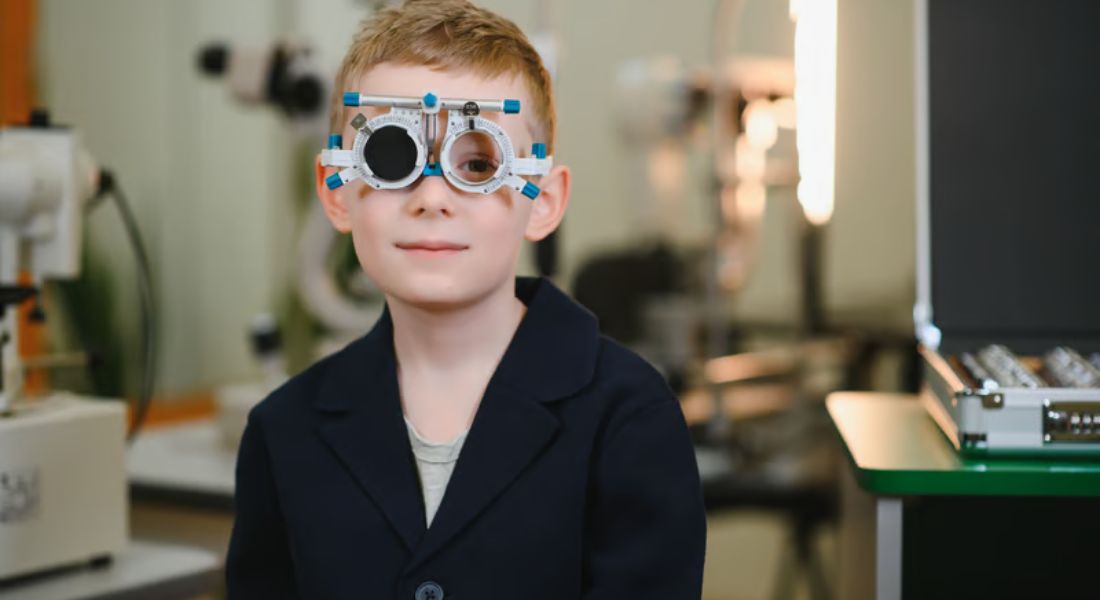
Double vision, or diplopia, in children can be concerning, especially if it appears suddenly or affects one eye more than the other. You may notice your child seeing two images of a single object or saying that things look “split.” While some cases are temporary or harmless, others can point to serious underlying issues that need prompt attention.
It’s important to understand that diplopia isn’t a disease itself it’s a symptom. It shows that the visual system, including the eyes and brain, isn’t aligning correctly. Identifying the root cause is essential to determine whether the condition is minor or requires urgent care.
Some causes of diplopia in children can be benign, such as temporary eye muscle fatigue, while others may be linked to neurological or eye conditions that need immediate evaluation. Knowing the difference helps you respond appropriately and ensures your child receives timely care.
In this article, we’ll explore common causes of childhood diplopia, signs that indicate urgency, and what actions you should take if your child experiences double vision. Staying informed empowers you to act quickly while reducing unnecessary anxiety.
How Vision Normally Works in Children
Double vision, or diplopia, in children can be worrying, especially if it appears suddenly or affects one eye more than the other. You might notice your child seeing two images of a single object or saying that things look “split.” While some cases are harmless and temporary, others could indicate serious underlying issues that need prompt attention.
It’s important to understand that diplopia is a symptom, not a disease. It shows that the visual system, including the eyes and brain, isn’t aligning correctly. Identifying the root cause is essential to decide whether the problem is minor or requires urgent intervention, and early evaluation can prevent complications.
Some cases are temporary, such as eye muscle fatigue, while others may be linked to neurological or eye conditions requiring immediate care. Being aware of warning signs and understanding possible causes ensures your child receives timely assessment, helping protect their vision and giving you confidence to act quickly while reducing unnecessary worry.
Common Causes of Childhood Diplopia
Double vision, or diplopia, in children can be alarming, particularly if it appears suddenly or affects one eye more than the other. You might notice your child seeing two images of a single object or describing things as “split.” While some cases are temporary and harmless, others may signal serious underlying issues that need prompt attention.
It’s important to remember that diplopia is a symptom, not a disease. It indicates that the visual system, including the eyes and brain, isn’t working in alignment. Identifying the root cause is crucial to determine whether the issue is minor or requires urgent intervention, and early evaluation can help prevent complications.
Some instances of diplopia are temporary, such as eye muscle fatigue, while others may point to neurological or eye conditions that need immediate care. Being aware of warning signs and understanding potential causes ensures your child gets timely assessment, protects their vision, and gives you confidence to act quickly while easing unnecessary anxiety.
Sudden vs Gradual Onset: Why Timing Matters
Sudden-onset diplopia in children is usually more concerning than gradual changes. If your child starts seeing double images abruptly, it could signal an acute neurological event or eye trauma. In these cases, prompt medical assessment is essential to rule out serious causes.
Gradual-onset diplopia often points to issues like longstanding eye muscle imbalance or refractive problems. While these conditions are generally less urgent, they still need evaluation. Early treatment can help prevent complications such as amblyopia or worsening misalignment.
Paying attention to when and how double vision occurs can help your clinician determine how urgent the situation is. Keeping a simple log of episodes, their duration, and any triggers can be extremely valuable during the consultation and guide timely intervention.
Monocular vs Binocular Double Vision
Double vision, or diplopia, in children can be alarming for parents, and understanding the type your child is experiencing is a crucial first step toward effective management. Diplopia is generally classified into two types: monocular and binocular, each with distinct causes and implications. Knowing which type is present not only helps your eye specialist pinpoint the underlying issue but also guides the urgency of intervention and the appropriate treatment approach. Careful observation and detailed reporting of your child’s symptoms can make a significant difference in ensuring timely and accurate care.
- Monocular Diplopia: This type affects only one eye and is usually caused by structural issues within that eye, such as cataracts, corneal scarring, or severe dry eye. A key indicator is that covering the unaffected eye does not worsen and may even improve the double vision. Monocular diplopia often points to a problem with the lens or cornea rather than the alignment of the eyes or neurological pathways.
- Binocular Diplopia: This occurs when both eyes are open and is commonly due to misalignment of the eyes (strabismus) or neurological conditions affecting eye movement. Covering either eye typically eliminates the double vision, which helps distinguish it from monocular diplopia. Binocular diplopia can signal underlying conditions that may require urgent attention, particularly if sudden onset is observed.
- Subtle Clues in Observation: Parents can help specialists by noting when double vision occurs during near work, while looking at distant objects, or at specific times of day. Observing whether your child tilts their head, squints, or closes one eye to compensate provides valuable diagnostic information.
- Impact on Daily Life: Diplopia can affect reading, writing, sports, and overall coordination. Children may not always verbalise what they are seeing, so careful attention to behavioural changes and visual complaints is essential.
- Guiding Urgency and Treatment: Accurate identification of the type of diplopia allows your specialist to determine how quickly your child needs evaluation and whether immediate interventions such as glasses, patching, or referral to a neurologist are necessary.
- Long-Term Monitoring: Both monocular and binocular diplopia require follow-up. Monocular issues may be managed with corrective lenses or minor procedures, while binocular diplopia may need vision therapy, eye muscle surgery, or ongoing neurological evaluation to prevent long-term complications.
By carefully observing your child and providing detailed descriptions to your ophthalmologist, you can help ensure that the underlying cause of diplopia is identified and treated promptly. Early detection and intervention not only protect vision but also support your child’s confidence and ability to perform everyday activities without discomfort or disruption.
When Diplopia Is a Red Flag
Certain signs indicate that your child’s double vision could be serious. Watch for drooping eyelids, unusual eye movements, headaches, nausea, or balance problems. Any neurological symptoms appearing with diplopia need urgent evaluation.
If your child has experienced trauma, sudden headache, or weakness along with double vision, it’s essential to seek immediate medical attention. These could point to serious conditions such as cranial nerve palsy, an intracranial mass, or an infection.
Being alert to these red flags allows for early intervention and reduces the risk of permanent vision problems. It also helps distinguish harmless diplopia from potentially life-threatening issues, ensuring your child receives timely and appropriate care.
The Role of a Paediatric Ophthalmologist
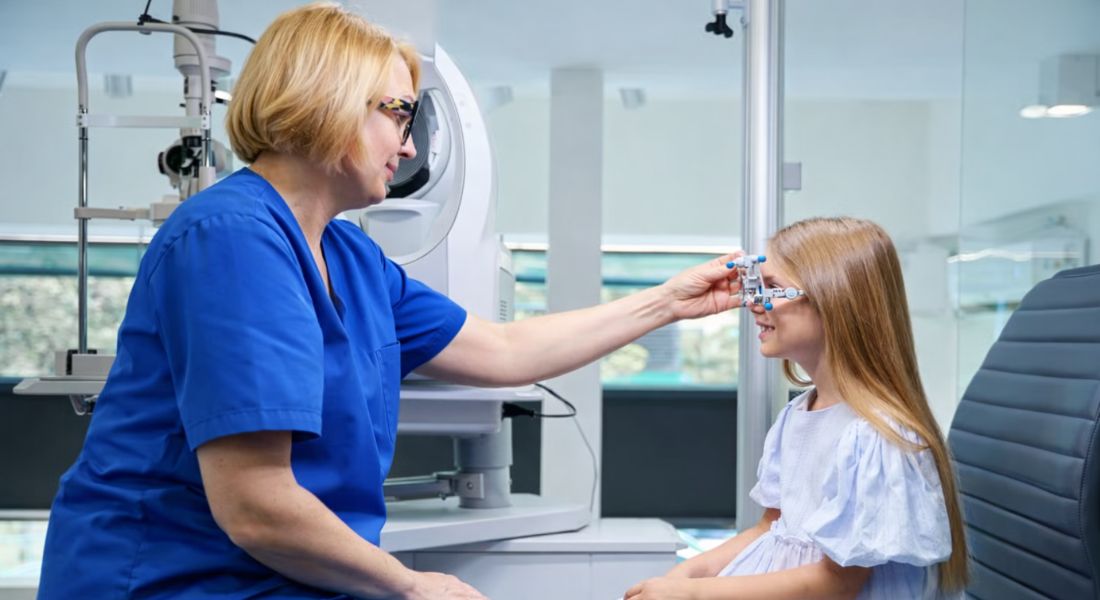
A specialist evaluation is crucial for accurately diagnosing your child’s double vision. A paediatric ophthalmologist can carefully examine eye alignment, test how the eye muscles are working, and assess overall vision. In some cases, more advanced imaging or a referral to a neurologist may be needed to fully understand the underlying cause.
Seeing a specialist promptly ensures that any potential issues are identified and managed appropriately. Early intervention is especially important for children because their visual system is still developing, and timely care can make a significant difference in preserving vision and preventing long-term problems.
If you’re concerned about your child’s diplopia, arranging a consultation with a trusted paediatric ophthalmologist in London can provide peace of mind. Expert evaluation allows your child to receive tailored advice and the most appropriate treatment plan, helping protect their sight and support healthy visual development.
Diagnostic Tests for Childhood Diplopia
Evaluation for childhood diplopia usually starts with a detailed medical history and a thorough eye examination. Tests may include cover/uncover and Hirschberg assessments to check eye alignment, along with measurements of visual acuity and refraction to determine how clearly your child can see.
In certain cases, imaging such as MRI or CT scans may be needed to investigate possible neurological causes. Additional tests like eye movement tracking and binocular vision assessment can help detect subtle problems with the eye muscles or nerves.
A comprehensive assessment allows clinicians to distinguish between harmless and more serious causes of double vision. This ensures your child receives the right treatment promptly, avoiding unnecessary procedures while addressing any underlying issues effectively.
Treatment Options
Treatment for childhood diplopia depends on what’s causing it. Refractive errors can often be corrected with glasses, while strabismus (misaligned eyes) may be managed with patching, vision therapy, or, in some cases, surgery. If a neurological condition is responsible, treatment will focus on the underlying cause.
Early intervention is especially important to prevent amblyopia, which occurs when the brain starts ignoring input from one eye, leading to vision loss. Addressing double vision promptly supports healthy visual development and helps your child’s eyes work together properly.
Follow-up care is crucial. Children often need repeated assessments to monitor eye alignment, muscle function, and visual acuity over time. Regular reviews ensure that treatment remains effective and adjustments can be made as your child grows.
Long-Term Outlook
With careful diagnosis, timely intervention, and consistent follow-up, most children experiencing diplopia can achieve normal or near-normal vision. Early recognition of the underlying cause is crucial, as it allows treatment to begin before any lasting visual problems develop. Addressing diplopia promptly not only resolves the immediate double vision but also supports healthy visual development, ensuring that your child can see clearly and function confidently in everyday life.
- Importance of Early Detection: Detecting diplopia early gives specialists the opportunity to prevent complications such as amblyopia (lazy eye) or impaired depth perception. Early intervention also reduces the likelihood of vision-related learning difficulties or coordination challenges as your child grows.
- Potential Complications of Untreated Diplopia: If left unmanaged, persistent double vision can disrupt normal eye development, making it harder for the brain to correctly interpret visual signals. This may affect activities ranging from reading and writing to sports and other daily tasks.
- Role of Consistent Monitoring: Ongoing eye examinations are essential to track changes in vision, assess alignment, and determine if adjustments to treatment like glasses, patching, or vision therapy are needed. Regular monitoring ensures that improvements are maintained and any emerging issues are addressed promptly.
- Adapting Care Plans Over Time: Children’s eyes change as they grow, so treatment plans must be flexible. Maintaining close communication with your ophthalmologist allows therapies to be adjusted according to developmental needs, ensuring that vision remains on a healthy trajectory.
- Supporting Functional Vision: Proper management supports both binocular vision and depth perception, helping children navigate their environment safely and confidently. With the right interventions, they can participate fully in school, play, and everyday activities without being limited by visual difficulties.
- Holistic Benefits: Beyond vision, addressing diplopia early contributes to overall development, including hand-eye coordination, confidence, and learning. Knowing that your child is receiving the right care can also reduce parental anxiety and provide reassurance.
With proactive care, attentive follow-up, and a strong partnership between families and specialists, the long-term outlook for children with diplopia is very encouraging. Early intervention and tailored treatment plans allow most children to achieve healthy, functional vision, thrive in daily activities, and enjoy a rich, active life with minimal limitations.
Supportive Measures at Home
You can support your child at home by encouraging regular eye check-ups and keeping an eye on any symptoms. Simple measures, like making sure there’s good lighting and limiting activities that cause eye strain, can help reduce visual fatigue and make daily tasks more comfortable.
Keeping a log of double vision episodes is also very useful for clinicians. Note the time of day, how long the episode lasts, and whether it happens during near tasks, like reading, or distance tasks, like looking across a room. This information helps your doctor understand patterns and plan the best treatment.
Providing reassurance and positive reinforcement helps your child cope with the stress of vision problems. Involving them in prescribed therapy or exercises encourages consistency, which can improve outcomes and support healthy visual development over time
When to Seek Immediate Help
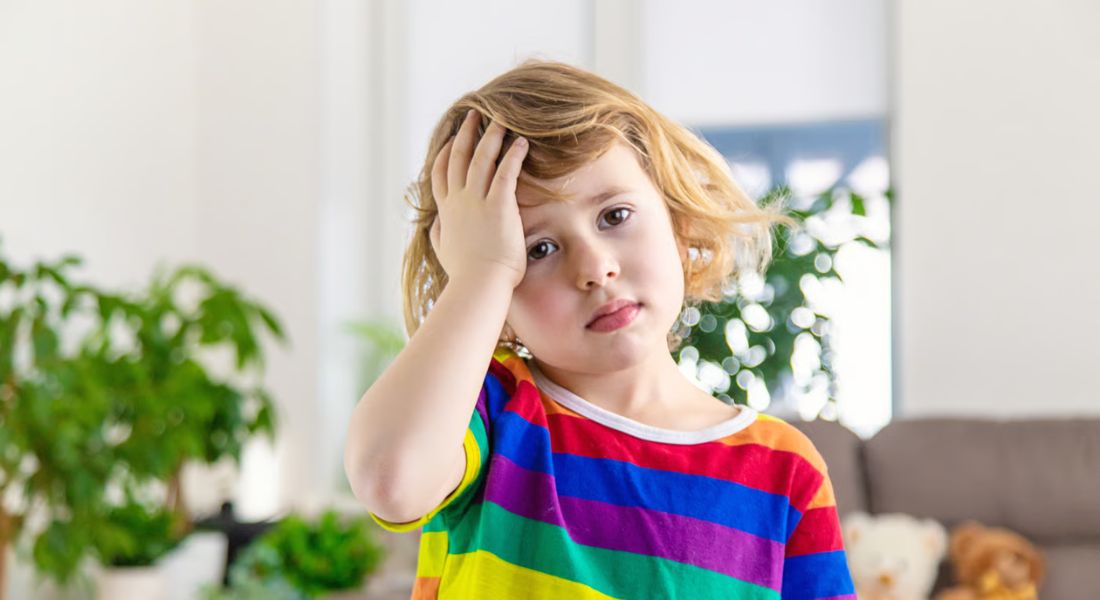
You should seek urgent care if your child’s double vision appears suddenly, persists, or comes with neurological symptoms. Signs such as trauma, severe headache, vomiting, or imbalance alongside diplopia require immediate medical attention.
Even if the double vision seems mild, any rapid changes should prompt a specialist review. Early assessment can prevent serious complications and help protect your child’s long-term vision.
Being proactive rather than reactive is always the safest approach. Prompt consultation gives your child the best chance of avoiding lasting visual difficulties and ensures timely, appropriate care.
Prevention and Monitoring
Not all cases of childhood diplopia can be prevented, particularly when they stem from neurological or developmental conditions. However, regular eye exams and early correction of refractive errors can help reduce the risk and support healthy visual development.
Ongoing monitoring is key to catching any progression or complications early. This is especially important for children with known strabismus or underlying health conditions that can affect vision. Keeping a close watch ensures that issues are addressed promptly.
Maintaining a record of eye health, symptoms, and treatments is very helpful for your ophthalmologist. In many ways, prevention is about vigilance staying alert and proactive rather than completely avoiding the condition.
Understanding the Emotional Impact
Double vision can be challenging and distressing for both children and their parents. Children may feel anxious, frustrated, or embarrassed, which can affect their learning, confidence, and social interactions. They might avoid certain activities or become self-conscious about participating in class or play.
Acknowledging these feelings and providing consistent support helps your child cope and encourages better compliance with treatment. Involving teachers, school staff, and other caregivers in understanding the condition can create a supportive environment, making daily routines and school life much easier.
Addressing emotional well-being is an essential part of comprehensive eye care. By supporting your child holistically considering both their visual and emotional needs you help safeguard their vision while also promoting confidence, resilience, and overall quality of life.
The Role of Neurology in Complex Cases
Double vision can be both challenging and emotionally distressing for children and their families. Children may experience anxiety, frustration, or embarrassment, which can affect their confidence, learning, and social interactions. They might avoid activities that require close visual focus, hesitate to participate in class, or withdraw from games and social situations, which can further impact their overall development.
- Emotional Impact on Children: Feelings of frustration, anxiety, or self-consciousness are common. Recognising and validating these emotions helps children feel understood and supported.
- Effect on Learning and Social Life: Double vision can interfere with reading, writing, and classroom participation. Children may also feel hesitant in group activities, which can affect friendships and social confidence.
- Parental Support and Reassurance: Consistent encouragement and patience from parents are essential. Explaining the condition in age-appropriate terms and celebrating small improvements can reduce anxiety.
- Involving Teachers and Caregivers: Educating teachers, school staff, and other caregivers ensures that your child receives understanding and appropriate support at school, making daily routines easier and less stressful.
- Holistic Approach to Eye Care: Addressing emotional well-being alongside medical treatment is key. Supporting your child’s mental and emotional health improves compliance with therapy and contributes to better visual outcomes.
- Building Confidence and Resilience: Encouraging participation in activities, acknowledging achievements, and providing reassurance helps children develop confidence, resilience, and a positive attitude toward their vision challenges.
By taking a holistic approach considering both visual and emotional needs you help your child navigate the challenges of double vision more effectively. Supporting their emotional well-being not only safeguards their vision but also promotes healthy development, social engagement, and a higher overall quality of life.
Visual Therapy and Rehabilitation
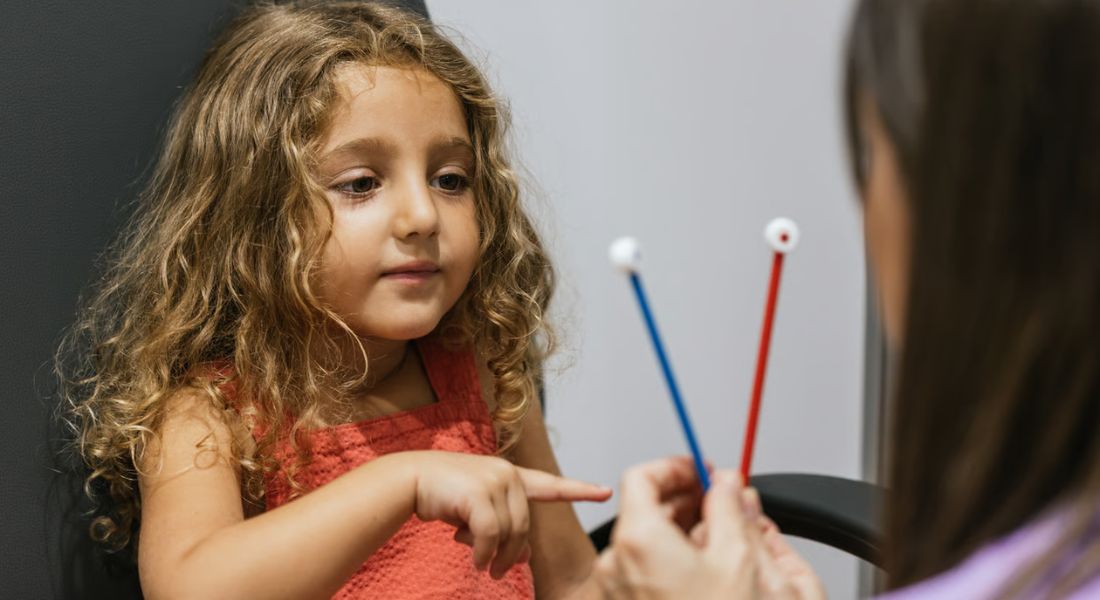
For children with mild eye misalignment or difficulty adapting, visual therapy may be recommended. These exercises are designed to improve eye coordination and help reduce or manage double vision.
Visual therapy often includes activities that strengthen the eye muscles and enhance binocular vision, helping both eyes work together more effectively. Consistency and regular practice are key to achieving meaningful improvement.
Although not every child will respond fully to therapy alone, combining it with corrective lenses or, if needed, surgical treatment can maximise outcomes. Visual therapy serves as a non-invasive complement to medical interventions, supporting better long-term vision and comfort.
Follow-Up and Long-Term Care
Regular follow-up is essential to track your child’s progress and adjust treatment as needed. Because children’s eyes are still developing, approaches that work at one stage may need to be modified later to remain effective.
Follow-up visits typically include checks for eye alignment, measurements of visual acuity, and monitoring for amblyopia. Making timely adjustments helps prevent complications and supports healthy, balanced visual development.
Having a structured long-term care plan ensures your child’s vision continues to develop optimally. This proactive approach not only protects sight but also promotes overall eye health and gives you peace of mind.
FAQs:
- What is childhood double vision (diplopia)?
Diplopia is when a child sees two images of a single object. It is a symptom rather than a disease and indicates that the eyes or visual system are not aligned correctly. - What are the common causes of double vision in children?
Causes include eye muscle imbalance (strabismus), refractive errors, trauma, neurological conditions, cataracts, corneal problems, or temporary eye fatigue. - How can I tell if my child’s double vision is monocular or binocular?
If covering one eye stops the double vision, it is binocular. If the double vision persists when one eye is covered, it is monocular, usually caused by a structural issue within that eye. - When should I seek urgent medical attention?
Seek immediate care if diplopia appears suddenly, persists, or is accompanied by headaches, nausea, imbalance, trauma, drooping eyelids, or unusual eye movements. - Can double vision in children resolve on its own?
Some cases, such as temporary eye strain or mild misalignment, may improve without intervention. However, persistent or sudden diplopia should always be assessed by a specialist. - What tests are used to diagnose diplopia in children?
Eye examinations may include visual acuity testing, refraction, cover/uncover tests, Hirschberg assessments, and, in some cases, imaging such as MRI or CT scans to check for neurological causes. - How is childhood diplopia treated?
Treatment depends on the cause: glasses for refractive errors, vision therapy, patching, eye muscle surgery for strabismus, or management of underlying neurological conditions. - Can untreated double vision affect my child’s vision long-term?
Yes. Untreated diplopia can lead to amblyopia (lazy eye), impaired depth perception, learning difficulties, or ongoing eye strain. Early intervention reduces these risks. - What role does a paediatric ophthalmologist play?
A specialist evaluates eye alignment, eye muscle function, and overall vision. They guide diagnosis, recommend treatment, and ensure ongoing monitoring for optimal visual development. - How can I support my child at home?
Encourage regular eye check-ups, monitor symptoms, provide reassurance, keep a log of episodes, ensure good lighting, and follow any prescribed therapy or exercises from your ophthalmologist.
Final Thoughts: Ensuring Your Child’s Vision is Protected
Double vision in children can be worrying, but understanding the causes, recognising warning signs, and seeking timely assessment makes a significant difference. While some cases are harmless, others may indicate serious underlying conditions that require prompt attention. Early intervention not only protects your child’s vision but also supports their overall development, confidence, and quality of life.
If you’re concerned about your child’s double vision, arranging a consultation with a trusted paediatric ophthalmologist in London can provide peace of mind. A specialist can accurately assess eye alignment, recommend tailored treatments, and guide you on ongoing monitoring to ensure your child’s visual development stays on track. If you’re considering paediatric ophthalmologist in London and want to know if it’s the right option, you’re welcome to reach out to us at Eye Clinic London to book a consultation.
References:
- Ceple, I., Svede, A., Serpa, E., Kassaliete, E., Volberga, L., Mikelsone, R., Berzina, A., Ganebnaya, A., Krauze, L. and Krumina, G., 2025. The prevalence of accommodative and binocular dysfunctions in children with reading difficulties. https://www.mdpi.com/2075-1729/15/1/7
- Wang, B. and Koenig, S.E., 2022. Vision therapy: a primer and caution for pediatricians. https://www.mdpi.com/2227-9067/9/12/1873
- Falcone, M.M. et al., 2021. Characteristics of diplopia in a pediatric population. Journal of AAPOS, https://pubmed.ncbi.nlm.nih.gov/33857602/
- Raucci, U. et al., 2017. Acute diplopia in the pediatric emergency department: clinical findings and outcomes. Pediatric Emergency Care, https://pubmed.ncbi.nlm.nih.gov/33857602/
- Eng, K. et al., 2025. Characteristics of two subtypes of nonacute acquired comitant esotropia with distance diplopia. Journal of AAPOS, https://www.sciencedirect.com/science/article/abs/pii/S1091853125000527