


Can I Refer Myself to an Ophthalmologist?
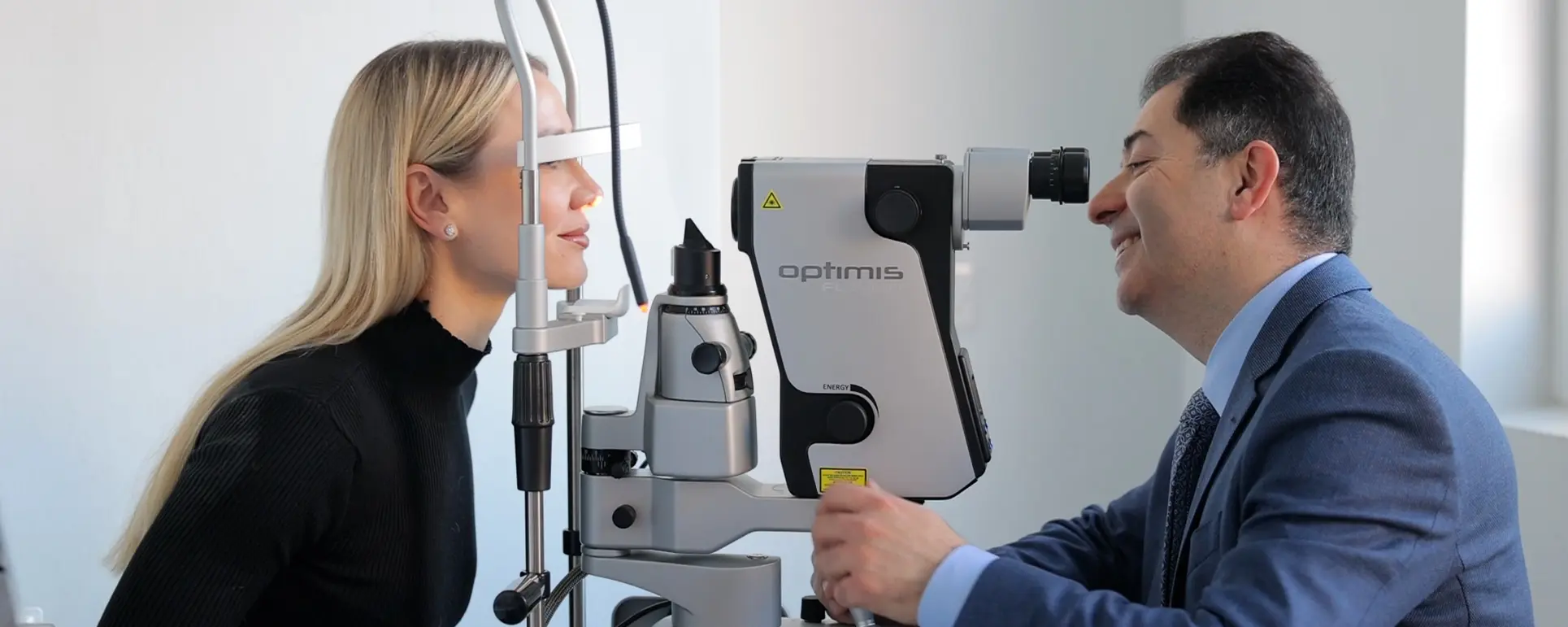
If you’ve been experiencing vision problems, eye pain, or other concerns affecting your sight, you might be wondering whether you need to see an ophthalmologist and more importantly, if you can refer yourself directly.
The process can feel confusing. In the NHS, GP referrals are often required for specialist appointments, but private clinics offer more flexibility. So, what’s the difference?
In this article, I’ll explain when and how you can refer yourself to an ophthalmologist, what to expect from both NHS and private options, and the types of symptoms that warrant professional attention right away.
What Is an Ophthalmologist?
An ophthalmologist is a medically qualified doctor who specialises in diagnosing, treating, and managing conditions of the eyes and visual system.
Unlike opticians or optometrists who focus on vision testing and prescribing glasses ophthalmologists can:
- Diagnose and treat eye diseases
- Perform surgical procedures (like cataract or retinal surgery)
- Prescribe medications for eye conditions
- Manage complex or long-term eye disorders
Essentially, an ophthalmologist is the most advanced type of eye care professional you can see.
If you’re unsure whether your problem requires medical or surgical expertise, starting with an ophthalmologist ensures you’re in the right hands.
Do You Need a GP Referral to See an Ophthalmologist?

The answer depends on whether you’re going through the NHS or seeing a private eye specialist.
Let’s break it down.
NHS Pathway
In most NHS settings, you need a referral from your GP or optometrist to see an ophthalmologist.
That’s because NHS services operate on a referral system to ensure resources are used appropriately. Your GP assesses your symptoms first and decides whether you should be referred to an eye clinic.
Typical NHS Referral Process:
- You visit your GP or optician with eye concerns.
- They examine your eyes and document symptoms.
- If they suspect a medical or surgical issue, they send a referral to your local NHS ophthalmology department.
- You receive an appointment letter (waiting times vary by region and urgency).
Pros:
- Free of charge.
- Access to a wide range of specialists.
- Suitable for serious or long-term conditions.
Cons:
- Waiting times can range from a few weeks to several months.
- Limited flexibility in choosing your doctor or appointment date.
Private Ophthalmology Pathway
If you prefer faster access or want to choose your specialist, you can refer yourself directly to a private ophthalmologist no GP referral required.
You simply contact the clinic of your choice, book an appointment, and explain your symptoms. Many private clinics offer consultations within a few days.
At a reputable centre like Eye Clinic London, patients often choose the self-referral route for convenience, speed, and personalised care.
Pros:
- No referral or GP approval needed.
- Short waiting times (often same-week appointments).
- You can choose your ophthalmologist.
- Extended appointment times for thorough examination.
Cons:
- Costs are typically paid by the patient or private insurance.
- Some insurers may still require a GP referral for reimbursement.
When You Can Refer Yourself to an Ophthalmologist
You can book directly with an ophthalmologist in several common situations especially if your symptoms are ongoing, bothersome, or affecting your quality of life.
Here are examples where self-referral is completely appropriate:
- Blurred or Distorted Vision
If your sight has become hazy, distorted, or patchy especially in one eye it’s important to have a full medical eye assessment.
Common causes include cataracts, macular degeneration, or diabetic retinopathy.
- Sudden Changes in Vision
Any sudden loss, flashing lights, or floaters could signal a retinal issue that needs urgent attention. Self-referring to a private ophthalmologist allows you to be seen quickly and rule out serious problems.
- Chronic Dryness or Irritation
If over-the-counter drops aren’t helping, you may have dry eye syndrome, blepharitis, or another treatable condition that needs a tailored medical plan.
- Recurrent Infections or Inflammation
Conditions like conjunctivitis, styes, or uveitis may require prescription medication or further investigation.
- Diabetic or Medical Eye Checks
If you have diabetes, high blood pressure, or other systemic conditions, regular ophthalmic monitoring is essential to prevent complications.
- Considering Laser or Surgical Procedures
You can self-refer for assessments related to refractive surgery (like LASIK or ICL), cataract surgery, or oculoplastic procedures.
A consultation will confirm whether you’re suitable and outline treatment options.
When You Should See a GP or Optician First
While self-referral is perfectly acceptable for most private appointments, some scenarios still require GP involvement especially in emergencies.
You should contact your GP or NHS 111 if you experience:
- Sudden, complete vision loss
- Eye pain with nausea or vomiting (possible glaucoma)
- A serious injury or chemical burn
- Visual disturbances accompanied by headache or neurological symptoms
In these cases, you’ll likely be referred urgently to an NHS eye casualty department for immediate care.
What Happens During a Private Ophthalmology Appointment?
When you self-refer, the consultation process is straightforward, thorough, and tailored to your needs.
Here’s what typically happens during your visit:
- Medical History and Symptom Review
You’ll begin by discussing your eye history, general health, and any medications you’re taking. The ophthalmologist will ask detailed questions about your symptoms when they started, how they feel, and whether they fluctuate.
- Eye Examination
Your ophthalmologist will conduct a comprehensive eye exam that may include:
- Visual acuity test (checking how well you see at different distances)
- Slit-lamp examination (to assess cornea, iris, and lens)
- Tonometry (to measure eye pressure)
- Retinal imaging or OCT scan (for detailed internal eye structure)
These advanced diagnostic tools allow accurate detection of issues that might be invisible during a routine optician check.
- Diagnosis and Discussion
Once tests are complete, your ophthalmologist will explain the findings in plain language.
If a condition is identified, you’ll learn:
- What’s causing it
- The available treatment options
- Whether medication, surgery, or monitoring is needed
You’ll also have the opportunity to ask questions and understand your long-term care plan.
- Treatment or Referral
Depending on the diagnosis, treatment might begin immediately (for example, prescribing eye drops) or be scheduled for a later date (like cataract surgery).
If your case requires a multidisciplinary approach for instance, linking with your GP or endocrinologist your ophthalmologist will coordinate that communication for you.
Benefits of Self-Referring to a Private Ophthalmologist
- Speed and Accessibility
You can typically be seen within days, compared to NHS waiting lists that can stretch weeks or months.
- Continuity of Care
You see the same specialist throughout your treatment, ensuring consistency and personal attention.
- Advanced Diagnostic Technology
Private clinics often have the latest imaging and testing equipment, allowing for faster and more accurate results.
- Flexible Scheduling
Evening or weekend appointments make it easier to fit consultations into your routine.
- Personalised Experience
Longer appointments mean you can discuss your concerns in depth, without feeling rushed.
Understanding the Difference Between Opticians, Optometrists, and Ophthalmologists
It’s easy to get confused between an optician, an optometrist, and an ophthalmologist after all, they all help you take care of your eyes, but in different ways.
An optician is the person you go to when you need glasses or contact lenses. They’re trained to fit and dispense eyewear based on your prescription, making sure everything feels comfortable and looks right.
An optometrist goes a step further. They’re university-trained specialists who test your eyes, check your vision, and look for common issues like short-sightedness or dry eyes. If they notice something that needs medical attention, they’ll refer you to an ophthalmologist.
An ophthalmologist is a fully qualified medical doctor who can diagnose and treat all types of eye diseases and even perform surgery when needed.
If you’re experiencing symptoms that might need medical or surgical treatment, it’s best to book an appointment directly with an ophthalmologist in London. That way, you’ll get a thorough diagnosis and complete care under one roof.
How Much Does a Private Ophthalmology Appointment Cost?
Costs vary depending on the clinic and the type of assessment needed.
As a general guide:
- Initial consultation: £200–£300
- Follow-up appointments: £100–£200
- Diagnostic scans (OCT, retinal imaging): £75–£150
If you have private health insurance, your policy may cover some or all costs though you should check whether your provider requires a GP referral for reimbursement.
Self-Referral and Eye Surgery
Self-referral isn’t just for consultations. You can also book directly for procedures such as:
- Cataract surgery
- ICL (Implantable Contact Lens) surgery
- Glaucoma management
- Retinal or macular treatments
- Eyelid or oculoplastic surgery
During your consultation, your ophthalmologist will evaluate suitability, discuss risks and benefits, and plan next steps if you decide to proceed.
Common Eye Conditions Ophthalmologists Treat
A self-referral is appropriate for a wide range of eye conditions, including:
- Cataracts: Cloudy or blurred vision due to lens opacity
- Glaucoma: Increased eye pressure damaging the optic nerve
- Macular degeneration: Gradual loss of central vision
- Diabetic retinopathy: Blood vessel damage caused by diabetes
- Dry eye syndrome: Chronic dryness and irritation
- Keratoconus: Thinning or bulging of the cornea
- Refractive errors: Nearsightedness, farsightedness, or astigmatism
Early diagnosis and regular monitoring can prevent complications and preserve long-term vision.
The Self-Referral Process: Step-by-Step
Here’s what you can expect when booking directly with a private ophthalmologist:
- Contact the clinic – via phone or online booking form.
- Provide brief details – describe your symptoms or reason for consultation.
- Schedule an appointment – often within a few days.
- Attend your consultation – bring any recent optician reports or prescriptions.
- Receive your diagnosis and treatment plan – discussed during your visit.
It’s that simple no referral letters or waiting lists needed.
Why Early Eye Care Matters
Many eye conditions develop slowly and painlessly. By the time symptoms appear, vision damage may already have occurred.
Regular check-ups and prompt consultations make all the difference. Early intervention can:
- Prevent irreversible vision loss
- Minimise the need for complex surgery
- Improve treatment success rates
If you ever notice visual changes, it’s always better to book an appointment sooner rather than later.
Frequently Asked Questions About Seeing an Ophthalmologist:
- Can I really see an ophthalmologist without a GP referral?
Yes, you can. If you’re choosing private care, you can book directly with an ophthalmologist without needing a GP referral. All you have to do is contact the clinic, explain your symptoms, and schedule an appointment that suits you. However, if you’re going through the NHS, a GP or optometrist usually needs to refer you to ensure your case is directed to the right department. - How do I know if my symptoms are serious enough to see an ophthalmologist?
If you’ve noticed sudden changes in your vision, eye pain, flashes of light, or loss of sight in one or both eyes, you should see an ophthalmologist as soon as possible. Even mild symptoms like blurred vision, irritation, or persistent dryness can sometimes indicate an underlying condition that needs attention. It’s always safer to get checked early, as eye diseases often progress silently. - What should I expect during my first private appointment?
When you visit an ophthalmologist privately, the experience is calm, unhurried, and very thorough. You’ll start by discussing your symptoms, medical history, and any concerns you might have. The doctor will then carry out detailed eye examinations, which may include vision testing, checking your eye pressure, and looking at the back of your eye using advanced imaging. Afterwards, your ophthalmologist will explain the findings clearly and outline a personalised treatment or follow-up plan. - Are private appointments really worth it compared to the NHS?
That depends on your priorities. The NHS provides excellent care, but waiting times can be long, and you usually can’t choose your specialist or appointment time. With a private ophthalmologist, you’re seen much sooner sometimes within days and you have more flexibility. You also get longer consultation times, allowing for detailed discussions and a more personalised experience. For many people, the speed, convenience, and continuity of care make private consultations worth the investment. - Can I use my health insurance to cover private eye care?
In most cases, yes. Many private health insurance policies include coverage for specialist eye consultations and procedures. However, some insurers might still ask for a GP referral before approving the claim. It’s best to check with your provider in advance to confirm what’s included and whether there are any specific requirements for reimbursement. - How much will it cost if I pay privately?
Private ophthalmology fees vary depending on the clinic and the type of tests you need. Typically, an initial consultation costs between £200 and £300, while follow-up appointments are slightly lower. Additional scans or diagnostic tests may carry separate charges. While this is an out-of-pocket expense, many patients find that the speed of access, comprehensive care, and peace of mind justify the cost. - What’s the difference between seeing an optician, an optometrist, and an ophthalmologist?
An optician helps you with glasses and contact lenses, ensuring they fit comfortably and meet your prescription needs. An optometrist performs vision tests and detects common problems such as short-sightedness or dry eyes, referring you to an ophthalmologist if medical treatment is required. An ophthalmologist, on the other hand, is a medically trained doctor who can diagnose, treat, and perform surgery for all kinds of eye conditions. If you suspect your issue might be medical or surgical, it’s best to go straight to an ophthalmologist. - How long does a private eye consultation take?
Most private ophthalmology appointments last around 30 to 45 minutes, depending on how complex your symptoms are. The doctor takes time to review your medical history, conduct the necessary tests, and explain everything in detail. If extra scans are needed, you can usually have them done during the same visit, so you don’t have to come back for multiple appointments. - What happens if I need surgery after my consultation?
If your ophthalmologist recommends surgery for example, cataract removal or laser correction they’ll explain the procedure step-by-step. You’ll learn about the expected results, recovery time, and any potential risks. Private clinics often schedule procedures quickly, so you can move from consultation to treatment without long delays. Your ophthalmologist will also provide aftercare instructions and monitor your progress closely to ensure a smooth recovery. - How can I prepare for my appointment?
Before your visit, try to gather any recent prescriptions, optician reports, or medical letters related to your eyes. Bring a list of medications you’re currently taking, as some can affect vision or eye pressure. It’s also a good idea to note down your symptoms when they started, how they feel, and what makes them better or worse. During the appointment, you can ask any questions you have, so you leave feeling fully informed about your eye health and next steps.
Final Thoughts: Supporting Your Journey to Better Eye Health
Understanding the difference between opticians, optometrists, and ophthalmologists empowers you to make informed decisions about your vision care. While an optician or optometrist can handle routine checks and prescriptions, any ongoing discomfort, sudden vision changes, or medical concerns are best managed by an ophthalmologist. Early diagnosis and treatment can make a lasting difference to your eye health.
An ophthalmologist provides comprehensive care from detailed examinations and medical treatments to advanced surgical procedures ensuring every aspect of your eye health is covered under expert supervision. With the right support and timely attention, you can protect your vision and enjoy long-term clarity.
If you’re considering seeing an ophthalmologist in London, you can contact us at Eye Clinic London. Our highly experienced team offers thorough assessments, personalised treatment plans, and ongoing guidance to help you achieve clear, comfortable, and healthy vision with confidence.
References:
- Atypon, J. (2024) ‘Photorefractive Keratectomy: Technical Evolution, Refractive Outcomes, Corneal Wound Healing Response, and Complications’, Journal of Refractive Surgery, 40(10), pp. e754–e767. Available at: https://pubmed.ncbi.nlm.nih.gov/39387384/
- Seven, I., Lloyd, J.S. and Dupps, W.J. (2020) ‘Differences in Simulated Refractive Outcomes of Photorefractive Keratectomy (PRK) and Laser In-Situ Keratomileusis (LASIK) for Myopia in Same-Eye Virtual Trials’, International Journal of Environmental Research and Public Health, 17(1), p. 287. Available at: https://www.mdpi.com/1660-4601/17/1/287
- Amoils, S.P. et al. (2008) ‘Long-term evaluation of complications and results of photorefractive keratectomy in myopia: an 8-year follow-up’, American Journal of Ophthalmology, 145(1), pp. 37–45. Available at: https://pubmed.ncbi.nlm.nih.gov/19387232/
- Almutairi, M.N. et al. (2025) ‘Meta-analysis: Clinical outcomes of laser-assisted in situ keratomileusis (LASIK) and photorefractive keratectomy (PRK) in hyperopia’, BMC Ophthalmology, 25, p. 140. Available at: https://bmcophthalmol.biomedcentral.com/counter/pdf/10.1186/s12886-025-03956-6.pdf
- D’Aloisio, R., et al. (2023) ‘One-Year Results of Photorefractive Keratectomy for Myopia and Compound Myopic Astigmatism with 210 nm Wavelength All Solid-State Laser for Refractive Surgery’, Journal of Clinical Medicine, 12(13), p. 4311. Available at: https://www.mdpi.com/2077-0383/12/13/4311