


What Was Discussed About ICL Surgery at the British Society of Refractive Surgery Annual Meeting?

The British Society of Refractive Surgery (BSRS) Annual Meeting is one of the key UK gatherings for refractive surgeons. You’ll often see specialists discussing vision correction procedures such as laser eye surgery, lens-based treatments, and Implantable Collamer Lens surgery. This makes the meeting important for understanding how ICL treatment continues to develop in clinical practice.
ICL surgery continues to attract attention because it can offer an alternative vision correction option if you are not suitable for corneal laser procedures. As technology improves and surgical experience grows, researchers and surgeons use meetings like BSRS to share new findings and practical insights. These discussions can influence how your suitability is assessed, how surgery is planned, and how outcomes are monitored.
For you as a patient, the strongest message is that ICL treatment planning is becoming more refined. You’ll notice that safety, visual outcomes, patient selection, and technology are all central themes in these discussions. Ultimately, surgeons are focusing on achieving more predictable results while maintaining long-term safety for your eyes.
ICL Continues to Be an Important Refractive Surgery Option
One of the key discussions at the BSRS Meeting involved the growing role of ICL surgery within modern refractive care. You’ll often see specialists explaining that while laser vision correction remains popular, it is not suitable for every patient. This is where ICL can offer an alternative option for selected individuals.
You may be considered for ICL if you have a higher prescription or specific corneal characteristics that make laser procedures less suitable. Conference speakers frequently discussed how ICL expands the range of treatment options available in refractive surgery. This gives surgeons more flexibility when planning vision correction around your individual eye health.
This flexibility continues to make ICL an important part of refractive surgery practice. You’ll see that the focus is not on replacing laser treatment, but on choosing the right option for the right patient. Ultimately, ICL helps support a more personalised approach to vision correction for you.
Patient Selection Remains a Major Topic
Patient selection was one of the most frequently discussed subjects at the BSRS Meeting. You’ll often hear experts stress that successful ICL outcomes begin with identifying whether you are a suitable candidate. Careful assessment helps ensure that treatment is both safe and effective.
You’ll notice that conference presentations often highlight the importance of measuring your eye anatomy accurately before recommending surgery. These measurements help your surgeon understand whether the lens can sit safely inside your eye. They also help reduce avoidable risks and improve treatment planning.
This personalised approach remains central to modern refractive care. You’ll see that ICL surgery is not a one-size-fits-all procedure, and your individual eye health matters at every stage. Ultimately, appropriate patient selection remains one of the strongest predictors of successful outcomes for you.
Lens Sizing Continues to Receive Attention
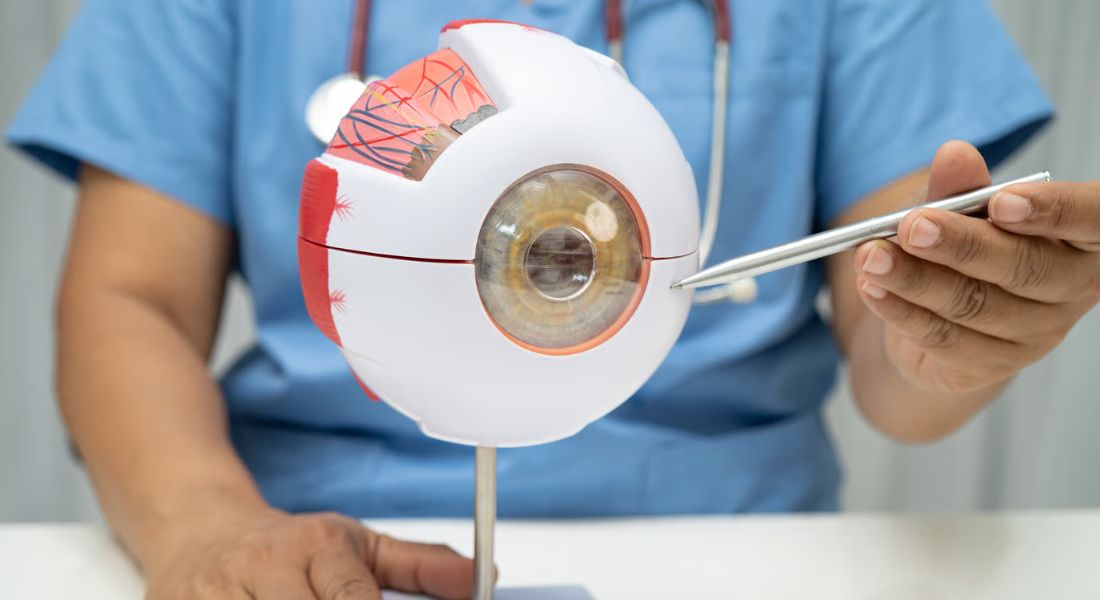
Correct lens sizing remains one of the most important technical aspects of ICL surgery. You’ll often see BSRS discussions focusing on how your pre-operative measurements influence lens selection and post-operative results. This is important because the lens needs to fit safely and sit in the right position inside your eye.
Researchers continue to explore ways to improve sizing accuracy through advanced imaging and more detailed measurement techniques. You’ll notice that better sizing can help optimise lens positioning and support long-term safety. It may also reduce the chance of issues related to vault, pressure, or lens fit.
This remains an active area of ongoing research and clinical refinement. For you, it means the scans and measurements taken before surgery are a vital part of treatment planning. Ultimately, accurate lens sizing helps make ICL surgery safer, more predictable, and better suited to your eyes.
Vault Prediction Is Being Studied Closely
Vault prediction is one of the most important topics in modern ICL planning. Vault refers to the space between the implanted lens and your natural lens inside the eye. This space needs to be carefully considered because it can affect both safety and visual outcomes. That is why researchers continue to study better ways to predict vault before surgery.
- Vault helps guide safe ICL positioning: Your implanted lens needs to sit at a suitable distance from your natural lens. If the vault is too low or too high, it may raise safety concerns. This is why your surgeon pays close attention to vault during planning and follow-up.
- Prediction before surgery is becoming more important: Surgeons use detailed measurements to estimate how the ICL may sit inside your eye. More accurate prediction can help reduce uncertainty before surgery. This may support better lens sizing and safer treatment planning.
- Imaging techniques are being explored: Researchers are studying whether advanced imaging can help assess eye anatomy more clearly. Better imaging may allow surgeons to understand internal eye structures in more detail. This can improve confidence when choosing the most suitable lens size.
- Calculation methods may continue to improve: Alongside imaging, researchers are also looking at improved formulas and prediction models. These methods may help make vault outcomes more predictable. For you, this could mean more personalised and precise ICL planning in the future.
Overall, vault prediction remains one of the most discussed areas of ICL research because it directly supports safety and visual success. For you, this means your surgeon will carefully measure your eyes and choose the lens size with precision. As imaging and calculation methods improve, ICL planning may become even more accurate. This can help create safer outcomes and more predictable results after surgery.
Visual Quality Is Receiving Greater Attention
Modern refractive surgery discussions increasingly focus on visual quality, not just visual acuity. You’ll often see BSRS presentations exploring how your vision performs in real-life situations after ICL surgery. This includes more than simply checking whether you can read an eye chart.
Researchers frequently look at night vision, contrast sensitivity, glare, and halo symptoms following ICL surgery. These details matter because clear vision should also feel comfortable and reliable in your daily routine. You may especially notice this when driving at night or moving between different lighting conditions.
Understanding real-world visual performance helps improve patient satisfaction and treatment planning. You’ll see that visual quality is now considered an important measure of treatment success. Ultimately, the goal is to help you achieve vision that is not only sharp, but also comfortable and practical for everyday life.
Long-Term Safety Data Continues to Grow

Long-term safety remains a major priority at BSRS meetings. You’ll often see researchers presenting follow-up studies that examine how ICL lenses perform over many years. These studies help specialists understand the long-term effects of treatment beyond the initial recovery period.
Conference presentations frequently review factors such as lens stability, endothelial cell health, intraocular pressure, and overall patient outcomes. You’ll notice that these areas are closely monitored because they play an important role in maintaining long-term eye health. This information helps surgeons identify trends and refine patient care over time.
For you, this growing body of long-term data provides greater reassurance when considering ICL surgery. It helps your surgeon offer more informed advice during consultations and supports evidence-based decision-making. Ultimately, ongoing research strengthens the focus on monitoring, safety, and long-term success after treatment.
High Myopia Remains a Key Research Area
Many ICL discussions focus on patients with high myopia. You may not always be an ideal candidate for laser procedures if your prescription is high, especially when corneal thickness or shape is a concern. This is one reason ICL continues to be discussed as an important option.
Conference presentations frequently review outcomes, stability, and safety in higher prescription groups. You’ll often see researchers evaluating how ICL performs across a wide range of refractive errors. This helps surgeons understand how predictable the treatment may be for more complex vision correction needs.
High myopia remains one of the most common reasons for considering ICL treatment. For you, this means a detailed assessment is especially important before surgery. Your surgeon will need to check your prescription, eye health, and long-term safety factors before recommending the right treatment.
EVO ICL Technology Continues to Be Discussed
EVO ICL technology continues to be an important topic in refractive surgery discussions. You may hear specialists focus on how modern lens design affects safety, fluid movement, visual outcomes, and long-term follow-up care. These conversations are useful because small design improvements can influence how surgeons plan and monitor treatment. The aim is to keep refining ICL surgery so outcomes become safer and more predictable.
- Lens design can affect fluid movement: Modern ICL designs are often discussed in relation to how fluid moves inside your eye. Good fluid movement helps support healthy eye function after surgery. This is why surgeons continue to pay close attention to design features during treatment planning.
- Technology influences safety monitoring: Even with advanced lens technology, follow-up care remains essential. Your surgeon still needs to check lens position, vault, eye pressure, and healing after surgery. These checks help confirm that the lens is working safely inside your eye.
- Clinical experience helps refine treatment planning: Conference discussions often include real-world experience from surgeons using modern ICL technology. This helps specialists understand how the lens performs across different patients. Practical insights can improve sizing decisions, planning methods, and aftercare routines.
- Long-term performance remains important: Researchers and surgeons continue to study how EVO ICL technology performs over time. Long-term stability, visual quality, and safety outcomes all matter when assessing success. This helps patients and surgeons feel more confident about treatment decisions.
Overall, EVO ICL technology remains an important part of modern refractive surgery research and discussion. For you, this means treatment planning is shaped not only by your prescription, but also by the latest understanding of lens design, safety, and long-term outcomes. As technology continues to develop, ICL surgery may become even more refined and personalised. Careful planning and follow-up remain essential for achieving safe and stable results.
Endothelial Cell Monitoring Remains Important
Corneal endothelial cells play a critical role in keeping your cornea clear and healthy. You’ll often see BSRS presentations reviewing long-term endothelial cell data after ICL surgery. This is important because these cells help maintain clear vision over time.
Researchers monitor endothelial cells carefully because corneal health is essential for safe long-term outcomes. You’ll notice that conference discussions often focus on how these cells are measured and whether any changes occur over time. This helps surgeons understand what needs to be checked during follow-up care.
For you, endothelial cell monitoring is an important part of post-operative safety. These checks help your surgeon detect any concerns early and protect your long-term eye health. Ultimately, careful monitoring supports safer and more responsible ICL care.
Intraocular Pressure Continues to Be Evaluated
Intraocular pressure remains a key safety consideration in refractive surgery research. You’ll often see BSRS speakers discussing how eye pressure is checked before and after ICL implantation. This is important because healthy pressure supports long-term eye safety.
Researchers continue studying the factors that may influence pressure stability over time. You’ll notice that these discussions often include lens position, vault, fluid movement, and post-operative monitoring. Regular checks help your surgeon identify any pressure-related concerns early.
For you, intraocular pressure monitoring is an important part of long-term ICL care. These checks are not just routine steps, but a way to protect your eye health after surgery. Ultimately, maintaining healthy eye pressure helps support safer and more reliable outcomes over time.
Toric ICL Outcomes Are Being Studied
Patients with astigmatism may be suitable for toric ICL lenses. You’ll often see BSRS discussions focusing on how these lenses correct both short-sightedness and astigmatism. This makes them an important option for selected patients with more than one refractive concern.
Researchers continue evaluating rotational stability and refractive accuracy in these cases. You’ll notice that stable positioning is especially important because even small lens rotation can affect astigmatism correction. Careful planning and follow-up help ensure the lens stays in its intended position.
These findings help refine surgical planning and patient counselling. For you, this means your surgeon can explain more clearly what to expect before and after toric ICL surgery. Ultimately, ongoing research supports more predictable and consistent visual outcomes.
Imaging Technology Is Improving Planning
Advanced imaging continues to play an increasingly important role in ICL surgery. You’ll often see BSRS presentations explaining how imaging tools help assess the internal structures of your eye in greater detail. These scans support more accurate lens planning before surgery.
More detailed measurements may help improve both predictability and safety. You’ll notice that researchers continue comparing different imaging technologies and measurement approaches to understand which methods provide the most useful information. This helps surgeons plan lens size, position, and overall treatment strategy more carefully.
For you, imaging innovation means your consultation may involve several detailed scans rather than a simple eye test. These measurements help your surgeon decide whether ICL is suitable and how treatment should be planned. Ultimately, better imaging supports safer, more precise, and more personalised refractive surgery care.
Artificial Intelligence Is Entering Refractive Research
Artificial intelligence is becoming a growing topic in refractive surgery research. You may hear more discussions about how AI could help analyse eye measurements, support lens sizing, and improve prediction before ICL surgery. These tools are still developing, but they may become useful in future planning. The main idea is to support your surgeon’s judgement, not replace it.
- AI may support lens sizing decisions: ICL sizing depends on detailed eye measurements and careful interpretation. AI may help analyse these measurements and identify patterns that support more accurate lens selection. This could be especially useful in more complex cases.
- Vault prediction is a key research area: Researchers are exploring whether AI can help predict how much space will remain between the ICL and your natural lens after surgery. Better vault prediction may help reduce uncertainty and improve safety planning. This could make treatment more personalised over time.
- AI may improve treatment planning: Future AI tools may help combine different measurements into a clearer planning picture. This could support decisions around lens size, expected outcome, and follow-up needs. However, the final decision should still come from your surgeon.
- Surgeon expertise remains essential: AI can assist with data analysis, but it cannot replace clinical experience, judgement, or patient communication. Your surgeon still needs to assess your eyes, explain your options, and decide what is safest for you.
Overall, AI is becoming an exciting part of refractive research, especially in areas like ICL sizing and vault prediction. For you, this may mean more detailed and personalised planning in the future. However, AI should always be used as a support tool alongside expert clinical judgement. The safest treatment decisions will continue to combine advanced technology with your surgeon’s experience.
Dry Eye Discussions Continue to Evolve
Dry eye remains an important consideration when planning refractive surgery. You’ll often see conference presentations comparing how different vision correction procedures may affect comfort on the surface of your eyes. This helps surgeons understand which treatment options may be more suitable for different patients.
Because ICL does not reshape the cornea in the same way as laser procedures, it is often discussed within broader treatment pathways. You’ll notice that researchers continue exploring where ICL may fit, especially when ocular surface comfort is a concern. These discussions also look at patient experiences and comfort after surgery.
For you, dry eye assessment remains an important part of the pre-operative evaluation. Your surgeon should check the surface of your eyes before recommending any vision correction procedure. Ultimately, this helps ensure your treatment plan supports both clear vision and long-term comfort.
Real-World Outcome Data Is Becoming More Valuable
BSRS meetings increasingly feature real-world clinical data alongside traditional research studies. You’ll often see these presentations exploring how ICL surgery performs in everyday practice, not only in controlled trial settings. This gives surgeons a more practical understanding of treatment results.
Real-world evidence often includes patient satisfaction, treatment stability, and practical visual outcomes. You’ll notice that this type of data reflects a broader range of patient experiences and eye characteristics. This helps specialists understand how procedures work across different real-life situations.
For you, real-world outcome data can support more realistic counselling before surgery. It helps your surgeon explain what you may reasonably expect in daily life, not just what research numbers show. Ultimately, this evidence helps make ICL care more practical, personalised, and patient-focused.
Patient Satisfaction Is Being Measured More Carefully
Researchers increasingly recognise the importance of patient-reported outcomes after ICL surgery. You’ll often see conference discussions looking beyond clinical test results to understand how patients actually feel about their vision. This gives a more complete view of treatment success.
BSRS discussions frequently examine satisfaction, spectacle independence, and quality-of-life improvements after surgery. You’ll notice that these measures are important because clear vision should also feel useful, comfortable, and reliable in your daily life. They help show whether the treatment is meeting real patient needs.
For you, this patient-centred research can improve how treatment is planned and explained. It helps your surgeon understand what matters most to you before surgery. Ultimately, measuring satisfaction more carefully supports better communication, clearer expectations, and more personalised ICL care.
Follow-Up Care Remains a Major Focus

The BSRS Meeting frequently highlights the importance of long-term follow-up care after ICL surgery. You’ll often see researchers discussing how patients should be reviewed after treatment and which measurements matter most. This reinforces that good outcomes depend on ongoing care, not just the surgery itself.
Researchers continue studying how often patients should be monitored and what should be checked during follow-up visits. You’ll notice that regular assessments may include vision, eye pressure, lens position, vault, and general eye health. These checks help your surgeon identify any changes early and respond appropriately.
For you, follow-up care remains an essential part of successful refractive treatment. It helps protect your long-term eye health and ensures your results remain stable over time. Ultimately, ongoing monitoring gives you safer, more reliable, and more reassuring care after ICL surgery.
Comparisons with Other Refractive Procedures Continue
Conference speakers often compare ICL surgery with laser-based alternatives. You’ll commonly see discussions around procedures such as LASIK, PRK, and SMILE. These comparisons help specialists understand where each option may fit within modern refractive care.
The aim is not to decide that one procedure is best for everyone. Instead, researchers look at factors such as your prescription range, corneal thickness, eye health, and long-term outcomes. This helps surgeons identify which treatment may be more suitable for different patient groups.
For you, these comparisons are useful because the right procedure depends on your individual eyes. What works well for one patient may not be the safest or most effective option for another. Ultimately, this research supports more personalised treatment recommendations and better decision-making before surgery.
Future Research Priorities Are Being Identified
Future research priorities are becoming clearer as refractive surgery continues to evolve. You may notice that BSRS discussions often focus not only on what is working now, but also on what still needs better evidence. This helps surgeons understand where improvements are needed in long-term safety, imaging, prediction, and personalised planning.
- Long-term outcomes remain a key focus: Researchers continue to study how ICL surgery performs over many years. This includes visual stability, lens position, eye pressure, vault, and overall patient satisfaction. Long-term data helps surgeons make safer and more confident recommendations.
- Imaging innovations may improve planning: Better imaging can help your surgeon understand your eye anatomy in more detail before surgery. This may improve lens sizing, vault prediction, and treatment suitability. As imaging improves, planning may become more accurate and personalised.
- Personalised treatment planning is gaining importance: Not every eye responds in the same way, so researchers are focusing more on individual prediction. Your anatomy, prescription, pupil size, and visual needs may all influence planning. A personalised approach can help reduce uncertainty and improve outcomes.
- Research gaps guide future studies: Conference discussions often identify what is still unknown or needs stronger evidence. These gaps help shape future studies and improve clinical practice over time. This ongoing process supports safer and more predictable refractive surgery.
Overall, future research priorities are helping guide the next stage of refractive surgery development. For you, this means ICL planning may become even more precise, evidence-based, and tailored to your eyes over time. As research continues, surgeons will be better able to improve safety, predictability, and long-term visual outcomes.
The BSRS Meeting Continues to Shape ICL Practice
The BSRS Annual Meeting remains an important forum for sharing ICL research, clinical experience, and technological developments. You’ll often see discussions focused on improving safety, refining treatment planning, and enhancing patient outcomes. This helps surgeons stay updated with the latest thinking in refractive care.
The main themes are clear: ICL surgery is becoming increasingly precise, personalised, and evidence based. You’ll notice that advances in imaging, lens sizing, vault prediction, and patient selection continue to shape how surgeons approach treatment. These developments help make planning more accurate and outcomes more predictable.
For you, this means modern ICL care is guided by ongoing research and shared clinical experience. A detailed consultation can help assess whether the treatment is suitable for your eyes, your prescription, and your long-term needs. Ultimately, BSRS discussions support safer, more personalised, and more reliable ICL surgery planning.
FAQs:
- What is the BSRS Annual Meeting?
The British Society of Refractive Surgery Annual Meeting is a major UK event where eye surgeons and researchers discuss the latest developments in vision correction. Topics often include laser eye surgery, lens-based procedures, and ICL treatment. The meeting helps specialists share research, clinical experience, and new technologies. This can influence how refractive treatments are planned and delivered for you. - Why is ICL surgery discussed so often at BSRS meetings?
ICL surgery continues to receive attention because it may be suitable for patients who are not ideal candidates for laser vision correction. Surgeons often discuss safety, patient selection, lens sizing, and long-term outcomes during the meeting. These discussions help improve treatment planning and surgical techniques. Ultimately, this supports safer and more personalised care for you. - Who may be suitable for ICL surgery?
You may be considered for ICL surgery if you have moderate to high short-sightedness or certain corneal characteristics that make laser procedures less suitable. Your surgeon will assess factors such as corneal thickness, anterior chamber depth, eye pressure, and overall eye health. A detailed consultation is essential before deciding on treatment. Suitability depends on your individual eyes rather than prescription alone. - Why is lens sizing so important in ICL surgery?
The implanted lens needs to fit correctly inside your eye to support safe and stable outcomes. Incorrect sizing may affect vault, lens position, or eye pressure after surgery. This is why surgeons use detailed scans and measurements before selecting a lens. Ongoing research aims to make lens sizing even more accurate and predictable for you. - What does vault mean in ICL treatment?
Vault refers to the space between the ICL and your natural lens inside the eye. Maintaining an appropriate vault is important because it supports healthy eye function and long-term safety. If the vault is too low or too high, it may increase the risk of complications. Your surgeon will monitor vault carefully during both planning and follow-up care. - How does imaging technology help with ICL planning?
Advanced imaging allows your surgeon to study the internal structures of your eye in greater detail before surgery. These scans help assess lens sizing, eye anatomy, and treatment suitability more accurately. Better imaging can improve planning precision and reduce uncertainty. For you, this means a more personalised and carefully planned procedure. - Is ICL surgery suitable for people with astigmatism?
Yes, some patients with astigmatism may be suitable for toric ICL lenses. These lenses are designed to correct both short-sightedness and astigmatism at the same time. Surgeons carefully monitor lens stability because rotation can affect vision quality. Research continues to improve the accuracy and predictability of toric ICL outcomes. - Why are follow-up appointments important after ICL surgery?
Follow-up visits help your surgeon monitor healing, lens position, eye pressure, vault, and overall eye health after surgery. These checks allow any concerns to be identified and managed early. Even if your vision feels stable, long-term monitoring remains important. Regular follow-up care helps support safer and more reliable outcomes over time. - How is artificial intelligence being used in ICL research?
Artificial intelligence is being explored as a tool to help analyse eye measurements and support treatment planning. Researchers are especially interested in using AI for lens sizing and vault prediction. These systems may improve accuracy and help personalise surgical planning in the future. However, your surgeon’s clinical judgement remains essential when making treatment decisions. - How does ICL compare with laser eye surgery?
ICL and laser vision correction are different procedures designed for different patient needs. Laser surgery reshapes the cornea, while ICL places a lens inside the eye without removing corneal tissue. Your prescription, corneal thickness, eye health, and lifestyle all influence which option may suit you best. A detailed consultation helps determine the safest and most appropriate treatment for your eyes.
Final Thoughts: What the BSRS Meeting Means for You
The discussions presented at the BSRS Annual Meeting show that ICL surgery continues to evolve through ongoing research, clinical experience and technological innovation. Topics such as patient selection, lens sizing, vault prediction and long-term safety remain at the centre of modern refractive care, helping surgeons achieve more predictable and personalised outcomes for their patients.
One of the clearest messages from the meeting is that successful vision correction is not about finding a single treatment that works for everyone. Instead, it is about understanding your individual eye anatomy, prescription, lifestyle and long-term visual goals. As research continues to advance, surgeons are becoming better equipped to tailor treatment plans to your specific needs and expectations. If you’d like to find out whether ICL surgery in London is suitable for you, feel free to contact us at Eye Clinic London to arrange a consultation.
References:
- LeClair, B.M., Jabo, B. and Marzouk, H., 2018. Incidence of implantable Collamer lens induced cataract. Canadian Journal of Ophthalmology, 53(5), pp.518-522. https://www.sciencedirect.com/science/article/abs/pii/S0008418217305768
- Kamiya, K., Shimizu, K., Igarashi, A., Miyake, T. and Kobashi, H. (2018) ‘Posterior chamber phakic intraocular lens implantation: comparative, multicentre study in 351 eyes with low-to-high myopia’, The British Journal of Ophthalmology, 102(12), pp. 1771-1777. https://pubmed.ncbi.nlm.nih.gov/30340721/
- Packer, M. (2018) ‘The Implantable Collamer Lens with a central port: review of the literature’, Clinical Ophthalmology, 12, pp. 2427-2438. https://pubmed.ncbi.nlm.nih.gov/29394074/
- Del Risco, N.E., Talbot, C.L., Moin, K.A., Manion, G.N., Brown, A.H., Walker, S.M., Zhong, P.-S., Zhang, H., Hoopes, P.C. and Moshirfar, M. (2024) ‘Visual Outcomes of Cataract Surgery in Patients with Previous History of Implantable Collamer Lens’, Journal of Clinical Medicine, 13(15), p. 4292. https://www.mdpi.com/2077-0383/13/15/4292
- Naujokaitis, T., Auffarth, G.U., Łabuz, G., Kessler, L.J. and Khoramnia, R. (2023) ‘Diagnostic techniques to increase the safety of phakic intraocular lenses’, Diagnostics, 13(15), p. 2503. https://www.mdpi.com/2075-4418/13/15/2503