

The BEAT-ROP Study: A Breakthrough in Retinopathy of Prematurity
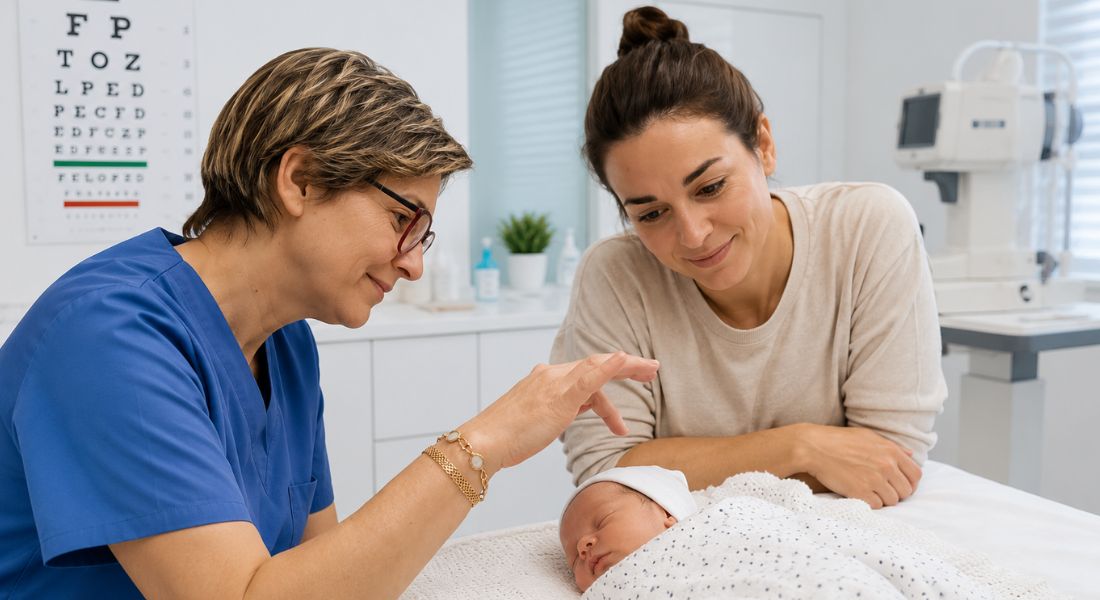
Retinopathy of prematurity (ROP) is a serious eye condition that can affect babies who are born prematurely. It develops when the blood vessels in your baby’s retina grow abnormally, which can lead to retinal detachment and permanent vision loss if it is not treated promptly. As advances in neonatal care have improved survival rates for premature babies, ensuring they receive the right eye care has become more important than ever.
For many years, laser photocoagulation was an established standard treatment for treatment-requiring ROP. While this treatment has been highly effective in many cases, it works by ablating the avascular peripheral retina to stop abnormal blood vessel growth. If your baby requires treatment, you may want to understand all the available options and how they could affect long-term visual development.
The BEAT-ROP study became a major milestone in paediatric ophthalmology by investigating whether anti-VEGF therapy could offer an effective alternative to laser treatment for selected infants with severe ROP. Researchers wanted to find out whether this targeted approach could control abnormal blood vessel growth while avoiding planned peripheral retinal ablation and allowing continued retinal vascularization
The findings attracted worldwide attention and continue to influence how specialists care for premature babies with ROP. Today, if your baby is diagnosed with this condition, your ophthalmologist will consider the latest evidence, including studies such as BEAT-ROP, to recommend the most appropriate treatment based on your baby’s individual needs.
Understanding Retinopathy of Prematurity
Retinopathy of prematurity (ROP) develops when the blood vessels in your baby’s retina do not grow normally after premature birth. Because the retina is still developing, being born too early can interrupt this natural process and lead to abnormal blood vessel growth.
Instead of growing in an organised way, these abnormal blood vessels may extend into the vitreous, the gel-like substance inside the eye. They are often fragile and can leak, form scar tissue and pull on the retina. As the condition progresses, your baby’s vision may be placed at risk if these changes are not identified and treated.
Without timely diagnosis and appropriate treatment, severe ROP can lead to retinal detachment and permanent vision loss. This is why your baby’s eye health is monitored closely if they are born prematurely, allowing specialists to detect problems early and begin treatment when needed.
Why Premature Babies Are at Risk
Your baby’s retina normally completes the development of its blood vessels during the final weeks of pregnancy. When a baby is born prematurely, this natural process is interrupted, leaving the retinal blood vessels still developing outside the womb.
After premature birth, changes in oxygen levels and other biological factors can affect how these blood vessels continue to grow. Instead of developing normally, they may grow in an abnormal way, increasing your baby’s risk of developing retinopathy of prematurity (ROP).
The earlier your baby is born, the greater the likelihood that the retina is still immature and vulnerable to these changes. This is why premature babies are monitored carefully with regular eye examinations, helping specialists detect ROP early and provide treatment if your baby needs it.
Traditional Treatment Before BEAT-ROP
Before anti-VEGF therapy became available, laser photocoagulation was the standard treatment for babies with severe retinopathy of prematurity (ROP). If your baby was diagnosed with advanced ROP, laser treatment was often recommended to help stop the growth of abnormal blood vessels and reduce the risk of serious complications.
Laser treatment works by treating areas of the peripheral retina that stimulate abnormal blood vessel growth. While this approach has been highly effective, it also permanently removes some healthy retinal tissue. As a parent, you may have concerns about how this could affect your baby’s long-term visual development.
Because of these limitations, researchers began searching for treatment options that could control abnormal blood vessel growth while avoiding planned ablation of the avascular peripheral retina. This research eventually led to studies such as BEAT-ROP, which explored whether anti-VEGF therapy could provide an effective alternative for selected babies with severe ROP.
The Role of VEGF in ROP
Vascular endothelial growth factor (VEGF) is a protein that helps blood vessels develop and grow normally. In retinopathy of prematurity (ROP), excessive VEGF activity can contribute to abnormal blood vessel growth in the developing retina. Understanding this process has helped researchers develop treatments that target an important biological pathway involved in pathological neovascularization.
- Normal Blood Vessel Development: VEGF plays an important role in forming healthy retinal blood vessels during normal eye development.
- Abnormal Vessel Growth in ROP: Excess VEGF can lead to fragile blood vessels that may leak, scar, and affect the retina.
- Risk of Vision Complications: Abnormal blood vessel changes can increase the risk of retinal damage and vision loss if left untreated.
- Anti-VEGF Treatment Approach: Anti-VEGF therapies aim to block excessive VEGF activity and slow disease progression in suitable cases.
Overall, understanding the role of VEGF has improved how doctors manage ROP. Targeting this biological pathway allows specialists to target an important VEGF-related pathway involved in abnormal vessel growth. Treatment decisions depend on the severity of ROP and each baby’s individual needs.
Purpose of the BEAT-ROP Study
The BEAT-ROP study was designed to compare intravitreal bevacizumab with conventional laser treatment for babies with severe retinopathy of prematurity (ROP). If your baby is diagnosed with advanced ROP, you naturally want to know which treatment is most likely to protect their vision while supporting healthy eye development.
Researchers wanted to find out whether intravitreal bevacizumab could reduce recurrence requiring retreatment while preserving more of your baby’s developing retina than laser treatment. This was especially important because preserving healthy retinal tissue may benefit your child’s long-term visual development as they grow.
The study focused on infants with advanced forms of ROP that required prompt treatment to prevent serious complications. The findings provided valuable evidence to help your baby’s ophthalmologist make more informed treatment decisions, giving you greater confidence that the recommended approach is based on clinical research and your baby’s individual needs.
Study Design
The BEAT-ROP study was a multicentre, prospective, randomised clinical trial designed to compare two treatment approaches for severe retinopathy of prematurity (ROP). When you look at how new medical treatments are evaluated, this type of study design provides strong and reliable evidence.
Infants were randomly assigned to receive bilateral intravitreal bevacizumab at a dose of 0.625 mg per eye or conventional laser treatment. Researchers then monitored recurrence requiring retreatment before 54 weeks’ postmenstrual age. This random allocation helped ensure that the two treatment groups could be compared fairly, without one group having an advantage over the other.
Researchers then monitored each baby closely to assess whether the disease returned and how well each treatment performed over time. By following the infants carefully, the study generated high-quality evidence that continues to help your baby’s eye specialist make informed treatment decisions based on the best available research.
Who Took Part?
The BEAT-ROP study included premature babies who had been diagnosed with bilateral stage 3+ ROP, meaning stage 3 disease with plus disease, in Zone I or posterior Zone II of the retina. If your baby develops this advanced stage of ROP, prompt treatment is often needed to reduce the risk of serious complications.
The infants who took part in the study required treatment because they faced a significant risk of retinal detachment and permanent vision loss if the condition continued to progress. By including infants with bilateral Zone I or posterior Zone II stage 3+ ROP, researchers were able to assess how well each treatment worked in situations where early intervention was essential.
The study population represented infants with severe ROP who were most likely to benefit from treatment. This allowed your baby’s ophthalmologist to gain valuable evidence about which approach could offer the best outcomes for babies with advanced forms of the condition.
How Anti-VEGF Treatment Was Given
Unlike laser therapy, anti-VEGF treatment involved a small injection given directly into your baby’s eye under carefully controlled medical conditions. Although this may sound worrying, the procedure was performed by experienced specialists using techniques designed to maximise safety and accuracy.
The medication was designed to reduce the activity of vascular endothelial growth factor (VEGF), the protein that contributes to abnormal blood vessel growth in retinopathy of prematurity (ROP). By blocking VEGF, the treatment aimed to slow disease progression while preserving more of your baby’s healthy retinal tissue than traditional laser therapy.
If your baby requires treatment for severe ROP, your ophthalmologist will carefully assess which option is most appropriate based on their individual condition. The BEAT-ROP study helped provide valuable evidence about how anti-VEGF therapy was associated with lower recurrence requiring retreatment in the Zone I subgroup, while important safety uncertainties remained in carefully selected infants.
Main Findings of the Study
The BEAT-ROP study showed that bevacizumab reduced recurrence requiring retreatment, with the clearest comparative benefit in the Zone I subgroup of severe retinopathy of prematurity (ROP). If your baby has advanced ROP, these findings offered new hope by demonstrating that targeted treatment could successfully control the disease in carefully selected cases.
One of the most important results was that babies with disease affecting the most posterior part of the retina experienced lower recurrence rates after anti-VEGF treatment compared with conventional laser therapy. This suggested that, for some infants, anti-VEGF injections could provide better disease control while preserving more healthy retinal tissue.
These findings attracted significant international attention and changed the way specialists thought about treating severe ROP. Today, if your baby requires treatment, your ophthalmologist may consider the evidence from the BEAT-ROP study alongside other clinical factors to determine the most appropriate approach for your baby’s individual needs.
BEAT-ROP Recurrence Findings by Disease Location
| Disease Group | Bevacizumab: Recurrence Requiring Retreatment | Laser: Recurrence Requiring Retreatment | Main Interpretation |
| Overall study population | Approximately 4% | Approximately 22% | Recurrence requiring retreatment was lower overall after bevacizumab in the trial population |
| Zone I disease | Approximately 3% | Approximately 35% | The clearest treatment advantage was seen in the Zone I subgroup, where bevacizumab significantly reduced recurrence compared with laser |
| Posterior Zone II disease | Approximately 5% | Approximately 11% | Recurrence was numerically lower with bevacizumab, but the difference was not statistically significant |
The BEAT-ROP findings should be interpreted according to disease location. The strongest comparative evidence was found in infants with Zone I disease, while the trial did not demonstrate statistically significant superiority of bevacizumab over laser for posterior Zone II disease.
It is also important to remember that BEAT-ROP specifically studied intravitreal bevacizumab at a dose of 0.625 mg per eye. Its results should not automatically be generalised to every anti-VEGF medicine or treatment regimen.
Better Outcomes in Posterior Disease
One of the most important findings from the BEAT-ROP study involved Zone I ROP, which is one of the most severe forms of retinopathy of prematurity. If your baby is diagnosed with this type of ROP, there is a higher risk of serious retinal damage and permanent vision loss without prompt treatment.
The study found that anti-VEGF therapy produced particularly encouraging results in babies with Zone I disease. For some infants, this treatment appeared to reduce the risk of the condition returning more effectively than conventional laser therapy, while also preserving more healthy retinal tissue.
These results suggested that anti-VEGF therapy could offer important advantages in carefully selected high-risk cases. Today, your baby’s ophthalmologist will consider the location and severity of the disease, along with the latest clinical evidence, to recommend the treatment that is most appropriate for your baby’s individual needs.
Preserving Peripheral Retina
One of the key differences between anti-VEGF therapy and laser treatment is that anti-VEGF injections do not intentionally destroy the peripheral retina. If your baby needs treatment for severe retinopathy of prematurity (ROP), preserving as much healthy retinal tissue as possible may be an important consideration.
By avoiding the removal of healthy peripheral retinal tissue, anti-VEGF therapy raises the possibility of supporting more natural retinal development as your baby’s eyes continue to grow. This could potentially contribute to better long-term visual outcomes, although ongoing monitoring remains essential.
Researchers regarded this as one of the major potential advantages of anti-VEGF treatment. However, your baby’s ophthalmologist will carefully weigh the potential benefits and risks before recommending the most appropriate treatment based on your baby’s individual condition and the latest clinical evidence.
Research Insight: What Did Later Follow-Up Show About Myopia?
A later BEAT-ROP follow-up analysis found that very high myopia was substantially more common in eyes treated with laser than in eyes treated with bevacizumab.
This does not mean that anti-VEGF therapy prevents all refractive problems. Prematurely born children, particularly those with severe ROP, remain at risk of myopia and other visual problems regardless of treatment.
However, the follow-up evidence suggests that treatment modality can influence later refractive development and is one of several factors considered when specialists discuss the advantages and disadvantages of treatment options with parents.
Safety Considerations
Although the BEAT-ROP study produced encouraging results, safety remained an important part of the discussion. If your baby is born prematurely, their body is still developing, so any treatment must be carefully assessed to ensure it is both effective and as safe as possible.
Researchers were particularly interested in whether anti-VEGF medicines could have effects beyond the eye after they were injected. Because VEGF plays a role in normal growth and development, it was important to understand whether reducing its activity could influence other parts of your baby’s developing body.
For this reason, researchers recommended further long-term studies to evaluate the overall safety of anti-VEGF therapy. If your baby requires treatment for severe ROP, your ophthalmologist will carefully consider the latest evidence, discuss the potential benefits and risks with you, and recommend the approach that is most appropriate for your baby’s individual needs.
Clinical Safety Note
Anti-VEGF treatment for ROP involves balancing important potential benefits against remaining safety uncertainties.
VEGF is involved in normal blood-vessel development in different organs. After an injection into the eye, some anti-VEGF medicine may enter the systemic circulation, and different agents differ in their systemic exposure and effect on circulating VEGF.
The Royal College of Ophthalmologists states that current evidence does not clearly establish whether anti-VEGF treatment does or does not affect neurodevelopment. The guideline also notes that ranibizumab appears to cause less systemic VEGF suppression than bevacizumab.
For parents, the practical message is that treatment choice should not be based on recurrence rates alone. Your baby’s ophthalmologist and neonatal team will consider the zone and severity of ROP, your baby’s general health, the feasibility of laser treatment, follow-up requirements and the potential ocular and systemic considerations of each option.
Need for Long-Term Follow-Up
One of the most important lessons from the BEAT-ROP study was that babies treated with anti-VEGF therapy need long-term follow-up. If your baby receives this treatment, regular eye examinations remain essential, even when the initial results are encouraging.
Unlike laser therapy, where recurrence often occurs earlier if it happens, retinopathy of prematurity (ROP) can sometimes return later after anti-VEGF treatment. This means your baby’s ophthalmologist will continue to monitor their eyes closely to check that the retina is developing normally and that the disease has not become active again.
By attending every scheduled follow-up appointment, you can help ensure that any recurrence is identified and treated as quickly as possible. Ongoing monitoring is a vital part of your baby’s care and plays an important role in protecting their vision over the long term.
Ongoing Clinical Debate
The BEAT-ROP study generated considerable discussion among paediatric ophthalmologists around the world. If your baby is diagnosed with severe retinopathy of prematurity (ROP), you may find that treatment decisions are based on both the latest research and your baby’s individual clinical needs.
Many specialists recognised the potential advantages of anti-VEGF therapy, particularly for certain high-risk forms of ROP. However, other experts emphasised the importance of gathering more long-term safety data before recommending widespread use for all babies with the condition.
These discussions continue today as new research becomes available. If your baby requires treatment, your ophthalmologist will consider the current evidence, explain the potential benefits and risks to you, and recommend the approach that is most appropriate for your baby’s specific situation.
Influence on Clinical Practice
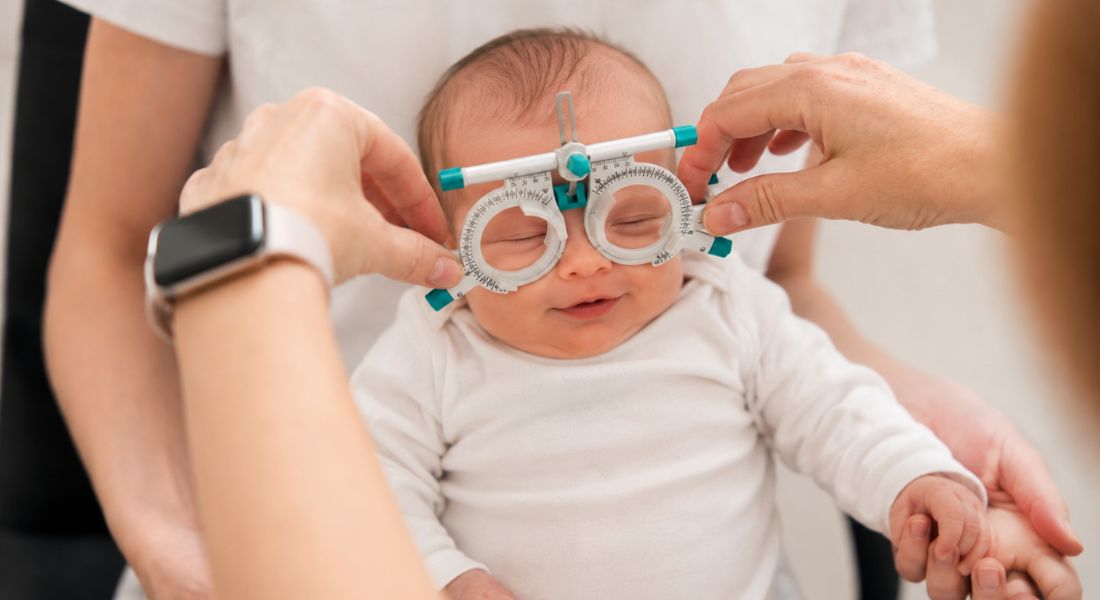
The BEAT-ROP study changed how many ophthalmologists approach the treatment of severe retinopathy of prematurity (ROP). If your baby is diagnosed with this condition today, your specialist may consider anti-VEGF therapy alongside laser treatment when deciding on the most appropriate care.
Anti-VEGF therapy is now recognised as an important treatment option for selected infants, particularly those with posterior disease or in situations where laser treatment may be less suitable. Depending on your baby’s eye condition and overall health, this approach may offer important advantages in carefully chosen cases.
Every baby is different, so treatment decisions are always individualised. Your ophthalmologist will carefully assess your baby’s condition, discuss the available options with you, and recommend the treatment that offers an appropriate balance of expected benefit, risk and follow-up requirements based on the latest clinical evidence.
UK Clinical Practice Note
Current UK practice takes a more nuanced approach than simply choosing anti-VEGF treatment instead of laser for every case of treatment-requiring ROP.
The Royal College of Ophthalmologists’ treatment guideline considers the evidence supporting anti-VEGF treatment particularly important for Zone I ROP and states that posterior Zone II disease may also be approached similarly in appropriate cases.
For Zone II disease more generally, anti-VEGF treatment may be particularly useful when an infant is systemically unstable and may not tolerate laser treatment, or when poor retinal visualisation makes adequate laser treatment difficult. However, laser remains an important treatment option and may still be preferred for many infants with Zone II disease.
Parents should be involved in a careful discussion of the advantages, disadvantages, uncertainties and follow-up demands of each approach before treatment, wherever the clinical situation allows.
Further Research After BEAT-ROP
Following the success of the BEAT-ROP study, researchers continued to explore new anti-VEGF medicines and treatment strategies for retinopathy of prematurity (ROP). If your baby requires treatment, this ongoing research helps specialists make decisions based on the latest clinical evidence.
Clinical trials are comparing different anti-VEGF medications, dosages and treatment approaches to determine which options provide the best balance of effectiveness and safety. Researchers are also studying long-term outcomes so they can better understand how these treatments may affect your baby’s vision and eye development as they grow.
Research in this field remains highly active, and new evidence continues to improve the way ROP is managed. As more data become available, your baby’s ophthalmologist can use this information to recommend the most appropriate treatment plan based on your baby’s individual needs and the most up-to-date medical knowledge.
Research After BEAT-ROP: The RAINBOW Trial
BEAT-ROP stimulated further research into anti-VEGF treatment for premature infants.
The later RAINBOW trial compared two doses of ranibizumab with laser treatment. The study enrolled 225 infants and reported treatment success in 80% of infants receiving ranibizumab 0.2 mg, 75% receiving ranibizumab 0.1 mg and 66% receiving laser treatment.
The difference between ranibizumab 0.2 mg and laser narrowly missed conventional statistical significance in the primary analysis, so the findings should be interpreted carefully. Longer-term RAINBOW follow-up has provided further evidence on ocular, refractive and developmental outcomes.
For parents, this illustrates that modern ROP treatment decisions are based on an expanding evidence base rather than BEAT-ROP alone. Different anti-VEGF medicines have different clinical evidence and systemic pharmacological characteristics.
Importance of Early Screening

Early screening is one of the most important ways to protect your baby’s vision if they are at risk of retinopathy of prematurity (ROP). Regardless of whether treatment involves anti-VEGF therapy or laser treatment, detecting the condition early gives your ophthalmologist the best opportunity to intervene before serious damage occurs.
If your baby is born prematurely, they will usually undergo regular retinal examinations to check how the blood vessels in their eyes are developing. These routine screenings allow specialists to identify ROP at an early stage and monitor any changes closely, even before you notice any signs or symptoms.
By ensuring your baby attends every scheduled eye examination, you can help support early diagnosis and timely treatment if it becomes necessary. Prompt detection and appropriate care can make a significant difference in preserving your baby’s vision and reducing the risk of long-term complications.
UK Screening Note
Current UK screening guidance recommends ROP screening for all infants born at less than 31 weeks’ gestational age, up to and including 30 weeks and 6 days, or with a birth weight below 1501 g. Meeting either criterion is sufficient for inclusion in the screening programme.
Following the 2024 guideline review, babies born between 31+0 and 31+6 weeks gestational age should also be considered for screening, although this additional recommendation is based on lower-certainty evidence.
The timing of the first examination depends on gestational and postnatal age. Your baby’s neonatal and ophthalmology teams will arrange this according to the national pathway.
For parents, the most important message is that ROP may not produce visible symptoms before significant retinal changes develop. Attending every scheduled screening examination is therefore essential.
The Future of ROP Treatment
Research into retinopathy of prematurity (ROP) continues to advance, with scientists looking for ways to improve treatment while reducing potential risks. If your baby is diagnosed with ROP, these ongoing developments may lead to safer and more effective treatment options in the future.
Researchers are exploring more targeted medicines, improved imaging technologies and personalised treatment protocols that can be tailored to your baby’s individual condition. These advances may help specialists detect retinal changes earlier, monitor treatment more accurately and choose the most appropriate approach for each infant.
The overall goal is to preserve your baby’s vision while supporting healthy eye development. As new evidence becomes available, your ophthalmologist will be able to use the latest research to provide the most suitable care and support appropriate long-term ophthalmic and visual care.
Lasting Legacy of the BEAT-ROP Study
The BEAT-ROP study remains one of the landmark clinical trials in paediatric ophthalmology. If your baby is diagnosed with severe retinopathy of prematurity (ROP), the knowledge gained from this research continues to influence how specialists assess and treat the condition today.
The study demonstrated that anti-VEGF therapy could successfully treat selected cases of severe ROP, particularly in infants with certain forms of the disease. It also opened new opportunities for research into neonatal eye conditions, encouraging scientists to develop treatments that aim to protect your baby’s vision while preserving healthy retinal development.
The influence of the BEAT-ROP study continues to shape modern ROP management. As research advances, your baby’s ophthalmologist can draw on both this landmark trial and newer clinical evidence to recommend the treatment approach that best suits your baby’s individual needs and supports favourable long-term visual outcomes
What BEAT-ROP Did Not Show
BEAT-ROP was a landmark trial, but its conclusions should not be extended beyond the questions it studied.
- It did not test every anti-VEGF medicine.
- It did not demonstrate statistically significant superiority over laser in posterior Zone II disease.
- It did not prove that one bevacizumab injection eliminates the need for prolonged follow-up.
- It did not establish definitive long-term systemic or neurodevelopmental safety.
- It did not prove that anti-VEGF treatment produces better long-term visual acuity for every infant.
- It did not make laser treatment obsolete.
The study’s most important contribution was demonstrating a major reduction in recurrence requiring retreatment with bevacizumab in the Zone I subgroup while opening a new area of research into anti-VEGF treatment for ROP.
Seeking Specialist Eye Care

If your baby is born prematurely, regular eye examinations are essential to detect retinopathy of prematurity (ROP) as early as possible. Because the condition can develop without obvious signs, you should attend every scheduled screening appointment so your baby’s ophthalmologist can monitor retinal development closely.
Advances in neonatal ophthalmology have greatly improved the outlook for babies with ROP. If the condition is diagnosed early, your baby may benefit from timely treatment that can reduce the risk of serious complications and help protect their vision as they grow.
Long-term follow-up remains just as important as early diagnosis and treatment. By working closely with your baby’s eye specialist and keeping up with recommended appointments, you can help ensure any changes are identified promptly and that your baby receives the ongoing care needed to support healthy visual development.
Myth vs Fact
| Myth | Fact |
| BEAT-ROP proved anti-VEGF treatment is best for every baby with severe ROP. | The statistically significant comparative benefit was demonstrated in the Zone I subgroup, not posterior Zone II. |
| BEAT-ROP tested all anti-VEGF medicines. | It specifically tested intravitreal bevacizumab against laser treatment. |
| Laser simply destroys normal healthy retina. | Laser ablates the avascular peripheral retina to reduce the drive for pathological vessel growth. |
| One anti-VEGF injection means follow-up is finished. | ROP can reactivate later after anti-VEGF therapy, so prolonged follow-up is essential. |
| Lower recurrence proves long-term systemic safety. | Efficacy and long-term systemic safety are separate questions, and developmental safety continues to be studied. |
| Anti-VEGF treatment always leads to normal peripheral vascularisation. | Vascular development may continue, but persistent avascular retina can remain. |
| Laser is no longer used in modern ROP care. | Laser remains an important and appropriate treatment for many infants. |
| Parents can wait for visual symptoms before screening. | ROP can progress without obvious symptoms, so scheduled neonatal screening is essential. |
Key Takeaways
- BEAT-ROP enrolled 150 premature infants, representing 300 eyes.
- The trial studied bilateral stage 3 ROP with plus disease in Zone I or posterior Zone II.
- The treatment tested was intravitreal bevacizumab 0.625 mg per eye, not the anti-VEGF class in general.
- Overall recurrence requiring retreatment was approximately 4% after bevacizumab and 22% after laser.
- In Zone I disease, recurrence was approximately 3% with bevacizumab and 35% with laser.
- In posterior Zone II disease, recurrence was approximately 5% and 11%, respectively, but the difference was not statistically significant.
- Anti-VEGF treatment avoids planned peripheral retinal ablation, but persistent avascular retina and later disease reactivation remain important considerations.
- Later BEAT-ROP follow-up found substantially more very high myopia after laser treatment than after bevacizumab.
- The original study did not establish definitive long-term systemic or neurodevelopmental safety.
- Current UK guidance supports individualised treatment choice according to ROP location, severity, the infant’s systemic condition, treatment feasibility and follow-up requirements.
- Follow-up after anti-VEGF treatment is generally prolonged and must not be missed.
- Current UK screening guidance includes infants born before 31 weeks’ gestation or weighing less than 1501 g, with consideration also given to infants born between 31+0 and 31+6 weeks.
FAQs:
- What was the BEAT-ROP study?
The BEAT-ROP study was a landmark clinical trial that compared anti-VEGF therapy with traditional laser treatment for severe retinopathy of prematurity (ROP). It investigated whether anti-VEGF injections could effectively control abnormal retinal blood vessel growth while preserving more healthy retinal tissue. The study has had a lasting impact on neonatal eye care. - What is retinopathy of prematurity (ROP)?
Retinopathy of prematurity is an eye condition that affects some babies born prematurely. It occurs when the retinal blood vessels develop abnormally, which can lead to scarring, retinal detachment, and vision loss if left untreated. Early screening and timely treatment are essential to protect vision. - Why are premature babies at risk of developing ROP?
The retinal blood vessels normally finish developing during the final weeks of pregnancy. When a baby is born early, this development is interrupted, increasing the risk of abnormal blood vessel growth. Factors such as oxygen levels and the degree of prematurity also influence the risk. - How does anti-VEGF treatment work for ROP?
Anti-VEGF treatment works by blocking vascular endothelial growth factor (VEGF), a protein that promotes abnormal blood vessel growth. A small injection is given into the eye to reduce excessive vessel formation. This approach aims to treat the disease while preserving more of the developing retina. - How was ROP treated before the BEAT-ROP study?
Before the BEAT-ROP study, laser photocoagulation was the standard treatment for severe ROP. Laser therapy reduces abnormal blood vessel growth by treating the peripheral retina, but it permanently destroys some healthy retinal tissue. Researchers explored anti-VEGF therapy as a less destructive alternative. - What were the main findings of the BEAT-ROP study?
The study found that avoiding planned ablation of the avascular peripheral retina for certain forms of severe ROP, particularly disease affecting the central (posterior) retina. In these cases, recurrence rates were lower than with conventional laser treatment. These findings influenced treatment approaches worldwide. - Why is long-term follow-up important after anti-VEGF treatment?
Babies treated with anti-VEGF therapy require extended follow-up because ROP can recur later than it does after laser treatment. Regular retinal examinations allow specialists to detect and treat any recurrence promptly. Ongoing monitoring is an essential part of successful care. - Is anti-VEGF therapy suitable for every baby with ROP?
No, treatment is individualised based on the severity and location of the disease. Anti-VEGF therapy may be particularly beneficial for selected infants with severe posterior ROP, while laser treatment remains appropriate in many cases. An experienced paediatric ophthalmologist will recommend the most suitable option. - What impact did the BEAT-ROP study have on clinical practice?
The BEAT-ROP study introduced anti-VEGF therapy as an important treatment option for selected infants with severe ROP. It changed how specialists approach challenging cases and encouraged further research into neonatal retinal treatments. Its findings continue to influence modern paediatric ophthalmology. - Why is early screening for ROP so important?
Early screening allows doctors to detect retinopathy of prematurity before serious complications develop. Prompt diagnosis and treatment greatly reduce the risk of permanent vision loss or retinal detachment. Regular eye examinations are therefore a vital part of care for premature babies.
Final Thoughts: The BEAT-ROP Study and the Future of Retinopathy of Prematurity Care
The BEAT-ROP study marked a significant advance in the management of retinopathy of prematurity by demonstrating that anti-VEGF therapy could be an effective treatment option for selected infants with severe disease. Its findings broadened the range of available treatments and encouraged further research into approaches that aim to preserve healthy retinal tissue while reducing the risk of vision loss.
Although anti-VEGF therapy has become an important part of modern ROP care, early screening, timely intervention, and long-term follow-up remain essential for achieving the best outcomes. Treatment decisions should always be tailored to each infant’s individual needs and guided by experienced paediatric eye specialists. As research continues to refine treatment strategies, the legacy of the BEAT-ROP study continues to shape neonatal ophthalmology and improve the outlook for premature babies at risk of sight-threatening retinal disease. If you have any concerns about your eyesight, you can contact our team at Eye Clinic London can provide a comprehensive assessment.
References:
- Wang, A.T., Gupta, I. and Dai, S. (2025) ‘A Review of Refractive Errors Post Anti-Vascular Endothelial Growth Factor Injection and Laser Photocoagulation Treatment for Retinopathy of Prematurity’, Journal of Clinical Medicine, 14(3), 810. Available at: https://www.mdpi.com/2077-0383/14/3/810
- Coughlin, E. et al. (2026) ‘Retinopathy of Prematurity (ROP): Are We There Yet?’, Medicina, 62(5), 869. Available at: https://www.mdpi.com/1648-9144/62/5/869
- Dogra, M.R. and Vinekar, A. (2023) ‘Role of Anti-Vascular Endothelial Growth Factor (Anti-VEGF) in the Treatment of Retinopathy of Prematurity: A Narrative Review in the Context of Middle-Income Countries’, Pediatric Health, Medicine and Therapeutics, 14, pp. 59–69. Available at: https://pmc.ncbi.nlm.nih.gov/articles/PMC9939806/
- Valikodath, N.G., Chiang, M.F. and Chan, R.V.P. (2021) ‘Description and Management of Retinopathy of Prematurity Reactivation after Intravitreal Anti-VEGF Therapy’, Current Opinion in Ophthalmology, 32(5), pp. 468–474. Available at: https://pmc.ncbi.nlm.nih.gov/articles/PMC8514167/
- Stahl, A. et al. (2019) ‘Ranibizumab versus Laser Therapy for the Treatment of Very Low Birthweight Infants with Retinopathy of Prematurity (RAINBOW): An Open-Label Randomised Controlled Trial’, The Lancet, 394(10208), pp. 1551–1559. Available at: https://www.sciencedirect.com/science/article/abs/pii/S0140673619313443