


Can Antihistamines Cause Dry Eyes or Blurred Vision?

Yes, antihistamines can make your eyes feel dry and may sometimes cause blurred vision. If you take them for allergies and notice dryness, grittiness or discomfort, your medicine could be contributing to the problem.
You may notice these effects because antihistamines can reduce moisture and tear production. If your vision stays blurred, your eyes become painful or your symptoms are significant, you should speak to your doctor or eye specialist rather than assuming your antihistamine is the only cause.
Why Can Antihistamines Make Your Eyes Feel Dry?
You may notice dry eyes because some antihistamines can reduce the secretions that keep your eyes lubricated. Older antihistamines can have stronger anticholinergic effects, which may reduce tear production and leave your eyes feeling dry or gritty.
You may find that your allergy symptoms improve while your eyes feel less comfortable. If this happens, you should speak to your doctor or eye specialist about whether your antihistamine could be contributing to your dryness.
What Does Your Tear Film Normally Do?
Your tear film keeps the front of your eyes moist, protects your cornea and helps you see clearly. Your tears also contain an oily layer that slows evaporation and helps keep the surface smooth.
If you produce fewer tears, you may notice burning, grittiness, soreness or fluctuating vision. You may also experience temporary blurring that improves when you blink and refresh your tear film.
Are Older Antihistamines More Likely to Affect Your Eyes?
You may be more likely to notice dry eyes or blurred vision with older antihistamines such as chlorphenamine, diphenhydramine and promethazine. These medicines can have stronger anticholinergic effects, which may reduce normal secretions and sometimes affect your focusing.
You should not assume you will develop eye problems just because you take an older antihistamine. If you already have dry eyes, glaucoma or have been told that you have narrow drainage angles, tell your doctor or eye specialist which antihistamine you use, particularly if you notice new blurred vision, eye pain or other worsening symptoms.
Evidence Note
A 2024 analysis from the DREAM Study found that antihistamine users had shorter tear-film break-up time and higher dry-eye symptom scores than non-users. Because the study was observational, it supports an association with more severe dry-eye features rather than proving that antihistamines were the sole cause.
Can Newer Non-Drowsy Antihistamines Cause Dry Eyes Too?
Yes, some newer non-drowsy antihistamines may also contribute to dry-eye symptoms. Controlled research has found ocular-surface and tear-film changes with loratadine and cetirizine, although newer antihistamines generally have less anticholinergic activity than older sedating medicines. The effect can vary between medicines and between individuals.
You may be more likely to notice dryness if you already have dry eyes, wear contact lenses or take other medicines that affect your eyes. If you develop persistent dryness or blurred vision, you should speak to your doctor or eye specialist.
What Symptoms Might You Notice?
You may notice dryness, grittiness, burning or stinging, as though something is in your eye. You may also have redness, light sensitivity or more discomfort when using screens.
You may even notice watery eyes because dryness can trigger extra tearing. Your vision may also become temporarily blurred or hazy, especially after screen use, and may clear when you blink.
Antihistamine-Related Eye Symptoms and What They May Mean
| Symptom | Possible explanation | What to do |
| Dryness or grittiness | Reduced tear secretion or unstable tear film | Consider lubrication and seek advice if persistent |
| Temporary blur that clears with blinking | Tear-film instability | Arrange assessment if frequent |
| Contact-lens discomfort | Increased ocular dryness | Reduce lens wear temporarily |
| Persistent blurred vision | May not be caused by dry eye alone | Have your eyes assessed |
| Severe pain, halos, headache and nausea | Possible acute angle-closure glaucoma | Seek urgent medical attention |
Why Can Dry Eyes Make Your Vision Blurry?

You may notice blurred vision when your tear film becomes unstable. As the tears on your cornea break up too quickly, your eye’s surface becomes uneven and your vision can look hazy.
You may find that blinking or looking away from a screen briefly clears the blur. If your vision stays blurred, changes suddenly or becomes significantly worse, you should have your eyes assessed rather than assuming dry eye is the cause.
Research Insight
A small randomised controlled study of 18 adults with normal ocular health found that four days of loratadine or cetirizine was associated with increased ocular-surface staining and reduced tear-film break-up time during controlled adverse-environment testing. This supports a possible drying effect with some newer antihistamines, but the small study does not establish how commonly these effects occur during everyday use.
Can Antihistamines Blur Your Vision Without Causing Dry Eye?
Yes, you may experience blurred vision from some antihistamines even without dry eyes. Older antihistamines with stronger anticholinergic effects can sometimes affect your focusing and pupil function.
You may notice blurred vision soon after taking your medicine, particularly with some older antihistamines. If this happens, you should tell your pharmacist, GP, optometrist or ophthalmologist which medicine you are taking, especially if you need to drive.
Can Antihistamines Trigger Acute Angle-Closure Glaucoma?
Rarely, medicines with anticholinergic effects can trigger acute angle closure in people whose eyes are anatomically susceptible, particularly if they have narrow drainage angles. Some antihistamines have anticholinergic activity that can dilate the pupil and contribute to closure of the drainage angle in a predisposed eye.
Acute angle closure is an eye emergency. Seek urgent medical attention if you develop severe eye pain or redness with sudden blurred vision, halos around lights, headache, nausea or vomiting. You should not assume these symptoms are ordinary antihistamine-related dryness.
Can Your Allergies Cause Dry or Irritated Eyes as Well?
Yes, your allergies can contribute to dry, irritated or watery eyes even before you start taking an antihistamine. This can make it difficult to tell whether your symptoms are caused by the allergy, the medicine or a combination of both.
- Allergy Symptoms: You may notice itching, redness and watering when your eyes react to allergens.
- Medication Effects: Antihistamines can sometimes add dryness or grittiness by affecting your tear film.
- Overlapping Symptoms: Irritation, watering and fluctuating vision can occur with both allergies and dry eye.
- Timing Matters: Noticing whether symptoms started before or after your antihistamine can help your clinician identify possible causes.
If your eyes become persistently dry, sore or uncomfortable, you should mention both your allergy symptoms and the medicines you are taking. An eye-care professional can then assess whether allergy, dry eye, medication or more than one factor is contributing.
Can Antihistamine Eye Drops Affect the Ocular Surface?
Some antihistamine eye drops can cause temporary stinging, irritation or ocular discomfort, and preservatives in certain formulations may contribute to surface irritation when drops are used frequently or for long periods. However, topical antihistamines generally have less systemic drying effect than oral antihistamines, and they do not cause dry eye in everyone.
If your eyes become increasingly dry, sore or irritated after starting allergy eye drops, speak to your pharmacist, optometrist or doctor rather than stopping a prescribed treatment without advice. They can review the product, how often you use it and whether another formulation may be more suitable.
Why Might Contact Lenses Become Less Comfortable?
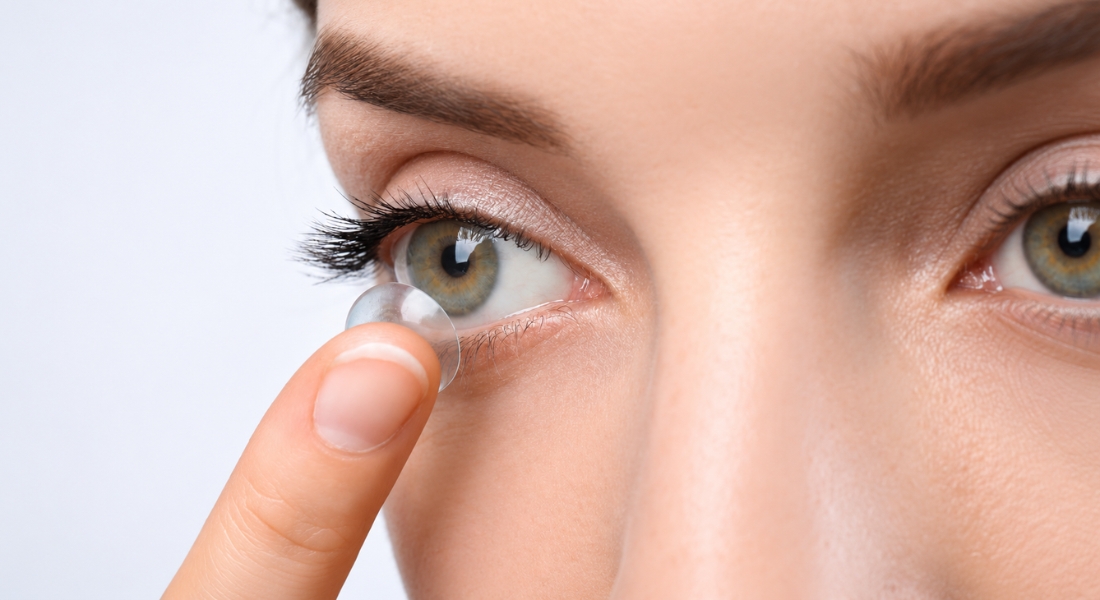
You may notice contact lenses becoming uncomfortable if antihistamines make your eyes drier. You may experience irritation, grittiness or fluctuating vision and feel the need to remove your lenses earlier than usual.
You should not force yourself to keep wearing uncomfortable lenses. You can switch to glasses to give your eyes a break, and if you develop a painful or very red eye while wearing lenses, you should remove them and seek eye-care advice.
Are You More Likely to Develop Dryness If You Already Have Dry Eye?
Yes, you may notice more dryness if you already have dry eye before taking antihistamines. You may also be more affected if you wear contact lenses, use screens for long periods or spend time in heated or air-conditioned rooms.
You may have other factors too, such as blepharitis, meibomian gland dysfunction or age-related changes. If your dryness becomes worse after starting an antihistamine, you should speak to an eye specialist to find out whether the medicine is adding to an existing problem.
Clinical Tip
If your contact lenses become increasingly uncomfortable after starting an antihistamine, switch temporarily to glasses rather than forcing continued wear. If you develop a painful red eye, significant light sensitivity or reduced vision while wearing contact lenses, remove the lenses and seek prompt eye-care assessment.
What Can You Do to Make Your Eyes More Comfortable?
You can take regular screen breaks and blink fully to help keep your eyes comfortable. You can also avoid dry air, smoke and strong wind, use a humidifier if needed and switch to glasses if contact lenses make your eyes uncomfortable.
You may find these steps helpful for mild dryness while you manage your allergies. If your eyes remain uncomfortable or your vision is affected, you should arrange an eye assessment rather than relying only on these measures.
Can Lubricating Eye Drops Help?
Yes, you can use lubricating eye drops to add moisture and improve comfort when your eyes feel dry. You may find standard drops enough for occasional dryness, while preservative-free drops can be useful if you need them frequently.
You may also find gels or ointments helpful for persistent dryness, especially at night, although they can temporarily blur your vision. If your symptoms continue, you should ask your pharmacist or eye specialist which type of drops is most suitable for you.
Should You Stop Taking Your Antihistamine?
You should not stop a prescribed antihistamine just because your eyes feel dry. You can speak to your doctor or pharmacist about your symptoms, as you may tolerate a different medicine or dose better.
You should also check whether other allergy, cough or cold medicines contain antihistamines. If you are taking more than one product, you can ask your pharmacist to check the ingredients and help you avoid unnecessary overlap.
UK Guidance Note
Sedating antihistamines can affect vision and driving ability. If you develop blurred vision, drowsiness or difficulty concentrating after taking an antihistamine, you should avoid driving or operating machinery until you know how the medicine affects you.
When Should You Have Your Eyes Assessed?
You should arrange an eye assessment if your dryness continues for several weeks despite simple measures. You can speak to an optometrist, GP or ophthalmologist, who can check whether your medicine or another problem is affecting your eyes.
You should take a list of your medicines, including allergy, cold and flu remedies, to your appointment. This can help your clinician understand what you are taking and whether any medicine could be contributing to your symptoms.
Which Symptoms Need More Urgent Medical Attention?

You should seek urgent help if you develop sudden or significant changes in your vision, especially with eye pain, redness or strong light sensitivity. If you wear contact lenses and your eye becomes painful and red, you should remove the lenses and seek prompt eye-care advice.
You should also seek urgent medical attention if you have severe eye pain, headache, blurred vision, halos around lights, nausea or vomiting. These symptoms can sometimes indicate a sudden rise in eye pressure and should not be assumed to be simple dry eye.
Myth vs Fact
| Myth | Fact |
| Antihistamines only cause drowsiness. | Some can also contribute to dryness and blurred vision. |
| Only older antihistamines affect the eyes. | Newer medicines may also be associated with ocular dryness. |
| Blurred vision always comes from dry eye. | Some antihistamines can affect focusing directly. |
| Watery eyes mean you cannot have dry eye. | Dryness can trigger reflex tearing. |
| You should stop your antihistamine yourself. | Medication changes should be discussed with a pharmacist or doctor. |
| Severe eye pain and halos are ordinary dryness. | These symptoms need urgent assessment. |
Key Takeaways
- Antihistamines can contribute to dry eyes and blurred vision.
- Older sedating antihistamines generally have stronger anticholinergic effects.
- Some newer antihistamines may also affect tear-film stability.
- Dry eye can cause fluctuating blur that temporarily improves after blinking.
- Do not stop or change prescribed medication without professional advice.
- Severe eye pain, halos, headache, nausea or sudden visual change require urgent assessment.
Frequently Asked Questions
- Can antihistamines cause dry eyes?
Yes. Some antihistamines can reduce normal secretions and may contribute to a less stable tear film, leaving your eyes feeling dry, gritty, sore or irritated. The effect varies depending on the medicine and your individual risk factors. - Can antihistamines cause blurred vision?
Yes, some antihistamines can cause blurred vision, particularly those with stronger anticholinergic effects. Blurring can also occur indirectly when dry eye makes your tear film unstable. - Are older antihistamines more likely to cause dry eyes?
Older, first-generation antihistamines generally have stronger anticholinergic effects, which can contribute to dryness and blurred vision. However, newer non-drowsy antihistamines can also affect your eyes in some circumstances. - Can newer antihistamines such as cetirizine or loratadine cause dry eyes?
They can. Although newer antihistamines generally have fewer anticholinergic effects, research has reported changes associated with ocular dryness with some second-generation medicines. Your existing eye health and other factors can influence how you respond. - Can allergies themselves cause dry or irritated eyes?
Yes. Allergic eye disease can cause itching, redness, irritation and watering, which can overlap with dry-eye symptoms. You may therefore experience symptoms from your allergy, your medication or both at the same time. - Can antihistamines make contact lenses uncomfortable?
Yes. If an antihistamine contributes to tear-film instability, your contact lenses may feel dry or irritating sooner than usual. If your lenses become uncomfortable, consider switching to glasses and seek advice if the problem continues. - Can lubricating eye drops help with antihistamine-related dry eyes?
Yes. Artificial tears can improve moisture and comfort when your eyes are dry, although the most suitable product depends on your symptoms and how often you need it. If you need drops frequently or symptoms persist, an eye-care professional can help you choose an appropriate option. - Should you stop taking your antihistamine if your eyes become dry?
You should not automatically stop a prescribed antihistamine because of mild dry-eye symptoms. Speak to your pharmacist or doctor, who can consider whether a different medicine, dose or allergy treatment may be more suitable for you. - When should you have your eyes assessed?
Consider arranging an eye assessment if your dryness persists for several weeks, becomes troublesome or starts affecting your vision or daily activities. An optometrist or ophthalmologist can assess your tear film, cornea, eyelids and meibomian glands and consider other possible causes. - Which eye symptoms need urgent medical attention?
Sudden or significant changes in vision, severe eye pain, marked redness or significant light sensitivity should not simply be blamed on antihistamines or dry eye. If blurred vision occurs with severe eye pain, headache, halos around lights, nausea or vomiting, seek urgent medical attention.
Final Thoughts: Can Antihistamines Cause Dry Eyes or Blurred Vision?
Antihistamines can contribute to dry eyes and, in some cases, blurred vision, particularly if you already have an underlying tear-film problem or use medicines with stronger anticholinergic effects. If you notice persistent dryness, grittiness, burning, fluctuating vision or increasing discomfort with contact lenses, you can discuss your symptoms and medication with a pharmacist, GP or eye-care professional rather than assuming you simply need to tolerate them.
If you would like to discuss your eye health concerns with an experienced specialist, you can contact our team at Eye Clinic London for further advice and support.
References:
- Guo, M. et al. (2024) ‘Association between systemic medication use and severity of dry eye signs and symptoms in the DRy Eye Assessment and Management (DREAM) Study’, The Ocular Surface, 32, pp. 112–119. Available at: https://www.sciencedirect.com/science/article/pii/S1542012424000181
- Ousler, G.W., Wilcox, K.A., Gupta, G. and Abelson, M.B. (2004) ‘An evaluation of the ocular drying effects of 2 systemic antihistamines: loratadine and cetirizine hydrochloride’, Annals of Allergy, Asthma & Immunology, 93(5), pp. 460-464. Available at: https://pubmed.ncbi.nlm.nih.gov/15562885
- Gomes, J.A.P. et al. (2023) ‘TFOS Lifestyle: Impact of elective medications and procedures on the ocular surface’, The Ocular Surface, 29, pp. 331-385. Available at: https://www.sciencedirect.com/science/article/abs/pii/S154201242300037X
- Yang, M.C. and Lin, K.Y. (2019) ‘Drug-induced acute angle-closure glaucoma: A review’, Journal of Current Glaucoma Practice, 13(3), pp. 104–109. Available at: https://pmc.ncbi.nlm.nih.gov/articles/PMC7221246
- Verster, J.C. and Volkerts, E.R. (2004) ‘Antihistamines and driving ability: evidence from on-the-road driving studies during normal traffic’, Annals of Allergy, Asthma & Immunology, 92(3), pp. 294-303. Available at: https://pubmed.ncbi.nlm.nih.gov/15049392