

The AREDS2 Study: How Did It Change Eye Vitamin Recommendations?

Age-related macular degeneration (AMD) is one of the leading causes of vision loss in older adults. If you have AMD or are at risk of developing it, understanding the latest evidence can help you make informed decisions about your eye health. Although modern treatments have transformed the management of some forms of AMD, slowing disease progression remains an important goal for you and your ophthalmologist.
The original Age-Related Eye Disease Study (AREDS) showed that a specific combination of antioxidant vitamins and minerals could reduce the risk of progression to advanced AMD in certain patients. Researchers wanted to determine whether modifying the original supplement formula could improve its effectiveness, safety or practicality. This led to the Age-Related Eye Disease Study 2 (AREDS2), which investigated whether changes to the formula could provide greater benefits for people like you who are living with AMD.
AREDS2 investigated whether adding lutein and zeaxanthin, omega-3 fatty acids, or both to the original AREDS formulation could provide additional protection against advanced AMD. The study also examined whether removing beta-carotene and reducing the zinc dose could improve the formulation’s safety and practicality.
Understanding the results of AREDS2 can help you appreciate why professional advice remains important. Your ophthalmologist can assess the stage of your AMD, discuss whether an AREDS2 supplement is suitable for you, and recommend the most appropriate management plan to help protect your long-term vision.
What Was the AREDS2 Study?
The Age-Related Eye Disease Study 2 (AREDS2) was a large, multicentre clinical trial that built upon the findings of the original AREDS study. If you have age-related macular degeneration (AMD), the results of AREDS2 continue to influence the nutritional recommendations your ophthalmologist may discuss with you today.
Researchers wanted to determine whether modifying the original AREDS supplement formula could provide better protection against progression to advanced AMD while reducing potential health risks. More than 4,000 participants at increased risk of progression to late AMD took part in the study, allowing researchers to evaluate whether the updated formulation could offer greater benefits for people like you who are at risk of vision loss.
AREDS2 became another landmark in retinal medicine by refining the original supplement formula and providing stronger evidence for personalised nutritional care. If you are considering an eye vitamin supplement, your ophthalmologist can advise whether the AREDS2 formulation is appropriate for you based on the stage of your AMD, your medical history, and your individual risk factors.
Why Was AREDS2 Needed?
Although the original AREDS formula was highly successful in reducing the risk of progression to advanced age-related macular degeneration (AMD), researchers identified several areas where it could potentially be improved. If you are considering an eye vitamin supplement, understanding these changes can help you appreciate why the AREDS2 formulation is now more widely recommended.
One of the most important concerns involved beta-carotene, which had been linked to an increased risk of lung cancer in people who currently smoke or had smoked in the past. Researchers wanted to determine whether replacing beta-carotene with safer nutrients could provide comparable protection while avoiding the beta-carotene safety concern without increasing this risk. This was particularly important for ensuring that more people with AMD could safely use the supplement.
These concerns led to the development of the AREDS2 clinical trial. If you have AMD, the findings from AREDS2 may directly influence the supplement recommended by your ophthalmologist. Today, the updated AREDS2 formulation provides an evidence-based option that is considered safer for many patients while continuing to help reduce the risk of progression to advanced AMD in suitable individuals.
Study Design
The Age-Related Eye Disease Study 2 (AREDS2) was a large, randomised controlled clinical trial involving participants with intermediate age-related macular degeneration (AMD) or advanced AMD in one eye. If you have AMD, the findings from this study continue to guide the supplement recommendations your ophthalmologist may make today.
Researchers compared several different supplement combinations over a number of years to determine whether changes to the original AREDS formula could improve protection against advanced AMD. Throughout the study, participants underwent regular eye examinations, allowing researchers to monitor disease progression carefully and assess how the different formulations affected people like you who were at increased risk of vision loss.
The large number of participants and the rigorous study design made the findings highly reliable. As a result, if you are considering an eye vitamin supplement, your ophthalmologist can use the evidence from AREDS2 to help determine whether the updated formulation is suitable for you and your individual stage of AMD.
What Did AREDS2 Test and What Did It Find?
| AREDS2 Question | What Was Tested | Main Finding |
| Do lutein and zeaxanthin provide additional protection? | Lutein 10 mg and zeaxanthin 2 mg were added to the AREDS supplement strategy | The primary analysis did not show an additional overall reduction in progression to advanced AMD, although secondary analyses supported their use in place of beta-carotene |
| Do omega-3 fatty acids provide additional protection? | DHA and EPA were added to the supplement strategy | No additional overall reduction in progression to advanced AMD was demonstrated |
| Can beta-carotene be removed? | Formulations with and without beta-carotene were compared | Removing beta-carotene did not remove the established protective effect of the AREDS supplement strategy, while avoiding an important safety concern |
| Can lutein and zeaxanthin replace beta-carotene? | Lutein and zeaxanthin were assessed as alternative carotenoids | The evidence supported lutein and zeaxanthin as the preferred replacement for beta-carotene |
| Can the zinc dose be reduced? | Higher-dose and lower-dose zinc formulations were compared | The investigators did not find a significant difference in effectiveness between the zinc doses studied |
AREDS2 therefore refined the existing nutritional strategy rather than simply showing that adding more nutrients produced greater protection. Its most important contribution was helping establish a safer modern formulation based on lutein and zeaxanthin rather than beta-carotene.
Who Took Part?
The Age-Related Eye Disease Study 2 (AREDS2) included thousands of adults who were at moderate or high risk of progressing to advanced age-related macular degeneration (AMD). If you have intermediate AMD or advanced AMD in one eye, you may have a similar level of risk to many of the people who participated in this landmark clinical trial.
Throughout the study, participants received detailed retinal assessments and regular eye examinations to monitor changes in their vision and retinal health. Researchers carefully tracked disease progression over several years, allowing them to evaluate how the different supplement formulations affected people like you who were at increased risk of vision loss.
The study’s long-term follow-up provided valuable clinical evidence that continues to guide AMD management today. If you are considering an AREDS2 supplement, your ophthalmologist can use the findings from this research to determine whether the updated formulation is appropriate for you and recommend the most suitable long-term care plan for your individual needs.
Replacing Beta-Carotene
One of the most important changes investigated in the Age-Related Eye Disease Study 2 (AREDS2) was replacing beta-carotene with lutein and zeaxanthin. If you are considering an AREDS2 supplement, this change is one of the main reasons why the updated formulation is now widely recommended.
Lutein and zeaxanthin are naturally occurring carotenoids that are concentrated in the macula, the central part of your retina responsible for detailed vision. These carotenoids contribute to macular pigment and can filter short-wavelength visible light while also having antioxidant properties. Researchers believed they could provide similar or even greater benefits than beta-carotene while avoiding the increased lung cancer risk associated with beta-carotene in current and former smokers.
The AREDS2 findings helped refine supplement recommendations and has become the standard recommendation for suitable patients with age-related macular degeneration (AMD). If you have intermediate AMD or advanced AMD in one eye, your ophthalmologist can advise whether the AREDS2 formulation is appropriate for you based on your individual eye health, medical history, and risk factors.
The Role of Lutein and Zeaxanthin

Lutein and zeaxanthin are naturally occurring pigments found in leafy green vegetables, such as spinach and kale, as well as other nutritious foods. If you have age-related macular degeneration (AMD), these nutrients are particularly important because they are concentrated in the macula, the part of your retina responsible for sharp central vision.
Within your eye, lutein and zeaxanthin help filter harmful blue light and reduce oxidative stress that can damage retinal cells over time. Researchers included these carotenoids in the AREDS2 formula because they believed they could provide the protective benefits of beta-carotene while offering a safer alternative for people who currently smoke or have smoked in the past.
Their inclusion improved the overall safety profile of the AREDS2 supplement and helped establish the updated formulation as the preferred choice for many patients with AMD. If you are considering an eye vitamin, your ophthalmologist can advise whether an AREDS2-based supplement containing lutein and zeaxanthin is suitable for you and your individual stage of the condition.
Key Findings of AREDS2
The Age-Related Eye Disease Study 2 (AREDS2) demonstrated that replacing beta-carotene with lutein and zeaxanthin maintained the protective benefits of the original AREDS supplement formula. If you have intermediate age-related macular degeneration (AMD) or advanced AMD in one eye, this means you can receive the proven benefits of nutritional supplementation through the updated formulation.
One of the study’s most important findings was that the revised formula reduced concerns about the increased risk of lung cancer associated with beta-carotene in current and former smokers. By replacing beta-carotene with lutein and zeaxanthin, researchers improved the safety profile of the supplement while continuing to provide protection against progression to advanced AMD.
Today, the AREDS2 formulation is widely recommended for suitable patients with AMD. If you are considering an eye vitamin supplement, your ophthalmologist can advise whether the AREDS2 formula is appropriate for you based on the stage of your condition, your medical history, and your individual risk factors.
Evidence Note: What Did AREDS2 Actually Find?
AREDS2 enrolled 4,203 participants who were at increased risk of progressing to late age-related macular degeneration.
In the primary analysis, adding lutein and zeaxanthin, omega-3 fatty acids, or both to the original AREDS supplement did not provide a statistically significant additional overall reduction in progression to advanced AMD.
However, secondary analyses provided important evidence supporting lutein and zeaxanthin as an alternative to beta-carotene. This was particularly significant because of concerns about lung cancer risk associated with beta-carotene supplementation in people with a history of smoking.
For you as a patient, this means that AREDS2 did not simply discover a more powerful vitamin formula. Instead, it refined the evidence, improved understanding of supplement safety and helped establish lutein and zeaxanthin as the preferred carotenoid components of modern AREDS2-style formulations.
Safety Improvements
One of the important contribution of the Age-Related Eye Disease Study 2 (AREDS2) was improving the safety of the supplement formula without reducing its effectiveness. If you have age-related macular degeneration (AMD), this means you may be able to benefit from nutritional supplementation with greater confidence, particularly if you have a history of smoking.
By removing beta-carotene from the original formulation and replacing it with lutein and zeaxanthin, researchers made the supplement more suitable for current and former smokers. This important change reduced concerns about the increased risk of lung cancer that had been associated with beta-carotene, allowing more patients to use the updated formula safely.
Today, the improved safety profile is one of the main reasons the AREDS2 formulation is widely recommended. If you are considering an AREDS2 supplement, your ophthalmologist can determine whether it is appropriate for you and explain how it fits into your overall management plan for protecting your long-term vision.
Long-Term Evidence Note
Researchers continued to follow AREDS2 participants after the original trial ended.
In the 10-year analysis, beta-carotene remained associated with an increased risk of lung cancer, particularly among former smokers. Lutein and zeaxanthin were not associated with the same increased lung cancer risk.
The long-term analysis also found a favourable association between lutein and zeaxanthin and progression to late AMD. In a direct comparison with beta-carotene, lutein and zeaxanthin were associated with a lower risk of progression.
For patients, this strengthens the case for using an AREDS2-style formulation containing lutein and zeaxanthin rather than the older beta-carotene formulation, particularly when there is a current or previous history of smoking.
Important Safety Note
The older AREDS formulation contained beta-carotene. People who currently smoke or have smoked in the past should check the supplement ingredients carefully because beta-carotene supplementation has been associated with increased lung cancer risk.
Modern AREDS2-style formulations use lutein and zeaxanthin instead of beta-carotene. Because supplement products can differ in their actual ingredients and doses, check the label and discuss suitability with your ophthalmologist or another appropriate healthcare professional.
High-dose supplements can also interact with medicines or be inappropriate in some circumstances, so you should provide your clinician with a complete list of medicines and supplements you already take.
Did AREDS2 Improve Effectiveness?
The Age-Related Eye Disease Study 2 (AREDS2) found that the updated supplement formula was at least as effective as the original AREDS formulation in reducing the risk of progression to advanced age-related macular degeneration (AMD). If you have intermediate AMD or advanced AMD in one eye, this means you can receive comparable protective benefits while using a formulation with an improved safety profile.
Researchers also found that some participants with relatively low dietary intake of lutein and zeaxanthin appeared to gain additional benefit from the updated formula. If your diet contains limited amounts of these nutrients, your ophthalmologist may consider this when discussing whether an AREDS2 supplement is suitable for you.
Overall, the revised AREDS2 formulation became the preferred option because it maintained the effectiveness of the original supplement while improving safety for a wider range of patients. As a result, clinical recommendations changed, and if you are advised to take an eye vitamin for AMD today, your ophthalmologist will usually recommend an AREDS2-based formulation rather than the original AREDS supplement.
Did AREDS2 Make the Formula More Effective?
The answer is more nuanced than a simple yes or no.
The primary AREDS2 analysis did not show that adding lutein and zeaxanthin or omega-3 fatty acids to the original AREDS formula produced an additional overall reduction in progression to advanced AMD.
However, secondary analyses suggested potential advantages from lutein and zeaxanthin. Exploratory analyses found a modest reduction in progression to late AMD with lutein/zeaxanthin compared with no lutein/zeaxanthin, and direct comparison with beta-carotene also favoured lutein and zeaxanthin.
Longer-term follow-up strengthened this interpretation, supporting lutein and zeaxanthin as a safer and potentially more beneficial replacement for beta-carotene rather than simply an additional ingredient that made the original formula dramatically stronger.
Who Should Take AREDS2 Supplements?
AREDS2 supplements are generally recommended for people with intermediate age-related macular degeneration (AMD) or advanced AMD affecting one eye. If you fall into one of these groups, your ophthalmologist may recommend an AREDS2 supplement to help reduce the risk of progression to advanced disease.
These supplements are not intended for people with no signs of macular degeneration or those with very early AMD, as research has not shown a meaningful benefit in these groups. If you are unsure about the stage of your condition, it is important not to start supplementation based on assumptions alone.
A comprehensive eye examination allows your ophthalmologist to assess your retinal health, determine the stage of your AMD, and decide whether AREDS2 supplementation is appropriate for you. Because every patient is different, your medical history, lifestyle, and individual risk factors should all be considered before recommending the most suitable long-term management plan.
UK Clinical Practice Note
In UK practice, nutritional supplements are considered alongside AMD stage, retinal findings and the patient’s overall risk of progression.
The Royal College of Ophthalmologists’ 2024 AMD evidence base recommends a healthy diet rich in fresh fruit, vegetables, eggs and oily fish. It also notes that licensed multivitamin formulations containing the AREDS2 formulation are not available on NHS prescription and that patients may choose to obtain suitable supplements over the counter.
The same UK guidance distinguishes between the original AREDS evidence and AREDS2: the original formulation reduced the five-year risk of late AMD by about 25% in selected at-risk individuals, while AREDS2 supported using lutein and zeaxanthin rather than beta-carotene, particularly in former smokers.
For you, the practical message is that an AREDS2 supplement should be chosen because your retinal findings indicate likely benefit, not simply because a product is advertised for general eye health.
Who May Not Benefit?
The AREDS2 formula is not designed to prevent age-related macular degeneration (AMD) from developing in healthy individuals. If you do not have AMD or only have very early signs of the condition, current evidence does not show that these supplements will prevent the disease from occurring.
People without significant retinal changes are unlikely to benefit from taking AREDS2 supplements. If you have not been diagnosed with intermediate AMD or advanced AMD in one eye, your ophthalmologist is unlikely to recommend this high-dose vitamin formulation. Instead, maintaining a healthy lifestyle and attending regular eye examinations are generally more appropriate ways to support your long-term eye health.
Because AREDS2 contains high doses of certain vitamins and minerals, it should only be taken when clinically appropriate. If you are considering an eye supplement, your ophthalmologist can assess your retinal health, determine whether you are likely to benefit, and advise whether the AREDS2 formulation is suitable for you.
Understanding Oxidative Stress
Oxidative stress continues to be recognised as an important contributor to retinal ageing and the progression of age-related macular degeneration (AMD). If you have AMD, understanding this process can help you appreciate why certain nutrients are included in the AREDS2 formula.
Oxidative stress occurs when harmful free radicals damage retinal cells more quickly than your body can repair them. Over time, this damage may contribute to the deterioration of the macula and affect your central vision. Antioxidants help neutralise these free radicals, and the AREDS2 study supports the role of targeted nutrition in helping to protect your retinal health in suitable patients.
Research into oxidative stress remains ongoing, and scientists continue to explore new ways to protect the retina from long-term damage. If you have intermediate AMD or advanced AMD in one eye, your ophthalmologist can advise whether the AREDS2 formulation is appropriate for you and explain how it fits into your overall management plan. Alongside nutritional support, regular eye examinations can help you monitor your condition and protect your vision over time.
Modern Retinal Imaging
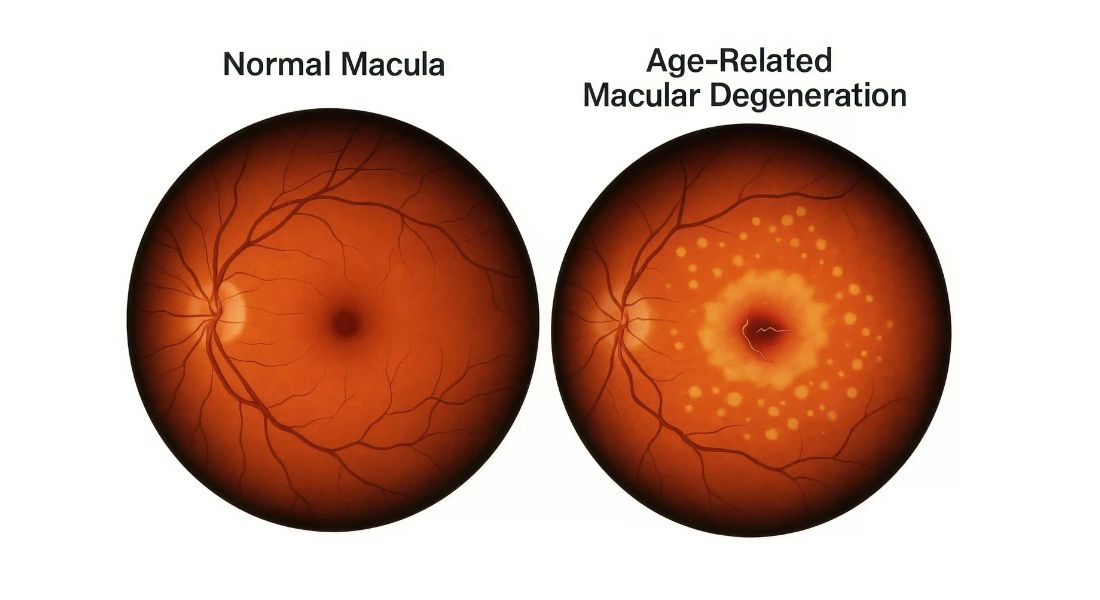
Modern retinal imaging has transformed how age-related macular degeneration is diagnosed and monitored. Technologies such as optical coherence tomography allow your ophthalmologist to detect subtle retinal changes earlier and assess disease progression more accurately.
- Detailed Retinal Images: OCT produces cross-sectional images that show the different layers of the retina in detail.
- Earlier Detection of Changes: Modern imaging can reveal subtle structural changes before major vision problems develop.
- Improved AMD Monitoring: Regular scans help your ophthalmologist compare changes over time and identify signs of progression.
- More Personalised Management: Imaging findings help guide monitoring, treatment timing, and long-term care decisions.
Overall, modern retinal imaging allows AMD to be assessed with greater detail and precision. When combined with regular eye examinations and appropriate treatment or supplement advice, these technologies support more informed decisions. This can help protect your long-term vision through earlier detection and personalised care.
Nutrition Beyond Supplements
Although the Age-Related Eye Disease Study 2 (AREDS2) supports nutritional supplementation for selected patients with age-related macular degeneration (AMD), a healthy diet remains an essential part of protecting your eye health. If you have AMD, supplements are intended to complement good nutrition rather than replace it.
Eating a balanced diet that includes leafy green vegetables, colourful fruits, oily fish, nuts, and other nutrient-rich foods provides vitamins, minerals, and healthy fats that support your retina and overall eye health. These foods naturally contain important nutrients, including lutein and zeaxanthin, which are concentrated in the macula and help protect your eyes from oxidative damage.
Healthy eating, together with regular eye examinations and any recommended AREDS2 supplementation, can form an important part of your long-term AMD management plan. Your ophthalmologist can advise you on whether you are likely to benefit from AREDS2 supplements and how healthy lifestyle choices can work alongside your treatment to help protect your vision.
Importance of Regular Eye Examinations
Age-related macular degeneration (AMD) often develops gradually, and you may not notice any changes to your vision during its earliest stages. If you wait until symptoms become obvious, some retinal damage may already have occurred, making regular eye examinations an important part of protecting your long-term vision.
Routine eye examinations allow your ophthalmologist or optometrist to detect subtle retinal changes before significant vision loss develops. By identifying AMD at an early stage, you can receive appropriate monitoring, discuss whether AREDS2 supplementation is suitable for you, and begin treatment promptly if your condition progresses.
Regular follow-up appointments remain essential throughout the course of AMD. Your eye care professional can monitor your retinal health over time, identify any signs of progression, and recommend the most appropriate management plan to help you preserve your vision and maintain your quality of life.
Combining Nutrition with Modern Treatments
For patients with wet age-related macular degeneration (AMD), nutritional supplements are only one part of a comprehensive management plan. If you have wet AMD, your ophthalmologist may recommend AREDS2 supplements where appropriate, but these do not replace the treatments used to manage active disease.
Anti-VEGF injections are the standard treatment for wet AMD and help reduce abnormal blood vessel growth and leakage that can damage your central vision. Alongside these injections, regular eye examinations, retinal imaging, and healthy lifestyle measures all play an important role in monitoring your condition and helping to preserve your eyesight.
Modern treatment plans combine multiple evidence-based approaches to provide the best possible care. By integrating nutritional support, appropriate medical treatment, ongoing monitoring, and healthy lifestyle choices, your ophthalmologist can develop a personalised management plan that is tailored to your individual needs and gives you the best opportunity to protect your long-term vision.
Lasting Influence on Clinical Practice
The Age-Related Eye Disease Study 2 (AREDS2) has had a lasting influence on ophthalmology guidelines around the world. If you are diagnosed with age-related macular degeneration (AMD), the nutritional advice you receive today is likely to be based on the findings of this landmark clinical trial.
One important objective of AREDS2 was to investigate whether the original AREDS formulation could be made safer by removing beta-carotene. Beta-carotene supplementation had previously been associated with an increased risk of lung cancer in smokers. During AREDS2, current smokers were not assigned to the beta-carotene-containing arm of the secondary randomisation.
AREDS2 also examined lutein and zeaxanthin, two carotenoids naturally concentrated in the macula. Although adding them to the original formulation did not produce an additional overall benefit in the primary analysis, later analyses supported their use in place of beta-carotene. This helped shape the modern AREDS2-style formulation used for appropriate patients today.
Ongoing AMD Research
Scientists continue to investigate new ways to prevent vision loss and improve treatment for age-related macular degeneration (AMD). If you have AMD, ongoing research offers hope that future therapies may provide even greater protection for your vision than the treatments currently available.
Researchers are exploring additional nutritional compounds alongside innovative approaches such as genetic therapies, stem cell treatments, regenerative medicine, and new medicines for AMD. These advances are expanding our understanding of retinal disease and identifying new opportunities to slow disease progression, protect retinal cells, and improve long-term visual outcomes.
Innovation continues well beyond the findings of the Age-Related Eye Disease Study 2 (AREDS2). As new evidence becomes available, your ophthalmologist will be able to use the latest research to recommend the most appropriate management plan for you. Combined with regular monitoring and personalised care, these developments make the future of AMD treatment increasingly promising.
What Patients Can Learn from AREDS2
The Age-Related Eye Disease Study 2 (AREDS2) demonstrated that carefully designed nutritional supplements can help reduce the risk of progression to advanced age-related macular degeneration (AMD) in selected patients. If you have intermediate AMD or advanced AMD in one eye, your ophthalmologist may recommend an AREDS2-based supplement as part of your long-term management plan.
However, nutritional supplements are only one aspect of effective AMD care. To help protect your vision, you should also attend regular eye examinations, follow your recommended monitoring schedule, maintain a healthy lifestyle, and seek prompt assessment if you notice any changes in your vision. These measures work together to support your long-term eye health.
Professional guidance is essential because AREDS2 supplements are not suitable for everyone. Your ophthalmologist can assess the stage of your AMD, determine whether supplementation is appropriate for you, and develop a personalised treatment plan that gives you the best opportunity to preserve your vision over time.
Seeking Specialist Eye Care
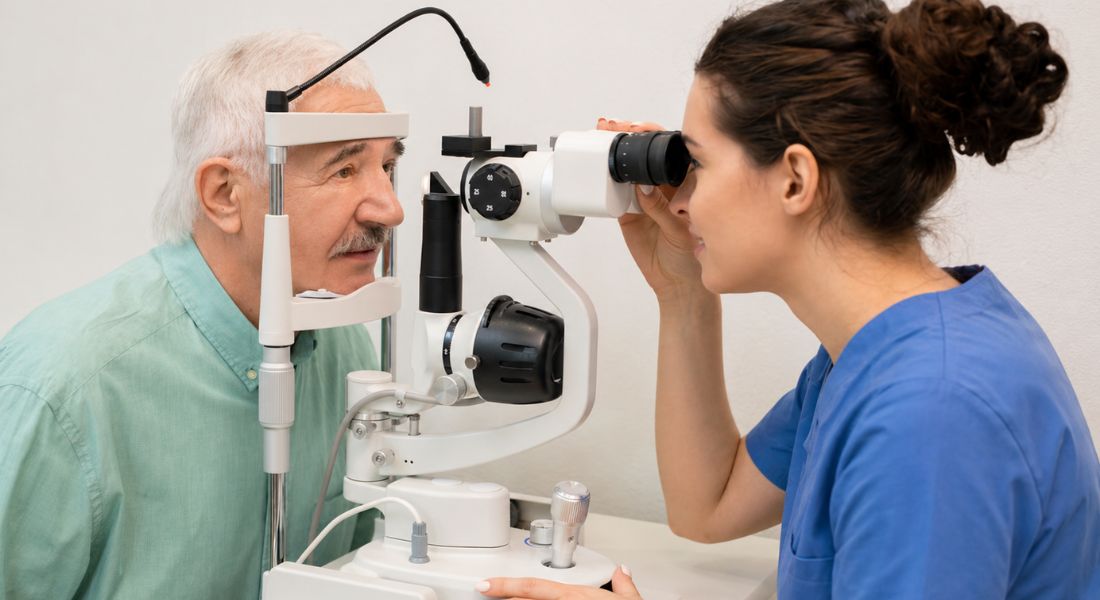
If you have been diagnosed with age-related macular degeneration (AMD) or are concerned about changes in your central vision, seeking specialist eye care is essential. If you notice symptoms such as blurred central vision, difficulty reading, or distortion of straight lines, you should arrange an eye examination promptly so that your condition can be assessed without unnecessary delay.
Early diagnosis gives you the best opportunity to protect your vision. During your assessment, your ophthalmologist can perform a comprehensive eye examination and retinal imaging to determine the stage of your AMD, monitor any progression, and identify whether additional treatment is required. This information also helps determine whether AREDS2 supplementation is appropriate for your individual condition.
By attending regular follow-up appointments and following the advice of your ophthalmologist, you can take an active role in protecting your long-term eye health. Your personalised management plan may include ongoing monitoring, healthy lifestyle recommendations, AREDS2 supplements where appropriate, and other evidence-based treatments to help preserve your vision.
Myth vs Fact
| Myth | Fact |
| AREDS2 proved that adding more nutrients always gives better protection. | The primary analysis found no additional overall benefit from adding lutein/zeaxanthin or omega-3 fatty acids to the original AREDS formulation. |
| AREDS2 supplements prevent AMD from developing. | They are intended for selected people with established AMD at stages where evidence supports benefit. |
| Omega-3 supplements were proven to reduce AMD progression in AREDS2. | AREDS2 did not demonstrate additional overall benefit from DHA and EPA supplementation. |
| Beta-carotene and lutein are interchangeable for everyone. | Lutein and zeaxanthin are preferred because of the beta-carotene lung cancer safety concern. |
| Every supplement labelled for “eye health” is an AREDS2 formula. | Products can contain different ingredients and doses. |
| AREDS2 supplements can replace anti-VEGF treatment for wet AMD. | Supplements do not treat active neovascular AMD and do not replace indicated medical treatment. |
| More zinc must provide more protection. | AREDS2 examined lower and higher zinc doses, but the evidence does not support assuming that simply taking more zinc provides more benefit. |
Key Takeaways:
- AREDS2 enrolled 4,203 participants aged 50 to 85 years across 82 clinical sites.
- The trial primarily tested whether adding lutein/zeaxanthin, omega-3 fatty acids, or both improved the original AREDS supplement strategy.
- The primary analysis did not show an additional overall reduction in progression to advanced AMD from those additions.
- AREDS2 also investigated removal of beta-carotene and lower-dose zinc through secondary randomisation.
- Secondary analyses supported lutein and zeaxanthin as an appropriate replacement for beta-carotene.
- Ten-year follow-up strengthened the safety case for lutein and zeaxanthin and confirmed continuing concerns about beta-carotene-associated lung cancer risk.
- Omega-3 supplementation did not show additional protection against AMD progression in AREDS2.
- AREDS2 supplements are intended for selected people with established AMD, not everyone who wants to support general eye health.
- UK guidance recommends healthy dietary habits alongside appropriate clinical assessment and notes that AREDS2 formulations are generally obtained over the counter rather than prescribed on the NHS.
- Supplements should complement, not replace, retinal monitoring and evidence-based treatment for active AMD.
FAQs:
- What was the AREDS2 study?
The Age-Related Eye Disease Study 2 (AREDS2) was a large clinical trial that built on the findings of the original AREDS study. Researchers investigated whether changes to the original eye vitamin formula could improve its safety and effectiveness. The results helped shape the nutritional recommendations used for AMD today. - Why was the AREDS2 study carried out?
AREDS2 was conducted to improve the original supplement formula, particularly because beta-carotene had been linked to an increased risk of lung cancer in current and former smokers. Researchers wanted to find a safer alternative without reducing the supplement’s protective benefits. This led to the development of the updated AREDS2 formula. - What changed in the AREDS2 formula?
The most important change was replacing beta-carotene with lutein and zeaxanthin. These natural carotenoids help protect the retina from oxidative damage and filter harmful blue light. The updated formula maintained the benefits of the original while improving safety for many patients. - Who should take AREDS2 supplements?
AREDS2 supplements are generally recommended for people with intermediate age-related macular degeneration or advanced AMD in one eye. They are not intended for people with healthy eyes or very early AMD. An eye examination is essential to determine whether the supplements are appropriate for you. - Are AREDS2 supplements better than the original AREDS formula?
The AREDS2 formula is considered the preferred option because it offers similar protection against AMD progression while improving safety. Replacing beta-carotene reduced concerns for current and former smokers. As a result, most modern eye vitamin supplements follow the AREDS2 formulation. - Can AREDS2 supplements cure macular degeneration?
No, AREDS2 supplements cannot cure AMD or restore vision that has already been lost. Their purpose is to help reduce the risk of progression to advanced disease in suitable patients. They should be used alongside regular eye care and healthy lifestyle habits. - Why are lutein and zeaxanthin important for eye health?
Lutein and zeaxanthin are antioxidants that naturally accumulate in the macula, where they help protect retinal cells. They filter harmful blue light and reduce oxidative stress that may contribute to AMD progression. These nutrients are also found in leafy green vegetables and other healthy foods. - Is a healthy diet still important if I take AREDS2 supplements?
Yes, AREDS2 supplements are designed to complement, not replace, a healthy diet. Eating foods rich in leafy greens, colourful fruit, oily fish, and nuts provides additional nutrients that support overall eye health. Healthy lifestyle choices remain an important part of AMD management. - How has AMD care improved since the AREDS2 study?
Since AREDS2, advances such as optical coherence tomography (OCT) imaging and anti-VEGF injections have significantly improved AMD diagnosis and treatment. Researchers are also exploring gene therapy, stem cell treatments, and new medications. These developments continue to expand treatment options for patients. - What is the lasting impact of the AREDS2 study?
AREDS2 remains one of the most influential studies in retinal medicine and has changed eye vitamin recommendations worldwide. It established a safer supplement formula that continues to be recommended for eligible patients with AMD. Its findings still play an important role in evidence-based macular degeneration care.
Final Thoughts: The Lasting Importance of AREDS2
The Age-Related Eye Disease Study 2 refined the understanding of nutritional supplementation for people at increased risk of progression to late age-related macular degeneration. The trial did not show that simply adding more nutrients to the original AREDS formulation produced greater overall protection. Instead, its findings and long-term follow-up strengthened the evidence for using lutein and zeaxanthin rather than beta-carotene, while confirming that omega-3 supplementation did not provide additional protection against AMD progression.
AREDS2 supplements cannot cure AMD or restore vision that has already been lost. Their role is to help reduce progression risk in suitable patients as part of a broader management plan that includes retinal monitoring, healthy lifestyle choices and evidence-based treatment when needed. If you have any concerns about your eyesight, you can contact us the team at Eye Clinic London can provide a comprehensive assessment.
References:
- Parmar, U.P.S., Surico, P.L., Mori, T., Singh, R.B., Cutrupi, F., Premkishore, P., Gallo Afflitto, G., Di Zazzo, A., Coassin, M. and Romano, F. (2025) ‘Antioxidants in age-related macular degeneration: lights and shadows’, Antioxidants, 14(2), p. 152. Available at: https://www.mdpi.com/2076-3921/14/2/152
- Chew, E.Y. et al. (2012) ‘The Age-Related Eye Disease Study 2 (AREDS2): Study Design and Baseline Characteristics’, Ophthalmology, 119(11), pp. 2282–2289. Available at: https://pmc.ncbi.nlm.nih.gov/articles/PMC3485447/
- Age-Related Eye Disease Study 2 (AREDS2) Research Group (2014) ‘Secondary analyses of the effects of lutein/zeaxanthin on age-related macular degeneration progression: AREDS2 Report No. 3’, JAMA Ophthalmology, 132(2), pp. 142–149. Available at: https://pubmed.ncbi.nlm.nih.gov/24310343/
- Gorusupudi, A., Nelson, K. and Bernstein, P.S. (2017) ‘The Age-Related Eye Disease 2 Study: micronutrients in the treatment of macular degeneration’, Advances in Nutrition, 8(1), pp. 40–53. Available at: https://www.sciencedirect.com/science/article/pii/S2161831323002211
- Pinazo-Durán, M.D. et al. (2014) ‘Do Nutritional Supplements Have a Role in Age Macular Degeneration Prevention?’, Journal of Ophthalmology, 2014, 901686. Available at: https://pubmed.ncbi.nlm.nih.gov/24672708/