


Can You Have Laser Eye Surgery If You Take Acne Medications? (Other Than Roaccutane)

You’ll often assume that if you’re not taking Isotretinoin, then laser eye surgery is automatically safe. In practice, that assumption leads to avoidable complications. The issue isn’t just one drug; it’s how your acne treatment interacts with the ocular surface and tear film stability.
Many acne medications quietly disrupt how your eyes produce and maintain tears. You might not notice it in daily life, because your visual system compensates well under normal conditions. But once you introduce surgical stress, even mild instability becomes clinically significant. This is exactly where candidacy decisions start to shift.
The biggest mistake is focusing only on visible skin outcomes. When we assess you for surgery, we’re far less interested in acne control and far more focused on corneal healing dynamics and tear film quality. That’s the layer where complications either begin or are avoided entirely.
The Hidden Link Between Acne Medication and Dry Eye
You may already know that acne medications can dry your skin, but what you might not realise is that they can affect your eyes in a similar way. These treatments can disrupt your natural tear production, making it less stable than it should be. At the same time, the lipid layer of your tear film may weaken, which plays a key role in preventing moisture loss. As a result, tears evaporate more quickly, leaving your eyes feeling dry, irritated, and uncomfortable.
Even mild dryness can have a noticeable impact if you’re considering procedures like LASIK or PRK. Your eyes depend on a healthy, well-lubricated surface to heal properly after surgery. When that surface is compromised, recovery may take longer and outcomes can become less predictable. This is why your eye specialist will carefully screen for dryness before approving you for treatment.
You don’t need to experience severe symptoms for this to be important. In many cases, dryness exists at a subclinical level, meaning you may not even be aware of it. However, it can still influence surgical planning and decision-making. By identifying and managing dryness early, you can improve both your comfort and your chances of a smoother recovery.
Which Acne Medications Actually Matter

You don’t need to stop every acne treatment, but you do need to know which ones could affect your results. Some medications have a more noticeable impact on your eyes, especially those that work throughout your body or change your natural oil balance. Basic skincare is usually less of a concern, but certain active treatments deserve a closer look. When you understand the difference, you and your specialist can plan things far more effectively.
- Oral antibiotics can affect tear stability: Medications like doxycycline and lymecycline are commonly used for acne, but over time they can influence how stable your tear film is. You might not notice obvious dryness, but subtle changes can still affect healing and visual consistency after surgery.
- Hormonal treatments influence oil production: If you’re taking something like spironolactone, it can reduce oil production across your body including the glands that support your tear film. This can make your eyes more prone to dryness, even if your skin improvements feel like a positive trade-off.
- Topical retinoids can contribute to surface dryness: Treatments such as tretinoin are applied to the skin, but with regular use, they can still lead to increased dryness around the eyes. This can subtly affect the ocular surface, particularly if you’ve been using them for a longer period.
- Combination therapies can have a cumulative effect: If you’re using more than one treatment at the same time, their effects can build up. Even if each one seems mild on its own, together they can influence both your skin and the moisture balance of your eyes.
Each of these treatments works differently, but they share one important link they can all influence how your tear film behaves. Even small changes in tear quality can affect how your eyes respond to procedures like LASIK or PRK. That’s why it’s so important to be open about everything you’re using, even if it seems minor. With the right guidance and a few adjustments, you can still move forward safely while protecting both your comfort and your long-term vision.
Why Roaccutane Gets All the Attention and Others Don’t
Isotretinoin tends to get most of the attention because its effects are both strong and predictable. It significantly reduces sebaceous gland activity, including the glands that help maintain a stable tear film. This can lead to noticeable dryness, which directly affects the surface of your eyes. Because of this, it’s considered a clear contraindication during treatment and for a period afterwards.
Other acne medications don’t usually have effects as obvious, but that doesn’t mean they’re irrelevant. Their impact on your eyes is often more subtle, which makes them easier to overlook. You might not notice any immediate discomfort, yet small changes in tear quality can still be happening in the background. That’s often where unexpected issues can begin.
You shouldn’t treat “not Roaccutane” as a green light to move forward without concern. Instead, you should see it as a starting point for a more thorough evaluation. By taking a closer look at what you’re using, your specialist can make better-informed decisions about your suitability for treatment. This approach helps you avoid complications and ensures a smoother, more predictable outcome.
How Acne Medications Affect the Ocular Surface
Your ocular surface relies on a careful balance between aqueous tears, lipid layers, and mucin components to stay healthy. Acne medications can interfere with this balance in several ways, even if you don’t notice it straight away. They may reduce oil production, alter tear consistency, or affect how evenly tears spread across your eyes. The result is a less stable tear film and increased surface friction, which can make your eyes more vulnerable to irritation.
This becomes especially important when you’re considering laser procedures like LASIK or PRK. The treatment itself temporarily disrupts corneal nerves, which naturally reduces tear production during the healing phase. If your tear film is already compromised before surgery, your eyes have less capacity to cope with that stress. That’s when recovery can become slower, less comfortable, and harder to predict.
From a clinical point of view, the question isn’t just whether your eyes feel dry on a day-to-day basis. What really matters is how resilient your tear film is when it’s placed under stress. Even if your symptoms are minimal, reduced stability can still affect healing and outcomes. By assessing this properly in advance, you can make more informed decisions and improve your chances of a smoother recovery.
The Role of Meibomian Glands
Your meibomian glands are essential for keeping your eyes comfortable, as they produce the oily layer that prevents your tears from evaporating too quickly. When everything is working as it should, this layer helps maintain a smooth, stable tear film across your eyes. However, certain acne treatments especially those that reduce oil production can interfere with how these glands function. When oil output drops, your tears evaporate faster, leaving the surface of your eyes more exposed and vulnerable.
- They control tear evaporation: Your meibomian glands produce the oil layer that sits on top of your tears. This layer slows evaporation, helping your eyes stay hydrated for longer and reducing the risk of dryness.
- Oil reduction directly affects eye comfort: Treatments that limit oil production don’t just affect your skin they can also reduce the output from these glands. As a result, your eyes may dry out more quickly, even if you don’t immediately notice discomfort.
- Dryness isn’t always obvious: You might not feel classic dryness symptoms like burning or irritation. Instead, you could be dealing with tear film instability, which is much harder to detect without proper assessment but still affects visual quality.
- Function matters more than you realise before surgery: If your glands aren’t working properly, your eyes may struggle to stay lubricated during healing. This can influence both your comfort and how stable your vision feels after procedures like LASIK or PRK.
That’s why assessing your meibomian gland function is such an important step before surgery. It gives a clearer picture of how well your eyes can maintain moisture under stress. When any issues are picked up early, you’ve got the opportunity to address them properly. In the end, this helps improve not just your recovery, but the overall quality and consistency of your vision.
Timing Matters More Than You Think
You don’t always need to stop your acne medication permanently, but timing plays a much bigger role than you might expect. In many cases, it’s not about avoiding treatment altogether, but about giving your eyes enough time to recover before surgery. A short pause can allow your ocular surface to stabilise and return closer to its natural state. That way, you’re going into the procedure with a healthier baseline.
The exact timing will depend on the medication you’re using. Some treatments leave your system relatively quickly, while others continue to affect gland function and tear stability for longer. This is why a one-size-fits-all approach doesn’t work here. You need a personalised plan that takes into account how your specific medication interacts with your eye health.
Rushing into surgery without allowing this recovery window is one of the most common and avoidable mistakes. Even if everything else looks fine, an unstable tear film can still affect healing and comfort afterwards. By giving your eyes the time they need to reset, you can significantly improve both your recovery and your overall outcome.
Why Some Patients Still Qualify Without Stopping Medication
You may still be eligible for laser eye surgery even if you’re taking acne medication. What really matters isn’t the prescription itself, but how your eyes respond to it. Some people continue to maintain a stable tear film despite ongoing treatment. If your ocular surface remains healthy, surgery may still be a safe and viable option for you.
This is where objective testing becomes far more important than assumptions. Measurements like tear break-up time, meibomian gland imaging, and surface staining allow us to assess your eye health accurately. These tests show how stable your tear film is and how well your eyes can cope with stress. Rather than guessing, you get a clear, evidence-based picture.
We don’t make decisions based on medication lists alone. Instead, we focus on measurable indicators of your ocular health. By looking at real data, we can tailor the plan to your specific situation. This approach helps ensure that you move forward only when your eyes are truly ready.
When Laser Surgery Should Be Delayed
There are certain situations where moving ahead with laser eye surgery would increase your risk of complications. If you have significant dryness, an unstable tear film, or signs of inflammation on the ocular surface, your eyes are not in an ideal state for healing. In these cases, proceeding too soon can lead to discomfort and less predictable results. That’s why delaying treatment is often the safer and more responsible choice.
Delaying surgery isn’t a setback it’s a strategic decision that puts your long-term outcome first. By giving your eyes time to recover and stabilise, you create better conditions for healing. Patients who follow this approach tend to experience smoother recoveries and greater comfort afterwards. It’s about setting yourself up for success rather than rushing the process.
The goal isn’t to move quickly, but to move at the right time. Predictability matters far more than speed when it comes to eye surgery. When your ocular surface is stable and healthy, your chances of a positive outcome improve significantly. Taking that extra time can make all the difference to how you see and feel after the procedure.
The Difference Between LASIK and Surface Procedures
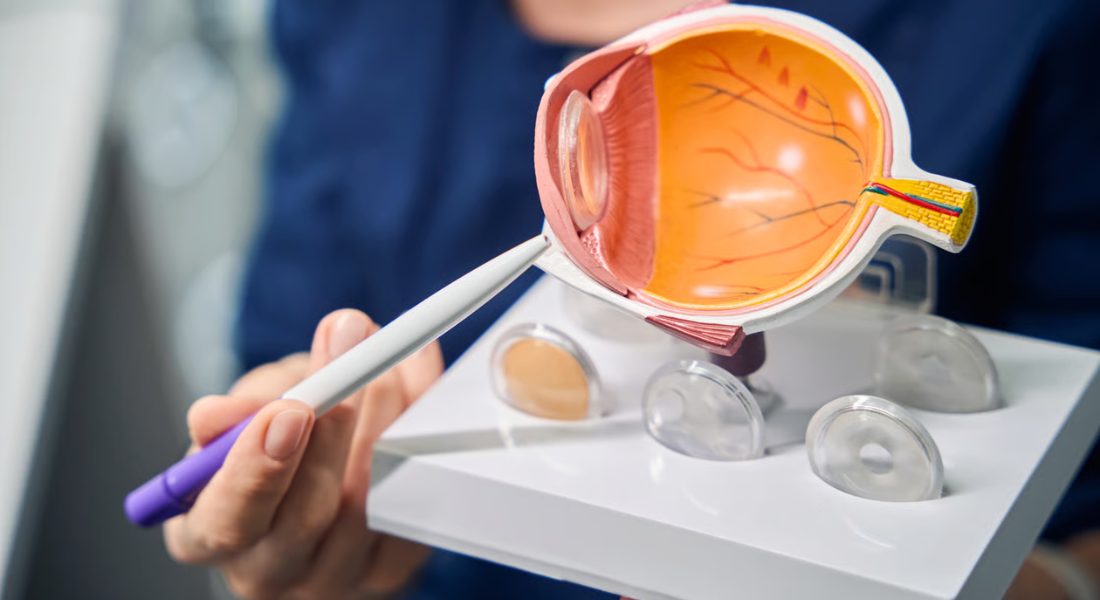
Not all laser eye procedures affect your eyes in the same way, and that distinction matters more than you might think. LASIK involves creating a thin flap in the cornea, while surface procedures like PRK work by removing the outer epithelial layer instead. Because of this, each approach places different demands on your eyes during healing. Understanding these differences helps you make a more informed decision about what’s right for you.
If your eyes show signs of borderline dryness, you may be better suited to a surface-based procedure. These treatments avoid flap-related concerns, which can be beneficial when your tear film isn’t perfectly stable. However, they do come with a longer and sometimes less comfortable recovery period. In many cases, though, that trade-off leans in favour of long-term safety and stability.
Procedure selection is never a one-size-fits-all decision. It’s carefully tailored to how your ocular surface is functioning at the time of assessment. By matching the technique to your eye health, you can reduce risks and improve overall outcomes. This personalised approach ensures you’re choosing the option that best supports both your recovery and your vision.
Recovery Risks You Should Take Seriously
If you go ahead with untreated dryness, you’re increasing the chances of a more uncomfortable recovery. You might notice burning, a gritty feeling, or vision that comes and goes rather than staying clear. In some cases, it can take longer than expected for your vision to fully settle. These aren’t just minor, short-term annoyances they can linger and affect your overall experience.
- Prolonged discomfort after surgery: When your eyes are already dry, they’re more sensitive during healing. You may find that irritation, burning, or that “something in your eye” feeling lasts longer than it should, making recovery feel more difficult than expected.
- Slower visual stabilisation: If your tear film isn’t stable, your vision may take longer to become consistently clear. You might notice it shifting throughout the day, which can be frustrating when you’re expecting steady improvement.
- Reduced clarity despite a successful procedure: Even if the surgery itself goes perfectly, dryness can still affect how clearly you see. An uneven tear film disrupts how light enters your eye, which can lead to slightly blurred or inconsistent vision.
- Greater risk of ongoing dry eye symptoms: Ignoring dryness beforehand can increase the likelihood of longer-term symptoms after surgery. What starts as a mild issue can become more noticeable if it isn’t managed early.
This is why preparing your eyes properly before surgery is so important. When you take the time to improve your tear film and overall eye surface health, you’re setting yourself up for a smoother recovery. It’s not just about comfort it directly affects how clear and stable your vision will be afterwards. Getting this right from the start can make a real difference to your final outcome.
Pre-Surgical Optimisation: What We Actually Do
Before approving you for surgery, we often introduce a short optimisation phase to get your eyes in the best possible condition. This usually includes lubricating drops, simple lid hygiene routines, and in some cases, prescription treatments to support the ocular surface. The goal is to stabilise your tear film so your eyes are better prepared for the procedure. Even small improvements at this stage can make a noticeable difference to your recovery.
In some situations, your acne treatment may also need a temporary adjustment. This is always done in coordination with your prescribing clinician to ensure everything remains safe and effective. The aim isn’t to disrupt your skincare progress, but to create better alignment between your treatments. By managing both aspects together, you reduce the risk of complications.
You should think of this phase as preparation rather than a delay. It’s a key part of the surgical process, not something separate from it. Taking this step helps ensure your eyes are in a stable, healthy state before moving forward. In the long run, it supports a smoother recovery and a more predictable result.
Common Patient Misconceptions
You may assume that if your vision is stable, your eyes are automatically ready for surgery. In reality, that’s not always the case. Vision stability and ocular surface health are two separate factors, and both need to be in good condition. You can see clearly and still have underlying dryness that affects how well your eyes heal.
Another common belief is that dryness after surgery is always temporary and not worth worrying about. While it often does improve over time, starting with a compromised tear film can extend your recovery. This can lead to longer periods of discomfort and less consistent visual clarity. It’s not just about whether dryness occurs, but how your eyes handle it from the beginning.
You might also underestimate how subtle these issues can be. In many cases, clinical signs of dryness appear before you notice any symptoms yourself. That means your eyes could already be under strain without you realising it. This is why thorough pre-surgical assessment is so important for achieving the best possible outcome.
The Consultation: What We Actually Assess

A proper consultation goes far beyond a standard eye test. We look closely at your tear film stability, meibomian gland function, corneal integrity, and overall ocular surface health. Each of these factors plays a role in how well your eyes will respond to surgery. It’s this level of detail that allows us to plan your treatment safely and accurately.
We also take a thorough look at your medication history, especially if you’re using acne treatments. This includes how long you’ve been taking them, the dosage, and whether you’re combining multiple therapies. These details help us understand how your eyes may be affected, even if you’re not noticing symptoms. Context is essential when making the right clinical decision.
This is the stage where your true eligibility is determined. It’s not a simple yes-or-no checklist, but a structured and personalised assessment. By bringing all the information together, we can decide the safest and most effective path forward for you. This approach ensures your treatment is based on real data, not assumptions.
Balancing Skin Treatment and Vision Goals
You don’t have to choose between clear skin and clear vision. With the right approach, you can work towards both without compromising either. It comes down to careful coordination and timing, making sure your eyes are in the best possible condition before surgery. When planned properly, your treatments can support each other rather than get in the way.
In many cases, we work alongside your dermatology care plan to keep everything aligned. Any adjustments to your acne treatment are usually temporary and made with a clear purpose. The aim isn’t to disrupt your progress, but to create the safest environment for your eyes to heal. By taking a long-term view, you can avoid unnecessary setbacks.
When handled correctly, these treatments don’t compete they complement each other. You can continue making progress with your skin while preparing your eyes for surgery in a controlled way. This balanced approach gives you the best chance of achieving both clear vision and healthy skin.
When You Should Be Cautious
You should be a bit more careful if you’ve already started noticing signs of dry eyes. Things like struggling with contact lenses, redness, or vision that comes and goes can be early warning signs. They usually point to an unstable tear film, even if the symptoms feel mild. And while they might not seem like a big deal day to day, they can still influence how your eyes respond to surgery.
- Early dry eye symptoms matter more than you think: If you’re dealing with irritation, redness, or contact lens discomfort, it’s your eyes signalling that something isn’t quite right. These early symptoms often indicate that your tear film isn’t as stable as it should be, which can affect both healing and visual clarity after surgery.
- Fluctuating vision is a subtle red flag: When your vision seems sharp one moment and slightly blurred the next, it’s often linked to tear film instability rather than a major eye issue. This inconsistency can become more noticeable after surgery if it isn’t addressed beforehand.
- Using multiple acne treatments can increase risk: If you’re combining different acne medications, their effects can add up. Even if each one seems mild on its own, together they can have a greater impact on your ocular surface, making dryness or sensitivity more likely.
- Mild issues can still affect surgical outcomes: It’s easy to ignore low-level discomfort, but even minor dryness can influence how well your eyes heal. Addressing these small concerns early can make a meaningful difference to your overall results.
That said, being cautious doesn’t mean you’re ruled out. It simply means your approach needs to be more personalised and thorough. With the right checks, preparation, and guidance, you can still move forward safely. The aim is to spot potential risks early and manage them properly, so you give yourself the best chance of a smooth recovery and strong long-term results.
The Role of Long-Term Eye Health
Laser eye surgery isn’t just about what you see in the days or weeks after the procedure. You also need to think about how your eyes will perform months and years down the line. A stable ocular surface plays a huge role in maintaining clear, consistent vision over time. When your tear film is healthy, it supports both comfort and long-term visual quality.
If early warning signs like dryness or irritation are ignored, that stability can be affected. Small issues at the start can turn into more persistent problems if they’re not addressed properly. That’s why pre-operative optimisation is such a priority. It helps protect not just your immediate recovery, but how your eyes function in the future.
You’re not just investing in the surgery itself you’re investing in the long-term performance of your eyes. Taking the time to prepare properly gives you a stronger foundation for lasting results. It’s about making sure your vision remains as clear and comfortable as possible well beyond the procedure.
FAQs:
- Can you have laser eye surgery if you’re taking acne medication?
Yes, you can but it depends on how your eyes respond to the medication. Some acne treatments can affect your tear film, which plays a key role in healing. Before approving surgery, your surgeon will assess your ocular surface rather than just your prescription. It’s a personalised decision, not a blanket rule. - Do all acne medications affect your eyes?
Not all acne treatments have the same impact, but several can influence tear stability. Even mild changes can become important during surgery and recovery. You might not notice any symptoms in daily life, which is why testing is essential. Subtle effects can still affect your outcome. - Why is Roaccutane treated differently from other acne treatments?
Roaccutane has a strong and predictable effect on oil glands, including those in your eyelids. This directly reduces tear film quality, making surgery riskier. Other medications tend to have milder or less consistent effects. That’s why they require individual assessment rather than automatic exclusion. - Can you proceed with surgery if you don’t have dry eye symptoms?
Yes, but the absence of symptoms doesn’t guarantee healthy eyes. You can have underlying dryness without noticing it. Clinical tests often reveal issues before you feel them. That’s why a proper evaluation is always needed before surgery. - Will you need to stop your acne medication before surgery?
Not necessarily, but in some cases a temporary pause is recommended. This allows your tear film to stabilise before the procedure. The timing depends on the type of medication you’re using. Your surgeon will guide you based on your individual response. - How do acne medications affect the healing process?
They can reduce tear stability, which slows down corneal healing. A compromised tear film increases irritation and prolongs recovery. You may also experience more discomfort after surgery. That’s why optimising your eye surface beforehand is so important. - Is LASIK riskier than PRK if you’re on acne treatment?
It can be, particularly if you have borderline dryness. LASIK involves creating a flap, which can affect nerve function and tear production. PRK, on the other hand, avoids flap-related issues but has a longer recovery. Your surgeon will recommend the safer option based on your eye condition. - What tests will be done during your consultation?
Your consultation will go beyond a basic eye test. You’ll likely have tear breakup time measurements, gland assessments, and surface evaluations. These tests show how stable your tear film is. The results help determine whether surgery is safe for you. - Can you improve your chances of qualifying for surgery?
Yes, in many cases you can. Simple steps like using lubricating drops or improving lid hygiene can stabilise your tear film. Sometimes, short-term treatment adjustments are also recommended. These changes can make a meaningful difference to your eligibility. - Is it better to delay surgery if there are concerns?
In most cases, yes. Delaying allows your eyes to recover and reach a healthier baseline. This leads to better comfort and more predictable results after surgery. It’s a strategic decision, not a setback. Prioritising long-term outcomes always pays off.
Final Thought: Clear Vision Starts with the Right Timing
When you’re considering laser eye surgery while using acne medication, it’s easy to focus on your skin and overlook how your eyes are responding. But as you’ve seen, your tear film and ocular surface health play a much bigger role in your outcome than the medication name alone. Taking the time to assess and optimise these factors can make a meaningful difference to both your comfort and your visual results.
The key is not to rush the process. With the right guidance, careful timing, and a personalised approach, you can safely balance your skin treatment with your vision goals. If you’d like to find out whether laser surgery in London is suitable for you, feel free to contact us at Eye Clinic London to arrange a consultation.
References:
- Achiron, A., Arnon, R., Stanescu, N. and Pikkel, J. (2023) Dry eye disease following LASIK, PRK, and LASEK: An observational cross-sectional study, Journal of Clinical Medicine, 12(11), p. 3761. https://pubmed.ncbi.nlm.nih.gov/37297956/
- Yahalomi, T. et al. (2023) Dry eye disease following LASIK, PRK, and LASEK, Journal of Clinical Medicine. https://pubmed.ncbi.nlm.nih.gov/37297956/
- Nair, S., Kaur, M., Sharma, N. and Titiyal, J.S. (2023) Refractive surgery and dry eye An update, Indian Journal of Ophthalmology, 71(4), pp. 1105–1114. https://pmc.ncbi.nlm.nih.gov/articles/PMC10276666/
- Kim, J. et al. (2020) Dry eye after refractive surgery: A meta-analysis, Canadian Journal of Ophthalmology, 55(2), pp. 99–106. https://www.sciencedirect.com/science/article/pii/S0008418219302790
- Katsanevaki, V.J. and Tuft, S.J. (2007) Refractive surgery: what patients need to know, British Medical Bulletin, 83(1), pp. 325–339. https://academic.oup.com/bmb/article/83/1/325/384535