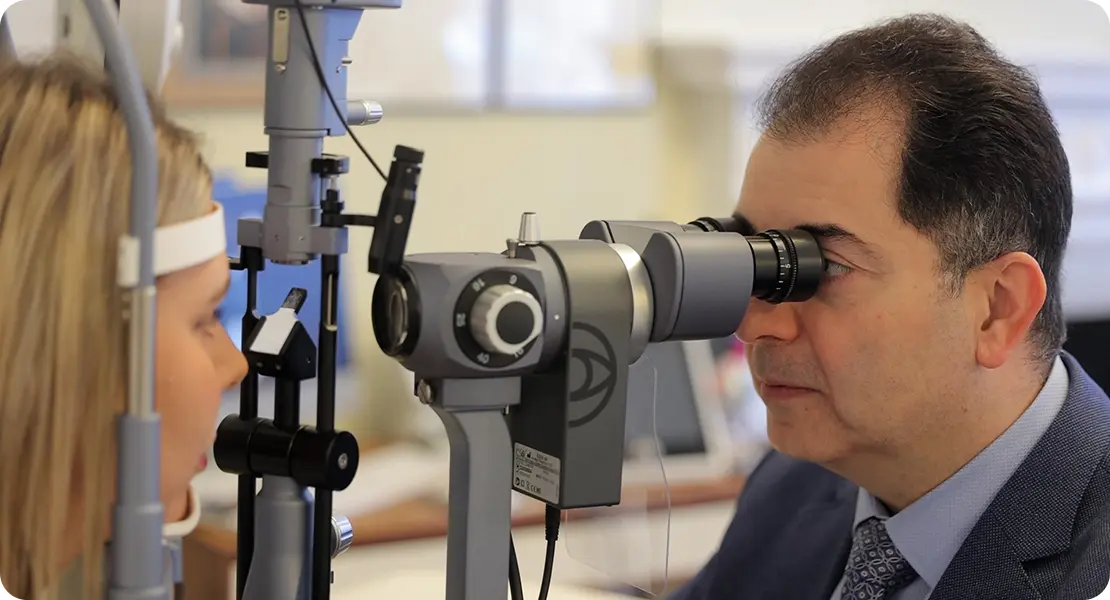

How Long Does It Take to Recover from LASEK Eye Surgery?

2025-10-17T13:49:50+00:00

If you’re thinking about getting LASEK surgery, you’ve probably heard that the recovery is slightly longer than LASIK. While that’s true, it’s also important to know that LASEK offers equally clear results just on a slightly slower timeline. Recovery isn’t just about waiting for your vision to improve; it’s about giving your eyes time to heal properly. Understanding what happens during each stage of recovery helps you manage your expectations, care for your eyes correctly, and enjoy the best possible

How Long Does It Take to Recover from LASEK Eye Surgery?2025-10-17T13:49:50+00:00

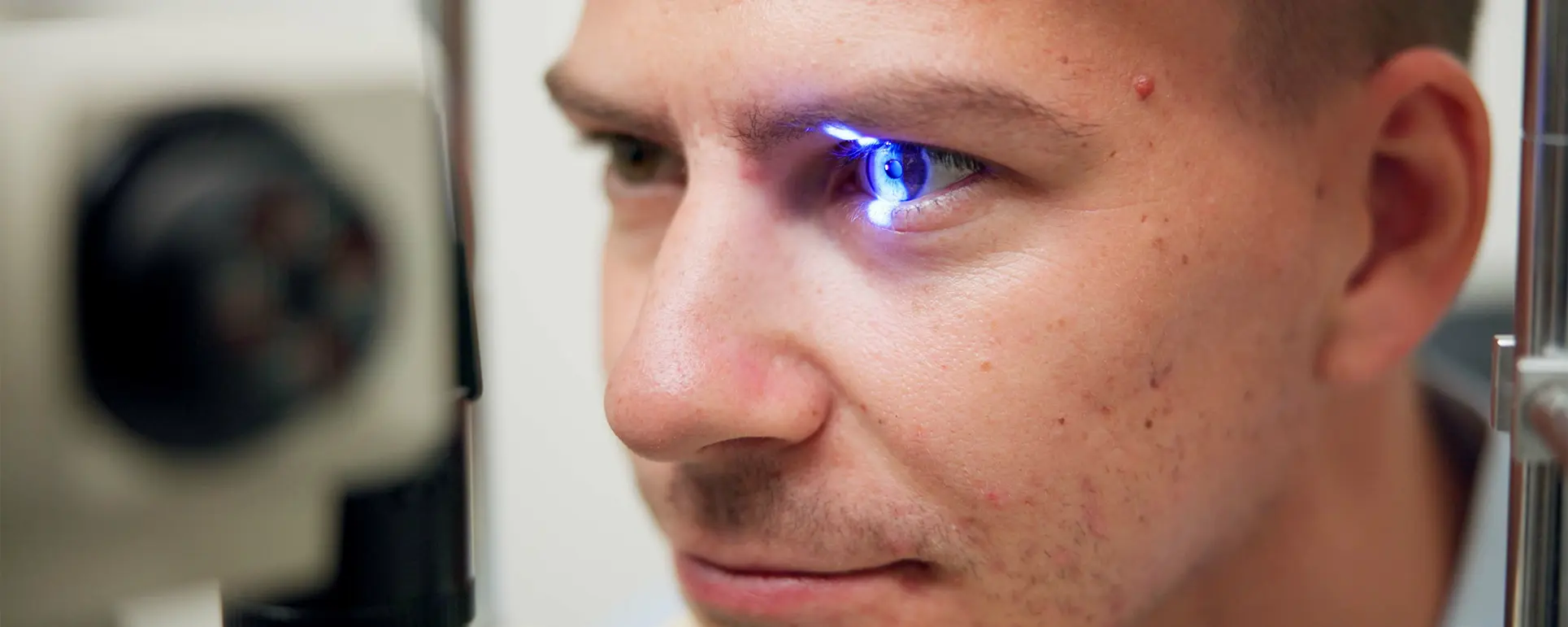
Is LASEK Eye Surgery Painful?

2025-10-16T14:10:34+00:00

If you’re considering laser vision correction, one of the biggest questions on your mind is probably “Will it hurt?”. It’s completely normal to feel nervous about anything involving your eyes, but the good news is that modern laser surgeries like LASEK are designed with your comfort in mind. While LASEK has a slightly longer recovery compared to LASIK, the level of pain or discomfort you might experience is usually mild and temporary. In this article, I’ll walk you through exactly

Is LASEK Eye Surgery Painful?2025-10-16T14:10:34+00:00

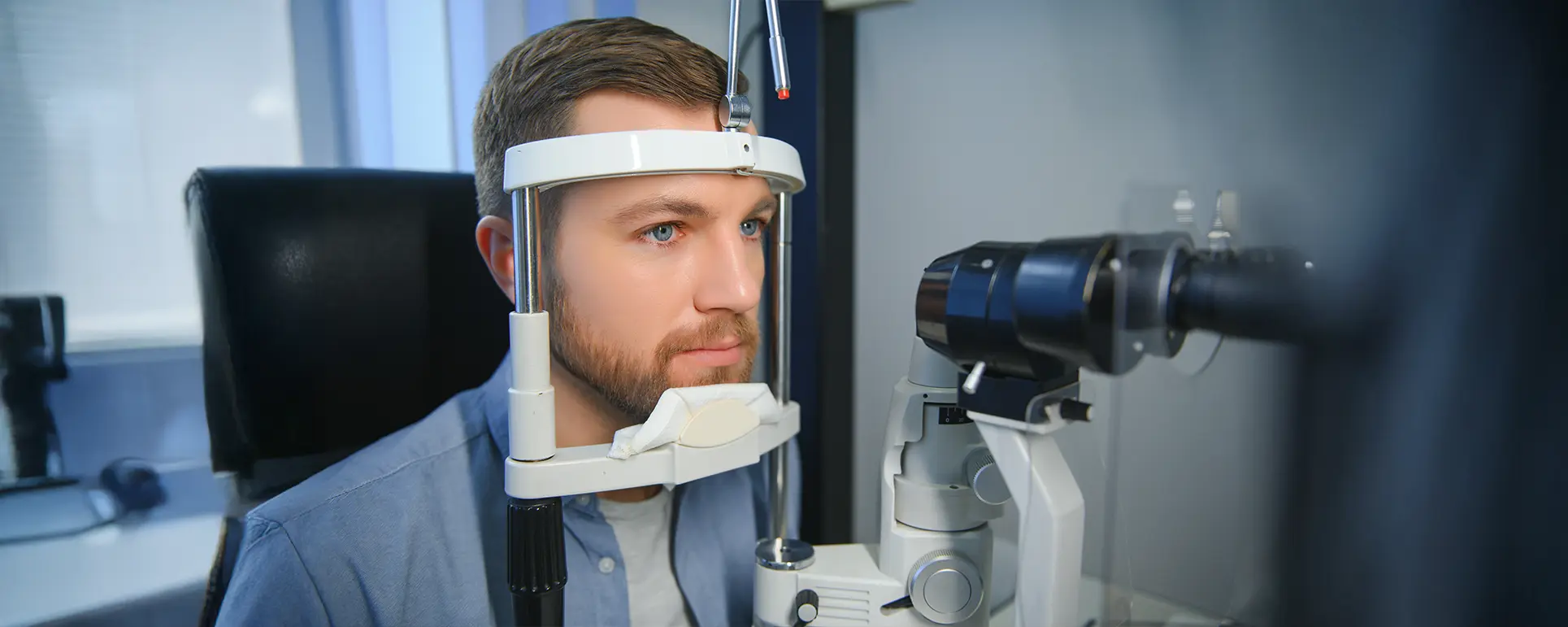
Which Is Better LASIK or LASEK? Key Differences Explained

2025-10-15T15:01:07+00:00

If you’re thinking about laser vision correction, chances are you’ve heard about LASIK and LASEK. Both procedures aim to correct common vision problems like nearsightedness, farsightedness, and astigmatism, helping you reduce your dependence on glasses or contact lenses. But here’s the thing: even though they share the same goal, LASIK and LASEK are quite different in how they work, how your eyes recover, and the risks and long-term results you can expect. Knowing these differences is key so you can

Which Is Better LASIK or LASEK? Key Differences Explained2025-10-15T15:01:07+00:00

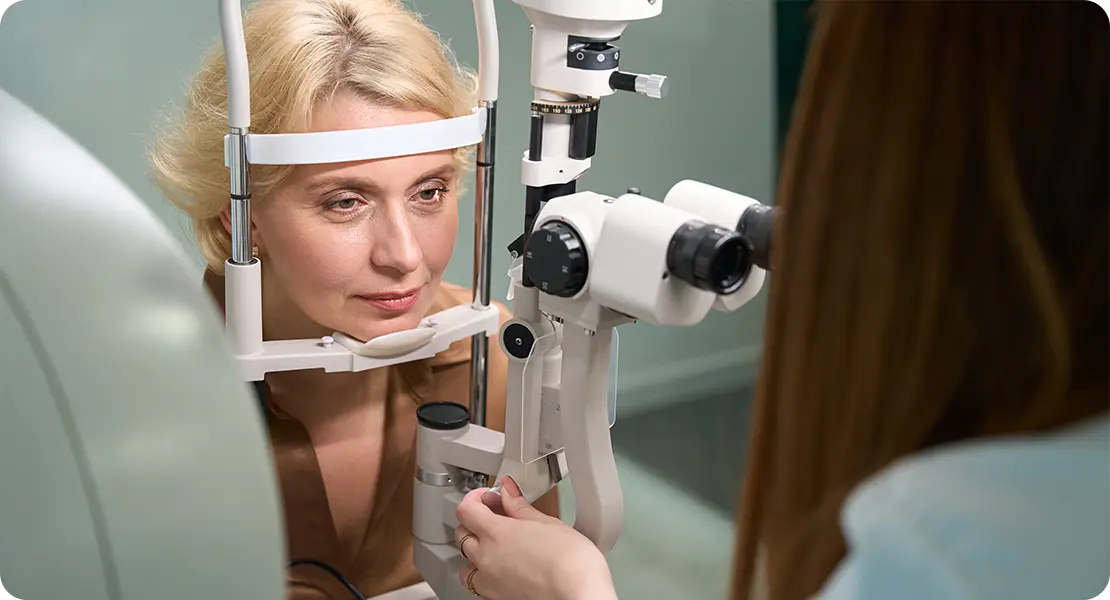
How Long Does It Take for Lens Replacement to Settle?

2025-10-14T14:44:29+00:00

After undergoing refractive lens replacement (RLE), many patients are eager to see the full benefits immediately. The truth is, while your vision often improves quickly, it can take time for your eyes to fully settle and reach their optimal clarity. In the first few weeks, it’s normal to notice mild blurriness, shifting focus, or changes in light sensitivity. Understanding this settling period, what is normal, and when your best vision typically appears will help you manage expectations and enjoy the

How Long Does It Take for Lens Replacement to Settle?2025-10-14T14:44:29+00:00

How Long Off Work After Lens Replacement Surgery?

2025-10-13T14:39:54+00:00

Lens replacement surgery, also known as refractive lens replacement (RLE) or clear lens extraction, is an increasingly popular procedure to correct vision problems such as presbyopia, hyperopia, or early cataracts. While it can be life-changing for your vision, one of the most common questions patients ask is: “How long off work after lens replacement surgery?” Recovery times can vary depending on individual health, occupation, and the specifics of the procedure. Understanding the typical healing timeline, factors that can delay recovery,

How Long Off Work After Lens Replacement Surgery?2025-10-13T14:39:54+00:00

How Long Does It Take to Heal from RLE?

2025-10-10T14:27:02+00:00

Refractive lens exchange (RLE) is a highly effective procedure that can correct vision problems such as presbyopia, hyperopia, myopia, and early cataracts. It involves replacing your natural lens with an artificial intraocular lens (IOL), offering long-term vision improvement. One of the most common questions patients ask is: “How long does it take to heal from RLE?” While RLE is minimally invasive, recovery varies from person to person. In this guide, I’ll walk you through the typical healing timeline, what you

How Long Does It Take to Heal from RLE?2025-10-10T14:27:02+00:00

What Age Is Best for RLE Surgery?

2025-10-09T14:41:27+00:00

If you’re considering refractive lens exchange (RLE) to improve your vision, you might wonder about the best time to undergo the procedure. Age is a critical factor in determining candidacy and predicting the success of RLE. RLE is a procedure where your natural lens is replaced with an artificial intraocular lens (IOL) to correct vision issues like presbyopia, hyperopia, myopia, and early cataracts. Unlike LASIK, RLE is often considered for patients over the age of 40–45 because of age-related changes

What Age Is Best for RLE Surgery?2025-10-09T14:41:27+00:00

How Long Will ICL Last? A Guide to Longevity and Outcomes

2025-10-09T14:06:15+00:00

If you’ve been researching permanent vision correction, you may have heard of Implantable Collamer Lens (ICL) surgery. Unlike LASIK, which reshapes the cornea, ICL surgery involves placing a small, artificial lens inside your eye to correct refractive errors. Naturally, one of the first questions patients ask is: How long will ICL last? It’s an important question because you want to know whether the results are truly permanent, whether the lens ever needs replacing, and what happens to your vision as

How Long Will ICL Last? A Guide to Longevity and Outcomes2025-10-09T14:06:15+00:00

How Do You Treat Keratoconus? Current Options Explained

2025-10-09T14:03:22+00:00

If you’ve been diagnosed with keratoconus, you may already know how frustrating it can be. Your vision gets blurry, glasses stop working properly, and even simple tasks like reading or driving at night can feel more difficult. The good news is that modern medicine now offers effective ways to slow down or even stop keratoconus from getting worse. In this guide, I’ll take you through the main treatment options available today from specialised contact lenses to corneal cross-linking and surgical

How Do You Treat Keratoconus? Current Options Explained2025-10-09T14:03:22+00:00

What to Avoid if You Have Keratoconus? Practical Tips

2025-10-08T15:06:28+00:00

If you’ve been diagnosed with keratoconus, it can feel overwhelming at first. You might notice that your vision changes unpredictably, your lenses no longer feel comfortable, or your eyes are more sensitive than before. While modern treatments can manage keratoconus effectively, what you do (and avoid) every day makes a big difference in how stable your condition stays. The good news is that with the right habits and awareness, you can protect your eyes and reduce the risk of progression.

What to Avoid if You Have Keratoconus? Practical Tips2025-10-08T15:06:28+00:00