
LASEK Surgery for Near-Sightedness (Myopia): What to Expect

2025-12-05T03:59:26+00:00

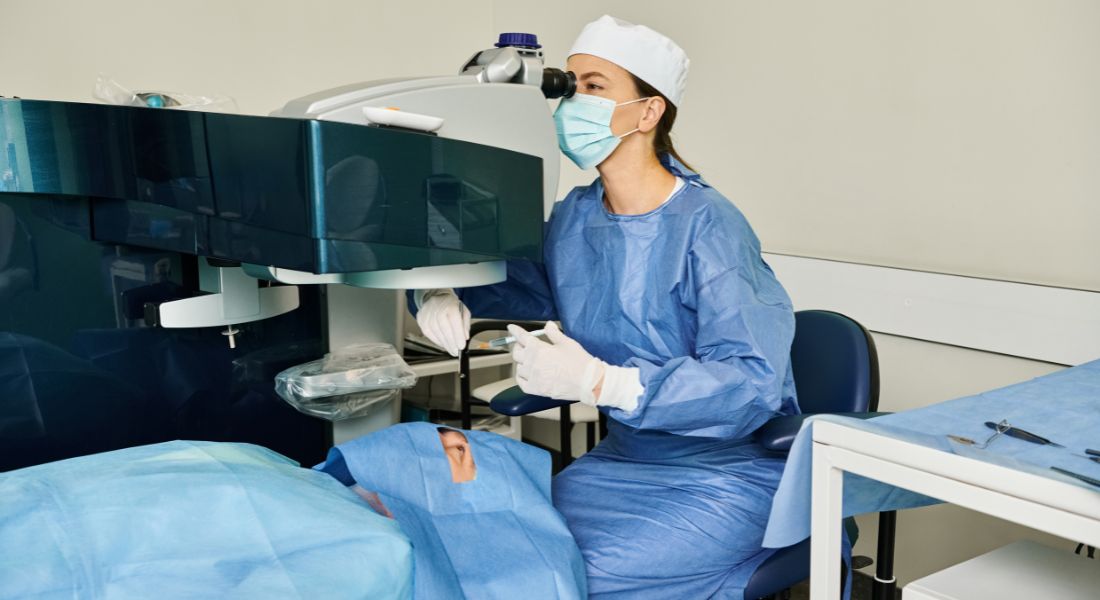
For many people living with near-sightedness (myopia), laser eye surgery represents the possibility of finally stepping away from the constant dependence on glasses or contact lenses. If you’ve spent years starting each morning with a blurred view of the world or dealing with the discomfort that can come with long-term contact lens wear, the idea of waking up to clear vision can feel genuinely life-changing. Most people begin their research with LASIK because it’s the most widely known procedure, but

LASEK Surgery for Near-Sightedness (Myopia): What to Expect2025-12-05T03:59:26+00:00

Is LASEK Surgery Safe for Thin Corneas?

2025-12-05T03:58:09+00:00

If you’ve been exploring laser eye surgery but discovered that your corneas are thinner than average, it’s natural to feel a mix of confusion and disappointment. Many people assume that LASEK is automatically safer than LASIK for thin corneas because it doesn’t involve creating a corneal flap. While it’s true that LASEK avoids flap-related risks and can be safer than LASIK in certain borderline cases, the connection between corneal thickness and suitability isn’t quite so straightforward. Each patient’s eyes are

Is LASEK Surgery Safe for Thin Corneas?2025-12-05T03:58:09+00:00

Can You Fix Thin Corneas Before LASIK Surgery?

2025-12-05T04:56:28+00:00

If you’ve ever dreamed of living without glasses or contact lenses, being told that your corneas are “too thin for LASIK” can be disappointing and even frustrating. It’s natural to feel like your vision goals have suddenly become out of reach, especially if you’ve never experienced any eye problems before. Many people assume LASIK is a one-size-fits-all solution, so learning that corneal thickness is a critical factor can come as a shock. The idea that your cornea’s structure alone can

Can You Fix Thin Corneas Before LASIK Surgery?2025-12-05T04:56:28+00:00

Is LASIK Surgery Safe for Thin Corneas?

2025-12-05T05:26:11+00:00

If you’ve been told you have thin corneas, it’s completely normal to feel concerned about whether LASIK is an option for you. Many patients experience confusion, frustration, or even disappointment during eye consultations, especially if they’ve been looking forward to life without glasses or contact lenses. Being told your corneas may be too thin can feel like a major setback, but it’s important to understand that thin corneas don’t automatically rule out all forms of vision correction. While traditional LASIK

Is LASIK Surgery Safe for Thin Corneas?2025-12-05T05:26:11+00:00

LASIK Surgery for High Prescriptions: What Are the Limits?

2025-12-06T05:14:10+00:00

If you have a high glasses prescription, you may be wondering whether LASIK can actually correct it and you’re not alone. Many people with strong myopia, hyperopia or significant astigmatism assume that their prescription is simply “too high” for laser eye surgery, often because they’ve heard outdated information or been told years ago that they weren’t suitable. But the landscape has changed dramatically. Thanks to advanced diagnostic tools, wavefront-guided treatments and faster, more precise laser platforms, many high-prescription patients who

LASIK Surgery for High Prescriptions: What Are the Limits?2025-12-06T05:14:10+00:00

Blade-Free LASIK Surgery: Is It Better Than Traditional?

2025-12-05T10:52:53+00:00

If you’re thinking about LASIK to improve your vision, one of the first decisions you’ll encounter is whether to go with blade-free LASIK or the traditional microkeratome approach. Both methods are highly effective for correcting myopia, hyperopia, and astigmatism, allowing most patients to reduce or eliminate their dependence on glasses or contact lenses. The main difference lies in how the corneal flap is created, and that difference can influence your safety, comfort, and even the speed of recovery. Traditional LASIK

Blade-Free LASIK Surgery: Is It Better Than Traditional?2025-12-05T10:52:53+00:00

PRK Eye Surgery and Night Vision: What Improves and What Doesn’t

2025-12-05T11:18:36+00:00

If you’re considering PRK (Photorefractive Keratectomy), one of the first concerns many patients have is night vision. It’s common to worry about halos around lights, glare while driving, or reduced contrast in low-light conditions. Night vision is a critical part of everyday life, whether you commute after dark, work evening shifts, or enjoy nighttime activities. Understanding how PRK might affect your night vision can help you set realistic expectations and feel more confident about the procedure. PRK can influence night

PRK Eye Surgery and Night Vision: What Improves and What Doesn’t2025-12-05T11:18:36+00:00

PRK Eye Surgery for Active Military, Police & High-Impact Roles

2025-12-06T04:44:54+00:00

If you're considering a career in the military, police, firefighting, aviation or any physically demanding field, you may already know that vision requirements can be strict. Clear, dependable eyesight is essential when you’re working in unpredictable environments where every second matters. Because of these demands, many people in high-impact roles start comparing PRK with LASIK, hoping to find the safest and most reliable vision correction option. The truth is that PRK has become the preferred choice for many armed forces

PRK Eye Surgery for Active Military, Police & High-Impact Roles2025-12-06T04:44:54+00:00

PRK Eye Surgery vs Contact Lenses: Long-Term Safety and Cost

2025-12-06T04:39:13+00:00

If you're deciding between PRK eye surgery and continuing with contact lenses, you’re definitely not alone. Many people reach a point where the daily routine, ongoing expenses and occasional discomfort of contact lenses start to feel tiring. You might be questioning whether PRK a one-time procedure could give you better comfort, safer long-term eye health or even cost savings in the long run. The truth is that both PRK and contact lenses can offer excellent vision. But they do so

PRK Eye Surgery vs Contact Lenses: Long-Term Safety and Cost2025-12-06T04:39:13+00:00

PRK Eye Surgery for Over-40s: What Changes After 40?

2025-12-06T05:11:47+00:00

If you're over 40 and thinking about correcting your vision, you may be wondering whether PRK is still a good option for you. It’s a perfectly normal question many people at this age start to notice that reading feels harder, near tasks become tiring and small print just doesn’t look as sharp as it used to. You might even have heard that laser eye surgery after 40 is less effective or that you’ll “still need reading glasses anyway”, which can

PRK Eye Surgery for Over-40s: What Changes After 40?2025-12-06T05:11:47+00:00