Can Eye Floaters Get Worse With Age? What Changes Over Time

2026-01-13T15:07:19+00:00

As you get older, you may notice more eye floaters in your vision. These small specks, threads, or cobweb-like shapes seem to drift across your field of vision, particularly against bright backgrounds. Many people wonder if this increase in floaters is a normal part of ageing or if it signals a more serious problem. Floaters are common, especially as we age, but that doesn’t mean every new floater is a cause for concern. Understanding why floaters become more noticeable with
Can Eye Floaters Get Worse With Age? What Changes Over Time2026-01-13T15:07:19+00:00

Eye Floaters After Posterior Vitreous Detachment (PVD): What to Expect

2026-01-13T15:05:38+00:00

Noticing new eye floatersors after a posterior vitreous detachment can be unsettling, especially if they appear suddenly. You may see dots, strands, or cobweb-like shapes drifting across your vision, particularly against bright backgrounds. Understanding what is happening inside your eye can make these symptoms far less alarming. Posterior vitreous detachment is one of the most common causes of new floaters, particularly as you get older. In most cases, it is a natural age-related change rather than a disease. Knowing what

Eye Floaters After Posterior Vitreous Detachment (PVD): What to Expect2026-01-13T15:05:38+00:00

Sudden Increase in Eye Floaters: When It’s an Emergency and When It’s Not

2026-01-13T15:04:17+00:00

Seeing eye floaters can be unsettling, especially when they appear suddenly or increase quickly. You may notice dark specks, cobwebs, or thread-like shapes drifting across your vision. When this happens unexpectedly, it is natural to worry about whether something serious is going on. Eye floaters are common and often harmless, particularly as you get older. However, a sudden increase in floaters can sometimes signal a problem inside the eye. Knowing when floaters are normal and when they require urgent attention

Sudden Increase in Eye Floaters: When It’s an Emergency and When It’s Not2026-01-13T15:04:17+00:00

LASIK Eye Surgery for Patients With Migraines

2026-01-12T10:56:27+00:00

Migraines are neurological events rather than eye diseases. Although visual symptoms are common, they do not usually originate from the eyes themselves. This distinction is important when assessing eligibility for LASIK. In this article, we explain how migraines are evaluated during LASIK assessment. We also explore whether LASIK affects migraine frequency and what you should realistically consider before treatment. Our aim is to help you make an informed and confident decision. Understanding Migraines and Visual Symptoms Migraines are complex neurological

LASIK Eye Surgery for Patients With Migraines2026-01-12T10:56:27+00:00

LASIK Eye Surgery for Patients With Asthma or Long-Term Steroid Use

2026-01-12T10:56:06+00:00

If you have asthma and are considering LASIK eye surgery, it is completely natural to have questions. Many people worry that asthma itself or the medications used to manage it may affect their suitability for laser eye surgery. Understanding how asthma and steroid use are assessed can help you feel more confident about your options. Asthma on its own rarely prevents LASIK. However, long-term steroid use, whether inhaled or systemic, does require careful evaluation. The focus is on eye pressure,

LASIK Eye Surgery for Patients With Asthma or Long-Term Steroid Use2026-01-12T10:56:06+00:00

LASIK Eye Surgery for Patients With Rheumatoid Arthritis

2026-01-12T10:56:03+00:00

If you are living with rheumatoid arthritis and considering LASIK eye surgery, it is natural to feel uncertain. Rheumatoid arthritis is more than a joint condition, and many patients worry about how autoimmune activity could affect eye surgery and recovery. At Eye Clinic London, we regularly guide patients through these concerns with clear, balanced advice. Rheumatoid arthritis does not automatically mean LASIK is unsuitable for you. What matters is how stable the disease is, how your eyes are affected, and

LASIK Eye Surgery for Patients With Rheumatoid Arthritis2026-01-12T10:56:03+00:00

LASIK Eye Surgery for Patients With Thyroid Disease (Graves’ or Hypothyroidism)

2026-01-12T10:55:17+00:00

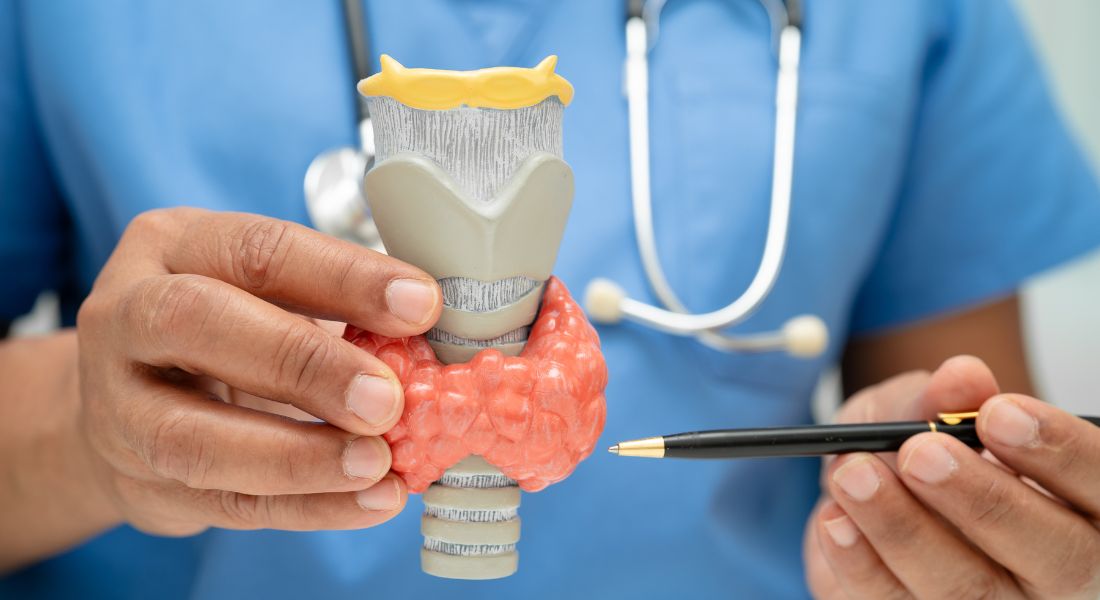
If you have thyroid disease and are considering LASIK eye surgery, it is natural to feel uncertain. Thyroid conditions can affect more than hormone levels and often have important effects on the eyes. Understanding these effects is essential before making decisions about laser eye surgery. Thyroid disease does not automatically rule out LASIK. However, it does require a more careful and individualised assessment. The key factors involve eye surface health, tear film stability, and how well the thyroid condition is

LASIK Eye Surgery for Patients With Thyroid Disease (Graves’ or Hypothyroidism)2026-01-12T10:55:17+00:00

LASIK Eye Surgery for Patients With High Blood Pressure (Hypertension)

2026-01-09T11:40:59+00:00

If you have high blood pressure and are considering LASIK eye surgery, it’s completely natural to feel unsure. Hypertension is very common, and many people worry about whether it makes surgery unsafe or increases risks to their eyes. We understand why you want clear, reliable guidance before deciding. At Eye Clinic London, we help patients make informed decisions based on facts rather than assumptions. High blood pressure does not automatically disqualify you from LASIK. What matters most is how well

LASIK Eye Surgery for Patients With High Blood Pressure (Hypertension)2026-01-09T11:40:59+00:00

LASIK Eye Surgery for Patients With Psoriasis

2026-01-09T11:40:01+00:00

If you’re living with psoriasis and considering LASIK eye surgery, it’s completely natural to feel uncertain. Psoriasis isn’t just a skin condition, and many people worry about how chronic inflammation or immune involvement might affect eye surgery. We understand why you want clarity before making any decisions. At Eye Clinic London, we regularly speak with patients who want facts, not assumptions. Psoriasis does not automatically rule you out of LASIK. However, it does mean we need to assess your situation

LASIK Eye Surgery for Patients With Psoriasis2026-01-09T11:40:01+00:00

LASIK Eye Surgery in Patients With Systemic Lupus Erythematosus (SLE)

2026-01-08T12:31:11+00:00

Systemic lupus erythematosus (SLE) is a chronic autoimmune condition that can affect multiple parts of the body, including the skin, joints, kidneys, and eyes. Patients with SLE often face complex health challenges, which can influence the safety and outcomes of elective procedures like LASIK. Understanding how the condition interacts with eye surgery is essential before making any decisions. Lupus can affect the eyes in several ways, including increasing the risk of dry eye, inflammation, or other ocular complications. These factors

LASIK Eye Surgery in Patients With Systemic Lupus Erythematosus (SLE)2026-01-08T12:31:11+00:00