How Often Should Glaucoma Be Monitored? Tests, Scans, and Check-Ups Explained

2026-01-27T16:46:11+00:00

Glaucoma is a long-term condition that often changes slowly and without clear symptoms. You may feel that once treatment has begun, the condition is fully under control. We understand why this assumption feels reassuring. In reality, ongoing observation is needed to keep vision protected. We rely on monitoring because glaucoma progression is not always predictable. Damage can continue quietly even when eye pressure appears stable. Regular review allows subtle changes to be identified early. This prevents unseen loss from accumulating
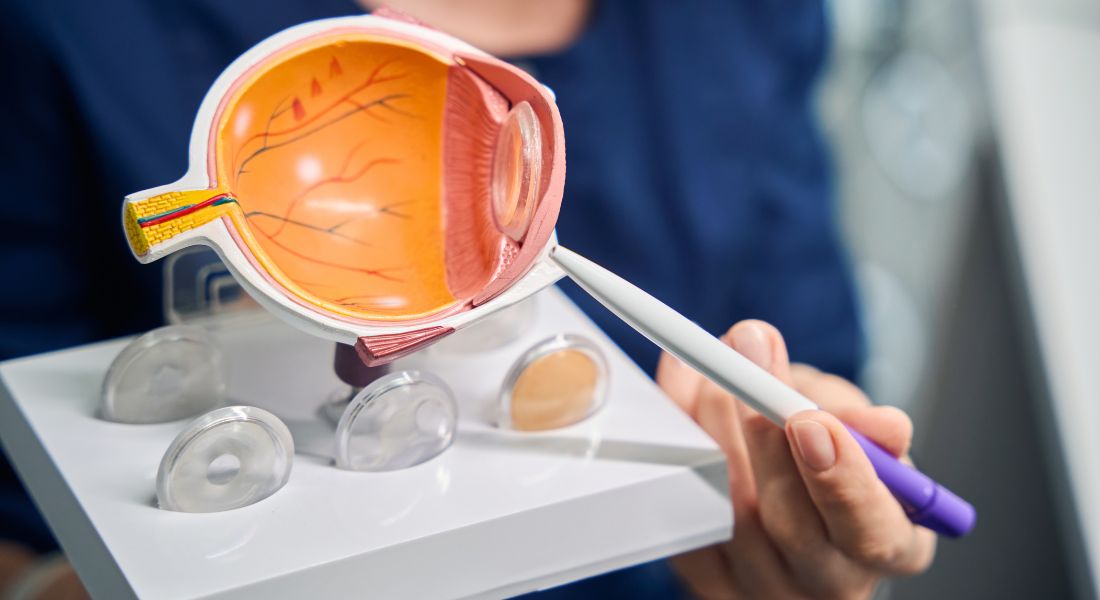
How Often Should Glaucoma Be Monitored? Tests, Scans, and Check-Ups Explained2026-01-27T16:46:11+00:00

Why Glaucoma Often Has No Symptoms Until It’s Advanced

2026-01-27T17:06:11+00:00

Glaucoma is often called the “silent thief of sight,” and this description is accurate. Many people with glaucoma feel their vision is normal for years. By the time symptoms appear, damage may already be significant. This lack of early symptoms causes understandable confusion. You may wonder how a serious eye condition can progress unnoticed. The answer lies in how glaucoma affects the eye and brain. In this article, we explain why glaucoma rarely causes early warning signs. We also explore

Why Glaucoma Often Has No Symptoms Until It’s Advanced2026-01-27T17:06:11+00:00

What Happens If Glaucoma Is Diagnosed Late?

2026-01-27T10:30:55+00:00

Glaucoma is often described as a silent condition because it can progress without obvious symptoms in its early stages. You may feel that your vision is normal and assume there is no reason for concern. We know this sense of reassurance is common. This silent behaviour explains why glaucoma is frequently diagnosed later than ideal. When diagnosis is delayed, optic nerve damage may already be significant. We recognise that any vision loss that has occurred cannot be reversed. Timing therefore

What Happens If Glaucoma Is Diagnosed Late?2026-01-27T10:30:55+00:00

Can You Still Drive With Glaucoma in the UK? DVLA Rules Explained

2026-01-26T09:45:56+00:00

If you have glaucoma, it is very common to worry about whether you can still drive legally. Driving represents independence, work, and daily freedom, so uncertainty can feel stressful. Understanding the DVLA rules clearly can ease that anxiety.  Glaucoma affects peripheral vision, which is essential for safe driving. However, having glaucoma does not automatically mean you must stop driving. Eligibility depends on specific vision standards rather than diagnosis alone.  In this article, we explain DVLA requirements, when glaucoma must be reported, how visual field

Can You Still Drive With Glaucoma in the UK? DVLA Rules Explained2026-01-26T09:45:56+00:00

Can You Have Glaucoma With Normal Eye Pressure?

2026-01-27T04:19:46+00:00

You may link glaucoma entirely with raised eye pressure because this is how it is commonly explained. We understand why normal pressure readings feel reassuring and why you might assume your eyes are protected. That assumption is logical, but it does not fully match how glaucoma behaves in reality. We now recognise that glaucoma can develop even when pressure measurements remain within the normal range. This challenges older ideas about the disease and explains why vision loss can occur despite

Can You Have Glaucoma With Normal Eye Pressure?2026-01-27T04:19:46+00:00

Is Glaucoma Hereditary? What Your Family Should Know

2026-01-26T06:27:40+00:00

When someone in your family is diagnosed with glaucoma, concern often arises quickly and understandably. You may start questioning whether the condition can be inherited and what this could mean for your own eyesight. These thoughts are common and shared by many people in similar situations. We recognise how uncertainty can create anxiety when answers are not clear. Acknowledging these concerns is the first step towards informed care. We know that glaucoma frequently appears within families, but risk is rarely

Is Glaucoma Hereditary? What Your Family Should Know2026-01-26T06:27:40+00:00

Structural vs Functional Damage in Glaucoma: OCT and Visual Fields Compared

2026-01-23T11:26:42+00:00

When glaucoma is diagnosed, you may expect test results to change in a predictable and logical way. It can feel reassuring to believe that imaging scans and visual field tests will progress together. In reality, glaucoma rarely follows such a neat pattern, which often leads to confusion and concern. We monitor glaucoma using two main approaches: structural assessment and functional testing. Structural tests examine physical damage to the optic nerve and retinal nerve fibre layer. Functional tests assess how vision

Structural vs Functional Damage in Glaucoma: OCT and Visual Fields Compared2026-01-23T11:26:42+00:00

Circadian Intraocular Pressure Fluctuations in Glaucoma Patients

2026-01-23T11:14:43+00:00

When glaucoma is discussed, eye pressure is often presented as a fixed value. You may be told that intraocular pressure is “controlled” based on a single clinic measurement. In reality, eye pressure is dynamic rather than static. We recognise that it changes continuously across the day and night. We now understand that intraocular pressure follows a circadian rhythm. This means pressure naturally rises and falls over a 24-hour cycle. Factors such as body position, hormonal variation, and sleep patterns all

Circadian Intraocular Pressure Fluctuations in Glaucoma Patients2026-01-23T11:14:43+00:00

Neurodegeneration in Glaucoma: Is It More Than an Eye Pressure Disease?

2026-01-23T11:46:15+00:00

Glaucoma has traditionally been described as a condition driven mainly by raised intraocular pressure. You may have been told that lowering eye pressure is the primary aim of treatment, and this remains essential. We continue to rely on pressure reduction as a core strategy. However, pressure alone does not fully explain how glaucoma behaves in every individual. Growing evidence now shows that glaucoma shares characteristics with neurodegenerative diseases. Damage is not confined to the eye but involves progressive loss of

Neurodegeneration in Glaucoma: Is It More Than an Eye Pressure Disease?2026-01-23T11:46:15+00:00

Ocular Perfusion Pressure and Glaucoma Progression: What the Evidence Shows

2026-01-22T12:50:14+00:00

When glaucoma is discussed, intraocular pressure is often treated as the central issue. You may be told that lowering eye pressure is the primary goal of treatment, and while this remains important, it does not explain the full picture. Many people experience glaucoma progression even when their eye pressure appears well controlled. We now understand that glaucoma is a complex condition influenced by multiple factors working together. One of the most significant and often overlooked contributors is ocular perfusion pressure.

Ocular Perfusion Pressure and Glaucoma Progression: What the Evidence Shows2026-01-22T12:50:14+00:00