


Can Decongestants Affect Your Eyes or Eye Pressure?
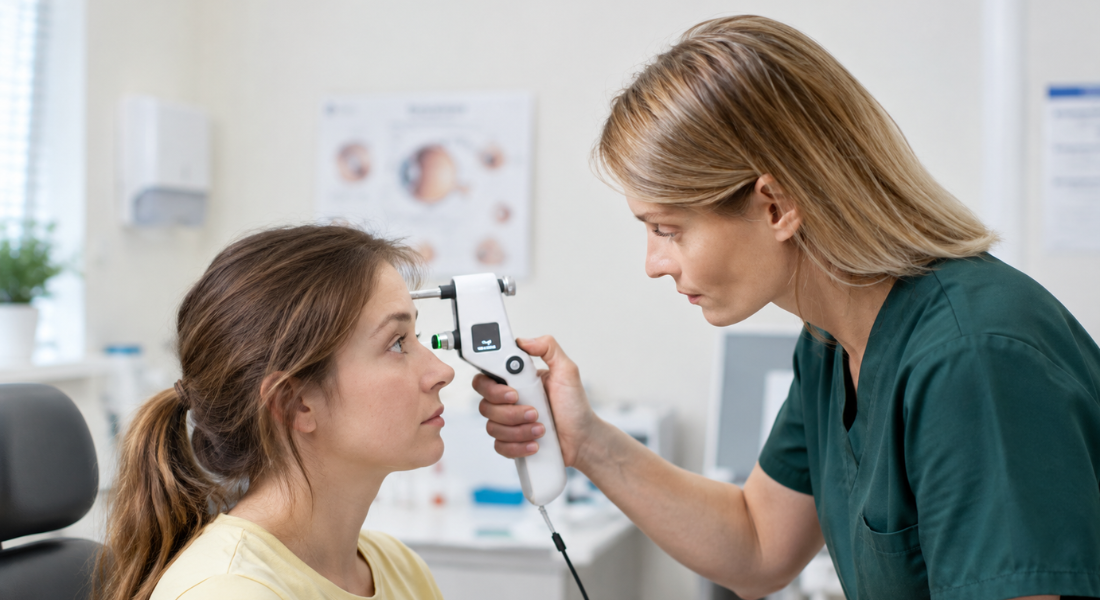
You may use decongestants for a blocked nose caused by a cold, flu, sinus problem or allergy, and most people do not develop significant eye problems. However, some decongestants can dilate your pupils and, if your drainage angles are unusually narrow, may rarely trigger a sudden rise in eye pressure.
You should know that acute angle-closure glaucoma is an eye emergency that can threaten your sight without prompt treatment. If you have glaucoma or have been told that your drainage angles are narrow, you should check with your pharmacist, GP or eye specialist before using a decongestant.
What Are Decongestants and How Do They Work?
You may use decongestants to relieve a blocked or stuffy nose caused by a cold, flu, sinus congestion or allergies. Medicines such as pseudoephedrine and phenylephrine work by reducing swelling in the blood vessels inside your nose, but they can also affect other parts of your body.
- Reduce nasal swelling: Decongestants narrow blood vessels in the lining of your nose, helping to open your nasal passages and make breathing easier.
- Can affect your pupils: Medicines such as phenylephrine and pseudoephedrine can have sympathomimetic effects that may increase pupil size.
- May affect eye pressure in susceptible eyes: Pupil dilation can sometimes contribute to closure of a naturally narrow drainage angle, potentially causing a sudden rise in eye pressure.
- Risk depends on your eye anatomy: Most people do not develop an eye problem, but you may need particular care if you have narrow or closed drainage angles or certain types of glaucoma.
If you have glaucoma or have previously been told that your drainage angles are narrow, you should check the active ingredients before using a decongestant. Your pharmacist, GP or eye specialist can advise whether a particular product is suitable for you.
How Is Eye Pressure Normally Controlled?
Your eyes produce a clear fluid called aqueous humour, which drains through structures near the iris and cornea. When drainage works normally, pressure inside the eye usually remains within a healthy range.
You may naturally have wide or narrow drainage angles. Narrow angles do not necessarily mean you have glaucoma, but they can be more vulnerable to closure when your pupils enlarge.
Why Can Decongestants Affect Pupil Size?
Some decongestants, including phenylephrine and pseudoephedrine, have sympathomimetic effects that can increase pupil size while reducing nasal congestion.
A small change in pupil size is usually not dangerous when your drainage angles are open. If your angles are very narrow, however, pupil dilation can interfere with fluid drainage and increase the risk of angle closure.
What Is Acute Angle-Closure Glaucoma?
Acute angle-closure glaucoma occurs when the drainage angle in your eye suddenly becomes blocked, causing fluid to build up and eye pressure to rise rapidly. This can sometimes happen when pupil dilation pushes the iris forwards in an eye with narrow drainage angles.
You may develop severe eye pain, redness, blurred vision, headache, nausea or halos around lights during an acute attack. You should seek emergency medical assessment if these symptoms occur, as prolonged high eye pressure can damage your optic nerve and threaten your sight.
Is Every Person With Glaucoma at Risk From Decongestants?

You should know that not every type of glaucoma carries the same risk from decongestants. Open-angle glaucoma and angle-closure glaucoma are different conditions, and the concern with medicines such as phenylephrine is particularly relevant if your drainage angles are narrow or closed.
You may not know which type of glaucoma you have or whether your angles are narrow. If you have glaucoma or raised eye pressure, you should check with your ophthalmologist, optometrist, GP or pharmacist before using a decongestant.
Decongestants and Different Eye Conditions
| Eye Condition or Situation | Decongestant Concern | What You Should Know |
| Open-angle glaucoma | The specific risk of medication-triggered pupil-block angle closure is generally less relevant when the drainage angle is open | Check the particular product and ask your pharmacist or eye specialist if you are unsure |
| Narrow drainage angles | Pupil dilation may cause an already crowded drainage angle to close | Sympathomimetic decongestants may be unsuitable, so check before use |
| Closed-angle or angle-closure glaucoma | Sympathomimetic decongestants may precipitate angle closure in susceptible eyes. | Some sympathomimetic decongestants may be unsuitable in closed or narrow angle glaucoma |
| Previous laser peripheral iridotomy | Laser treatment can reduce pupillary-block risk, but it does not automatically eliminate every mechanism of angle closure | Ask your ophthalmologist whether a specific decongestant is suitable rather than assuming all products are safe |
| No known glaucoma or narrow angles | Acute medication-triggered angle closure is uncommon, but some people do not know that their angles are narrow | Seek emergency assessment for sudden severe eye pain, redness, blurred vision, halos, headache, nausea or vomiting |
| Using a nasal decongestant spray | Some products contain sympathomimetics such as xylometazoline | Nasal administration does not automatically make the medicine suitable for narrow-angle disease |
Why Do Narrow Drainage Angles Matter?
You may have a higher risk of angle closure if the space between your iris and cornea is already narrow. When your pupils dilate, the iris can move in a way that further crowds this drainage area and may interfere with the normal flow of fluid.
You should know that factors such as age, eye anatomy and being long-sighted can sometimes contribute to narrower angles. An eye care professional can assess your drainage angle directly, so you should mention any history of narrow angles before using medicines that can dilate your pupils.
Can Pseudoephedrine Trigger Angle Closure?
Pseudoephedrine can rarely trigger acute angle closure if your drainage angles are particularly narrow or susceptible. If you have been told that your angles are narrow or closed, ask a healthcare professional before using it.
If you have already taken pseudoephedrine and feel well, an attack is not inevitable. Seek urgent help if you develop sudden eye pain, redness, blurred vision or halos around lights.
Evidence Note
The link between decongestants and acute angle closure is supported mainly by their known effects on the pupil together with published case reports, rather than by evidence that the complication is common. A published case described bilateral acute angle closure after a single dose of pseudoephedrine, showing that an attack can occasionally occur quickly in a susceptible person.
Another report described bilateral acute angle closure after a phenylephrine-containing cold and flu medicine in a person with marked long-sightedness who had previously undergone laser treatment for narrow angles. These reports demonstrate a possible risk but do not provide a reliable estimate of how often angle closure occurs among all people using decongestants.
What About Phenylephrine in Cold and Flu Remedies?
You may find phenylephrine in combination cold and flu medicines, sometimes alongside ingredients such as paracetamol, caffeine or guaifenesin. Because phenylephrine can dilate your pupils, it may rarely contribute to acute angle closure if your drainage angles are particularly narrow.
You should check the active ingredients rather than relying only on the brand name, especially when using an all-in-one cold remedy. If you have been told that you have narrow or closed angles, you should ask your pharmacist or eye specialist which congestion treatment is suitable for you.
Are Nasal Decongestant Sprays Safer for Your Eyes?
You may assume that a nasal decongestant spray is safer for your eyes because it acts mainly in your nose. However, some sprays contain sympathomimetic medicines that can be absorbed through the nasal lining and may rarely contribute to angle closure in susceptible eyes.
You should check the active ingredient and patient information if you have narrow drainage angles rather than assuming a nasal spray is suitable. You should also avoid using decongestant sprays for longer than recommended, as prolonged use can make your nasal congestion worse.
What Symptoms Could Suggest Acute Angle Closure?

You may develop sudden intense eye pain, redness, blurred vision or coloured halos around lights if acute angle closure occurs. You may also experience a severe headache, nausea or vomiting, which can sometimes be mistaken for symptoms of a cold, flu or migraine.
You should seek urgent medical assessment if these symptoms develop, particularly after taking a decongestant. You should tell the healthcare professional which medicine you took and should not wait for the symptoms to settle on their own.
Can Decongestants Raise Eye Pressure Without Causing an Acute Attack?
Decongestants do not usually cause a significant rise in eye pressure in everyone. The main concern is in susceptible eyes, where pupil dilation may close a narrow drainage angle and cause pressure to rise rapidly.
Your risk depends on your eye anatomy, glaucoma type and other health conditions. If you have glaucoma, raised eye pressure, heart or circulation problems, diabetes or an overactive thyroid, ask a healthcare professional before using a decongestant.
How Do You Know If You Have Narrow Angles?
You may have narrow drainage angles without noticing any symptoms, even when your vision and eye pressure seem normal. Your ophthalmologist can assess your angle anatomy using an examination called gonioscopy and, when needed, imaging such as anterior-segment OCT.
You should know that having narrow angles does not automatically mean you need preventative treatment. If your ophthalmologist considers you at higher risk, they may discuss options such as laser peripheral iridotomy and advise you about medicines that could affect your eyes.
What If You Have Already Been Diagnosed With Glaucoma?
If you have glaucoma, it helps to know whether your drainage angles are open, narrow or closed because the advice about decongestants can differ. Some sympathomimetic products may be unsuitable if you have angle-closure disease.
Ask your doctor, pharmacist or eye specialist before using a decongestant, and check combination cold remedies because they may contain more than one active ingredient.
UK Guidance Note
Some sympathomimetic decongestants may be unsuitable if you have narrow- or closed-angle glaucoma because pupil dilation can precipitate angle closure in susceptible eyes. The advice can vary according to the active ingredient and individual product.
If you have glaucoma but do not know which type you have, or you have previously been told that your drainage angles are narrow, ask your pharmacist, GP or eye specialist before using a decongestant. Previous laser treatment for narrow angles does not automatically make every product suitable.
What Should You Do Before Taking a Decongestant?
Before taking a decongestant, check the active ingredients because cold, flu and sinus products may contain pseudoephedrine, phenylephrine or another sympathomimetic. If you have glaucoma, narrow angles or a previous episode of angle closure, ask your pharmacist, GP or eye specialist whether the specific product is suitable for you.
Tell them about other medicines you take and any previous laser treatment for narrow angles. Do not assume that a nasal spray, a different brand or a smaller dose is automatically safe.
Clinical Tip
If you have glaucoma or narrow drainage angles, check the active ingredient rather than relying on the brand name. Combination cold and flu remedies may contain pseudoephedrine or phenylephrine, while some nasal sprays contain sympathomimetics.
Ask your pharmacist, GP or eye specialist whether the specific product is suitable before use. Do not assume that a smaller dose makes an unsuitable medicine safe.
What Should You Do If Your Eyes Change After Taking a Decongestant?
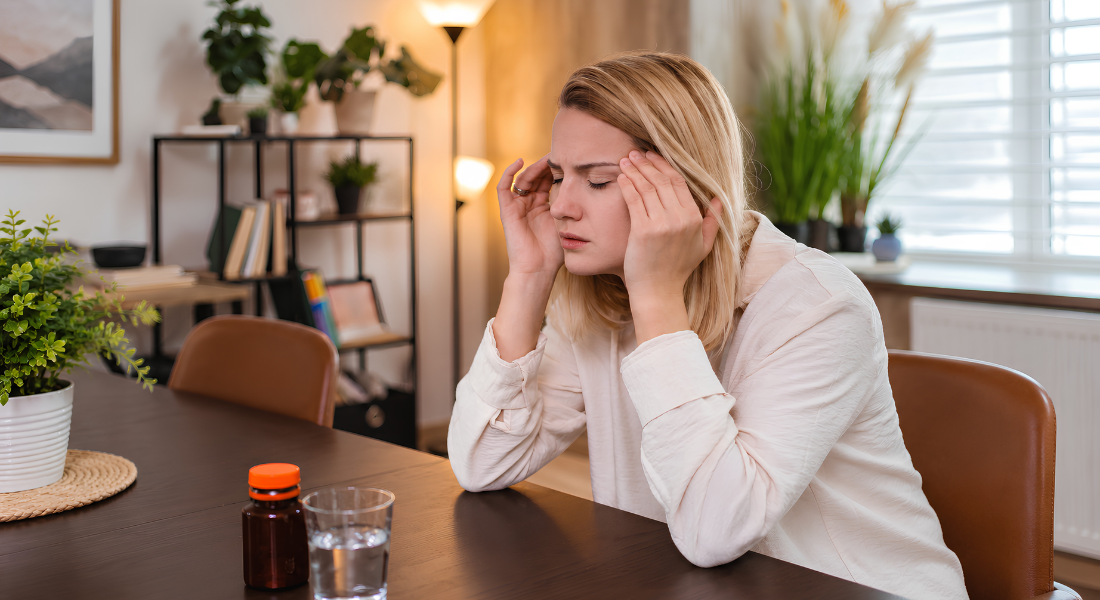
You should seek emergency medical assessment if you develop sudden blurred vision with severe eye pain, redness, halos around lights, headache, nausea or vomiting after taking a decongestant. You should take the medicine packaging with you if possible and tell the healthcare professional which decongestant you used.
You should arrange an eye examination if your visual symptoms are less severe but persist, particularly if you have been told that you have narrow angles. Your eye specialist can check your drainage angles, eye pressure and other possible causes of the vision change.
Can You Use Alternatives If Decongestants Are Not Suitable?
You may still have options if a sympathomimetic decongestant is not suitable for you. Saline nasal sprays or rinses can help clear and moisturise your nasal passages, while treatment for allergies may target the underlying inflammation rather than simply reducing congestion.
You should check the active ingredients before switching to another cold or sinus medicine, as a different brand may contain the same decongestant. If your congestion keeps returning, lasts longer than expected or comes with significant facial pain or breathing difficulty, you should speak to a healthcare professional.
Myth vs Fact
| Myth | Fact |
| All people with glaucoma must avoid every decongestant. | The concern depends particularly on the type of glaucoma and whether your drainage angles are narrow or closed. Check the specific medicine if you are unsure. |
| Decongestants normally cause dangerous eye-pressure rises. | Most people do not develop an eye-pressure emergency. The important recognised risk is that certain decongestants may precipitate acute angle closure in anatomically susceptible eyes. |
| Only prescription decongestants can affect your eyes. | Many pseudoephedrine-, phenylephrine and xylometazoline-containing products are available without prescription, so checking the active ingredients is important. |
| Nasal decongestant sprays cannot affect glaucoma. | Some nasal sprays contain sympathomimetic medicines, so nasal administration does not automatically remove the potential risk in susceptible eyes. Check the active ingredient before use. |
| If you have had laser treatment for narrow angles, all decongestants are automatically safe. | Laser peripheral iridotomy can reduce certain forms of angle-closure risk, but individual eye anatomy still matters. Ask your eye specialist about the specific medicine. |
| A headache after taking a decongestant is never an eye emergency. | Severe headache accompanied by eye pain, redness, blurred vision, halos, nausea or vomiting can occur during acute angle closure and requires emergency assessment. |
Key Takeaways
- Most people who use decongestants do not develop an eye problem.
- The main eye-related concern is acute angle closure in people whose drainage angles are anatomically narrow or susceptible to closure.
- Pseudoephedrine and phenylephrine are found in many cold, flu and sinus remedies, including combination products.
- Nasal sprays are not automatically safer if you have narrow drainage angles, so check the active ingredient before use.
- Open-angle glaucoma and angle-closure glaucoma are different conditions, so the advice about decongestants is not identical for everyone with glaucoma.
- Sudden severe eye pain, redness, blurred vision, coloured halos, headache, nausea or vomiting can indicate acute angle closure and require emergency assessment.
- Always check active ingredients because different brands may contain the same decongestant.
- If you have narrow or closed angles, do not use a contraindicated product simply by taking a smaller dose; ask a healthcare professional for an appropriate alternative.
Frequently Asked Questions
- Can decongestants affect your eyes or eye pressure?
Yes. Some decongestants can enlarge your pupils and may rarely cause a rapid pressure rise if your drainage angles are very narrow. Most people do not develop this problem. - Can pseudoephedrine cause acute angle-closure glaucoma?
Rarely. Pseudoephedrine may trigger angle closure in susceptible eyes. If you have narrow or closed angles, ask a healthcare professional before using it. - Can phenylephrine affect your eye pressure?
Yes. Phenylephrine can dilate your pupils and may contribute to angle closure if your drainage angles are very narrow. Check combination cold and flu remedies carefully. - Are nasal decongestant sprays safe if you have narrow angles?
Not always. Some nasal sprays contain sympathomimetic medicines, so nasal use does not automatically remove the eye risk. Check the ingredient before use. - Is everyone with glaucoma at risk from decongestants?
No. Your risk depends on your glaucoma type and whether your drainage angles are open, narrow or closed. Ask your eye specialist, GP or pharmacist if unsure. - What symptoms can acute angle-closure glaucoma cause?
You may develop sudden severe eye pain, redness, blurred vision, coloured halos, headache, nausea or vomiting. These symptoms need emergency medical assessment. - How do you know if you have narrow drainage angles?
You may have narrow angles without symptoms. Your ophthalmologist can assess them using gonioscopy and, when appropriate, anterior-segment OCT. - Can decongestants raise your eye pressure without causing an attack?
The main concern is a rapid pressure rise if a narrow drainage angle closes. Your risk depends on your eye anatomy and glaucoma type. - What should you do before taking a decongestant if you have glaucoma?
Check the active ingredients and ask whether the product is suitable, especially if you have narrow angles or previous angle closure. - Can you use alternatives if decongestants are not suitable?
Yes. Saline nasal sprays or rinses may help, depending on the cause of your congestion. Check other cold and sinus remedies because they may contain the same decongestant.
Final Thoughts: Decongestants and Your Eye Pressure
Most people can use decongestants without developing significant eye problems, but medicines such as pseudoephedrine and phenylephrine may rarely trigger acute angle closure if you have particularly narrow drainage angles. If you develop sudden severe eye pain, redness, blurred vision, coloured halos, headache, nausea or vomiting after taking a decongestant, you should seek emergency medical assessment.
If you have concerns about your eyesight, the team at Eye Clinic London can provide a comprehensive eye assessment and discuss the next steps that may be appropriate for you.
References:
- Alarfaj, M. and Qedair, J. (2026) ‘Systemic medications as triggers of acute angle-closure glaucoma: A narrative review’, Journal of Clinical Medicine, 15(15), 5834. DOI: 10.3390/jcm15155834. Available at: https://www.mdpi.com/2077-0383/15/15/5834
- Spencer, B.G., Baskin, J., Giarola, B.F. and Craig, J.E. (2019) ‘Single dose of pseudoephedrine induces simultaneous bilateral acute angle closure crisis’, Case Reports in Ophthalmology, 10(3), pp. 365–368. DOI: 10.1159/000503854. Available at: https://pubmed.ncbi.nlm.nih.gov/31762769/
- Yang, M.C. and Lin, K.Y. (2019) ‘Drug-induced acute angle-closure glaucoma: A review’, Journal of Current Glaucoma Practice, 13(3), pp. 104–109. DOI: 10.5005/jp-journals-10078-1261. Available at: https://pmc.ncbi.nlm.nih.gov/articles/PMC7221246/
- Badhu, B.P., Bhattarai, B. and Sangraula, H.P. (2013) ‘Drug-induced ocular hypertension and angle-closure glaucoma’, Asia-Pacific Journal of Ophthalmology, 2(3), pp. 173–176. DOI: 10.1097/APO.0b013e318293c772. Available at: https://www.sciencedirect.com/science/article/pii/S2162098923009672
- Au, S.C.L. (2023) ‘Cluster of ocular acute primary angle closure cases and increased antitussive or nasal decongestants usage following the surge in acute COVID-19 infection’, QJM: An International Journal of Medicine, 116(7), pp. 601–602. DOI: 10.1093/qjmed/hcad023. Available at: https://academic.oup.com/qjmed/article/116/7/601/7039687