


Can Statins Affect Your Eyes or Vision?

If you have noticed changes in your eyesight after starting a statin, you may naturally wonder whether your medication could be the reason. Statins are commonly prescribed to help protect your heart and lower cholesterol, but some people report symptoms such as blurred vision or changes in how clearly they see. In most cases, there can be several possible causes, so it is important to have persistent changes checked rather than assuming your statin is responsible.
Research has explored links between statins and cataracts, glaucoma and retinal conditions, but the evidence remains mixed. You should also know that rare reports have linked statin use with ocular symptoms, although the evidence remains limited and does not prove that statins directly cause these problems. If these symptoms develop, you should seek medical advice rather than stopping your statin yourself.
Why Are Statins Prescribed and How Do They Work?
If your doctor has prescribed a statin, it is usually because your cholesterol level or cardiovascular risk means you could benefit from lowering your LDL cholesterol. Medicines such as atorvastatin, simvastatin and rosuvastatin work by reducing cholesterol production in the liver and helping remove more LDL cholesterol from your bloodstream.
Lowering LDL can reduce atherosclerosis and your risk of heart attack and stroke. You should not stop a prescribed statin because of a change in your eyesight without first discussing the symptom with your doctor.
Can Statins Cause Blurred Vision?
Blurred vision is a recognised side effect of some statins, with UK information listing it as an uncommon effect of atorvastatin. However, you may develop blurred vision for many other reasons, including dry eyes, changing glasses prescriptions, cataracts, diabetes or other eye conditions.
If your vision changes after starting or increasing a statin, you should tell your doctor, particularly if the problem persists. An eye examination can help identify the cause before any change to your medication is considered.
Do All Statins Have the Same Eye Side Effects?
No. Different statins have different reported side effects, and atorvastatin, for example, lists blurred vision as uncommon and visual disturbance as rare. However, this does not mean one statin is necessarily safer for your eyes than another.
Your age, dose, other medicines and health conditions can affect how you respond. If you cannot tolerate one statin, your doctor may consider another statin or a lower dose rather than stopping treatment completely. You should only change your medication after discussing it with your healthcare professional.
How Reported Eye Effects Can Differ Between Statins
| Statin | Current UK product-information examples | Important point |
| Atorvastatin | Blurred vision uncommon; visual disturbance rare; ocular myasthenia frequency not known | Visual symptoms are recognised but do not imply retinal toxicity |
| Simvastatin | Blurred vision/visual impairment rare; ocular myasthenia frequency not known | Eye-effect frequency differs from atorvastatin |
| Pravastatin | Visual disturbance including blurred vision and diplopia uncommon; ocular myasthenia frequency not known | Double vision can have several causes and needs assessment |
| Rosuvastatin | Ocular myasthenia frequency not known | Current UK SmPC does not list blurred vision in the same way as atorvastatin |
| Statins as a class | Very infrequent reports of new or worsening myasthenia gravis | MHRA advises patients to report relevant symptoms |
Can Statins Cause Dry Eyes?

Some studies have suggested a possible association between statin use and dry-eye symptoms, although current evidence is limited and does not prove that statins directly cause dry eye. You may notice burning, grittiness, tired eyes or fluctuating vision, which can also have many other causes.
If these symptoms begin after starting a statin, you should mention it during your eye examination. Your optometrist or ophthalmologist can check for common causes such as blepharitis, prolonged screen use and meibomian gland dysfunction.
Can Statins Cause Double Vision or Drooping Eyelids?
Very infrequent reports have linked statins with new or worsening myasthenia gravis, including ocular myasthenia. You may notice fluctuating double vision or drooping eyelids when the eye muscles are affected, rather than direct damage to your retina or optic nerve.
If you develop new double vision, drooping eyelids or muscle weakness that worsens with activity, you should contact your doctor. Difficulty swallowing or severe breathing problems require immediate medical attention.
UK Guidance Note
UK medicines regulators have highlighted very infrequent reports of new-onset or worsening myasthenia gravis, including ocular myasthenia, in people taking statins. Current UK product information for several statins now includes myasthenia gravis and ocular myasthenia with a frequency that cannot currently be estimated.
Tell your doctor before taking a statin if you have myasthenia gravis or ocular myasthenia. Seek medical advice for new double vision, drooping eyelids or muscle weakness, and seek immediate medical help for severe swallowing or breathing problems. Do not stop your prescribed statin independently.
Do Statins Increase Your Risk of Cataracts?
Research has found mixed results about statins and cataracts, but observational studies can be affected by factors such as age and diabetes. You may develop cataracts naturally, causing blurred vision, glare, difficulty driving at night or less vivid colours.
Evidence from randomised trials is more reassuring, with studies finding no clear increase in cataract risk from statins. You should therefore not assume that your statin is causing a cataract if your vision changes; an eye examination can help identify the actual cause.
Why Do Some Cataract Studies Appear to Disagree?
You may see different results because studies use different designs. Observational studies can be affected by your age, diabetes and other health conditions, while randomised trials make treatment groups more comparable.
Randomised trials have not shown a clear increase in cataract risk with statins. If you develop a cataract, you should have an eye examination to identify the likely cause.
Research Insight
A systematic review of 19 randomised controlled trials involving 28,940 participants examined statins across several eye conditions. Overall, the review did not find evidence that statins cause cataracts, while possible benefits for conditions such as diabetic retinopathy and AMD were not strong enough to support firm clinical conclusions.
This is important because observational studies can be affected by differences in age, diabetes, cardiovascular disease and other factors between statin users and non-users. Research associations therefore should not be interpreted as proof that a statin either causes or prevents a particular eye disease.
Can Statins Protect Against Age-Related Macular Degeneration?
You may have heard that statins could potentially protect against age-related macular degeneration (AMD), but current research has not given a clear answer. Although scientists continue to study this possible link, statins are not prescribed to prevent AMD.
If you already take a statin for cardiovascular protection, you should not stop it simply because you have AMD. Your doctor can help you balance your eye health with your wider cardiovascular needs.
Can Statins Reduce Your Risk of Glaucoma?
You may come across reports suggesting that statins could affect your risk of glaucoma, but the research is not straightforward. Some studies have suggested a possible protective effect, while others have reported different findings. At present, there is not enough evidence to use statins to prevent glaucoma or to consider them a treatment for the condition.
Statins are not glaucoma treatments and cannot replace pressure-lowering drops, laser treatment or surgery. If you have glaucoma and take a statin for cardiovascular reasons, you should continue both treatments as advised by your specialists.
Could Statins Affect Diabetic Retinopathy?
Some research suggests statins may be linked with a lower risk of diabetic retinopathy and diabetic macular oedema. However, most evidence is observational, so you should not assume statins directly protect your retina.
If you have diabetes, you should continue regular diabetic eye screening and manage your blood glucose, blood pressure and cholesterol. Statins do not replace treatments such as retinal injections, laser or surgery when diabetic eye disease becomes sight-threatening.
What About Statins and Retinal Blood Vessel Problems?
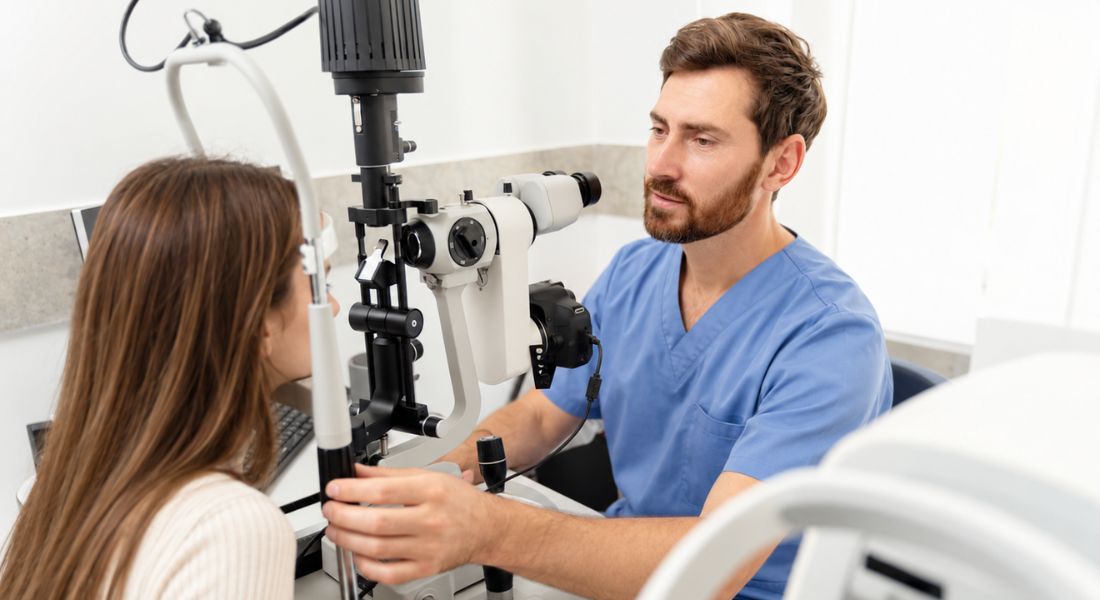
Statins have been studied in retinal vein occlusion, where a blocked retinal vein can cause sudden blurred vision or visual field loss. You should know that conditions such as high blood pressure, diabetes and high cholesterol can increase both retinal and cardiovascular risks.
Statins do not directly treat the retinal blockage, but they may reduce wider cardiovascular risk. If you have a retinal vascular problem, your doctor may review your blood pressure, blood glucose and cholesterol to help protect your overall health.
Do Statins Damage the Retina or Optic Nerve?
Statins are not generally recognised as medicines that cause progressive retinal damage. You should know that this differs from medicines such as hydroxychloroquine, which can directly affect the retina and require specific monitoring.
If you develop retinal or optic nerve changes while taking a statin, you should have other causes investigated. These may include glaucoma, diabetes, vascular disease, macular degeneration or neurological conditions. Ocular myasthenia affects your eye muscles rather than directly damaging your optic nerve.
Do You Need an Eye Test Before Starting Statins?
Current UK statin product information does not specify routine specialist eye screening before treatment solely because you are starting a statin. Your doctor will mainly assess your cardiovascular risk, cholesterol levels, liver function and possible medication interactions rather than arranging routine retinal scans.
You should continue regular eye checks appropriate for your age and conditions such as diabetes or glaucoma. If you have myasthenia gravis or ocular myasthenia, you should tell your doctor before starting a statin, as very infrequent reports of worsening symptoms have been received.
Do You Need Extra Eye Monitoring While Taking a Statin?
Current UK product information does not specify routine retinal monitoring solely because you take a statin.
- Routine eye checks: Regular examinations are generally sufficient if your vision remains stable.
- Existing eye conditions: Continue any monitoring recommended for diabetes, glaucoma or AMD.
- OCT scans: Routine OCT monitoring is not specified in current statin product information solely because you take a statin.
- New symptoms: Arrange an assessment if you develop persistent or unexplained changes in your vision.
Your eye-care professional can advise whether any additional monitoring is needed based on your individual eye health.
Should You Stop Your Statin if Your Vision Changes?
You should not stop a prescribed statin without speaking to your doctor. If your vision changes, an eye examination can check your glasses prescription, cornea, lens, retina and optic nerve, while the timing of your symptoms may help identify the cause.
If your doctor thinks the statin may be responsible, you may be able to switch to another statin or reduce the dose. You should not make these changes yourself, as statins provide important cardiovascular protection. The same applies if you develop double vision or drooping eyelids.
Clinical Tip
If a visual symptom begins after starting a statin or changing your dose, note when it started, whether it affects one or both eyes and whether it is constant or fluctuates. Also mention double vision, drooping eyelids or muscle weakness because these symptoms may need a different assessment from ordinary blurred vision.
Bring an up-to-date medicines list to your eye examination. This can help your optometrist or ophthalmologist consider medication effects alongside more common causes such as refractive change, cataract, dry eye, diabetes or glaucoma.
When Should Changes in Your Eyesight Be Investigated?
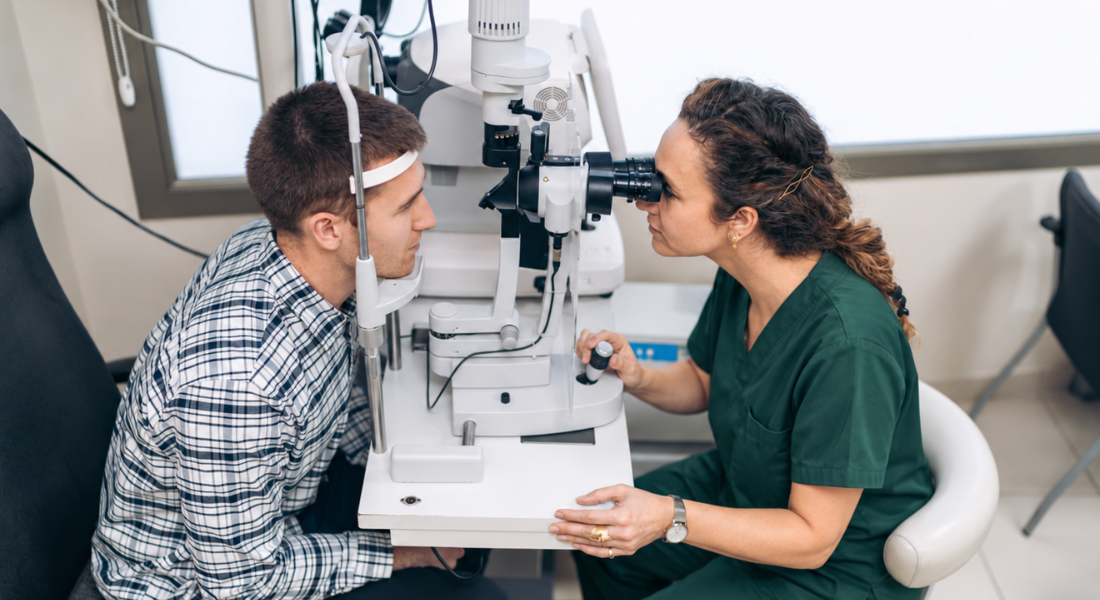
You should arrange an eye examination if blurred vision persists, worsens or affects your daily activities. New double vision or drooping eyelids should also be assessed, particularly if symptoms fluctuate or worsen when you are tired.
If you suddenly lose vision, develop a dark curtain or severe eye pain, you should seek urgent medical care. You should also seek urgent help if double vision or drooping eyelids occur with difficulty swallowing, breathing problems or significant muscle weakness.
Myth vs Fact
| Myth | Fact |
| Statins commonly damage the retina. | No. Statins are not generally recognised as medicines that cause progressive retinal toxicity. |
| Any blurred vision while taking a statin must be caused by the medicine. | No. Dry eye, refractive changes, cataracts, diabetes and other eye conditions are common alternative causes. |
| All statins have exactly the same eye side effects. | No. UK product-information listings differ between individual statins. |
| Statins are proven to prevent cataracts. | No. Randomised evidence is reassuring about cataract safety, but statins are not prescribed to prevent cataracts. |
| Statins can be used to prevent glaucoma or AMD. | No. Research into possible protective associations remains insufficient for this purpose. |
| Double vision while taking a statin always means eye damage. | No. Very infrequent statin-associated ocular myasthenia can affect the eye muscles rather than the retina or optic nerve. |
| You should stop your statin immediately if your eyesight changes. | No. Have the symptom assessed and discuss treatment with your doctor rather than changing a prescribed statin yourself. |
Key Takeaways
- Statins can sometimes be associated with blurred vision or other visual disturbances, but they are not generally recognised as retinal-toxic medicines.
- Reported eye side effects differ between individual statins and their UK product information.
- Recent research suggests a small association between statins and dry-eye disease, but the evidence is currently very low certainty.
- Randomised-trial evidence has not established that statins increase cataract risk overall.
- Research into possible effects on AMD, glaucoma and diabetic retinopathy remains mixed and does not justify using statins specifically as eye treatments.
- Statins have been very infrequently associated with new or worsening myasthenia gravis, including ocular myasthenia causing double vision or drooping eyelids.
- Current UK statin product information does not specify routine retinal OCT monitoring solely because you take a statin.
- Persistent visual symptoms should be assessed, while sudden sight loss, severe eye pain or severe swallowing or breathing problems require urgent medical care.
Frequently Asked Questions
- Can statins affect your eyesight?
Statins can sometimes cause visual symptoms, although they are not generally associated with progressive retinal damage. Blurred vision and other visual disturbances have been reported, but there can be many other reasons for changes in eyesight. - Can statins cause blurred vision?
Blurred vision is listed as an uncommon side effect of atorvastatin, while visual disturbances are reported more rarely. If blurred vision develops after starting a statin and persists, an eye examination can help identify the cause. - Can statins cause dry eyes?
Research has suggested a possible association between statins and dry eye, but the evidence remains uncertain. Burning, grittiness and fluctuating vision can also result from conditions such as blepharitis, screen use or meibomian gland dysfunction. - Can statins cause double vision or drooping eyelids?
Very infrequent reports have linked statins with ocular myasthenia, which can cause fluctuating double vision or drooping eyelids. You should seek medical advice if these symptoms develop, particularly if they are accompanied by muscle weakness. - Do statins increase the risk of cataracts?
Research on statins and cataracts has produced mixed findings, particularly in observational studies. Evidence from randomised trials has not shown a clear increase in cataract risk, so a new cataract should not automatically be attributed to statin treatment. - Can statins protect against age-related macular degeneration?
Researchers have investigated whether statins may reduce the risk of age-related macular degeneration (AMD), but the evidence remains inconsistent. Statins should not be taken specifically to prevent AMD. - Can statins reduce the risk of glaucoma?
Research into statins and glaucoma has produced conflicting findings, with studies reporting both lower and higher associations with glaucoma onset. Current evidence does not establish statins as a glaucoma prevention or treatment. - Could statins affect diabetic retinopathy?
Some research has linked statin use with a lower risk of diabetic retinopathy and diabetic macular oedema. However, much of this evidence is observational, so statins should not be considered a direct treatment for diabetic eye disease. - Do you need an eye test before starting a statin?
Current UK statin product information does not specify routine specialist eye screening solely because you are starting a statin. You should continue routine eye examinations and any monitoring recommended for conditions such as diabetes, glaucoma or AMD. - Should you stop taking a statin if your vision changes?
You should not stop a prescribed statin without discussing the change with your doctor. If your eyesight changes, an eye examination can help determine whether the statin, an existing eye condition or another cause is responsible.
Final Thoughts: Statins and Your Eye Health
If you take a statin and notice changes in your eyesight, it is understandable to wonder whether your medication is responsible. While statins can sometimes be linked with visual symptoms such as blurred vision, they are not generally considered medicines that cause progressive retinal damage. The best approach is to have ongoing symptoms assessed so you can understand the likely cause and receive the right advice.
If you have any concerns about your eyesight, the Eye Clinic London team can provide a comprehensive assessment to help identify the possible cause of your symptoms.
References:
- Lymperopoulou, C., Kandarakis, S.A., Tzanaki, I., Mylona, I., Xanthos, T. and Agouridis, A.P. (2023) ‘The effect of statins on ocular disorders: A systematic review of randomized controlled trials’, Pharmaceuticals, 16(5), Article 711. Available at: https://pmc.ncbi.nlm.nih.gov/articles/PMC10222124/
- Mizranita, V. and Pratisto, E.H. (2015) ‘Statin-associated ocular disorders: The FDA and ADRAC data’, International Journal of Clinical Pharmacy, 37(5), pp. 844–850. Available at: https://pubmed.ncbi.nlm.nih.gov/25939673/
- Pan, S.-Y., Chen, Y.-Y., Hsu, M.-Y., Sheen, Y.-J., Weng, C.-H., Lu, Y.-A., Wang, I.-J., Wu, M.-H. and Chou, C.-C. (2025) ‘Associations of different types of statins with the risk of open-angle glaucoma: A systematic review and network meta-analysis’, Graefe’s Archive for Clinical and Experimental Ophthalmology, 263(1), pp. 201–208. Available at: https://pubmed.ncbi.nlm.nih.gov/39212799/
- Yuan, Y., Xiong, R., Wu, Y., et al. (2022) ‘Associations of statin use with the onset and progression of open-angle glaucoma: A systematic review and meta-analysis’, eClinicalMedicine, 46, Article 101364. Available at: https://pmc.ncbi.nlm.nih.gov/articles/PMC8987630/
- Yu, S., Chu, Y., Li, G., Ren, L. and Zhang, Q. (2017) ‘Statin use and the risk of cataracts: A systematic review and meta-analysis’, Journal of the American Heart Association, 6(6), Article e005767. Available at: https://pmc.ncbi.nlm.nih.gov/articles/PMC5523994/