


Can Isotretinoin (Roaccutane) Cause Dry Eyes?
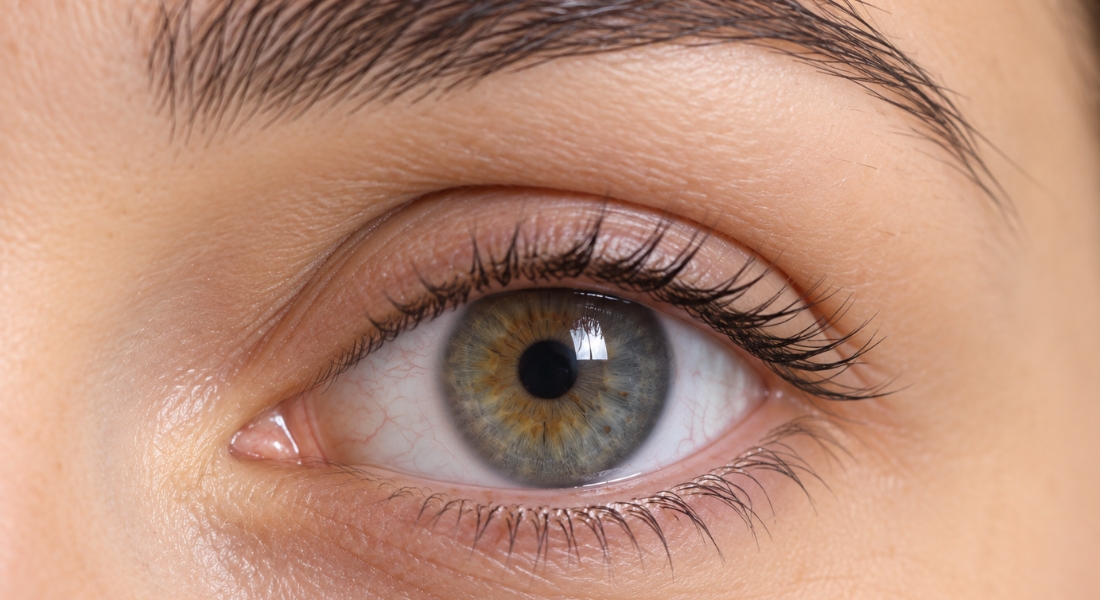
Yes, isotretinoin can contribute to dry eyes. It can reduce oil production from the meibomian glands in your eyelids, which may cause your tears to evaporate faster and leave your eyes feeling dry, gritty or irritated.
You may notice that contact lenses, screen use or windy conditions become more uncomfortable while taking isotretinoin. If your symptoms are persistent or troublesome, speak to your dermatologist, GP or an eye specialist for advice.
Why Can Isotretinoin Make Your Eyes Feel Dry?
Isotretinoin reduces oil production to help control severe acne, but this effect can also involve the oil-producing meibomian glands in your eyelids. When these glands produce less oil, your tear film may become less stable and evaporate more quickly.
- Reduced Oil Production: Isotretinoin can reduce the oily secretions that normally help protect your tears from evaporation.
- Faster Tear Evaporation: A weaker oily layer can allow your tears to evaporate more quickly between blinks.
- Dry-Eye Symptoms: You may notice grittiness, burning, irritation or temporary blurred vision as your tear film becomes less stable.
- Everyday Triggers: Contact lenses, prolonged screen use, wind, heating or air conditioning may make your symptoms more noticeable.
You may still produce enough watery tears while experiencing dryness because the quality and stability of your tear film also matter. If your symptoms become persistent or increasingly uncomfortable, an eye assessment can help determine whether meibomian gland dysfunction is contributing.
What Are the Meibomian Glands and Why Do They Matter?
Your meibomian glands are tiny oil-producing glands in your eyelids that release meibum when you blink. This oil forms the outer layer of your tear film and helps prevent your tears from evaporating too quickly.
If these glands produce less oil or do not work properly, your eyes may become dry, gritty or irritated. Your eye specialist can examine your eyelids and, if needed, use meibography to check the glands more closely.
How Does Isotretinoin Affect Your Tear Film?
Your tear film contains more than water, and the oily layer from your meibomian glands helps prevent your tears from evaporating too quickly. If isotretinoin affects this oil, your tear film may become less stable and break up faster after you blink.
You may notice dryness, irritation or temporary blurred vision that improves when you blink again. This happens because blinking spreads a fresh layer of tears across your eye surface.
What Dry-Eye Symptoms Might You Notice?
Your eyes may feel gritty, burning, stinging or as though something is stuck in them. You may also notice redness, tired eyes, light sensitivity or more discomfort when using screens or being around wind, air conditioning or heating.
You might also experience temporary blurred vision that improves when you blink. Watery eyes can happen too, as irritation from dryness may trigger extra tearing.
Eye Changes You May Notice While Taking Isotretinoin
| Eye change | What you may notice | What to do |
| Dry eye | Grittiness, burning or stinging | Consider lubricating drops and seek advice if persistent |
| Tear-film instability | Vision briefly blurs between blinks | Arrange assessment if frequent or worsening |
| Contact-lens intolerance | Lenses become dry or uncomfortable | Reduce wear or temporarily use glasses |
| Eyelid inflammation | Red or irritated eyelid margins | Ask an eye-care professional about eyelid care |
| Significant visual change | New blurred or reduced night vision | Seek prompt medical advice |
Can Isotretinoin Cause Meibomian Gland Dysfunction?
Yes, isotretinoin can affect how your meibomian glands work. If these glands produce less healthy oil, your tears may evaporate faster, which can contribute to dry, gritty or irritated eyes.
This does not mean you will develop significant gland damage while taking isotretinoin. Your symptoms can vary from someone else’s, and your eye specialist can assess your eyelids and tear film if dryness continues.
Evidence Note
A 2026 systematic review of 43 studies found that worsening dry-eye symptoms and objective ocular-surface changes were frequently reported during isotretinoin treatment, particularly changes in meibomian-gland structure and function. The review also concluded that isotretinoin may cause persistent alterations to the meibomian glands in some patients, although the long-term extent and clinical significance remain uncertain.
When During Treatment Can Dry Eyes Begin?

There is no fixed time when you will develop dry eyes from isotretinoin. You may notice mild changes early on, such as tired eyes or less comfortable contact lenses, while someone else may develop symptoms later.
You may notice dryness becoming more obvious as treatment continues. If your eyes become more gritty, red, irritated or your vision starts fluctuating, tell the clinician supervising your isotretinoin treatment.
Are You More Likely to Notice Problems If You Already Have Dry Eyes?
If you already have dry eyes, meibomian gland dysfunction or eyelid inflammation, isotretinoin may make your symptoms more noticeable. Contact lenses, long screen use, heating, air conditioning and wind can also increase dryness.
You should tell your dermatologist or eye-care professional about these factors. This can help you understand whether isotretinoin, your existing eye condition or your environment may be contributing to your symptoms. A 2026 systematic review recommends checking for dry-eye symptoms before and during isotretinoin treatment. If you already have significant dry eye, meibomian gland dysfunction or contact-lens intolerance, your clinician may consider whether an eye assessment before or during treatment would be useful for you.
Why Might Contact Lenses Become Uncomfortable?
You may find your contact lenses become dry, irritating or uncomfortable after starting isotretinoin. If your tear film becomes unstable, your lenses may feel increasingly uncomfortable as the day goes on.
You should not try to push through significant discomfort. You can reduce your lens wear or switch to glasses temporarily, and speak to your optometrist or ophthalmologist if symptoms continue or you develop eye pain or redness.
Clinical Tip
If contact lenses become increasingly uncomfortable, do not force yourself to continue wearing them. UK prescribing information recognises contact-lens intolerance during isotretinoin treatment, and temporary use of glasses may be necessary.
Can Isotretinoin Also Affect Your Eyelids?
Yes, isotretinoin can be associated with blepharitis, causing redness, irritation or discomfort around your eyelids. It can also affect your meibomian glands, which help keep your tear film stable.
Because your eyelids and tear film work together, problems with one can make the other worse. If you have ongoing dryness or eyelid irritation, your eye specialist can check both your eyelids and the surface of your eyes.
How Are Isotretinoin-Related Dry Eyes Assessed?
If your dry-eye symptoms continue, your eye specialist can examine your tear film, cornea and conjunctiva to understand what may be causing them. They may also check how quickly your tears evaporate after blinking.
Your eyelids and meibomian glands may also be examined for signs of dysfunction. If needed, meibography can provide a closer look at the glands and help your specialist choose the most suitable treatment.
Research Insight
A systematic review of ocular effects found dry eye to be the most commonly reported eye-related adverse effect of isotretinoin, although reported rates varied considerably between studies.
Can Artificial Tears Help While You Take Isotretinoin?
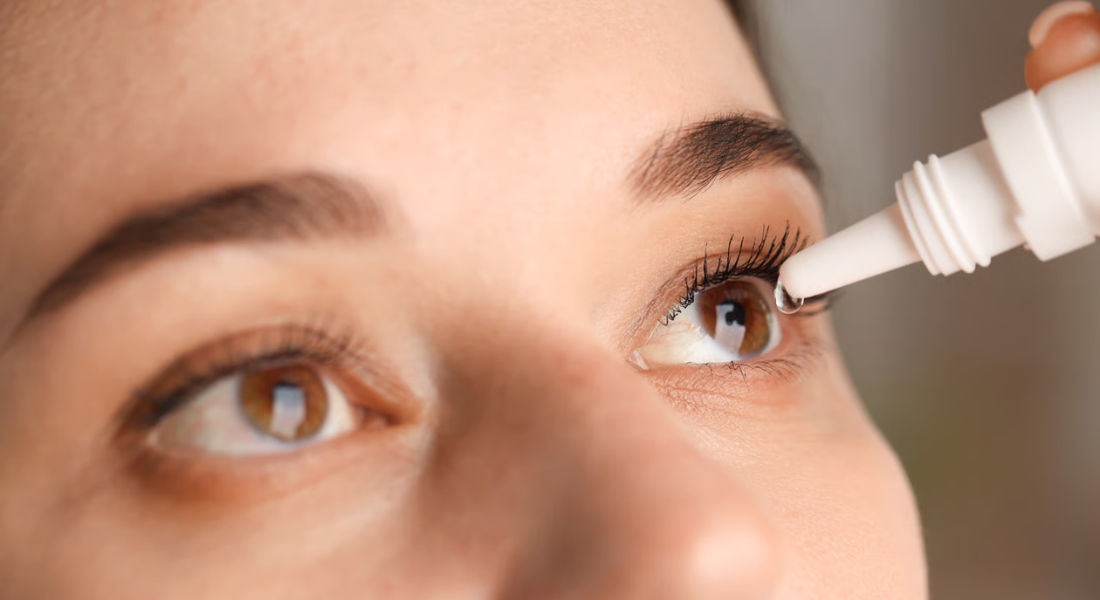
Yes, artificial tears can help relieve dryness while you are taking isotretinoin. You may find thinner drops useful for regular daytime relief, while preservative-free drops or thicker gels may be more suitable if you need frequent lubrication.
If your symptoms continue despite using eye drops, you should have your eyes assessed. Your dryness may also involve meibomian gland dysfunction, so lubrication alone may not address every cause.
Can Warm Compresses and Eyelid Care Help?
If meibomian gland dysfunction is contributing to your dry eyes, warm compresses may help soften the gland secretions and support their release. Your eye-care professional can show you how to use warmth and eyelid hygiene safely.
You should avoid aggressively squeezing or rubbing your eyelids, particularly if your eyes are painful or very inflamed. If you have significant discomfort or vision changes, you should seek professional advice rather than relying only on home care.
Should You Stop Isotretinoin If Your Eyes Become Dry?
You should not stop or change your isotretinoin dose on your own if you develop mild dry eyes. Your dermatologist or prescribing clinician can assess your symptoms and decide whether you can continue treatment with supportive measures.
You may benefit from artificial tears, reducing contact-lens use or other eye-care measures while continuing treatment. If your symptoms become severe or keep getting worse, speak to your prescriber so they can decide whether your treatment needs to be adjusted.
UK Guidance Note
UK prescribing information advises that dry eyes can be managed with tear-replacement treatment or lubricating eye ointment. Visual difficulties should be assessed by an ophthalmologist, and any decision to alter isotretinoin treatment should involve the prescribing clinician.
Will Your Dry Eyes Go Away After You Finish Isotretinoin?
Your dry eyes may improve after you finish isotretinoin as the effects of the medicine wear off. However, you should not assume that your symptoms will always disappear within a specific time, as some people may continue to experience dryness after treatment.
If your eyes remain dry after your course has ended, you should arrange an eye assessment rather than waiting indefinitely. Your symptoms may have other causes, and identifying what is affecting your eyes can help you receive the right treatment.
Can Isotretinoin Affect Your Night Vision?
Yes, decreased night vision has been reported during isotretinoin treatment, and in some people the change can begin suddenly. This is different from the temporary fluctuating blur that may improve when you blink if your tear film is unstable.
If you notice new difficulty seeing in dim light or at night, contact your prescribing clinician or an eye specialist promptly. You should also be cautious about driving at night or operating machinery until the change has been assessed rather than assuming it is simply caused by dry eyes.
When Should You See an Eye Specialist?
You should consider an eye assessment if your dryness is persistent, getting worse or making everyday activities uncomfortable. You may notice more difficulty with reading, computer work, driving or wearing contact lenses.
You should also seek advice if you develop repeated redness, sore eyes, light sensitivity or changes in your vision. If you already have dry eye or meibomian gland problems, tell your prescribing clinician before or during isotretinoin treatment so any worsening symptoms can be assessed promptly.
Which Eye Symptoms Need More Urgent Attention?

Mild dryness or contact-lens discomfort is different from sudden blurred vision or a noticeable change in your sight. If this happens while you are taking isotretinoin, you should contact your doctor promptly rather than assuming dry eye is the cause.
A severe or persistent headache with nausea, vomiting or visual disturbance also needs urgent medical attention because these can be warning signs of intracranial hypertension, a rare complication of isotretinoin. UK product information advises stopping isotretinoin and seeking urgent medical advice if symptoms suggestive of this complication develop.
You should also tell your prescriber about any antibiotics you are taking. Tetracycline antibiotics should not be taken at the same time as isotretinoin because the combination can increase the risk of intracranial hypertension.
Myth vs Fact
| Myth | Fact |
| Isotretinoin only dries your skin and lips. | It can also affect your tear film and meibomian glands. |
| Dry eyes mean you must stop isotretinoin immediately. | Mild symptoms may often be managed while treatment continues under medical supervision. |
| Artificial tears fix every cause of dryness. | Meibomian-gland dysfunction may also need assessment and targeted care. |
| Contact-lens discomfort should simply be tolerated. | Isotretinoin can cause contact-lens intolerance. |
| Dry eyes always disappear immediately after treatment. | They often improve, but persistent symptoms have been reported. |
| Every visual change is just dry eye. | Significant blurred or reduced night vision needs medical assessment. |
Key Takeaways
- Isotretinoin can affect meibomian-gland function and contribute to evaporative dry eye.
- Symptoms can include grittiness, burning, redness, watery eyes and fluctuating vision.
- Contact lenses may become less comfortable during treatment.
- Artificial tears and appropriate eyelid care may help, depending on the cause.
- For mild dry-eye symptoms, do not change or stop your isotretinoin dose without discussing it with your prescribing clinician.
- New significant visual changes, severe eye pain or severe headache with visual symptoms require prompt medical assessment.
Frequently Asked Questions
- Can isotretinoin (Roaccutane) cause dry eyes?
Yes. Isotretinoin can affect the oil-producing meibomian glands in your eyelids, which may make your tear film less stable and increase evaporation. You may notice dryness, grittiness, burning, irritation or fluctuating vision. - Why does isotretinoin cause dry eyes?
Isotretinoin reduces oil production, and this can also affect the meibomian glands that help protect your tears from evaporating too quickly. If the oily layer of your tear film becomes less effective, your eyes may become dry and irritated. - Can isotretinoin cause meibomian gland dysfunction?
Isotretinoin has been associated with changes in meibomian gland function and structure. If your glands produce less or altered oil, you may develop symptoms associated with meibomian gland dysfunction and evaporative dry eye. - What do isotretinoin-related dry eyes feel like?
You may experience grittiness, burning, stinging, redness, tired eyes or a sensation that something is in your eye. Your vision may also become temporarily blurred or fluctuate, particularly during prolonged screen use or contact-lens wear. - Can you wear contact lenses while taking isotretinoin?
You may find that your contact lenses become less comfortable while taking isotretinoin because of changes to your tear film. If wearing your lenses causes significant irritation or dryness, consider reducing wear or using glasses and discuss the problem with your optometrist or eye specialist. - Can artificial tears help with dry eyes caused by isotretinoin?
Yes. Lubricating eye drops or artificial tears can help relieve symptoms, and preservative-free drops may be considered if you need lubrication frequently. If dryness continues despite using drops, an eye assessment can help identify whether meibomian gland dysfunction or another problem is contributing. - Should you stop isotretinoin if you develop dry eyes?
You should not stop or change your isotretinoin dose without speaking to the clinician supervising your treatment. Mild symptoms may sometimes be managed while treatment continues, but worsening or significant eye problems should be discussed with your prescriber. - Will dry eyes go away after stopping isotretinoin?
Dry-eye symptoms often improve after isotretinoin treatment ends, but recovery is not guaranteed for everyone. If your symptoms persist after treatment, an eye specialist can assess your tear film, meibomian glands and ocular surface to determine whether further treatment is needed. - When should you see an eye specialist while taking isotretinoin?
You should consider an eye assessment if dryness is persistent, worsening or interfering with activities such as reading, driving, screen use or contact-lens wear. Recurrent redness, soreness, light sensitivity or fluctuating vision should also be assessed rather than automatically being attributed to dry eye. - Which eye symptoms need urgent medical attention while taking isotretinoin?
Sudden changes in vision, significant blurred vision, severe eye pain, marked redness or severe light sensitivity require prompt medical assessment. A severe or persistent headache accompanied by nausea, vomiting or visual disturbance also needs urgent attention and should not be dismissed as ordinary dry eye.
Final Thoughts: Can Roaccutane (Isotretinoin) Cause Dry Eyes?
Isotretinoin can contribute to dry eyes by affecting the meibomian glands and the oily layer of your tear film, which can increase tear evaporation. If you notice persistent dryness, grittiness, burning, redness, fluctuating vision or increasing discomfort with contact lenses, you can discuss these symptoms with the clinician managing your isotretinoin treatment rather than assuming you simply need to tolerate them.
If you have any concerns about your eyesight, our team at Eye Clinic London can provide a comprehensive assessment.
References:
- Fineide, F.A. et al. (2026) ‘Isotretinoin and Dry Eye Disease: A Systematic Review’, Current Eye Research. Available at: https://pubmed.ncbi.nlm.nih.gov/42554012/
- Lamberg, O. et al. (2023) ‘Ocular side effects of systemic isotretinoin – a systematic review and summary of case reports’, Journal of Dermatological Treatment, 34(1), 2213364. Available at: https://pubmed.ncbi.nlm.nih.gov/37248700/
- Zakrzewska, A. et al. (2023) ‘The Effect of Oral Isotretinoin Therapy on Meibomian Gland Characteristics in Patients with Acne Vulgaris’, Ophthalmology and Therapy, 12(4), pp. 2187-2197. Available at: https://pmc.ncbi.nlm.nih.gov/articles/PMC10287853/
- Pan, J.T. et al. (2026) ‘Highlighting Ophthalmic Adverse Effects Associated with Isotretinoin’, Life, 16(9), 1441. Available at: https://www.mdpi.com/2075-1729/16/9/1441
- Gomes, J.A.P. et al. (2023) ‘TFOS Lifestyle: Impact of elective medications and procedures on the ocular surface’, The Ocular Surface, 29, pp. 331-385. Available at: https://www.sciencedirect.com/science/article/abs/pii/S154201242300037X