


How Did Cataracts Affect Claude Monet’s Eyesight and Paintings?
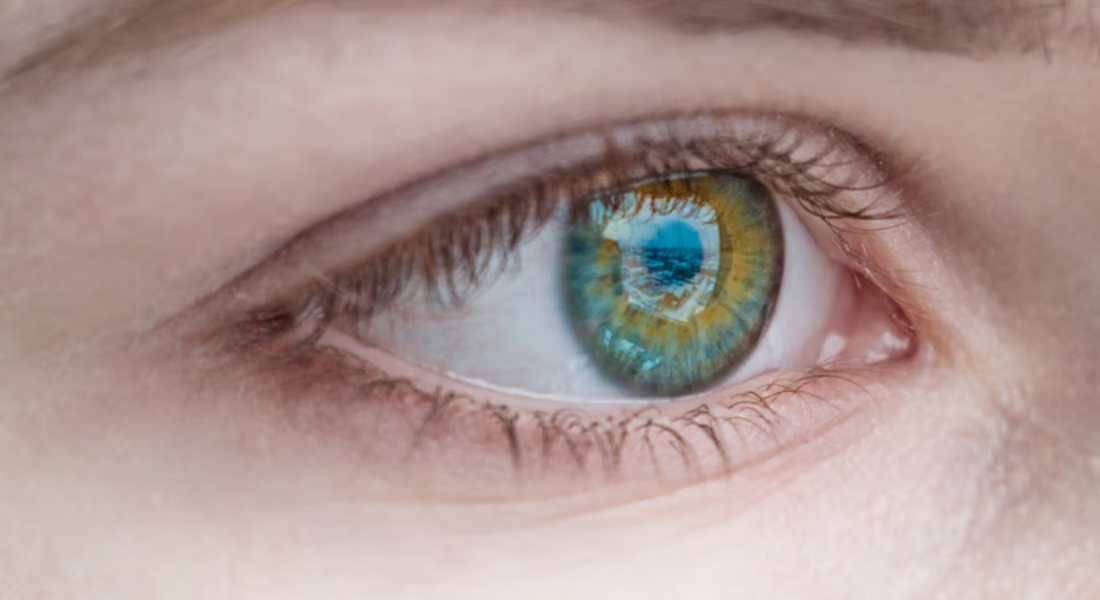
Claude Monet developed cataracts in both eyes later in life, causing blurred vision and changing how he saw colours. You may notice that some of his later paintings look darker, with stronger reds, oranges and browns. If you compare his earlier and later work, you can see why changes in his vision became an important part of his artistic story.
As his cataracts worsened, you may find it easier to understand why painting became increasingly difficult for him. Monet eventually underwent cataract surgery on his right eye in 1923. After a difficult period of adjustment, his corrected vision improved, and he returned to painting during the final years of his life.
When Did Claude Monet Develop Cataracts?
Claude Monet was diagnosed with cataracts in both eyes in 1912, although he continued painting as his eyesight gradually deteriorated. You may find it surprising that he lived with the condition for many years before agreeing to surgery. As his cataracts worsened, colours became harder for him to distinguish and he described some shades as losing their intensity. To keep painting, he reportedly arranged his paints in a familiar order and used labels to help identify colours when he could no longer rely fully on his vision.
By 1922, Monet’s eyesight had become severely impaired, with medical records describing only light perception in his right eye and vision of 6/60 in his left. If you consider how important fine detail, colour and light were to his work, you can understand why this level of sight loss made painting increasingly difficult. He eventually underwent cataract surgery on his right eye in 1923. His recovery was not immediate, but with further optical correction his right-eye vision later improved considerably, reaching 6/9 by 1925 and helping him continue painting during the final years of his life.
What Is a Cataract?
A cataract develops when the natural lens inside your eye becomes cloudy, making it harder for light to reach the retina clearly. You may notice blurred or hazy vision, increased glare, or colours appearing less vivid as the cataract develops.
Cataracts usually worsen gradually rather than changing your vision overnight. In Monet’s case, you can imagine how a slowly clouding lens changed the way he saw the landscapes, light and colours he had painted for decades.
How Bad Did Monet’s Eyesight Become?
By the early 1920s, Monet’s cataracts had severely affected his vision. Painting became increasingly difficult as fine details, edges and subtle colour differences became blurred or harder for Monet to distinguish.
Medical accounts from 1922 describe very poor vision, particularly in his right eye. Monet described his surroundings as looking as though they were covered by fog, and you can see why distinguishing colours and details became increasingly challenging for his work.
How Do Cataracts Change the Colours You See?
As a cataract develops, the natural lens can become yellow or brown, changing how light reaches your retina. You may notice that colours look less vivid, blues become harder to distinguish and whites or similar shades appear less clear.
Monet noticed these changes in his own vision, describing colours as less intense and reds as muddy. You can understand why this affected his painting, as he relied on subtle differences in colour, light and atmosphere to create his Impressionist works.
How Cataracts Can Affect What You See
| Visual change | What you may notice |
| Blurred or hazy vision | Fine details and edges may become less clear |
| Reduced colour intensity | Colours may appear duller or less vivid |
| Blue-yellow changes | Blues and violets may become harder to distinguish |
| Yellow or brown tint | Whites and lighter colours may appear warmer or less clear |
| Reduced contrast | Similar shades and subtle differences can become harder to separate |
| Increased glare | Bright sunlight or lights may make vision more uncomfortable |
| Loss of fine detail | Detailed tasks such as reading, painting or recognising small features may become more difficult |
Did Cataracts Make Monet’s Vision Blurry?

Yes. Cataracts can make your vision blurred, hazy and less sharp because the cloudy lens prevents light from reaching your retina clearly. You may notice that faces, reading or fine details become harder to see, especially when contrast is low.
For Monet, you can imagine how this affected his ability to distinguish water lilies, foliage and reflections. His later paintings often appear less defined, although you should not assume that every loose brushstroke was directly caused by his cataracts.
Why Did Monet Have Problems With Glare and Bright Light?
Cataracts can scatter light inside your eye, making bright surroundings uncomfortable and causing glare or halos. You may find that strong sunlight washes out contrast, making it harder to see details clearly.
For Monet, this was especially challenging because he often painted outdoors. If you have experienced glare through a dirty window on a sunny day, you can understand why bright light may actually make vision harder rather than clearer. Monet reportedly wore a large straw hat while painting to help reduce the glare.
How Did Monet’s Paintings Change as His Cataracts Progressed?
As Monet’s cataracts became more advanced, you may notice that some of his paintings became darker, with stronger reds, oranges and browns. His later works also often feature broader brushstrokes and less clearly defined forms, while his colour choices became more variable and sometimes unusually intense.
If you compare his earlier paintings with works from around 1920–1922, the differences can be striking. However, you should remember that not every change was necessarily caused by his cataracts, as Monet could still make deliberate artistic choices despite his declining vision.
Were Monet’s Late Paintings Really Caused by Cataracts?
It is difficult to say that Monet’s late paintings were caused entirely by cataracts. You can see evidence that his eyesight and colour perception had changed, and you may notice darker colours, stronger reds and less defined forms in some of his later work.
If you compare his paintings from different periods, you can see how his style changed as his vision deteriorated. However, you should not assume that every brushstroke came directly from his cataracts, as Monet remained an experienced artist making his own creative choices.
How Did Monet Continue Painting When He Could Not Trust His Colour Vision?
As Monet’s cataracts worsened, he found practical ways to keep painting even when colours became harder to judge accurately.
- Familiar paint order: He reportedly kept his paints arranged in a consistent order.
- Labelled tubes: Labels or numbers helped him identify colours without relying only on sight.
- Visual memory: Years of painting experience helped him remember how familiar colours should appear.
- Artistic judgement: He continued using his own experience and creative decisions despite reduced vision.
His later paintings were therefore influenced by more than cataracts alone. Memory, experience and artistic judgement also played an important role.
Why Did Monet Refuse Cataract Surgery for So Long?

Monet was worried that cataract surgery might make his remaining vision worse. You may find this easier to understand when you consider that surgery in his time was far less advanced, without the modern techniques, medicines and artificial lenses used today.
He was also concerned about how surgery could change his colour perception, which was central to his art. If you were in Monet’s position, losing even the limited vision you had left would have been a frightening prospect. Eventually, as his vision continued to deteriorate, Monet agreed to undergo surgery on his right eye.
What Happened Just Before Monet Agreed to Surgery?
By 1922, Monet’s cataracts had become so severe that painting, reading and writing had become extremely difficult. If you have ever struggled to see through heavy glare or blur, you can appreciate why even familiar tasks became challenging for him.
His ophthalmologist, Charles Coutela, tried pupil-dilating drops, which briefly allowed more light to enter the eye and improved what Monet could see. He welcomed this temporary improvement, but the cataracts remained and the benefit from the drops was short-lived. As his sight continued to deteriorate, Monet eventually agreed to have his right eye operated on.
What Cataract Surgery Did Monet Have in 1923?
Monet underwent cataract surgery on his right eye in 1923, but the procedure was very different from what you would expect today. The cataractous natural lens was removed without an artificial lens implant, leaving his operated eye aphakic and requiring very strong spectacles to provide focusing power.
You may find his recovery surprising compared with modern treatment. Because Monet was left without a natural or artificial lens in the operated eye, the optical correction available to him created significant magnification and distortion. Straight objects could appear curved, making the improved visual acuity difficult for him to use comfortably at first. Modern cataract surgery is very different because an artificial intraocular lens is normally placed inside your eye during the operation, providing much of the focusing power that Monet had to obtain from extremely strong spectacles.
Why Did Everything Look Blue After Monet’s Cataract Surgery?
After cataract surgery, Monet experienced cyanopsia, meaning that colours appeared unusually blue through his operated eye. You may find this easier to understand because his cataract had spent years filtering out some blue and violet light, so removing it suddenly changed the light reaching his retina.
After modern cataract surgery, some people temporarily notice that colours appear brighter or bluer as their visual system adapts to the clearer optical input. Monet’s change in colour perception was particularly troublesome because his operated and unoperated eyes were giving him very different visual information.
Why Did Monet Need Special Glasses After Surgery?
Because Monet did not receive an artificial lens, he needed very strong glasses to replace some of the focusing power of his natural lens. You may find this surprising because these aphakic glasses could magnify images and make objects appear distorted or curved.
Specially tinted Zeiss lenses later helped Monet manage his altered colour perception, and by 1925 his corrected vision in the operated eye had improved substantially. Today, you would normally receive an artificial intraocular lens during cataract surgery, so you would not usually need the extremely strong glasses Monet required.
Did Monet’s Paintings Change Again After Surgery?
After Monet adapted to the improved vision in his right eye, you may notice that the intense reds, oranges and browns seen in some earlier late works became less dominant. Some of his post-operative paintings returned to gentler blues and greens, and historical accounts indicate that he retouched or destroyed some earlier works after seeing their colours differently.
If you compare his work before and after surgery, you can see why cataracts may have influenced parts of his late style. However, you should remember that Monet’s age, artistic choices and experience also shaped his paintings, so you cannot attribute every change to his eyesight alone.
Evidence Note
Monet’s visual history is unusually well documented for a historical artist. In 1922, ophthalmologist Charles Coutela recorded light perception only in Monet’s right eye and 6/60 vision in his left. By 1925, after cataract surgery and strong optical correction, the operated right eye had improved to 6/9. These measurements show a major recovery in visual acuity, but they do not mean that his visual experience immediately returned to normal because he continued to struggle with distortion and colour imbalance.
Modern clinical research also supports the idea that cataracts can alter colour discrimination as well as sharpness of vision. A 2022 Oxford study found statistically significant differences in colour discrimination after cataract surgery along both the protan and tritan axes, with P values of 0.024 and 0.020. Nuclear sclerotic cataract showed the greatest observed effect on colour sensitivity, although the study could not establish precise effects for every cataract subtype. This supports a plausible influence of cataract on Monet’s colour perception, particularly blue-yellow discrimination, while still avoiding the claim that every colour or brushstroke in his later paintings was caused by eye disease.
What Can Monet’s Experience Teach You About Cataracts Today?

Monet’s experience shows that cataracts can affect more than how clearly you see. You may notice hazy vision, duller colours, difficulty distinguishing shades or increased glare, and because these changes happen gradually, you may not realise how much your vision has changed.
Modern cataract surgery is much more advanced and usually replaces the cloudy lens with a clear artificial lens. If cataracts are affecting activities that matter to you, such as reading, driving or detailed work, an eye examination can help confirm whether cataracts are the main cause. You can then discuss how much your symptoms are affecting your daily life and whether surgery is likely to help. Cataract surgery is not always needed as soon as a cataract is found; it is usually considered when your vision begins to interfere with activities that are important to you. If another eye condition is also limiting your sight, your specialist can explain how this may affect the improvement you can realistically expect after surgery. If glare, colour changes or blurred vision are making everyday tasks difficult, tell your eye specialist which activities are affected, as this can help guide treatment discussions.
UK Guidance Note
Cataracts usually cause gradual symptoms such as blurred or misty vision, faded colours and increased glare. Modern cataract surgery removes the cloudy natural lens and usually replaces it with a clear artificial intraocular lens.
A sudden loss of vision, a painful red eye, new flashes or floaters, or a dark curtain or shadow across your sight should not simply be attributed to a cataract. These symptoms can indicate other eye problems and should be assessed urgently.
Myth vs Fact
| Myth | Fact |
| Monet’s cataracts explain every feature of his late paintings. | No. His impaired vision probably influenced colour discrimination and detail, but artistic choice and stylistic development also mattered. |
| Cataracts only make vision blurry. | No. They can also reduce contrast, increase glare and alter colour discrimination, particularly blue-yellow perception. |
| Monet’s cataract surgery immediately restored normal vision. | No. He experienced a difficult postoperative period, distortion from aphakic spectacles and prolonged changes in colour perception. |
| Seeing colours as brighter or bluer after cataract surgery is abnormal. | Not necessarily. A temporary shift towards brighter or bluer colour perception can occur after the cloudy lens is removed. |
| Modern cataract surgery is the same procedure Monet had. | No. Modern surgery normally implants an artificial intraocular lens, unlike Monet’s aphakic surgery in 1923. |
Key Takeaways
- Claude Monet developed cataracts in both eyes, with severe visual impairment documented by the early 1920s.
- Cataracts can cause blurred vision, glare, reduced contrast and changes in colour perception, particularly making blue shades harder to distinguish.
- Monet underwent cataract surgery on his right eye in 1923, but his recovery involved optical distortion and significant changes in colour perception.
- His cataracts probably influenced some aspects of his later paintings, but not every stylistic change can be attributed to his eyesight.
- Modern cataract surgery usually removes the cloudy lens and replaces it with an artificial intraocular lens, making it very different from Monet’s surgery.
Frequently Asked Questions
- Did Claude Monet have cataracts?
Yes, Claude Monet developed cataracts in both eyes later in life. The condition caused blurred vision and significantly affected how he perceived colours. - How did cataracts affect Monet’s eyesight?
Monet’s cataracts caused increasingly blurred and hazy vision, making fine details harder to see. Cataracts can also cause glare and make everyday activities more difficult. - Did cataracts affect Monet’s paintings?
Yes, his changing eyesight appears to have influenced some of his later paintings. You may notice darker tones, stronger reds and oranges, and less-defined forms in some of his later work. - How did cataracts change the colours Monet saw?
A cataract can cause the natural lens to become yellow or brown, affecting how colours appear. Monet reportedly found some colours less intense and described reds as muddy. - Why did Monet delay cataract surgery?
Monet worried that surgery could make his remaining vision worse or change his colour perception. Cataract surgery was also much less predictable during his lifetime than it is today. - When did Monet have cataract surgery?
Monet underwent cataract surgery on his right eye in 1923. Unlike modern surgery, his natural lens was removed without replacing it with an artificial intraocular lens. - Why did everything look blue after Monet’s cataract surgery?
After surgery, Monet experienced cyanopsia, which made his surroundings appear unusually blue. Removing the cataract allowed more blue and violet light to reach the retina after years of filtering. - Why did Monet need special glasses after surgery?
Because his natural lens was not replaced, Monet needed very strong spectacles to provide focusing power. You would normally have an artificial lens inserted during modern cataract surgery instead. - Did Monet’s eyesight improve after cataract surgery?
Yes, his corrected vision in the operated eye eventually improved after surgery. However, his recovery involved a prolonged period of adjustment, including difficulties with optical distortion and altered colour perception. - Can cataracts affect your colour vision today?
Yes, cataracts can make colours appear duller, yellower or less distinct as the lens becomes cloudy. If you notice changes in colour perception, blurred vision or increased glare, an eye examination can help identify the cause.
Final Thoughts: What Monet’s Experience Can Teach You About Cataracts
Claude Monet’s experience shows how cataracts can gradually change not only how clearly you see, but also how you perceive colours, light and contrast. If you notice hazy vision, duller colours, increased glare or difficulty seeing fine details, you should not assume these changes are simply part of getting older. An eye examination can help determine whether cataracts are affecting your vision and whether treatment may be appropriate.
If cataracts are beginning to interfere with the things you enjoy, such as reading, driving or detailed work, you can discuss your symptoms with an eye specialist. Modern cataract surgery is very different from the procedure Monet experienced and usually replaces the cloudy natural lens with an artificial intraocular lens, which may improve visual clarity and everyday visual function when cataract is the main cause of your symptoms.
References:
- Gruener, A. (2015) ‘The effect of cataracts and cataract surgery on Claude Monet’, British Journal of General Practice, 65(634), pp. 254–255. Available at: https://pmc.ncbi.nlm.nih.gov/articles/PMC4408507/
- Marmor, M.F. (2016) ‘Vision, eye disease, and art: 2015 Keeler Lecture’, Eye, 30(2), pp. 287–303. Available at: https://pmc.ncbi.nlm.nih.gov/articles/PMC4763116/
- Marmor, M.F. (2006) ‘Ophthalmology and art: simulation of Monet’s cataracts and Degas’ retinal disease’, Archives of Ophthalmology, 124(12), pp. 1764–1769. Available at: https://pubmed.ncbi.nlm.nih.gov/17159037/
- Ravin, J.G. (1985) ‘Monet’s cataracts’, JAMA, 254(3), pp. 394–399. Available at: https://pubmed.ncbi.nlm.nih.gov/3892061/
- Jolly, J.K. et al. (2022) ‘The effect of cataract on color vision measurement with the Low-Vision Cambridge Colour Test: providing an adjustment factor for clinical trials’, Ophthalmology Science, 2(2), 100153. Available at: https://www.sciencedirect.com/science/article/pii/S2666914522000422